
 Crepuscular rays at sunset last night.
Crepuscular rays at sunset last night.
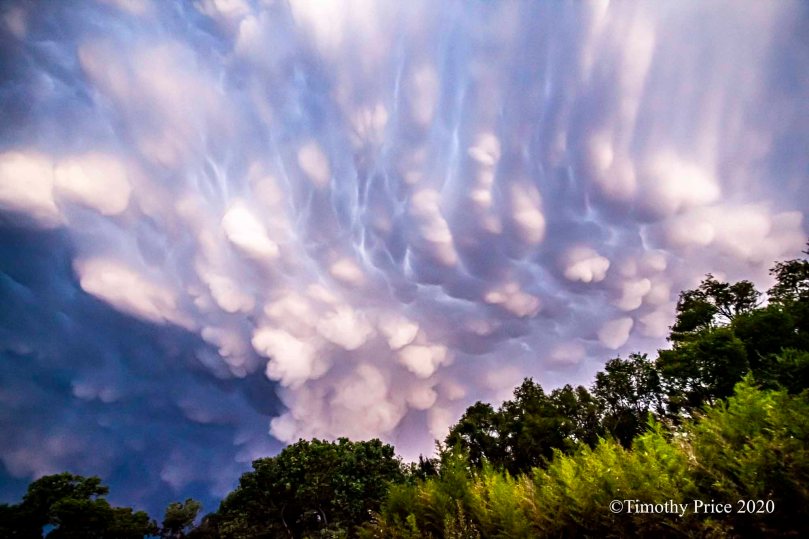
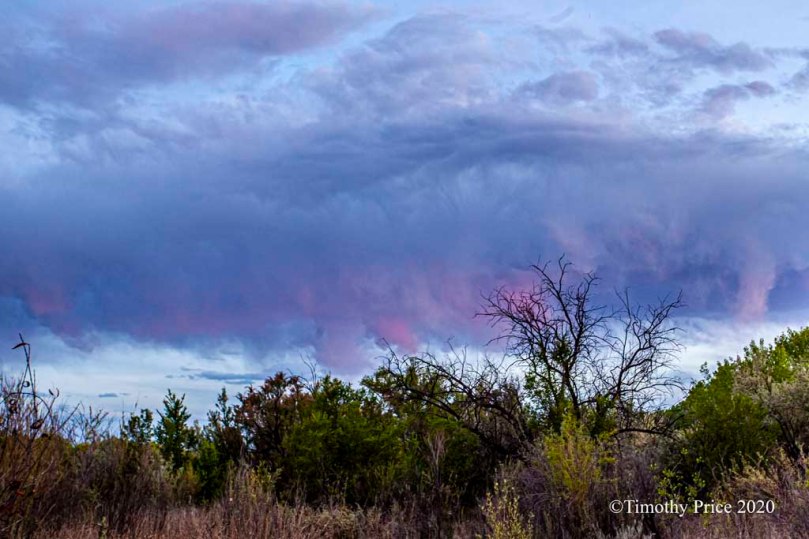
August is the month for mammatus clouds. I posted similar clouds on August 1, 2018. These mammatocumulus clouds rolled in well after sundown the other night. While I was out photographing the clouds, I ran into a skunk. The skunk was a sassy little guy. He ran up to within a foot of me and stamped his little paws. It was too dark for the wide-angle lens to focus on him. I took a few steps backward, and he ran up to me and stamped is front paws. This happened several more times. He never turned to spray, just kept running up to me like a challenge or maybe he wanted to play. When I shined my phone light on him to try and get a photo, he ran under the car.
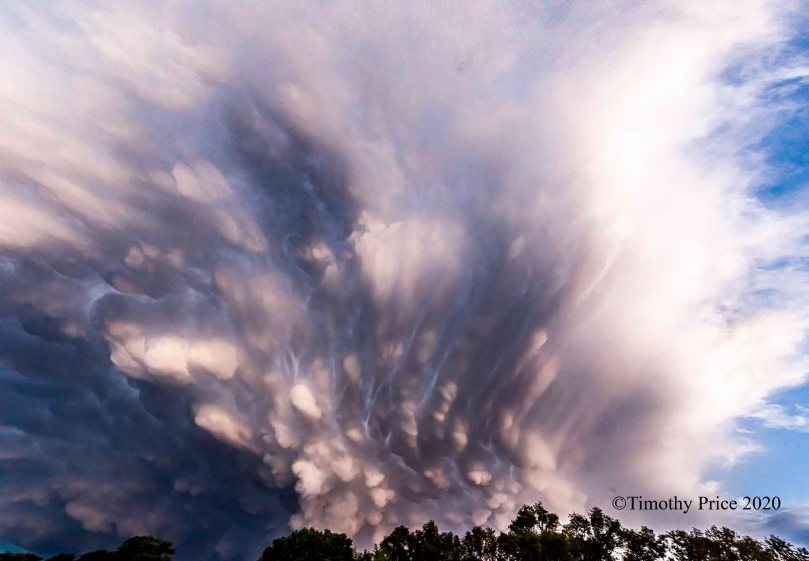
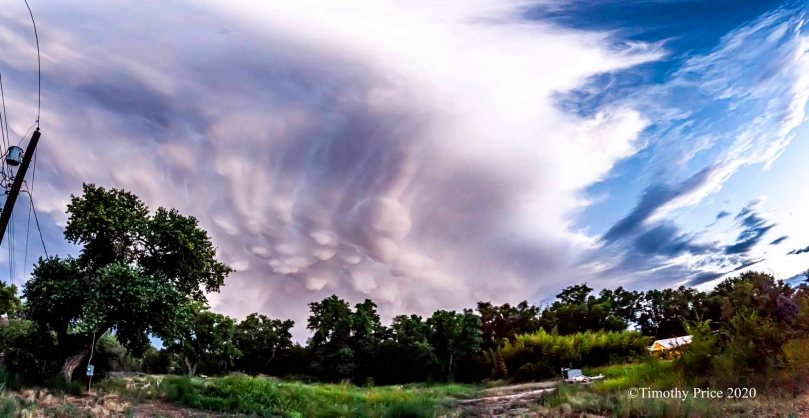

The Jetties, also called Jetti Jacks, where placed along the river in the 1930s where the bosque has since grown up. The jettise are one of many flood control projects that have been installed along the Rio Grande. When I was young, there were rows of jettis the ran from the Levee to the river about every 1000 feet or so. Most of the jetties have been removed over the past 30 years, but there are some that have been left tangled up in cottonwoods that grew up along the line of jetties.
 From the levee looking west.
 Resa’s Tree
 Red rain approaching.
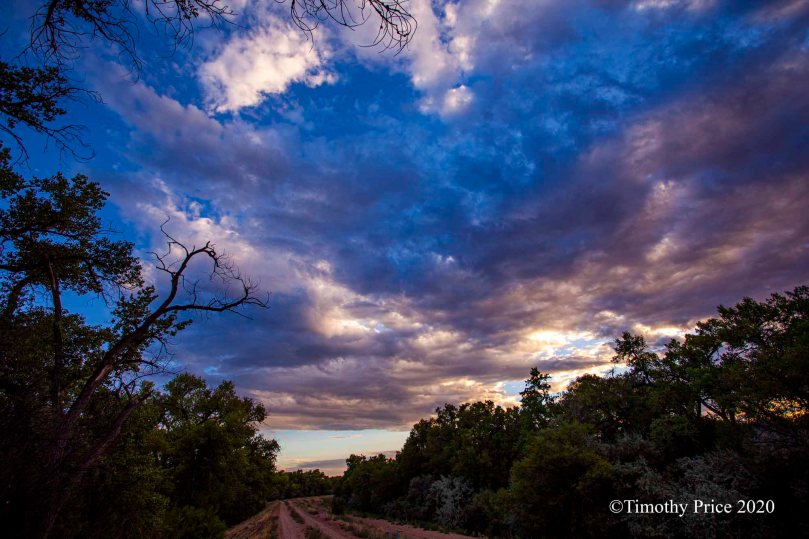 Holly’s Tangle Heart Tree.

 Clouds formed the same shape as the canopy of Resa’s Tree.


Thunderheads are building up, rolling in and raining on us almost every evening.
 Shark cloud

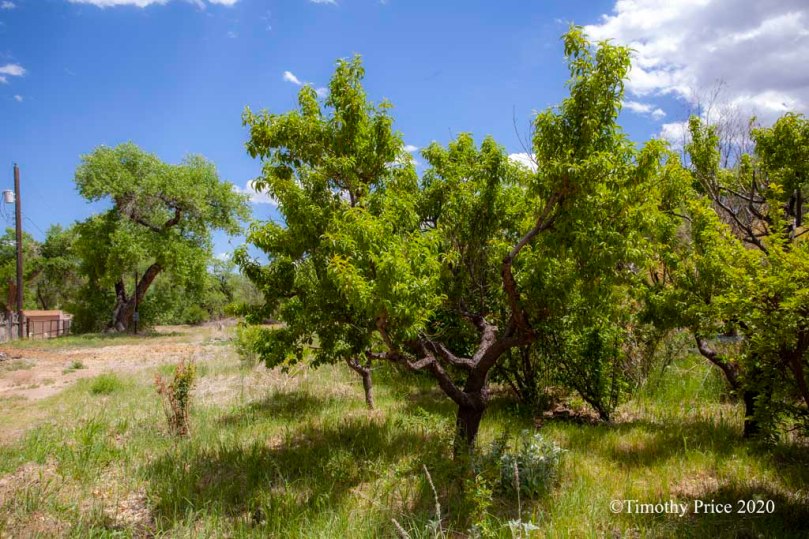
You can visit Dale’s blog at https://adelectablelife.com/

You can visit Marina’s blog at https://marinakanavaki.com/


You can visit Resa’s blog at https://graffitiluxandmurals.com/

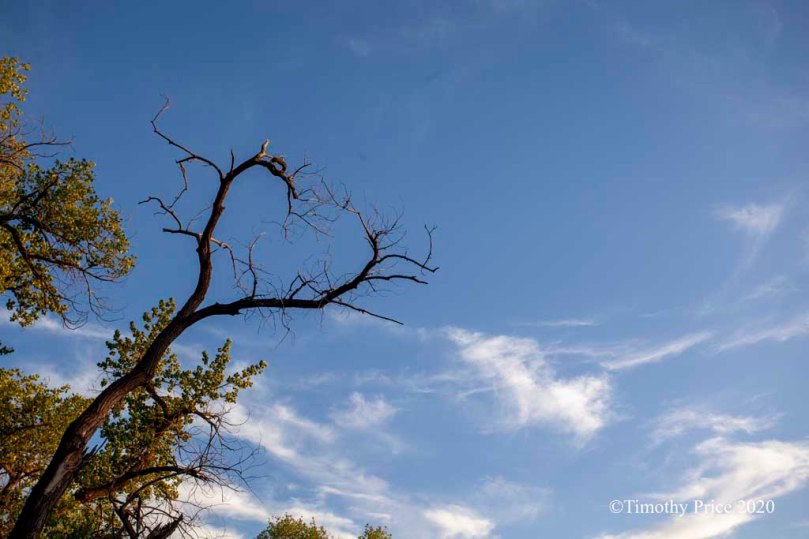
You can visit Holly’s blog at https://houseofheartweb.wordpress.com/

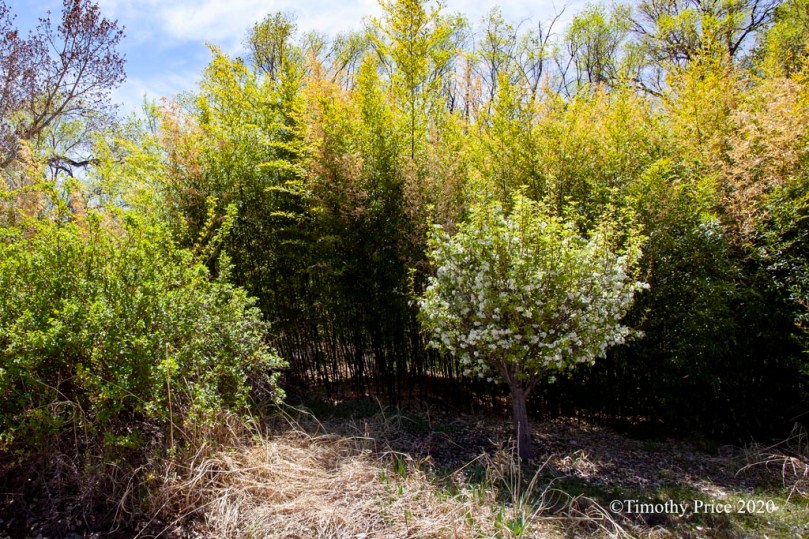
Marina at Marina Kanavaki, who is one of Resa’s Art Gown models, claimed our Pear Tree. The pear tree is hidden between our giant Dr. Huey on the left, other rose bushes on the right, and a wall of black bamboo behind it. After it blooms and leafs out fully, it blends in with the bamboo. Marina calls it her “incognito” tree. Although it looks like a small, tree it’s currently around 10 feet tall. It’s apical dominant, and before I pruned it into it’s ball shape in February, it was double it’s current height in the shape of a cone.

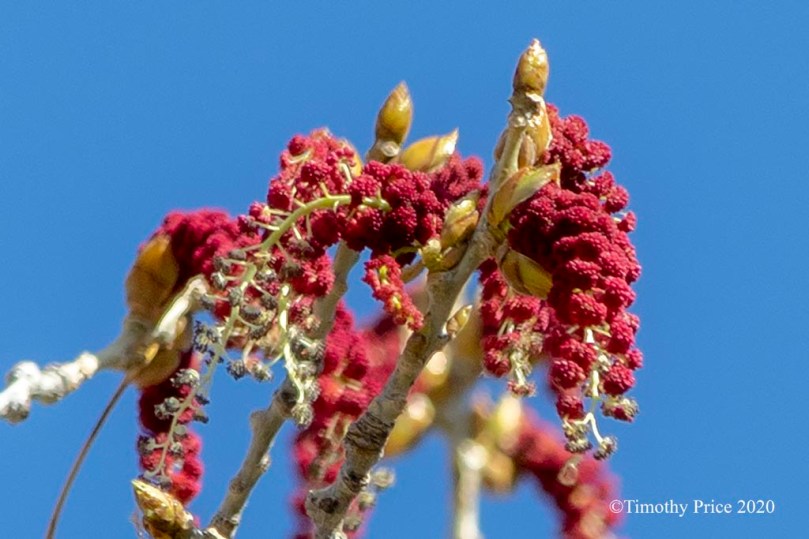
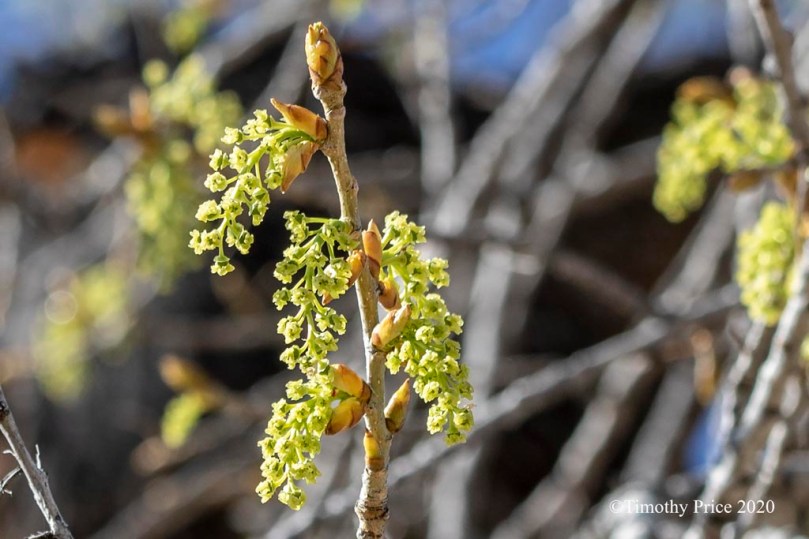
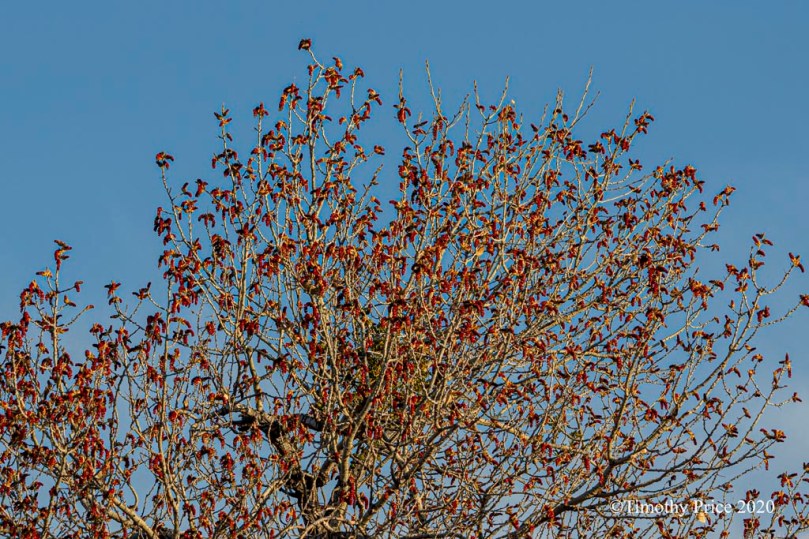
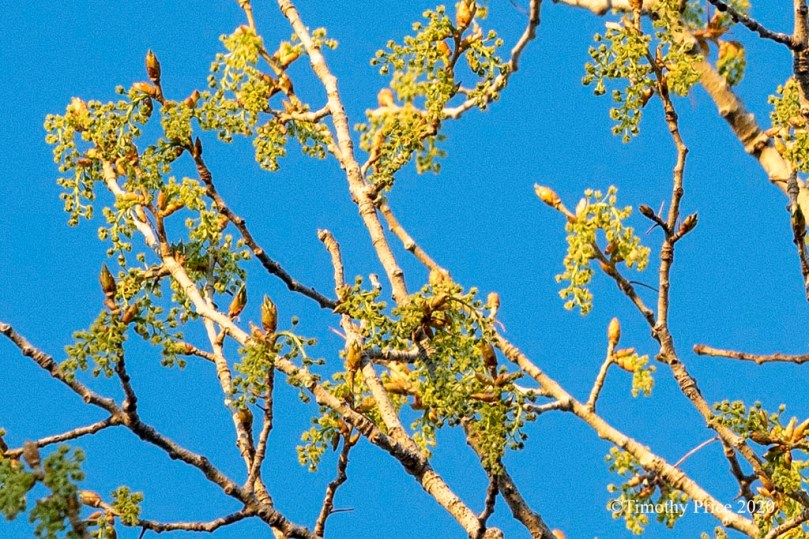
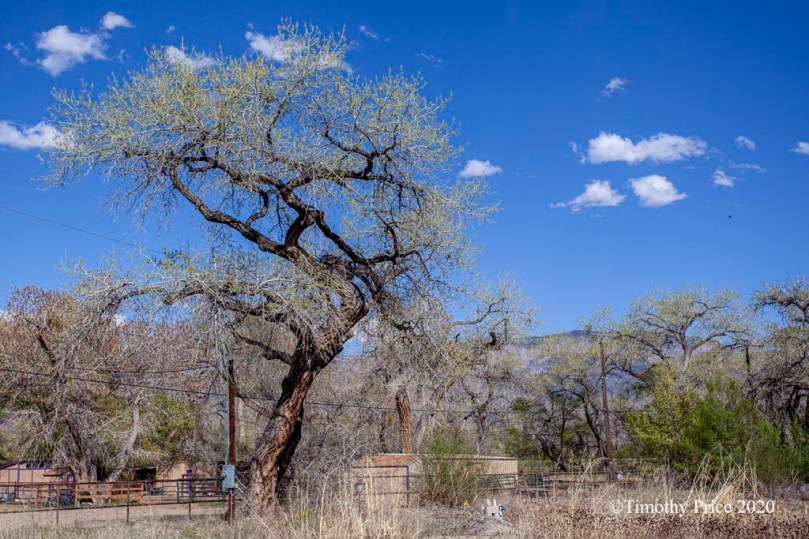
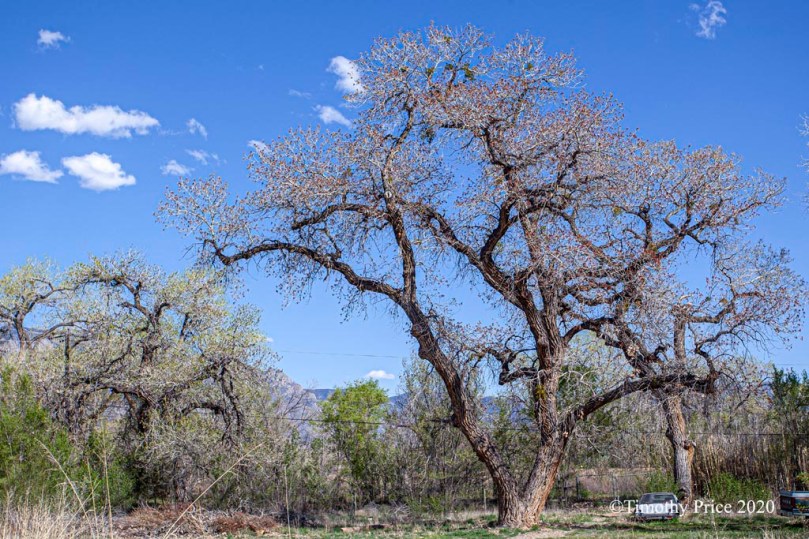
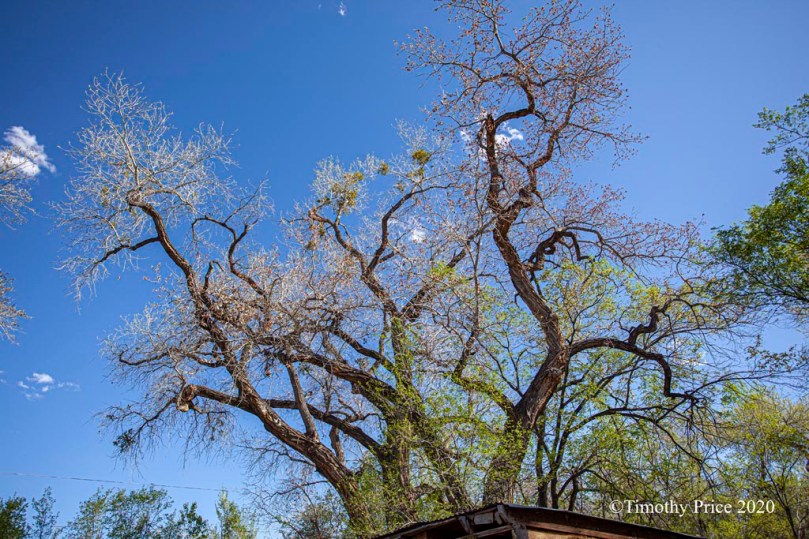
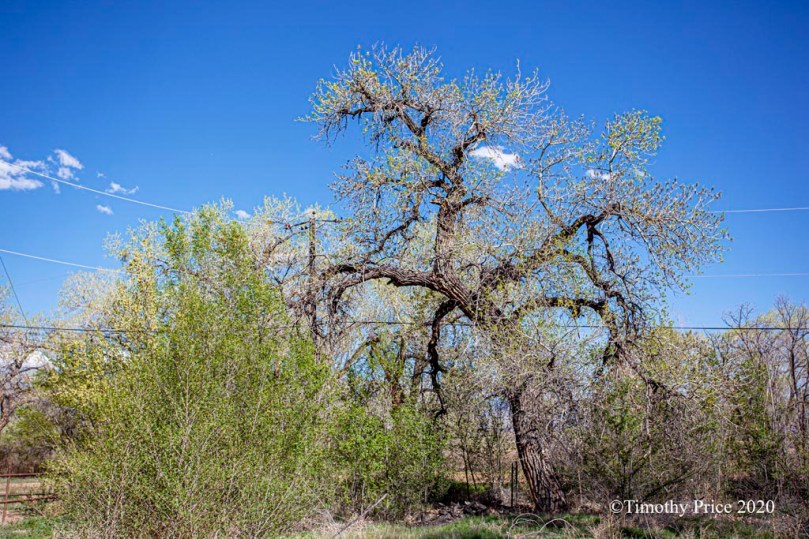
In keeping with the official New Mexican question, “Red or Green?”, cottonwood trees show their sex in red or green. Although New Mexico is a southwestern state, we have Eastern Cottonwood Trees. The catkins that form in early spring on Eastern Cottonwoods are red on male trees and green on female trees. The red catkins on male trees shrivel up and fall off as the male trees leaf out. Not much else happens to the male trees other than being tall, handsome, natural air-conditioners, and going through their normal seasonal cycles of sporting green leaves in summer, yellow leaves that turn brown in fall, and standing bare for a few months in winter before putting on catkins again in early spring.
The green catkins on the female trees turn into what we call “tatones”, shells where the cotton-like seeds forms. Around the end of June, into July, the green seedpods burst open and cottony seeds float off in search of a place to start new cottonwood trees. With the millions of cottony seeds floating around, like snowstorms in summertime, one would think we would be overrun with cottonwood trees. Cottonwoods need special conditions and flooding to propagate. With the levees and flood control dams built on the Rio Grande over the years, the conditions are not right for cottonwoods to easily propagate, so young cottonwoods are rare.
We have four males and four females on the property. Resa, Tiffany and Teagan have female trees and the one unclaimed cottonwood is female. Robin, Susan, Teagan, and Lavinia have male trees.
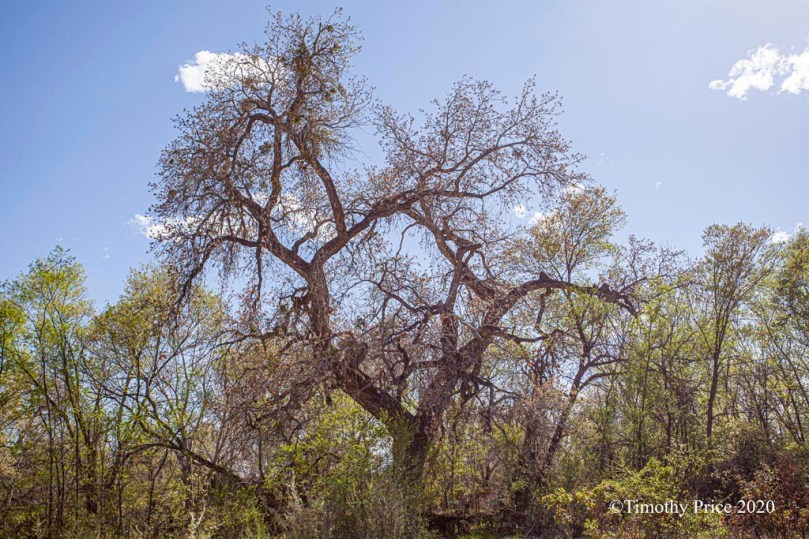
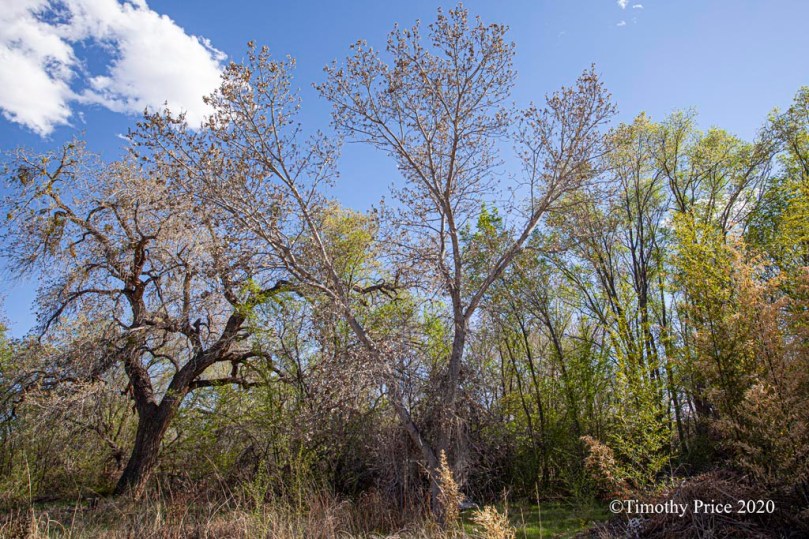
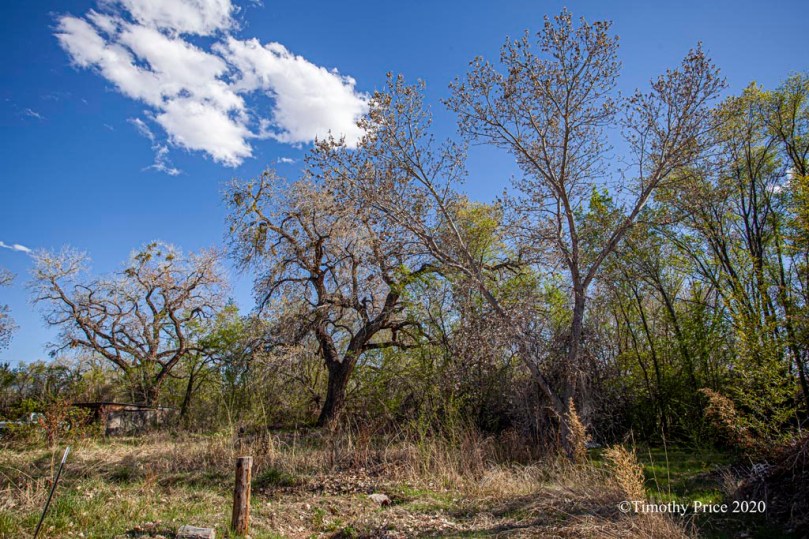


 Off Center & Not Even