
You can visit Dale’s blog at https://adelectablelife.com/

You can visit Marina’s blog at https://marinakanavaki.com/


You can visit Resa’s blog at https://graffitiluxandmurals.com/

You can visit Holly’s blog at https://houseofheartweb.wordpress.com/
You can visit Dale’s blog at https://adelectablelife.com/
You can visit Marina’s blog at https://marinakanavaki.com/
You can visit Resa’s blog at https://graffitiluxandmurals.com/
You can visit Holly’s blog at https://houseofheartweb.wordpress.com/

The Conservancy has been at it again, breaking up and pulling the beaver dams out of the clearwater ditch with their evil Beaver Dam Breaker.
Below is a short video a did last night of a beaver sliding into the Rio Grande after cutting some willows to snack on along the river bank. We saw four beavers last night and six beavers the night before last.


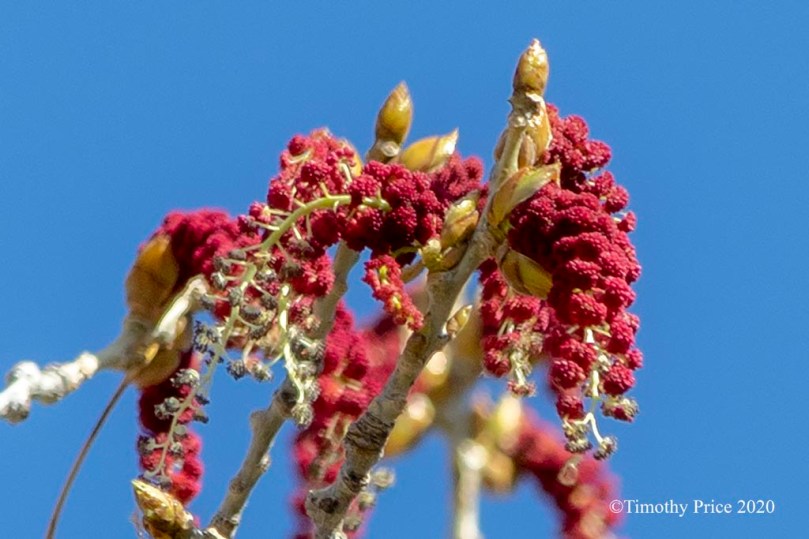
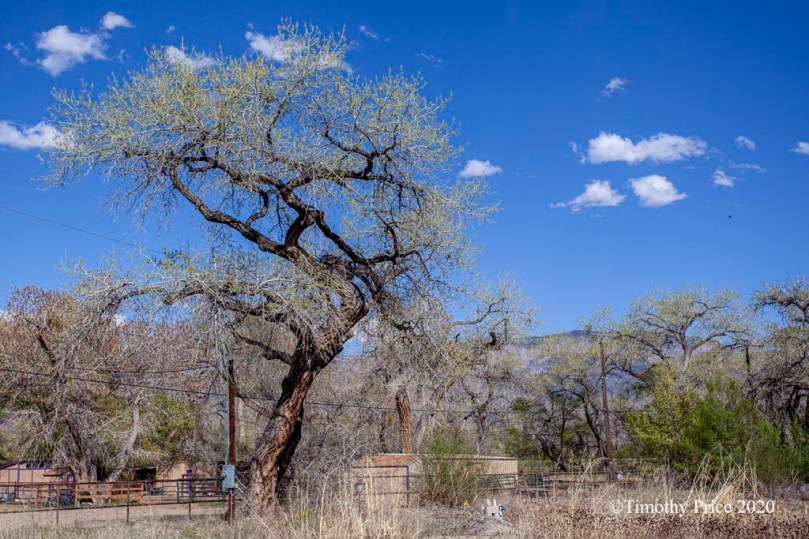
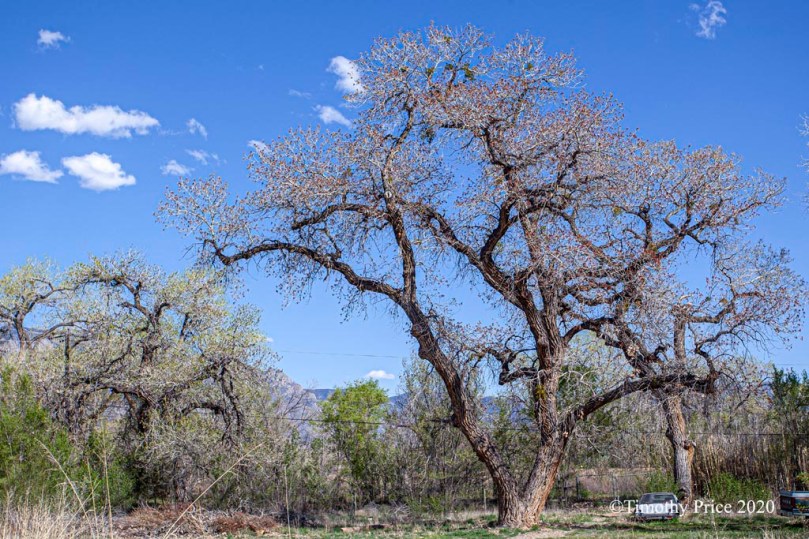
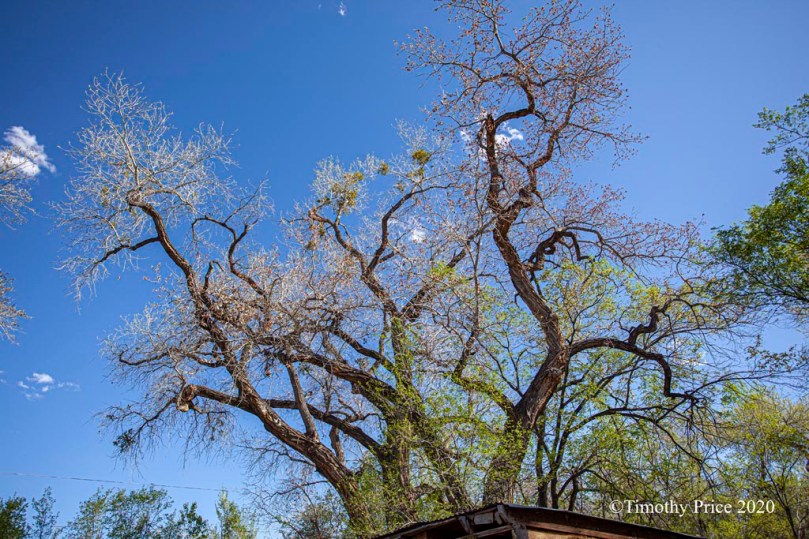
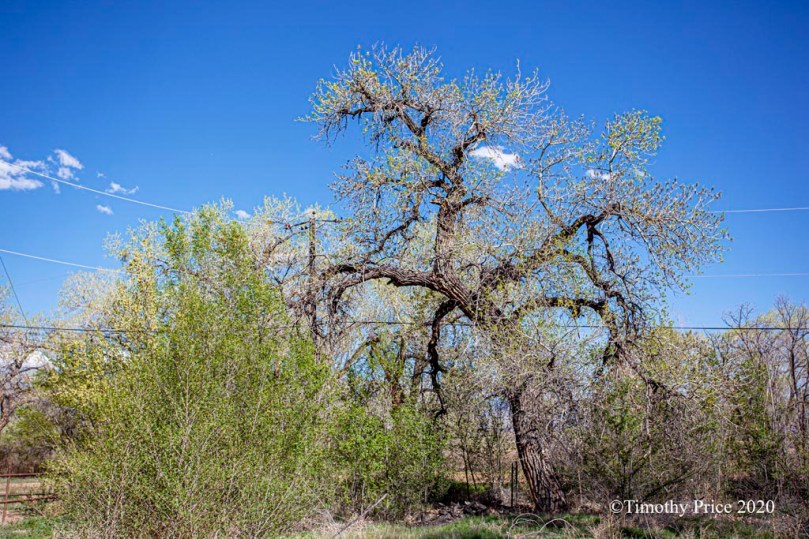
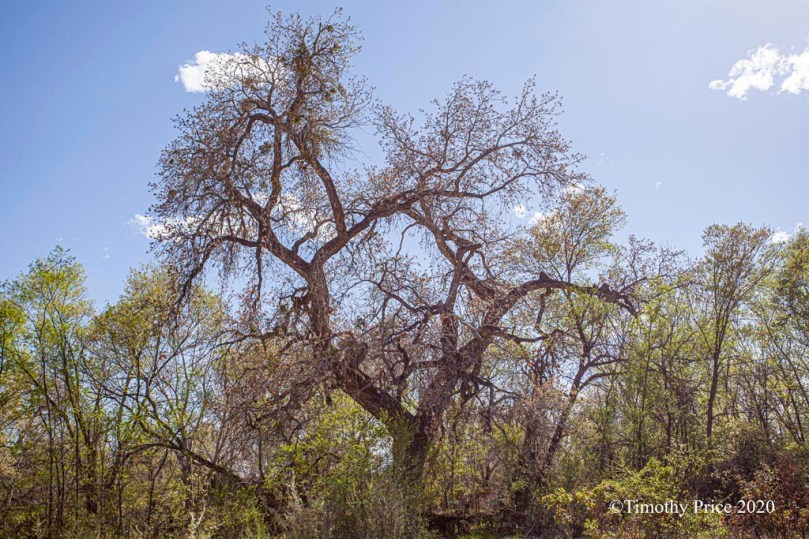
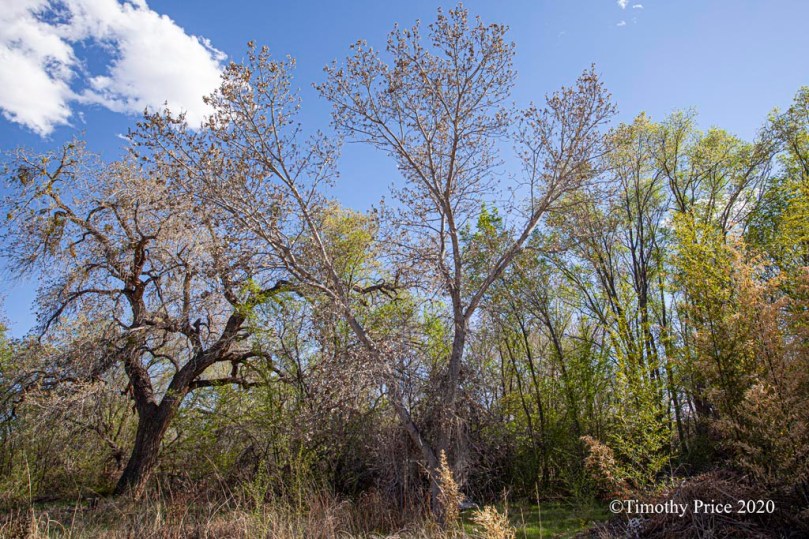
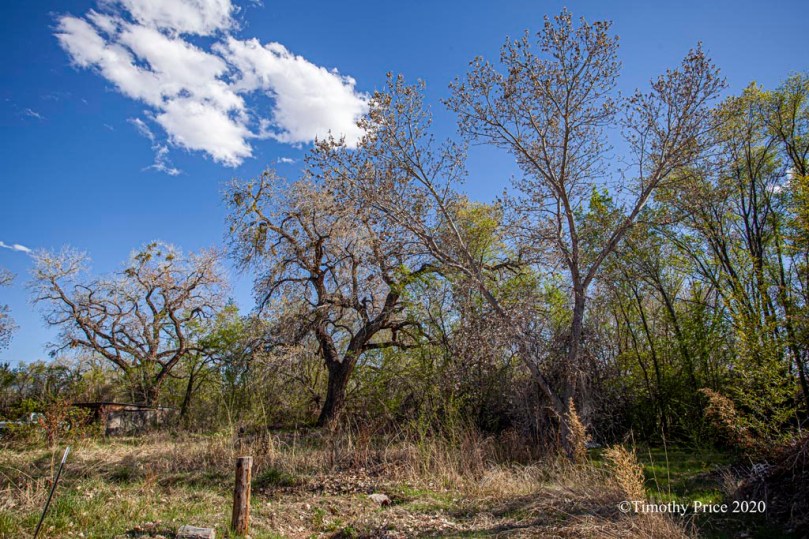
In keeping with the official New Mexican question, “Red or Green?”, cottonwood trees show their sex in red or green. Although New Mexico is a southwestern state, we have Eastern Cottonwood Trees. The catkins that form in early spring on Eastern Cottonwoods are red on male trees and green on female trees. The red catkins on male trees shrivel up and fall off as the male trees leaf out. Not much else happens to the male trees other than being tall, handsome, natural air-conditioners, and going through their normal seasonal cycles of sporting green leaves in summer, yellow leaves that turn brown in fall, and standing bare for a few months in winter before putting on catkins again in early spring.
The green catkins on the female trees turn into what we call “tatones”, shells where the cotton-like seeds forms. Around the end of June, into July, the green seedpods burst open and cottony seeds float off in search of a place to start new cottonwood trees. With the millions of cottony seeds floating around, like snowstorms in summertime, one would think we would be overrun with cottonwood trees. Cottonwoods need special conditions and flooding to propagate. With the levees and flood control dams built on the Rio Grande over the years, the conditions are not right for cottonwoods to easily propagate, so young cottonwoods are rare.
We have four males and four females on the property. Resa, Tiffany and Teagan have female trees and the one unclaimed cottonwood is female. Robin, Susan, Teagan, and Lavinia have male trees.


I waited on the banks of the Rio Grande for the super pink moon to rise over the Sandias. In an otherwise clear sky, clouds lingered over the Sandias blocking the moon rise. The moon was able to make a brief appearance in a break between the clouds. The clouds persisted in hiding the moon long after darkness set in, and beavers splashed in the shadows of the river bank.


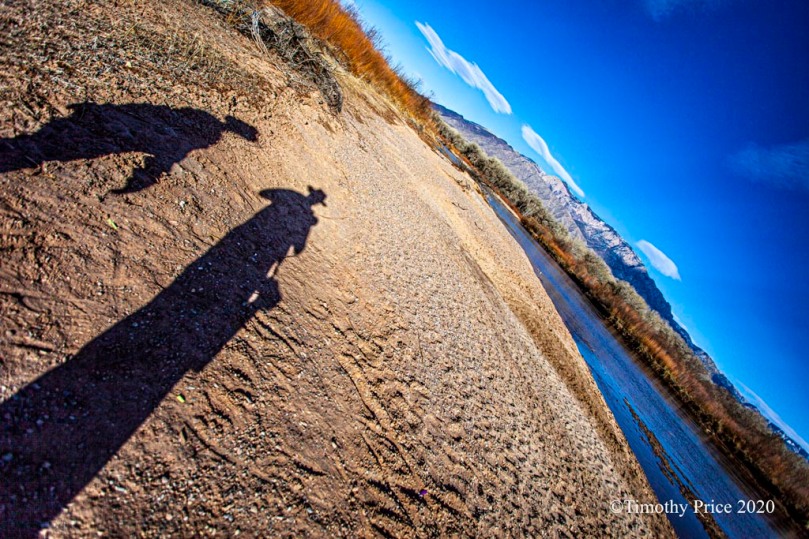
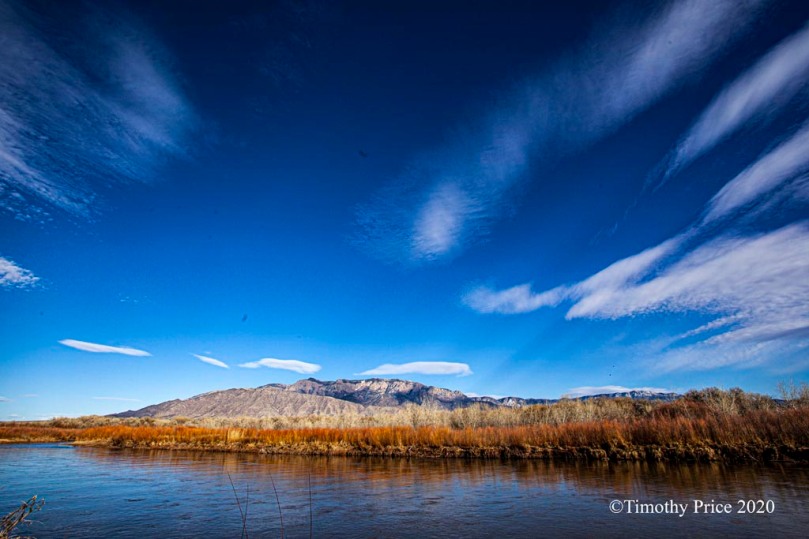
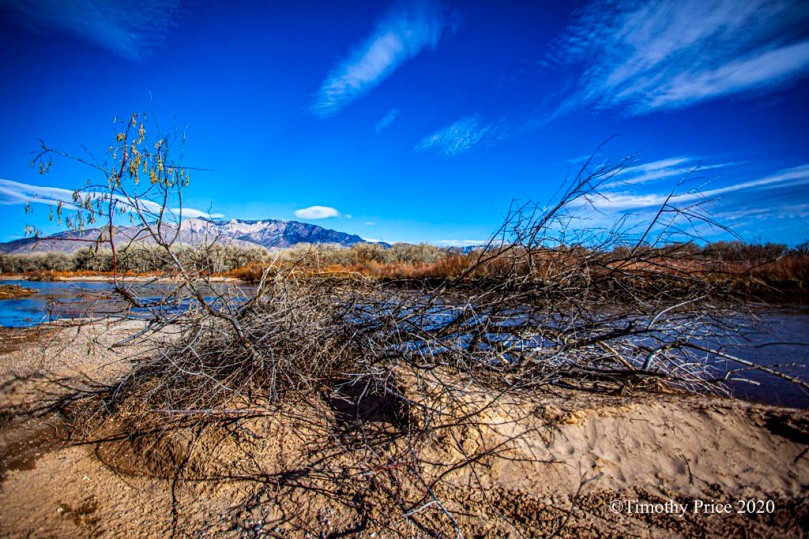
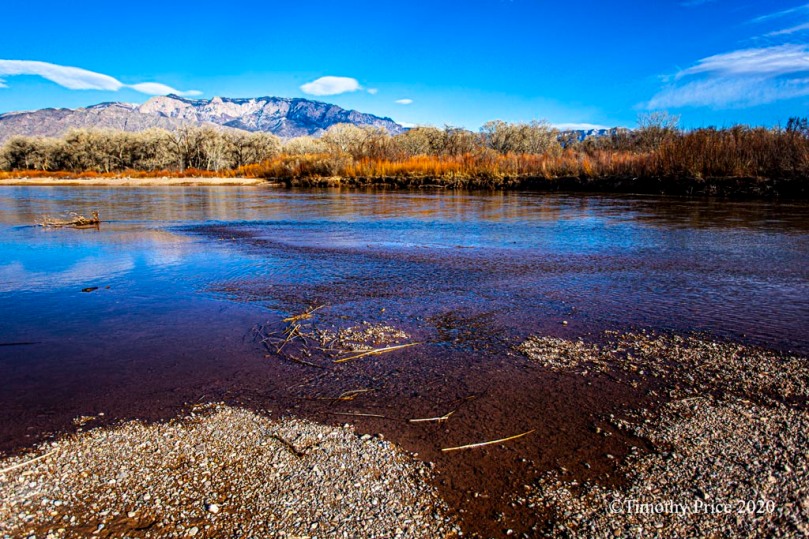
We had a warm, sunny, slightly windy afternoon. The foliage along the Rio Grande is preparing for spring, creating beautiful layers of intense colors.


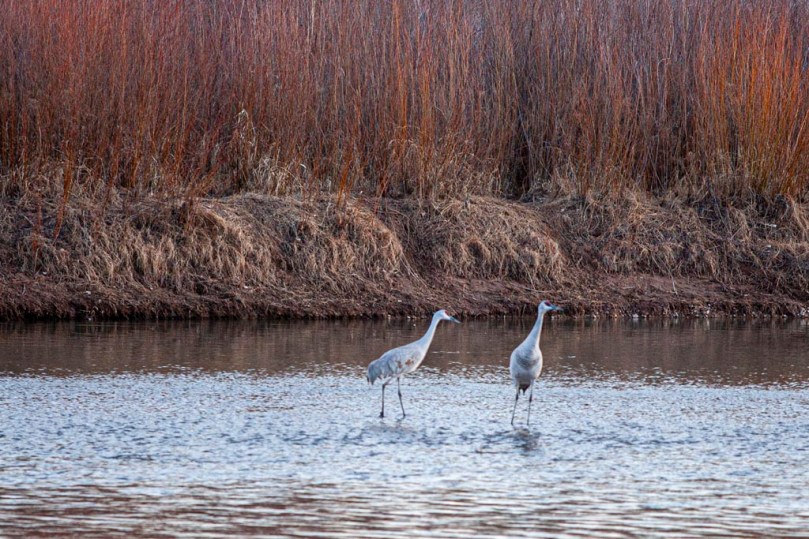
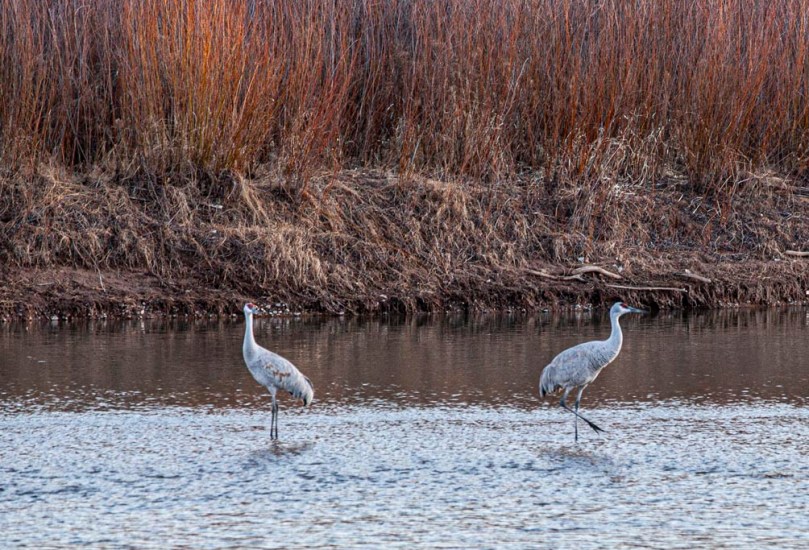
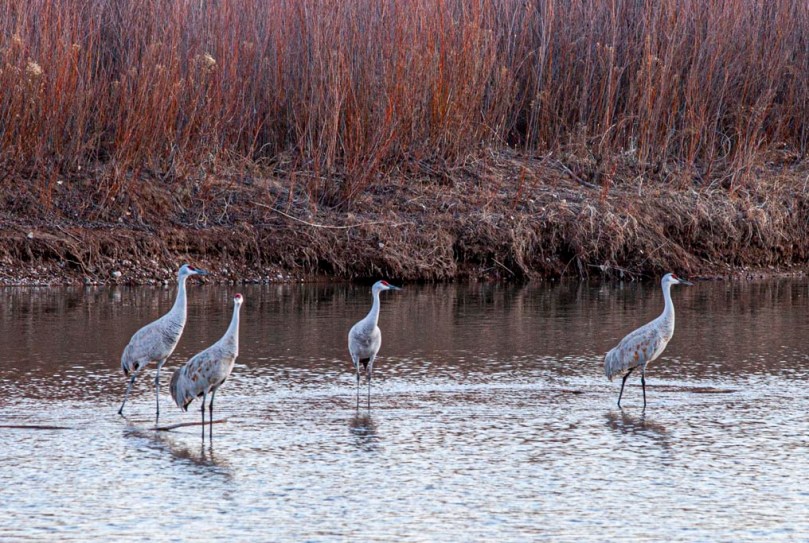
Cranes’ Law: Cranes will double in number every few minutes from 2 to 4 to 8 and then there will be a crowd of cranes in the shallows.

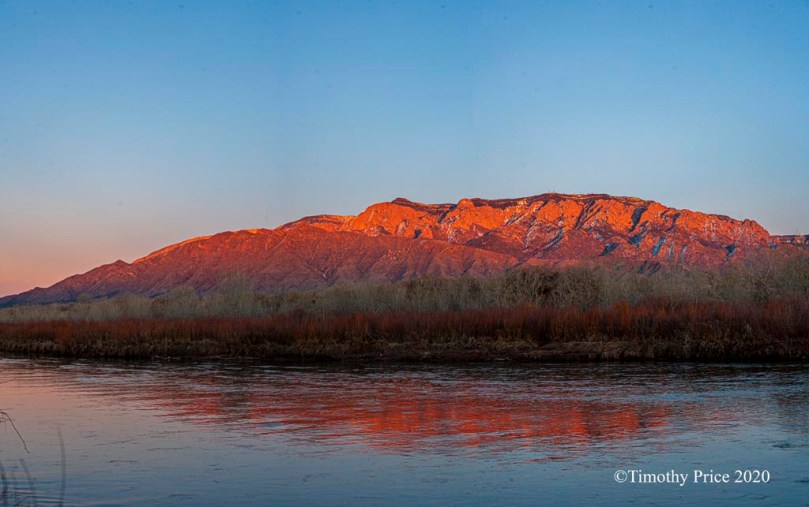
If you take a left past Holly’s Tangle-Heart Tree, followed by a few hops, a dozen skips and a great big jump, you will be on the west bank of Rio Grande where, especially at sunset, you will see a magical view of the Sandias with the river flowing by in the foreground. In the shallows of the river, this time of year, you will see Sandhill Cranes. There were two cranes in the shallows when made the final jump as the sun slipped behind the horizon. I photographed cranes circling and landing south of me, and the last of the red blaze on the Sandias. I turned to look at what the two carnes were doing and there were four cranes. A few minutes later more cranes flew in, then more flew in until there was a crowd of cranes in standing in front of me in the shallows of the river.





Six, Seven


Twelve
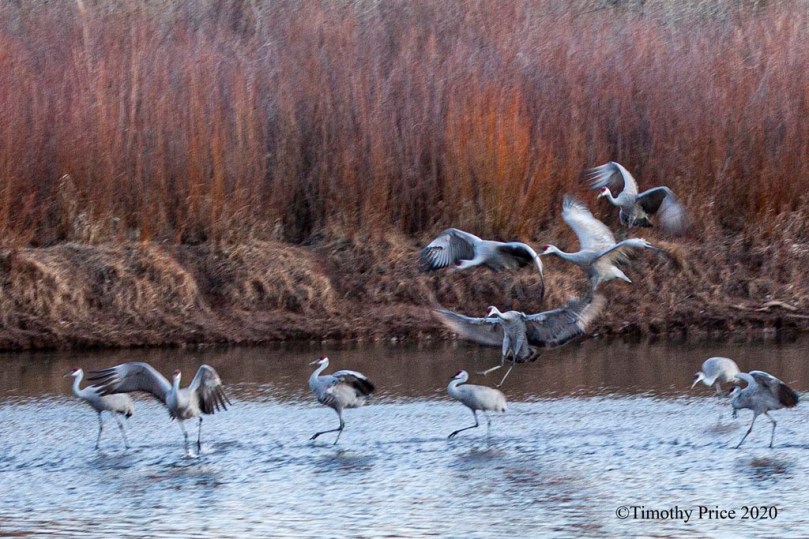
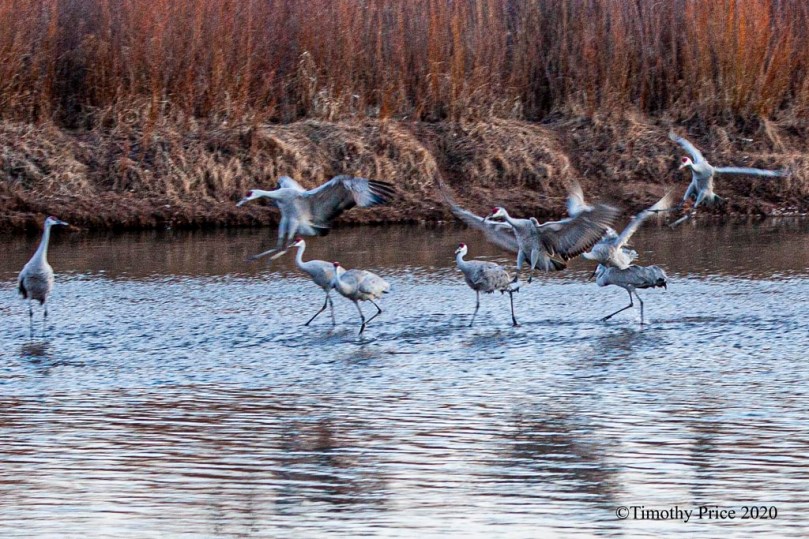
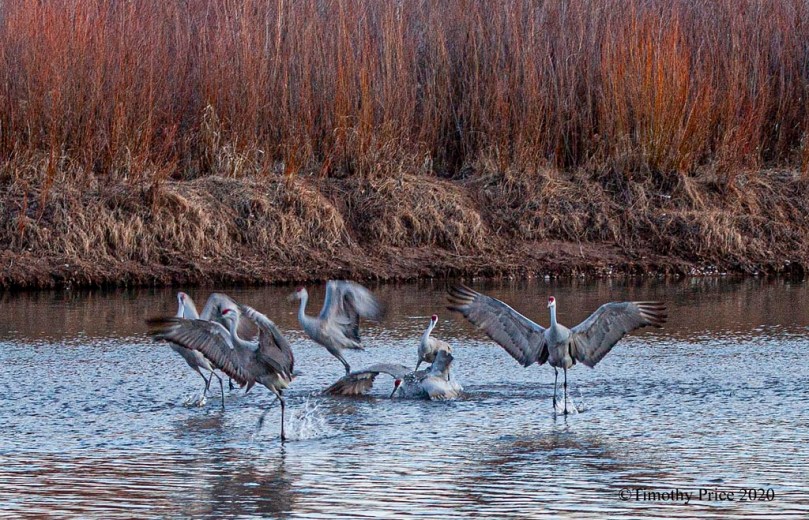
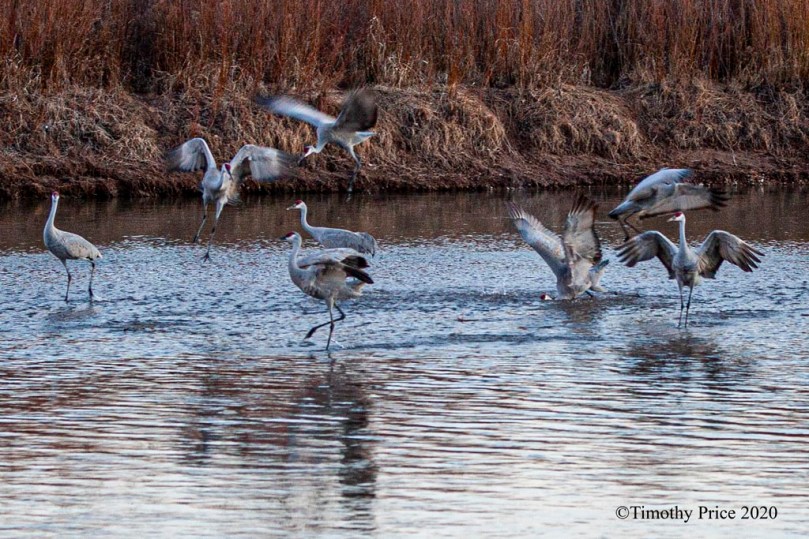
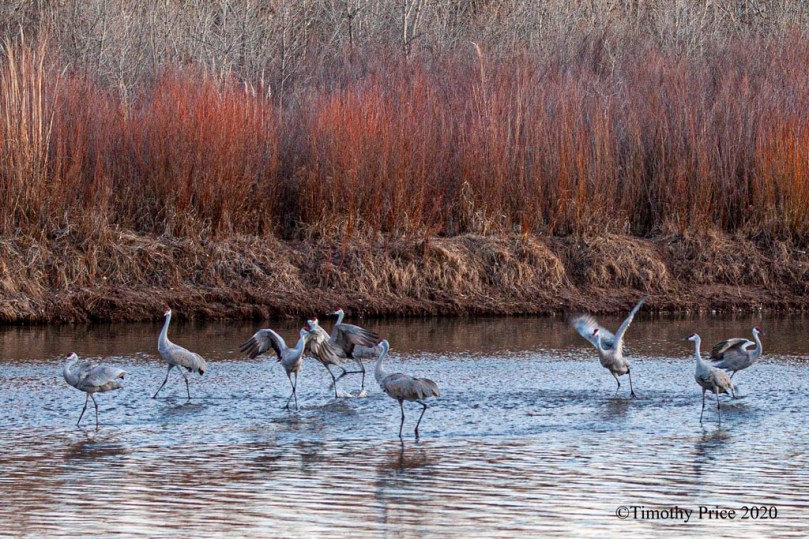


As many as 28.


Sparing match.


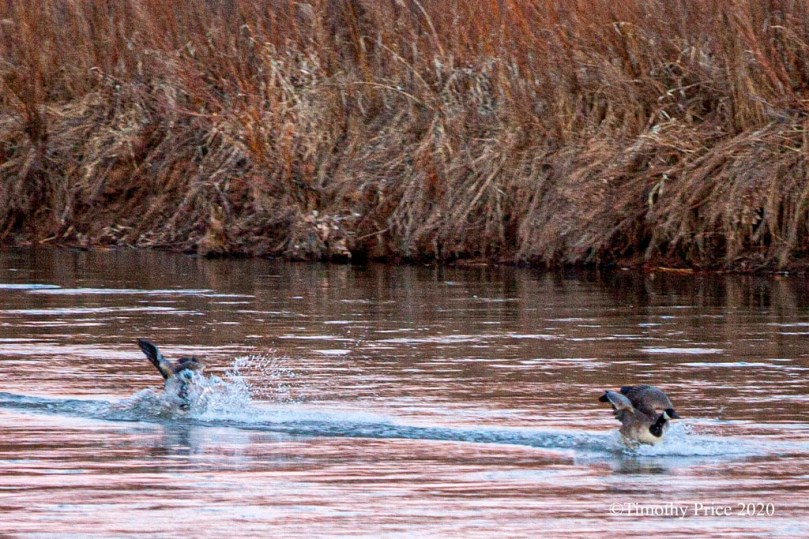


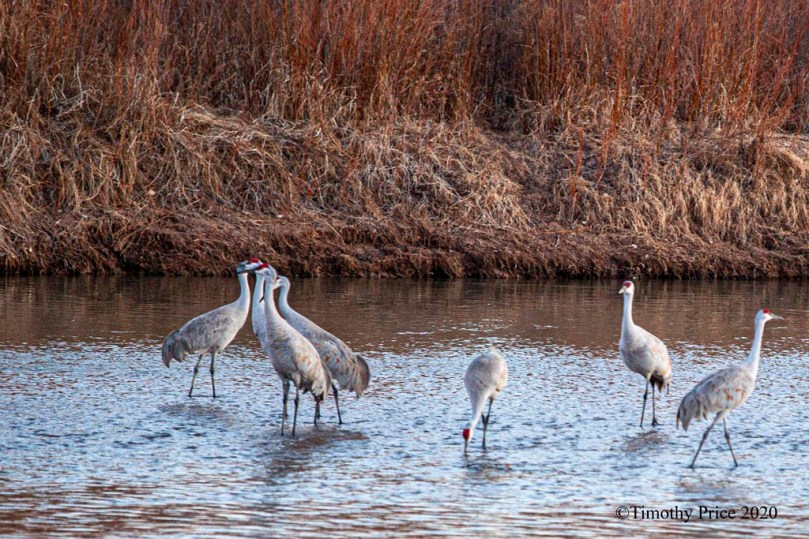

The temperature never rose above freezing today. I walked out to Beaver Point right before sunset, and a group of cranes were hanging out in the Rio Grande, wading around fluffed up to keep warm. There was a lone Canadian goose hanging with the cranes, and a duck floated by and then took off.


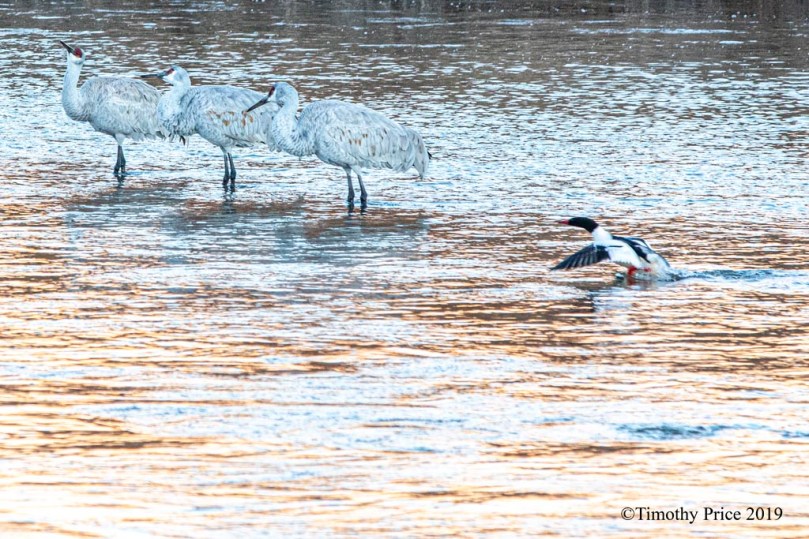

 Off Center & Not Even