 The neighbor’s cow was itching to get into the spirit of football…
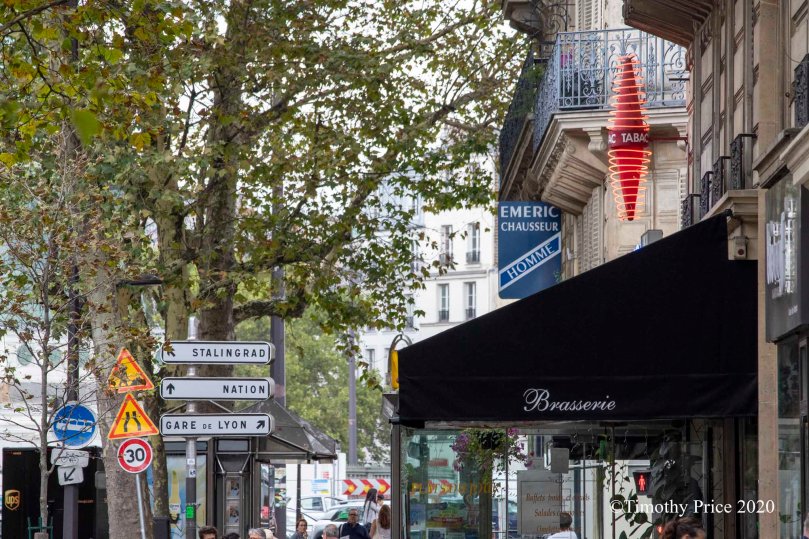
Day 6 of the Travel Photo Challenge takes us to Paris, France in 2018. We were in Paris for 8 days in July 2018. Laurie gave a paper at the 2018 Internation Conference on Construction Grammar. Laurie and I were both going to present papers at the 2020 Internation Conference on Construction Grammar in Antwerp, Belgium last August, but it was postponed to August 2021 because of COVID.
We did a lot of exploring, including meeting up with a fellow blogger, Anne, who hasn’t posted in a couple of years, and she gave us a long walking tour of the 10th and 19th Arrondissements. We arrived in Paris the day France played and won the World Cup by defeating Croatia 4-2. The Parisians were celebrating in the streets.
We stayed in a hotel inside the roof of a hospital that was rebuilt in 1380 and then remodeled in 1801 to remove the church-like façade. The hospital is catercorner to Notre Dame. The hospital is a labyrinth and it was very difficult to find the hotel when we first arrived. After 8:00 pm security had to ring us in through a side door, and we often had a heavily armed military unit follow us into the passage. One day when the military unit was making its rounds through the hospital, one of the men broke guard, stopped me, and asked me about my cameras and lenses. He was into photography and we chatted for a few minutes then we rejoined the unit.
There are 79 photos broken up into the World Cup celebration, Fashion Wheels, Where we stayed, On the town, Château of Vincennes, and Notre Dame. We were there the year before Notre Dame burned. We got up in the bell towers on our last day in Paris. We are very fortunate to have been able to go to Paris in 2018 and stayed so near Notre Dame.
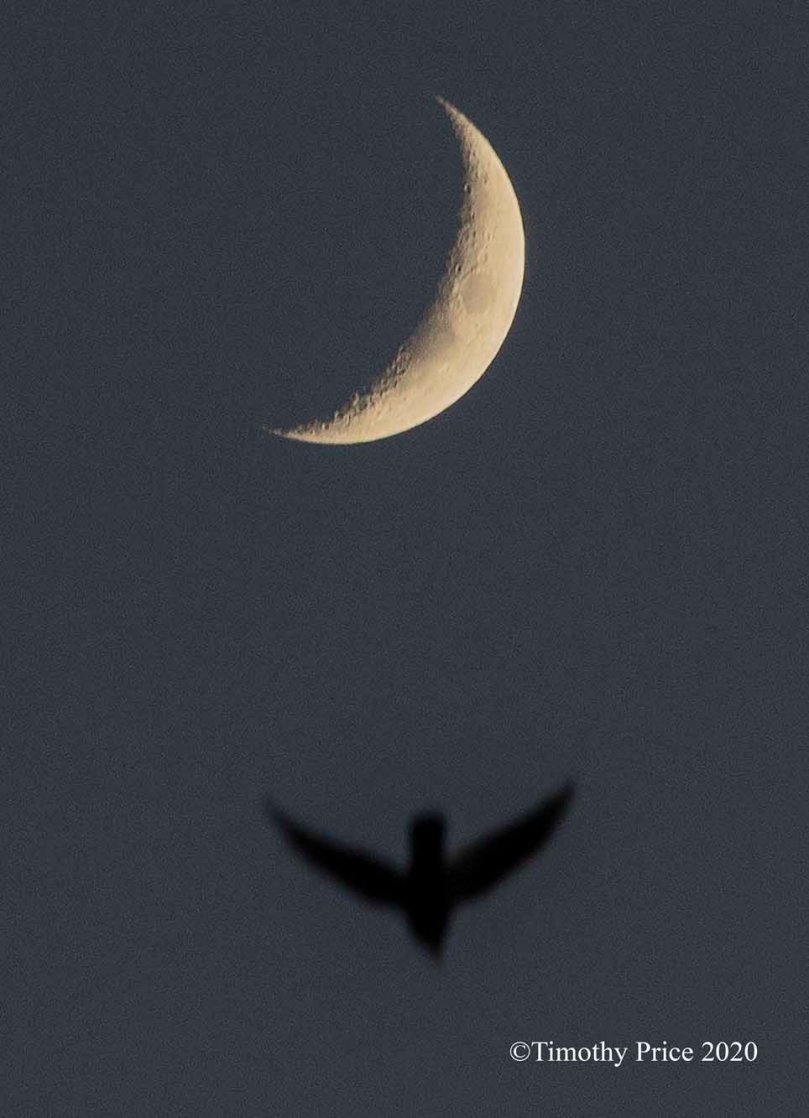
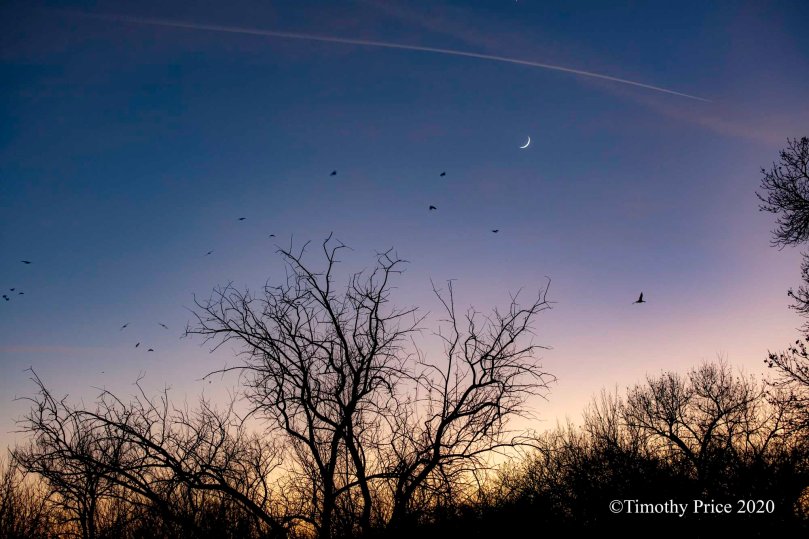
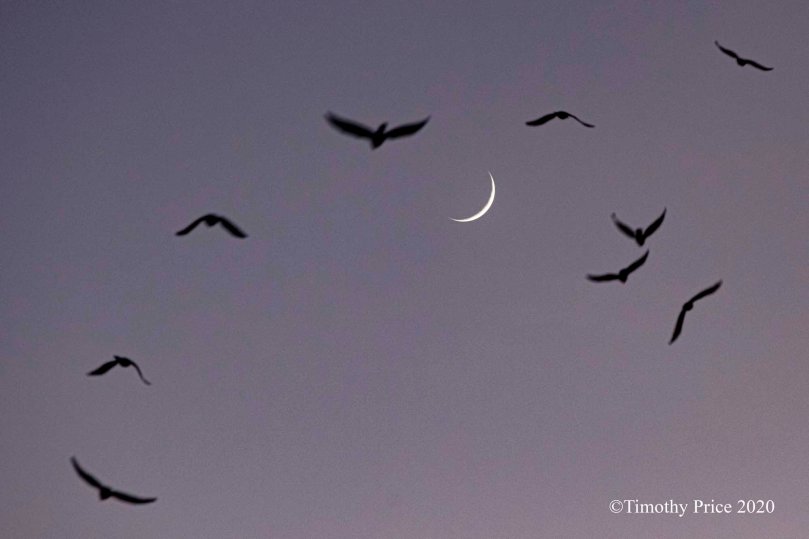
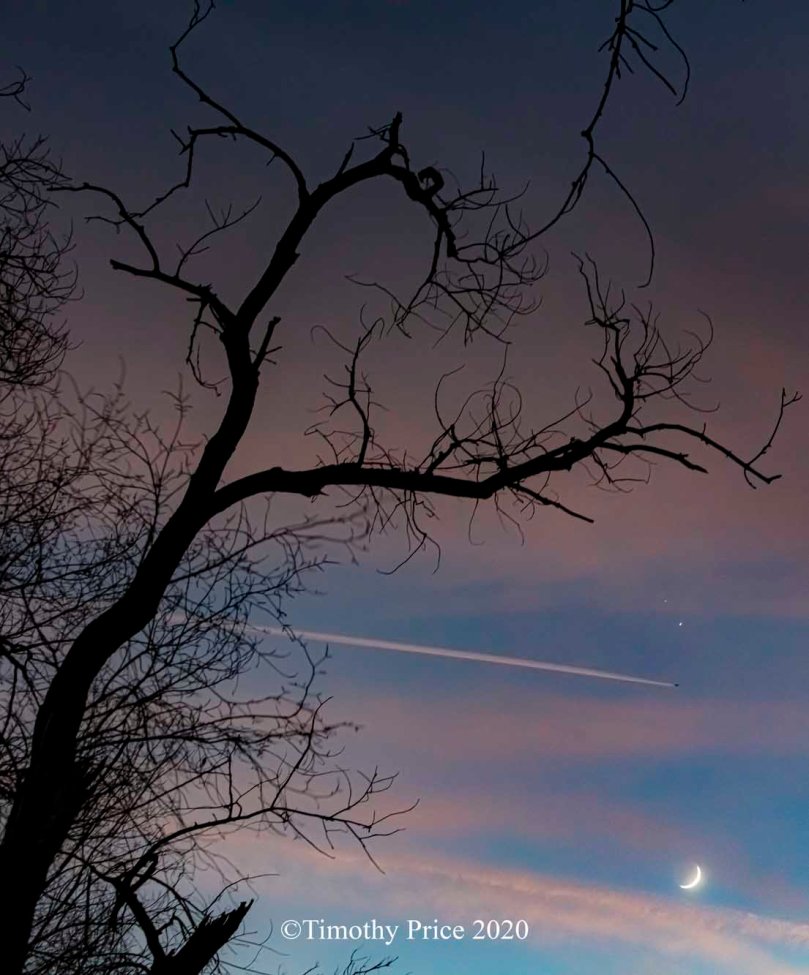
 Moon through the clouds. December 27, 2020.
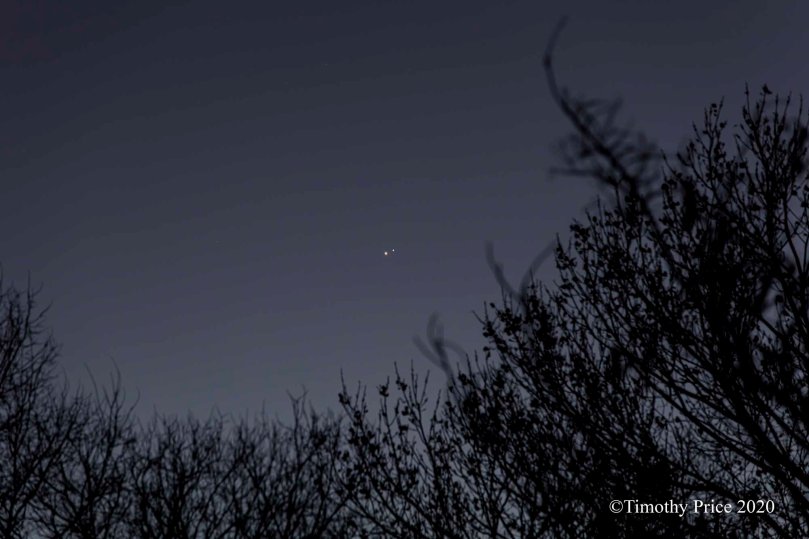
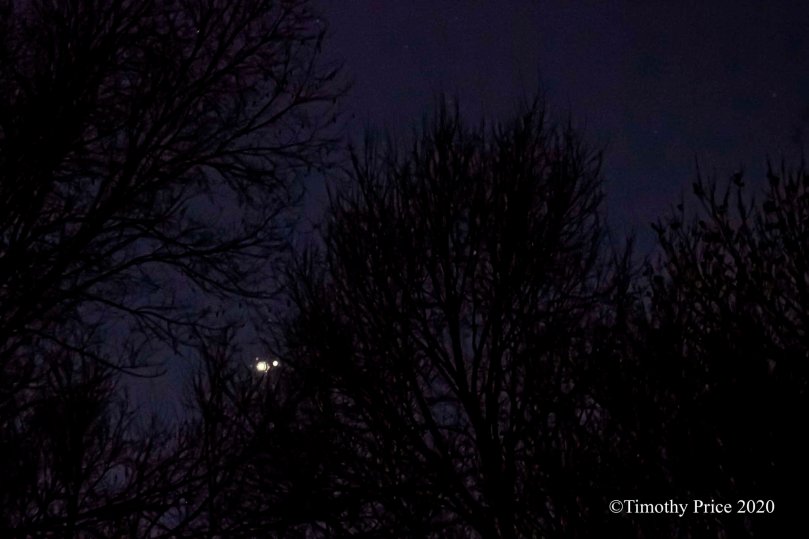
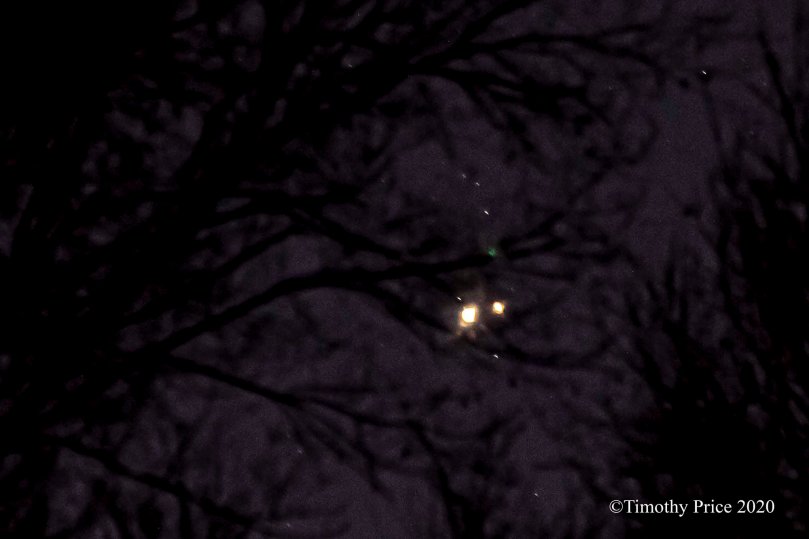
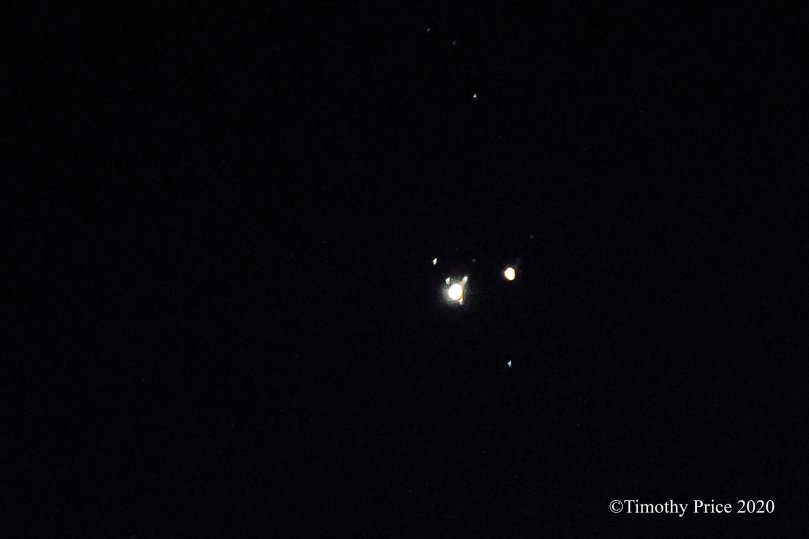
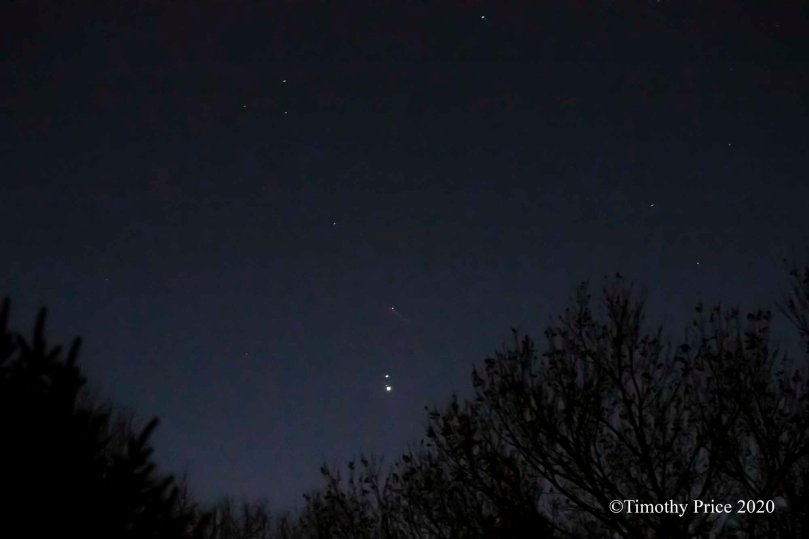
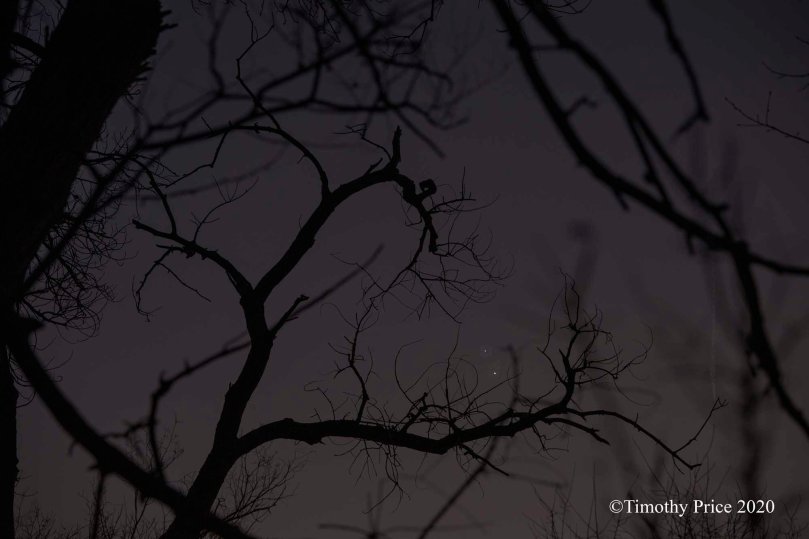
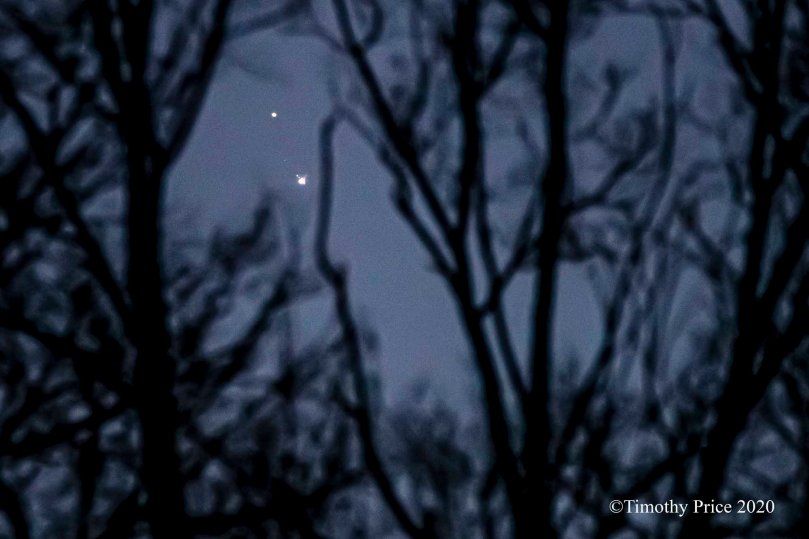
 Jupiter, a few of Jupiter’s moons and Saturn on the lower right. December 27, 2020.
The photographer of the day is Inge David at https://ingedavid.wordpress.com/portfolio-2/. I don’t know where Inge lives, but it’s somewhere in northern Europe. She is an excellent photographer and loves cars, architecture, and nature.
GOAL! France won the World Cup in 2018.

 …She painted herself like a Frenchman.
 People were sitting in the streets all over the neighborhood we were in watching the game.


Fashion Wheels
 This family, each on their own wheels were adorable, and the young woman on the right was very fashionable.
Where we stayed.
 We had a small, comfortable, modern room with our own bathroom and air-conditioning. Not bad for a 640-year-old building.
 We were in the last room in the third wing on the right.


On the town




 Graveyard cats


Château of Vincennes
 We walked five miles east to Château of Vincennes, which is outside of Paris proper. You can learn more about it in my post A Long Walk into the Past at https://photos.tandlphotos.com/blog/2018/7/a-long-walk-into-the-past


Notre Dame


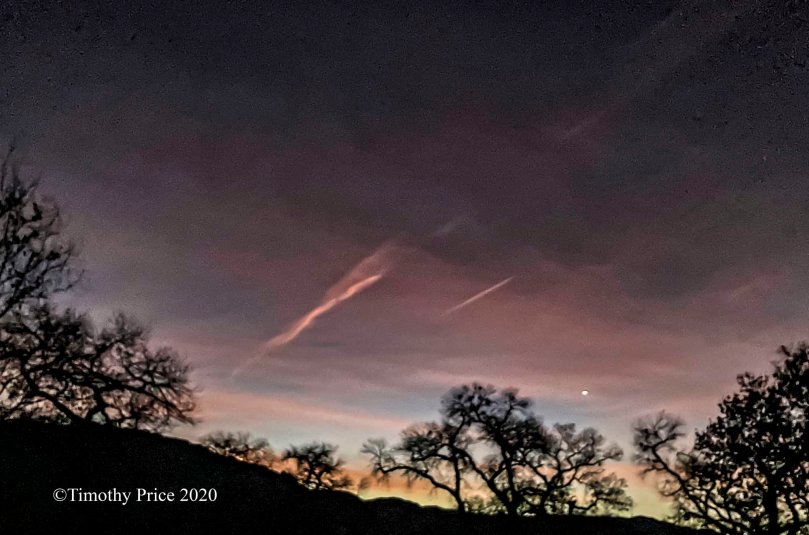
 Dawn glow
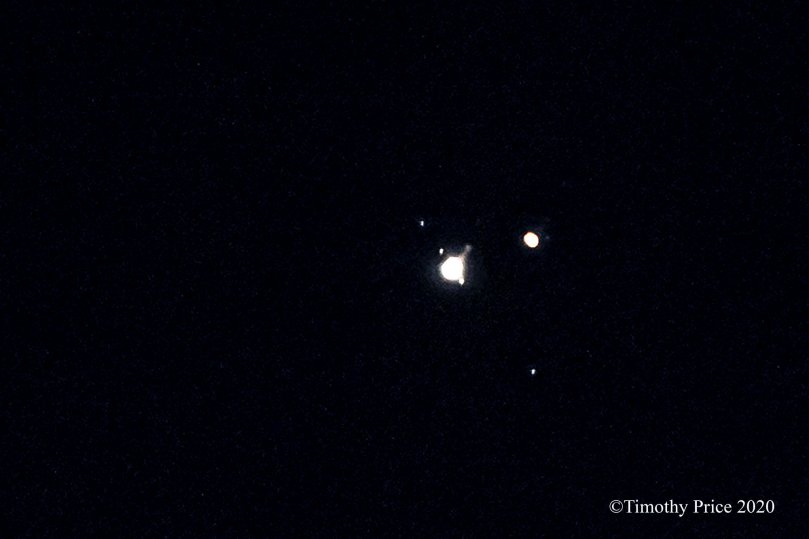
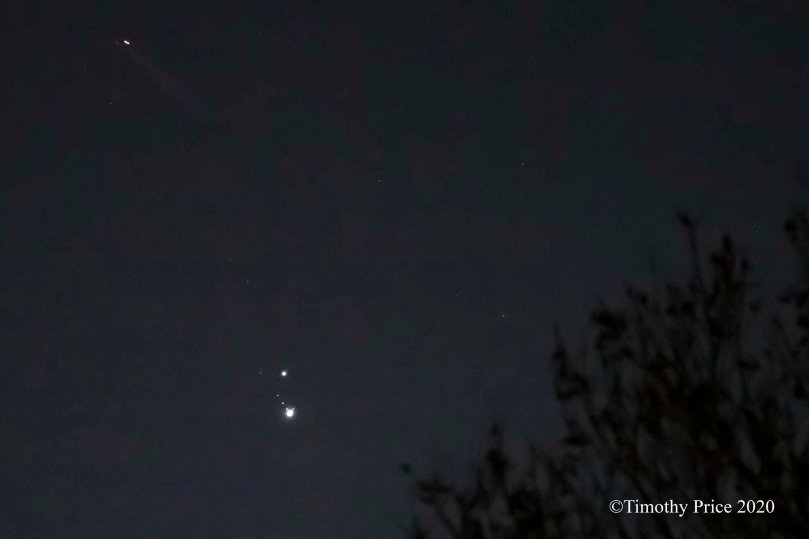
 Jupiter with moons and Saturn getting ever farther apart. December 28, 2020.
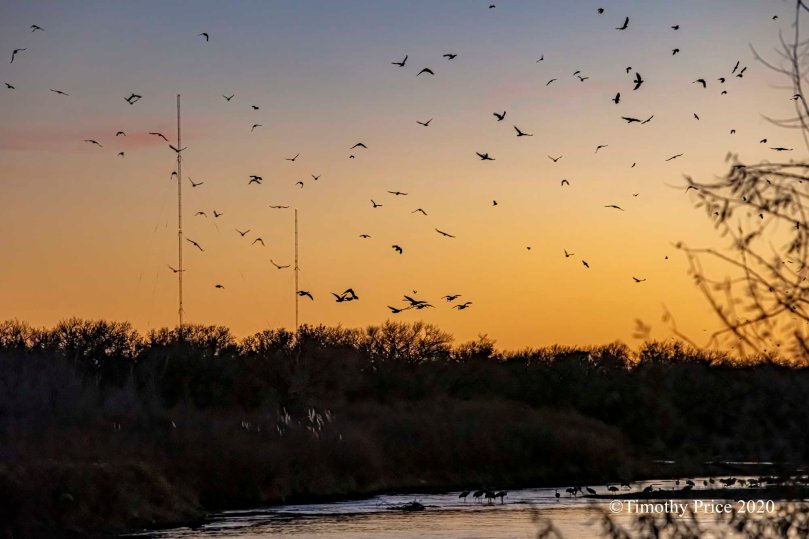
 Canadian Geese echelon flying over the Rio Grande with the Sandias in the clouds.


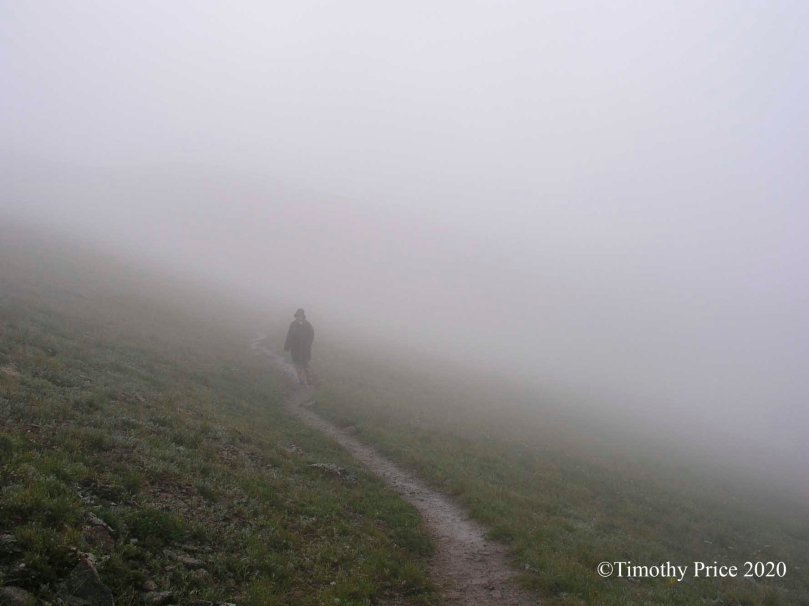



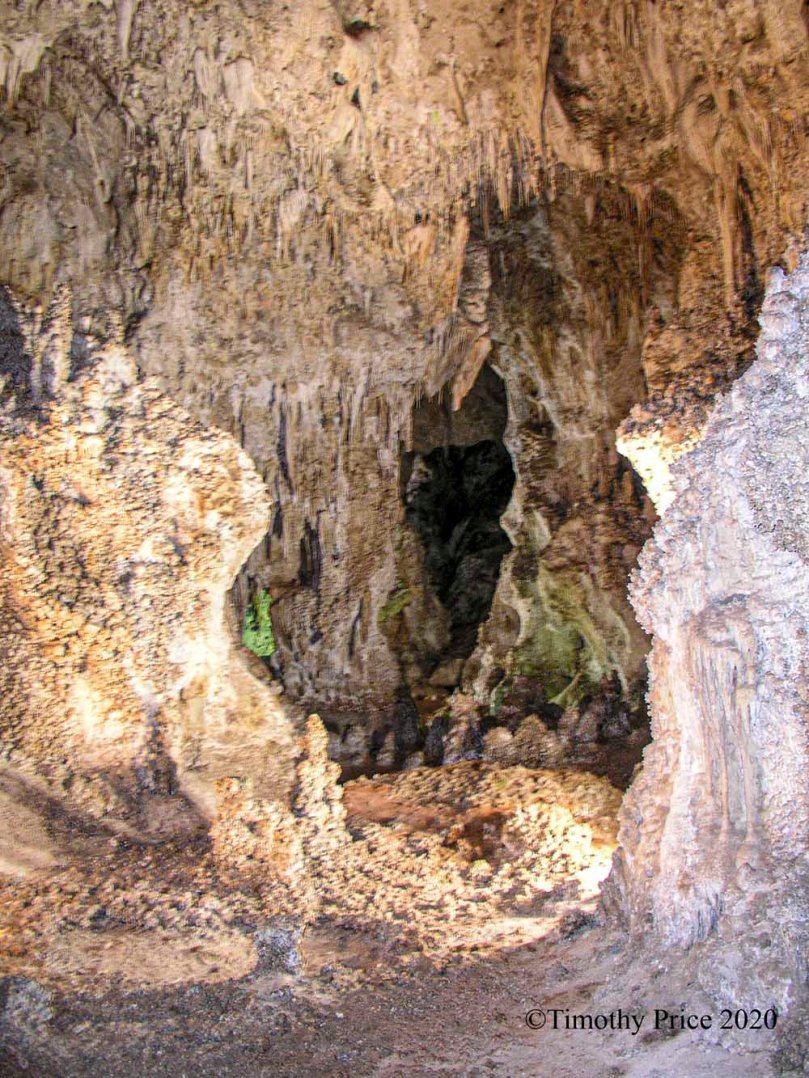
















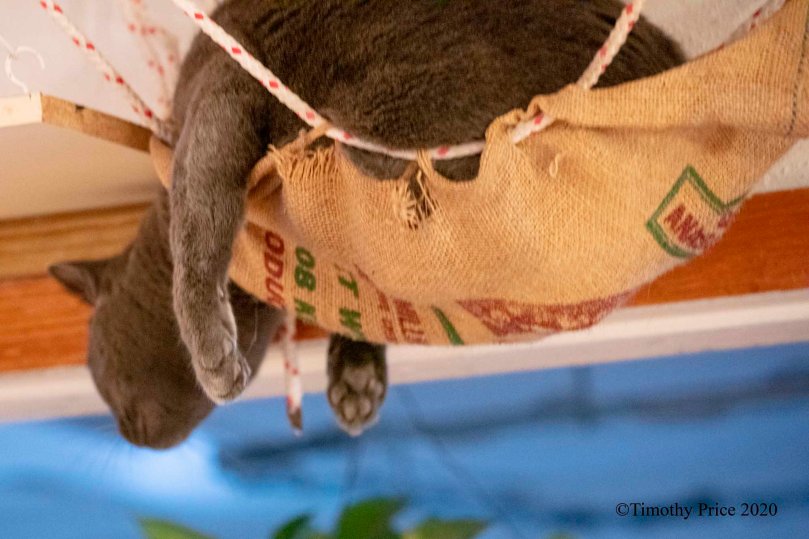
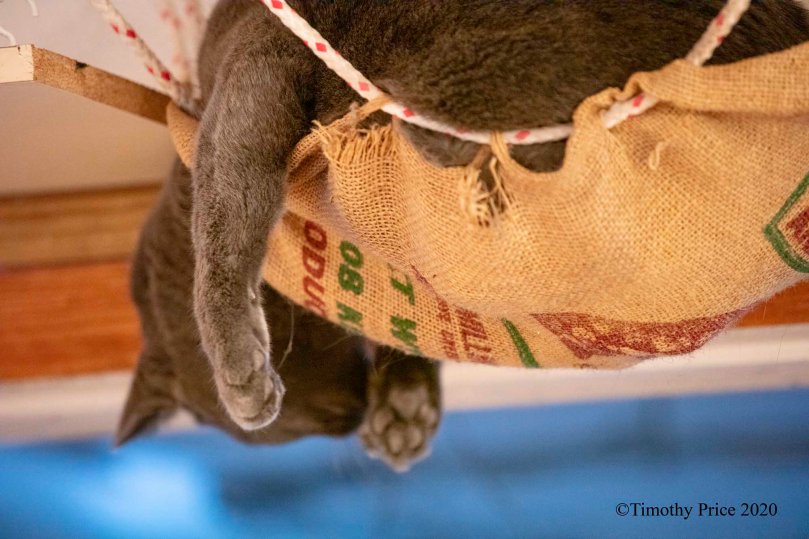
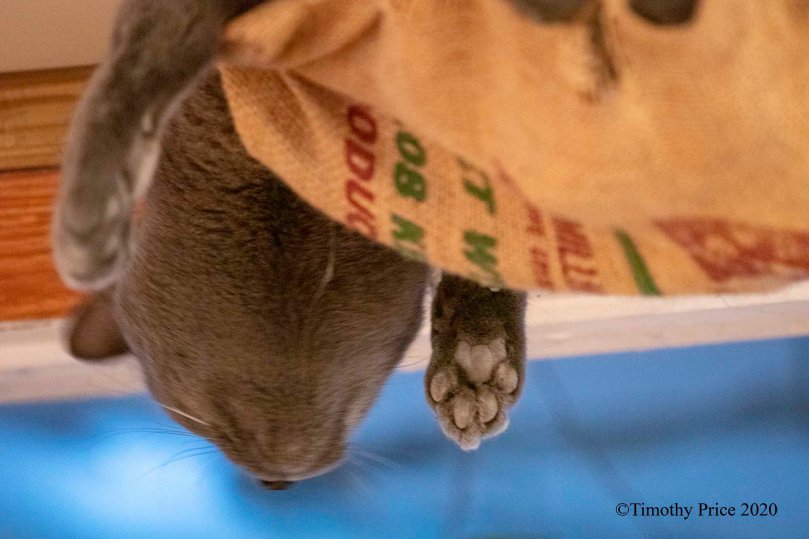
 Off Center & Not Even