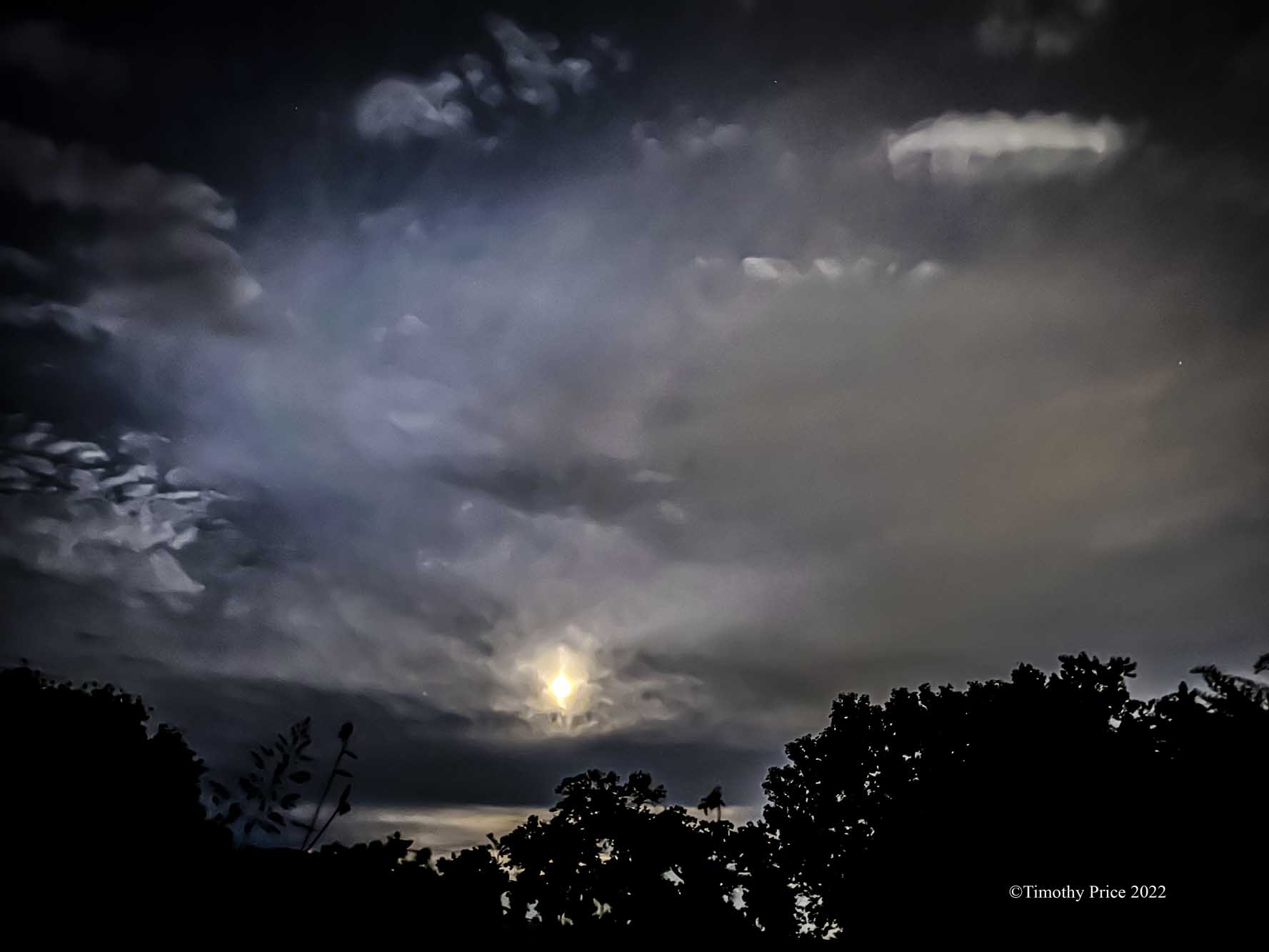
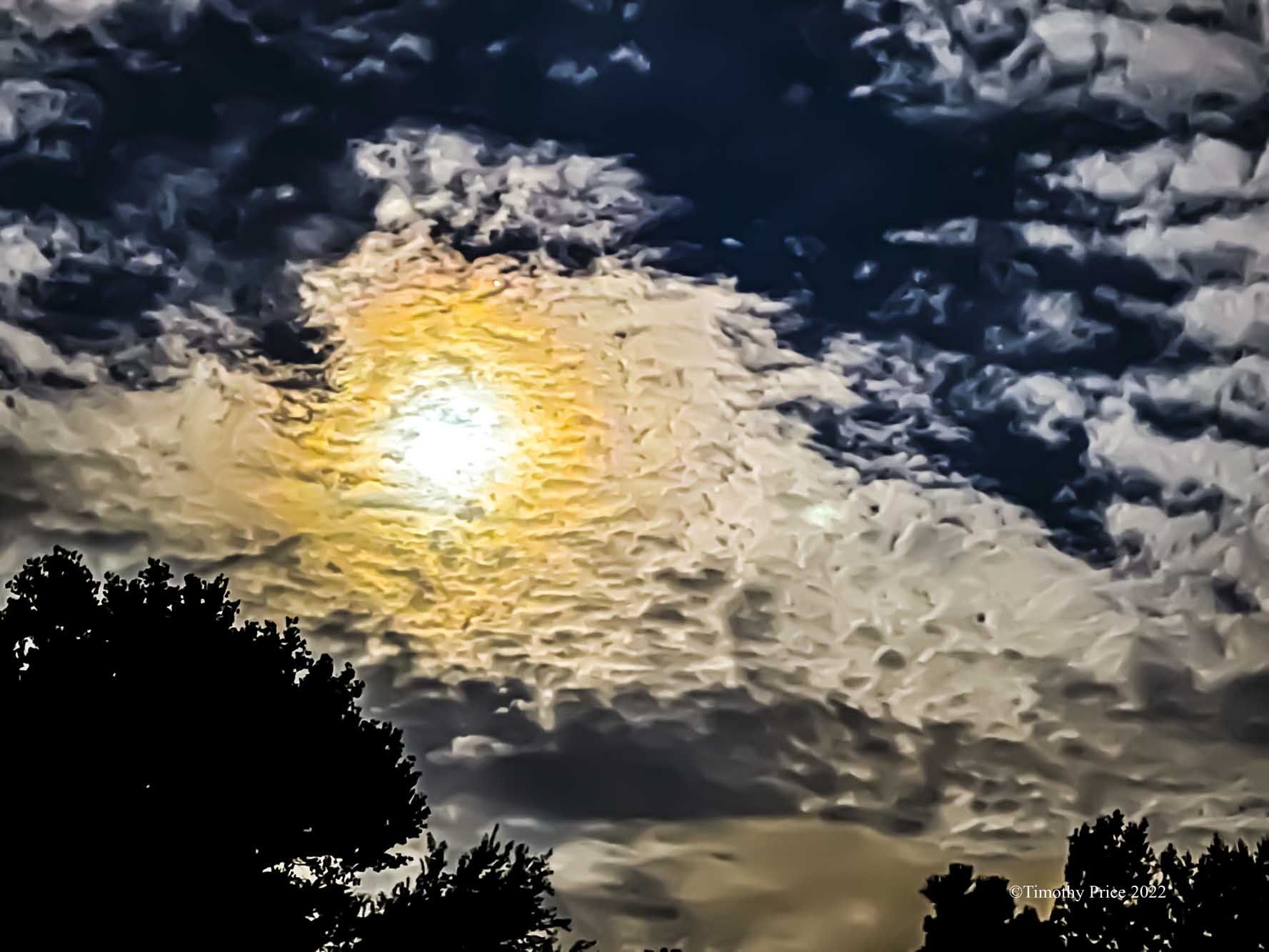
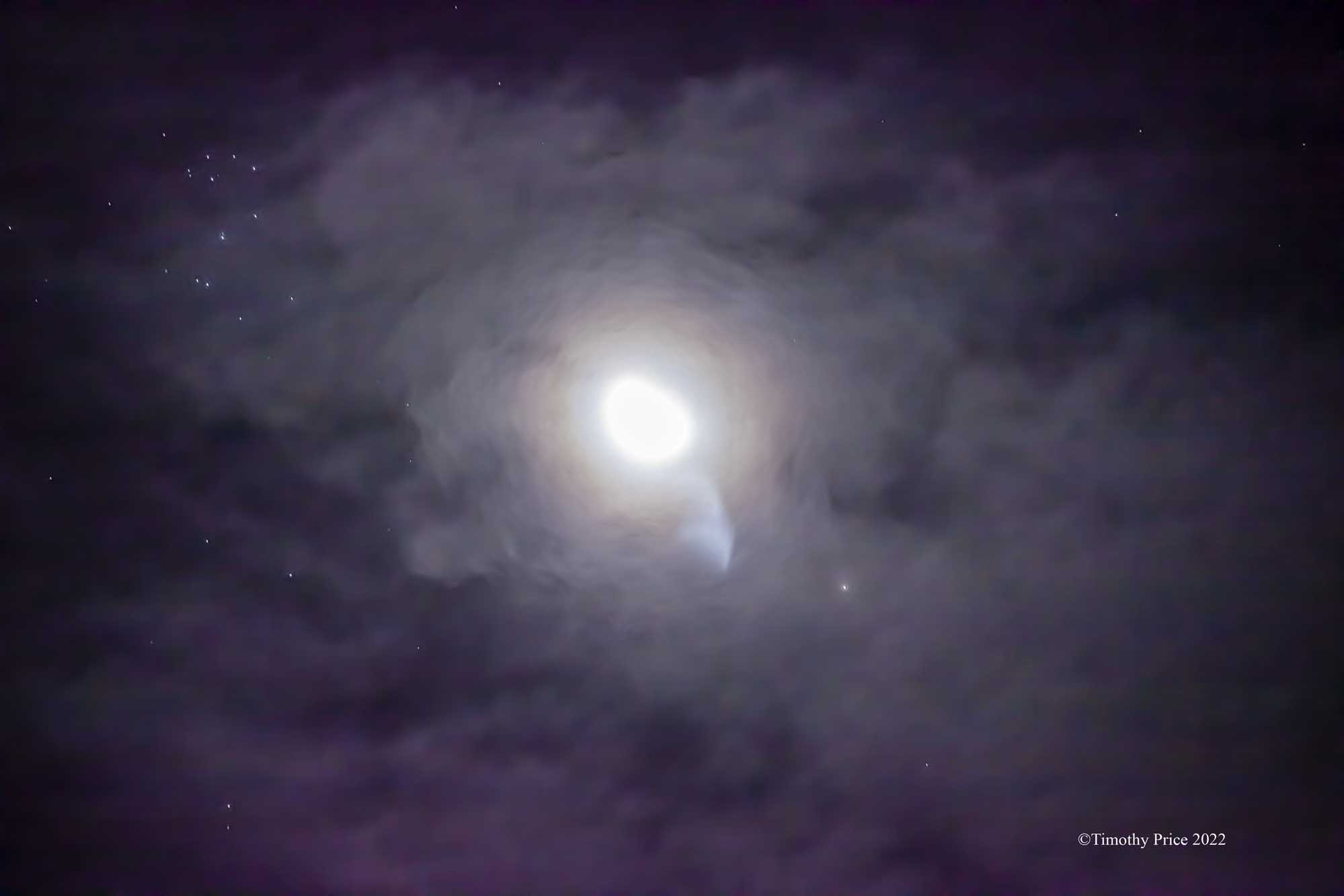
Harvest Moon at 99.8% full rising through the clouds last night.
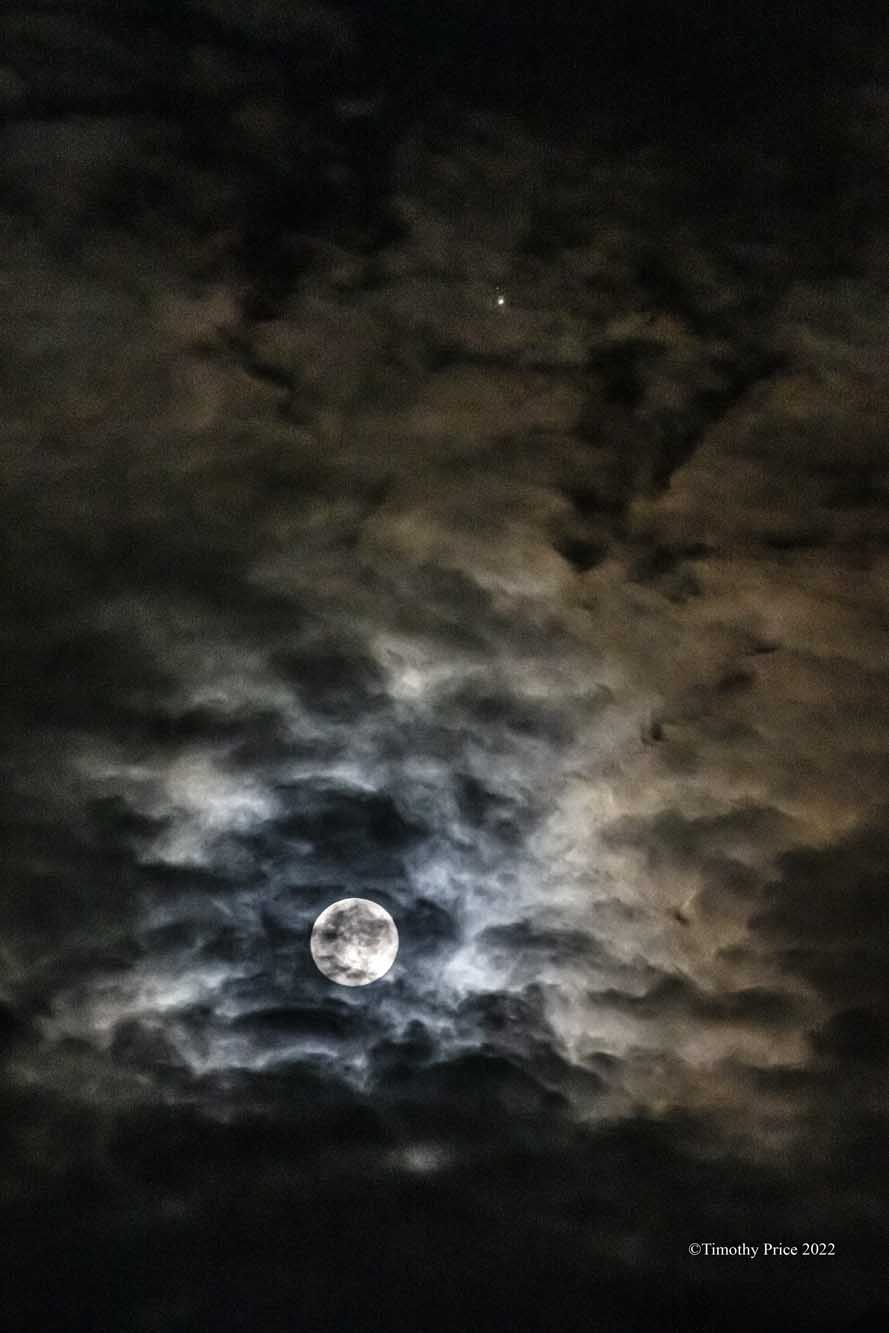
The Harvest Moon and Mars at 6:00 am this morning.

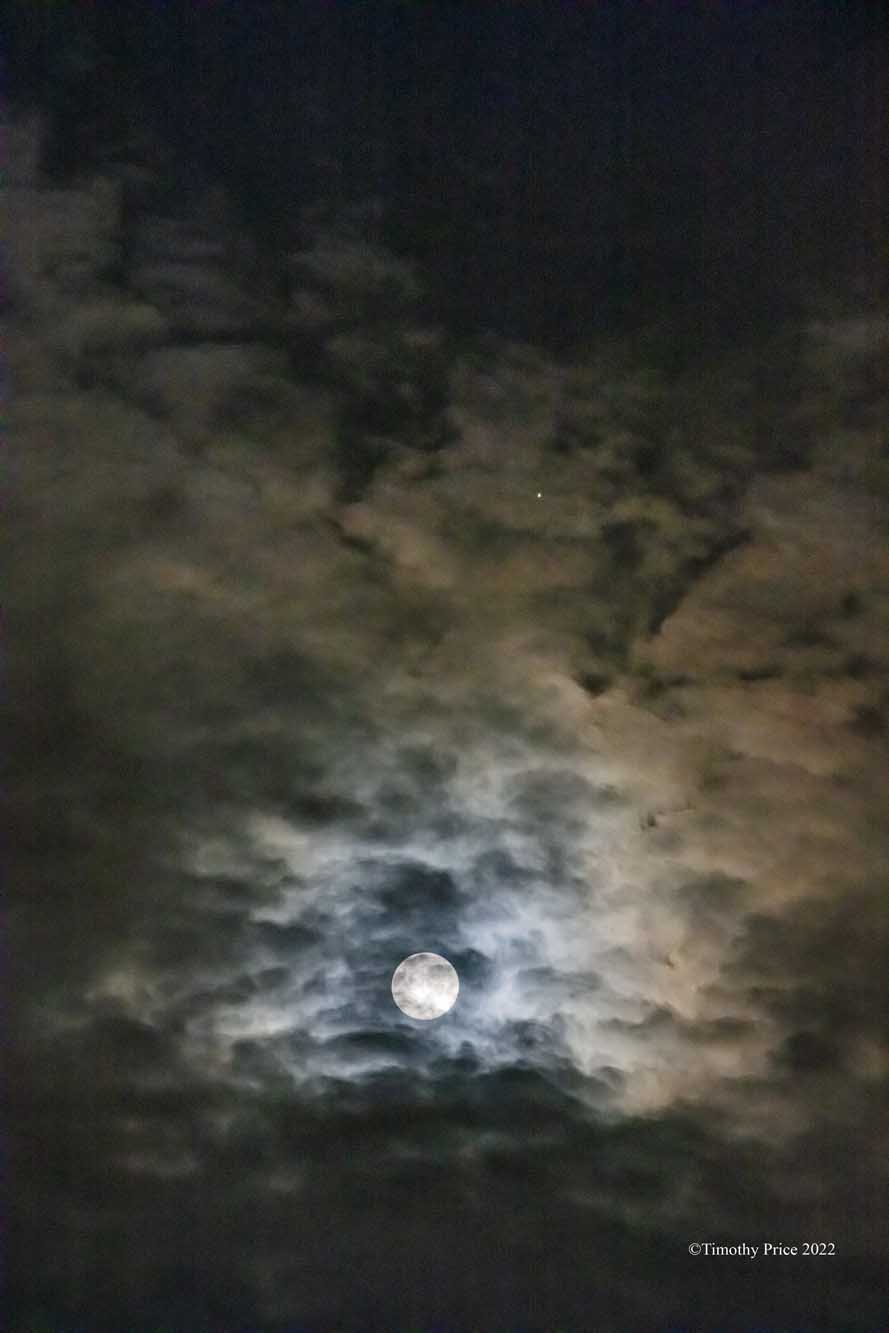
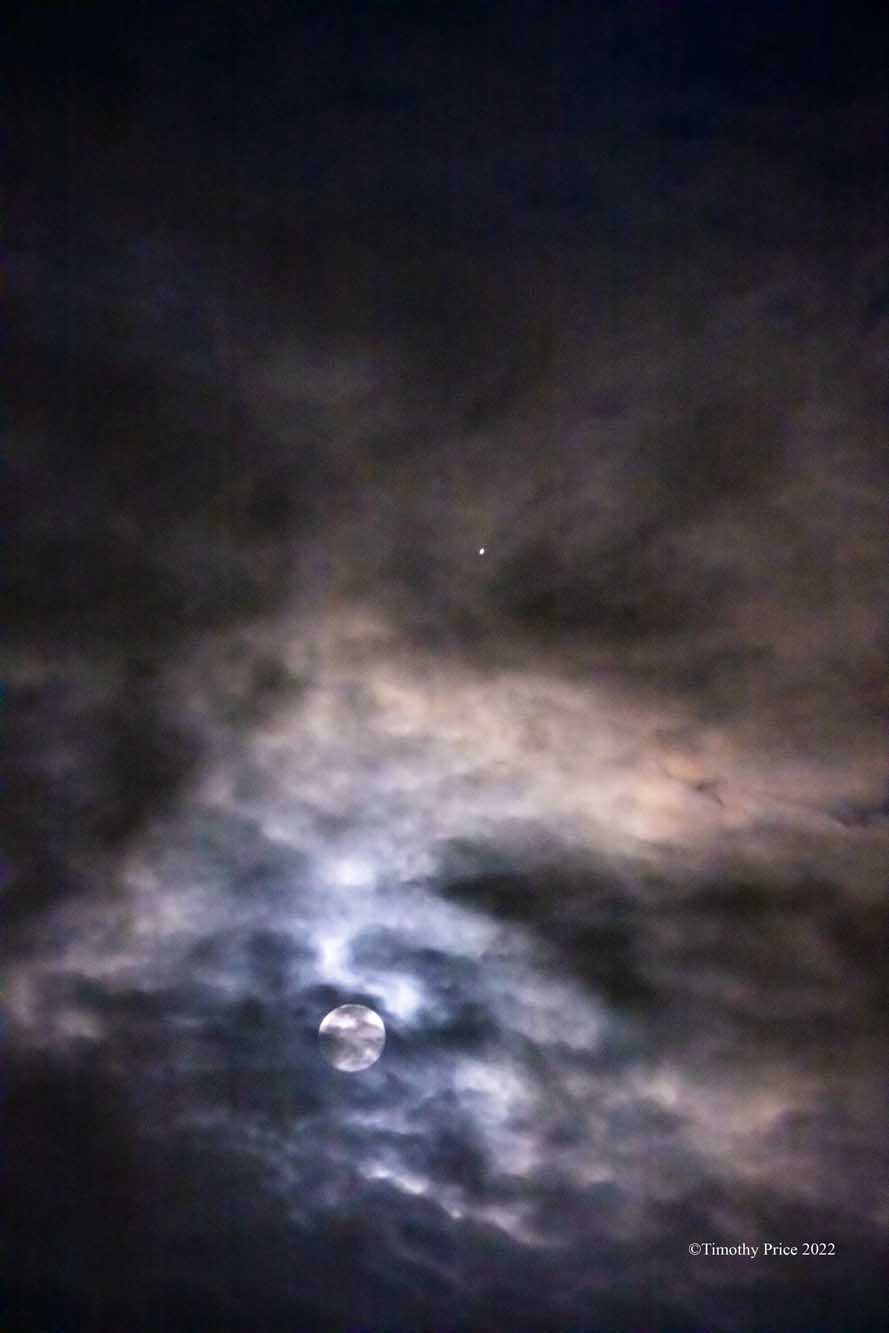


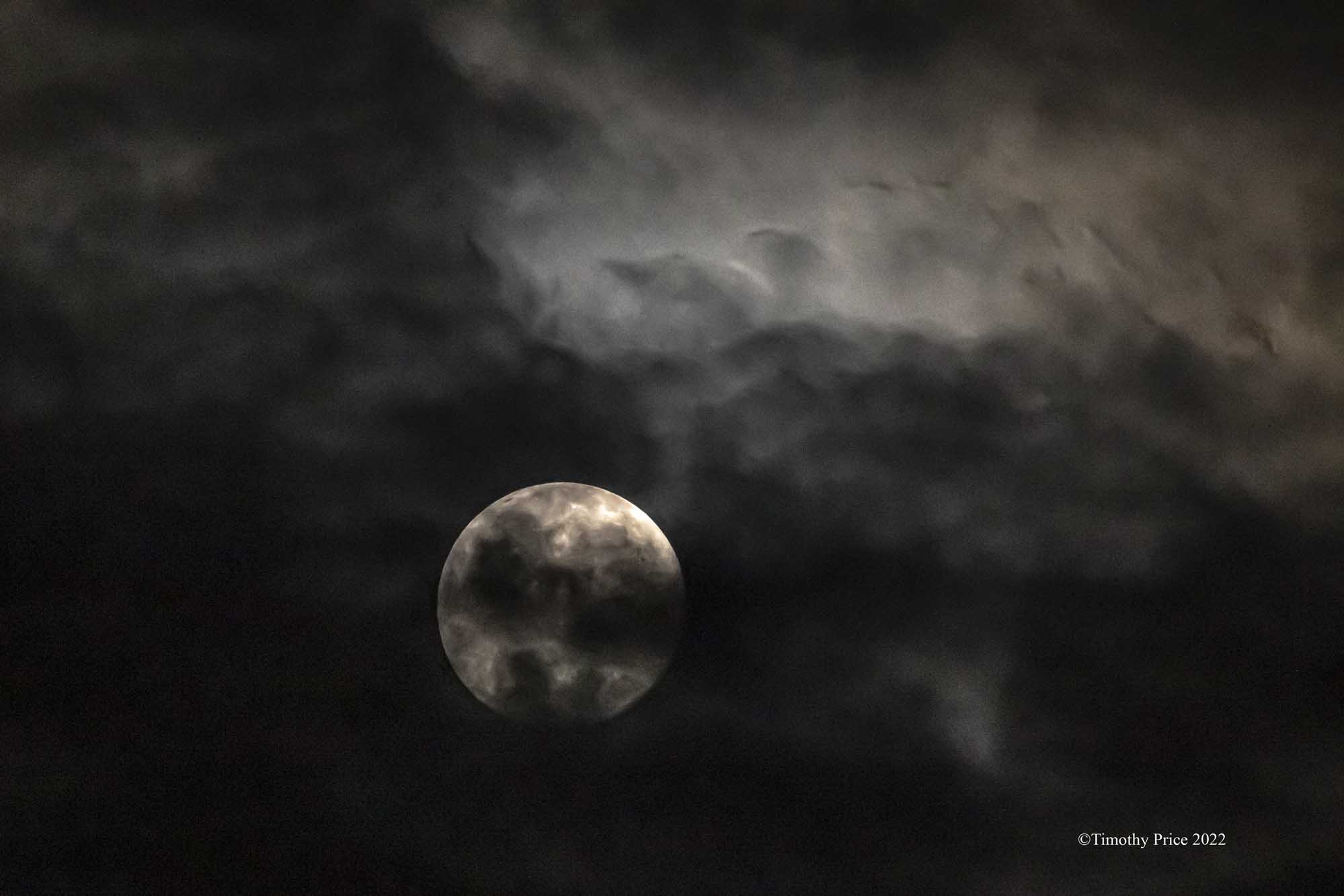
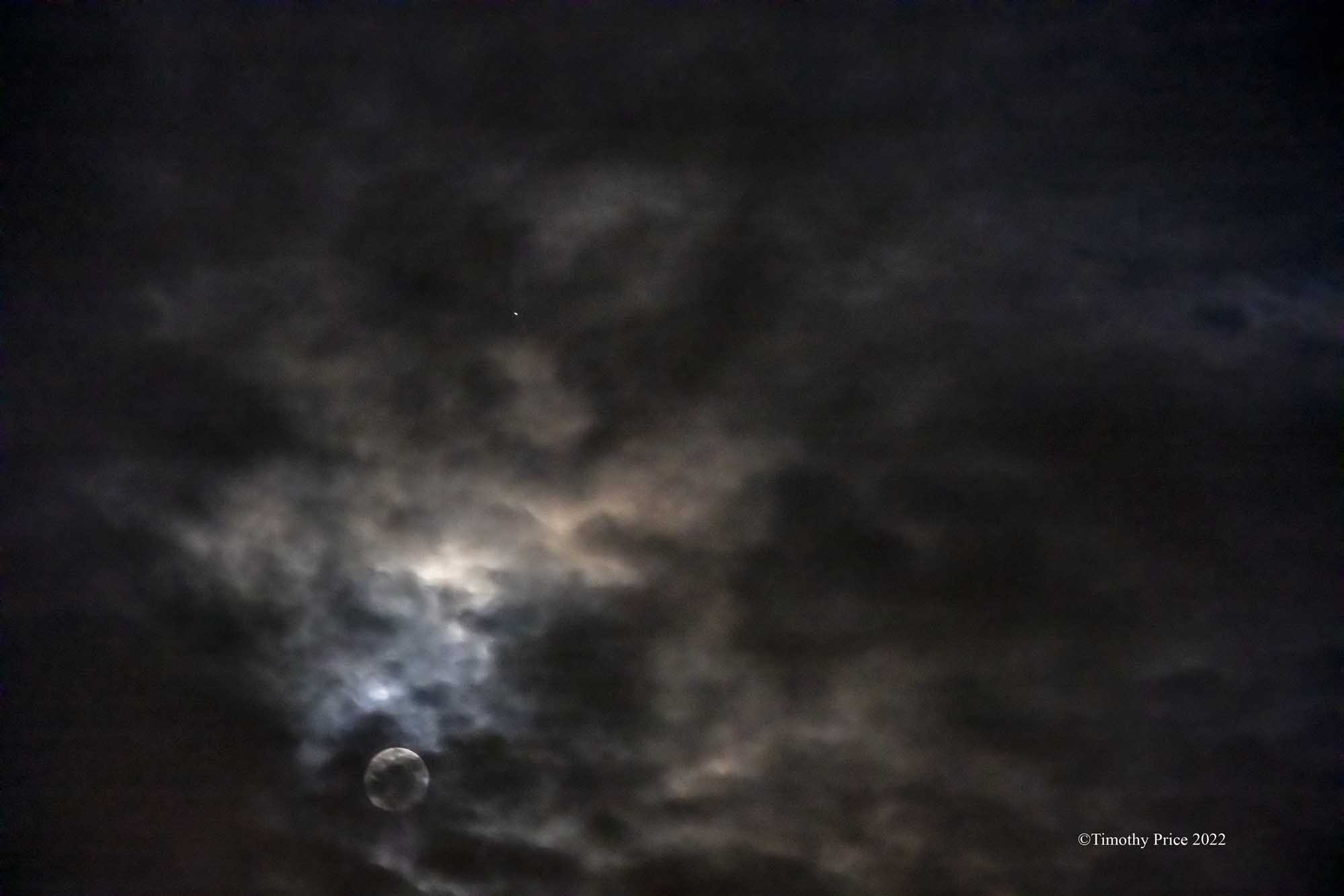
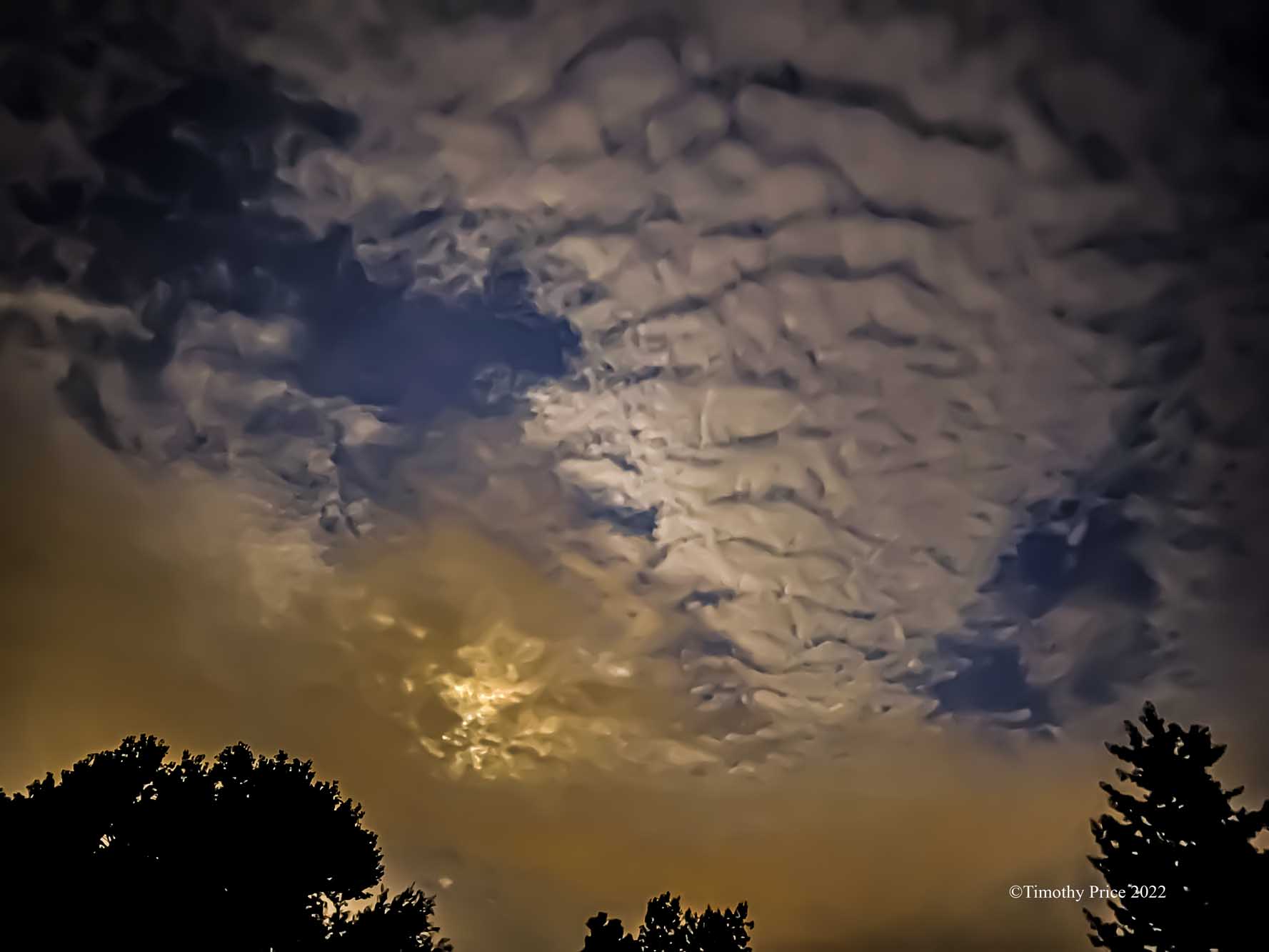
Harvest Moon at 99.8% full rising through the clouds last night.
The Harvest Moon and Mars at 6:00 am this morning.
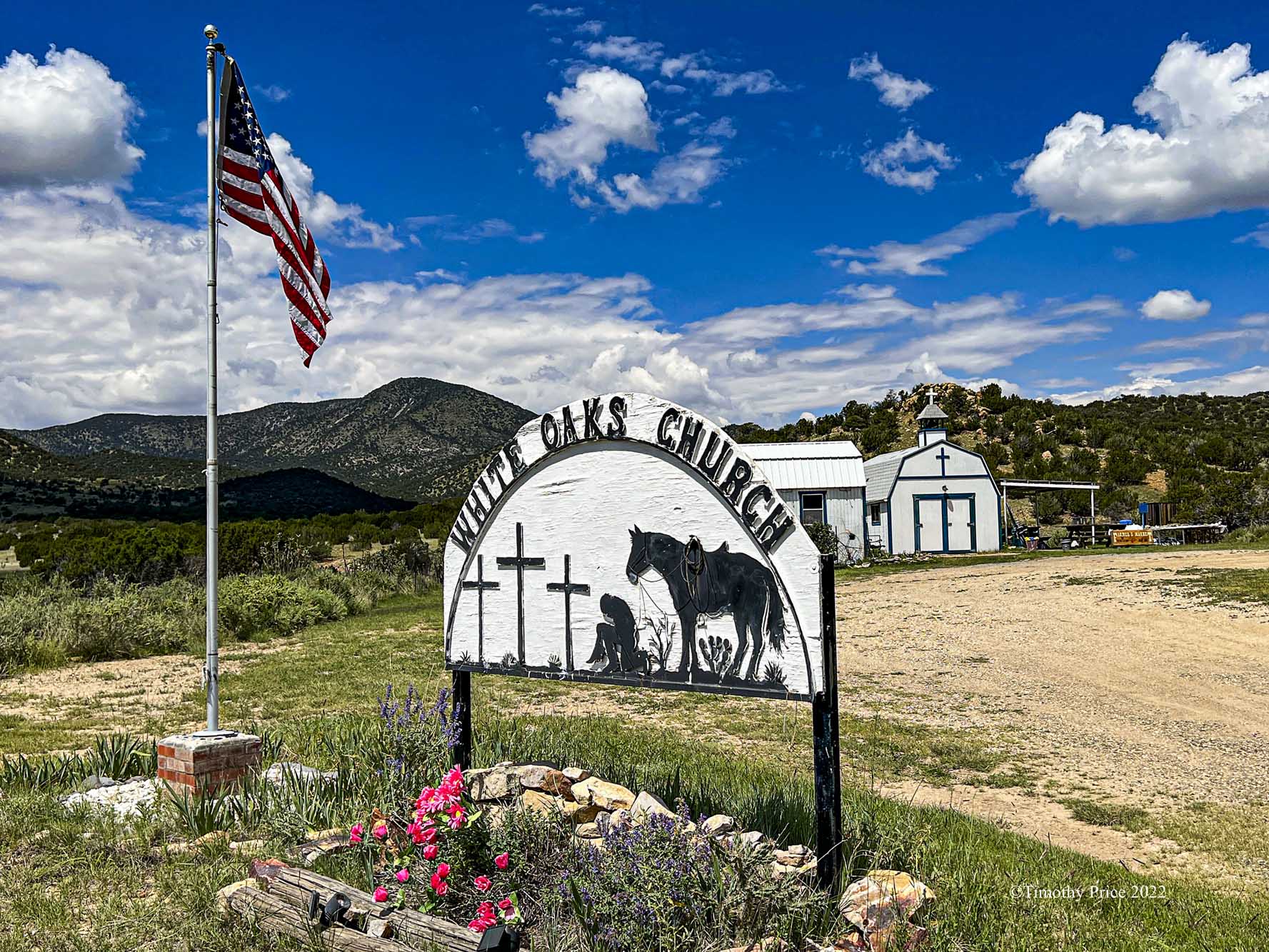
White Oaks, New Mexico doesn’t need no stinking cathedral or post-bank-style building for worship services. A TUFF SHED® with a steeple does just fine.
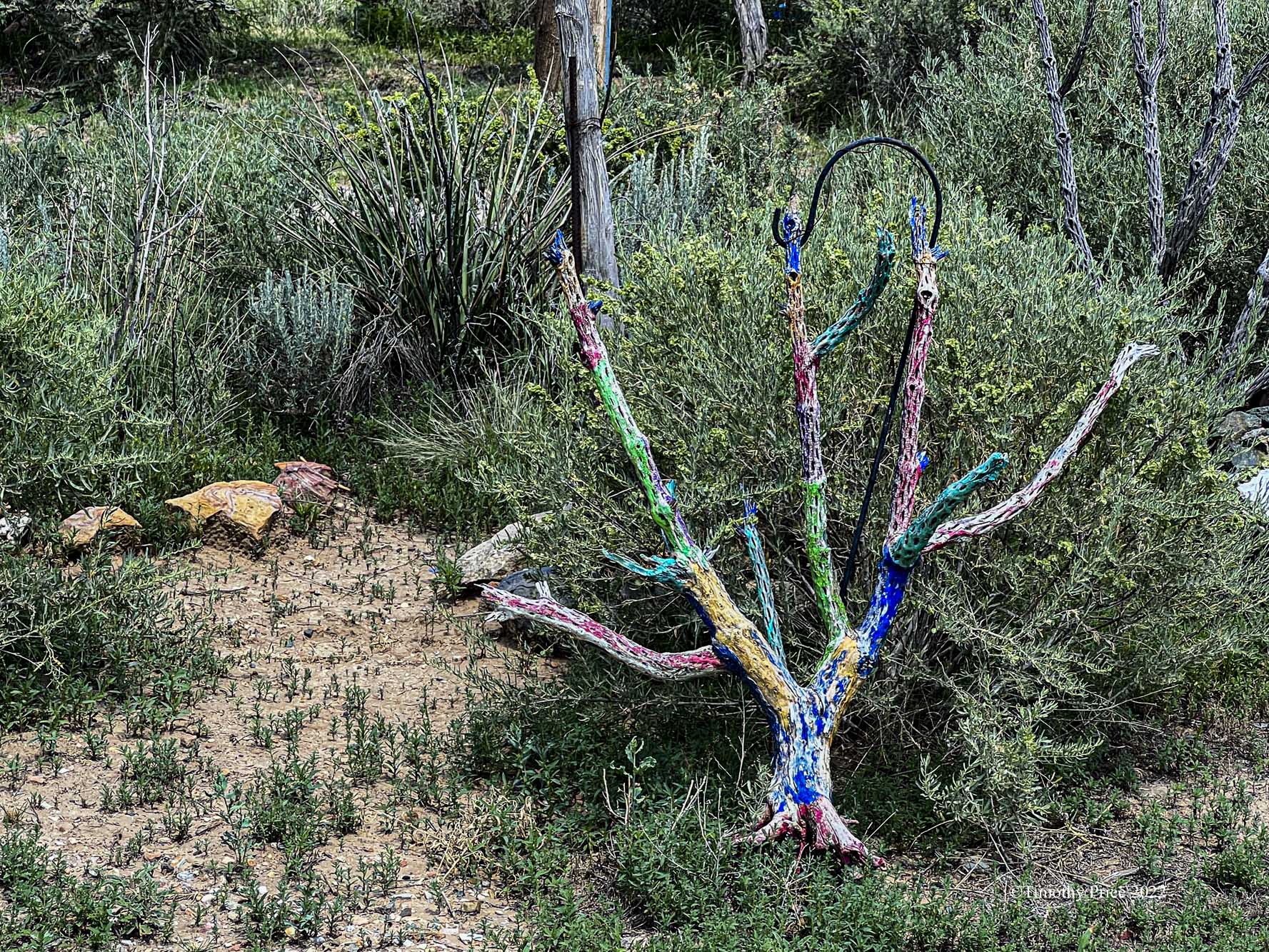

A colorful cacti in the churchyard, and a second TUFF SHED® used for fellowship hall.
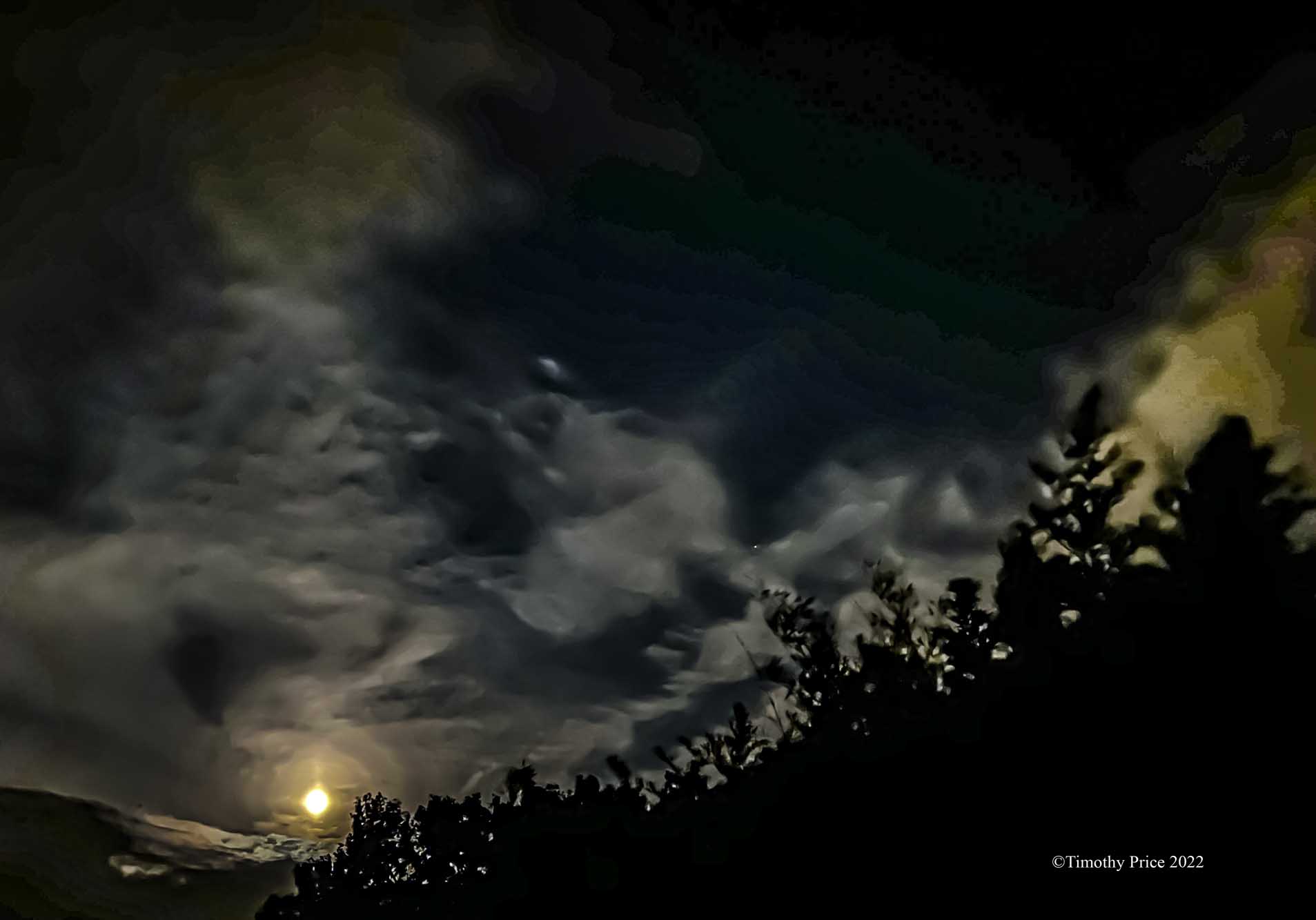

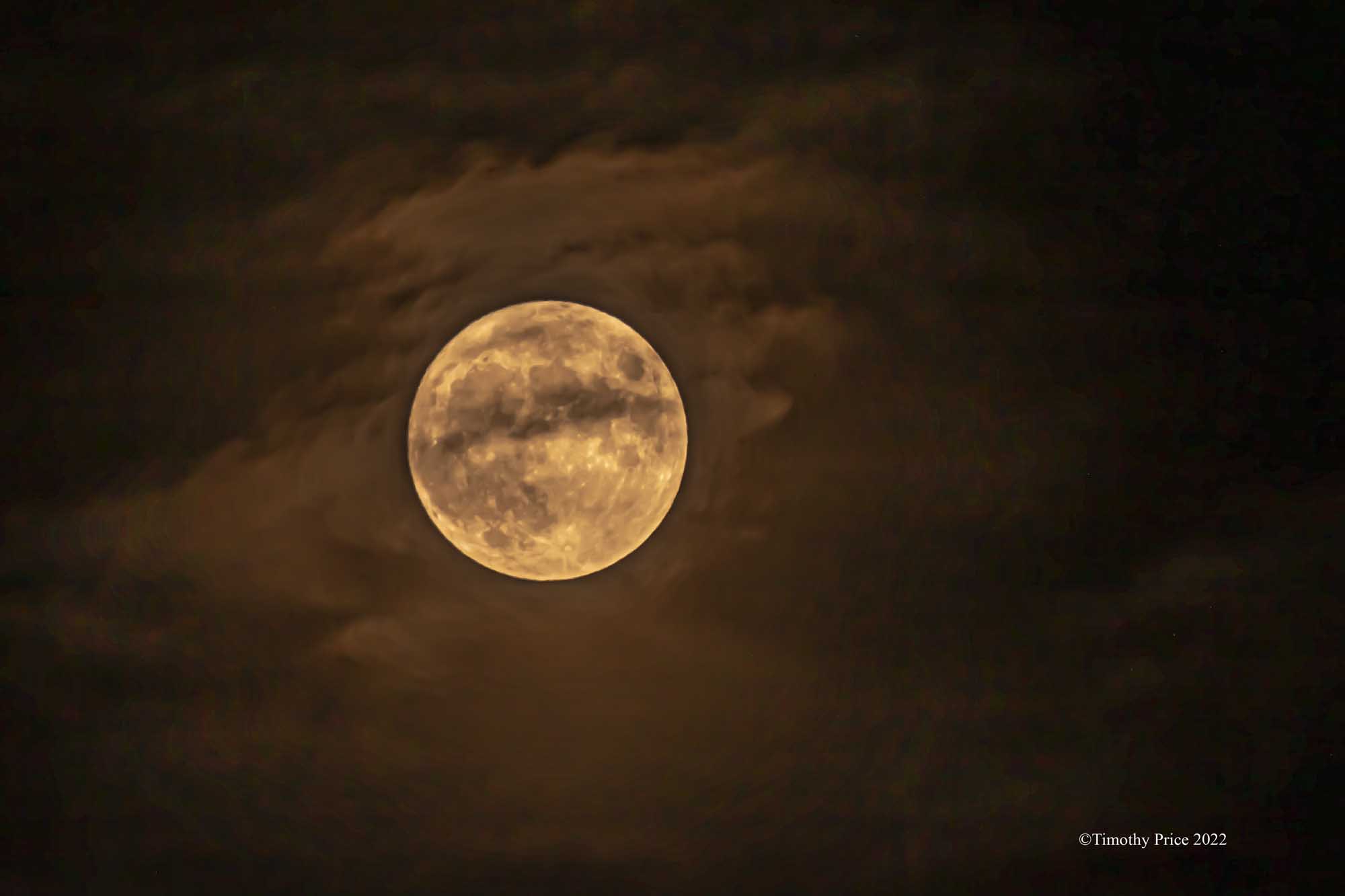
The Harvest Moon rising last night with Saturn peeking through the clouds on the right. Saturn in the center photo. The Harvest Moon shining through the clouds.
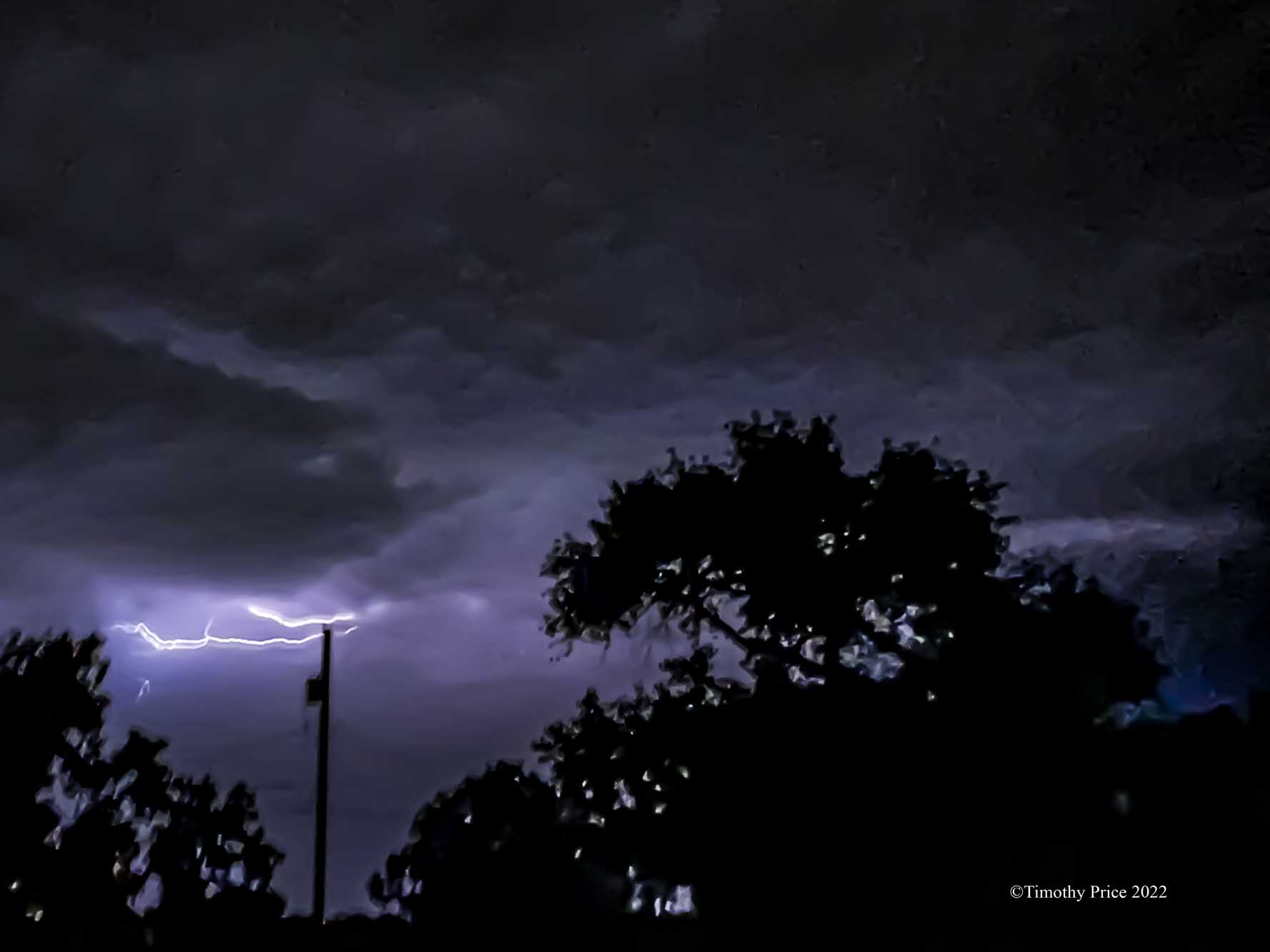


There was lightning to the north last night. Saturn and its moons in plaid. The Harvest moon finally rose above the clouds.
The Harvest Moon rose yellow. I was still in August and David caught my error. Thanks, David. The full moon is on Saturday, September 10th, but the moon does not pass the meridian tonight. Therefore, is close enough for Rock and Roll to be considered full of itself.
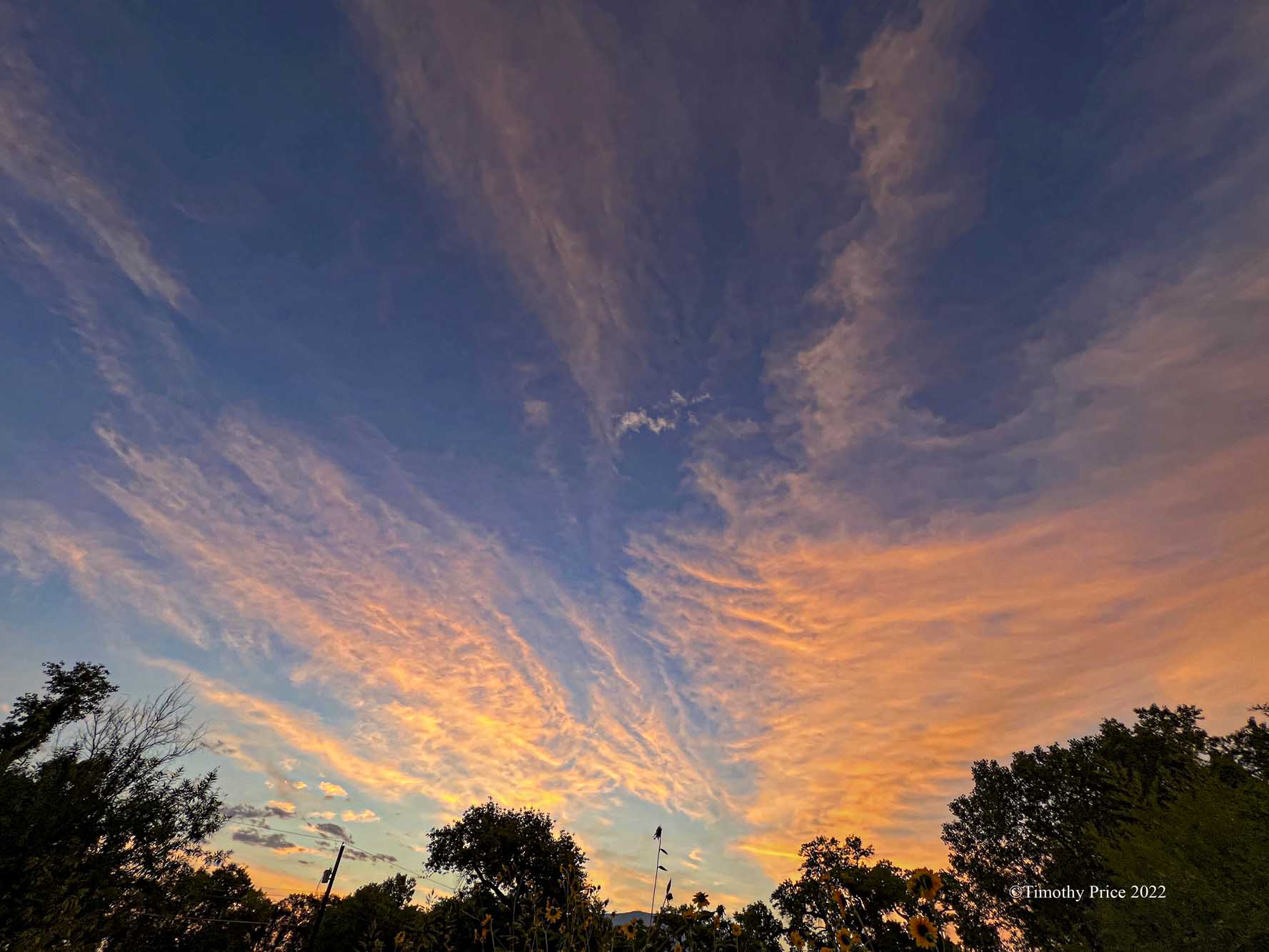
Dawn
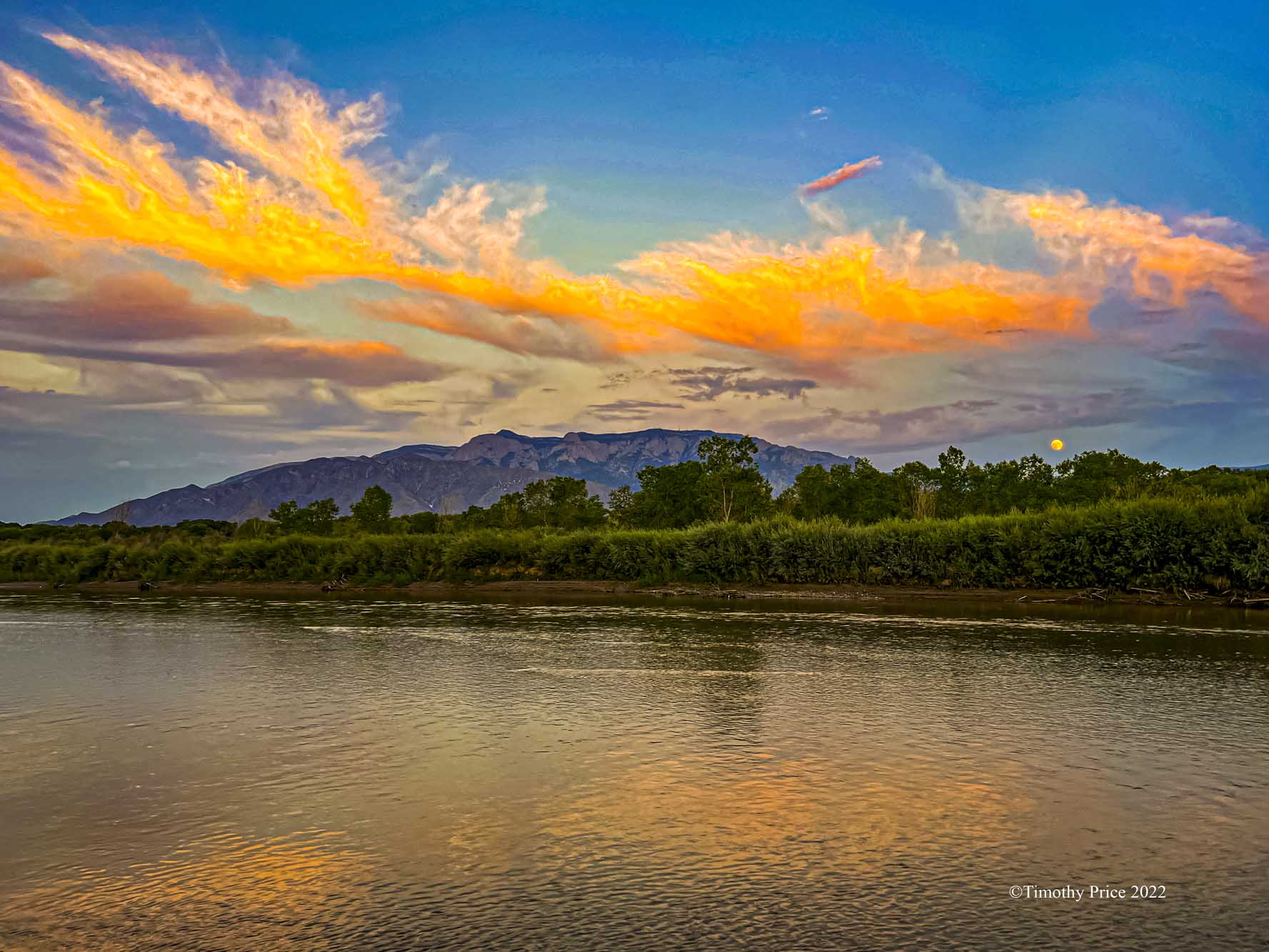
The Corn Moon rising at sunset.
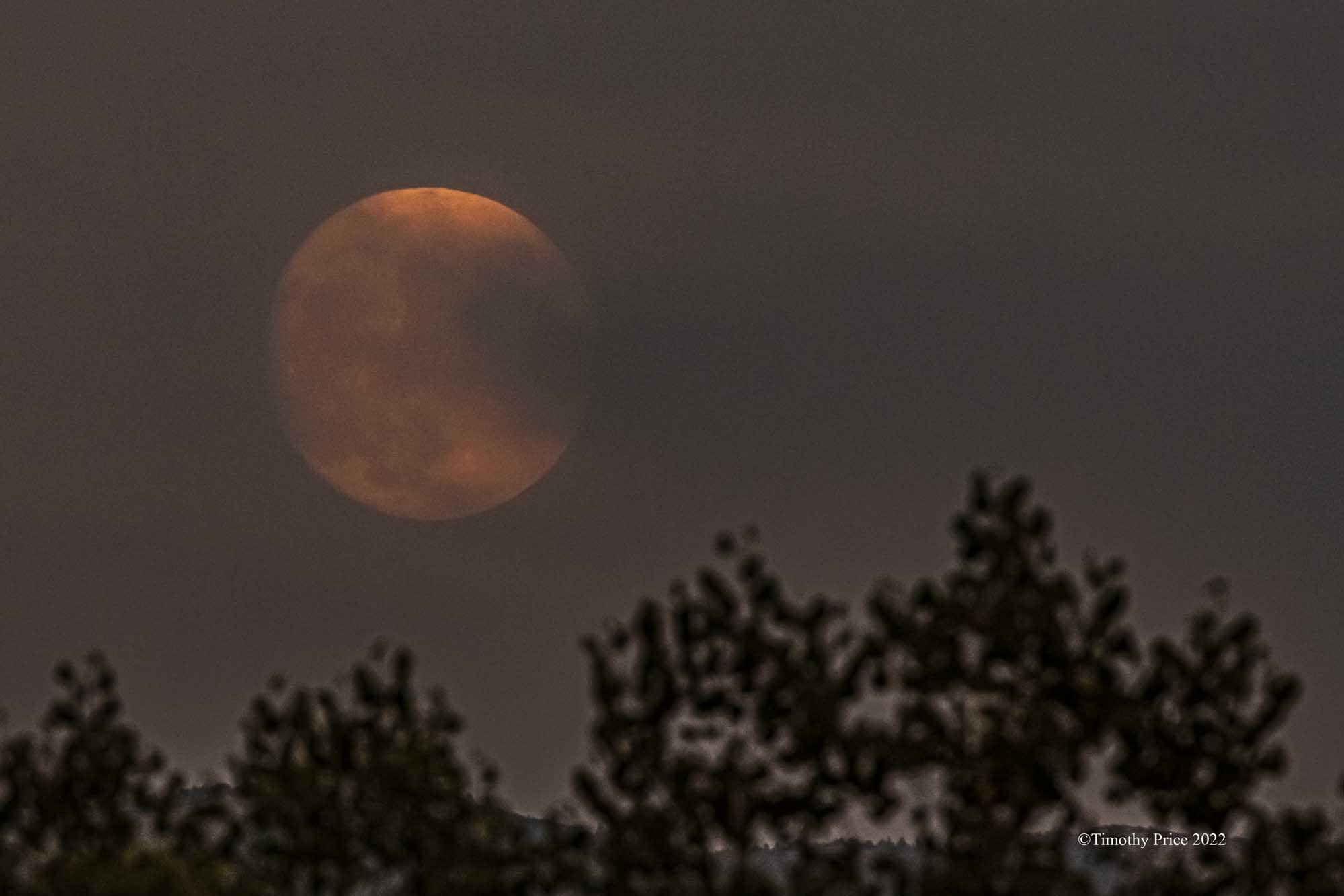

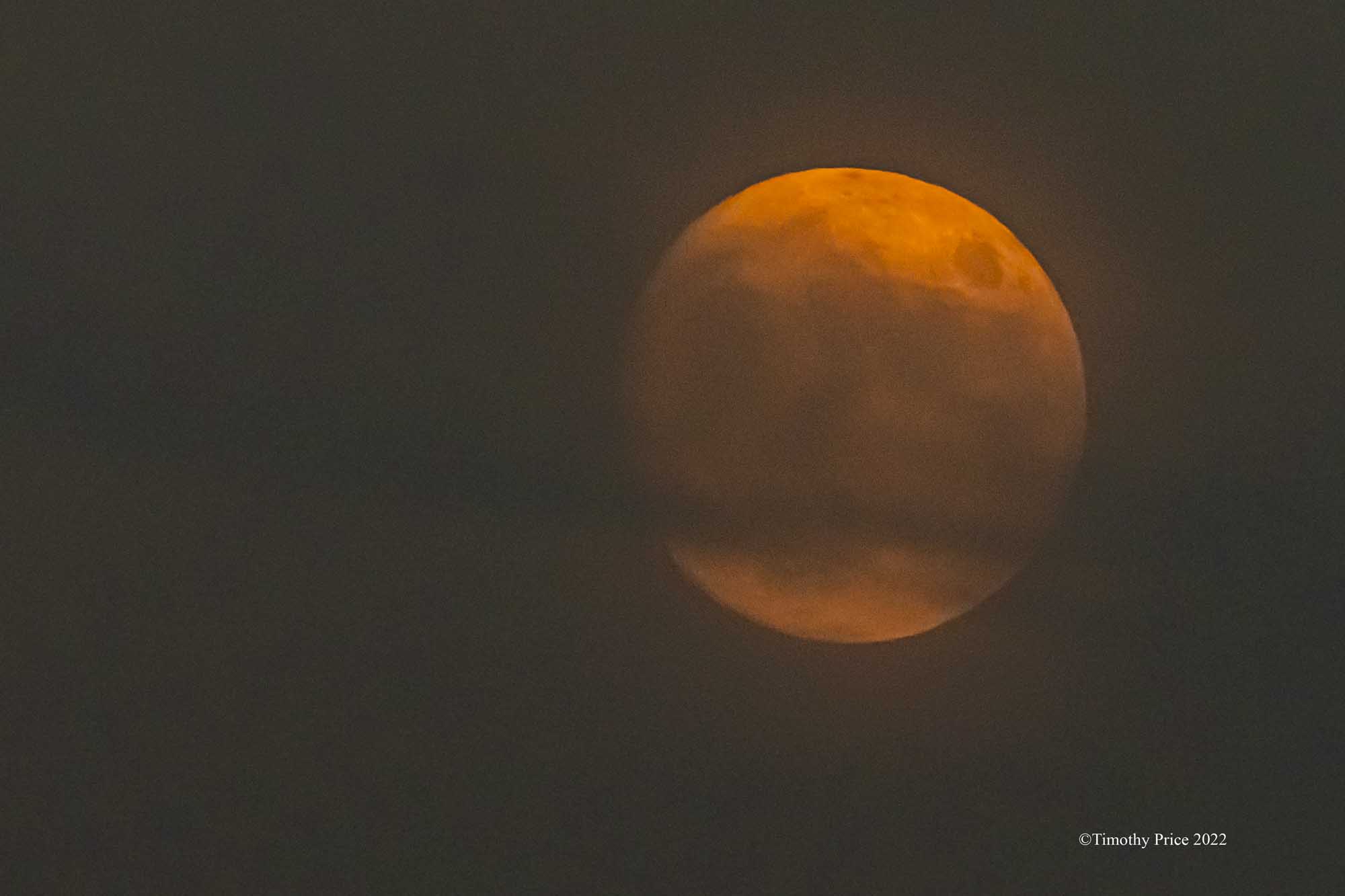
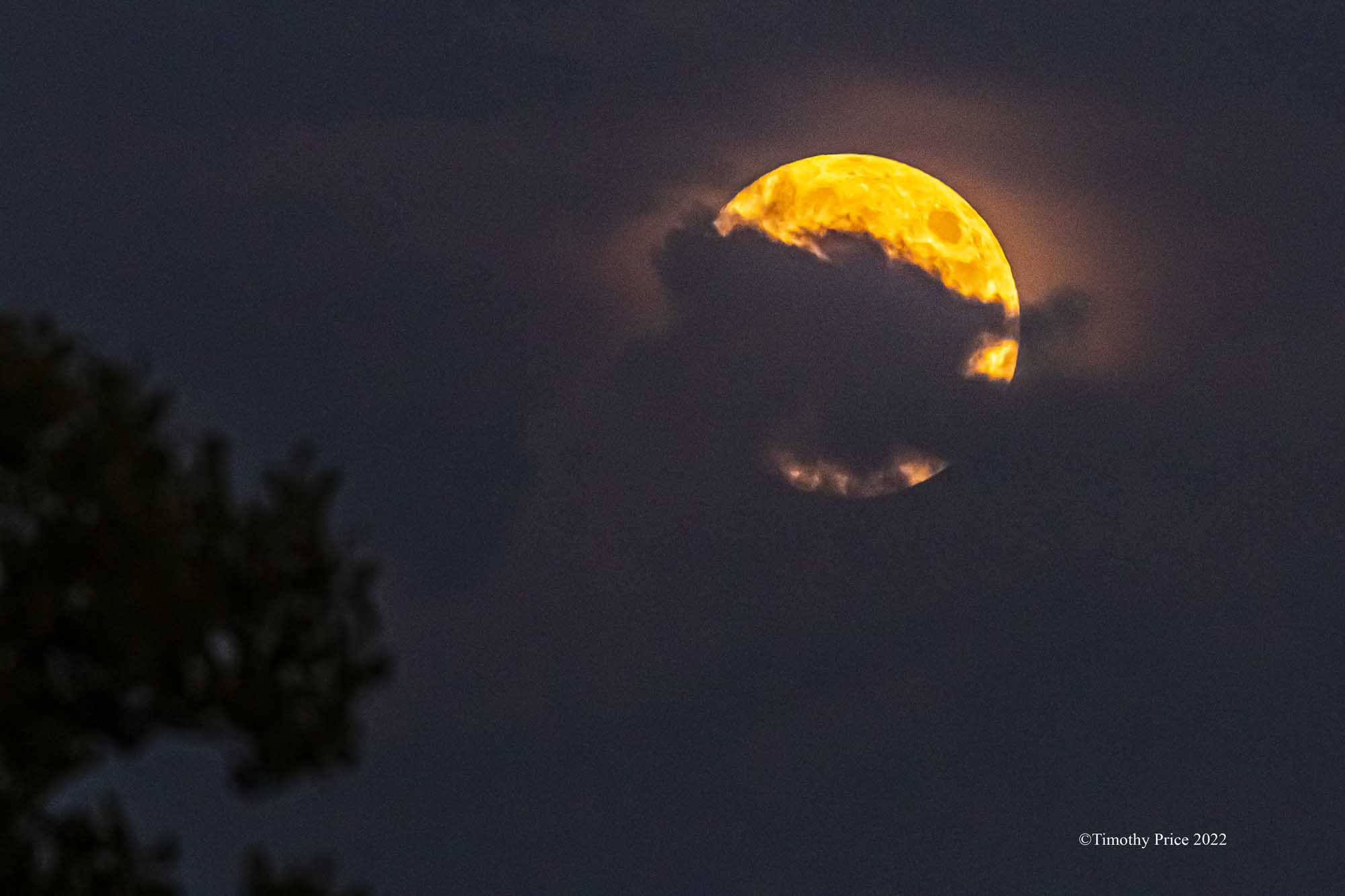
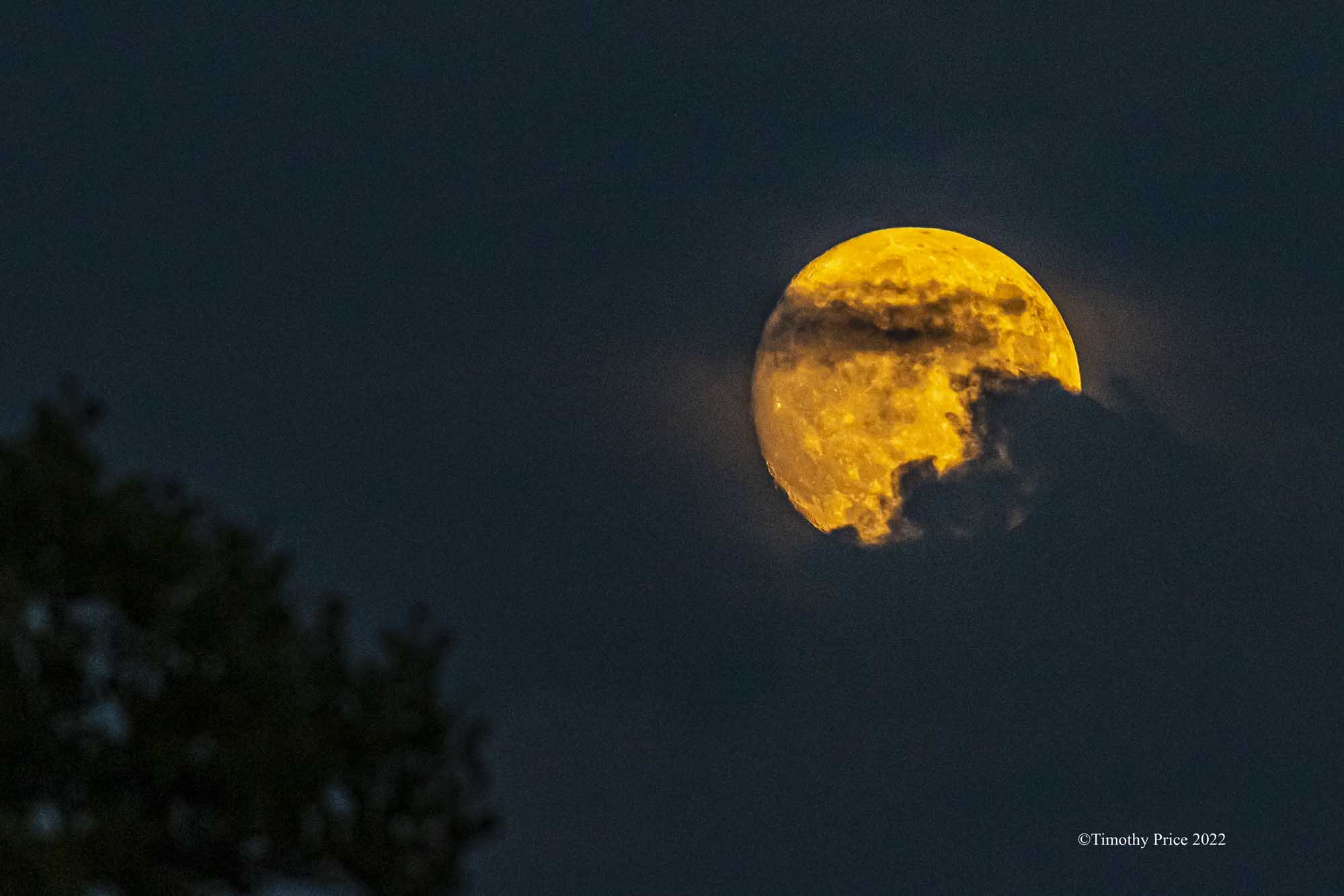
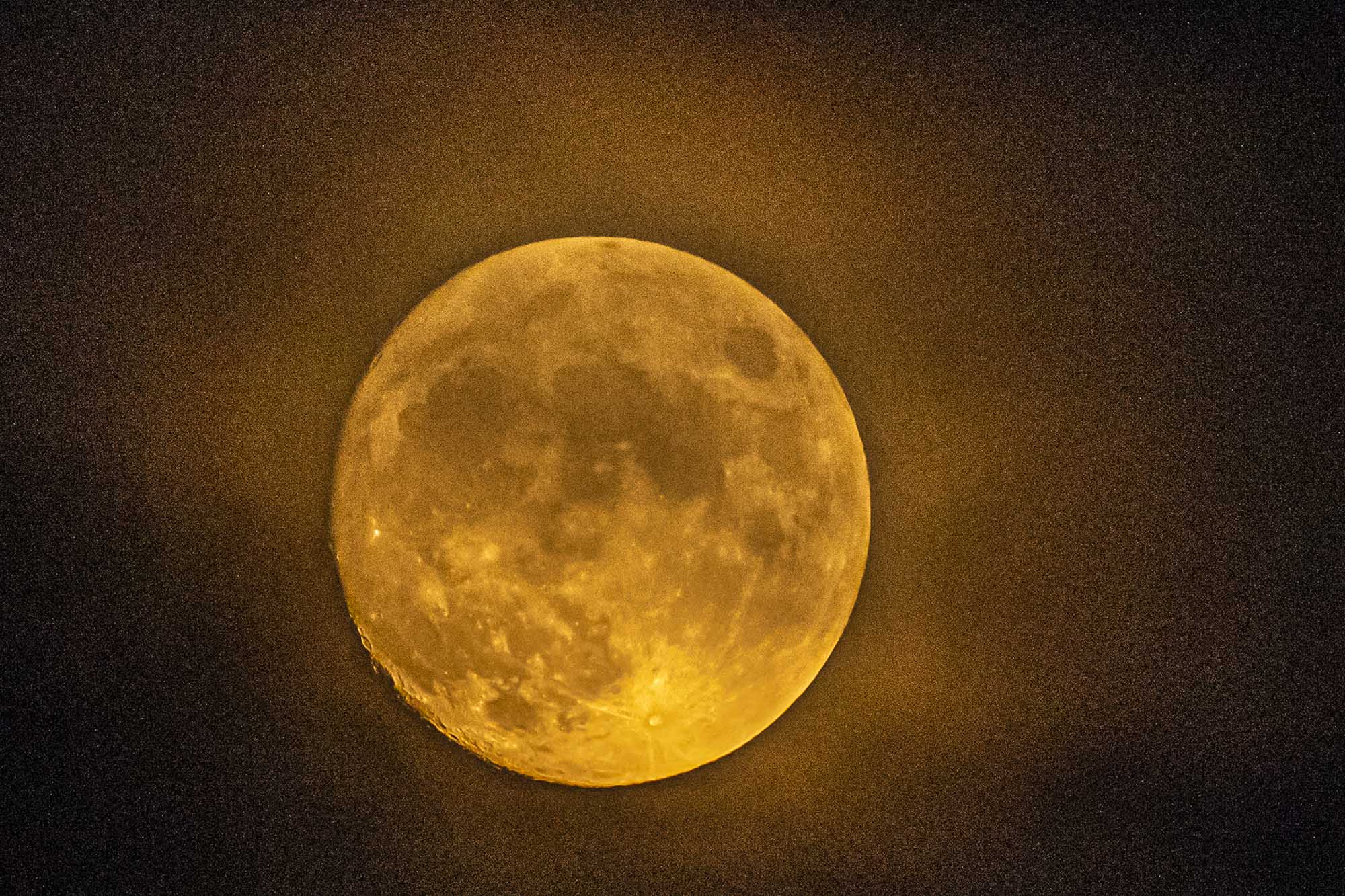
The Harvest Moon at dusk.
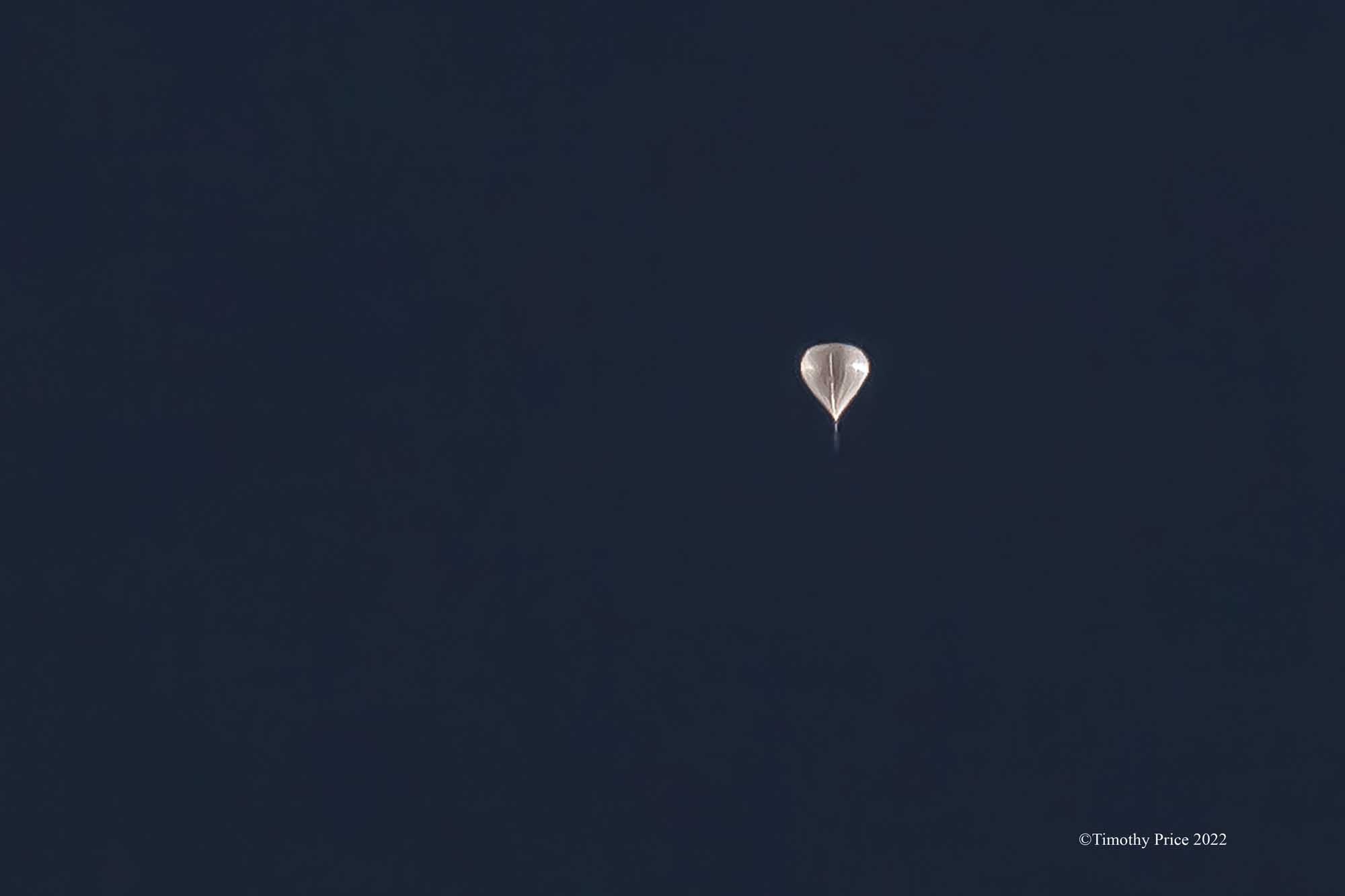
A gas balloon was hanging in the southern sky. The Albuquerque International Balloon Fiesta starts on October 1st. There are 768 Balloons registered to fly this year.
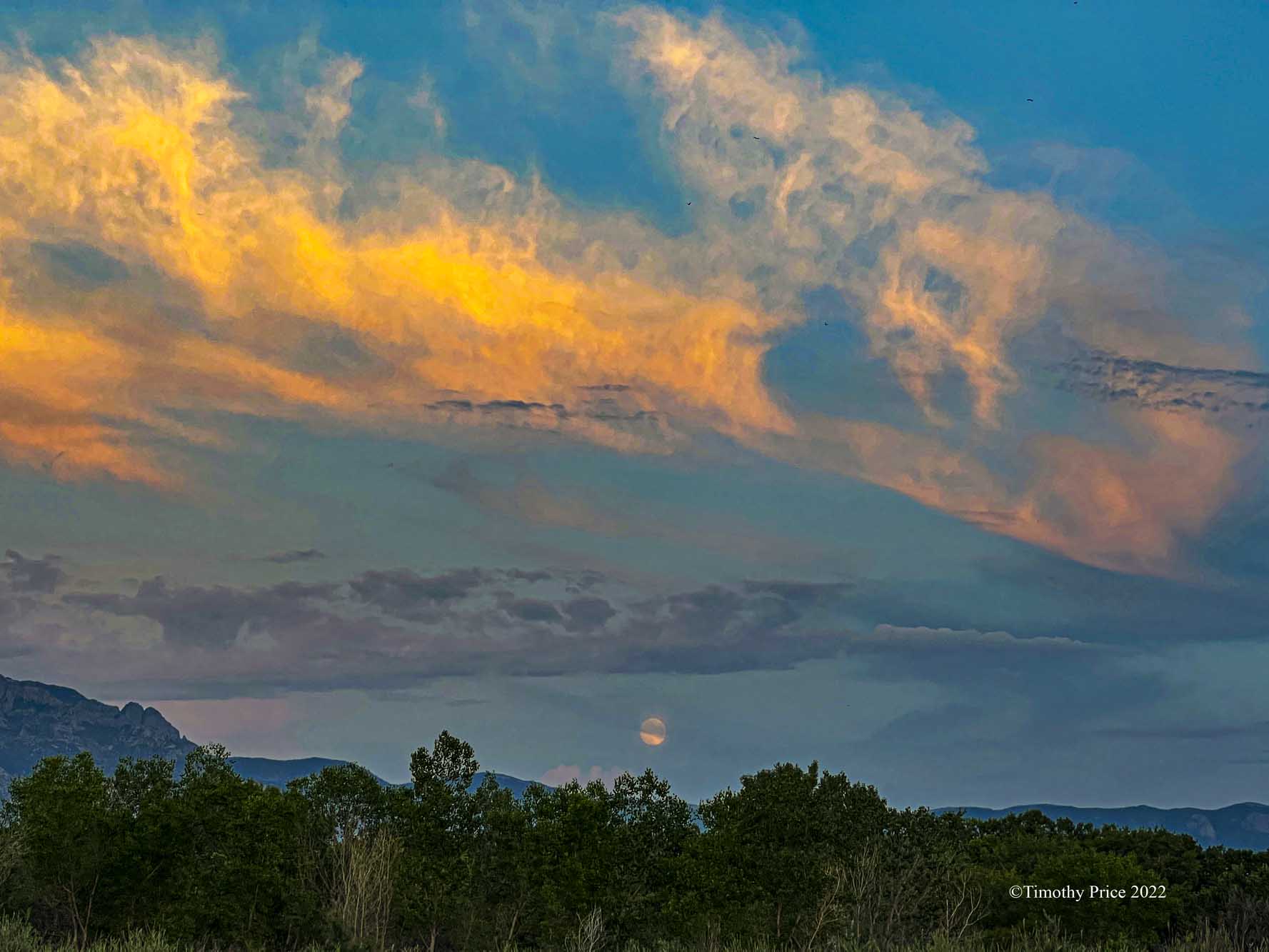
The Harvest Moon rising under a happy kitty in the clouds.
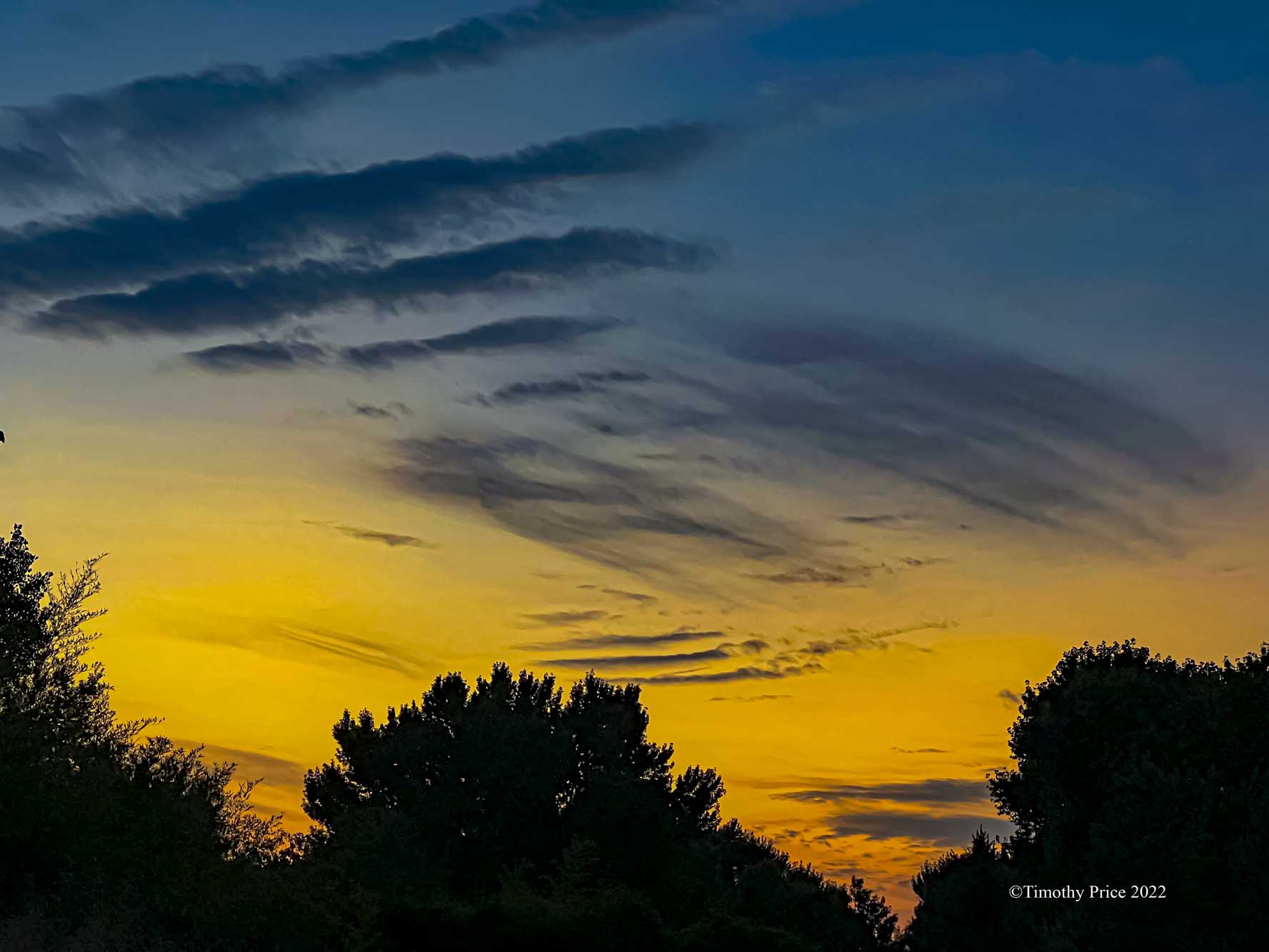
Sunset


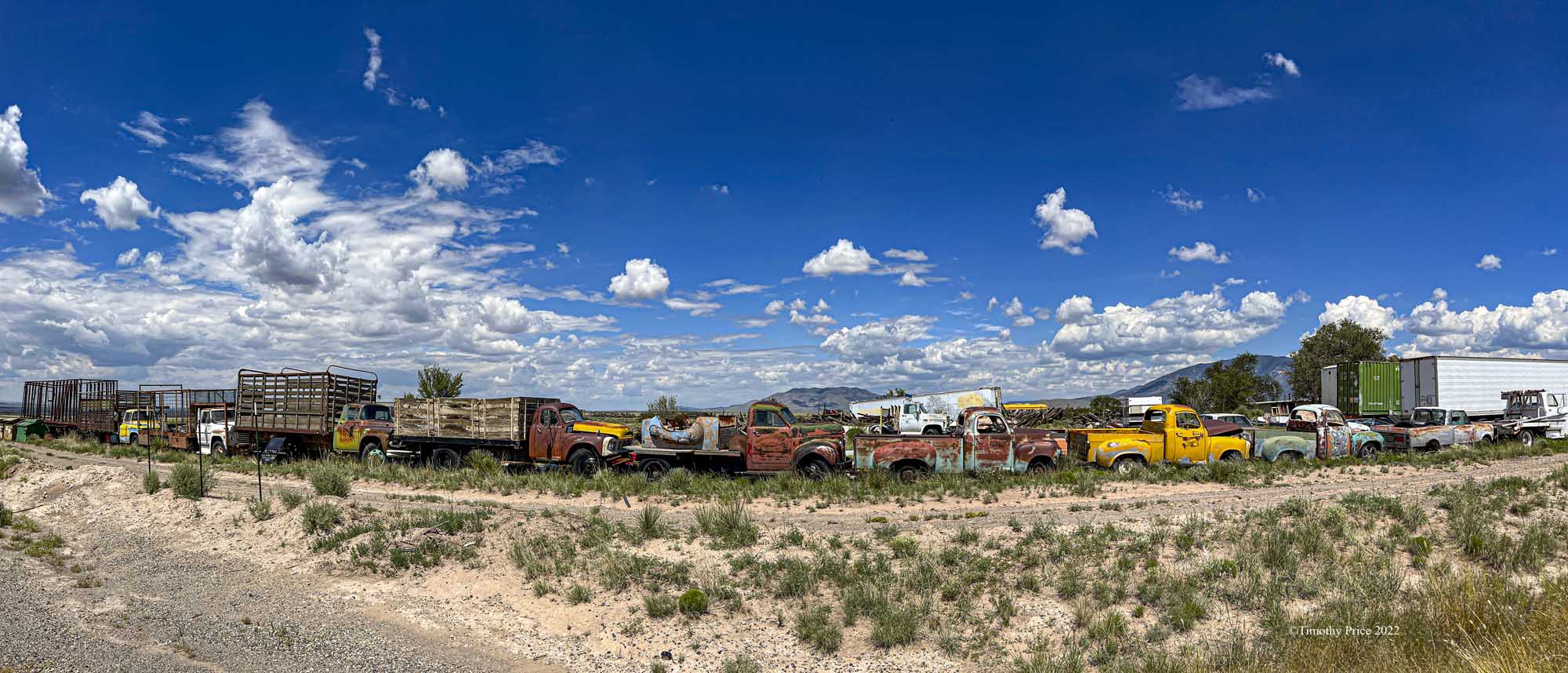
Line of trucks in Carrizozo, New Mexico.

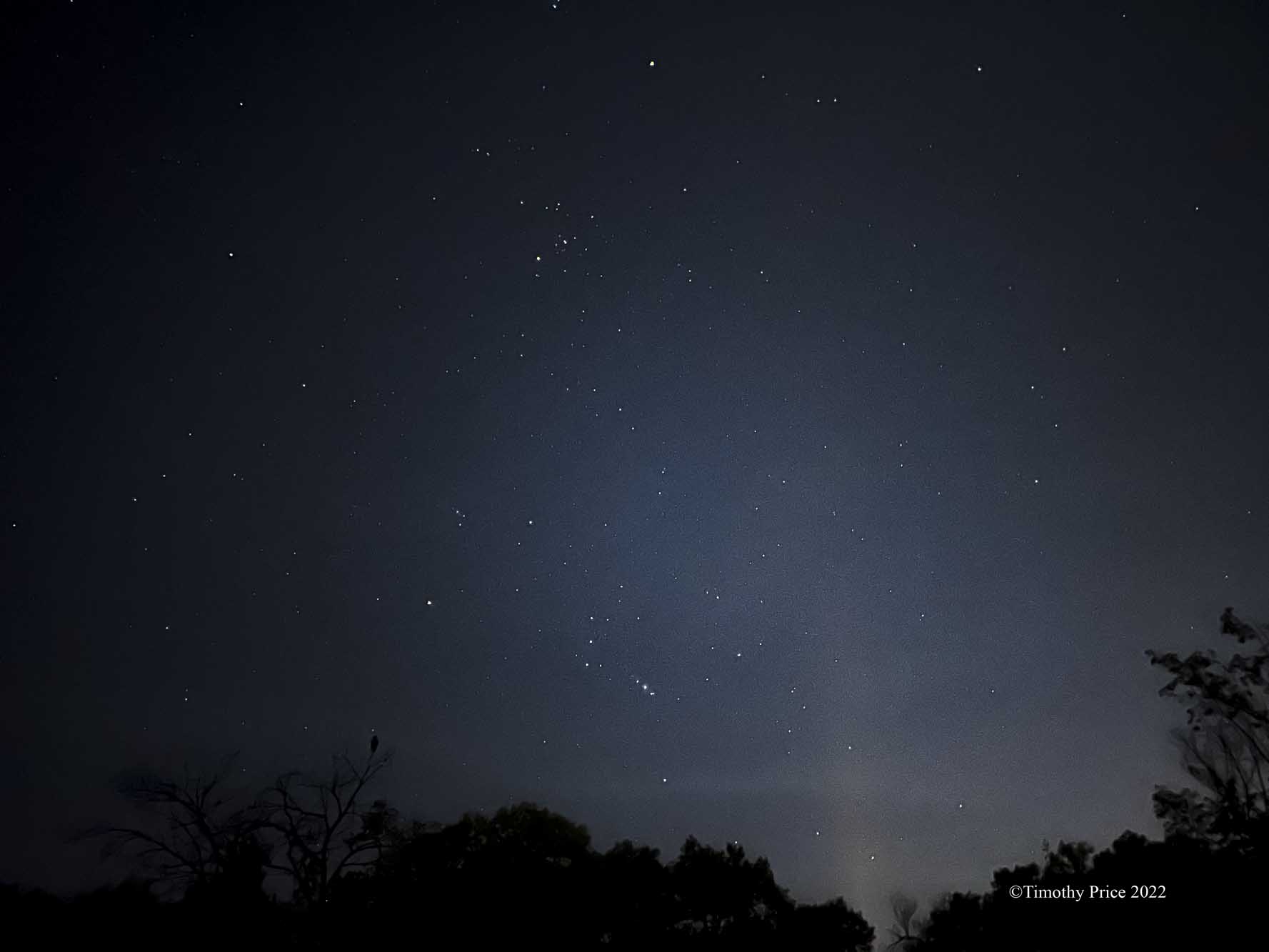
Right up the center of the photo is Orion, Mars, and the Pleiades. To the right of Orion’s belt is Betelgeuse.


The Pleiades




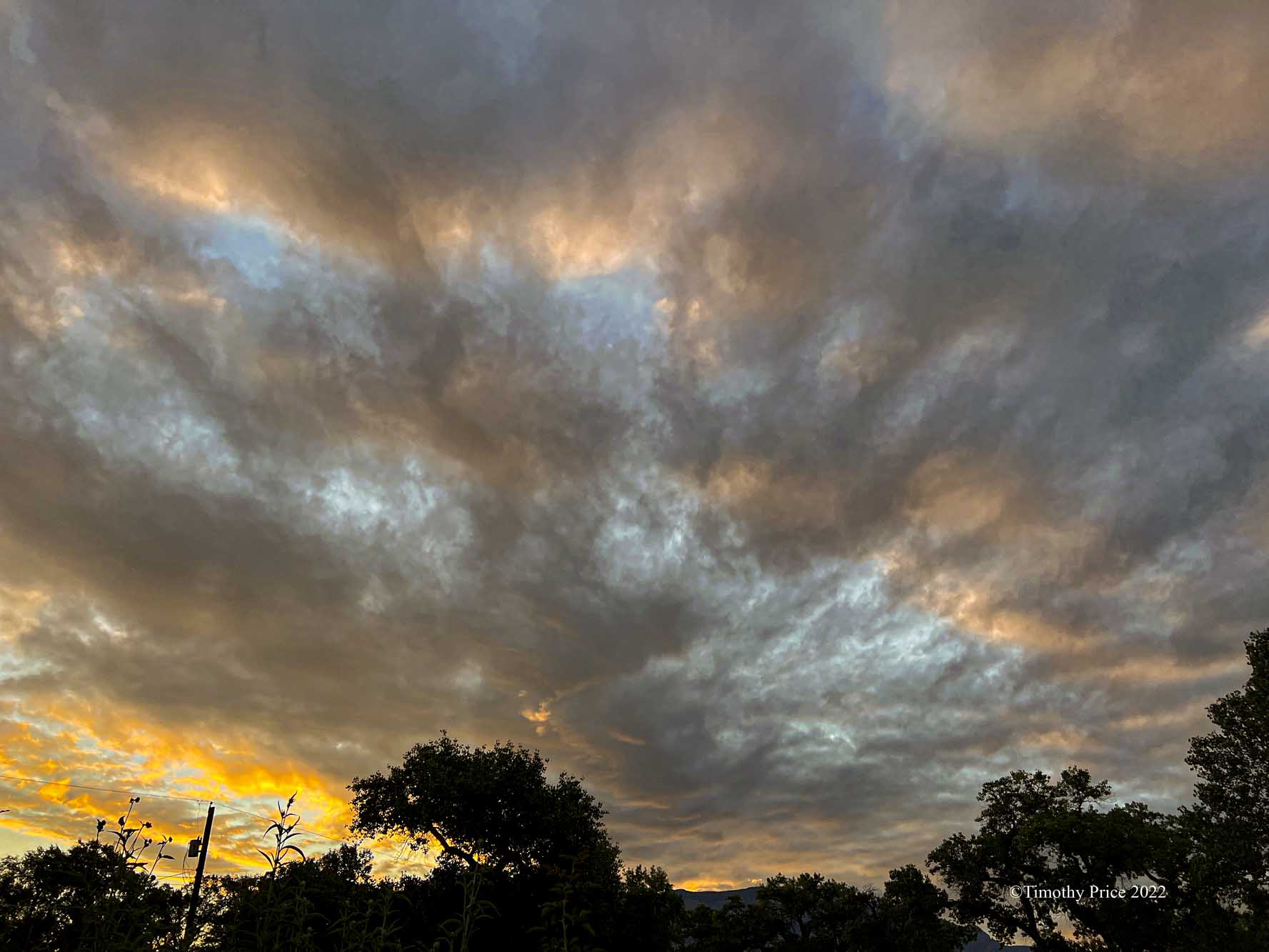
Dawn
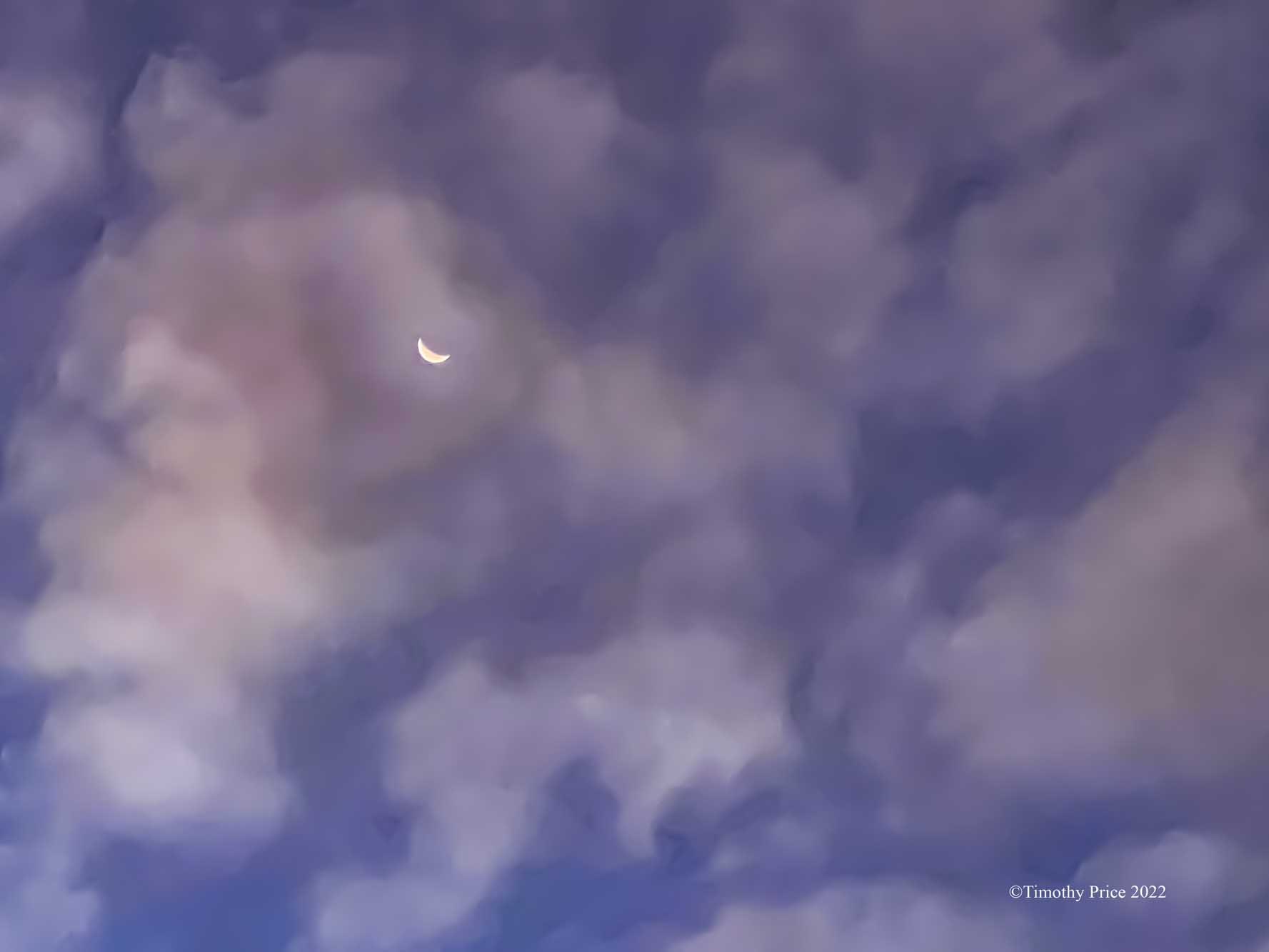
The crescent moon shining through the clouds at dawn.

There are only 69 days left until Halloween, and Lowe’s has you covered! I walked into Lowe’s to buy some supplies for a project and was greeted by ghoulish displays.

The big guy is ten or twelve feet tall. He lights up, flashes, wiggles, and growls when you step on the button.


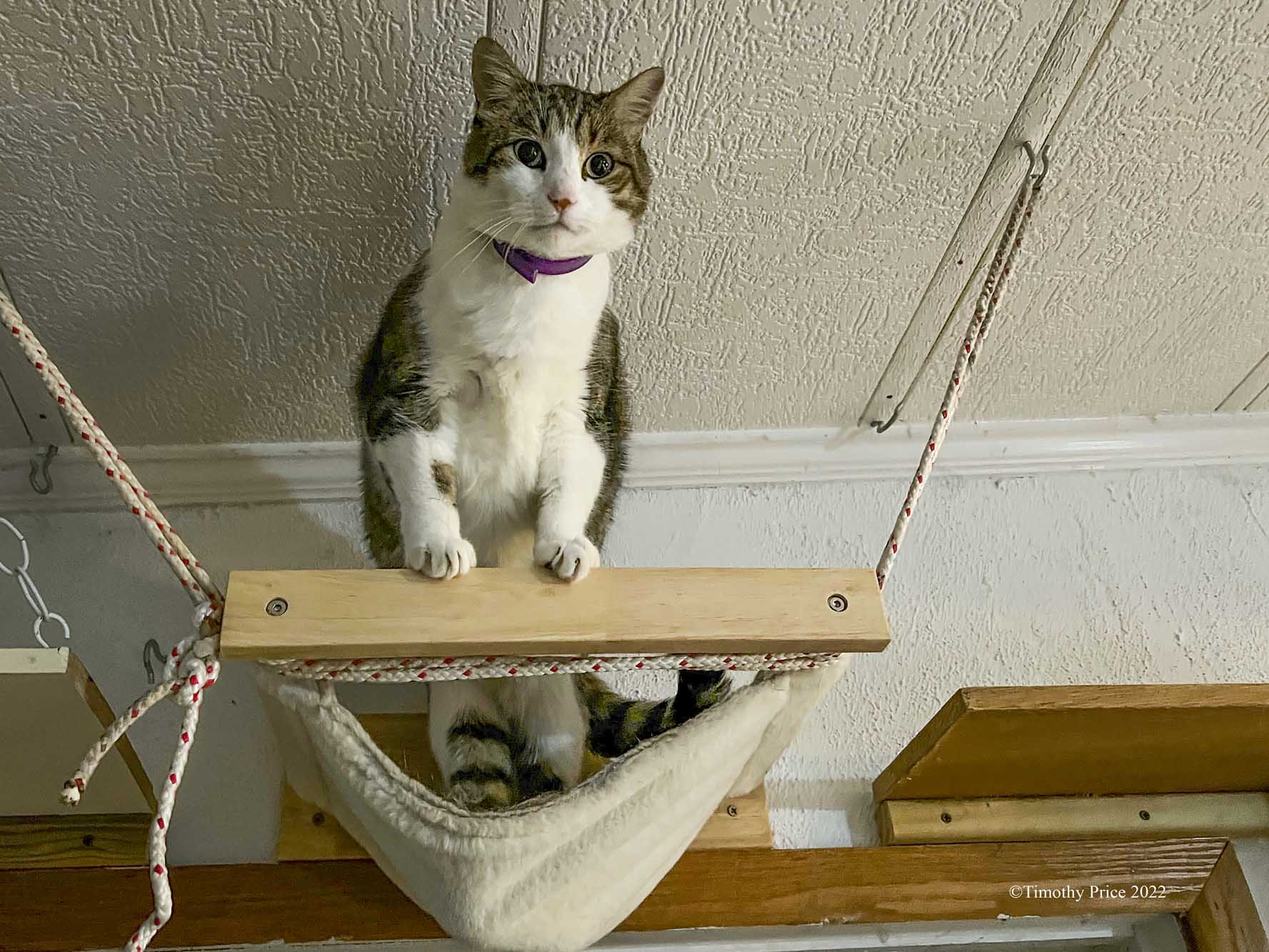
Spunk doesn’t give a paw about Halloween.
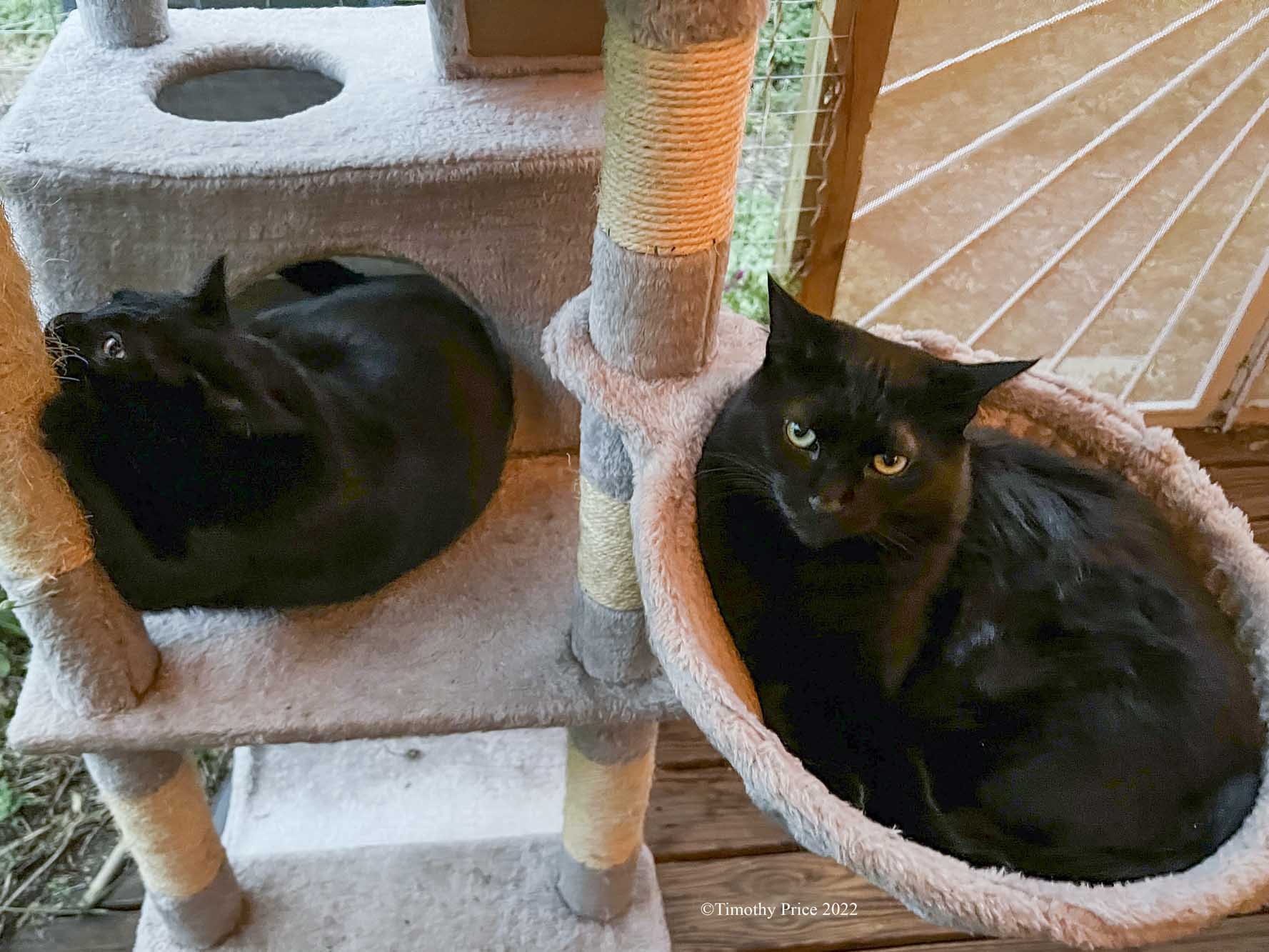
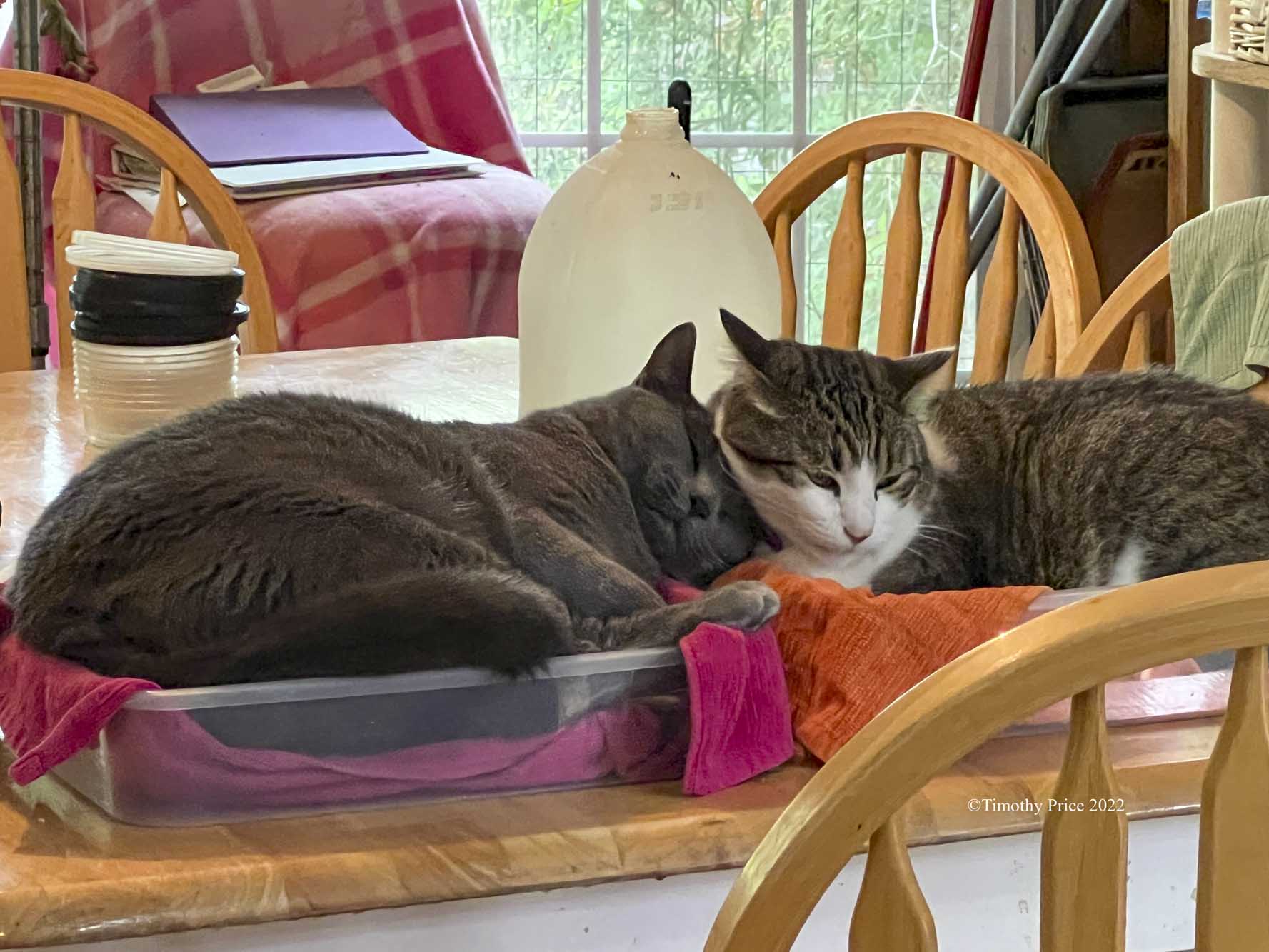

Loki and Glenda think they define Halloween. Silver and Spunk could care less.

There was an alignment of the moon, Mars, and the Pleiades this morning, but the thin cloud cover almost blocked out Mars and the Pleiades in the shots where the moon has details. Click on the photos to see more details.
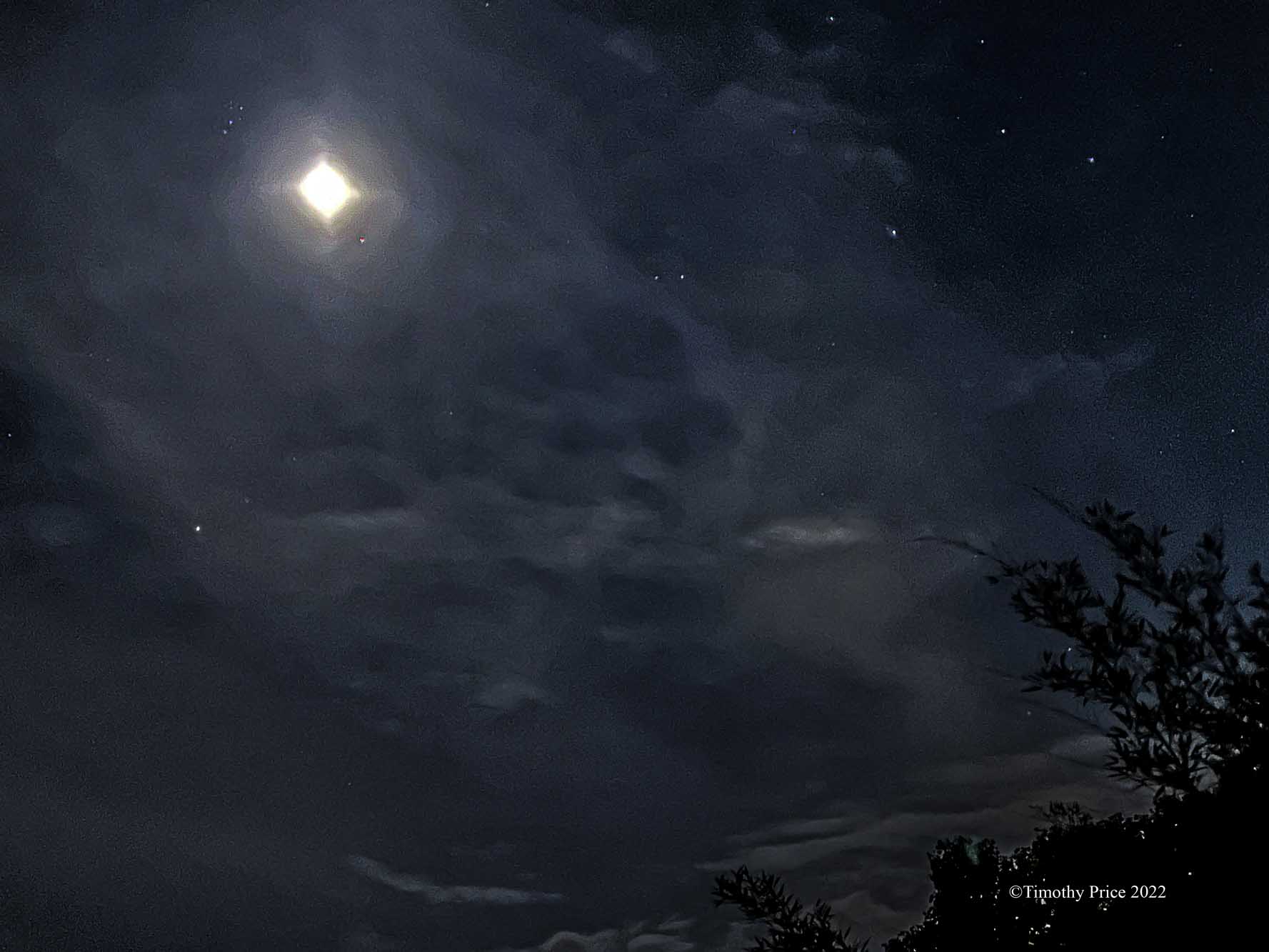



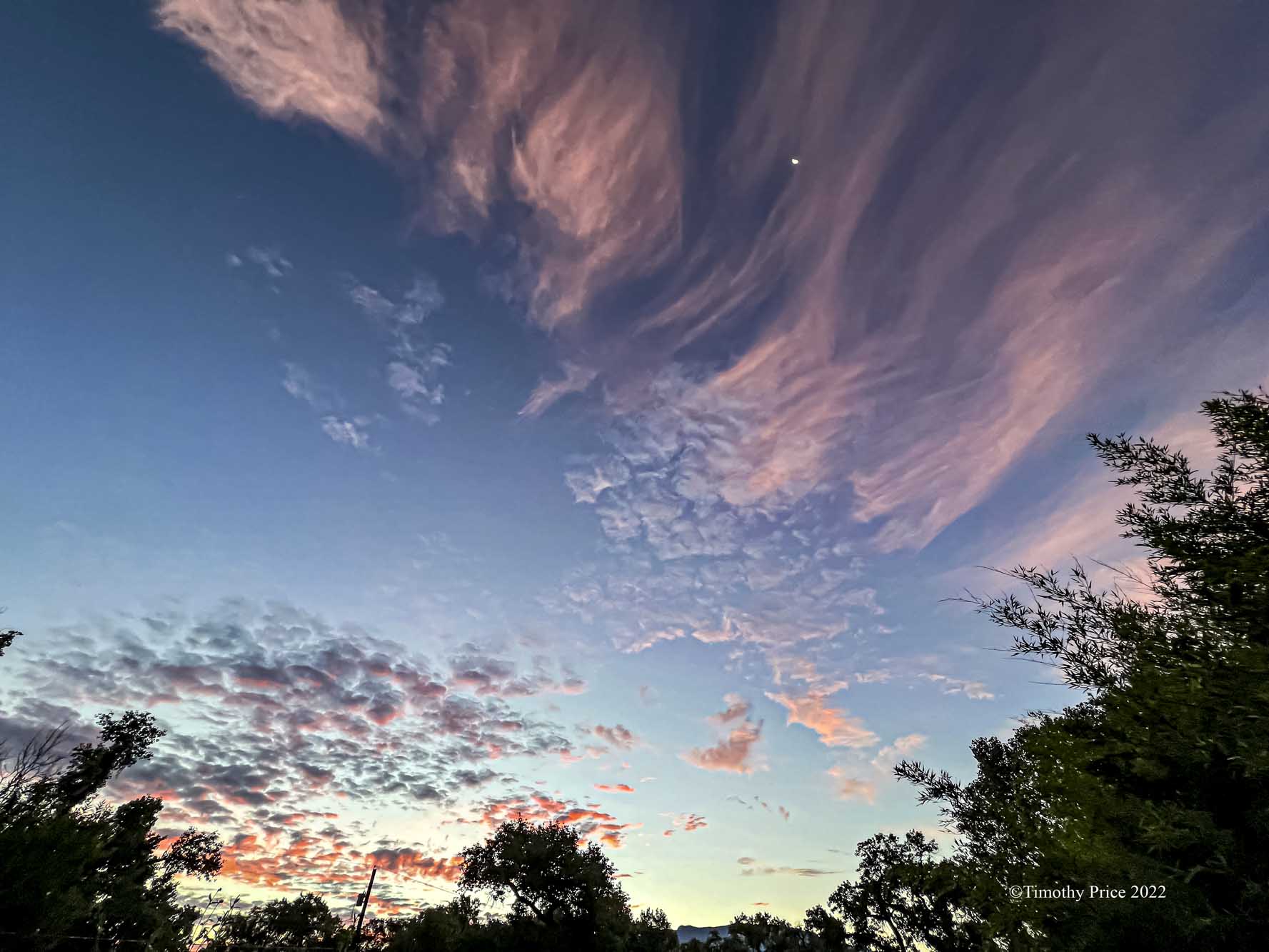
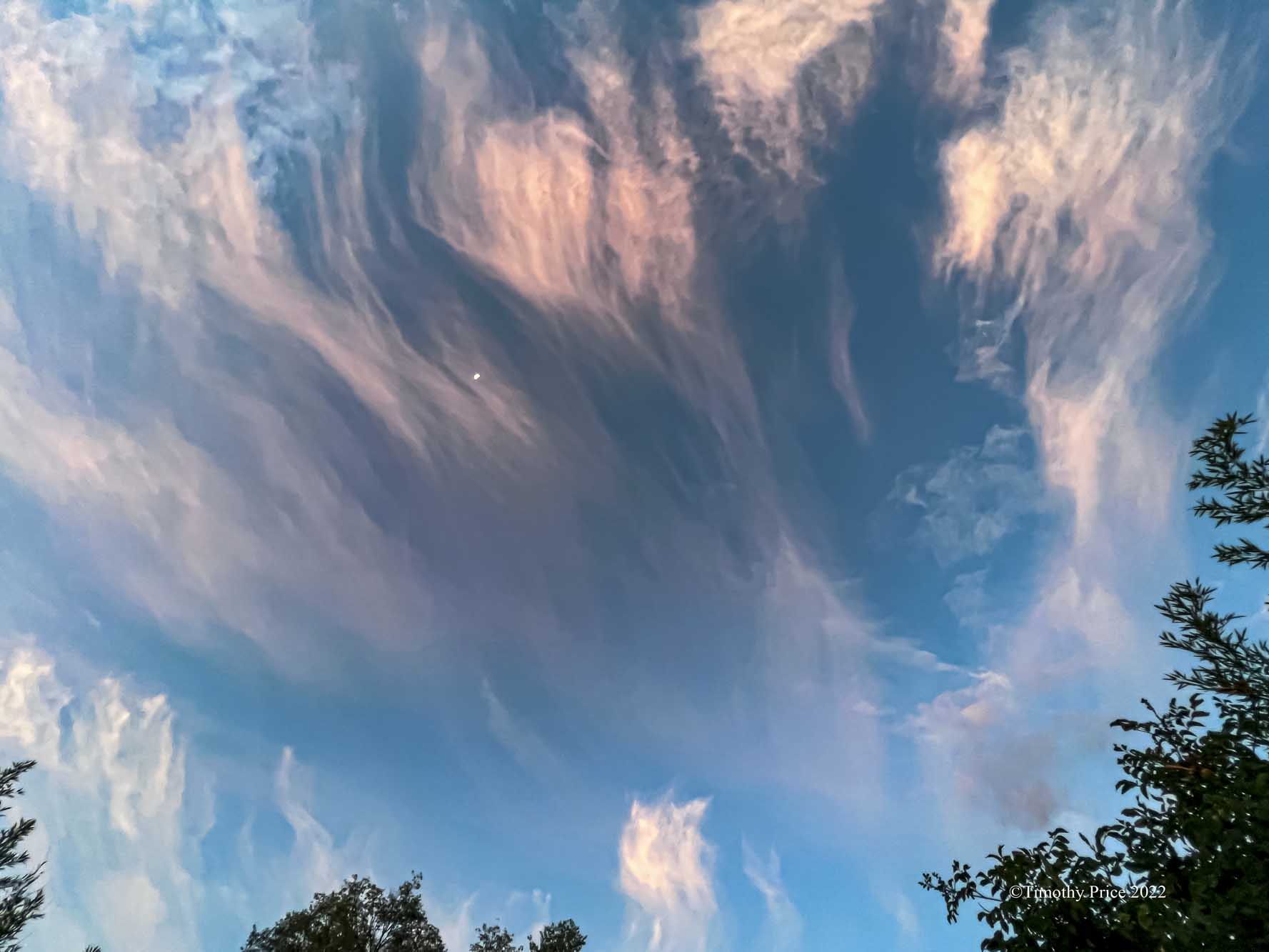

Dawn

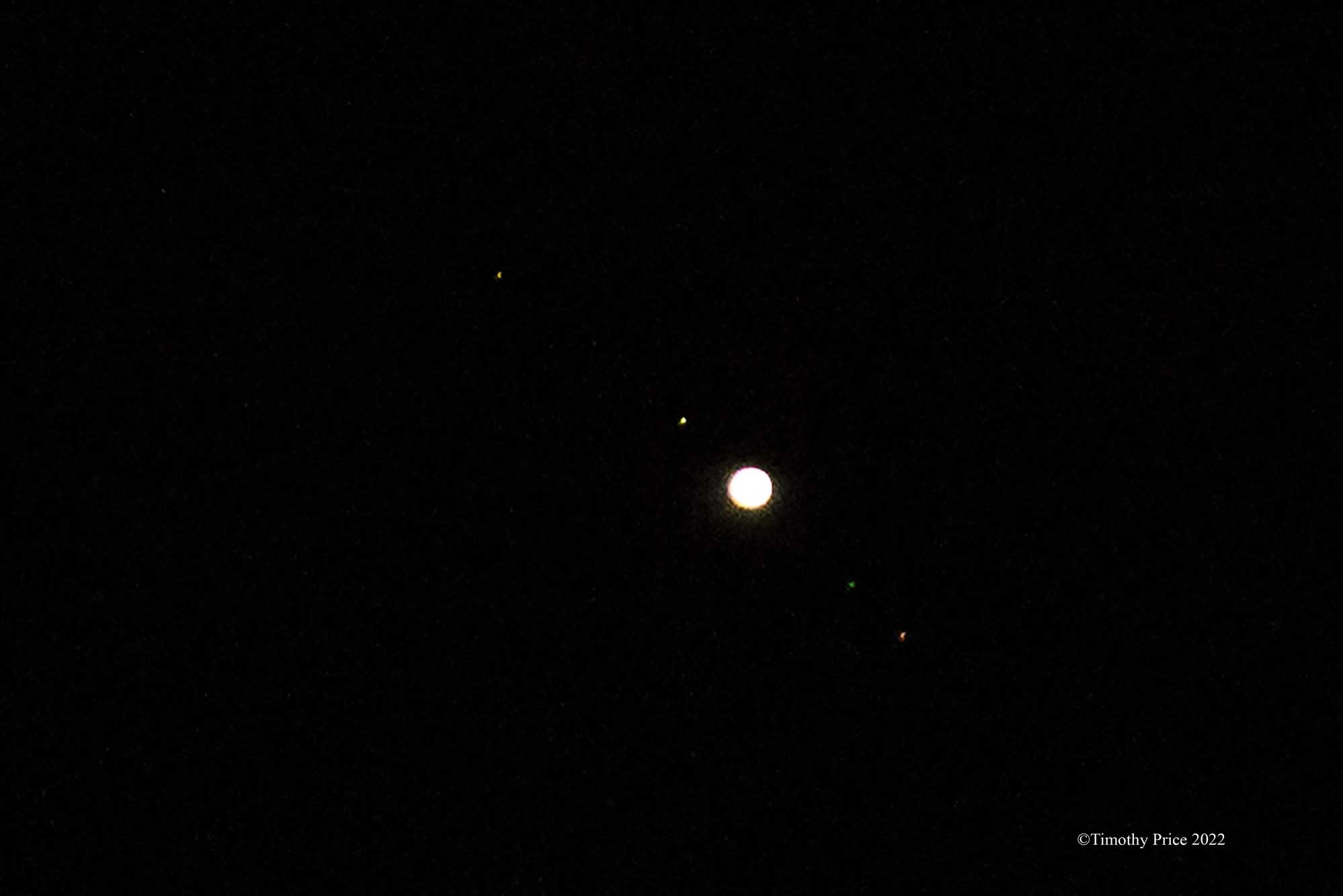
Jupiter with four moons and deep space


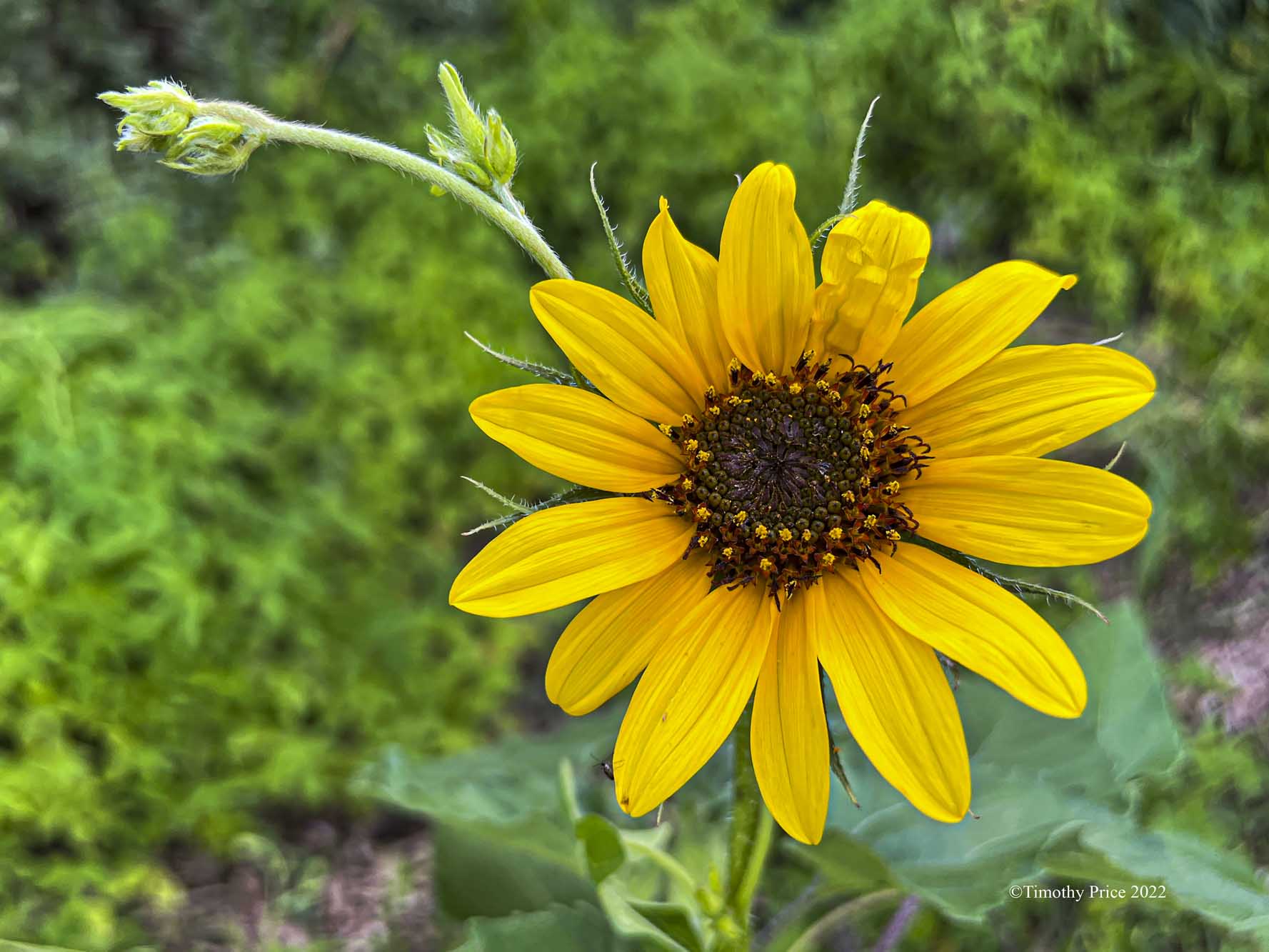


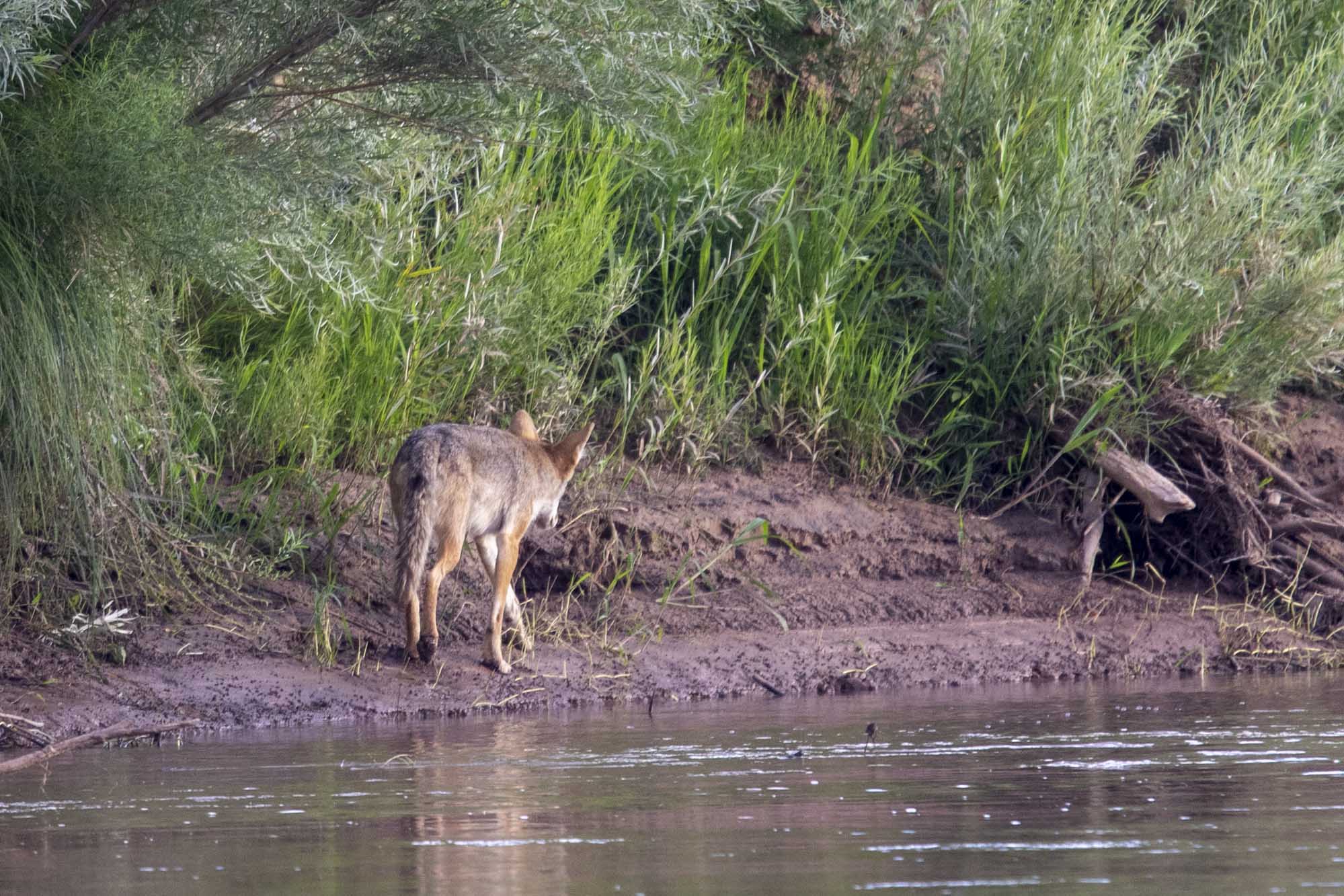


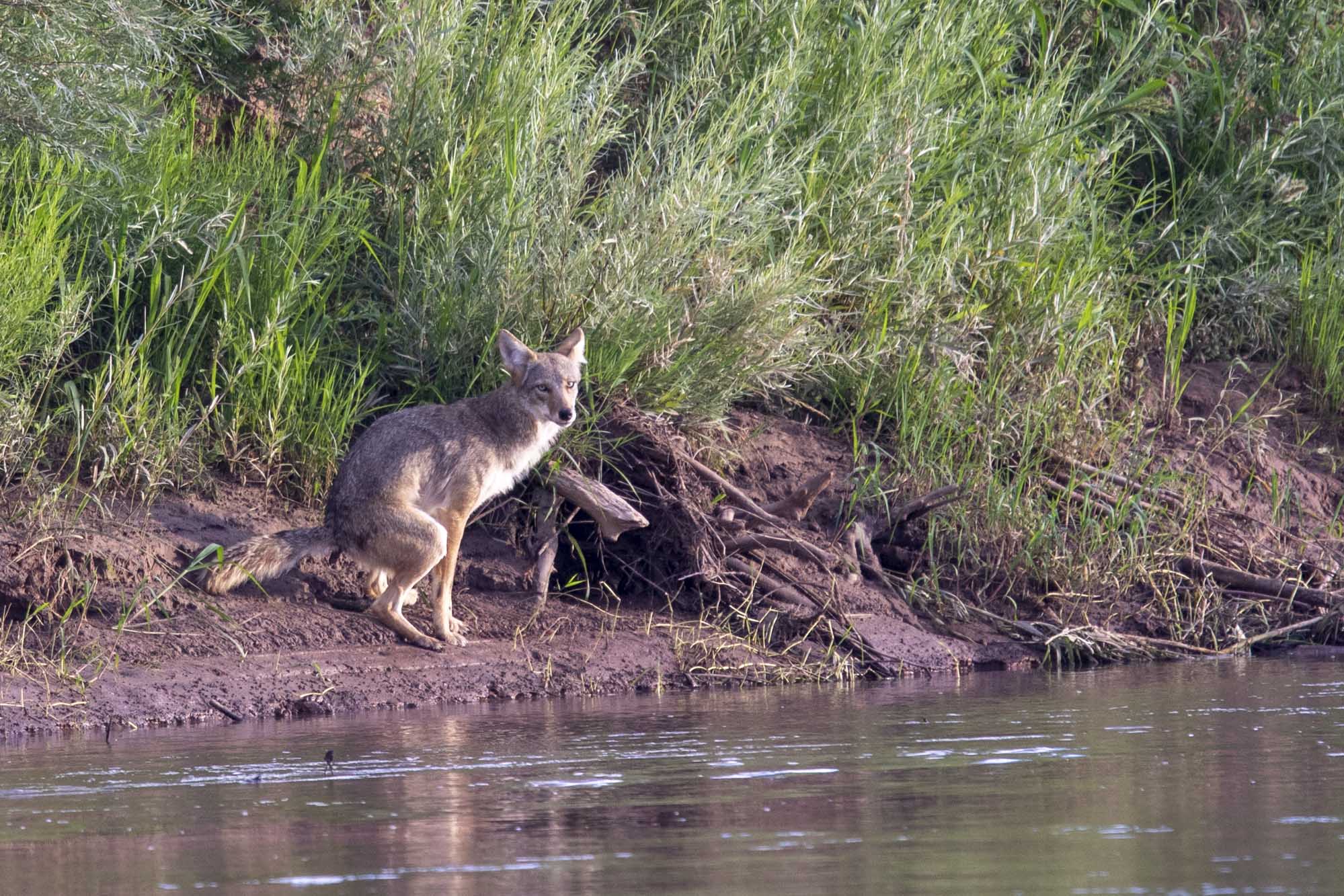
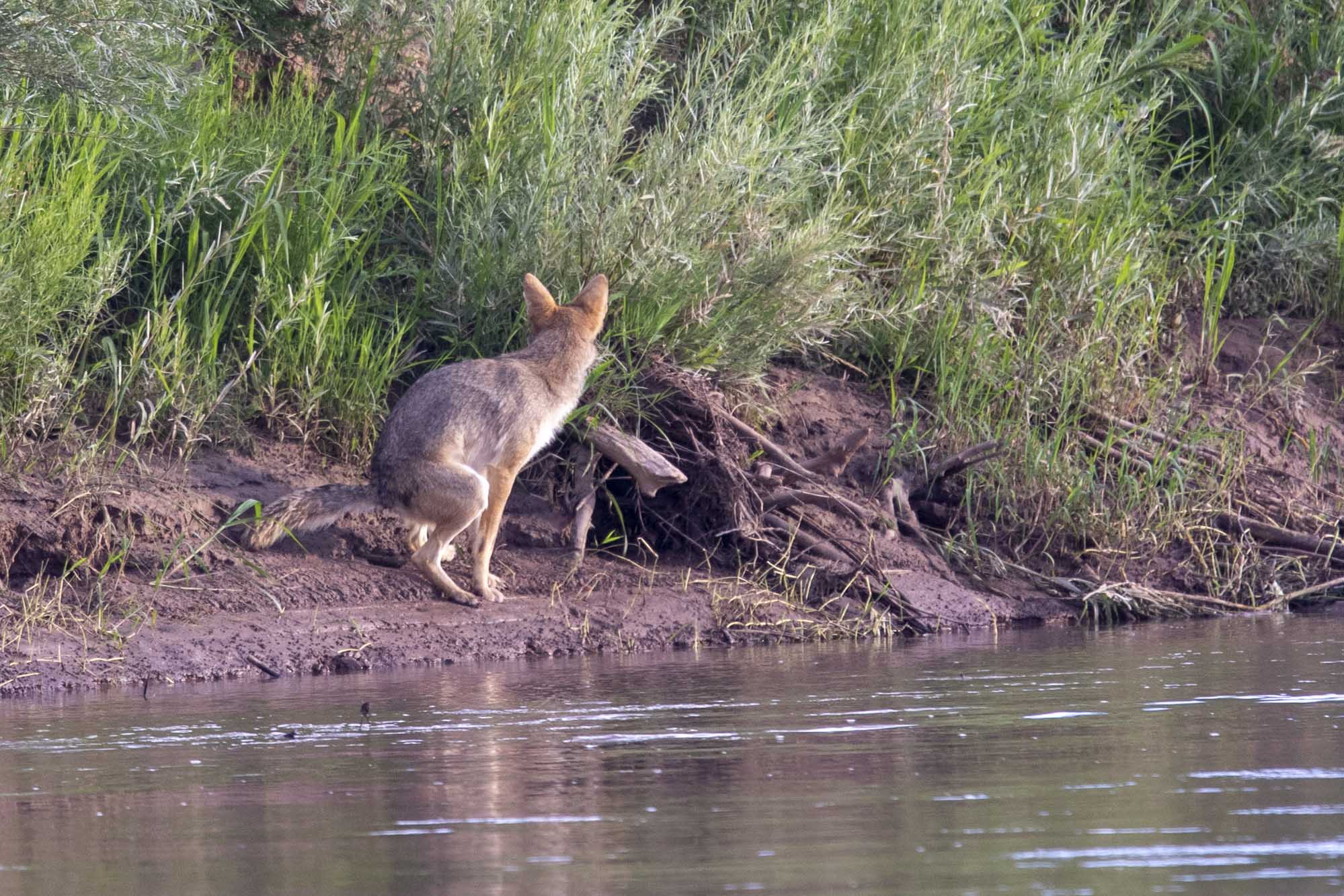

Down by the river where we like to go
Walked a coyote wouldn’t you know
He stopped and he squatted and gave it a squeeze
Not a care in the world he was quite pleased

