

We went out to check on the owls yesterday morning, and one of at least two, but I’m guessing there are three, owlets popped his head up and said “Hello World!” Thus we start another season of “Watching the Owlets Grow.”
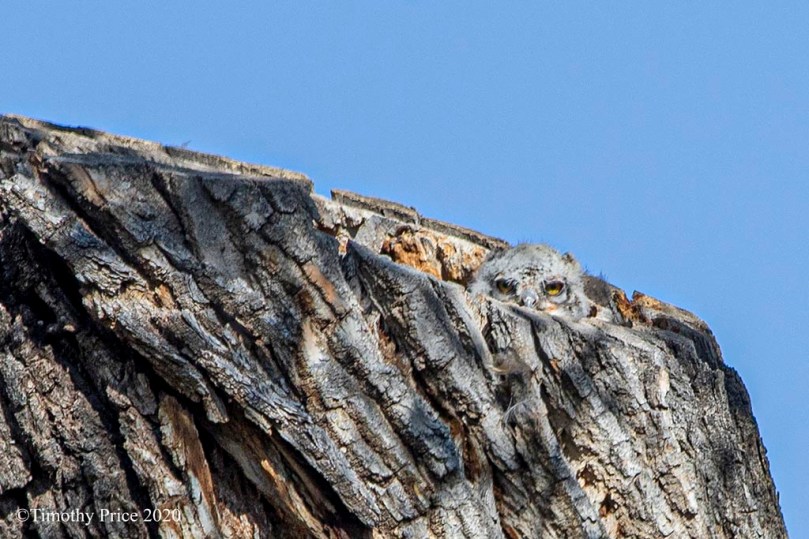
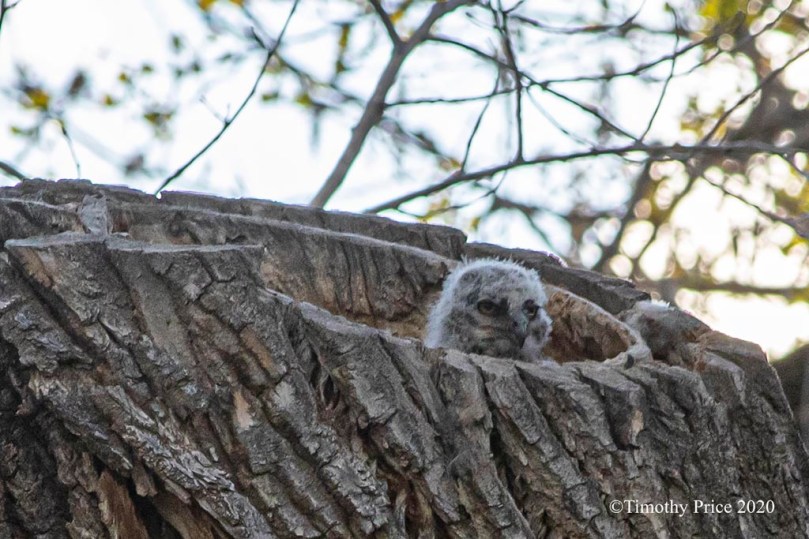
We went out to check on the owls yesterday morning, and one of at least two, but I’m guessing there are three, owlets popped his head up and said “Hello World!” Thus we start another season of “Watching the Owlets Grow.”


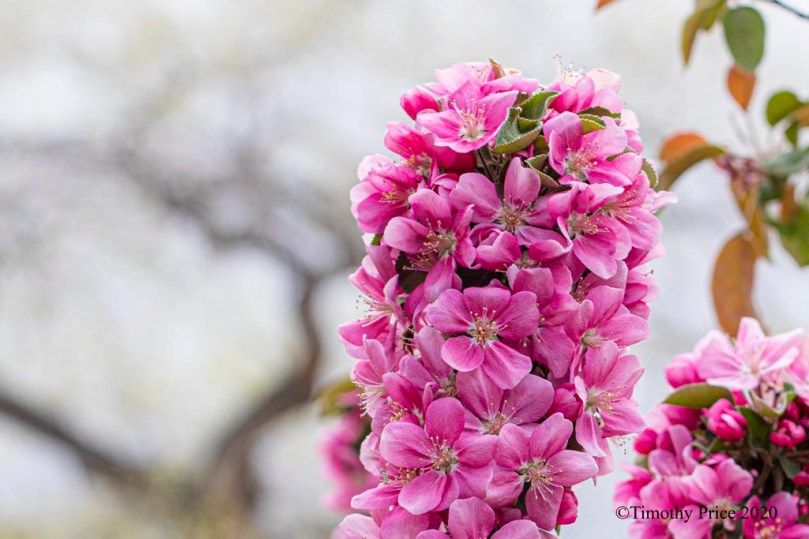

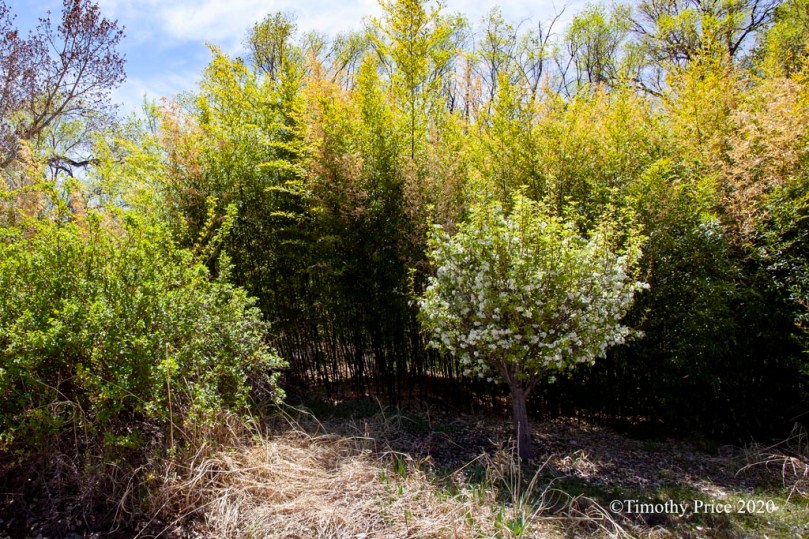
Marina at Marina Kanavaki, who is one of Resa’s Art Gown models, claimed our Pear Tree. The pear tree is hidden between our giant Dr. Huey on the left, other rose bushes on the right, and a wall of black bamboo behind it. After it blooms and leafs out fully, it blends in with the bamboo. Marina calls it her “incognito” tree. Although it looks like a small, tree it’s currently around 10 feet tall. It’s apical dominant, and before I pruned it into it’s ball shape in February, it was double it’s current height in the shape of a cone.

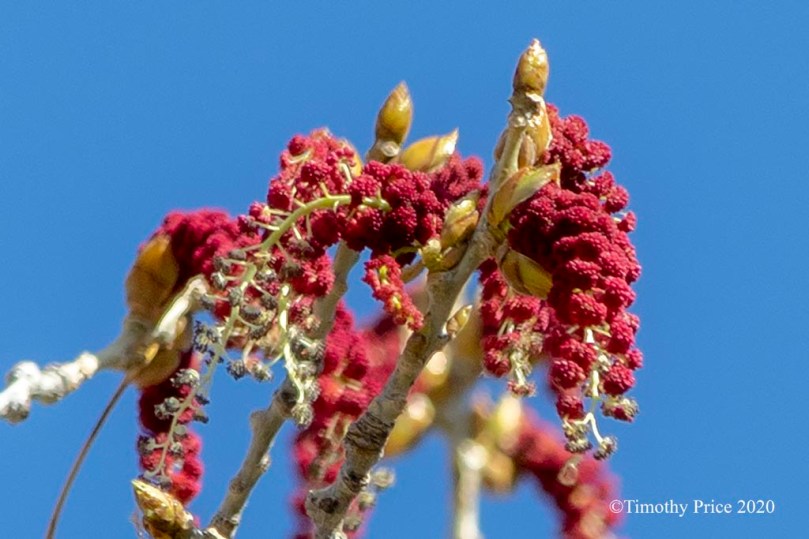
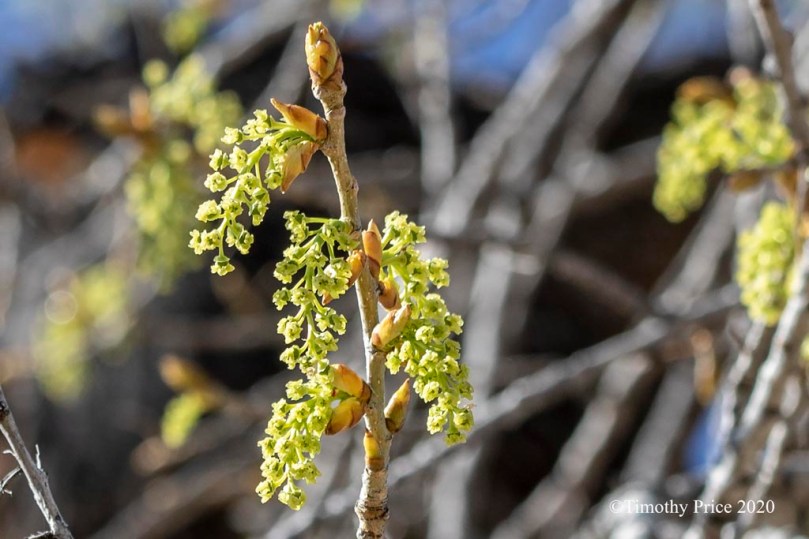
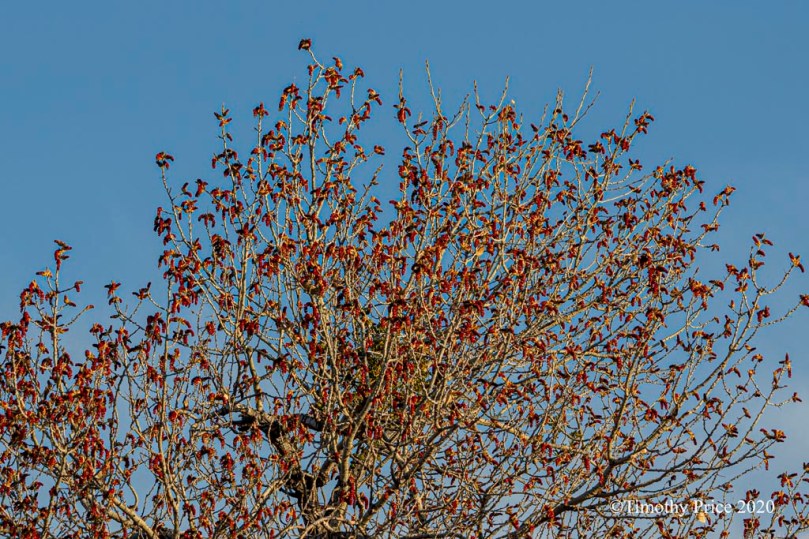
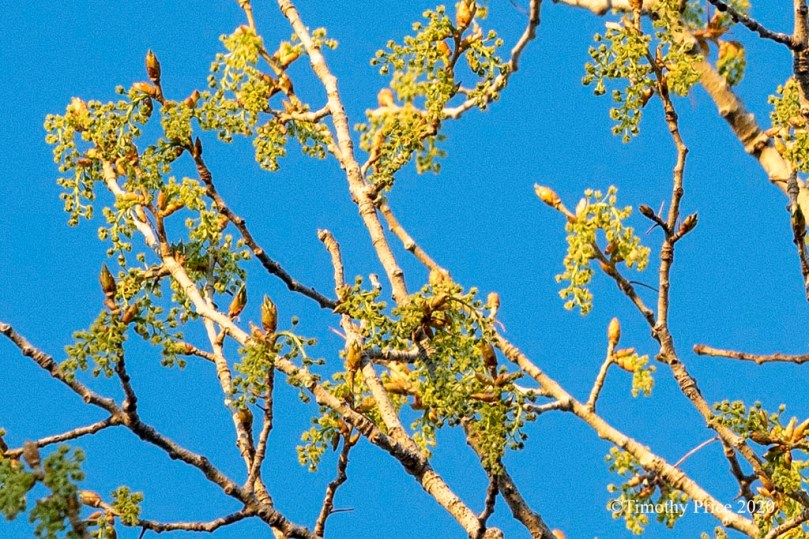
In keeping with the official New Mexican question, “Red or Green?”, cottonwood trees show their sex in red or green. Although New Mexico is a southwestern state, we have Eastern Cottonwood Trees. The catkins that form in early spring on Eastern Cottonwoods are red on male trees and green on female trees. The red catkins on male trees shrivel up and fall off as the male trees leaf out. Not much else happens to the male trees other than being tall, handsome, natural air-conditioners, and going through their normal seasonal cycles of sporting green leaves in summer, yellow leaves that turn brown in fall, and standing bare for a few months in winter before putting on catkins again in early spring.
The green catkins on the female trees turn into what we call “tatones”, shells where the cotton-like seeds forms. Around the end of June, into July, the green seedpods burst open and cottony seeds float off in search of a place to start new cottonwood trees. With the millions of cottony seeds floating around, like snowstorms in summertime, one would think we would be overrun with cottonwood trees. Cottonwoods need special conditions and flooding to propagate. With the levees and flood control dams built on the Rio Grande over the years, the conditions are not right for cottonwoods to easily propagate, so young cottonwoods are rare.
We have four males and four females on the property. Resa, Tiffany and Teagan have female trees and the one unclaimed cottonwood is female. Robin, Susan, Teagan, and Lavinia have male trees.
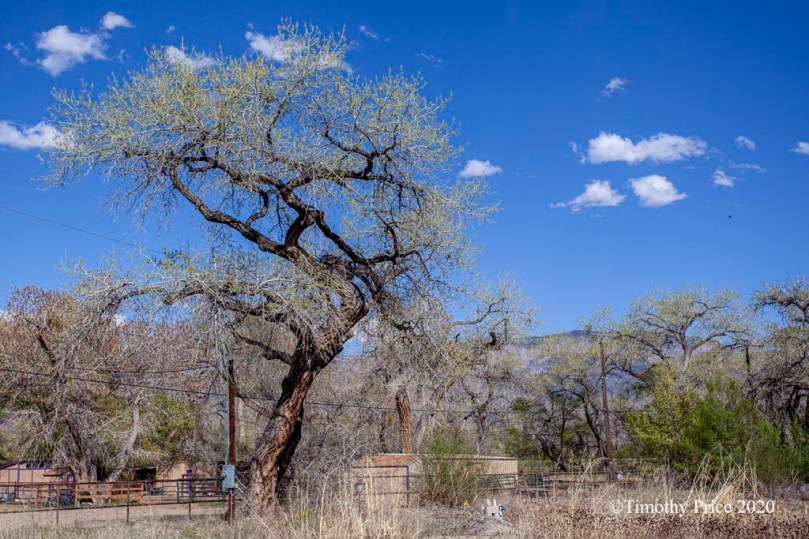
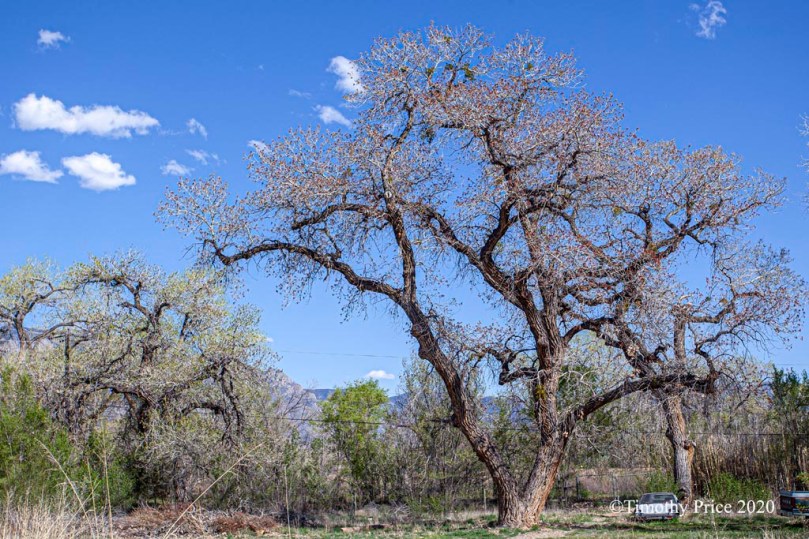
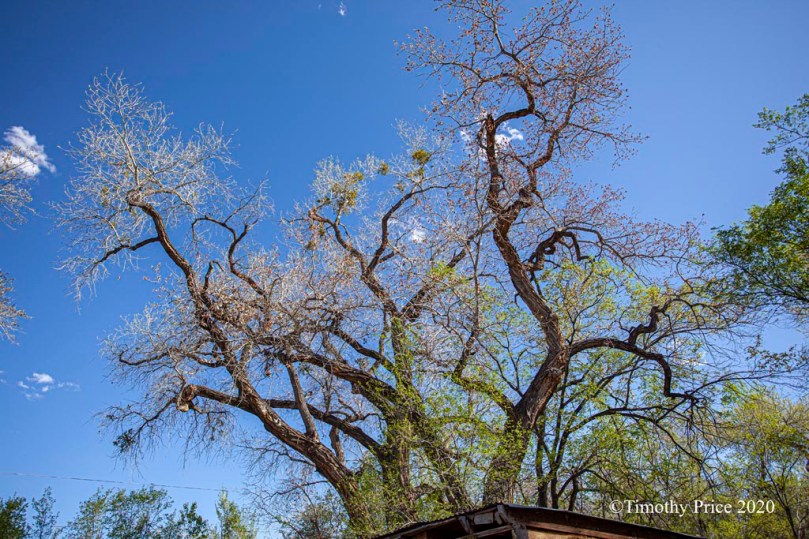
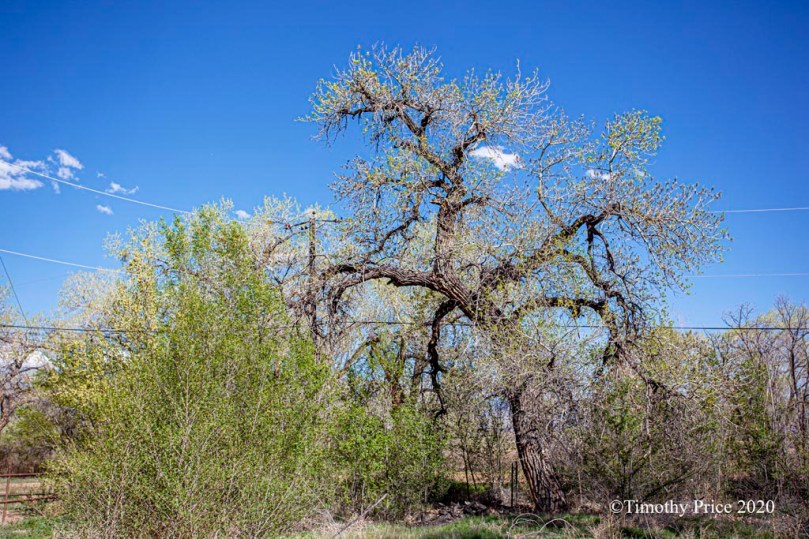
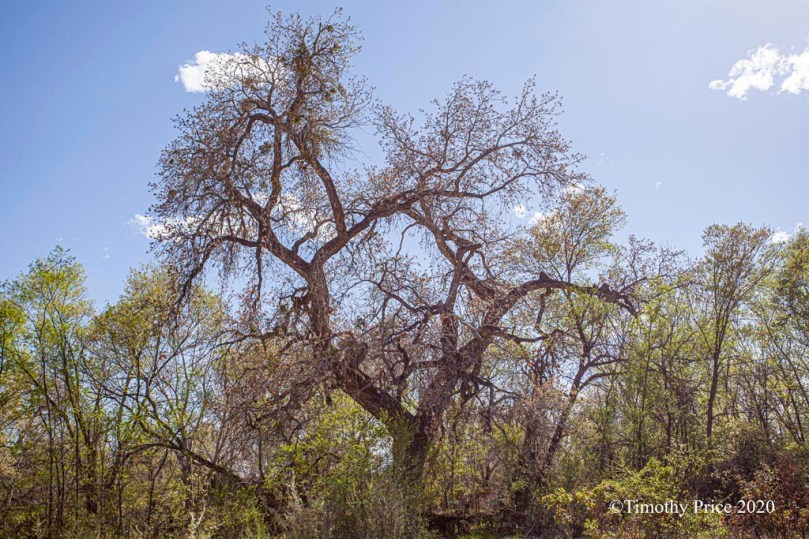
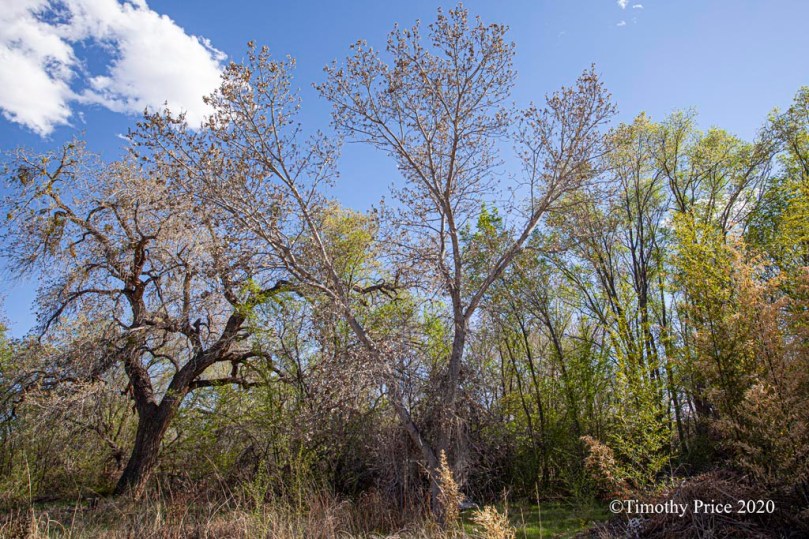
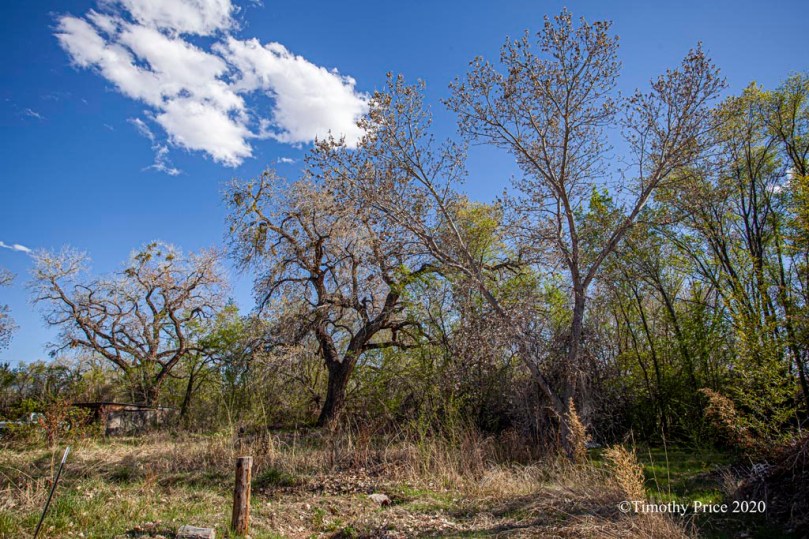





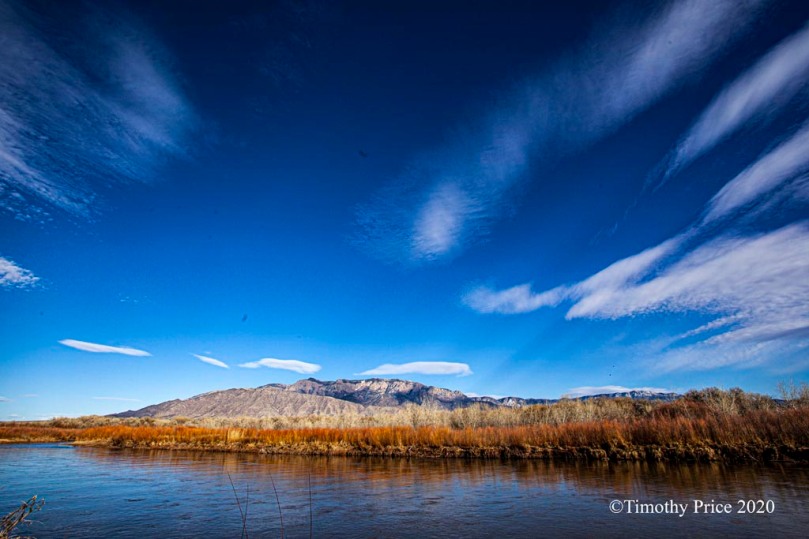
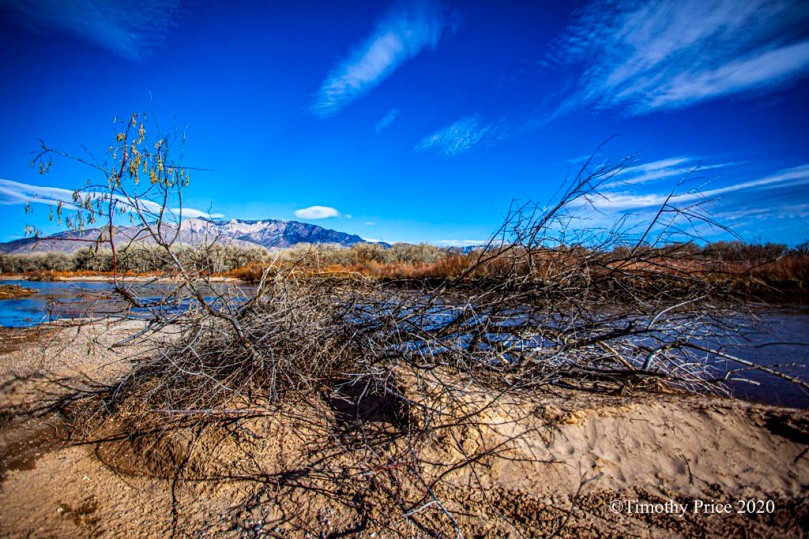
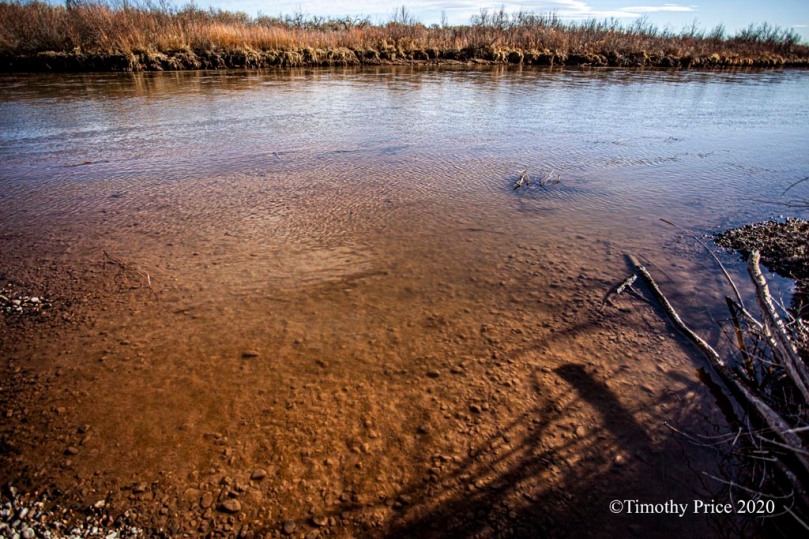
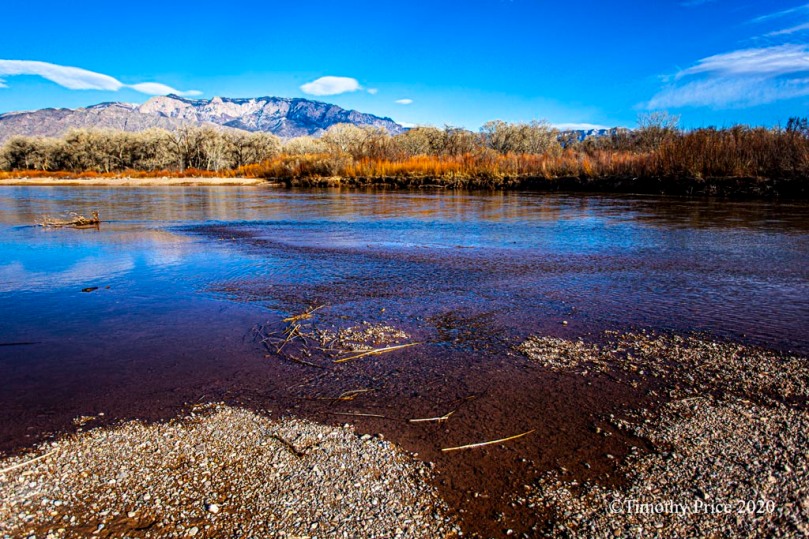
We had a warm, sunny, slightly windy afternoon. The foliage along the Rio Grande is preparing for spring, creating beautiful layers of intense colors.


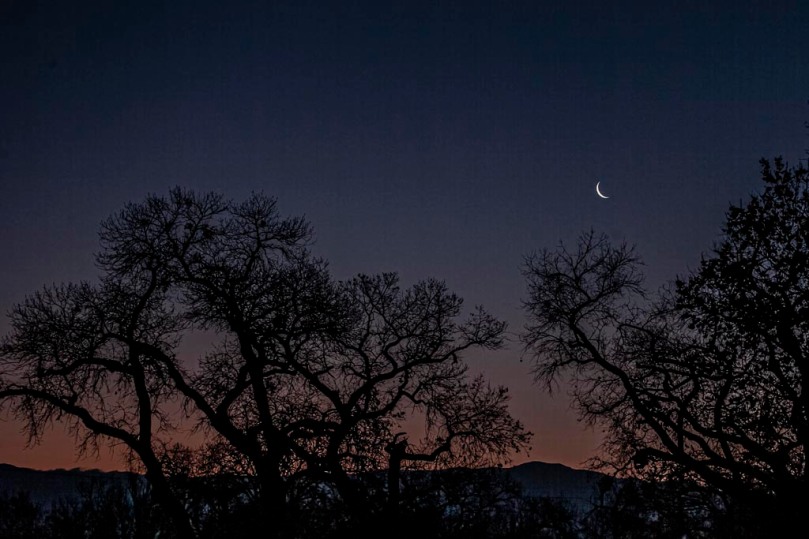

Moon shots


Pterodactyl


Owls



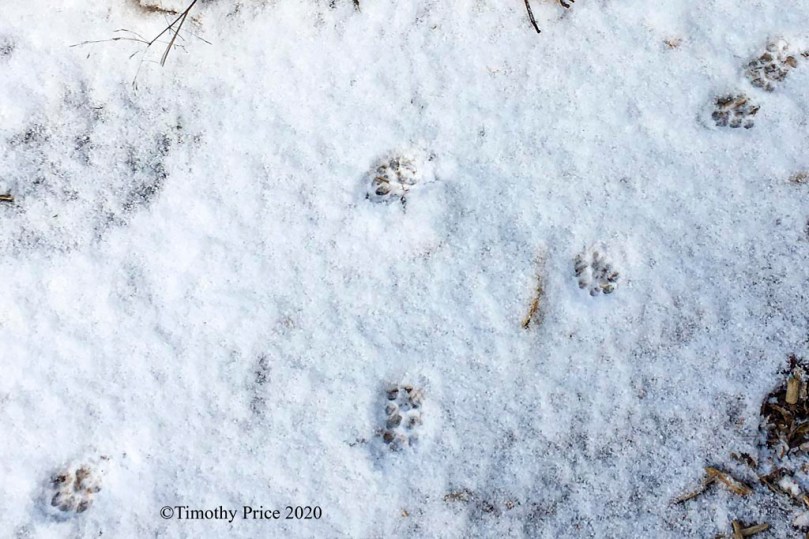

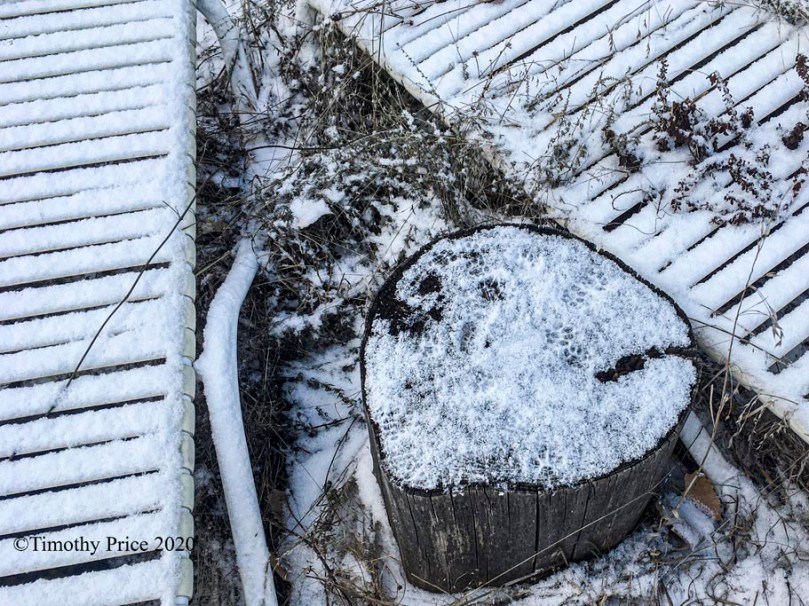

 Off Center & Not Even