
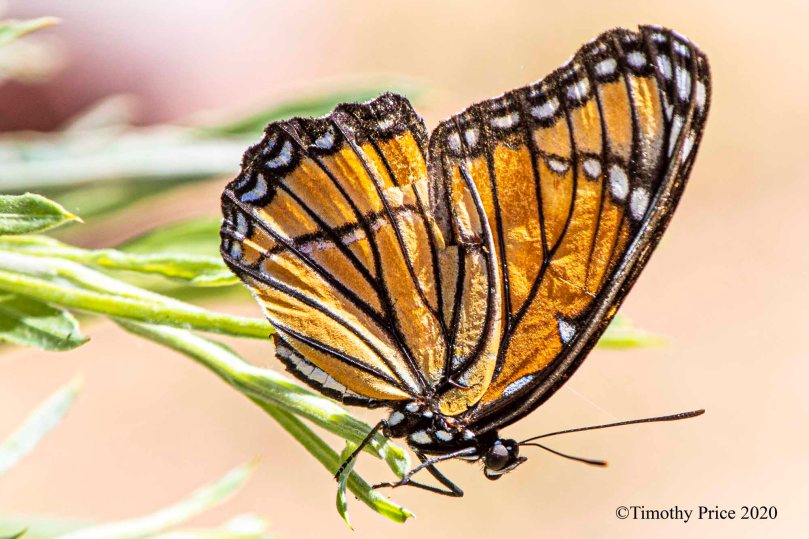
A Viceroy Butterfly was hanging out along the edge of the Rio Grande this morning. He had a chunk out of his wing, but he fluttered about like nothing was wrong.


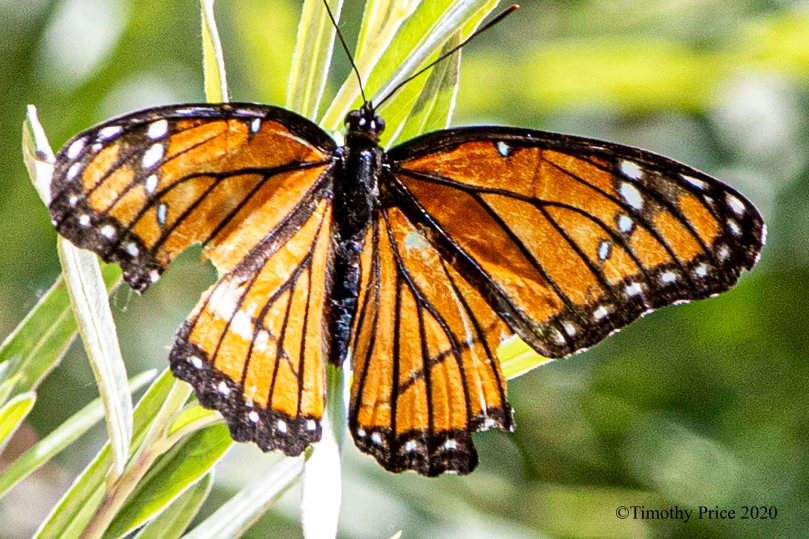
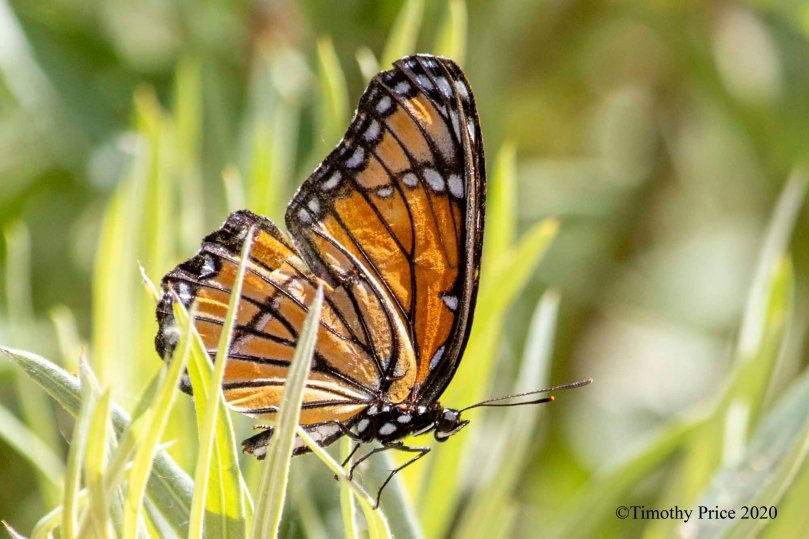
A Viceroy Butterfly was hanging out along the edge of the Rio Grande this morning. He had a chunk out of his wing, but he fluttered about like nothing was wrong.
 Shasta Daisies
 Assassin Bug hanging out
 A bee lands on the daisy and the Assassin Bug prepares to strike.
 The Assassin Bug gets the bee.
 Wings in a daisy
 A Pearl Crescent butterfly gets a bite to eat.
 A large native bee having breakfast.
 A large, allusive red wasp quickly passes through.
 A Great Purple Hairstreak Butterfly wandering around on a daisy.
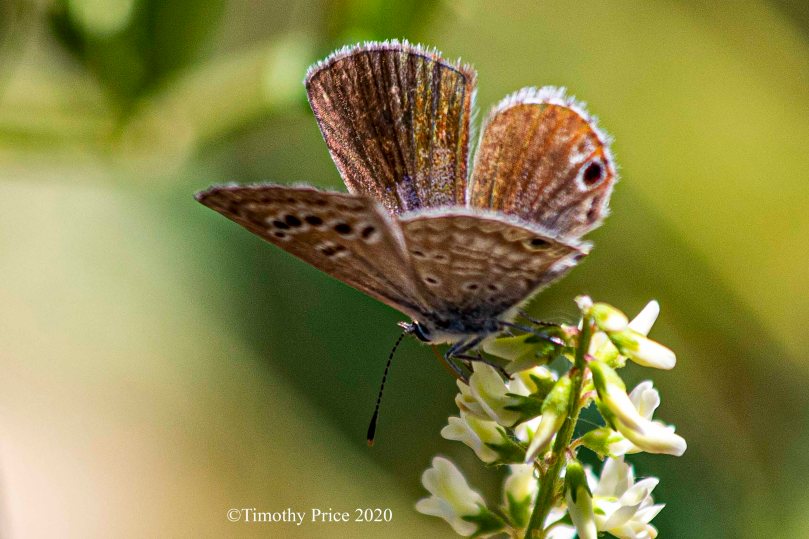
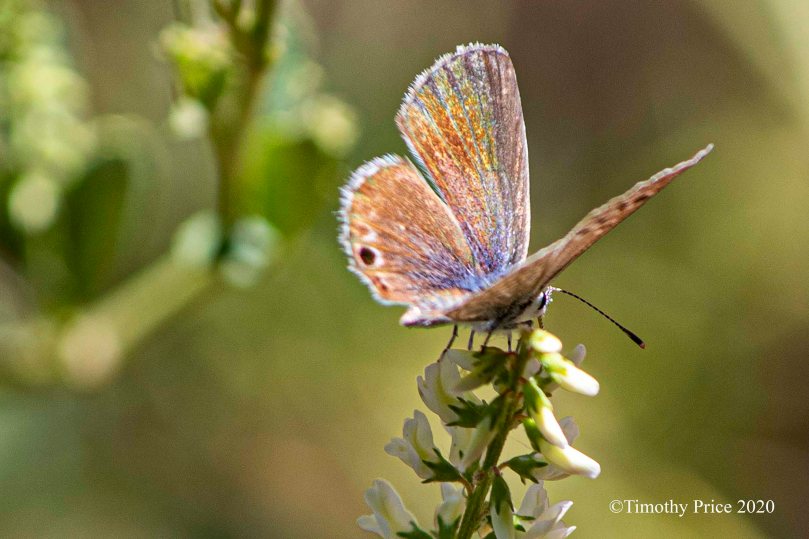
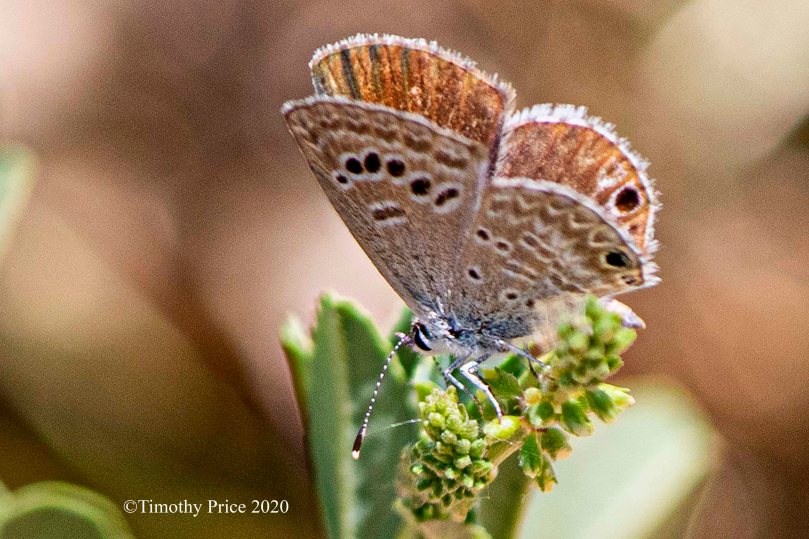
Reakirt’s Blue (Echinargus isola) is a tiny butterfly with a wingspan of only 3/4 of an inch (19mm). This one distracted me while I was walking in the bosque this morning.


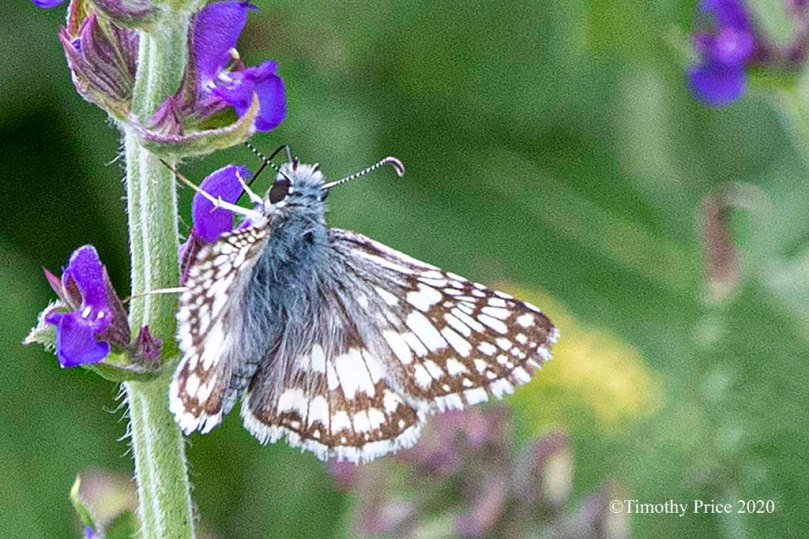
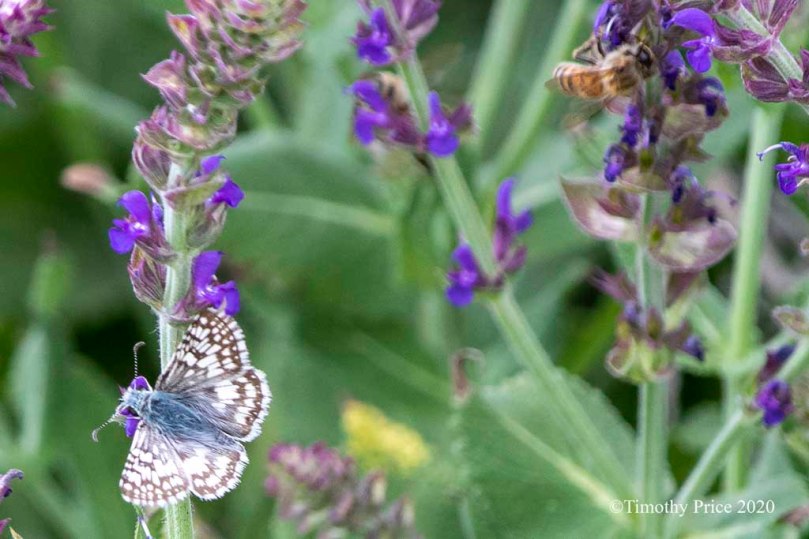
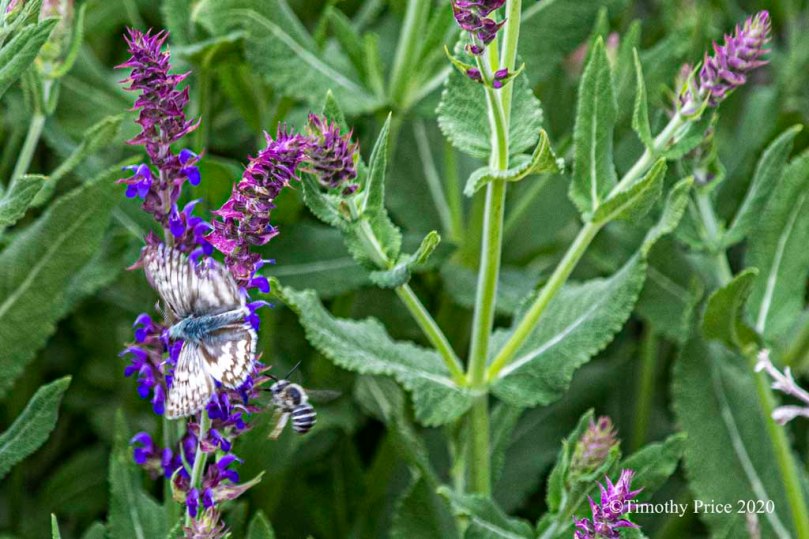
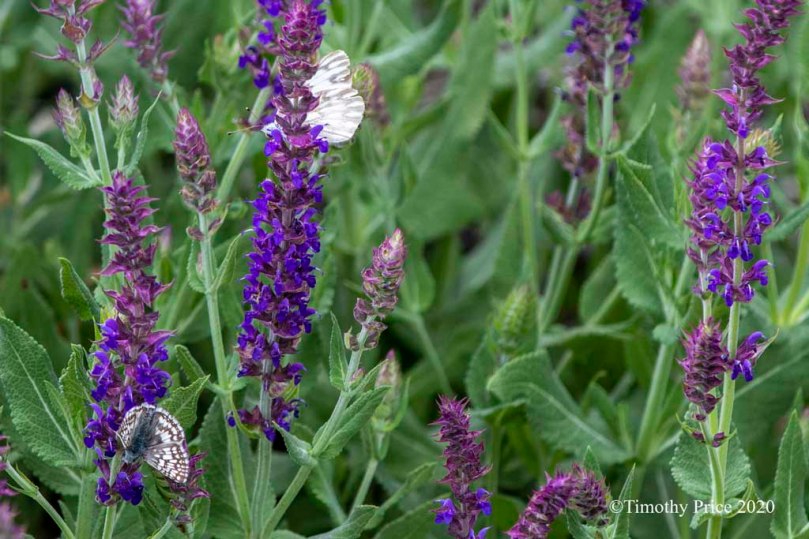
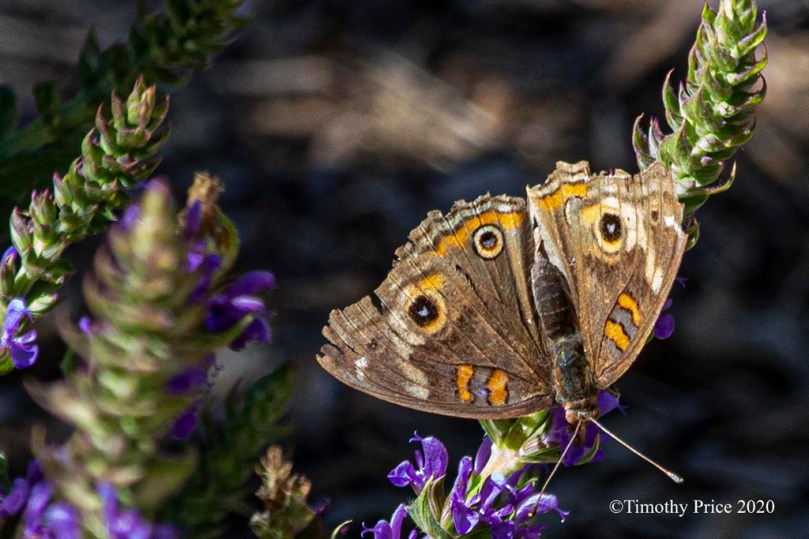
Common Checkered-Skipper on Purple Salvia.

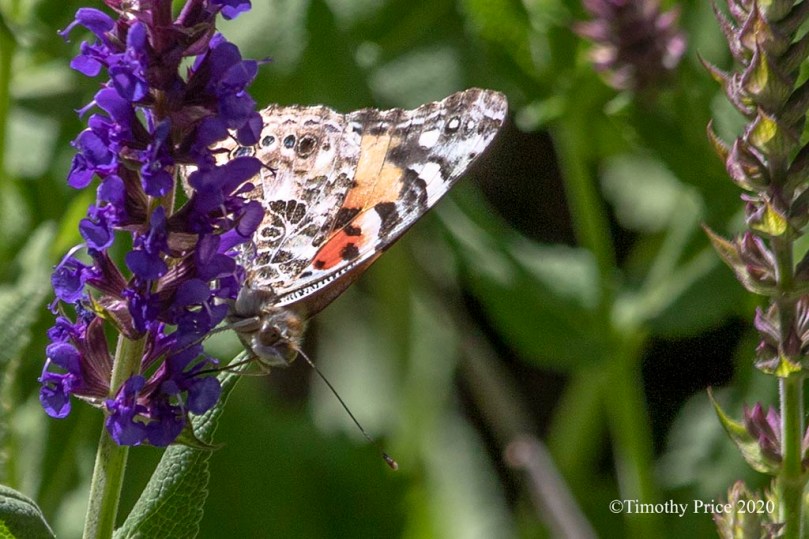
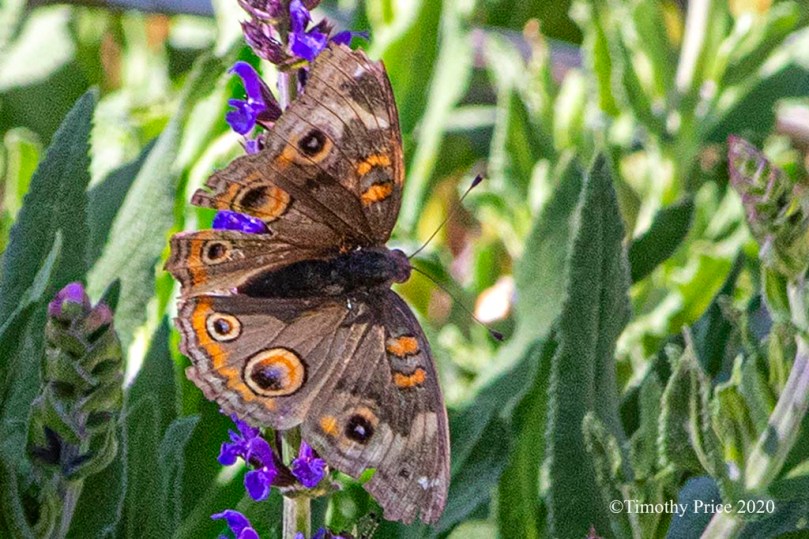
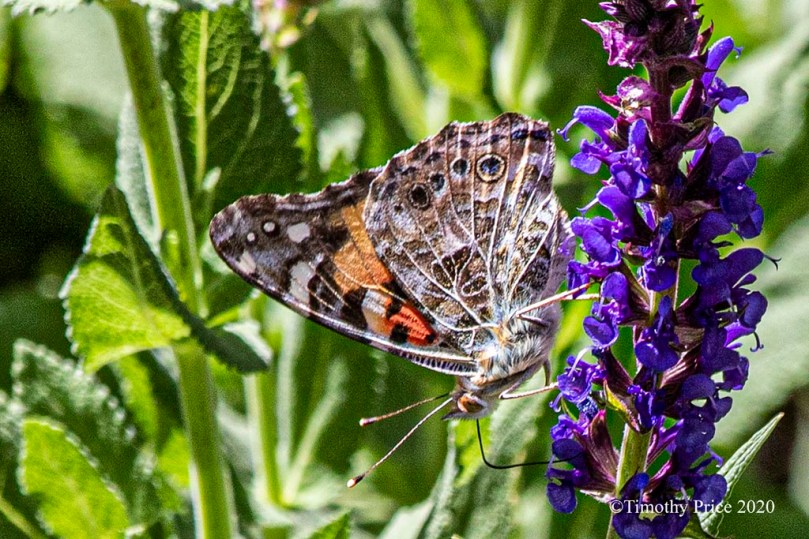
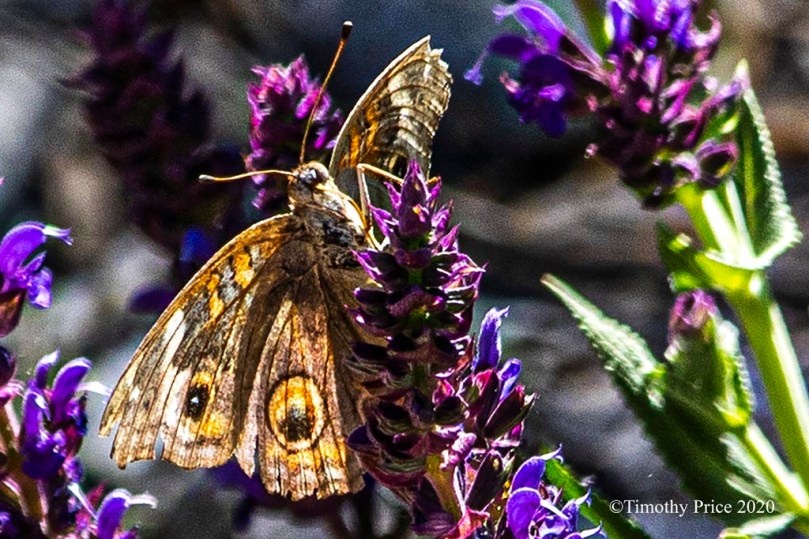
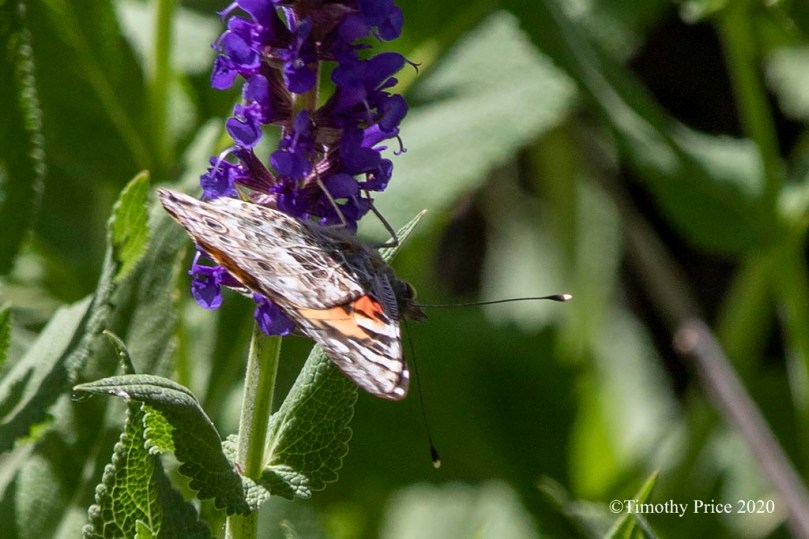


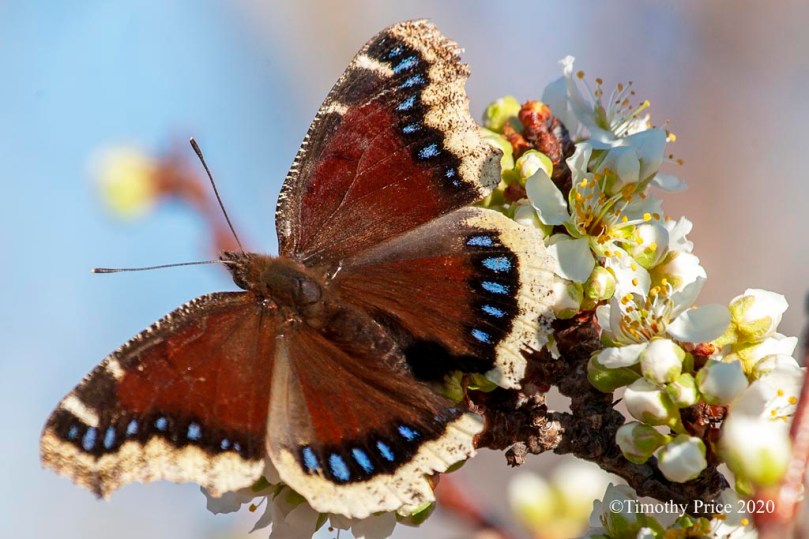
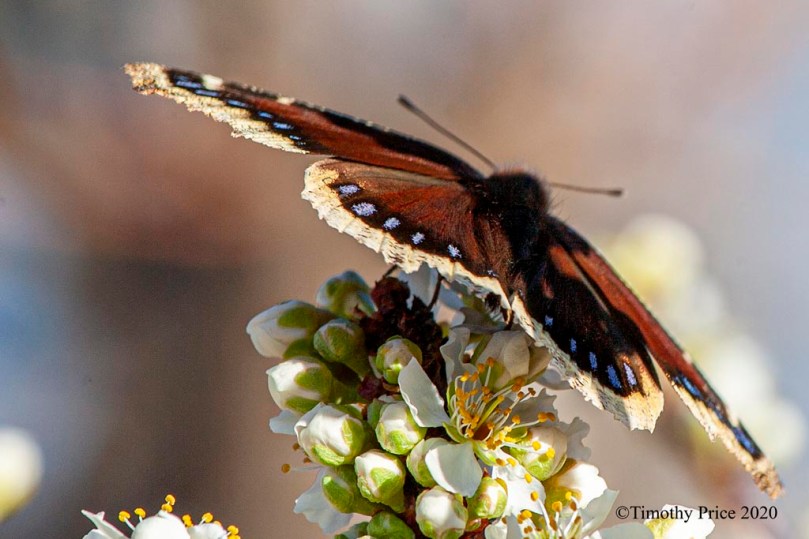
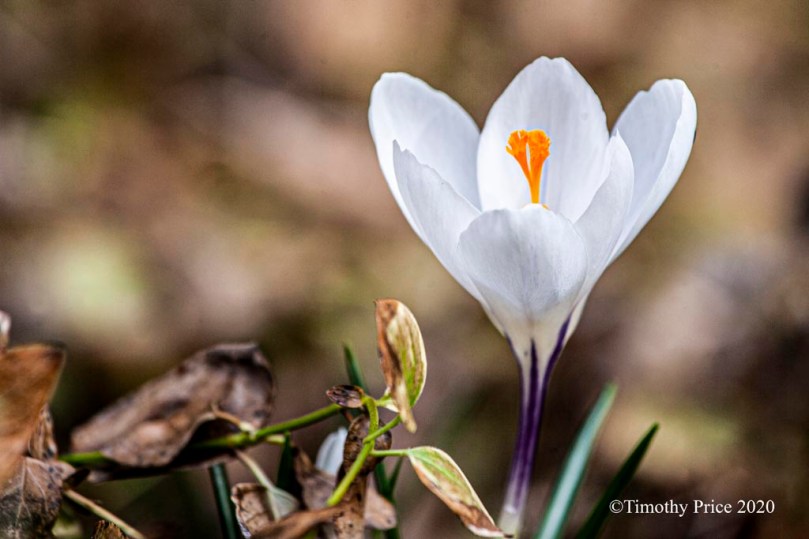
Mourning Cloaks are consistently the first butterflies to appear in March each year. While they prefer to feed on tree sap, oaks are a favorite, or rotting fruit, they have to make due with sucking nectar from the blossoms of our early blooming plum tree. The Mourning Cloak caterpillars like to feed on a variety of tree leaves including elms and cottonwoods, which we have plenty of. Adults that appear this early in the season have hibernated over the winter.






Tiny Pearl Crescent butterflies enjoying our purple salvia.


I compelled to do a pesky green red car report since my MX-5 is averaging 42.5 mpg (18.07 kpl) after driving 320.3 miles (515.47 kilometers). That’s the best average gas mileage so far, which included a lot of stop and go traffic (all the public schools and universities are back in session), plus I drove to three different schools in different parts of town on this tank of gas.

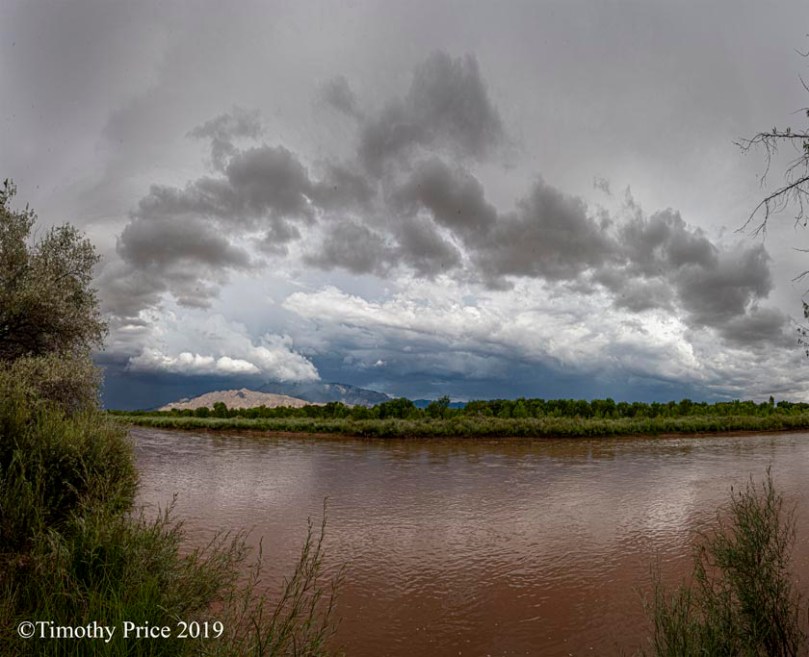
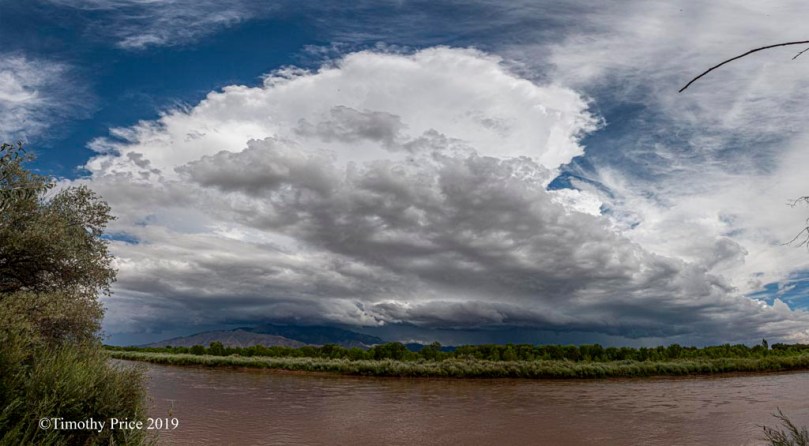
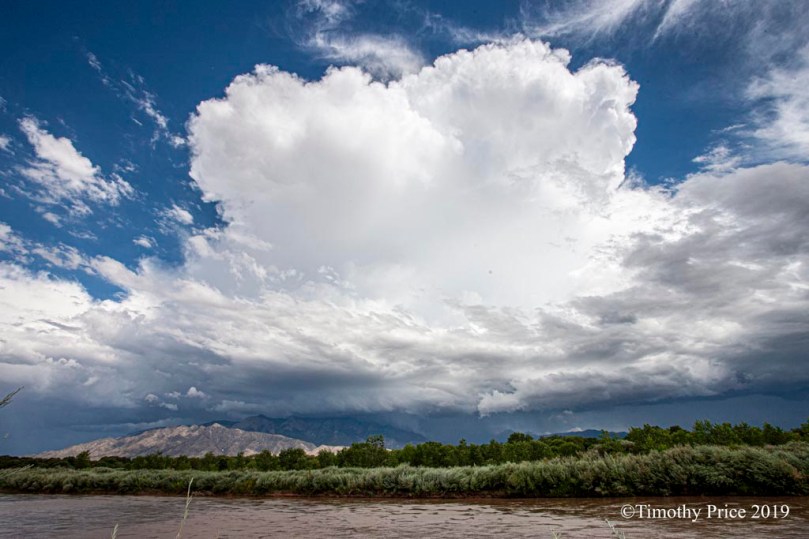
We had thunderstorms coming in from all directions this afternoon. The thunderstorm that built up over the Sandias was the most dramatic. While out on a walk before the storms, I encountered a little bit of wildlife.


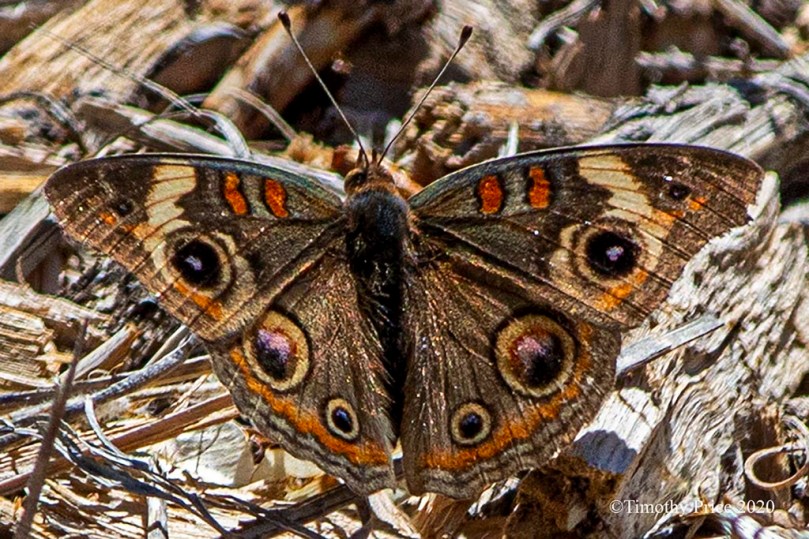
Buckeye Butterfly
This video of the Great Purple Hairstreak Butterfly shows how it moves the flanges on the ends of its wings while it feeds. I assume it’s to fool predators into going after the flanges on its wings, giving it a chance to escape.


Blue Hairstreak


Silver kitty


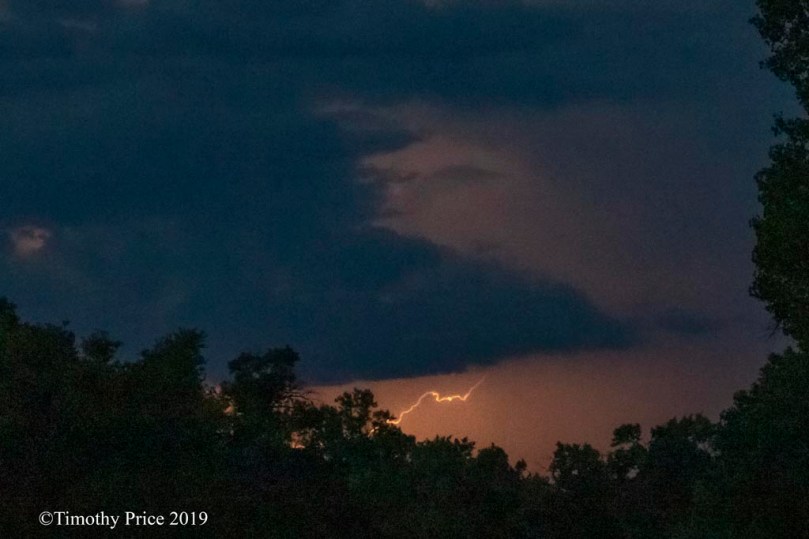
Thunderstorm activity to the north.
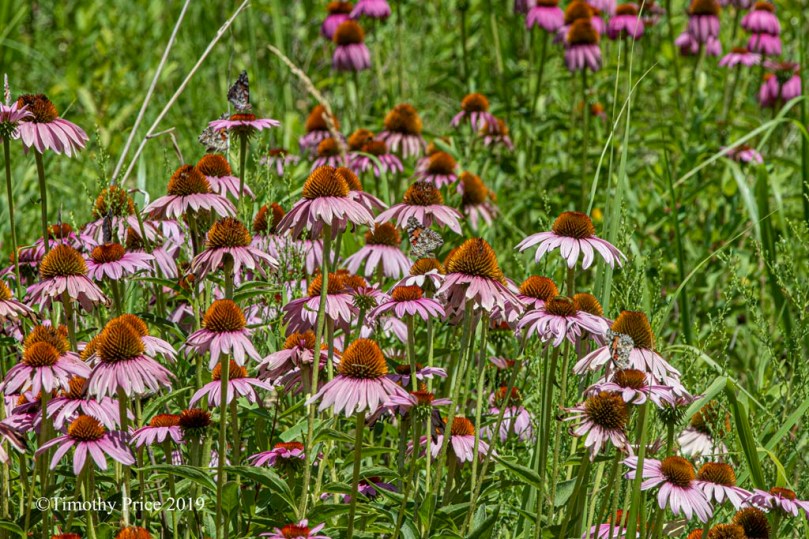
Our cosmos have started to bloom, and the roses are putting on another round of blooms. The little white and green flowers in the second and third set of photos below are a wildflower that busts open like fireworks. It reminds me of dill, and the wasps and butterflies love it.


