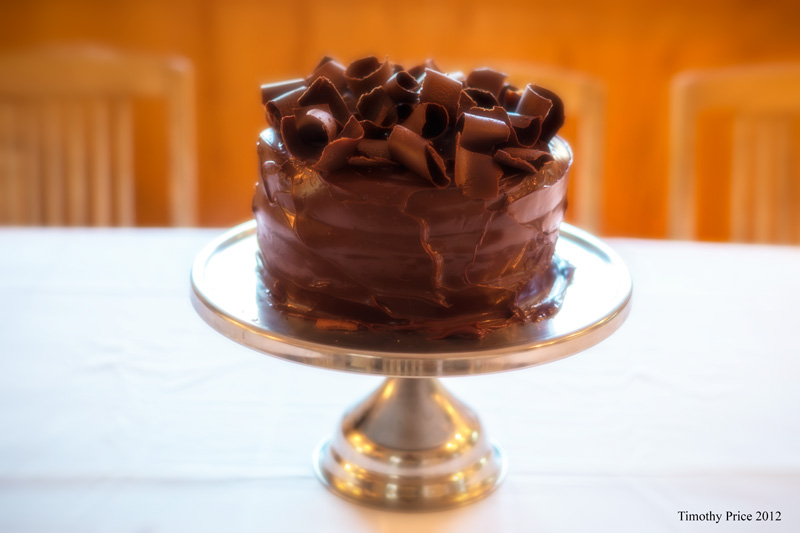
October is the birthday month for our family. Laurie made a chocolate honey ganache layer cake to celebrate Tristan’s and my birthday. It has mild honey, coffee and rum. She made the cake a couple of days ahead so the flavors can “develop,” as the recipe puts it. On Thursday evening when I got home the house smelled wonderful. After we eat bistro beef for dinner, we will get to try the cake.
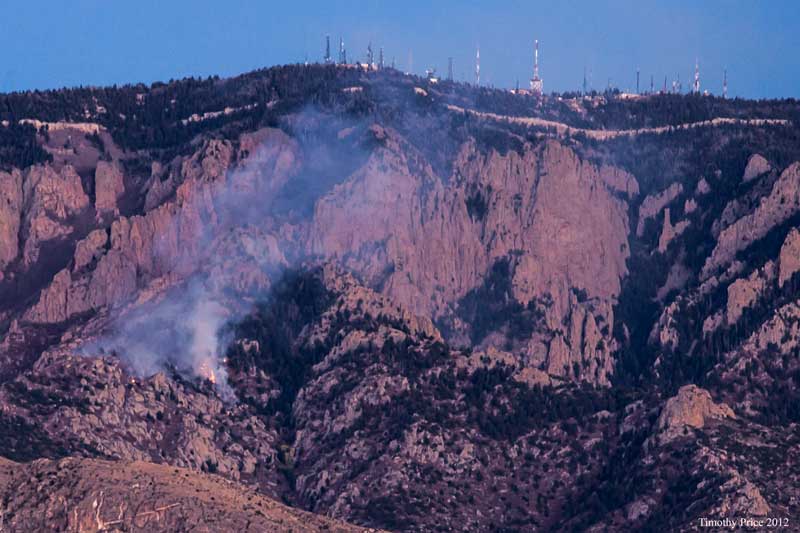
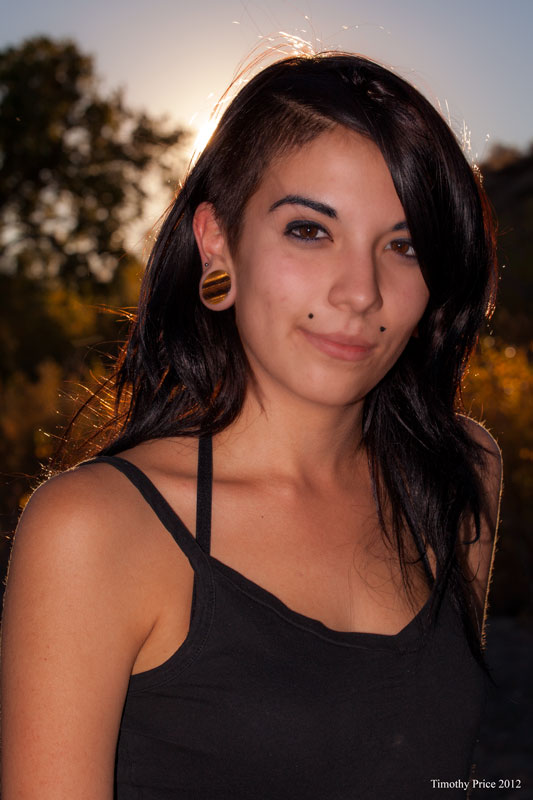
I did a photo shoot for a handsome young couple’s engagement tonight on the river at the north end of Corrales. While I was waiting for the couple to arrive, another young couple skipping rocks on the river volunteered to pose for me so I could get my exposure and fill flash adjusted. On my way home, I stopped and got a photo of the fire on the Sandias at dusk.
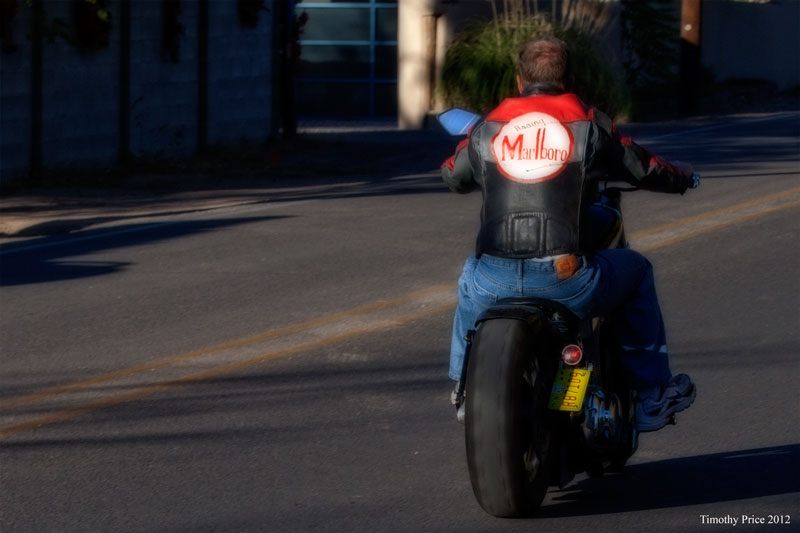
Remember the Marlboro Man? He traded in his horse for a Harley. I got a couple of new flash units today, and was messing around with photographing the sliver moon and flashing the trees in front of it. The trees were about 75 feet from the camera so the flash barely lighted them, but it was enough. I think I got the last web of the season in the third photo.
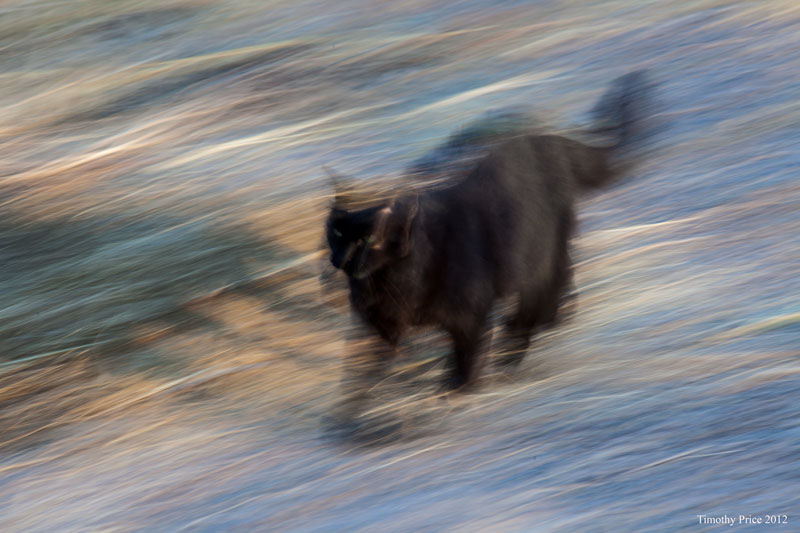
Puck was out helping me irrigate this morning before sunrise, casually going into warp drive as he flitted here and there in the sub-freezing temperatures. The few times I saw as much more than a blur, he was in a strategic location, behind a grassy knoll, for example, surveying the surroundings, ready to pounce or slip back into warp drive, whichever served him best.
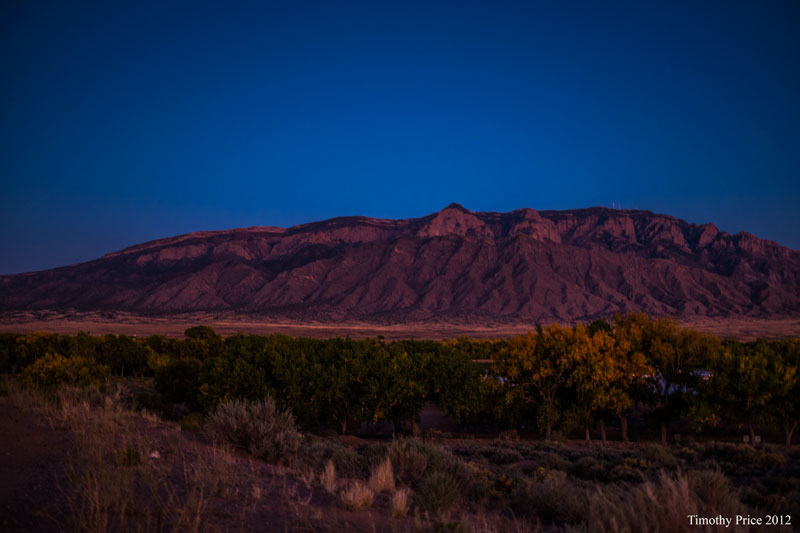
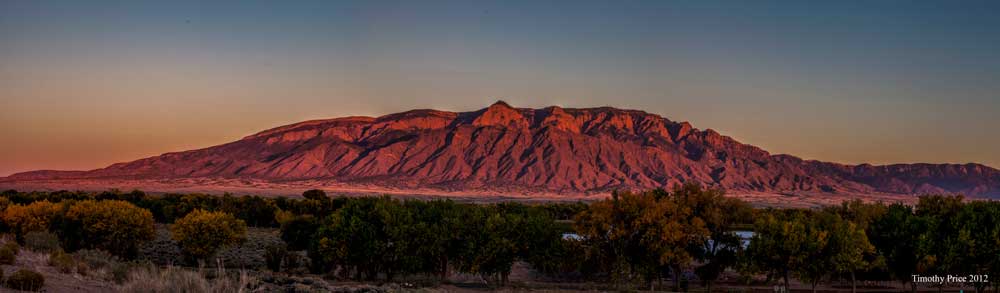
The first photo is of the Sandias 30 minutes after the sunset. I love how the highlights glow from the camera compensating for the low light. The second photo is a hand-stitched panorama of the the rapids on the Rio Grande at the north end of Corrales. I hadn’t intended on making a panorama out of the two photos so the panorama program could deal with it. The two images were close enough for me to fudge the edges and splice them together. The last photo is of Professor Pierre Cartier (IHES, France) lecturing on “Mathematics in the 21st Century” this afternoon at UNM. The write-up on him reads “Professor Cartier is one of the most influential mathematicians of the 20th century, a former member of the legendary mathematical group Bourbaki, and the originator of a number of ground breaking ideas in mathematics and theoretical physics.” He was very entertaining and paced the floor as he spoke in general, stopping to face the audience to make his points, which made him even more interesting and endearing. I put several photos together to capture his wonderful lecture style.
The first photo shows why the Sandias are the Sandias. I had an interesting day. I accompanied a trio in two services and then played for the outdoor service at 1:00. I have just started playing again after not touching my guitar for over three years and I have not performed in public for almost 10 years. Playing feels strange with numb finger tips, but I haven’t had to go through the pain on raw fingers until they build up calluses. My finger tips are a bit raw from practicing, I just don’t really feel them.
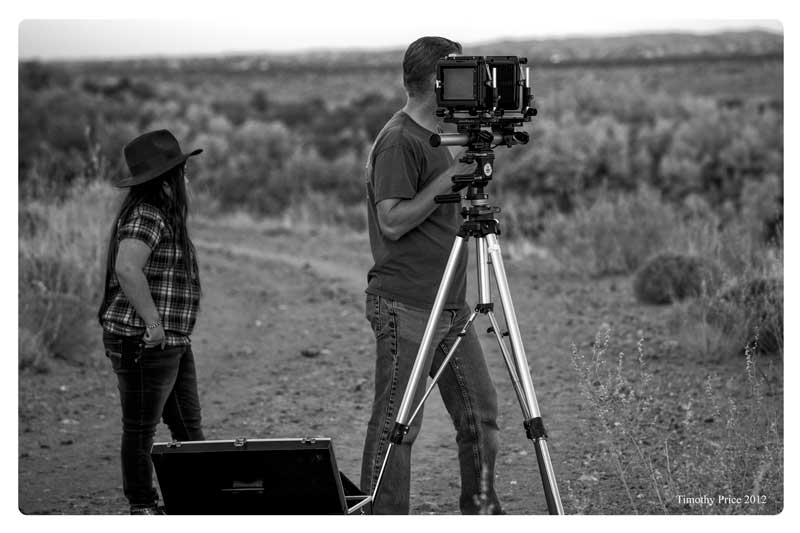
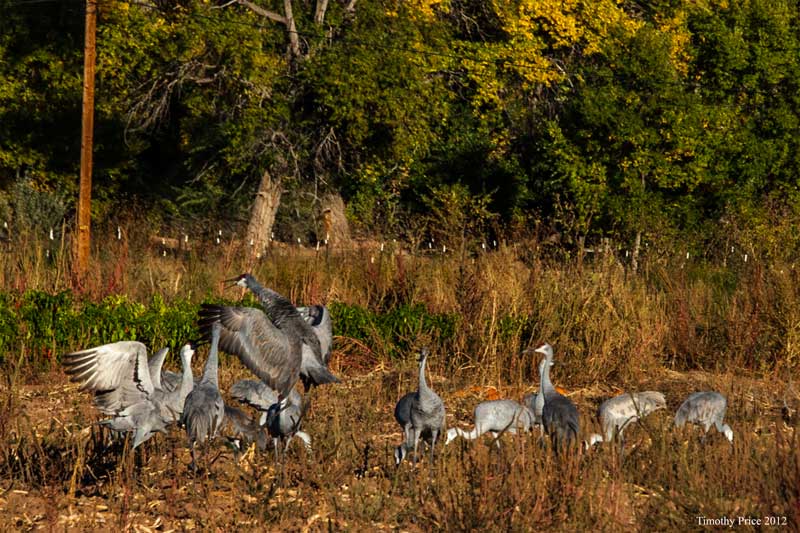
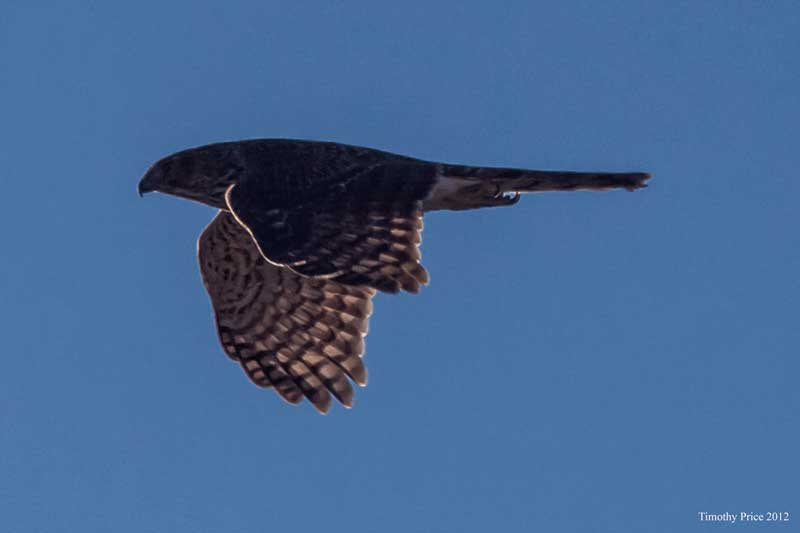
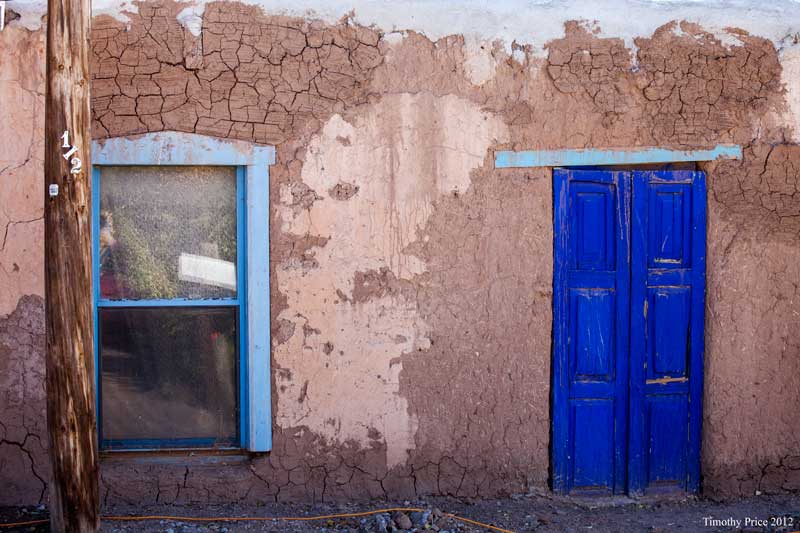
Susan came out for her annual “end of the San Ysidro Church Art Show” visit and trek to the bosque to photograph the Sandias. Although, this year we went out to photograph some of the abandoned adobe houses in Corrales, and then headed north to photograph the Sandias from a different point of view. We got photos of some cranes grazing, playing and fighting in a field along the way, and a hawk just happened to fly by. Just after the sun fell below the horizon, we drove up on the bank of the drainage ditch that runs along the southern edge of the River’s Edge subdivision in Rio Rancho and got the Sandias in their full pink. Another photographer set up his view camera next to us, and then Dennis Chamberlain, who Susan knows, came walking back to his car, tripod over his shoulder in the dusk. So we all talked photography until after dark. Dennis is a fantastic photographer. I recommend checking out his magnificent photos at http://www.dcphotoartistry.com/DC_Photo_Artistry/Welcome.html.
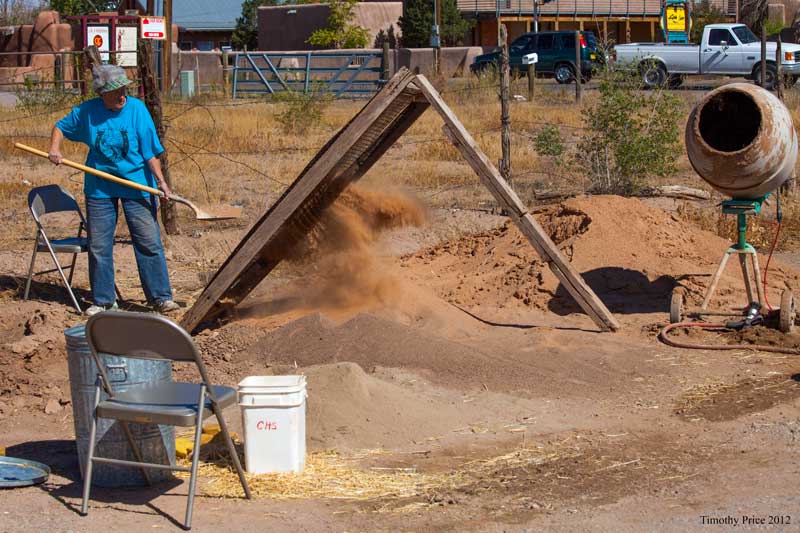
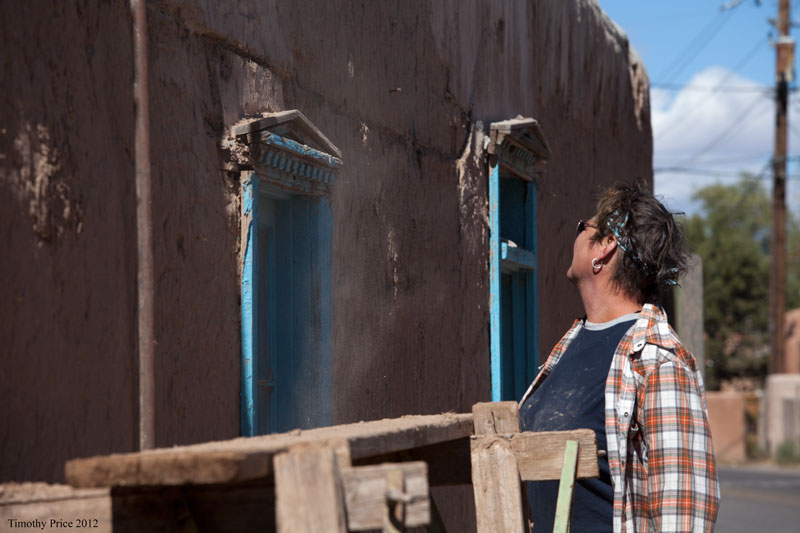
There was a mud plastering workshop at the Historic Martinez House in Corrales today. I would have liked to participate in the workshop, but I had too many things to do with helping Laurie plant bulbs, pulling weeds, making a new batch of carne adovada stew, and practicing guitar. But I was able to drop by the workshop this afternoon to get some photos and even help a little.
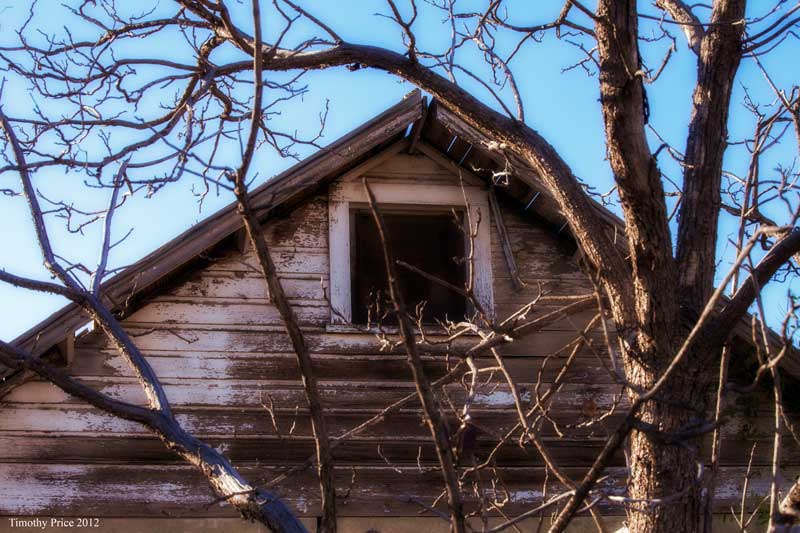
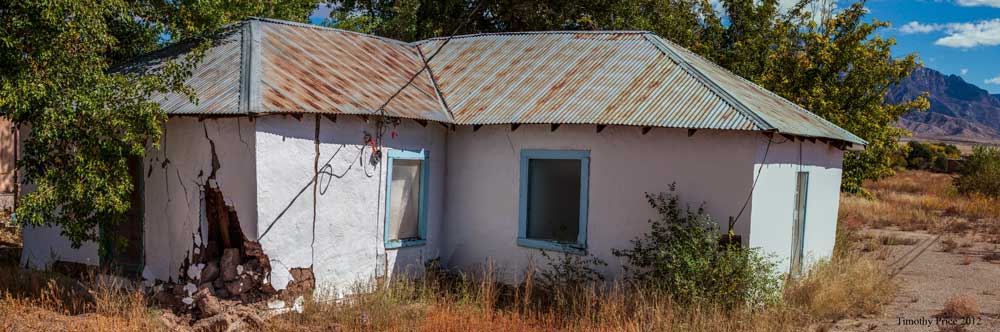
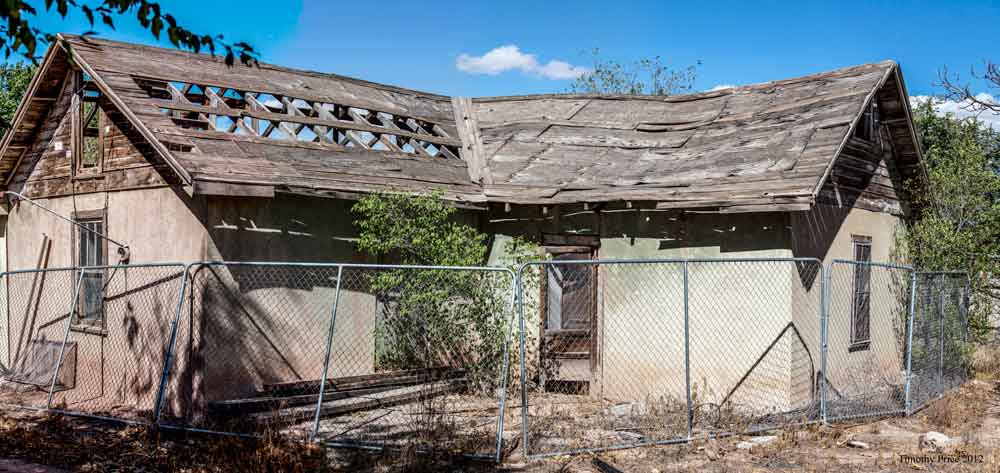
Since our demolition project this summer where we had two houses torn down that were old adobes with frame and block additions, we have become much more aware of the issues involving the problems with maintaining old adobe houses. Before we had the houses on our property torn down, Susan (friend and fellow photographer) photographed the houses, made the casita look really cute in her photos, pasted a couple of them on Facebook, and mentioned the casita was going to be torn down. Many people commented that it should be saved, because it looked so cute in the photo, but they didn’t understand that the casita was an old goat shed my grandfather had turned into a little house over 50 years ago. The house had no foundation and we had one wall propped up with a concrete buttress and the other walls were propped up by the roots of an old cottonwood tree. We had explored various options to renovate the casita, but it was just not economically viable to save it. It takes a lot of work to maintain old adobe houses, and when they are not maintained, they end like the old adobes in the last two photos in the series.
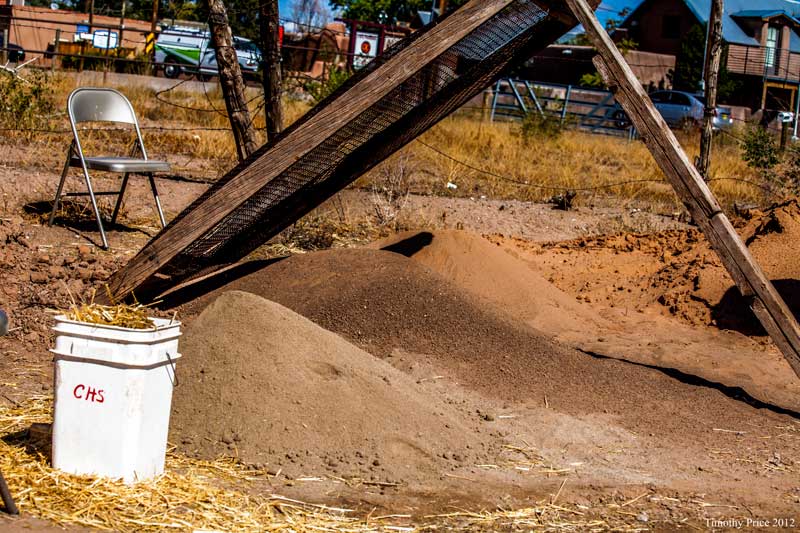
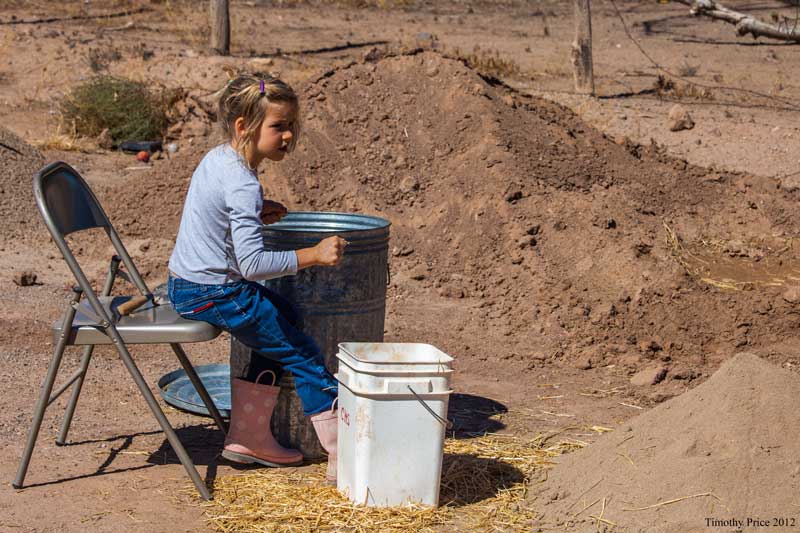
The old Martinez house is historic, and maintaining the mud plaster at a reasonable cost takes volunteers who are willing to donate a day or two of hard labor. The first eight photos in the series illustrate part of the process. The first photo shows the north wall ready for new mud plaster. The cracked mud around the window and door is new mud put on last week to replace loose plaster and even out the walls in preparation for new mud. The second photo shows Mary Davis, the organizer of the Mud Plaster Workshop, sifting dirt to separate out rocks, sticks and dirt clods. The third photo shows a pile of sand, a pile of sifted caliche and a pile of sifted fine “wind blown” red clay used to make the mud plaster. The mixture they were using for the mud was 4 shovels of the fine red clay, 4 shovels of caliche, 4 shovels of sand and straw. The fourth photos shows a young volunteer breaking up the straw that is added to the mud mixture to help as a binding agent. The fifth photo shows Mary shoveling dirt into the cement mixer to make mud. Since the plaster on the south wall was drying out too quickly and cracking, a volunteer told Mary to increase the sand by two shovels full. In the old days the mud would be mixed on the ground in a burned up area.
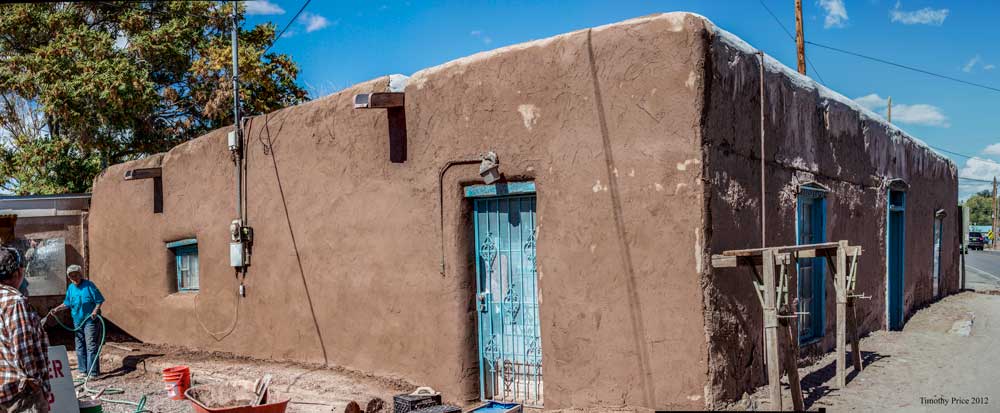
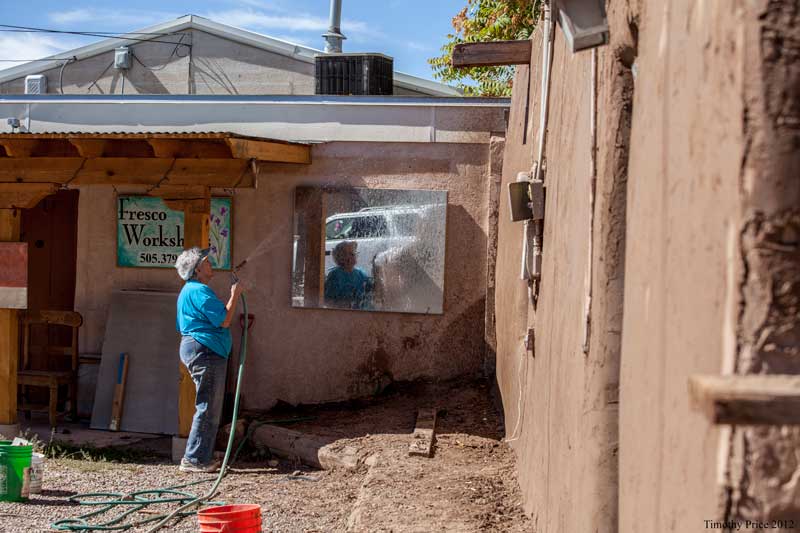
The sixth photo is a panorama of the newly plastered south wall and the east wall, which was the next to be plastered. The seventh photo shows Mary spraying the new plaster to help keep it from cracking more. While it was cool today, the sun was intense on the south wall, and a cool, dry wind was present most of the day. The eighth and final photo in the mud plastering series shows a volunteer inspecting loose mud around the windows on the east wall before starting to plaster it.
Historic Martinez House new mud plaster on south wall
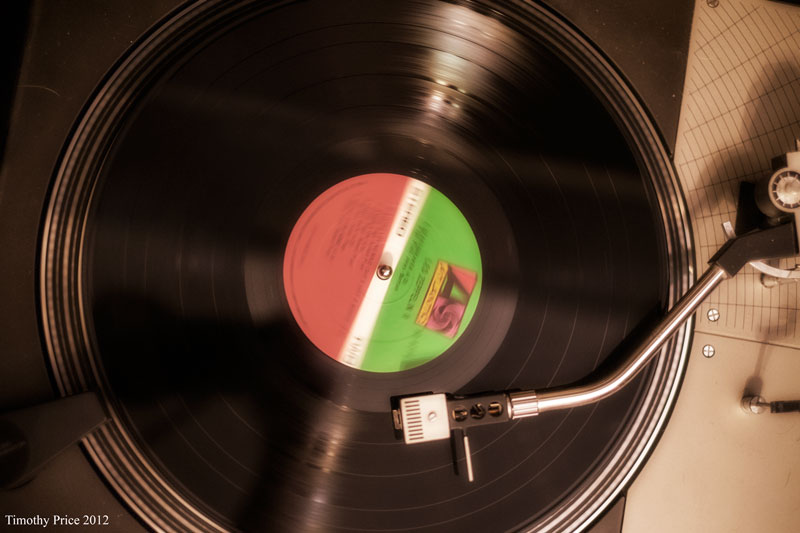
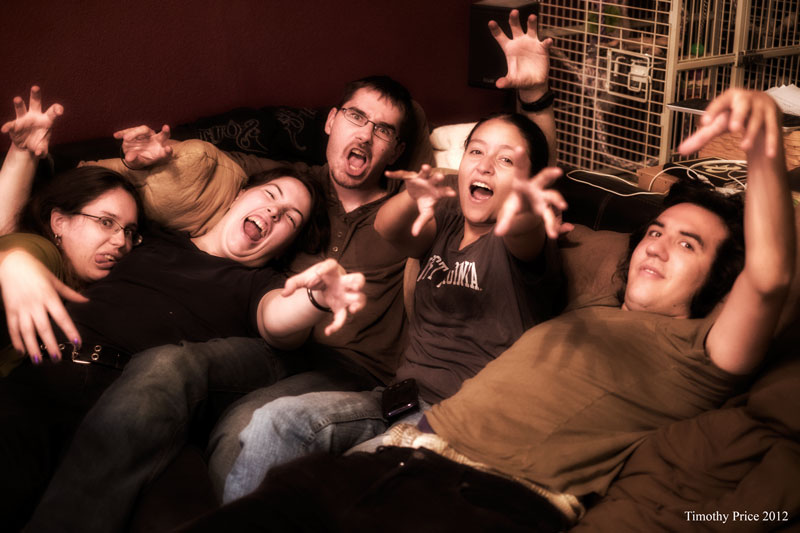
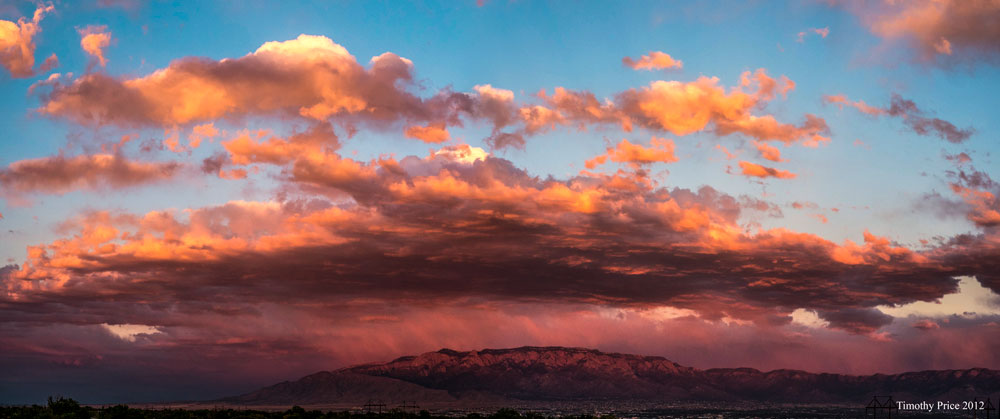
Tristan and David were playing some of the old vinyl albums we gave them at Tristan’s birthday party last night. I forgot how good vinyl sounds compared to CDs and especially MP3s. Even my old, worn out ears could hear a big difference in the sound quality of the vinyl and today’s digital formats. As the night wore on Tristan and friends turned into zombies. I got the photo of the pink Sandias after we dropped off Tristan’s birthday present late this afternoon.
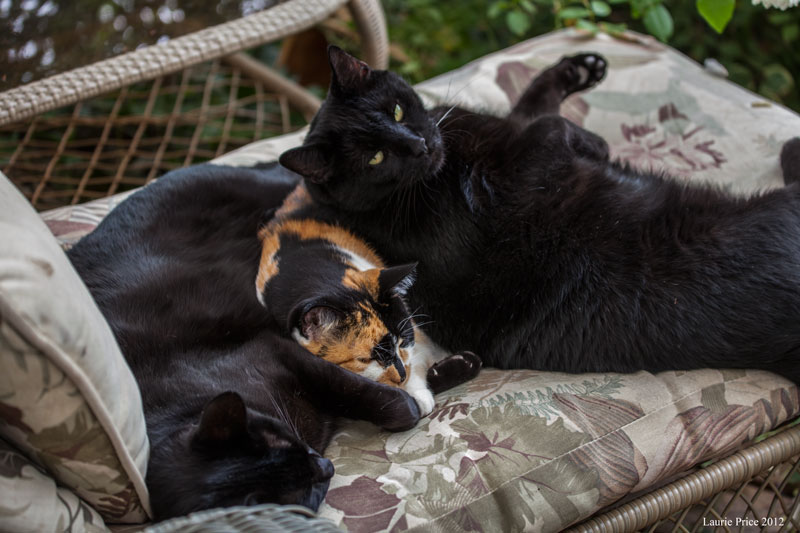
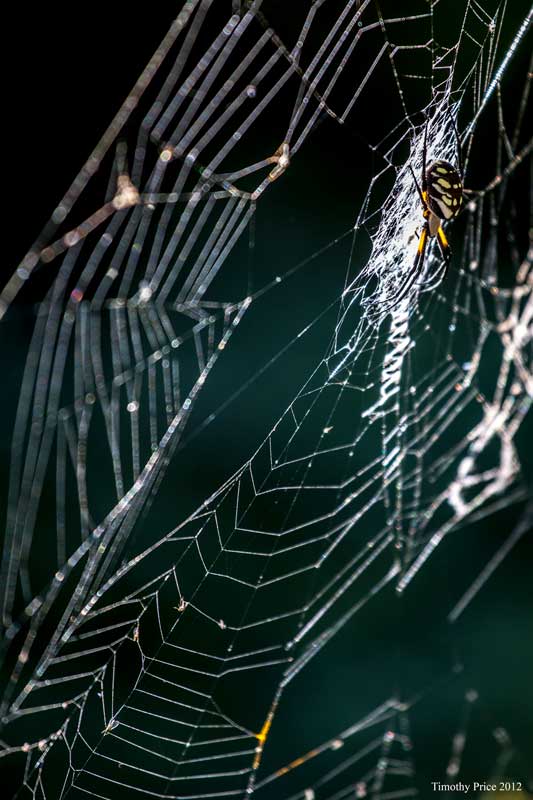
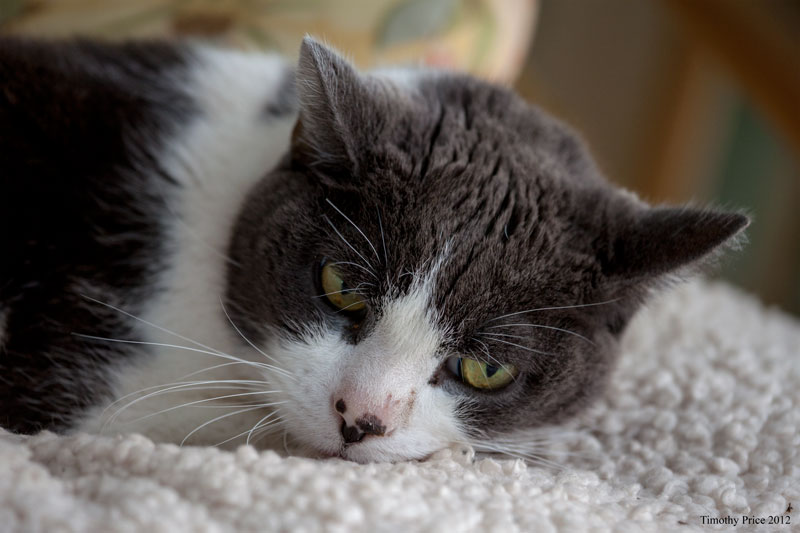
The kitties really know how to take advantage of Fall Break, laying around on the chaise lounge all sandwiched together — or more like Diné sandwiched between Rosencrantz and Guildenstern. The zipper spider is hanging in, but I don’t know if the cold slowed her down on her overnight web repairs, or that the wind already ripped holes in it before I got out to check on her this morning. Stretch was laying on the fleece blanket on the edge of the couch when I went out to check on the zipper spider, giving me a pitiful “please don’t waterboard me” look. We waterboaded him, as usual, and while it’s five to seven minutes of torture for him, he feels so much better the rest of the day. Laurie reads the adventures of Tin Tin out loud to us in French to help us all endure giving Stretch his daily infusions of fluid. I finally ordered the complete set of Tin Tin books, so we won’t run out of adventures to read for quite a while.










 Off Center & Not Even