Speed Graphic


DSCF2292

Continuing my adventures in film, I purchased a 4X5 Speed Graphic, Press Camera with money I got for my birthday. I wanted a 4X5 that was more portable, but since field cameras are still pricey, I started looking at press cameras, and decided I liked having the choice of using either the leaf shutter in the lens or the focal plane shutter in the body, and having the option to hand hold the camera.

I ended up with this particular camera because the seller guaranteed that everything worked, and he accepted my offer for the amount of the money I received for my birthday. I got it Wednesday, checked the shutters, the movements, the rangefinders, and indeed everything worked. It was pretty dirty, including the lens, so I took the camera and lens apart, and cleaned everything inside and out. Spunk helped and then participated when I photographed the camera — he wanted to point out the camera’s features and how it works. I looked up the serial numbers on the lens and the camera and it’s a Wartime model produced in 1945.

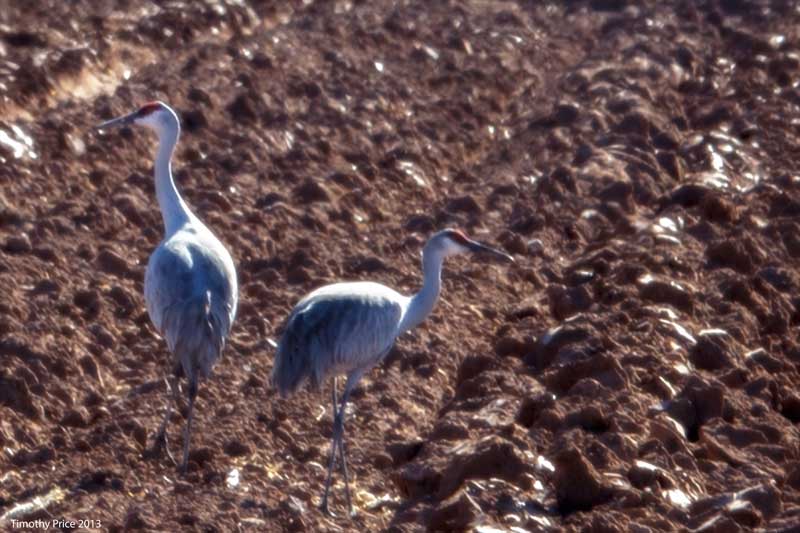
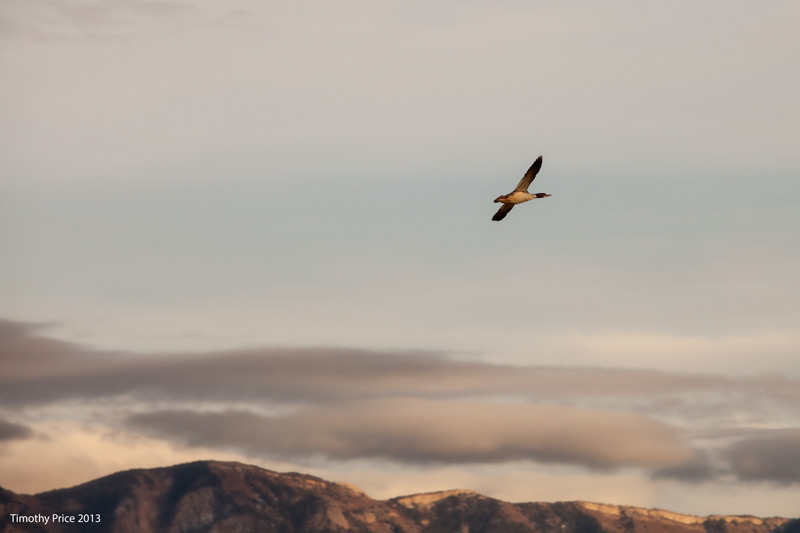
Thursday morning I went out and took four photos, processed them, and then printed two of the negatives before we went to Thanksgiving dinner at Laurie’s parent’s house in the early afternoon. I used Kodak Tri-X 320, but had the light meter set at ISO 400 and processed the film at ISO 400. I used the leaf shutter in the lens set at 1/400 sec and hand held the camera for the shots. The lens, at 127mm, is fairly wide-angle for a 4X5, therefore, in each photo I was trying to get as close to a group of cranes, and then a group of ducks as possible. The cranes and ducks flew so I snapped the photos of them taking flight, producing my first 4×5, hand-held actions shots.

DSCF2283
Cranes taking flight. ƒ/22, 1/400 sec, ISO 400


DSCF2284

DSCF2282
Ducks taking flight. ƒ/8, 1/400 sec, ISO 400


DSCF2294


Hay Girl

IMG_0156

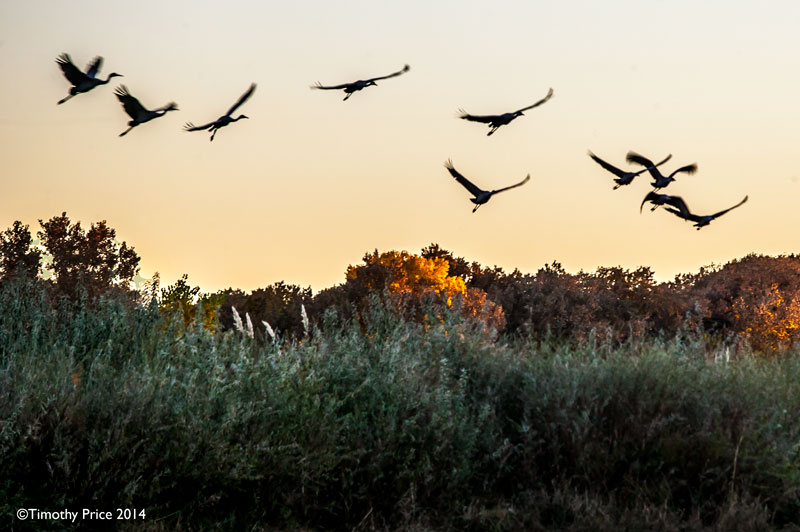
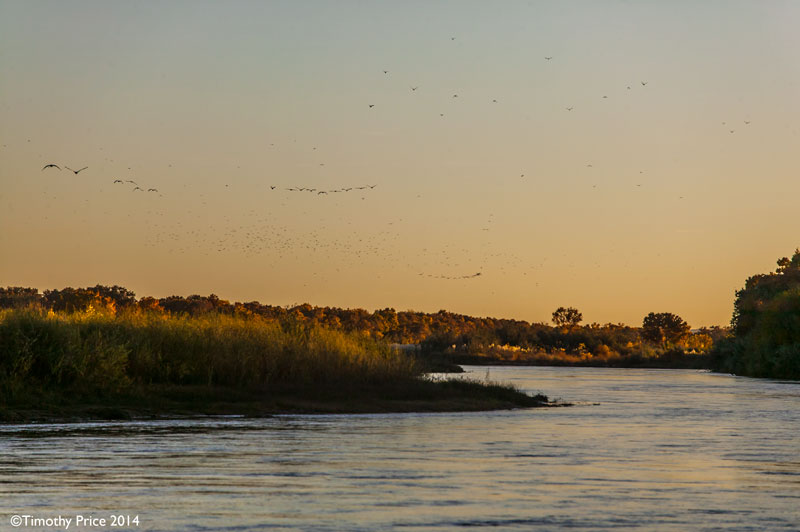
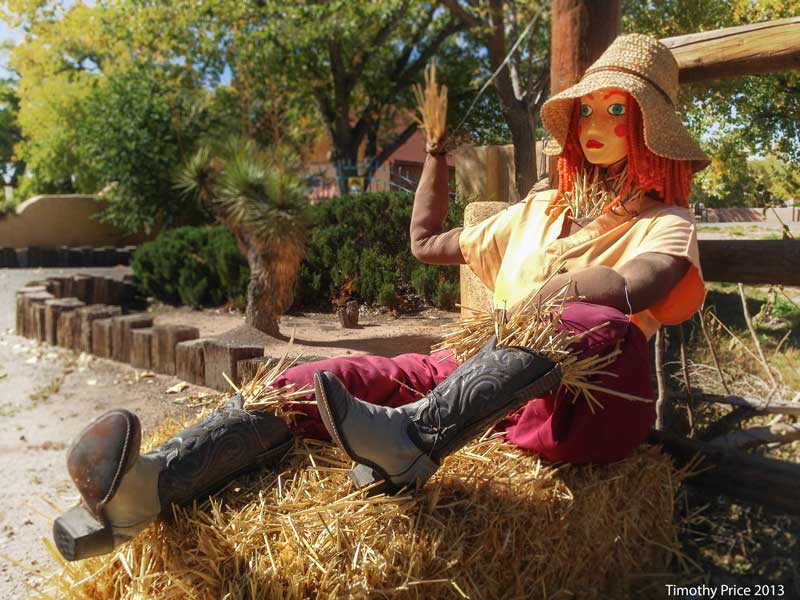
I don’t think this lovely scarecrow is very scary, but she does cut a good hay figure. Fall is in the air — I saw a couple of sandhill cranes fly over this morning, so I went out to the river before sunset and a small flock flew by. The problem is the river is running really high and fast, so the places they normally roost are underwater. The Martinez House got its color coat, and the cottonwoods are turning yellow.

45CU9941

Sandias10-19-13

IMG_0142

45CU9861

The Eagle & The Crows

TheEagleCrows


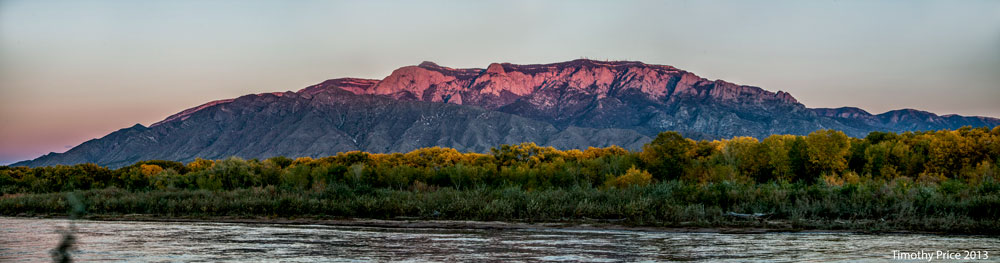
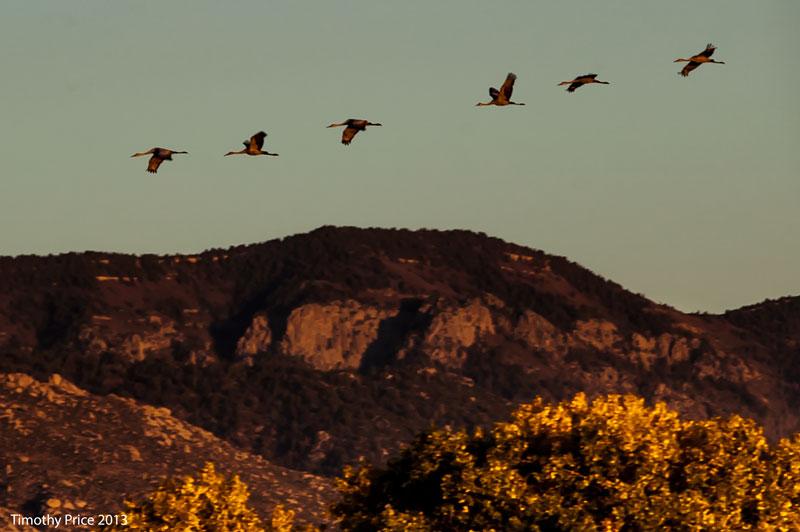
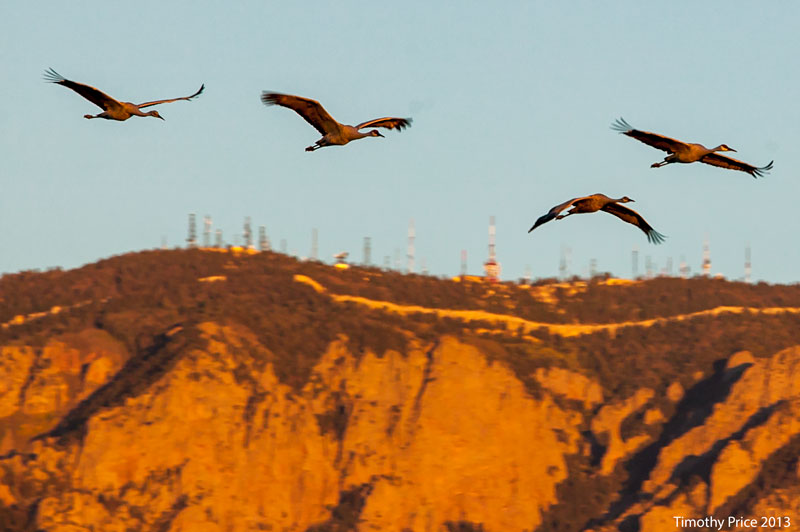
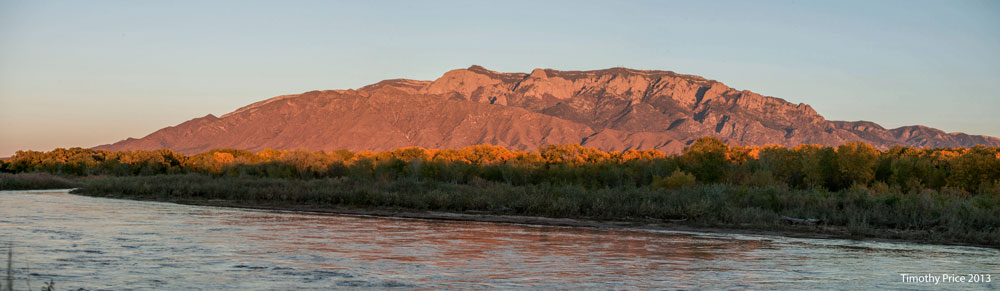
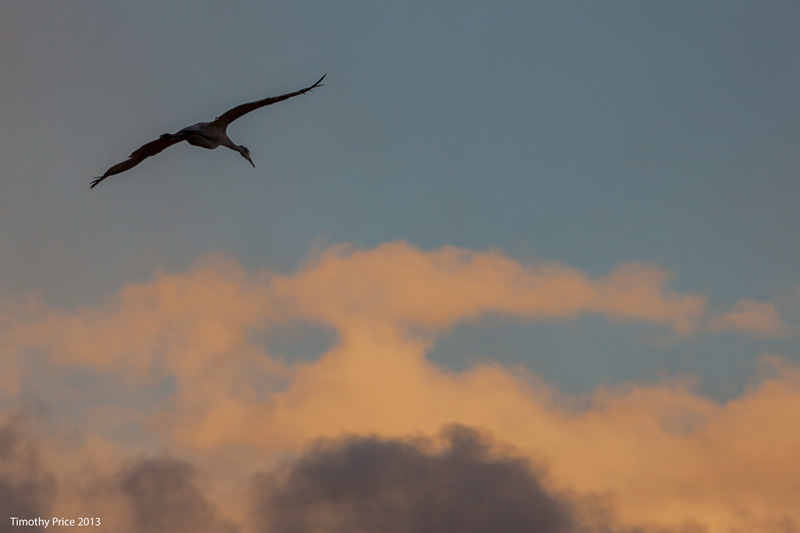
While I was out at the river at sunset, the bald eagle flew by high along the opposite bank of the river. As it passed the face of the Sandias, it caught up with a flock of crows. A few crows fell in behind the eagle at first, then the crows’ flight became more chaotic as the eagle flew through them. Five cranes flew close to me at dusk, they probably couldn’t see me in the low light, and the high ISO produced interesting images. The Sandias turned a nice “watermelon” pink tonight.
 

TheEagle


TheEagleCrows1


ThreeCranes


TwoCranes


PinkSandias2-23-13

Little Drops of Rain

LittleDropsOfRain

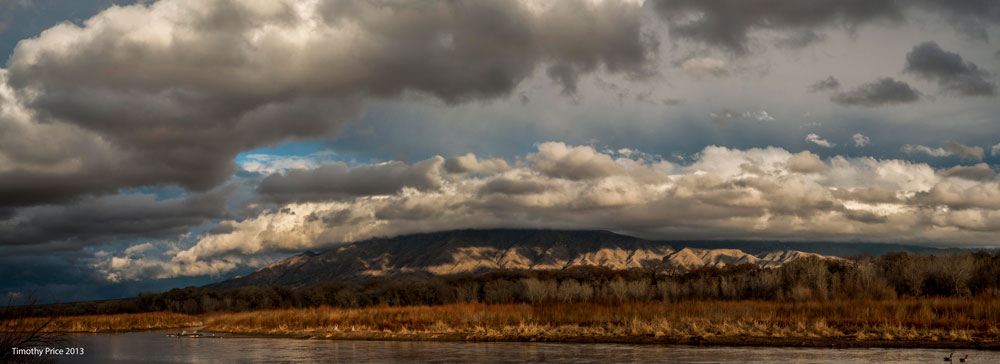
I spent most of the day putting together my presentation on Troubadour poetry and music for French 385: Travels in Provence. It rained most of the day, and during a break in the weather I went out and photographed the storm passing over the Sandias. On my way out to the river, I noticed there were still a few drops of rain the wind had not blown off a rose bush — it reminded me of Led Zeppelin’s “Thank You”, which has a verse that begins “Little drops of rain…”  I had been reading medieval poetry all day and started thinking that “Thank You” could be modern Troubadour poetry.

Troubadours originally wrote their poetry in Occitan, the language of Provence, France, also called Provançal. I don’t understand Occitan, so I’ve been reading the poetry translated into English by William and Frances Paden in their book Troubadour Poems from the South of France. Women Troubadours where called trobairitz, and the most famous trobairitz is La Comtessa de Dia. After reading many troubadour poems, La Comtessa de Dia is one of my favorites.  Here is one of her poems named Estat ai en greu cossirier / I have been in heavy grief circa 1169:

I have been in heavy grief
for a knight who once was mine,
And I want it to be forever known
That I loved him too much,
I see now that I’m betrayed
For not giving him my love
Bemused, I lie in bed awake;
Bemused, I dress and pass the day.

If only I could hold him
Naked in my arms one night!
He would feel ecstatic
Were I to be his pillow.
Since I desire him more
Than Floris did Blanchefleur,
I give him my heart and my love,
My wit, my eyes, for as long as I live.

Splendid lover, charming and good,
When shall I hold you in my power?
If only I could lie with you one night
And give you a loving kiss!
Know that I’d like
To hold you as my husband,
As long as you’d promise
To do what I desired.

Here are the lyrics to Robert Plan’s Thank You, 1969:

If the sun refused to shine, I would still be loving you.
When mountains crumble to the sea, there will still be you and me.

Kind woman, I give you my all, Kind woman, nothing more.

Little drops of rain whisper of the pain, tears of loves lost in the days gone by.
My love is strong, with you there is no wrong,
together we shall go until we die. My, my, my.
An inspiration is what you are to me, inspiration, look… see.

And so today, my world it smiles, your hand in mine, we walk the miles,
Thanks to you it will be done, for you to me are the only one.
Happiness, no more be sad, happiness….I’m glad.
If the sun refused to shine, I would still be loving you.
When mountains crumble to the sea, there will still be you and me.

SadAmerica

SandiasCloads1-26-13

TheCraneCloud

OrangeCloudsDucks

Moon on the Rise

MoonriseTrees


I went out to get the moonrise this afternoon. The clouds covered the moon when it first came over the mountain, but then as it rose behind the clouds it afforded nice photo ops.  The geese and cranes are still hanging around, and the crows were thick at times, which reminded me of the movie “The Birds.”


GreeseMoon


DuckOverMountains


LowFlyingCrane


Crows6666