
Riding the Paris Metro, May 2013.

Riding the Paris Metro, May 2013.

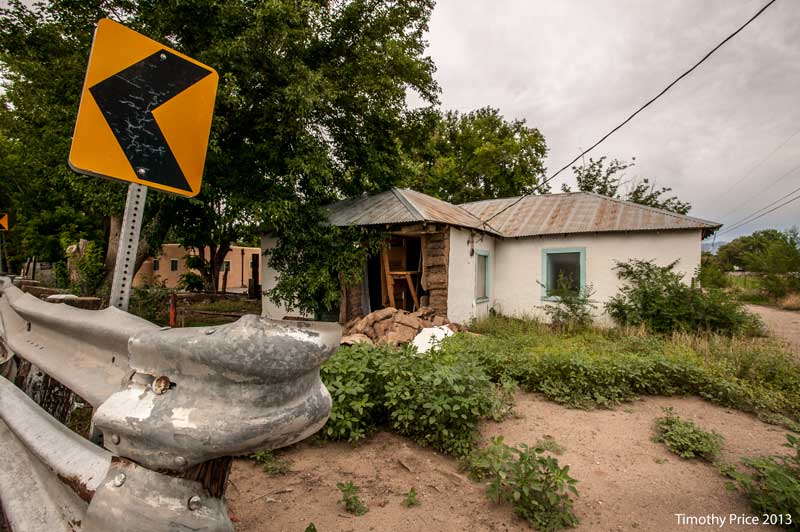
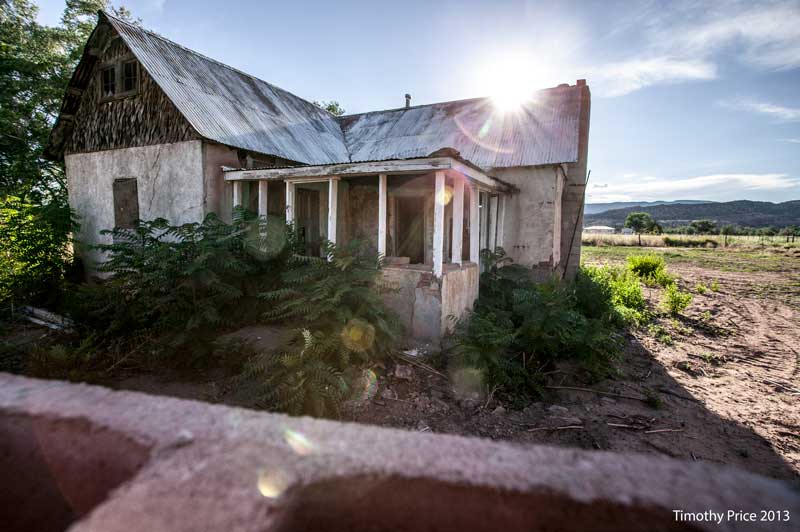
After our trip to Jemez and Gliman Tunnels, I got photos of old adobe houses in Corrales and San Ysidro. The first two are in Corrales and both are doing worse after the major storm that hit Corrales at the end of July. The last photo is of an abandoned adobe house in San Ysidro.

I dropped my car off the get the tires replaced at the Downtown Goodyear garage, and passed by the Anasazi Building on my walk back to the office. They are making progress on it as you can see from the first photo taken yesterday and the second photo taken in May of last year. The Sandias had waves of clouds crashing over them this morning. I took the panorama across from the Balloon Museum and Laurie took the last photo from our property about the same time.


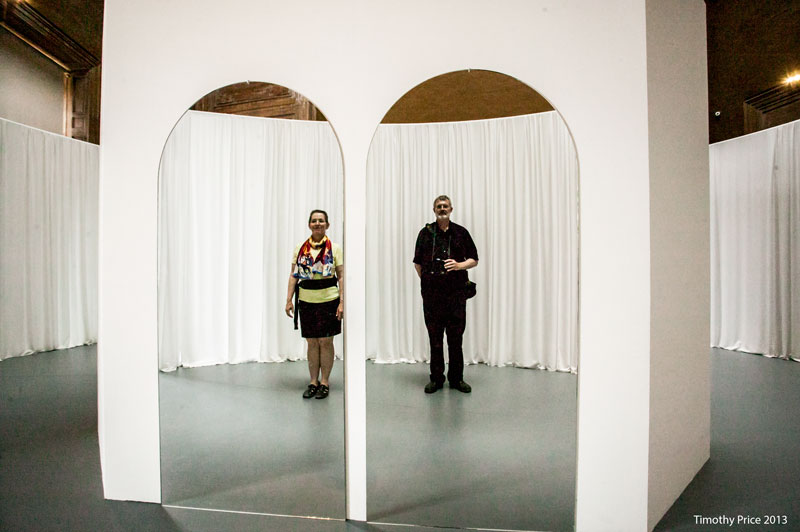
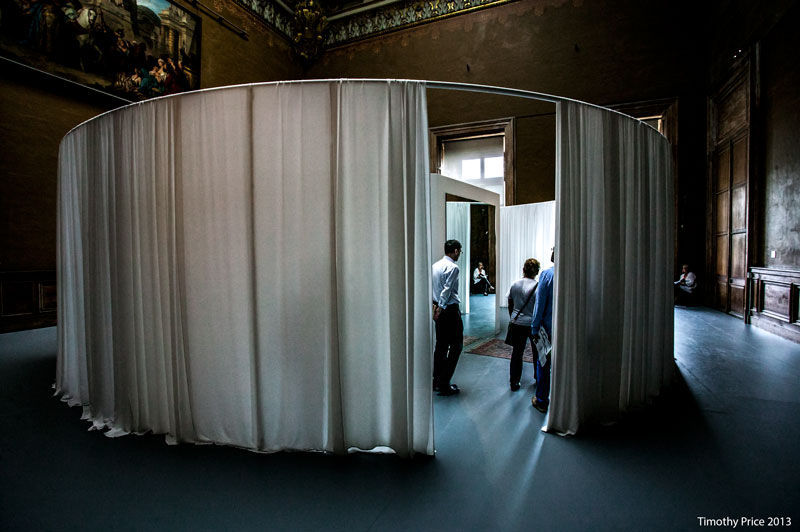
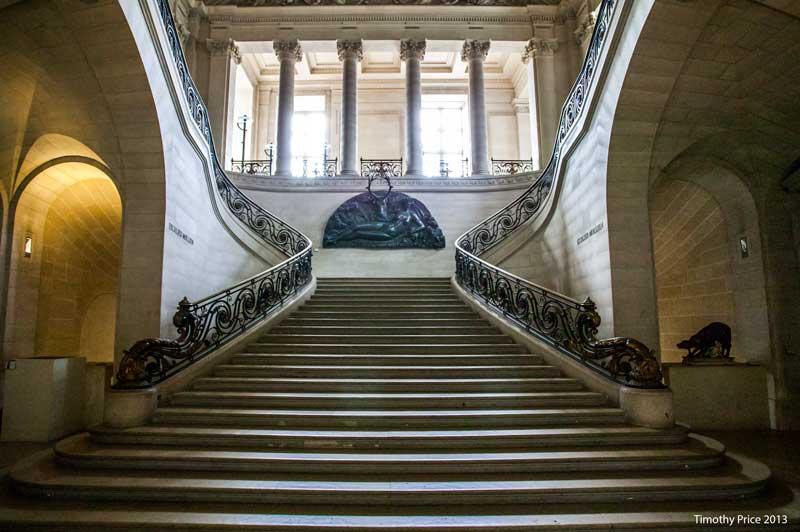
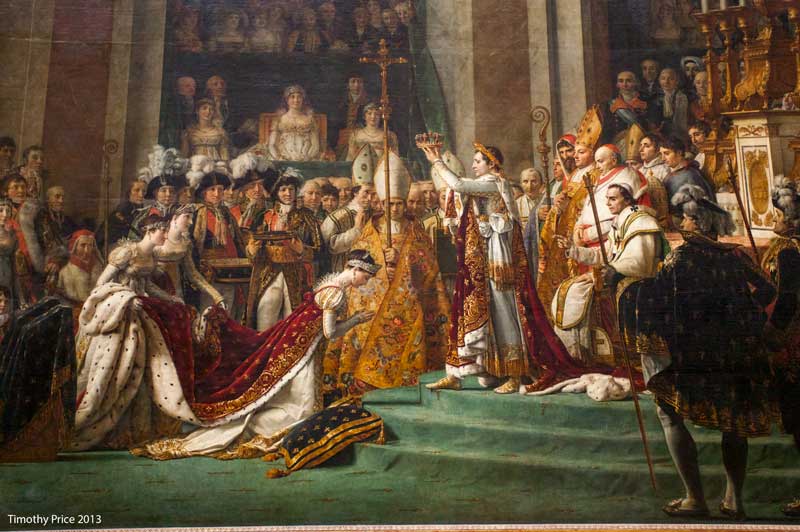
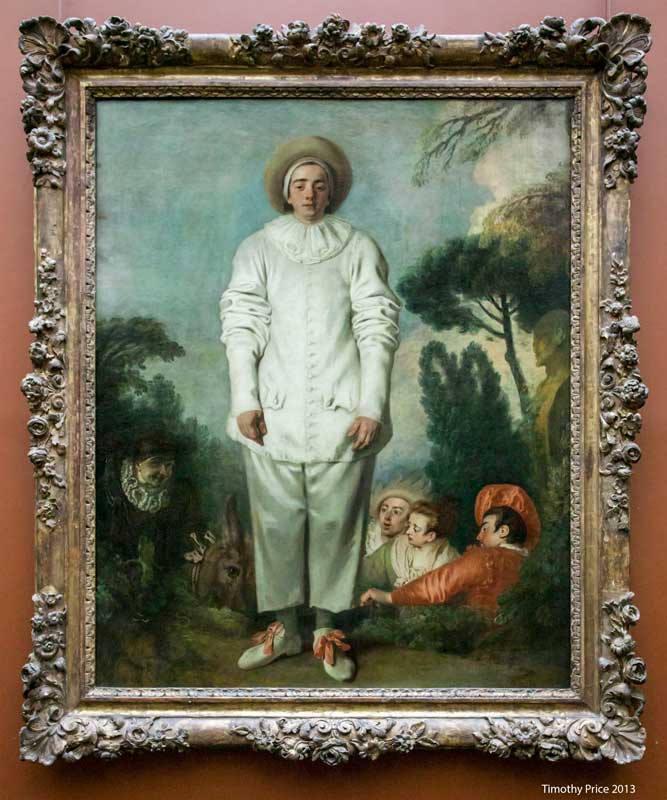
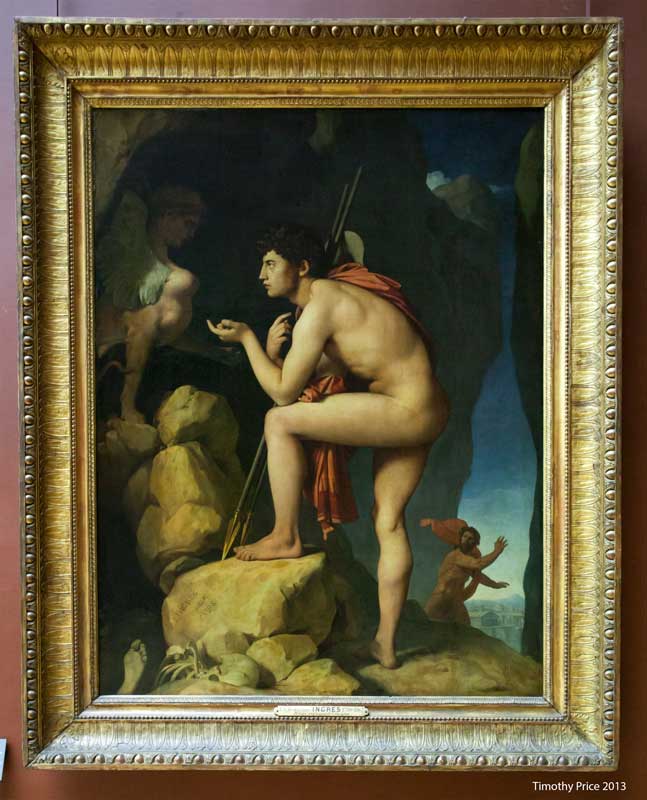
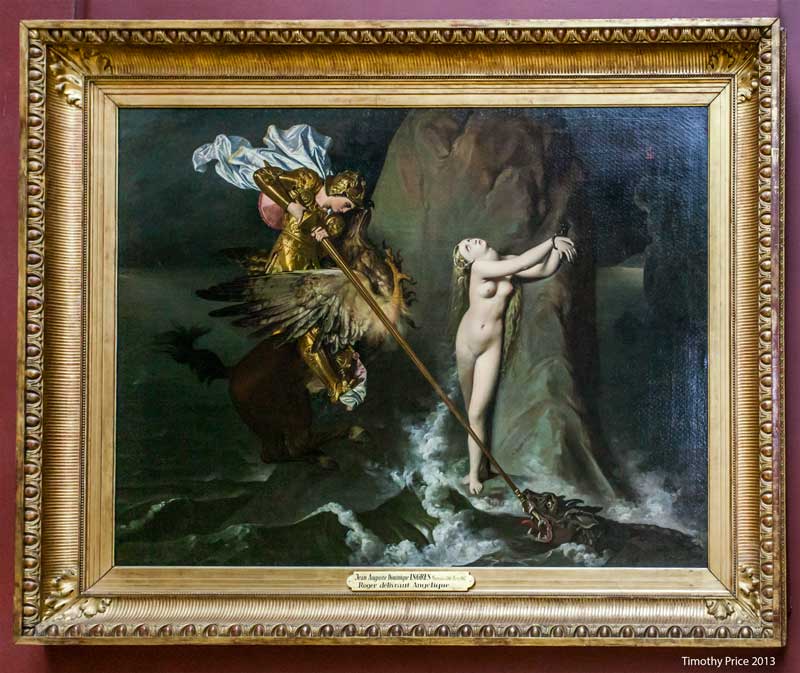
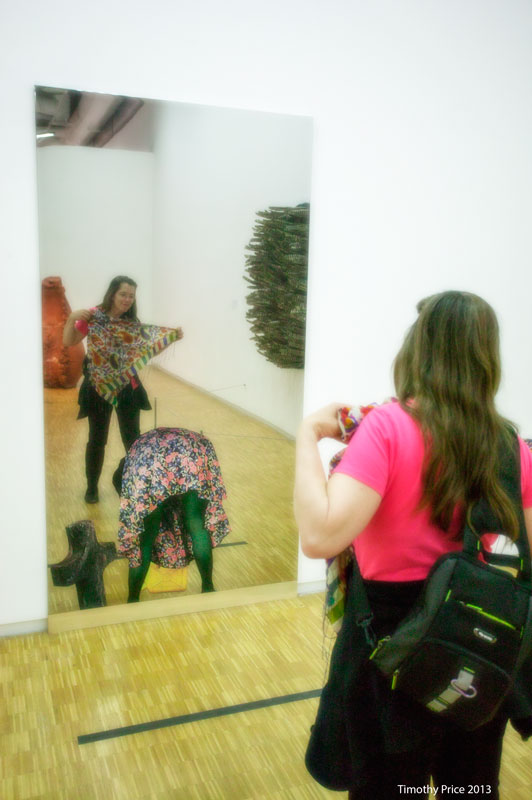
One project of Henry IV was to extend the Louvre along the right bank of the Seine and join the Louvre to the Palais des Tuileries (the Palais des Tuileries was destroyed in the upheaval of the Paris Commune in 1871). The resulting addition was more than a quarter mile long and 100 feet wide making it the longest edifice in the world at the time. After the addition was completed Henry invited artists to live and work in the spaces on the lower floor, a tradition that continued for 200 years until Napoleon III put a stop to it. Today King Henry’s addition is part of the Denon Wing that houses a lot of the permanent collection, including the Mona Lisa. We made another trip to the Louvre yesterday afternoon, and the photos today include interiors, staircases, ceilings and selections of artwork from the French master’s in the Sully Wing (oldest remaining section of the Louvre) and the “Grand Format” paintings in the Denon Wing. I also included photos of two more installations by Michelangelo Pistoletto near the “Grand Format” paintings. The first one (2nd photo) shows Laurie and I in the mirrors that represent the Law (Judaism) in an installation that represents the four major world religions. The second one (4th photo) shows the world religion installation from its outside, and the third Pistoletto is the last photo in the series.







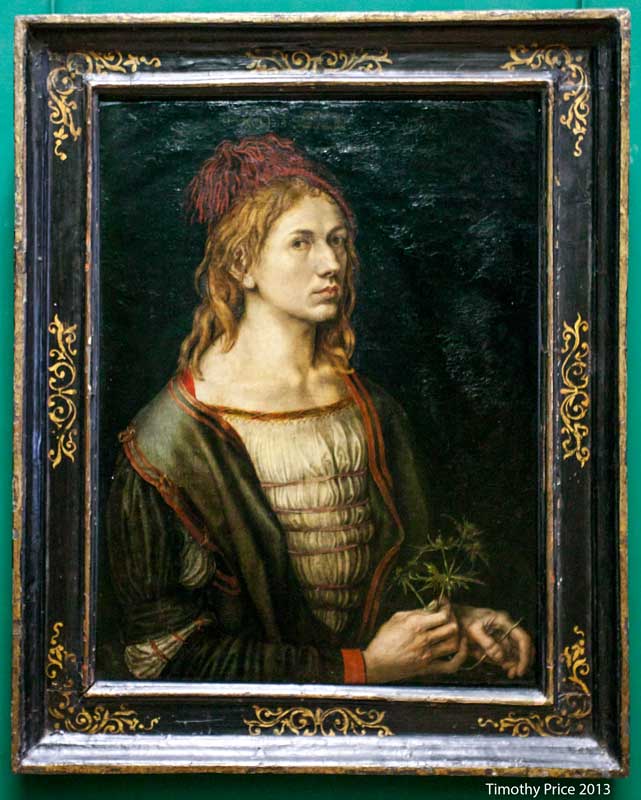
While going through the 15th and 16th century paintings from the Netherlands and Germany in the Richelieu wing of the Louvre, I started looking at the many portraits of men and wondered if I could find a painting of a man similar to the Mona Lisa. The problem with most portraits of the period is that the subjects tend to be in a detached, documentary pose and are rarely looking at the viewer. I was about to give up on the idea, but then I came across a self portrait of Albrecht Dürer which struct me as Mona Lisa-like. It was Dürer’s first painted self portrait, done when he was 22 years old and most likely to be sent to his fiancée, Agnes Frey. A marriage had been arranged for Dürer while he was living with his brother in Basel in 1493, and Dürer and Ms. Frey were married upon his return to Nuremberg in 1494. While Dürer’s self portrait predates Mona Lisa by about 10 years, he paints himself in a similar pose and light, and he engages the viewer with his direct eye contact and pleasant countenance. I may find other male Mona Lisa’s, but so far Dürer’s self portrait is the front runner.
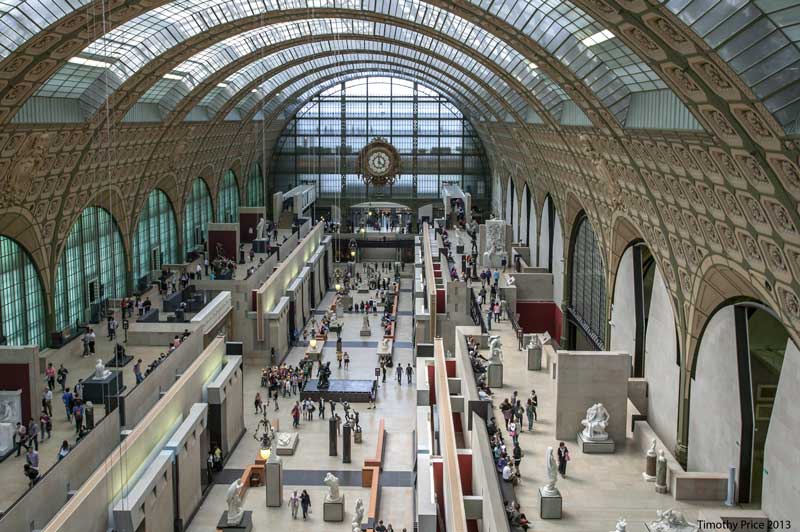
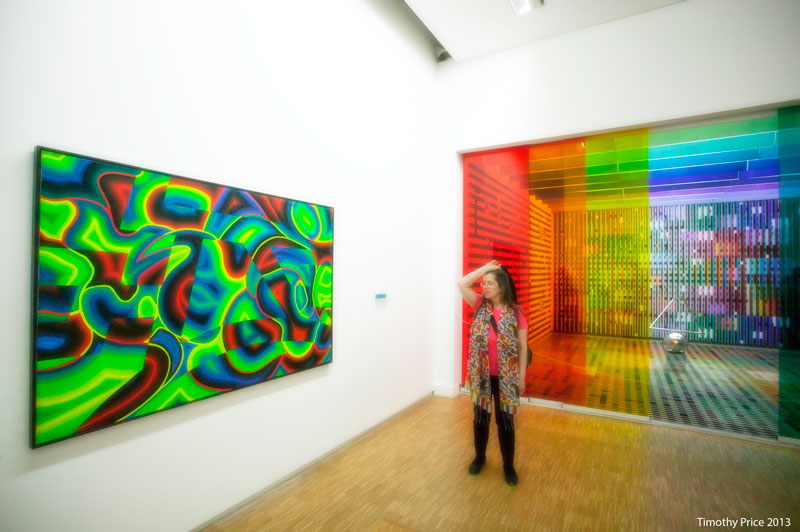
After the Louvre we went to the Musée l’Orsay, which is an old train station converted into a museum. Photographs are prohibited in the Orsay, but I managed to get a shot of the inside and the shot through the clock looking at the northern skyline of Paris. One commentator described train stations as being secular cathedrals to modernism with the clocks being their alters. In the evening we went to the Center Pompidou, and looked at the modern art. It’s interesting to go from the Louvre and Orsay’s formal, hands-off settings to the Pompidou’s modern, more interactive environment. You get a nice view of the Paris skyline from the Pompidou and the last photo with the Eiffel Tower in the distance is from the 4th level inside the Pompidou.






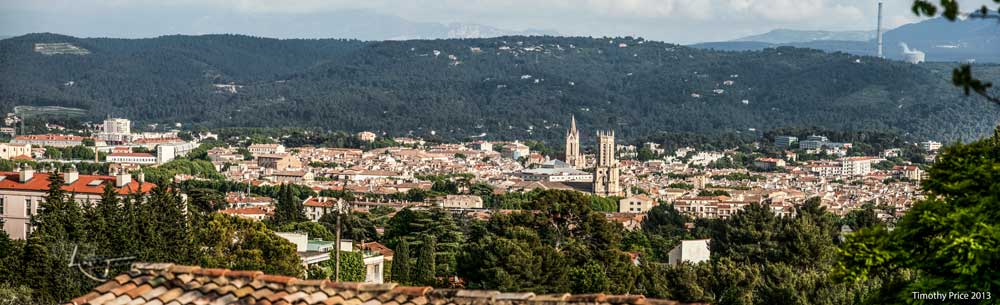
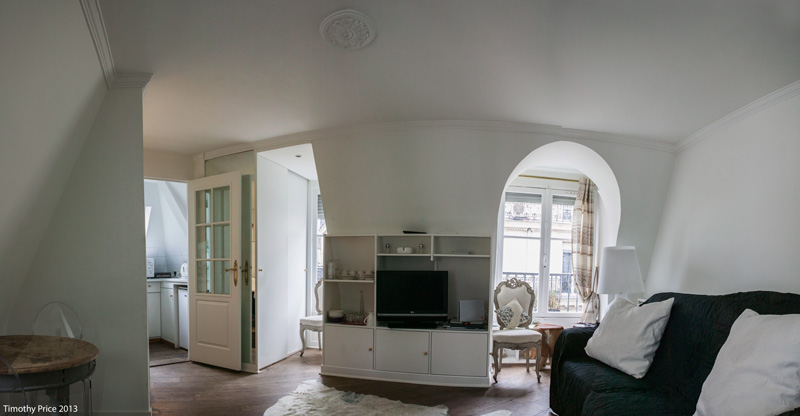
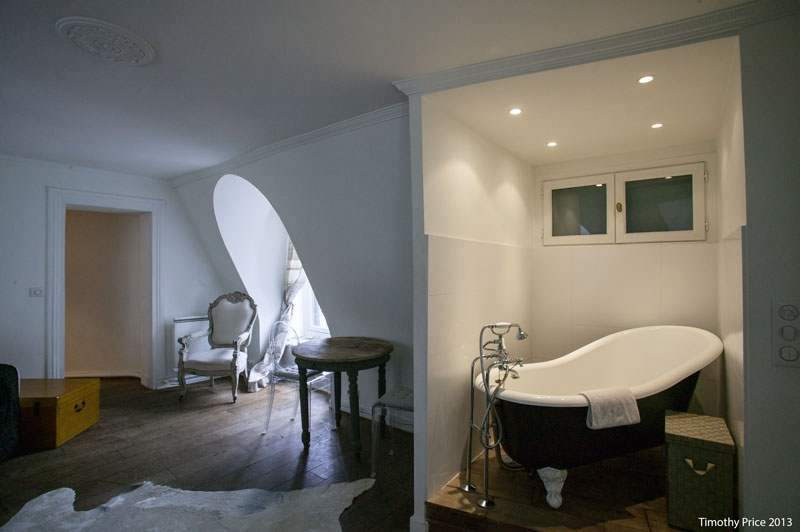
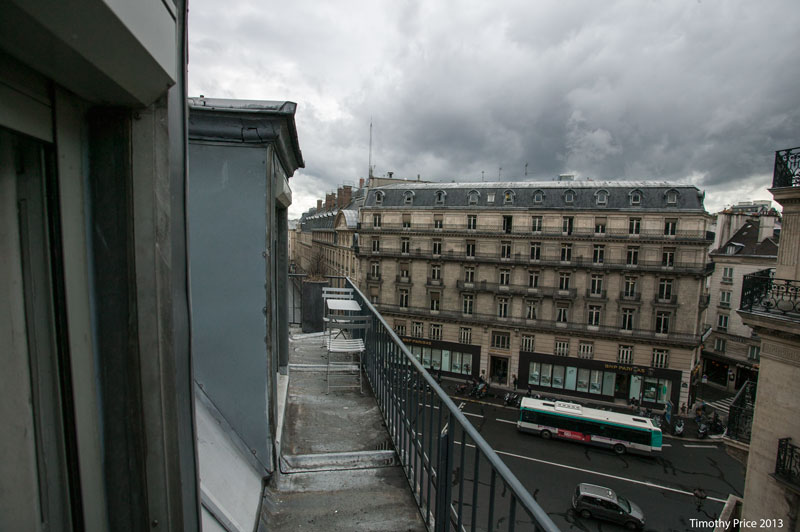
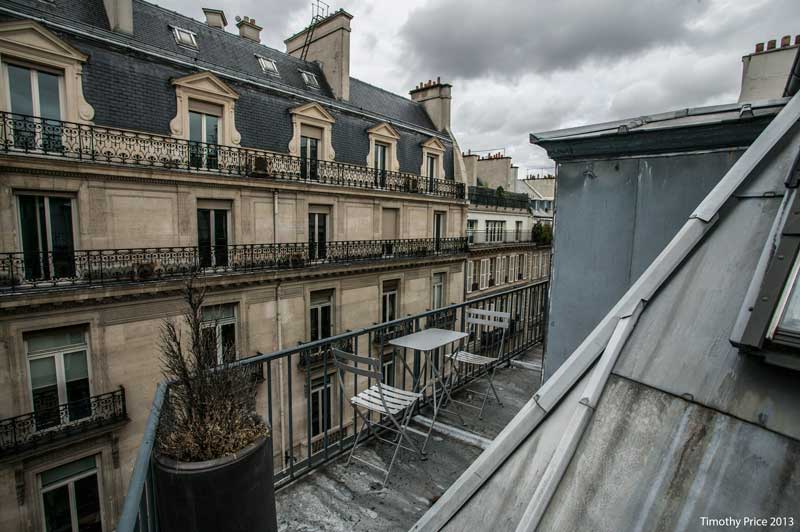
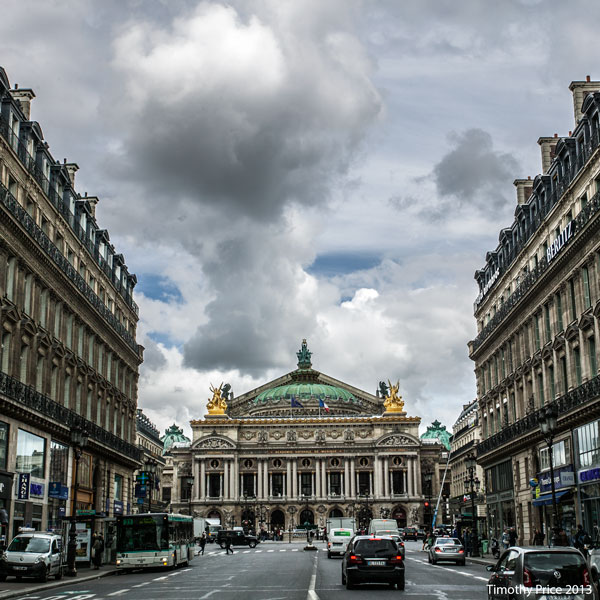
When we left Aix en Provence it was raining; it rained all the way to Paris, and when we came up out of the metro at Opera to go to the apartment we are renting, in was pouring rain. The first photo is a panorama of Aix viewed from up the hill from where we stayed. The second photo is a farm from the TGV traveling at 200 mph. The rest of the photos are of the apartment we are renting for the rest of our stay in Paris. It’s on the fifth floor (sixth, American) of a building at the corner of Ave de l’Opera and Rue d’Antin in Bourse, in the 2nd arrondissement, a block from the Palais Garnier – Opéra national de Paris (last photo).



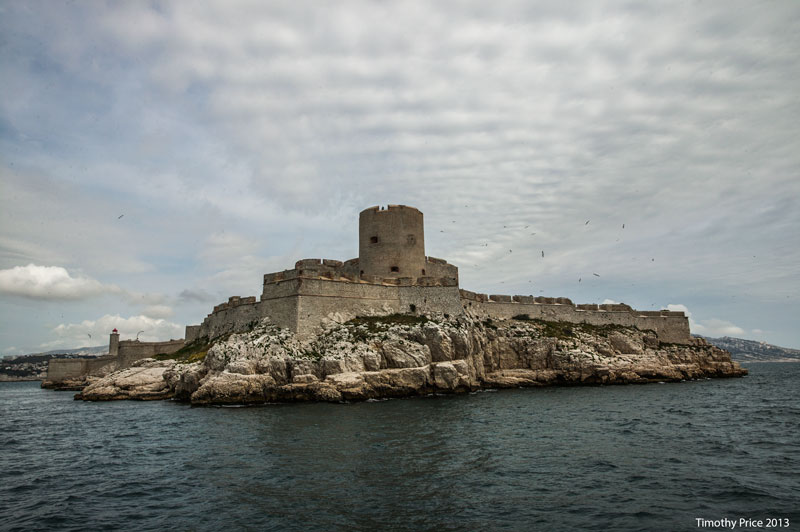
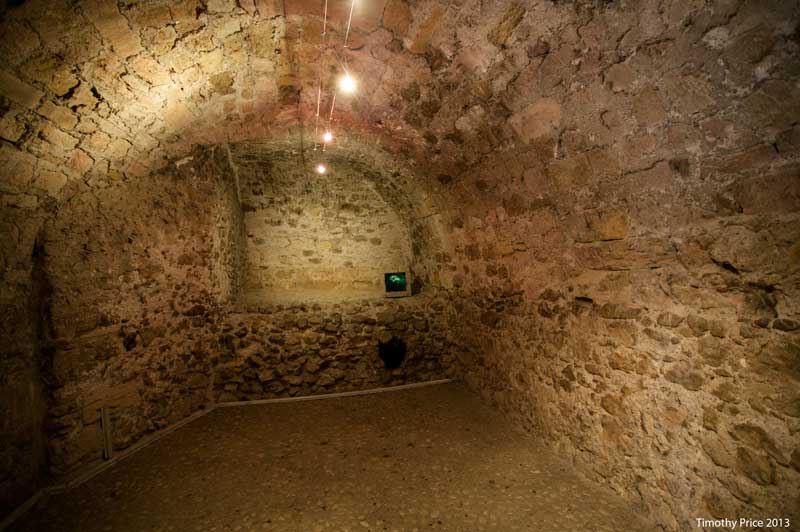
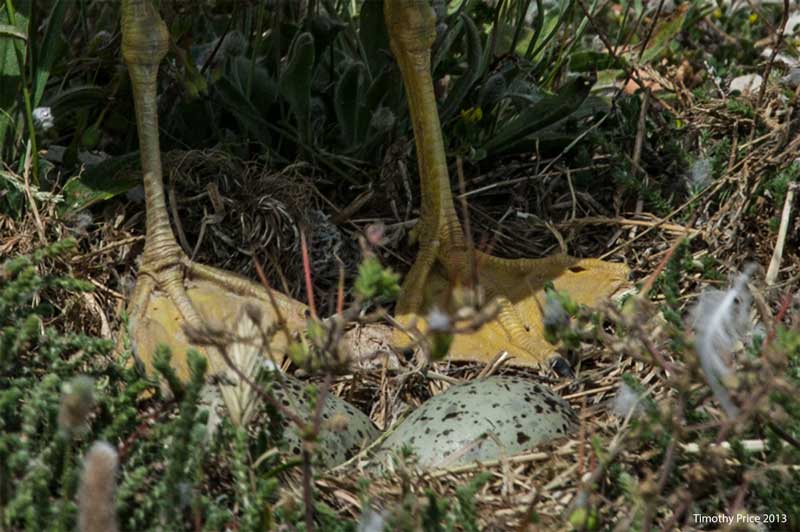
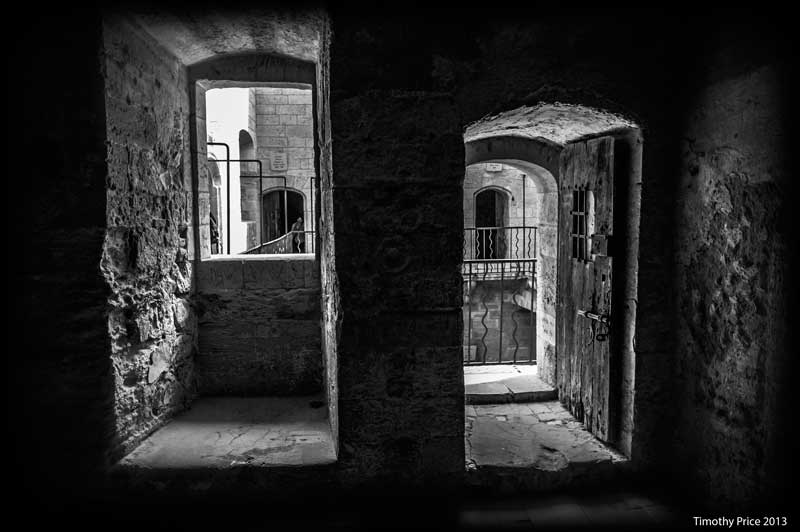
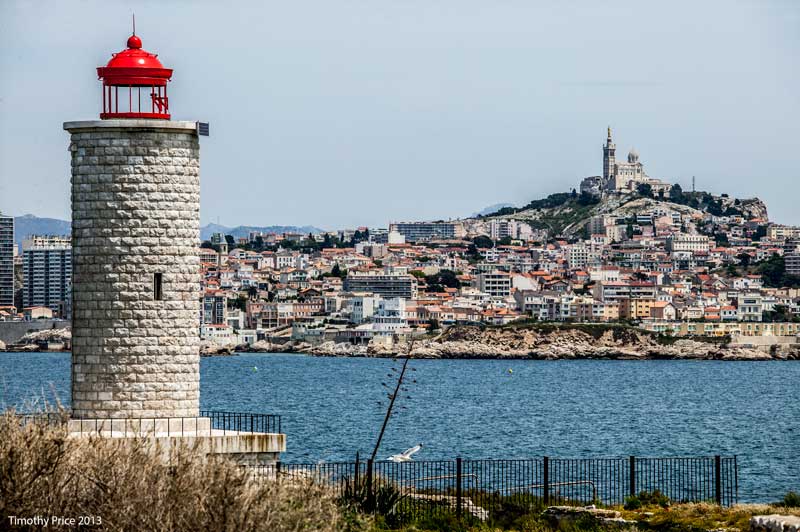
Our last day in Provence, and the sea was calm enough for us to get a boat out to Chateau d’If, the island castle turned prison that was made famous by Alexandre Dumas in his novel The Count of Monte Cristo. The most famous prisoner on Chateau d’If was Edmond Dantes, Dumas’ fictional character who was wrongly imprisoned on d’If for 14 years, and who meets the Abbe Faria after Faria digs a tunnel into Dantes’ chamber. Faria educates Dantes, Dantes escapes posing as the dead Faria, and becomes the Count of Monte Cristo. Even though Dantes and the Abbe never existed, there is a tunnel adjoining two chambers that are labeled Abbe Faria and Edmond Dantes. The castle is in great condition with access to almost every room. In some of the rooms they have sound effects to give added ambience. There are lots of seagulls nesting on the island, and ignoring the signs saying that seagulls are dangerous, I got very close to one that sitting on her eggs. She was very vocal about my close proximity, but simply held her ground.




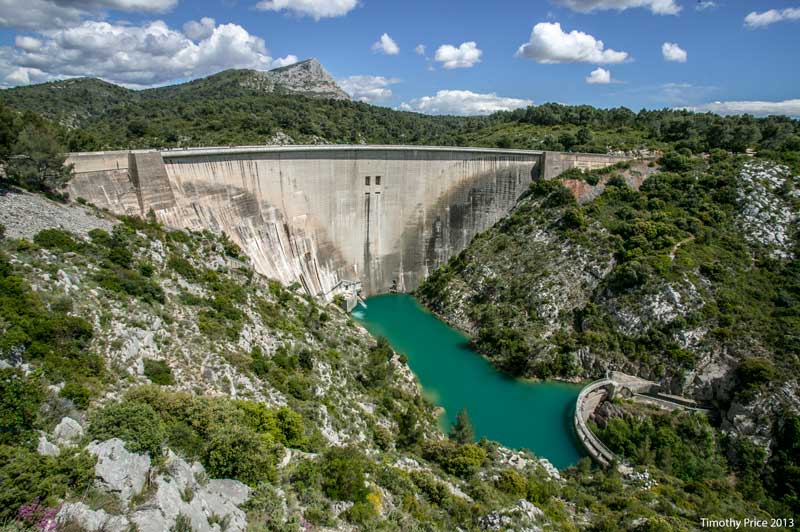
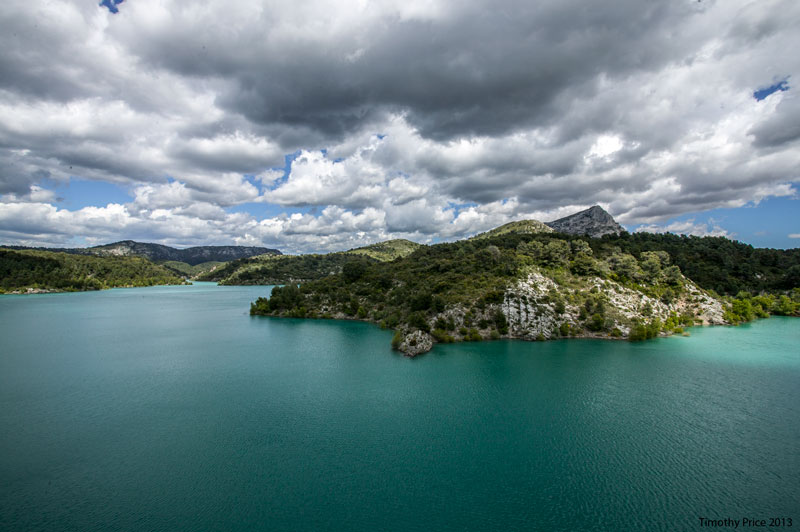
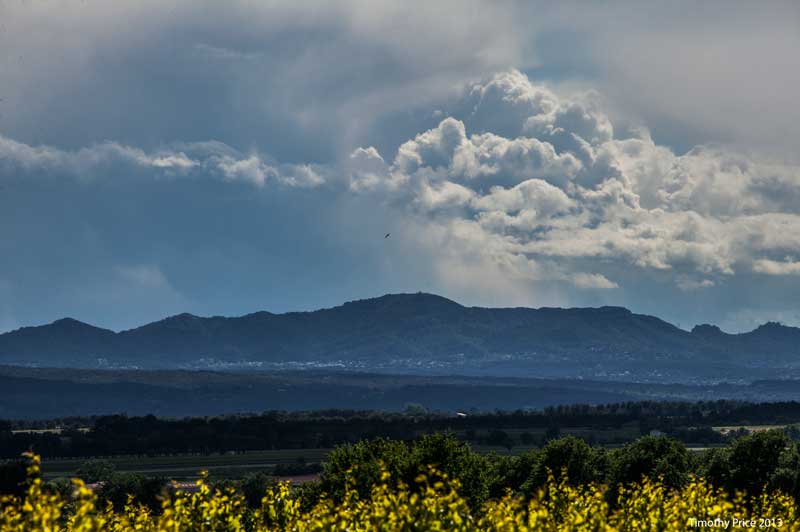
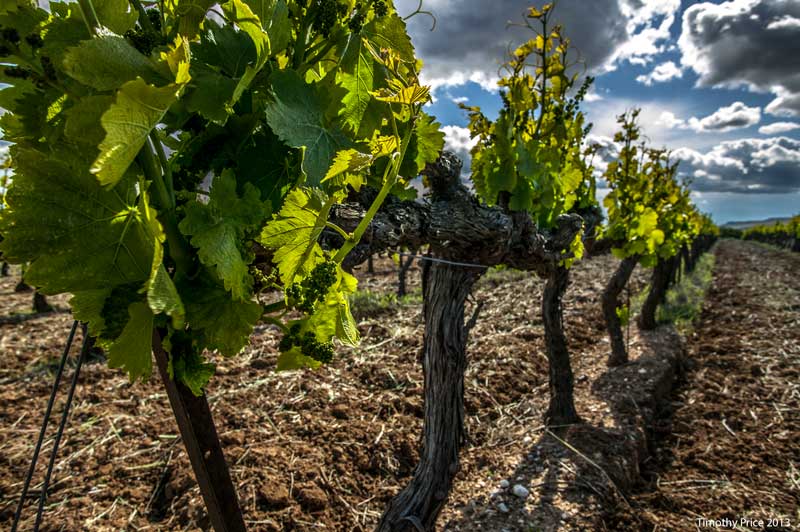
We took a drive around Montagne St Victoire, visited the Barrage de Bimont, a lake with a dam that was built between 1946 and 1951 and went into service in 1952 to supply water to Aix en Provence and other villages in the area. We drove on mostly very narrow and winding roads through forest with scenic views on the north side of the mountains, and through villages and vineyards on the east side of St Victoire. The weather was still cool and windy, but it was a beautiful day.


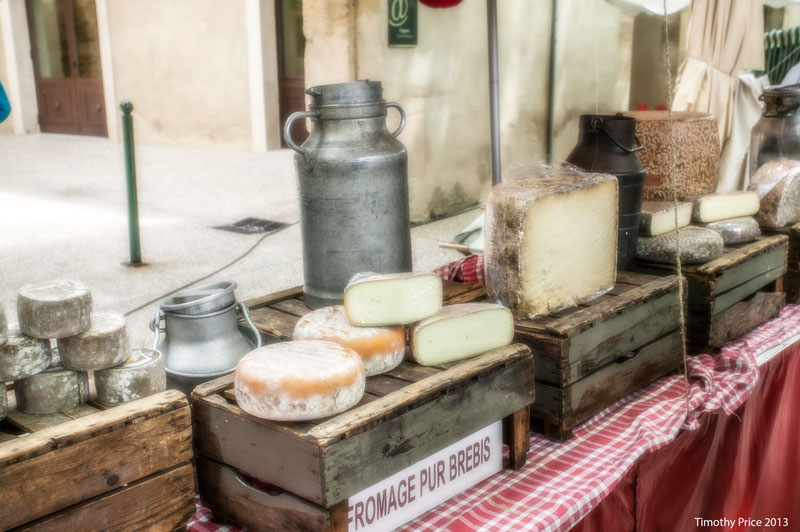
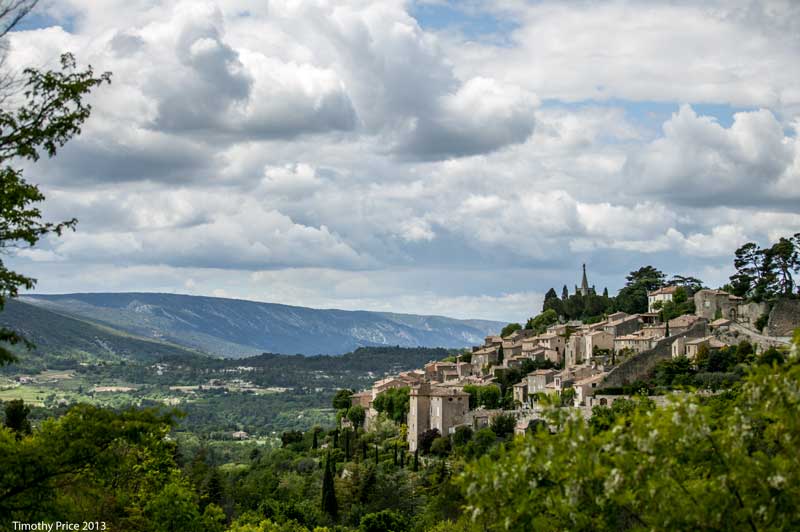
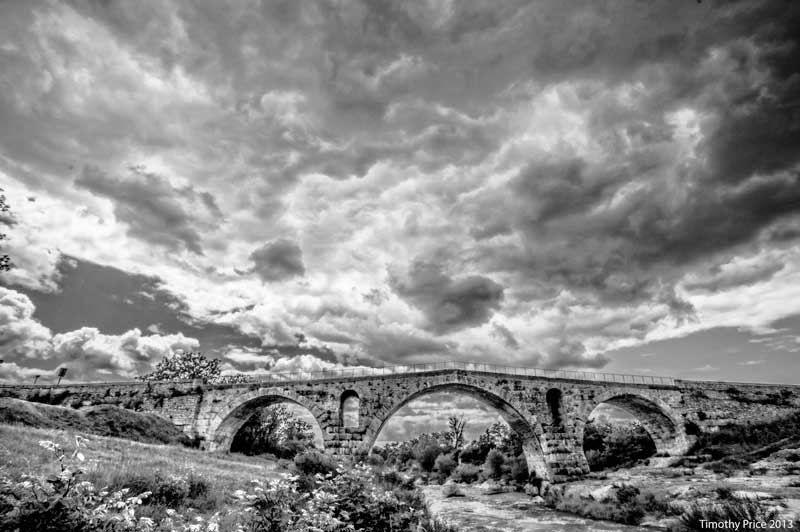
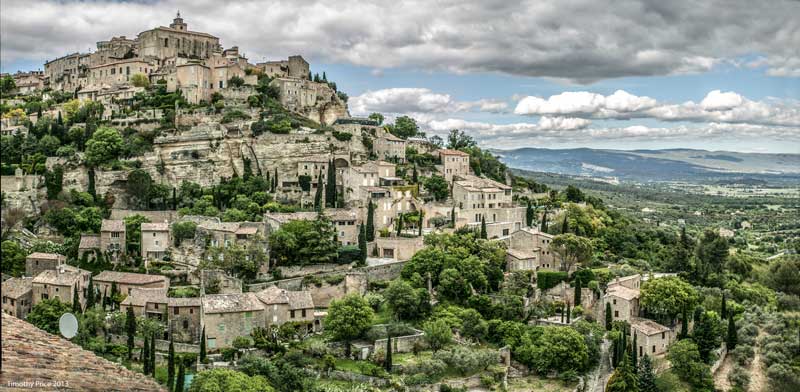
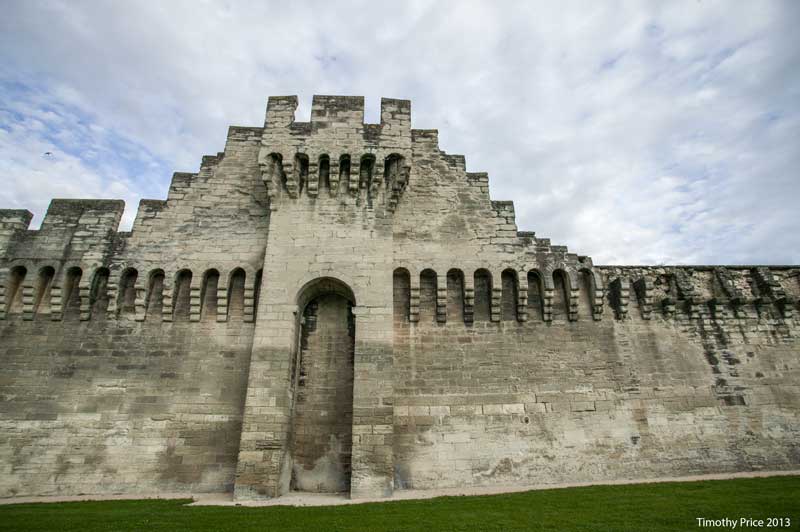
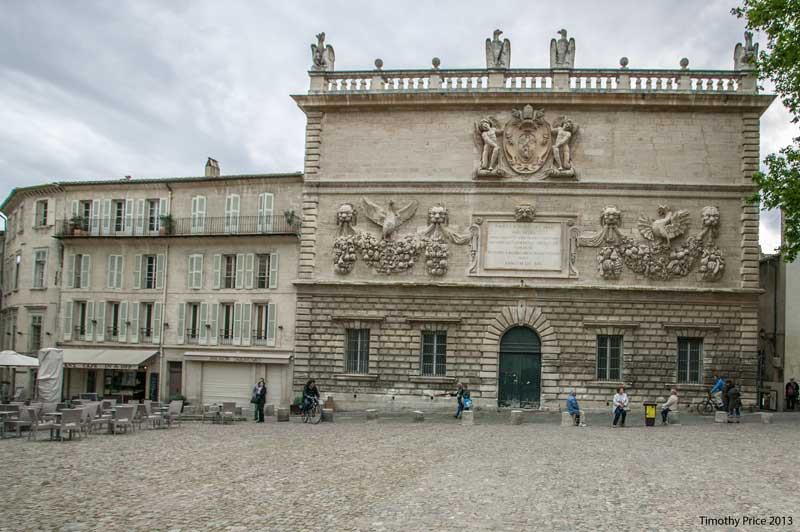
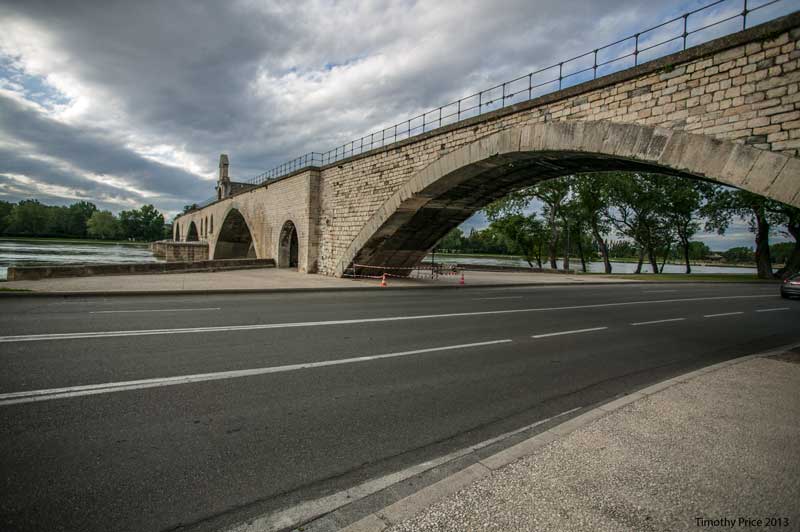
We took the long road to Avignon and visited the market at Lourmarin where we got cheese, meat and bread to eat along the way. The large, half round of cheese in the first photo is Cantal. We have a recipe that calls for cantal, but I couldn’t find it in Albuquerque. There is a castle in Lourmarin as well. Then we drove to Bonnieux, a picturesque 12th century village built on a hill. The photo with the church in the foreground shows Mont Ventoux in the background. We passed by an old bridge that was probably either Visigoth or Roman on our way to Roussillon. There is a similar bridge in northern Spain that is Visigoth. Roussillon is painted with the red and yellow pigments they make from the soil in the area. We ate lunch on a bench in an area protected from the wind and watched the light change on Mont Ventoux in the distance. You can tour the valley and the operation for making the pigments, but it was cold and windy so we didn’t do the tour. Gordes is an amazingly beautiful village built on and in the rocks on the side of a hill. After Gordes we visited Fontaine du Vaucluse, which is a headwater, but instead of a trickle of water from a melting snow pack that eventually turns into a river, Fontaine du Vaucluse produces volumes of water gushing from a spring. Parking was expensive, so we didn’t stop and get photos. After almost seven hours visiting , we made it to Avignon. Avignon is a large city, so it takes a bit of driving to get to the old city still surrounded by a wall. The Papal Palace is quite an imposing structure, a very well fortified building.







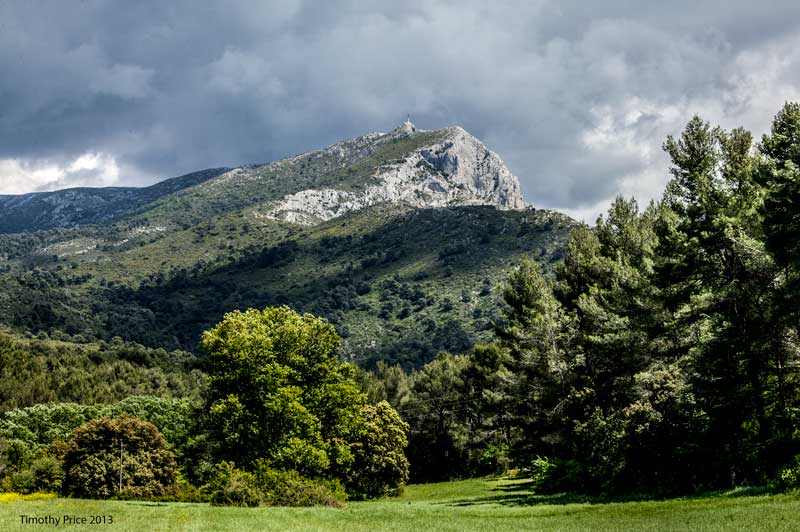
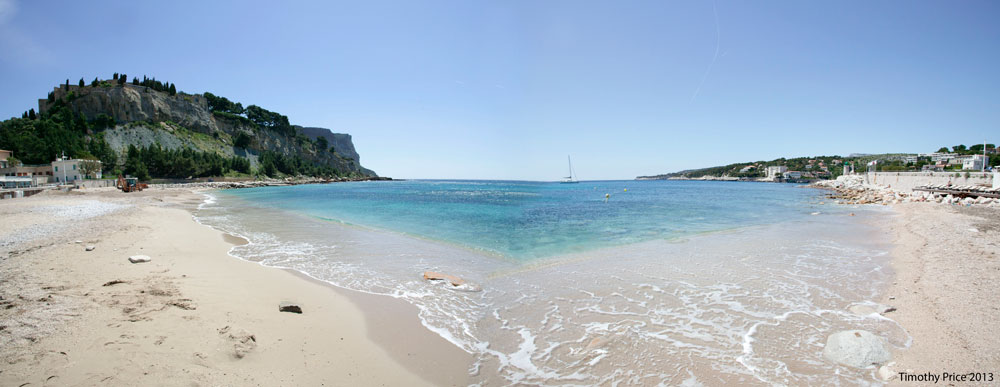
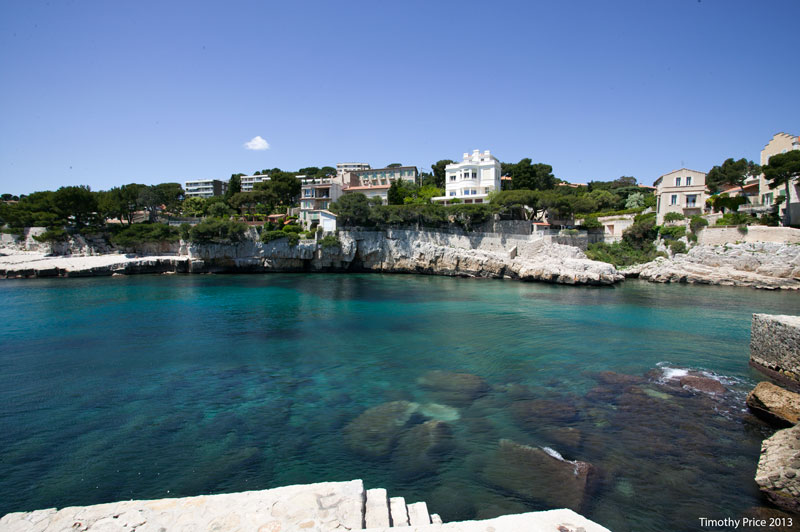
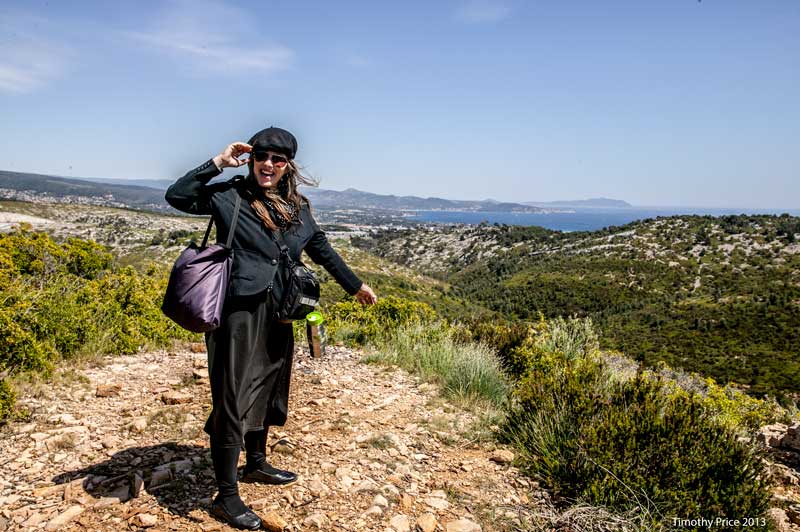
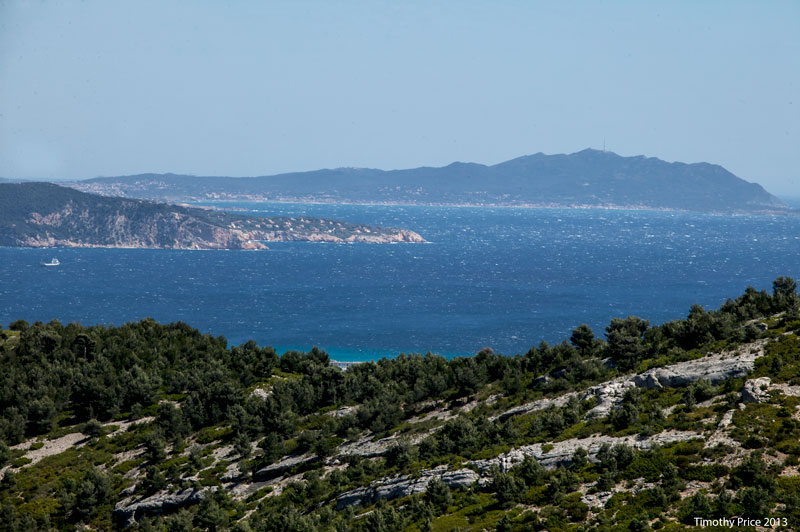
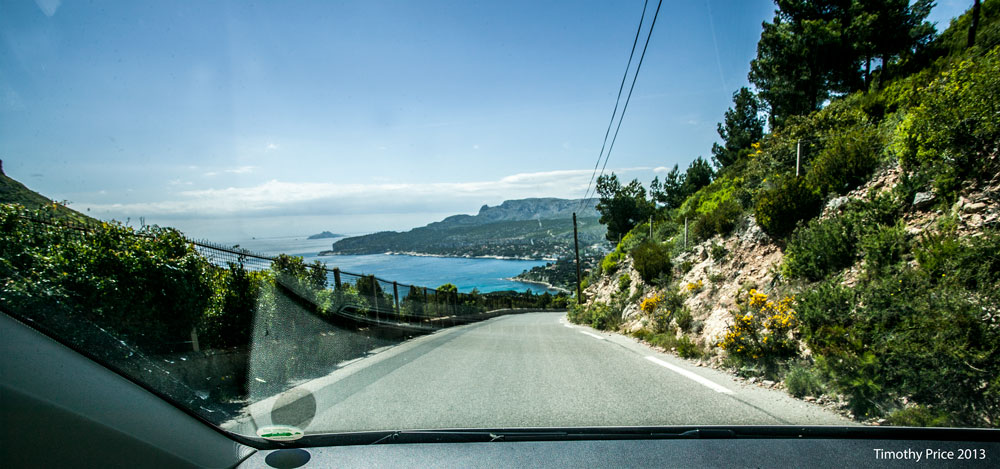
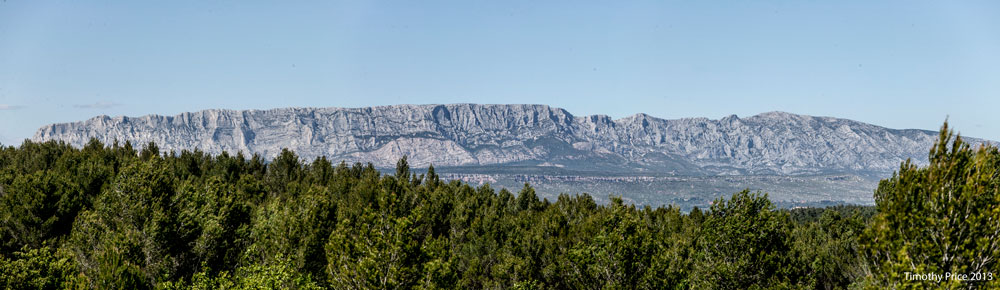
Cassis is a beautiful village tucked into a cove with a couple of small, but nice beaches. It’s like a dream village for those who would like to get up, have coffee looking out on the water, lay in the sun and wade in the clear, blue water. There is a scenic road the winds along the cliffs above the sea between Cassis and La Ciotat we were going to drive, but it was closed. The road up the mountain on the way was so steep that the VW Up! we are driving could barely get Up the road — truly “hors catégorie” on the grade of that road. The last photo is face of Mont Sainte Victoire. Cézanne painted the profile of the Sainte Victoire looking east.


 Off Center & Not Even