France Day 26 Paris vaut bien une messe

HenriIV

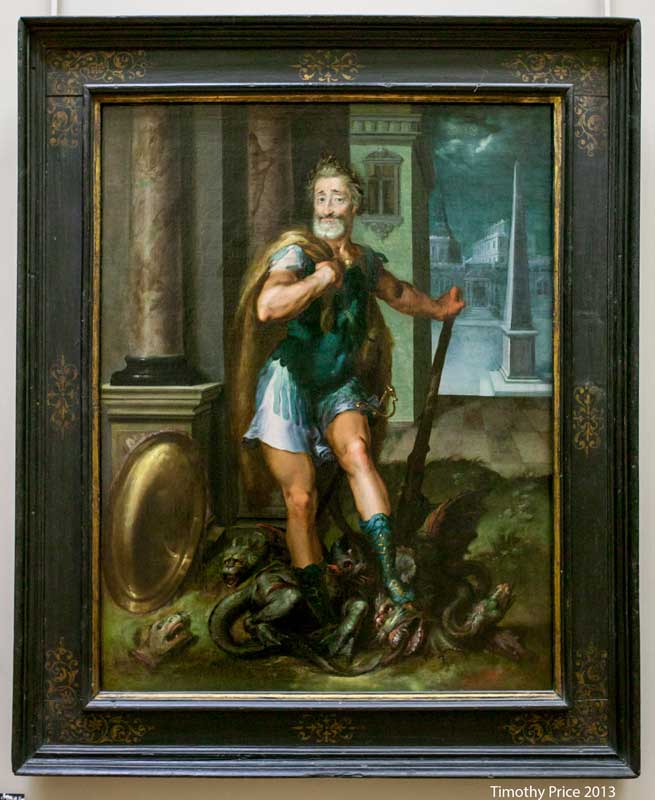
In chapter 33 of their book “1066 and All That” W.C. Sellar and R.J. Yeatman conclude their section on the St. Bartholomew Day Massacre with “After the massacre the French King, Henry of Navarre, turned Roman Catholic and made his memorable confession – ‘Paris is rather a Mess’…” Their humorous interpretation of “Paris vaut bien une messe” describes the time as well as the original saying. After Henry of Navarre took the throne to become King Henry IV he paid off his enemies instead of waging endless, costly wars against them; he also ended the “religious wars” that he had fought in when he issued the Edict of Nantes in 1598. With the help of the minister Maximilien de Béthune, Duke of Sully, they regularized the state finances, and then they set about cleaning up Paris and  restoring it as a great city. They also undertook public works and promoted education throughout France to improve the life of all people so there would be “a chicken in every pot”, which made Henry IV one of the most popular French kings ever. Although he was popular with the people, he had political and religious enemies. On the third attempt on his life, Henry IV was assassinated in 1610 by a Catholic fanatic, François Ravaillac, when Henry IV’s coach was stopped by traffic congestion in the Rue de la Ferronnerie. You can see that Henry IV was a man of good humor from the painting of him as Hercules vanquishing the Lernaean Hydra painted around 1600 by Toussaint Dubreuil. And I think he would have enjoyed “1066 and All That” as well.

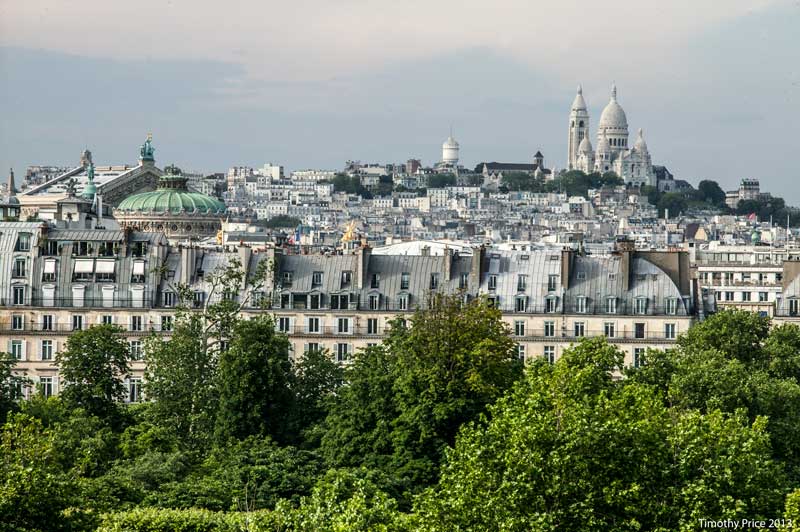
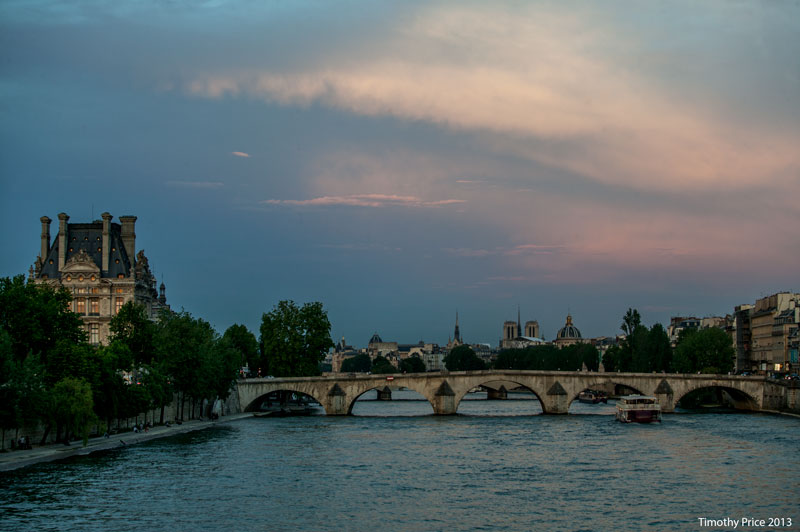
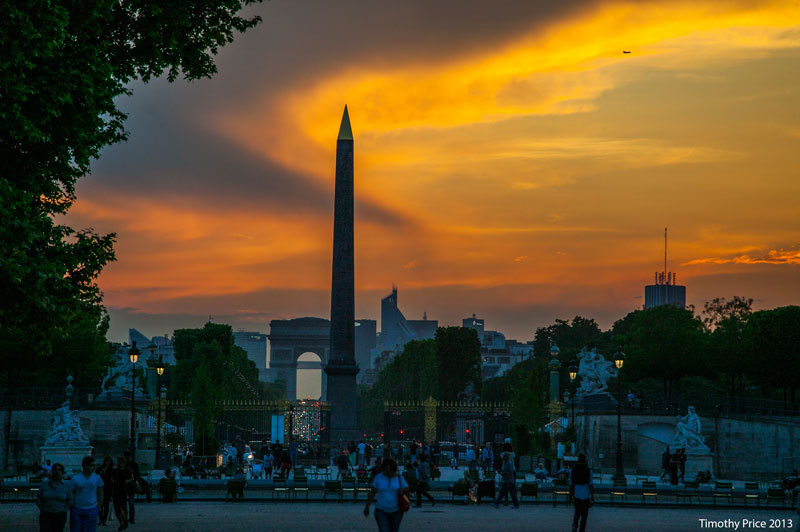
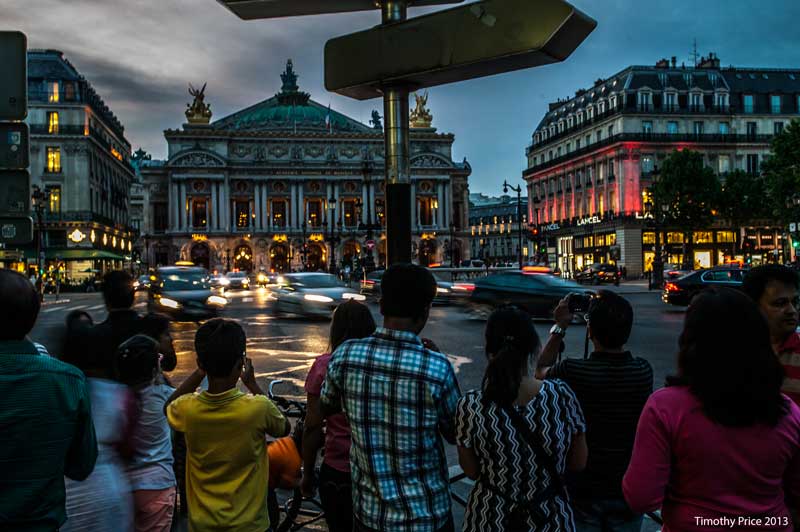
We were in the Louvre and Orsay multiple times yesterday and the photos show the changing light as we walked back and forth between the apartment, the Louvre and the Orsay from mid-morning until 10:30 pm when we got home for the night.

45CU6800

A18W9093

45CU6806

45CU6825

45CU6845

45CU6855

45CU6876

A18W9131

Brasilia

France Day 25 Of Men and Modernity

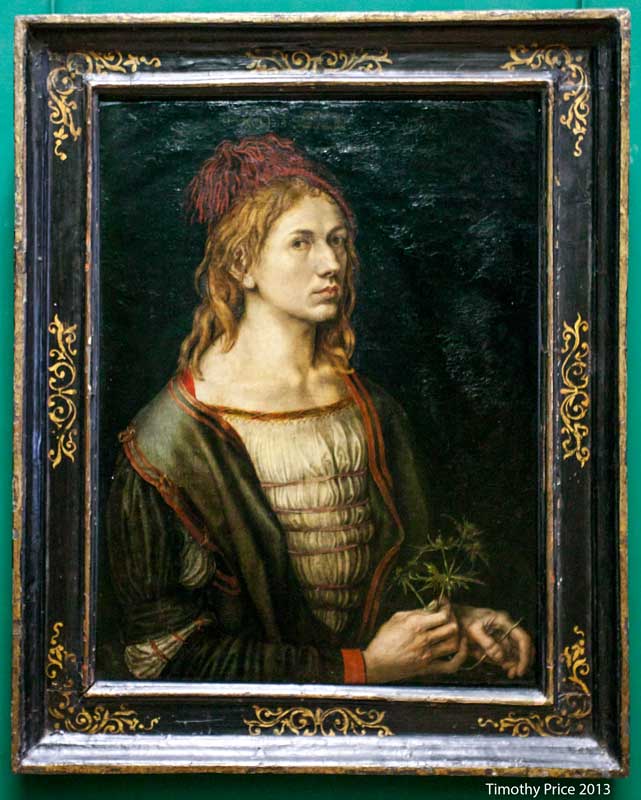
DurerSelfPortrait

While going through the 15th and 16th century paintings from the Netherlands and Germany in the Richelieu wing of the Louvre, I started looking at the many portraits of men and wondered if I could find a painting of a man similar to the Mona Lisa. The problem with most portraits of the period is that the subjects tend to be in a detached, documentary pose and are rarely looking at the viewer. I was about to give up on the idea, but then I came across a self portrait of Albrecht Dürer which struct me as Mona Lisa-like. It was Dürer’s first painted self portrait, done when he was 22 years old and most likely to be sent to his fiancée, Agnes Frey.  A marriage had been arranged for Dürer while he was living with his brother in Basel in 1493, and Dürer and Ms. Frey were married upon his return to Nuremberg in 1494. While Dürer’s self portrait predates Mona Lisa by about 10 years, he paints himself in a similar pose and light, and he engages the viewer with his direct eye contact and pleasant countenance. I may find other male Mona Lisa’s, but so far Dürer’s self portrait is the front runner.

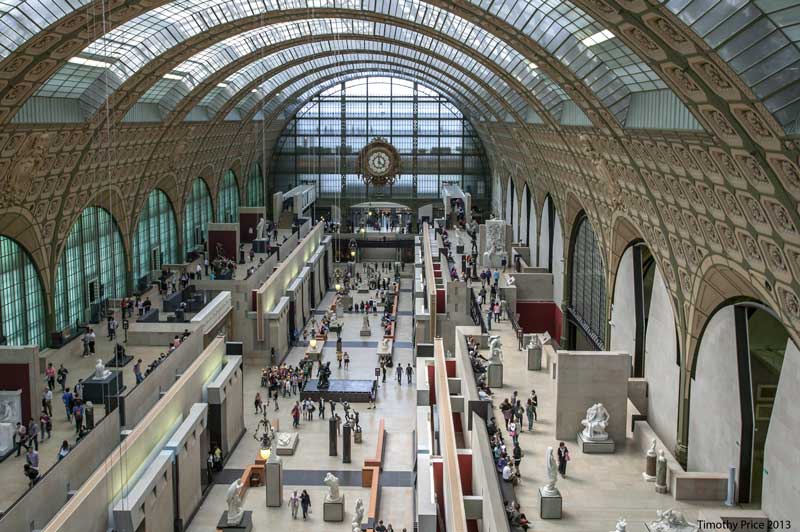
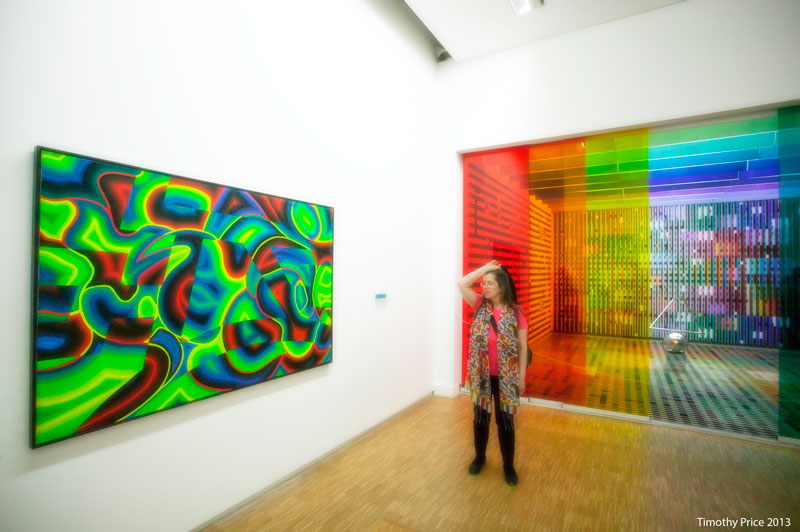
After the Louvre we went to the Musée l’Orsay, which is an old train station converted into a museum. Photographs are prohibited in the Orsay, but I managed to get a shot of the inside and the shot through the clock looking at the northern skyline of Paris. One commentator described train stations as being secular cathedrals to modernism with the clocks being their alters. In the evening we went to the Center Pompidou, and looked at the modern art. It’s interesting to go from the Louvre and Orsay’s formal, hands-off settings to the Pompidou’s modern, more interactive environment. You get a nice view of the Paris skyline from the Pompidou and the last photo with the Eiffel Tower in the distance is from the 4th level inside the Pompidou.

A18W9055

A18W9018

A18W9064

A18W9022

TheTalk

A18W9071

A18W9059

A18W9026

A18W9061

45CU6771

France Day 24 Marie Antoinette

A18W8952

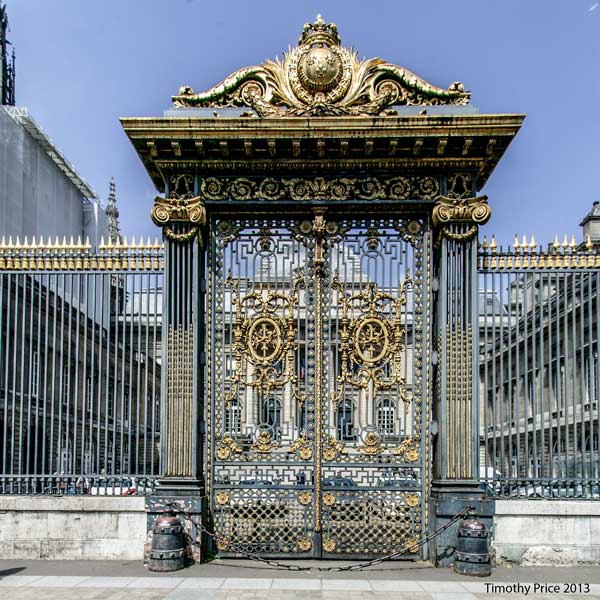
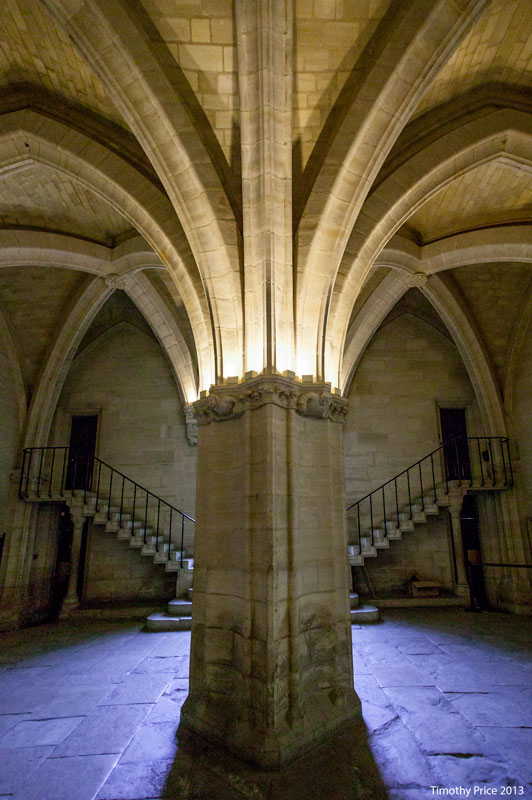
The Louvre and many other museums are closed on Tuesday, so we went to the Crypt under the plaza in front of Notre Dame. where they have Roman and medieval ruins and really nice interactive presentations on the history of Paris. Than we went to the Palace of Justice where the Sainte Chapelle and Ile de la Cité Conciergerie are. There are an impressive set of gates at the Palace of Justice.

Sainte Chapelle is a chapel that is stained glass on all sides. They really pushed the limits of gothic cathedral style construction with Sainte chapelle. From the outside it is buttressed with the stained glass set deep in between the buttresses so you don’t realize how much it is all stained glass until you get inside. You enter at the lower floor to a brightly painted vaulted room that supports the floor of the chapel. Then you climb a narrow spiral staircase and enter into the tall, narrow naive and a kaleidoscope of stained glass.

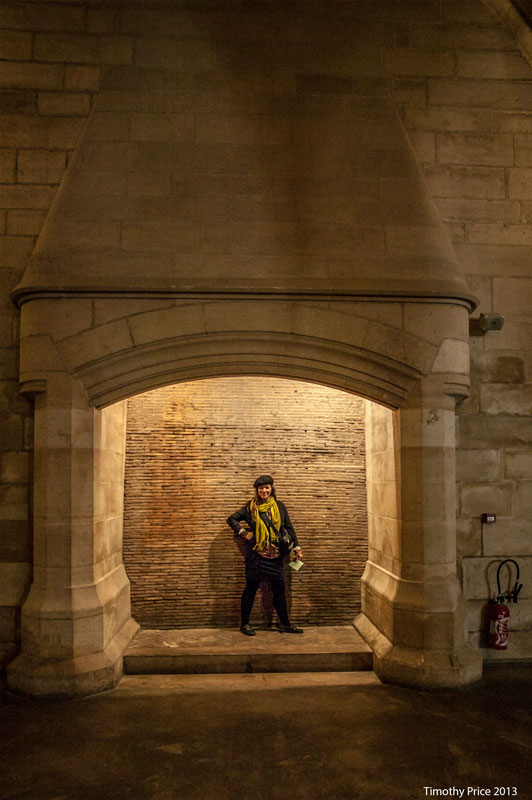
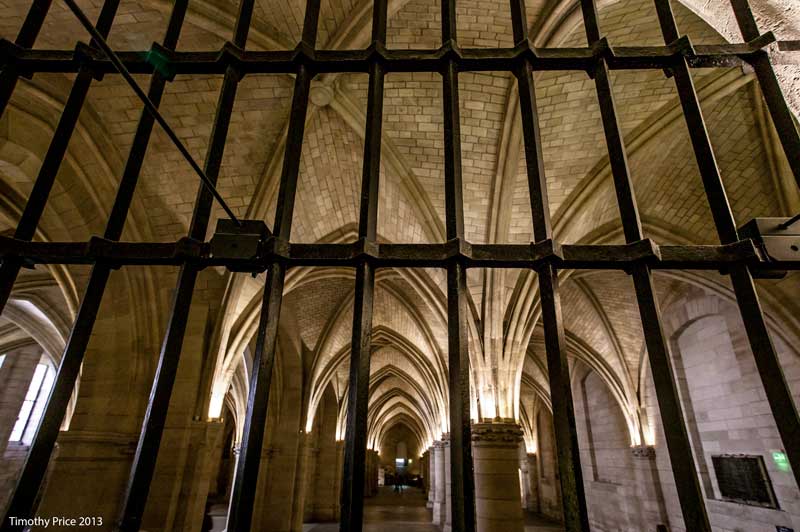
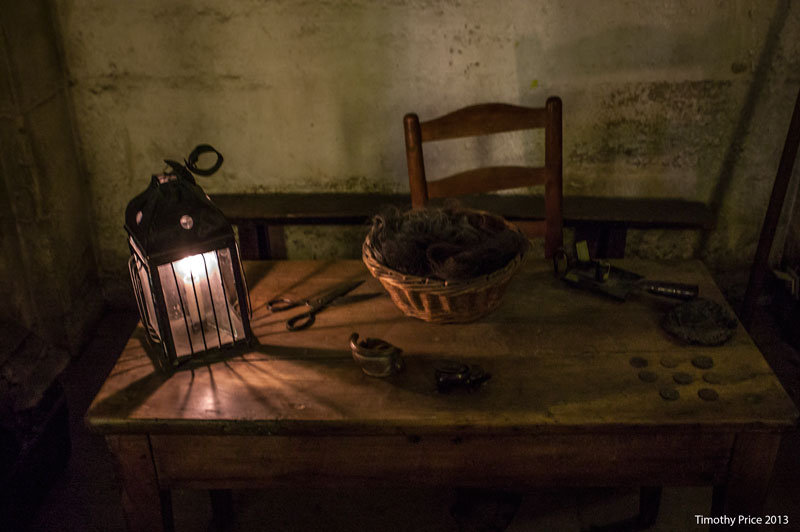
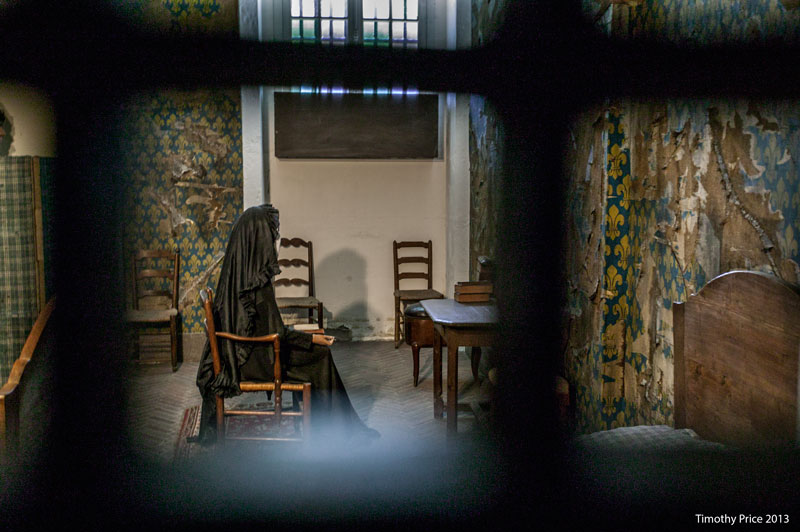
The Conciergerie was used as the main prison during the French Revolution and housed famous prisoners including Marie Antoinette. The literature said they would seat 2000 people in the large, vaulted hall, which has several large fireplaces in the middle ages. There were several little rooms set up to recreate the sense of the time, and room with the names of the 2600 guillotined, and a the room where Marie Antoinette was held until her trial and execution.

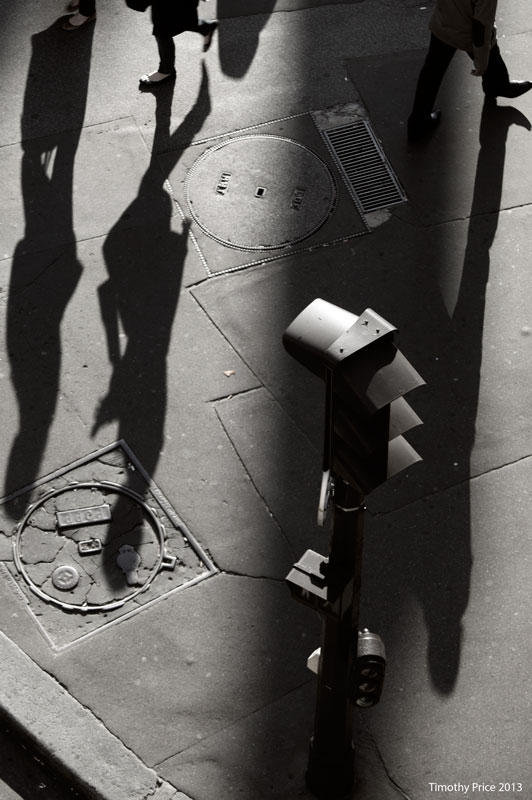
In the afternoon we sat out on the roof and watched people on the street.

A18W8854

PalaceOfJusticeGates

A18W8875

A18W8878

A18W8907

A18W8898

A18W8911

LaurieFireplace

A18W8925

A18W8929

A18W8957

A18W8948

Shadows

France Day 23 Hittin’ you with my best shot!

MonaLisa

We got into the Louvre when it opened, rushed to the Mona Lisa and there were only about 50 or so people crowded in front of her, making it easy to get up to the rope to get the closest view possible. The Mona Lisa is the perfect portrait of the perfect model in the perfect pose. She is like a self portrait of how everyone would like to see themselves, and the reflections in the multiple layers of glass protecting the Mona Lisa adds to the sense of the portrait as a reflection of our own portraits.

After three hours in the Louvre we had browsed the entire Italian and Spanish painters wing and then went through the exhibit on Egyptian art and culture. In the Spanish sections, there was a small exhibit of plates by Goya, where I got the photo of the woman looking out the window that almost matched Goya’s woman on a horse.

One thing really nice about our apartment being so close to the Louvre is that we go back to the apartment and fix lunch before we go out again. Laurie made crepes for lunch that were wonderful, and then we strolled through the Tuileries on our way to the Musée l’Orangerie where they have expressionist paintings by Cézanne, Renior, Monet, Picaso, Rousseau, etc. Along the way we saw goats mowing a moat, a teenage bird bigger than its mother still asking her to feed it, duckings napping, flowers starting to bloom, iris and a few roses.

WomanReflection

45CU6675

MamaTeenBird

Goats

Ducklings

CezanneRenoir

France Day 22 Virtuosity on Parade

A18W8804

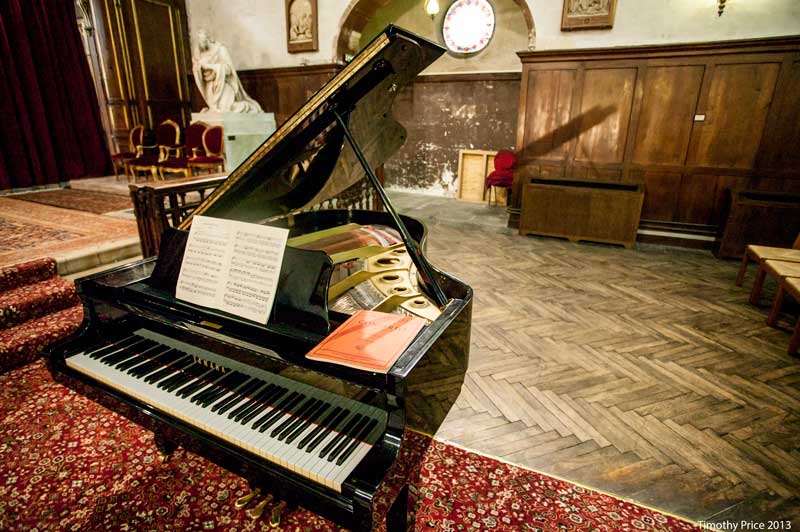
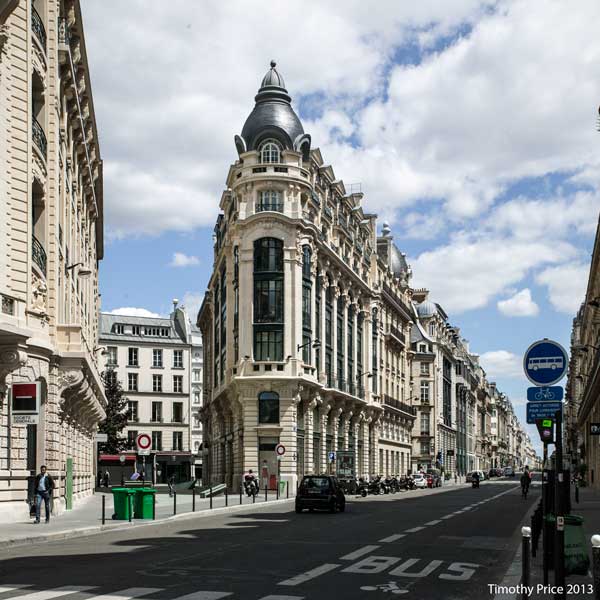
In the afternoon we walked to the Cathédrale Sainte Croix des Aemeniens about 3 km east of our apartment to attend three recitals. Along the way we saw a lot of interesting triangular buildings, some women on a building holding up a balcony, and we walked through a large flea market before we got to the church. The church was old and not in the best repair, but the acoustics were phenomenal. The first recital was Youn Soon Lee on piano. She played Beethoven so well her playing was like listening to an orchestra. The pieces she played were light and showy with lots of flashy runs and arpeggios that she would build up, pull down, build up, pull down and build up again until she brought the pieces to their explosive climaxes. Ms Lee’s performance was magnificent.

After the first recital we walked down to a restaurant/bar and got coffee before the next recital. The area we were in had a lot of art studios and private art galleries, the bars were filled with people, and the streets bustled with people walking, riding bikes and navigating cars through the crowds making their way to and from the flea market.

I didn’t think we could hear much better than Ms. Lee’s performance, but Miran Dévétak’s interpretation of List and Fauré was nothing short of phenomenal. List was heavy, complex and melodic, punctuated with fits of quick runs and dynamic, loud sets of chords. Fauré was a little lighter with a modern (1900sh) rhythm, and very quick, complex fingerings that Mr. Dévétak executed flawlessly.

The third recital was a violin/piano duet by Eun Bi Gang on violin and Jean Dube on piano. They were also fantastic performers. Ms Gang started by doing a solo of Martinon Sonatine No 5 op 32. The piece had some amazing secondary rhythms that she played under the melody, which was really remarkable. Mr. Dube accompanied her on the piano on Bach’s Sonate 2 Andante, Mozart Concerto No 5 1st Movement and Tchaikovsky’s Concerto op 35 1st movement.

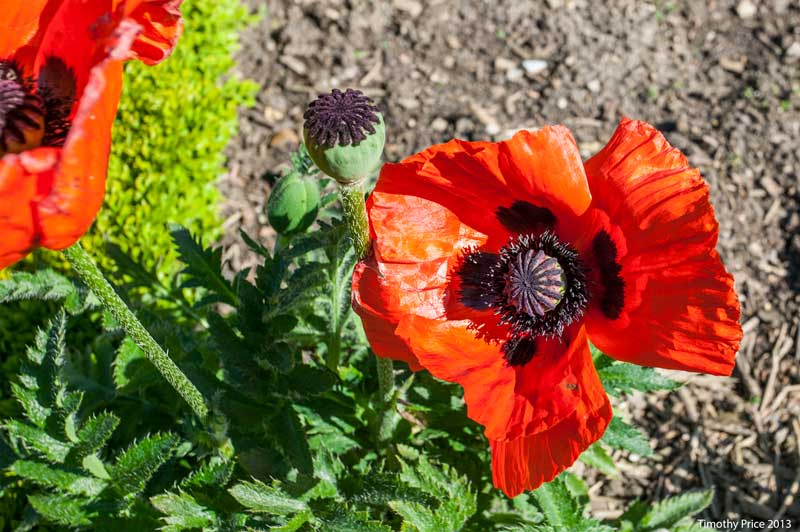
On our way to Notre Dame in the morning, we came across a bird market that had cages and cages of small parrots, parakeets and finches. While I was photographing flowers (the poppies were huge) and roses in the garden behind Notre Dame, I came across an early bird getting worms.

A18W8783

TriangleBuilding

A18W8810

WomenHoldingTerrace

Paraketes

Poppy

EarlyBird

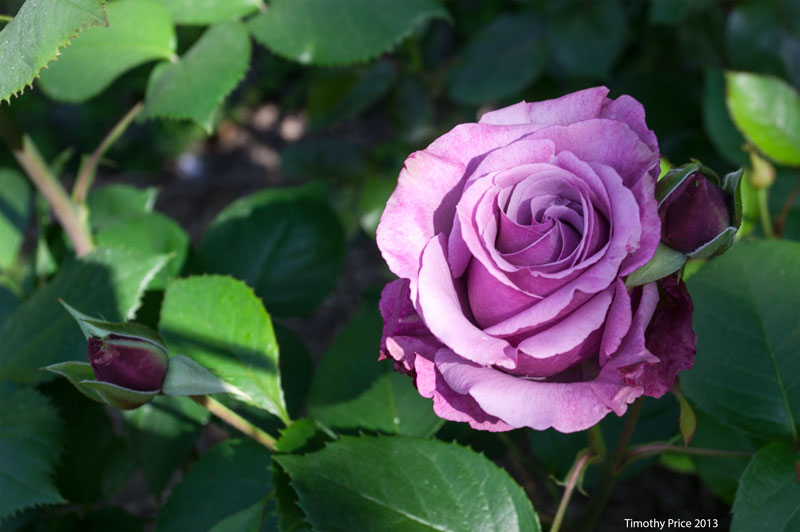
PurpleRose

France Day 21 Where’s Henco?

WheresHenco

We went to an organ recital at Notre Dame by Henco De Berg last night. Notre Dame’s organ is the most famous pipe organ in the world, according to the handout. Mr. De Berg played pieces by Charles -Marie Widor (1844-1937), François Couperin (1668-1733), Olivier Messiaen (1908-1992) and then he played an improvisation on 2 gregorian themes. Several people in the audience couldn’t take the heavy, modern pieces and improvisation, but I found them interesting a quite fun to listen to. There were a lot of sustained, very low and dissonant chords, but when I closed my eyes, I could hear the other notes played under the sustained cords and there was a slight stereo effect as the higher notes swept back and from one side of the pipes to the other. Since the organ sits about 30 feet about the floor, the organist is quite anonymous. Even when he stood to acknowledge the applause, you could hardly see him in the low light against the background of the organ.
Before we went into the recital,  I got a photo of one of the roses blooming behind Notre Dame.

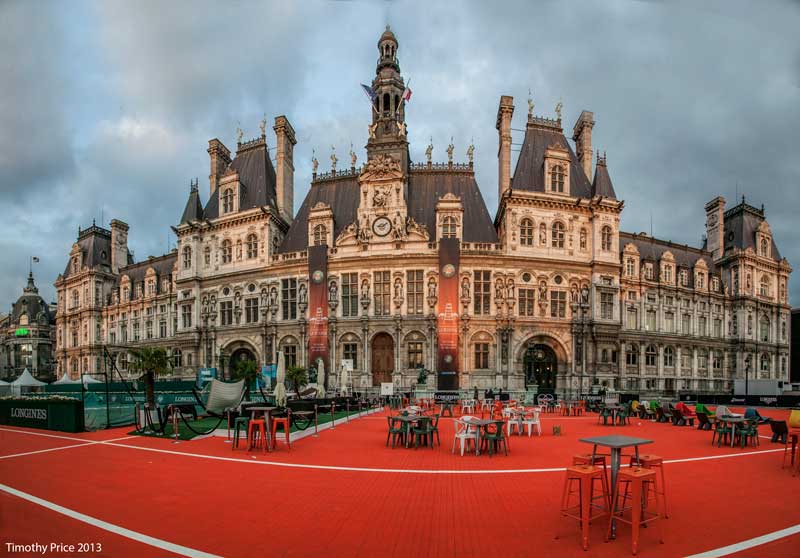
On our way back to the apartment,the sun was low and very orange over the Seine, and it cast a soft orange light on the town hall that complemented the orange turf they had in front of the building. The bicycles in the fifth photo are all over Paris in what they call “Stations Velib'”. The city is promoting use of these bikes to help reduce pollution. There is a central pay station that allows you to get a bike. The first 1/2 hour is free, then it costs 1 Euro per 1/2 hour with a max of 4 Euros for 4 hours or more. There are 24 Stations Velib’ in our arrondissement.

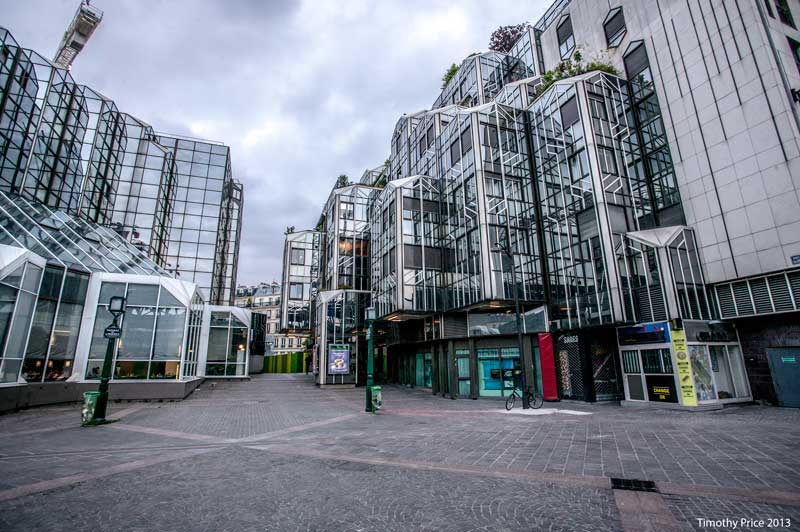
Laurie wanted to take a different route home, so we walked up to the Pompidou center and headed west towards Opera. We walked by some modern buildings and a site where a giant shopping center is under construction. There were a lot of young people getting ready to party, others were just hanging around, while others were skateboarding at a fountain. Among the many activities along the way police argued with a group of young men, people who looked down and out walked around collecting stuff off the street, other groups of people off in doorways argued and yelled at each other — activities that made it seem like it wasn’t the safest area to be in at 10:00 pm — so we dropped down to a main street that took us back by the Louvre and connected with Opera.

We got out first thing this morning and walked back to Notre Dame to attend the 8:30 service. On the way back the apartment we popped into a couple of churches and listened to the music for a few minutes. We dropped into Eglise Saint Germain l’Auxerrois during the offertory, and the organist played a fantastic piece that sounded heavenly. Then we stopped in L’Oratoire du Louvre, which turned out to be a Protestant church that goes back to 1611. They were finishing a baptism and then a guy sang a solo accompanied by the organ.

RoseNotreDame

A18W8719

CityHall

A18W8708

A18W8736

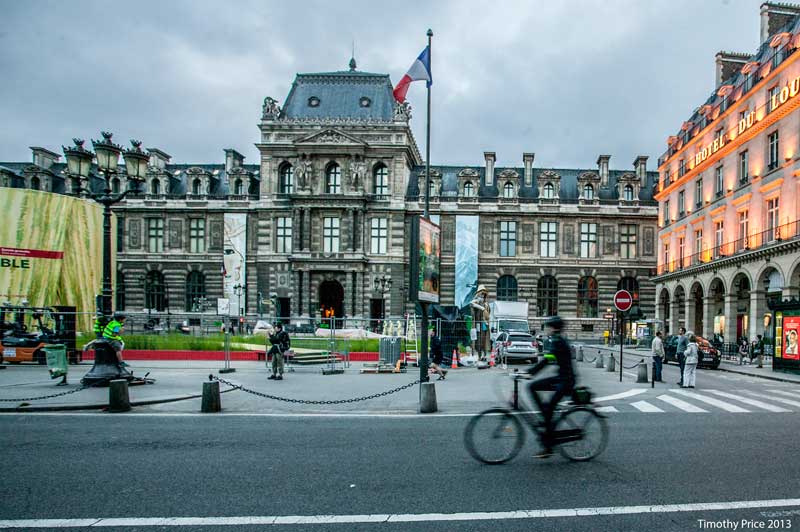
LouvreHotel

France Day 20 The Louvre

A18W8608

If you want to see a nice, close-up view of the Mona Lisa, look her up on-line or in an art book, because you can’t get a good look at her at the Louvre.

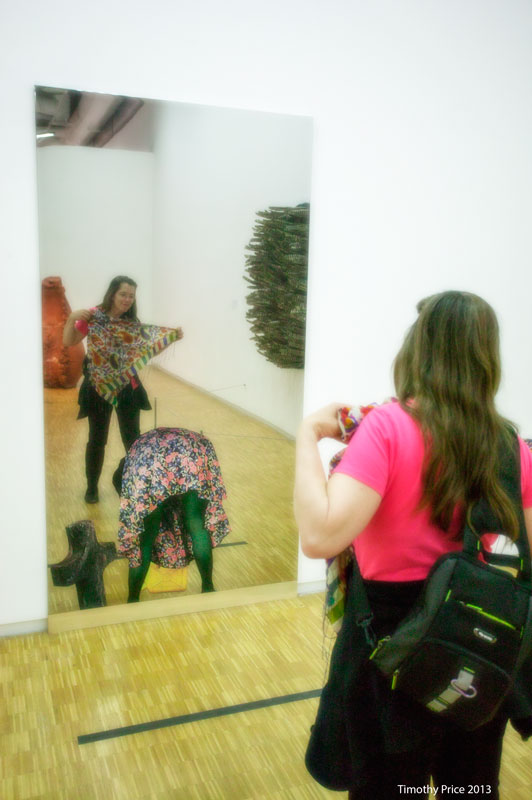
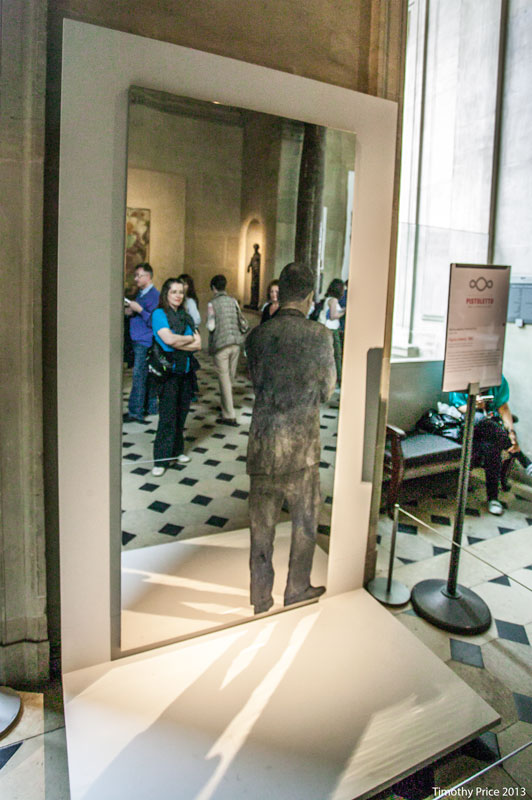
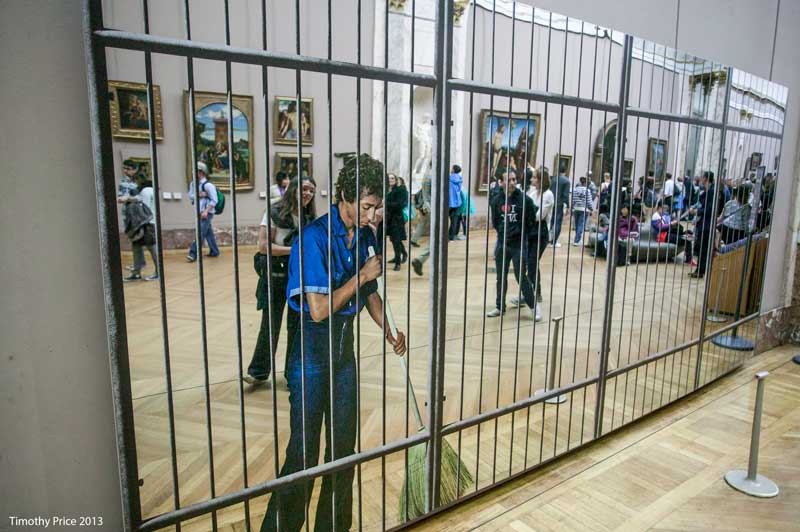
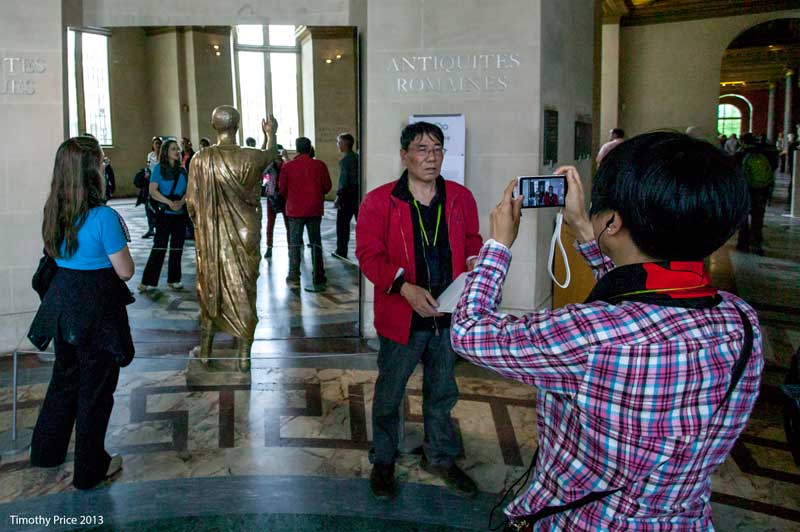
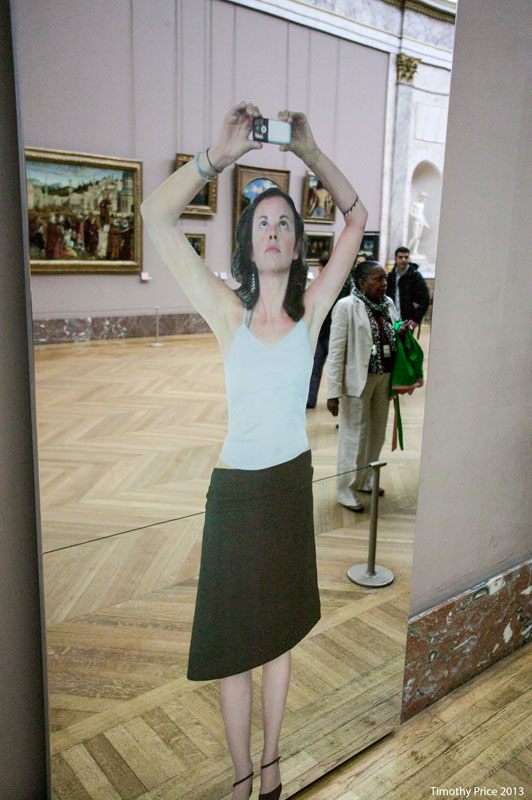
The Louvre has a current exhibit of a large-scale series of installations, encounters, theater performances and public activities by Italian artist Michelangelo Pistoletto (1933, Biella). The exhibit is titled Year 1: Earthly Paradise, and it marks “the transition into the new era of human, social, and cultural metamorphosis that was celebrated all over the world… The exhibition embodies three different time frames: the past, in the context of a retrospective; the present seen in the mirror works reflecting the visitors; and the future in a great obelisk topped with a triple loop, a symbol of this ongoing revolution. Thus the sign of the “third paradise” adorns the pyramid… Spirituality, figuration, the breaking down of boundaries between the arts, social solidarity, and the merging of life and art: these are the themes permeating the thinking of Michelangelo Pistoletto…”

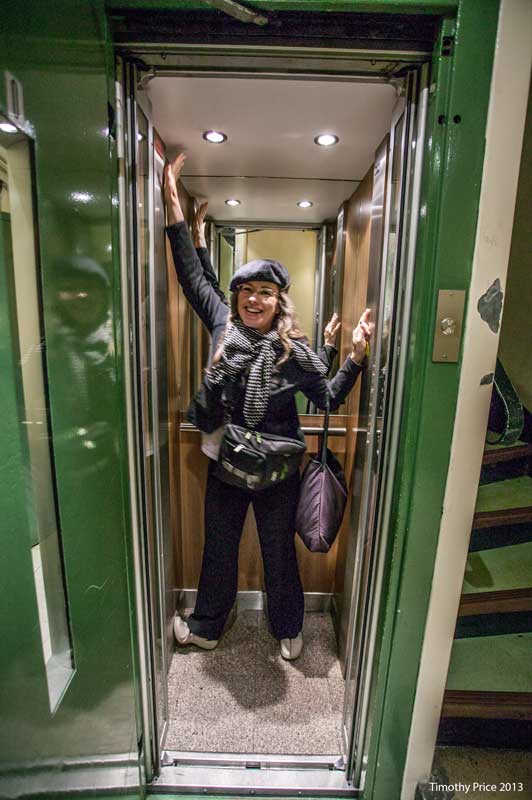
Every other photo in this set of photos is a photo of a Pistoletto installation. Most of these are from the mirror installations, but there were video installations where we were live in the video along with all the recorded video. One installation was neon in different languages in the medieval part of the Louvre and the last installation we saw was a room of mirrors. I also included a shot of Laurie in the tiny elevator in our building as it fit well with Pistoletto’s idea of past and present.

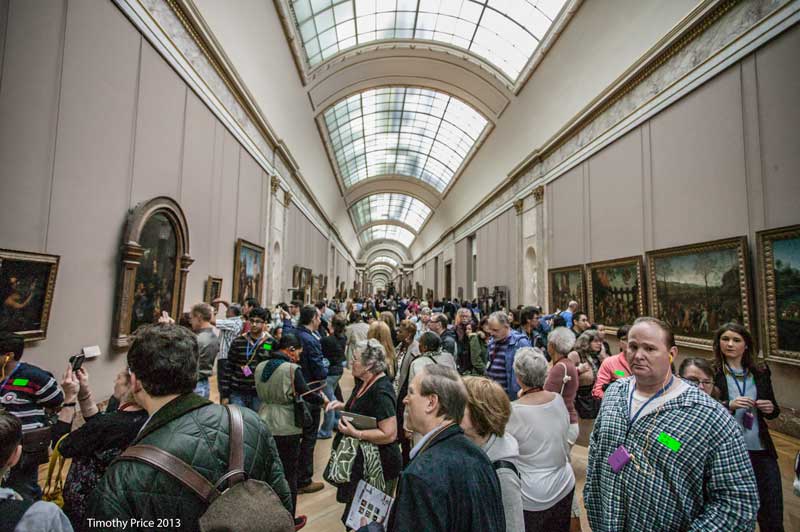
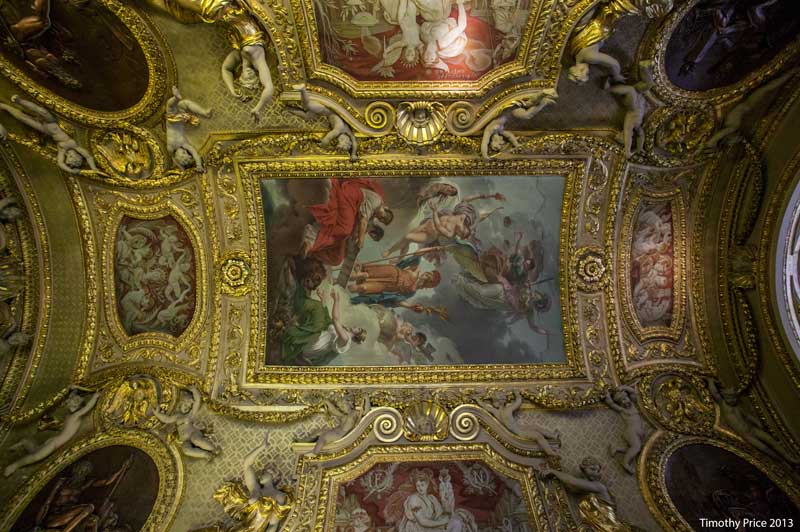
If you haven’t figured out that the Louvre is crowded, it is. It’s very difficult to get a photo of a painting without visitors in it, except for occasional breaks in the crowd and photographing ceilings. So I just view the crowd as part of the art experience.

We went to Handel’s opera Guilio Caesare last night. The orchestra used instruments from the period, which blended particularly well with the voices; the sets were monumental; the performers were fantastic. We were in a box seat slightly to the right of center stage on the first mezzanine level with 5 other people. The theater was packed. We arrived 40 minutes early, which allowed me to get some photos of the interior of the theater with my iPhone (last photo).
A18W8576

A18W8598

A18W8656

A18W8664

Pistoletto

Modanna

A18W8599

A18W8661

Pistoletto1

A18W8668

PhotoOfPhoto

Painting

A18W8623

A18W8638

A18W8625

A18W8631

A18W8601

Police

A18W8629

OperaHouse

France Day 12 Cassis

A18W7316

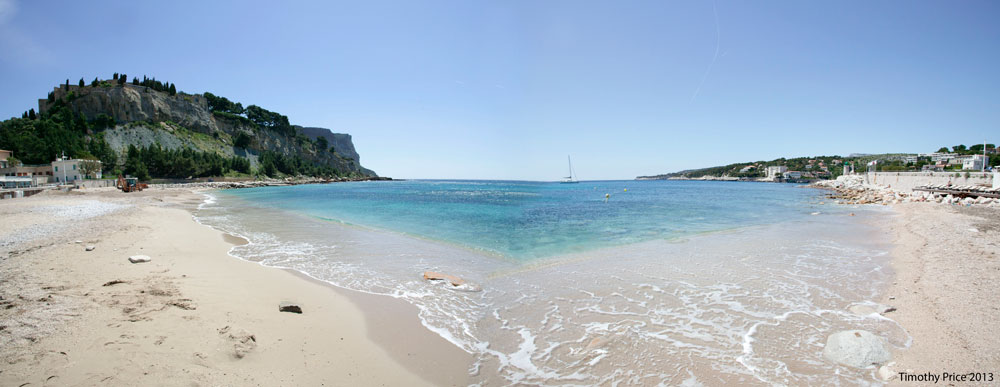
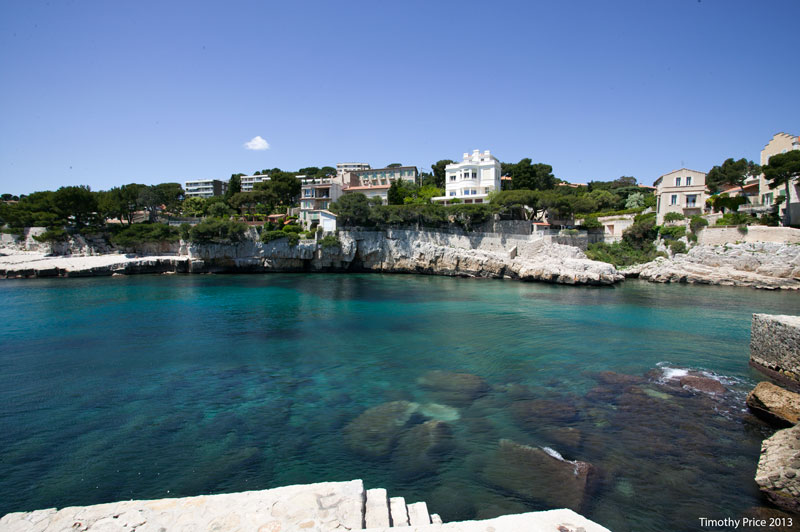
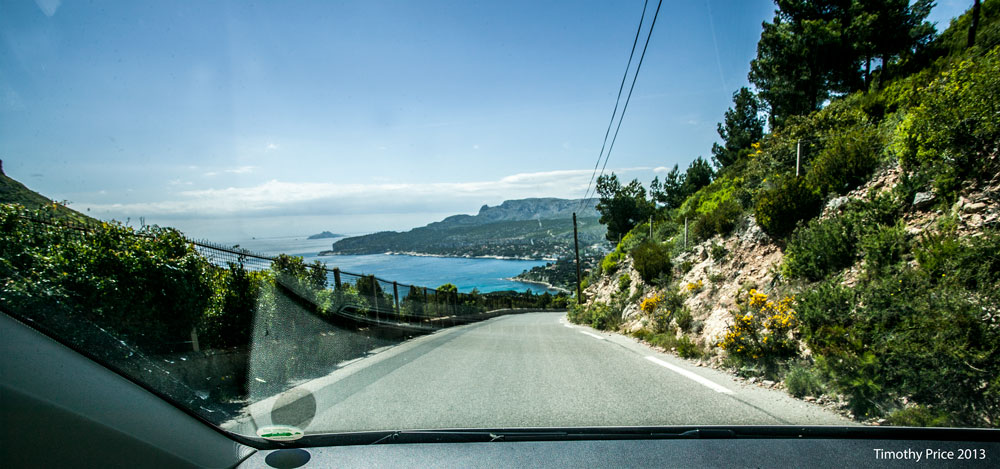
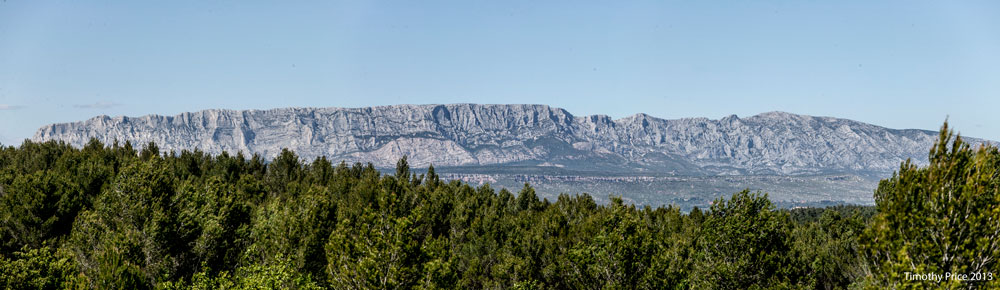
Cassis is a beautiful village tucked into a cove with a couple of small, but nice beaches. It’s like a dream village for those who would like to get up, have coffee looking out on the water, lay in the sun and wade in the clear, blue water. There is a scenic road the winds along the cliffs above the sea between Cassis and La Ciotat we were going to drive, but it was closed. The road up the mountain on the way was so steep that the VW Up! we are driving could barely get Up the road — truly “hors catégorie” on the grade of that road. The last photo is face of Mont Sainte Victoire. Cézanne painted the profile of the Sainte Victoire looking east.

CassisBeach

A18W7342

LittleBoat

45CU5887

A18W7395

45CU5868

SteepHill

AixMountains

France Day 11 Arles Roaming Where The Romans Roamed

45CU5590


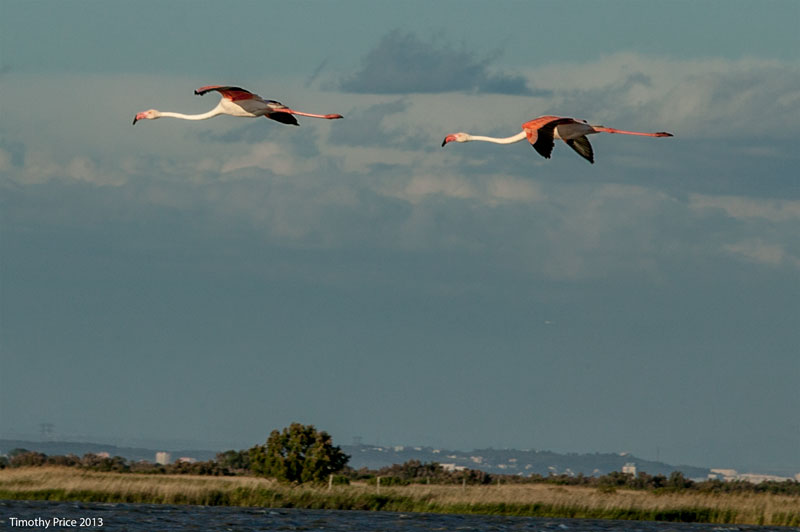
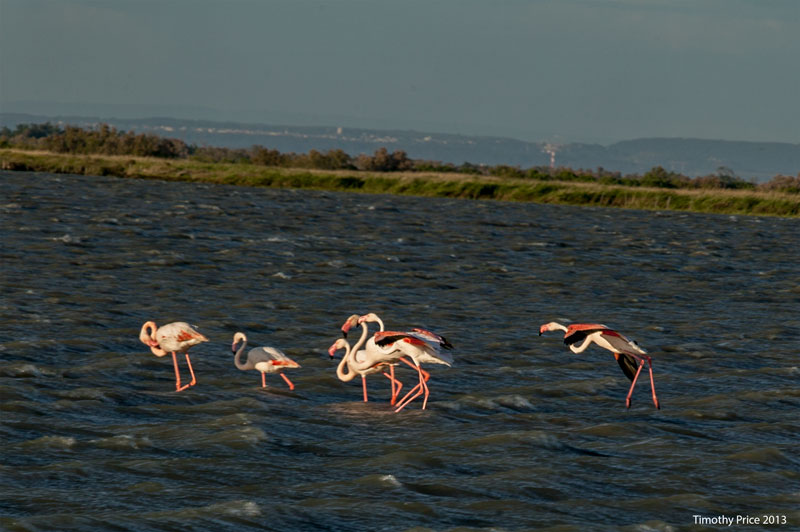
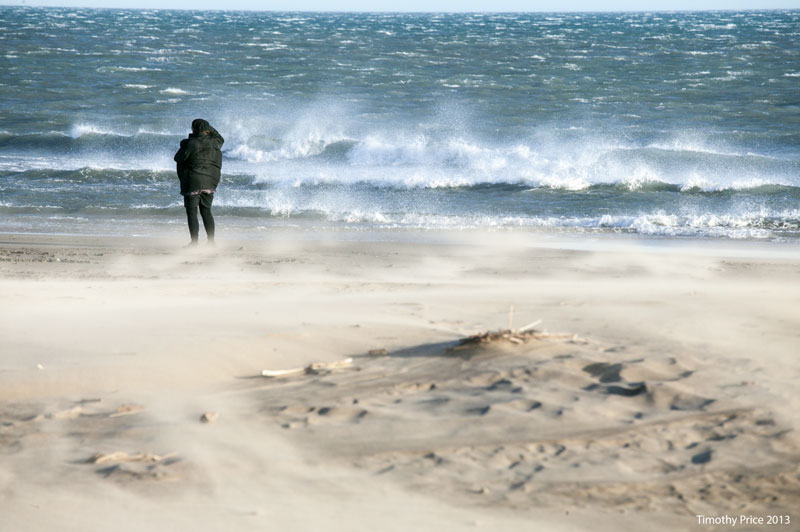
We went to Arles yesterday where there is a lot of really well preserved Roman ruins, Arles has a lot of interesting old architecture as does all the old cities in Provence. After Arles, we drove down the Rhone peninsula to a little strip of beach. The area is a large nature preserve with flamingos. The wind blew hard all day and is was really strong on the peninsula — it was so strong that I was having trouble getting clear photos of the flamingos.


A18W7085


A18W7127


A18W7164


45CU5601


A18W7173


A18W7221


Flamingos


FlamingoFlight


FlamingoLanding


FlamingoFlight1


45CU5725

France Day 9 Marseille & Bach

45CU5036

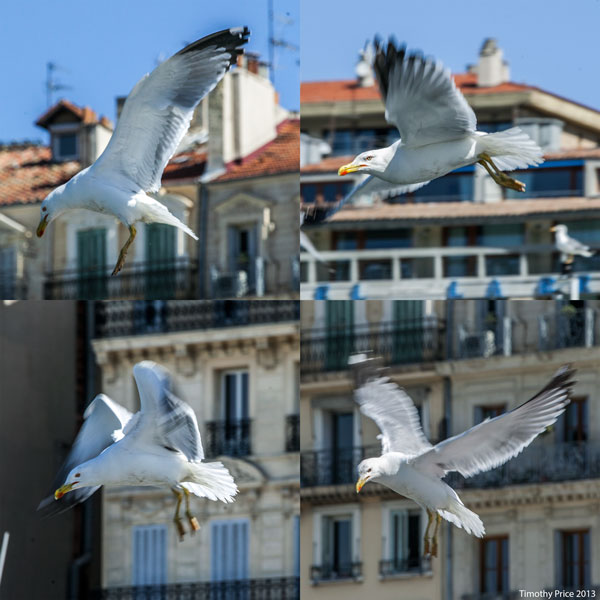
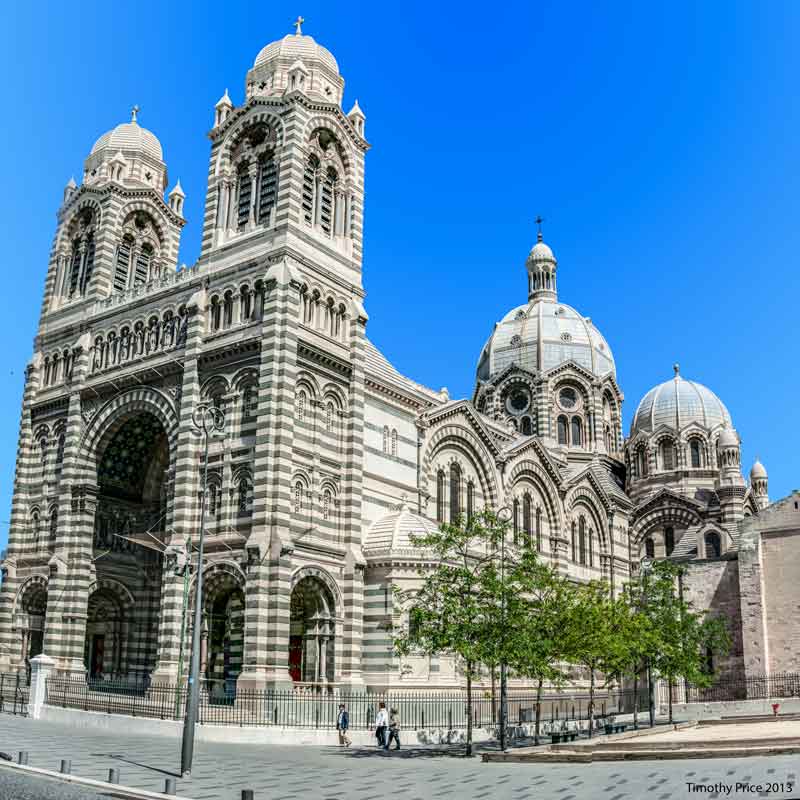
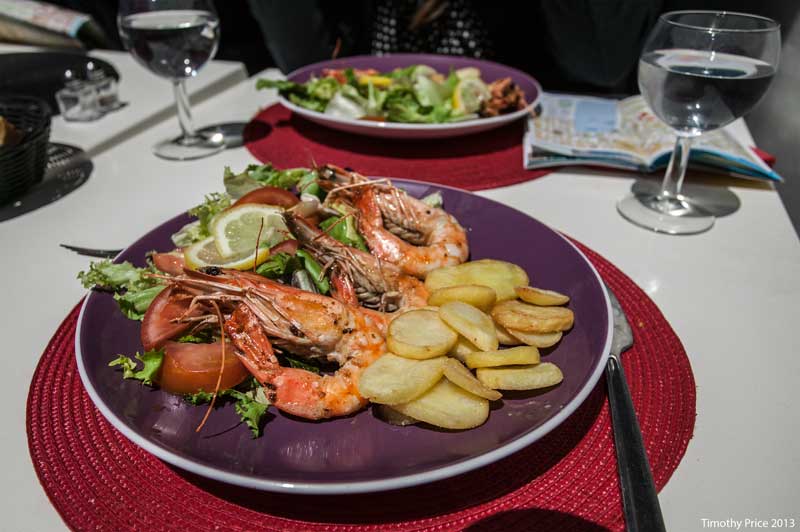
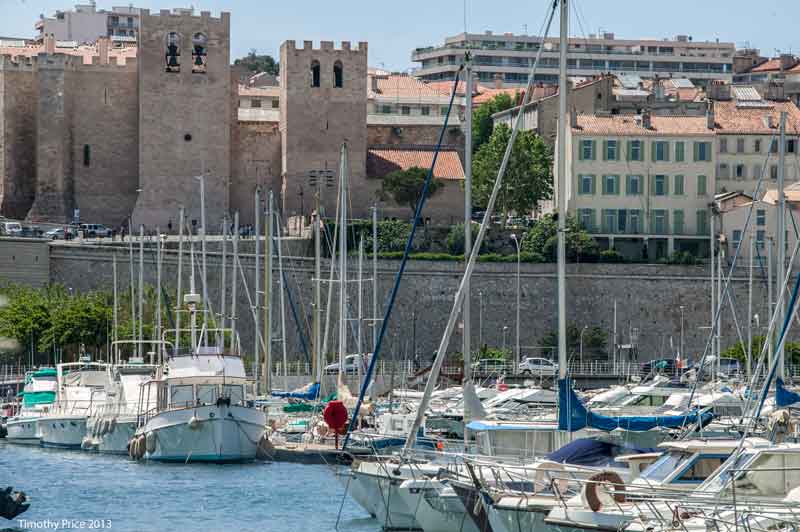
We went to Marseille today. Marseille is beautiful, bustling port city that has lots of energy and lots of people from all over the world in the streets. Since Marseille was founded by the Greeks over 2000 years ago, a the locals think of Marseilles as the true capital of France. There is a lot of old architecture, and a couple of churches built in neo-Bizintine style with the alternating color of the stones and mix of Eastern and Western architectural styles. We have shrimp for lunch, which was great.

We got back from Marseille just a little late for Lundi de Pentecôte, a concert of Bach’s BWV 173 Erhöhtes Fleisch und Blut et 184 Erwünschtes Freudenlicht at the St. Jean de Malte Cathedral. Bach wrote the music for Pentecost, and fortunately the priest was still explaining the music when we walked in, and there were a few open seats, so we didn’t miss a note. The performance was fantastic, and sound in the 13th century cathedral was outstanding. The musicians played baroque  instruments and the vocalists were phenomenal. They also had a couple of modern pieces which were performed by three people playing the pipe organ simultaneously. The pieces were Le jar din suspendu by Jehan Alain (1911-1940) and Le vent de l’Esprit: sortie se la messe de la Pentecôte by Olivier Messiaen (1908-1992). The modern was not the type of organ music I would seek out, but it was well performed and interesting. The orchestra and vocalists got a standing ovation, and we brought them back for an encore.
45CU4991

MarseilleBoat

Seagulls

CathedralBizintine

MarseilleLunch

45CU5167

NotreDameDeLaGarde


45CU5290