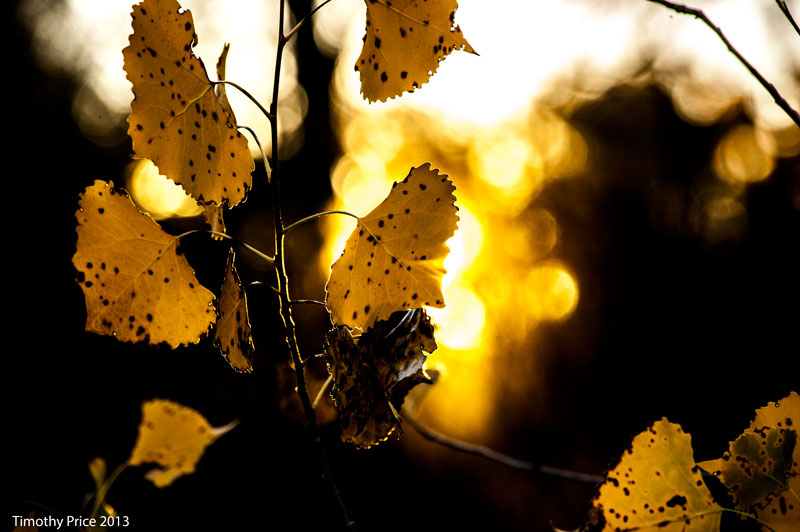
I made sure I went out to the river and got the sunset on Sunday. Now that we are back on standard time, it will be dark before I leave the office during the week.
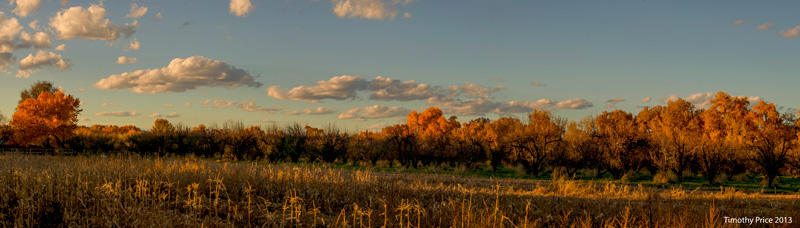


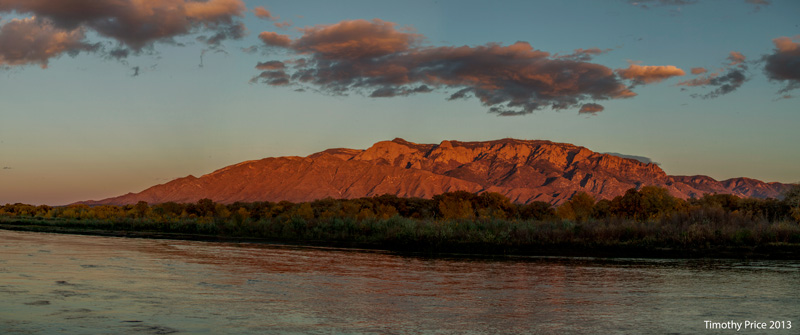
I made sure I went out to the river and got the sunset on Sunday. Now that we are back on standard time, it will be dark before I leave the office during the week.

I got a 4X5 view camera and lens on ebay, and I had ordered an adapter that was supposed to allow me to use my Canon bodies on the 4X5, moving the adapter around to six different positions to cover most of the view area on the 4X5. Then I would have stitched the six images together to make the final photo. The adapter didn’t fit right so it couldn’t move through any of the positions, which was useless, so I returned the adapter. I was going to return the 4X5, but then I thought, “what the heck” and decided to keep it and do some film again (I used a 4X5 view camera exclusively when I was a photo student in the early 1980’s).
I mixed up chemicals this morning, and using a daylight changing bag, I loaded negatives I had taken a couple of weeks ago into a daylight processing tank. I processed my first test negatives in the kitchen sink this afternoon, and hung them over the sink to dry. It was fun and nostalgic being a photo-chemist again — measuring and mixing the developer, fixer and hypo-clearing agent, getting the developer to the right temperature, agitating the tank at minute intervals while the developer did its magic, followed by the stop bath, fixer, hypo-clearing agent and final rinse. All the time there was much anticipation with some anxiety about the results, as it was the first time I had processed 4X5 sheet film in almost 30 years.
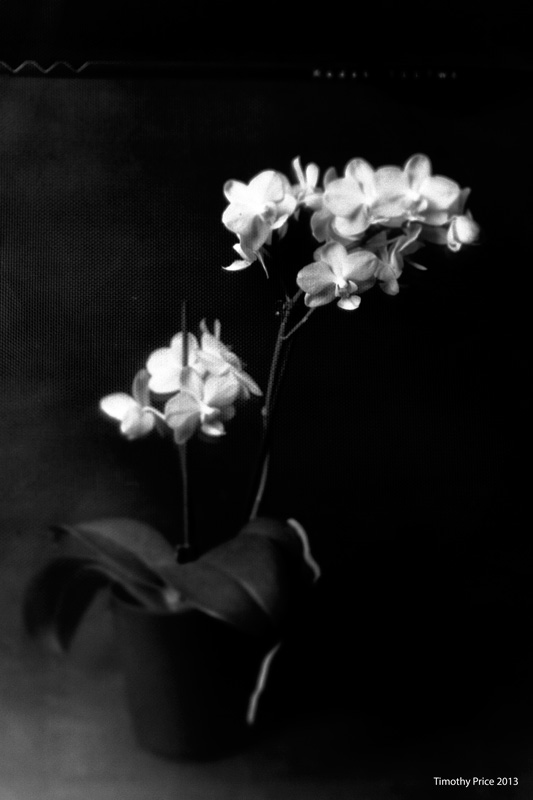
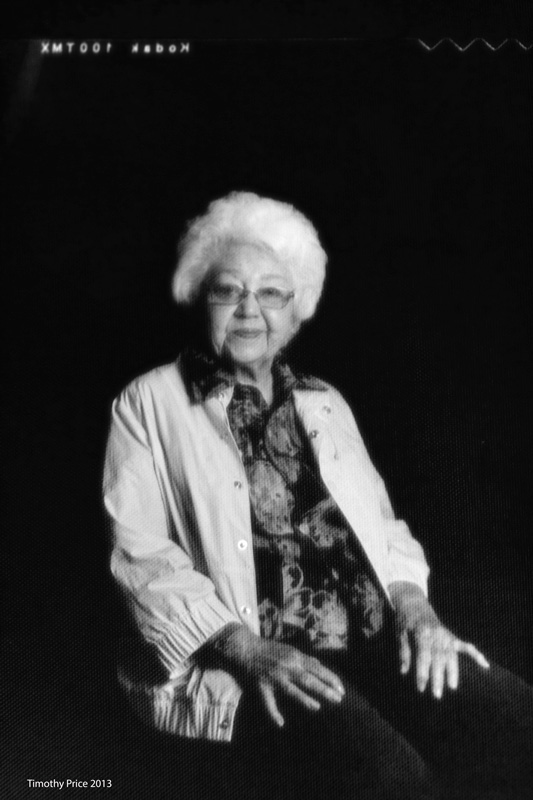
The negatives are not too bad, but negatives look like negatives, and since I currently do not have a scanner that can scan 4X5 negatives, I photographed them on a soft box, then reversed two of the images into positives that are displayed below. The first photo of each pair is a shot of the emulsion side of the negative, which is not as reflective, but the images are reversed. The second photo of each pair is a shot of the negatives turned over so I’m shooting the shiny side of the negative. In all the photos below, my macro lens picked up the texture of the fabric cover on the soft box, so you can see texture in parts of the photos. The emulsion side of the negatives was easier to photograph because there was less glare, allowing the black background to be black. I had to hold the camera at a different angle to reduce the glare on the shiny side of the negatives as much as possible, which also created a much shorter depth of field on the second photo in each pair.



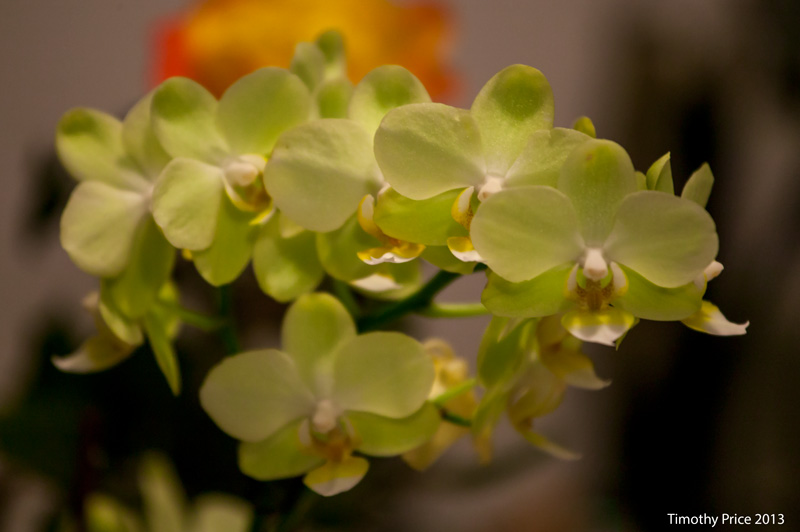
Despite hard frosts, and high winds, Rio Samba managed to put out one last beautifully shaped rose. Rio Samba is complementing the Phalaenopsis Orchid that hangs its blossoms over my commuter screen.

This year, we are going to do the same things we always do on Halloween: get up, play with the kitties and birds, go to work and school, take some photos, come home, play with the kitties and birds, study, process photos, post a blog, check out other blogs and things on the web, go to bed.


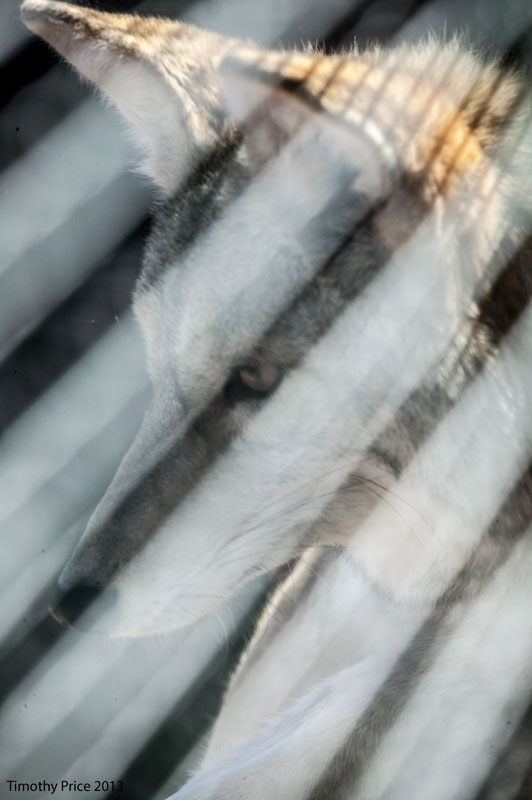
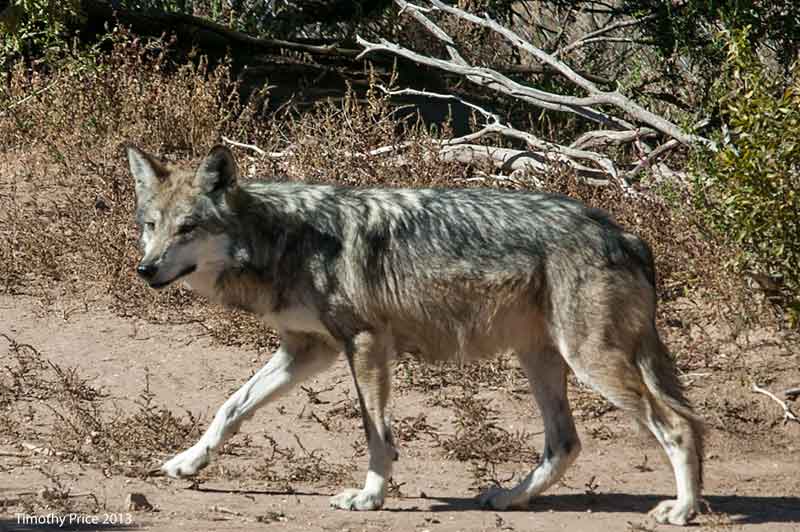
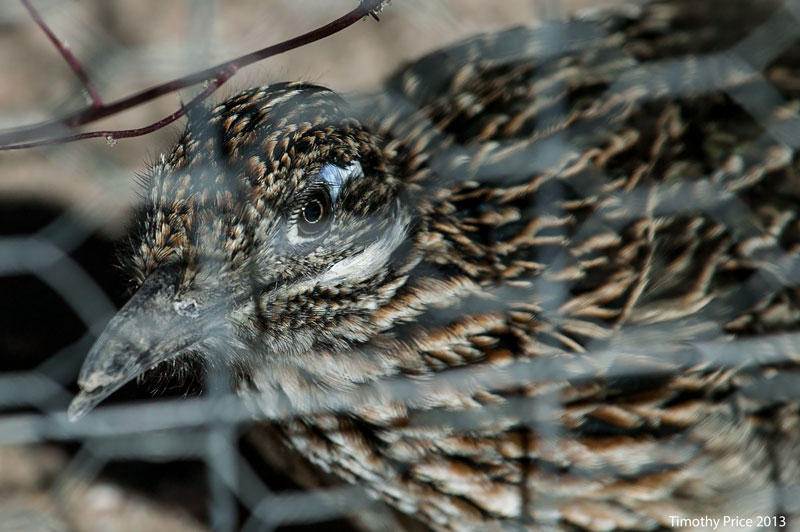
As I mentioned yesterday, the Blacksmith Wold Championships was held at the Wildlife West Nature Park and Rescued Wildlife Zoo east of Albuquerque. Today’s photos are of some of the rescued animals they have at the park. These animals have been hit by cars, caught in traps or injured in some way that makes it difficult or impossible for the animal to survive in the wild. Of course, in the rescue zoo, they are well fed and cared for, so all the animals are fat and healthy.
In photographing zoo animals, especially birds, there’s the issue of the wire on their enclosures. When I can, I put my lens up against the wire to reduce the wire’s visibility, so I end up with varying degrees of soft focus, streaks or the visible wire. The challenge is making the wires and habitats work in the composition, and as part of the effects of the photos. I don’t remember the names of all the birds, but the animals (in order) are coyote, raven, bobcat, hawk of some type, coyote with humans, great horned owl, mountain lion, golden eagle, raccoon, vulture, Mexican wolf, roadrunner, gray fox, hawk or falcon of some type, and a peregrine falcon.
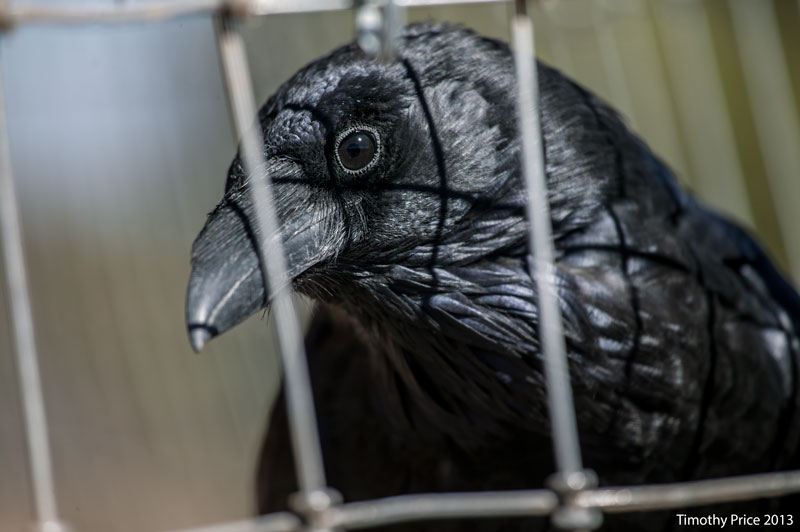
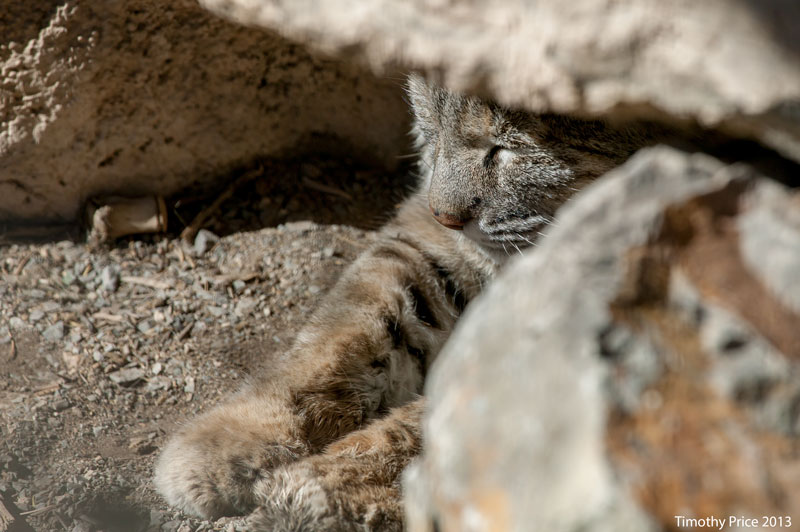


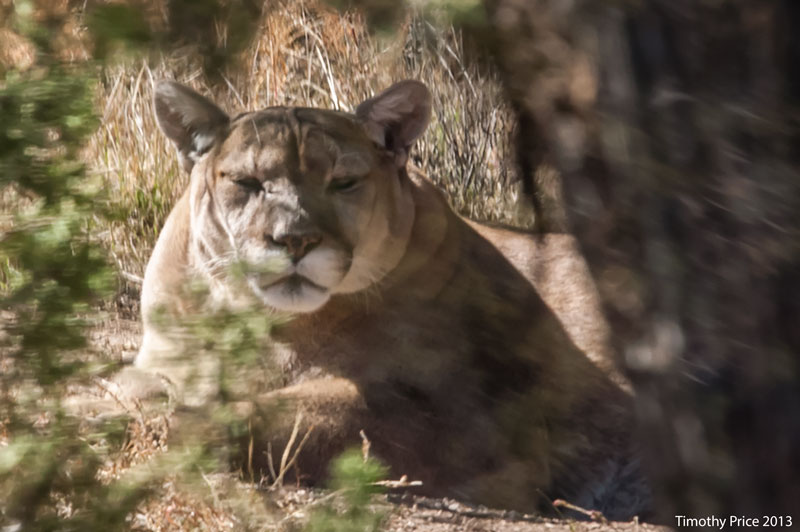
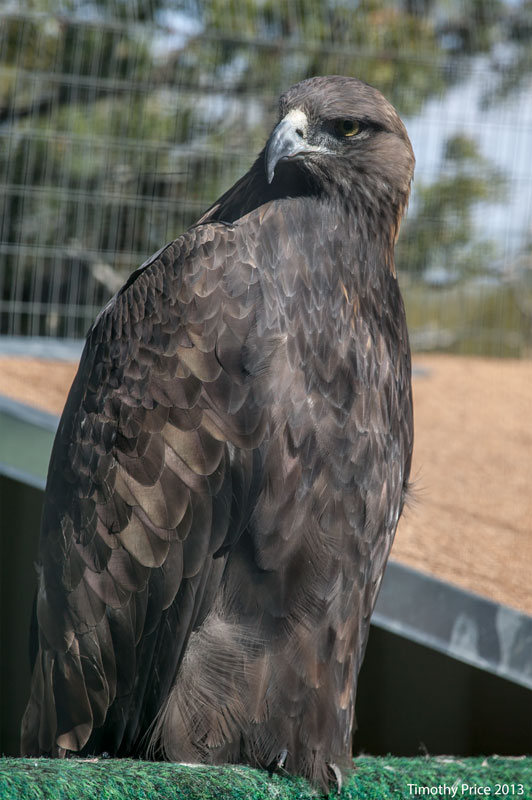




Who would ever think the we would have the World Blacksmith Championships right here in New Mexico, just outside the Duke City? Susan, Lois and I checked out the 4th Annual Blacksmith Worlds at the Wildlife West Nature Park and Rescued Wildlife Zoo east of Albuquerque, and had a wonderful time watching the blacksmiths compete in making horseshoes and hammering them onto horses hooves. Each team had one hour to make one shoe and get it on the horse. Then the next competition would begin until all the horses had new shoes and all four hooves.


Laurie painted her nails my two favorite colors for my birthday. They make good nails for Halloween as well.


Streets of Paris, crucifix in Notre Dame, and some interesting architecture. Paris, France, June 2013


Harley Solo and the Lonely Caffe (sounds like a good name for a blues band) seemed to be the morning theme as I walked across Gold to the office.


Laurie’s annotated bibliography about code switching became a “cat-otated bibliography” with “cat switching” as Rosencrantz and Guildenstern took turns checking out our progress. Guildenstern was very persistent, and insisted that lying on our papers, computers and arms was great help as we worked late into the night. The geese are foraging in one of Wagner’s fields every morning.


