 I’m a Bald Eagle and I approve this post.
I took a break from putting this post together to go out a see what was going on in the bosque and river. A Bald Eagle flew over in approval of this post. The clouds approved also, forming a pterodactyl being chased by a chimera.
My photographer of the day is Lukas Kondraciuk with Through Open Lens at https://throughopenlens.com/. Lukas does wonderful bird photographs, tells really bad jokes, and always has interesting facts about whatever he posts.
 Pterodactyl and Chimera in the clouds.
 Jupiter with 3 clear moons and maybe one faint moon, and a moon peeking out from behind Jupiter on the top right. Saturn is slowly diverging, moving further away each night.
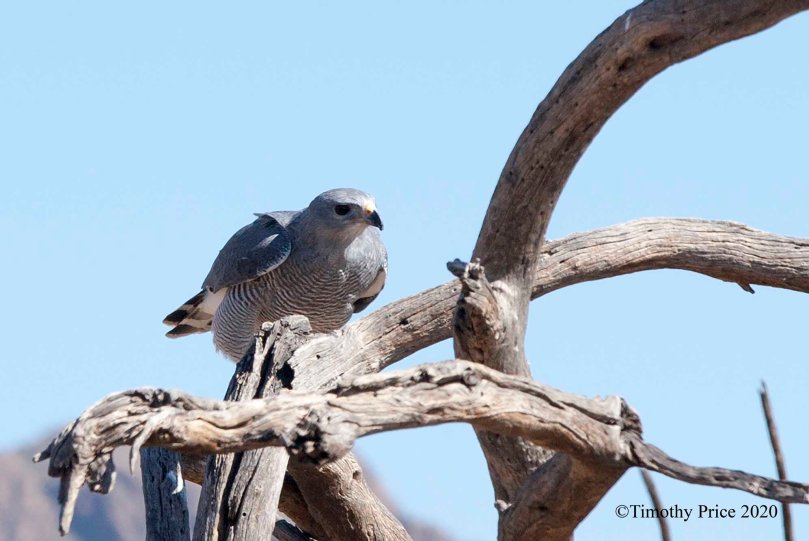
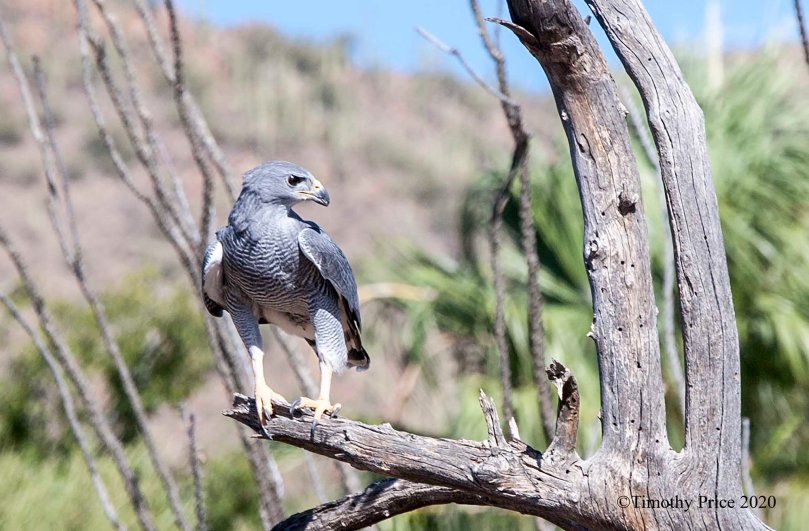
For Day 5 of the Travel Photo Challenge, I present you with a whole bunch of photos of a Gray Hawk, a Barn Owl, and a group of Harris Hawks. In October 2017, we drove to Tucson for a Linguistics conference. On the way home, we stopped by the Arizona-Sonora Desert Museum. The museum has a raptor free-flight exhibit, which we happened to be just in time for.

Gray Hawk, also known as the Mexican goshawk. 




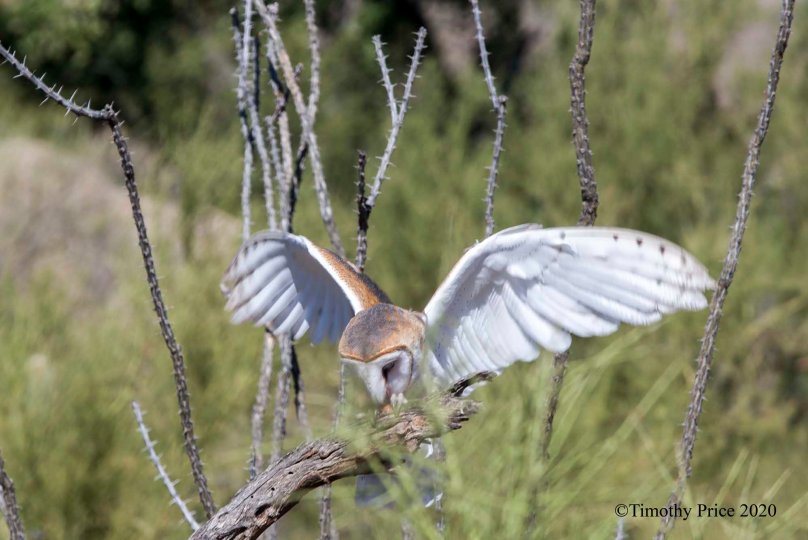
When Barney the Barn Owl flew out of the aviary, all the crowd went “Aaahhh! How cute!” He is certainly adorable. He flew silently between perches entertaining his adoring crowd. 




The stars of the show we experienced were the Harris Hawks. Four Harris Hawks performed for the finale of the free-flight show. Harris Hawks have made a regional adaptation to the harsh conditions in the Sonoran Desert by hunting in groups. The Sonoran Desert is the only place that Harris Hawks have been observed hunting and working together in groups. Their distribution in the US is limited to southern Arizona, southeastern New Mexico, and southwest Texas. Their larger distribution is throughout most of Mexico, the west coast of Central America, and the lower elevations of South America. Free flight shows are great for photographing these raptors because they are close enough to get a lot of detail and action shots.



 Moon in Tangle Heart Tree at sunset
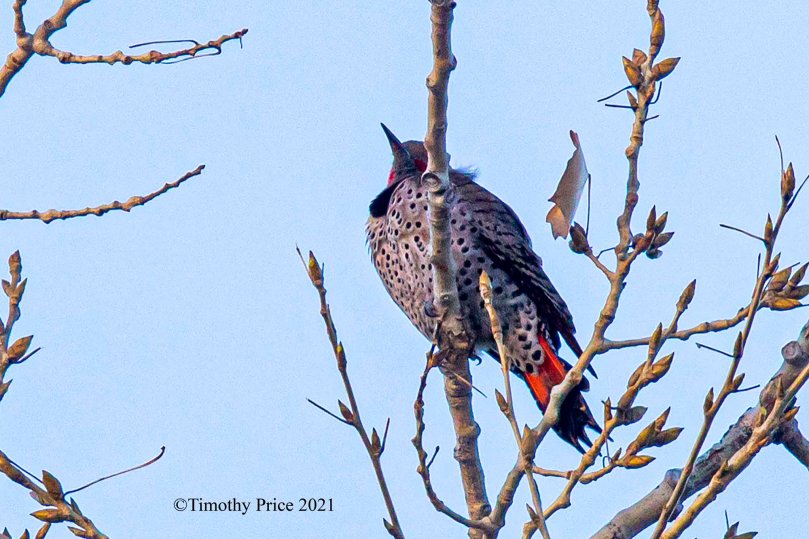 Flicker at the tiptop of Susan’s Tree at dawn.
 Actually, there were two flickers at the tiptop of Susan’s Tree at dawn.
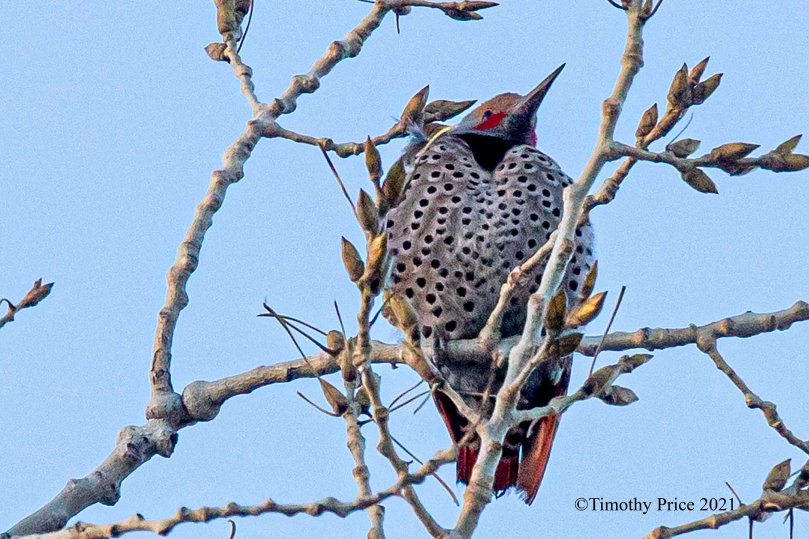 The other flicker.
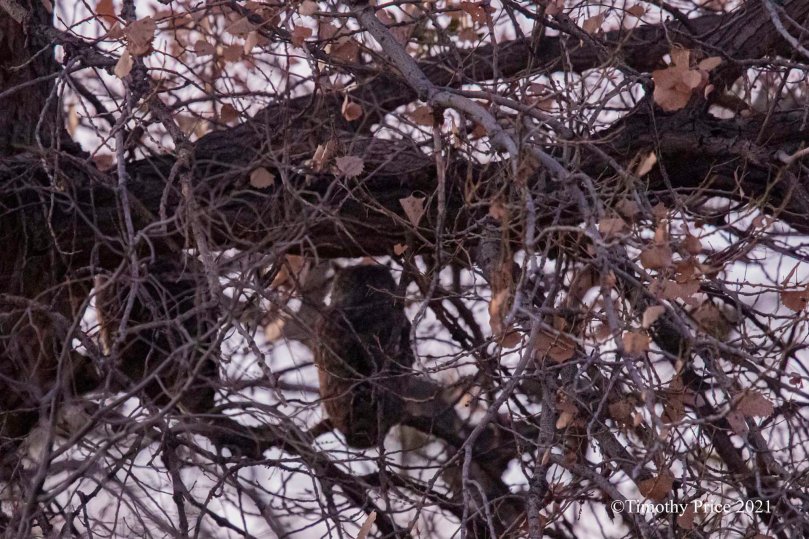 Owls’ Backs
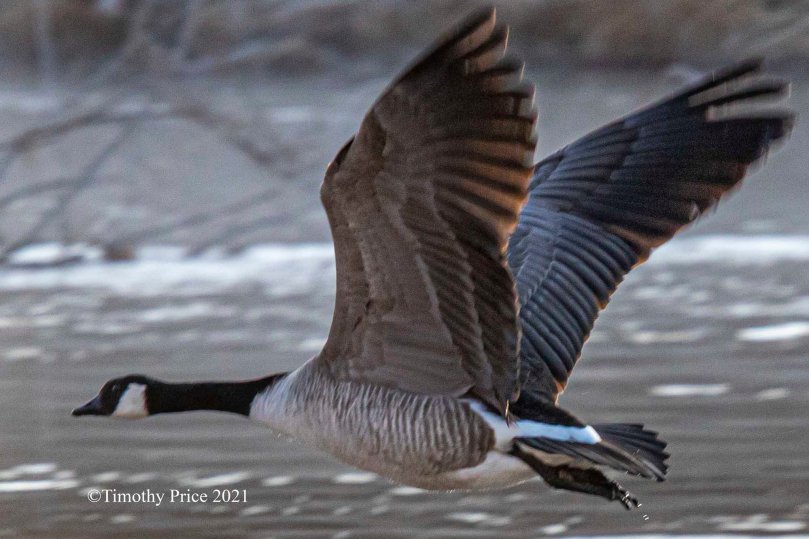
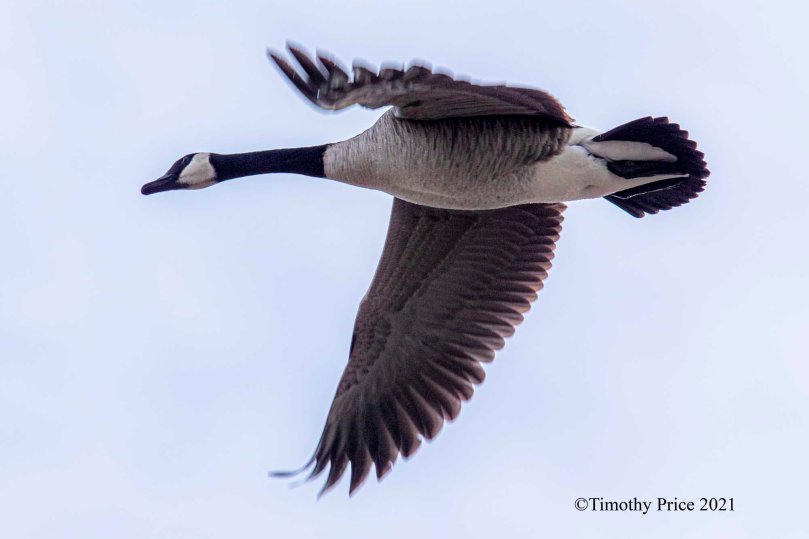 The Canadian Geese complained that I have not been giving them enough attention.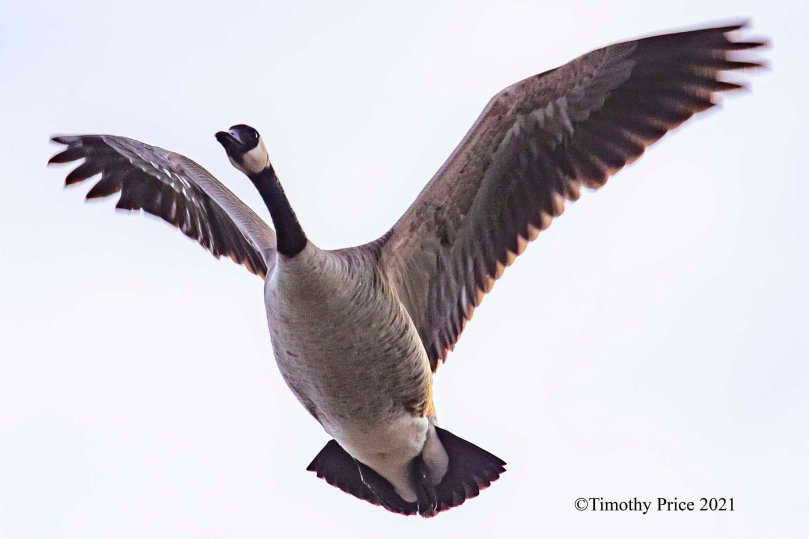
 The Pter in a tangle.
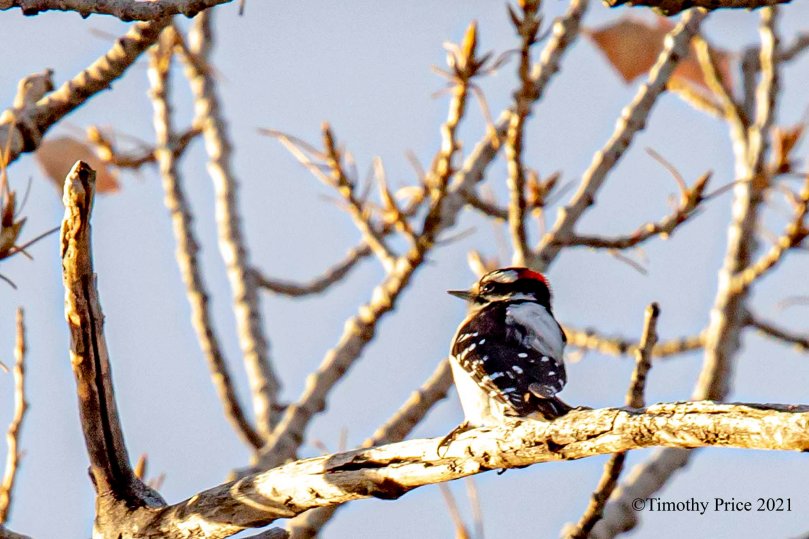 Downy Woodpecker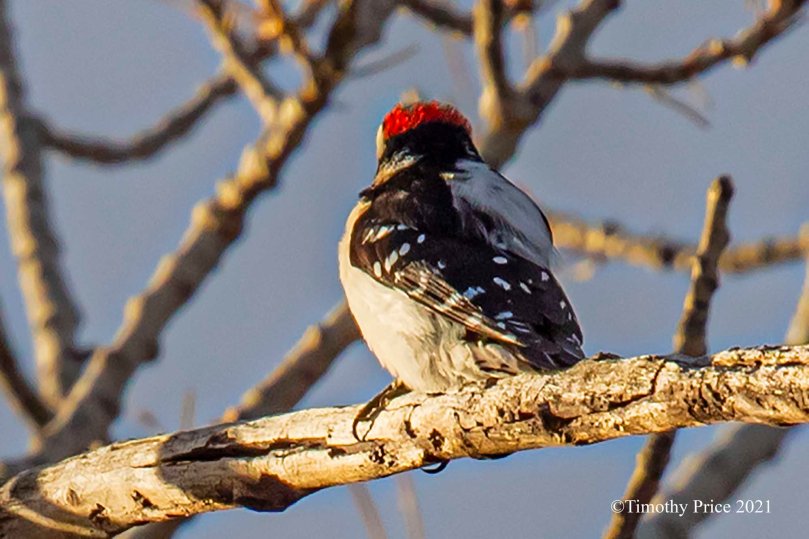
 Grazing
 Cooper’s Hawk in the top of a cottonwood between the clearwater ditch and the irrigation ditch.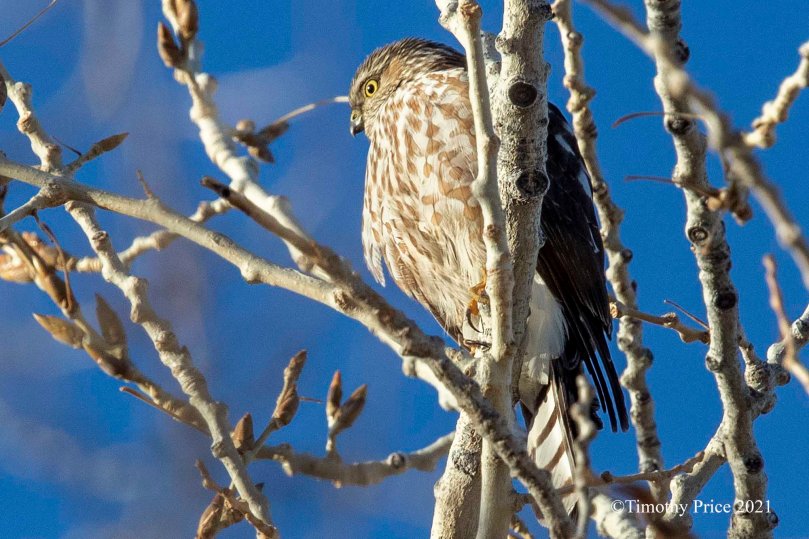
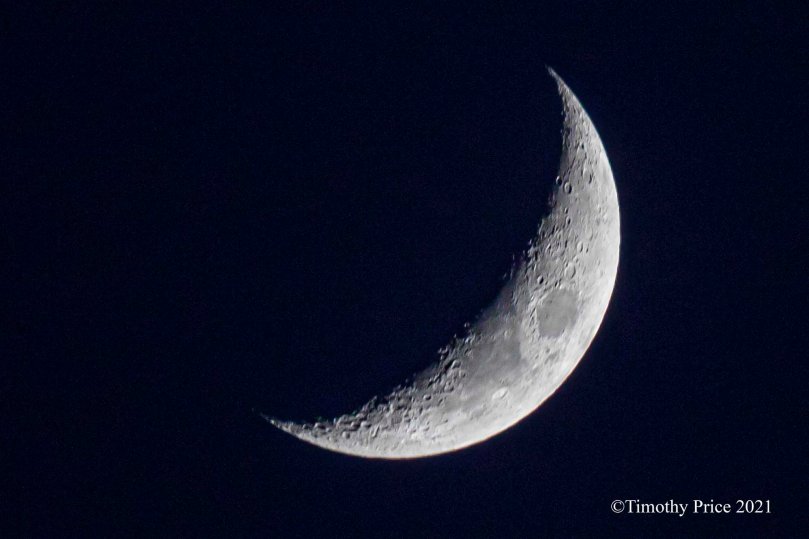


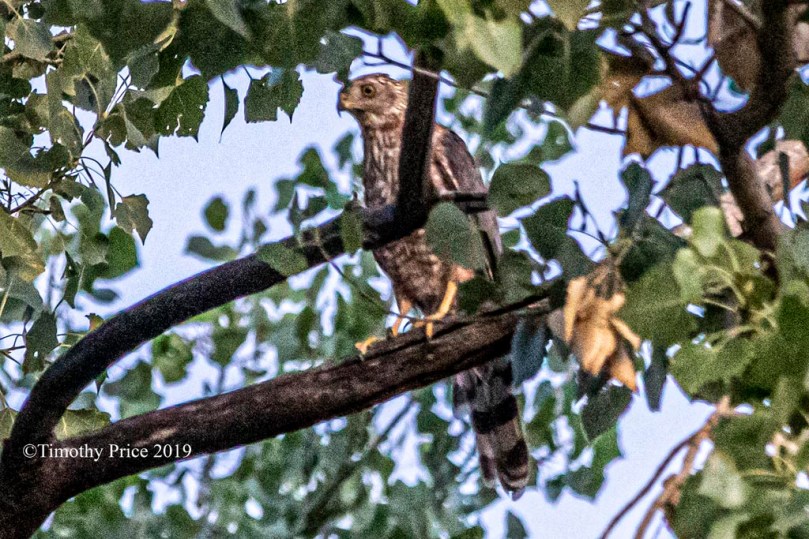
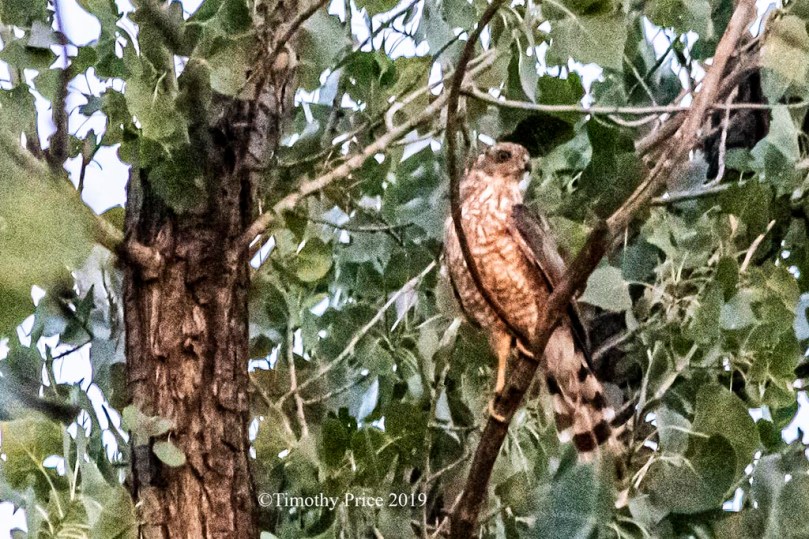
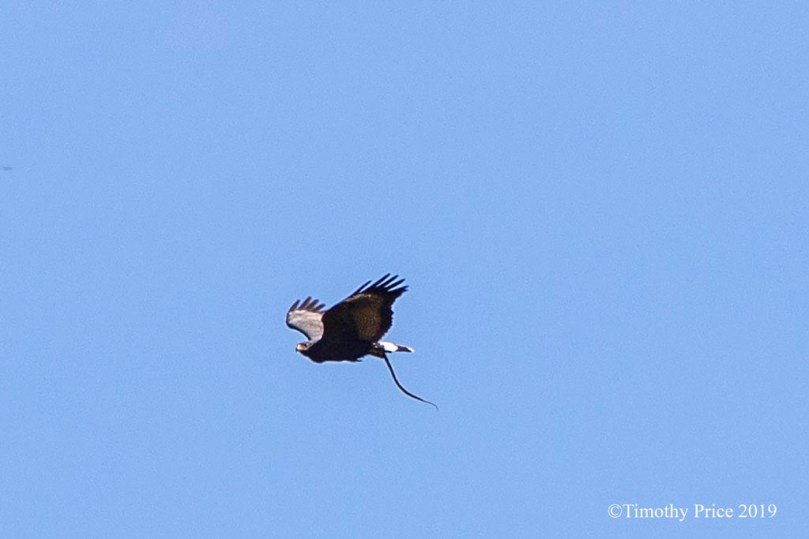
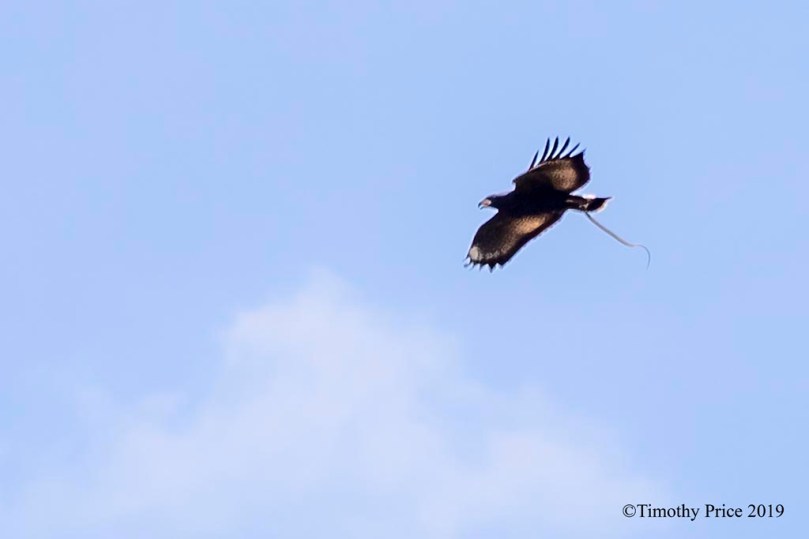
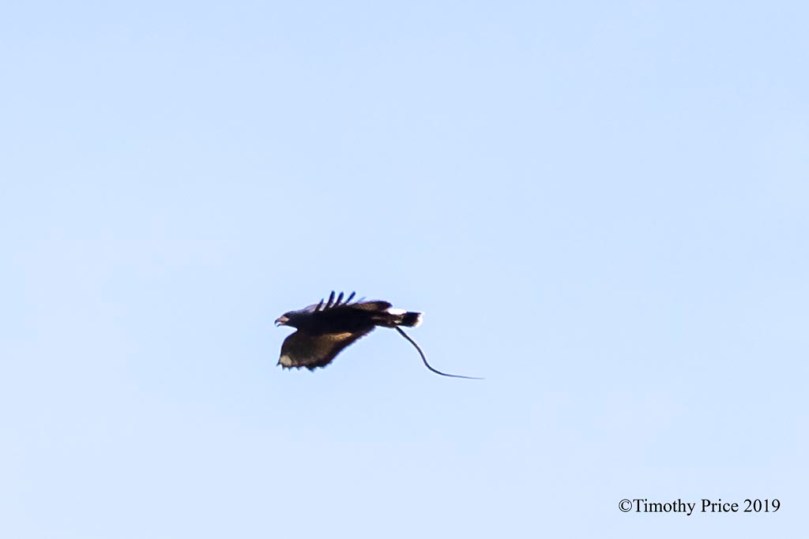
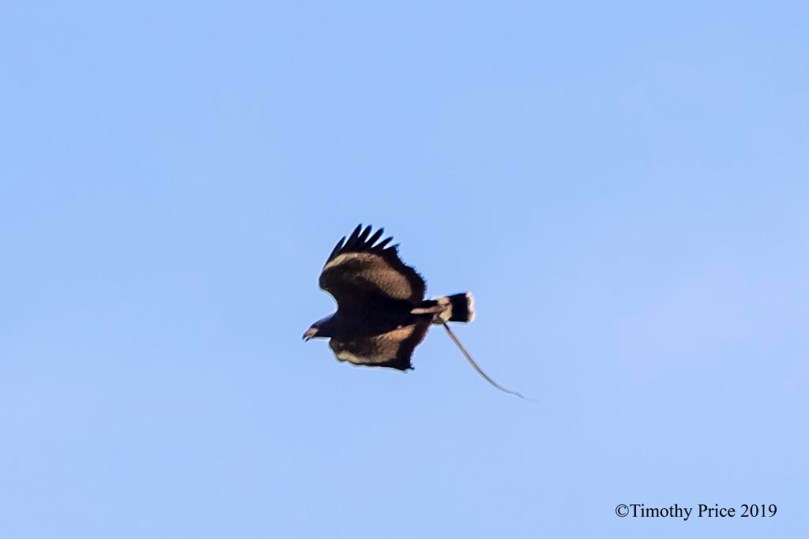
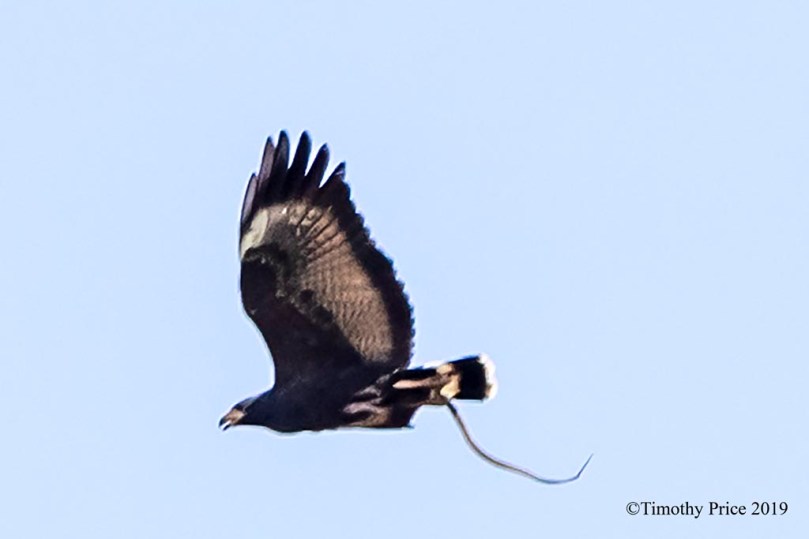
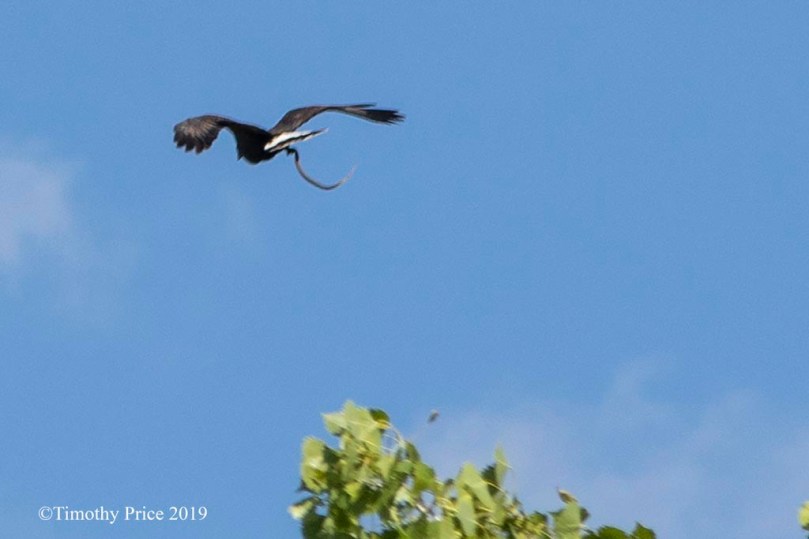
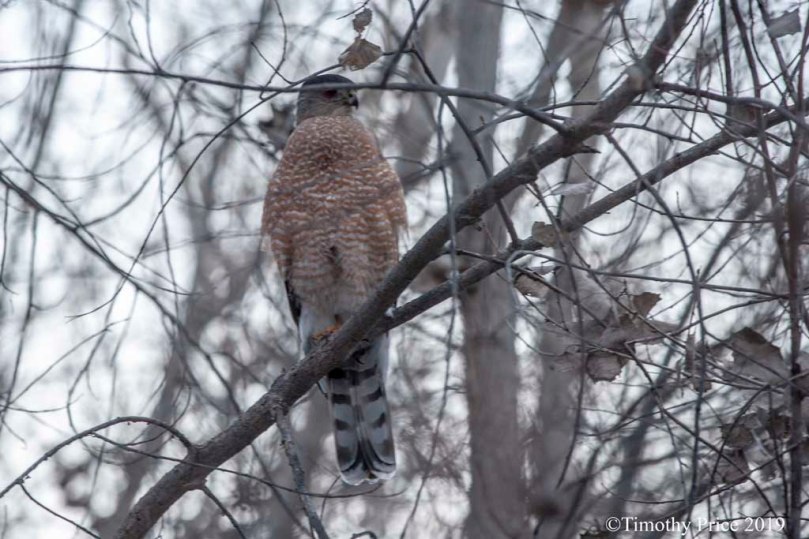
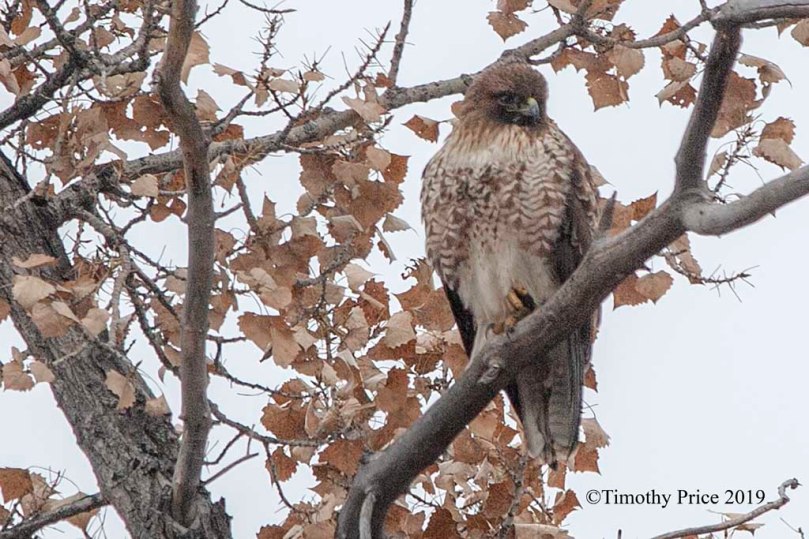

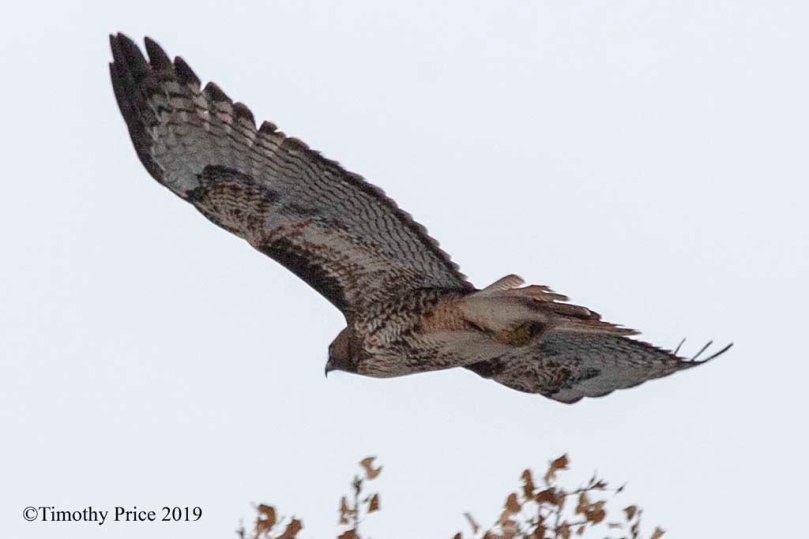
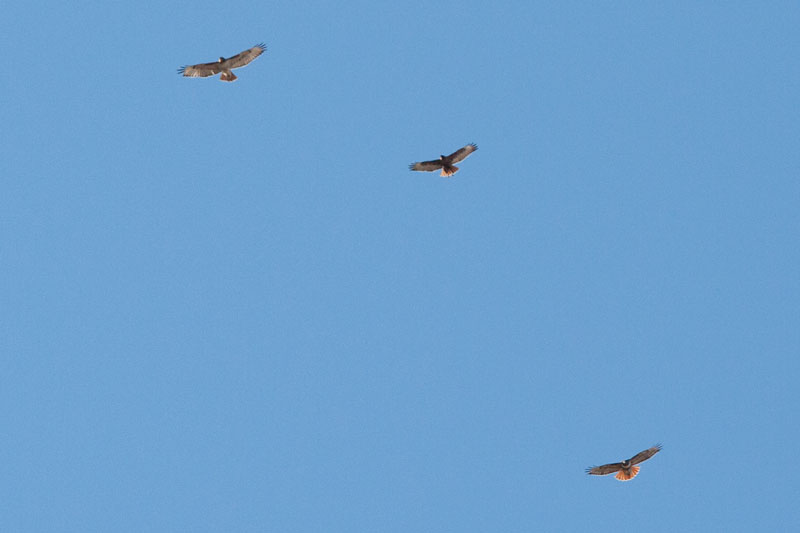


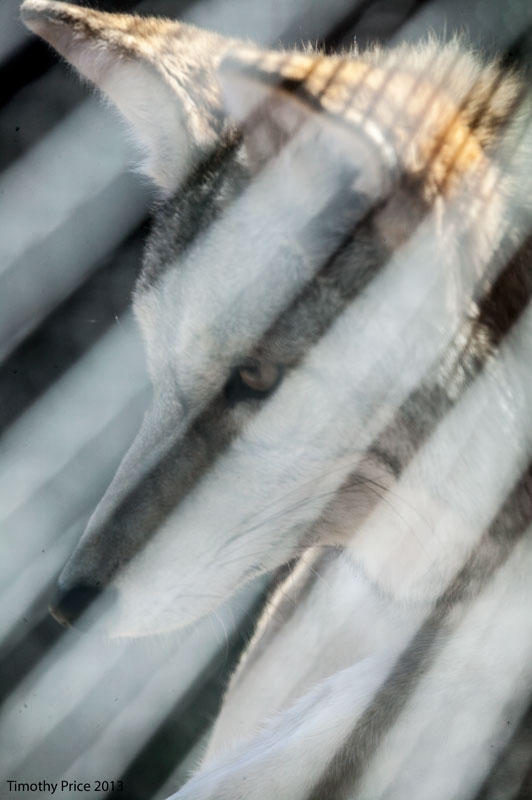
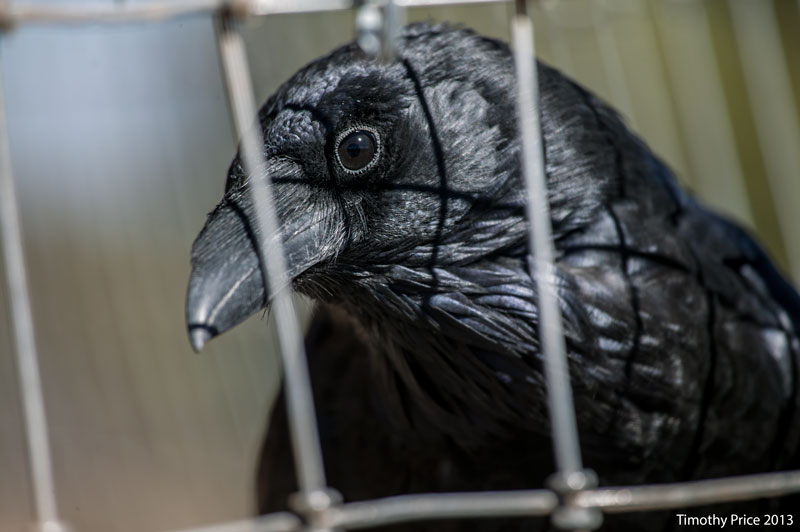
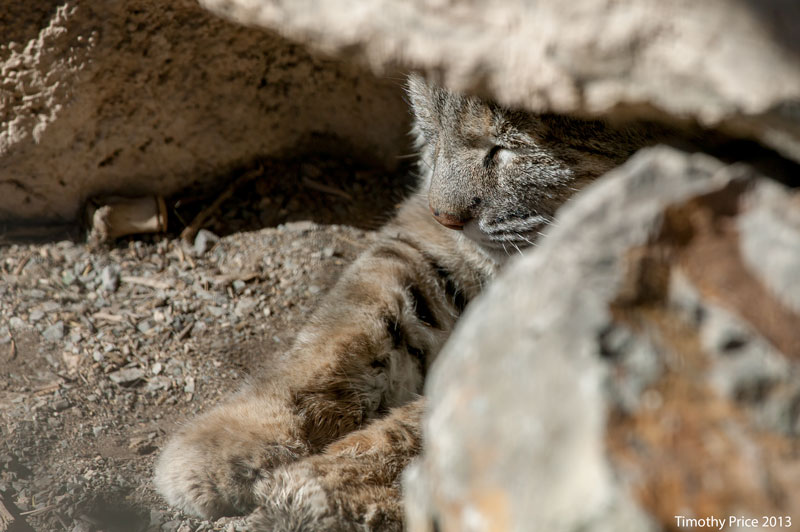






 Off Center & Not Even