
Riding the Paris Metro, May 2013.

Riding the Paris Metro, May 2013.

Cézanne made many paintings of Mont Sainte-Victoire. Some people think that was rather strange, but Like the Sandias, depending on the light and perspective, Mont Sainte-Victoire is never the same.


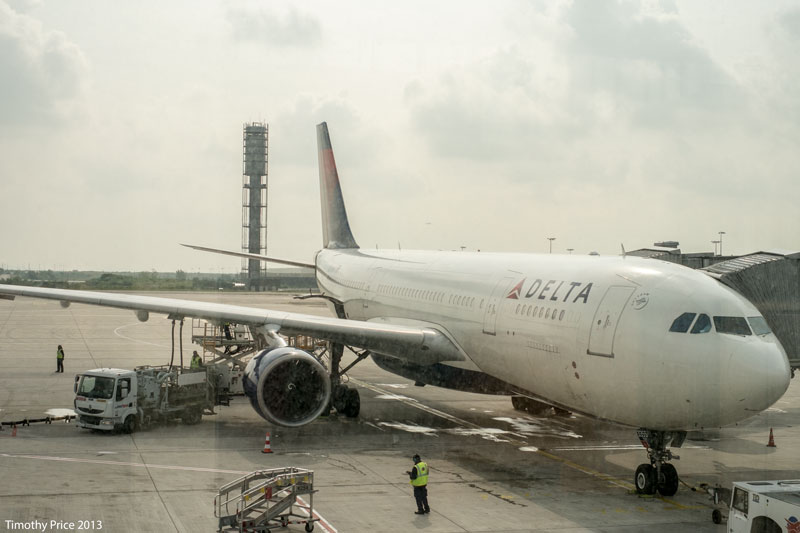
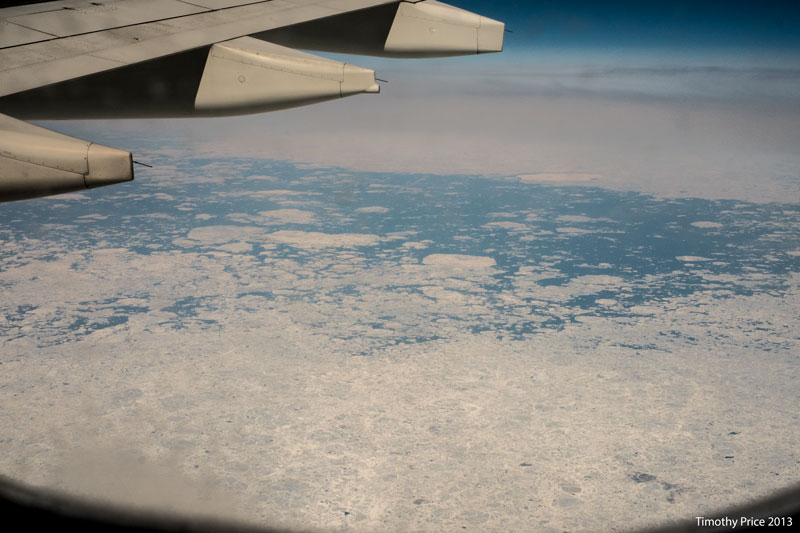
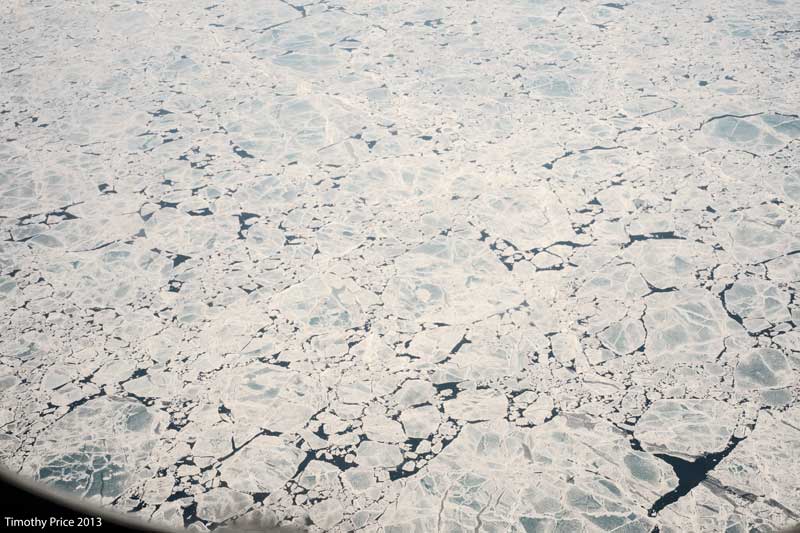
When we left Paris yesterday morning it was cloudy and 60º F, when when we touched down in Albuquerque it was sunny and 100º F — from cold and wet to hot and dry. Soon after take-off from Paris we above the clouds and it stayed cloudy until a break in the clouds over Hudson bay showed ice breaking up, and then we flew over the area of the bay that looks like land cracked with water, and it was covered with snow and ice. Then we had mostly cloud cover again until we were almost to Salt Lake City. From SLC to Albuquerque the sky had some high clouds but there was a lot of haze in the air from the fires.





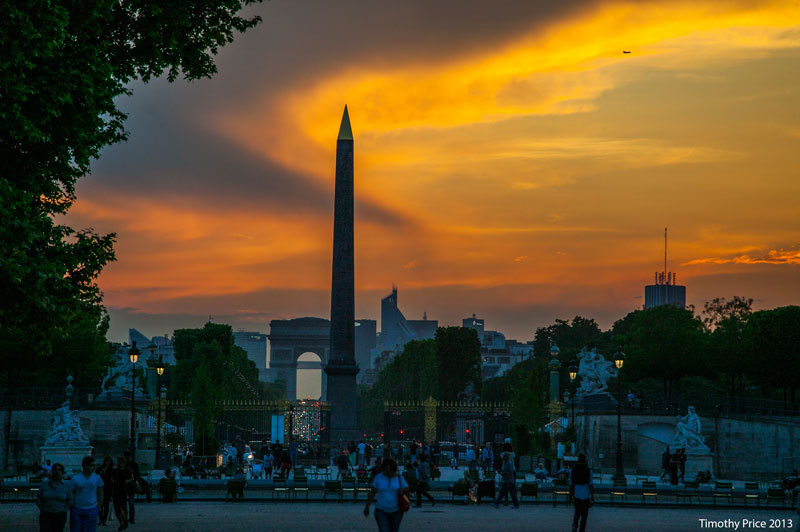
We spent our last day in Paris getting ready to leave — checking in for the flight, cleaning the apartment, preparing food and packing. We went out for a walk in the Tuileries got our last look at the Louvre in the late afternoon sunlight, and I took random photos in the Tuileries and on the street walking back to the apartment. We are leaving for the airport at 6:30 this morning.


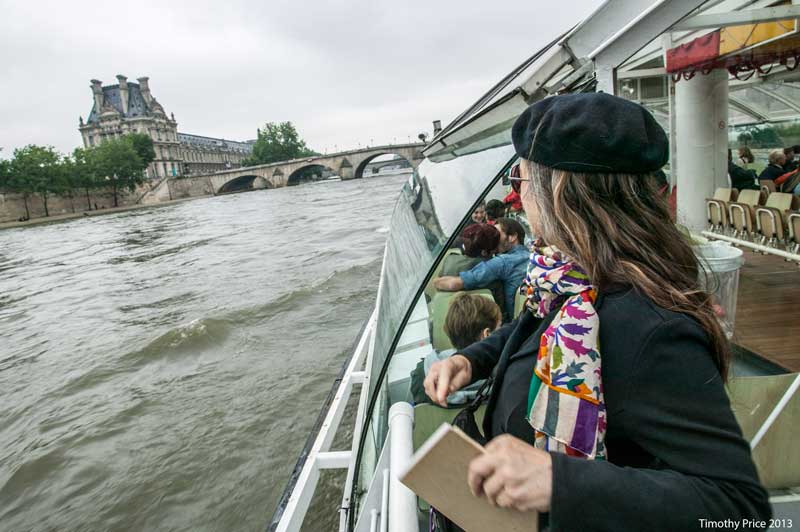
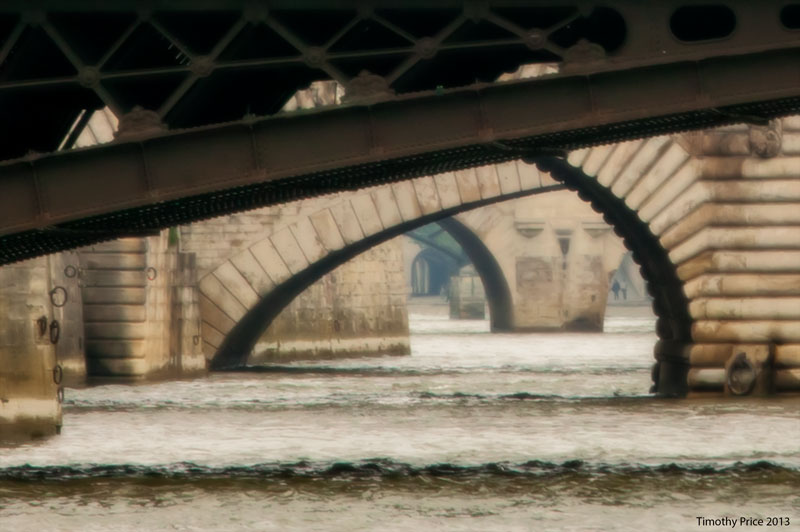
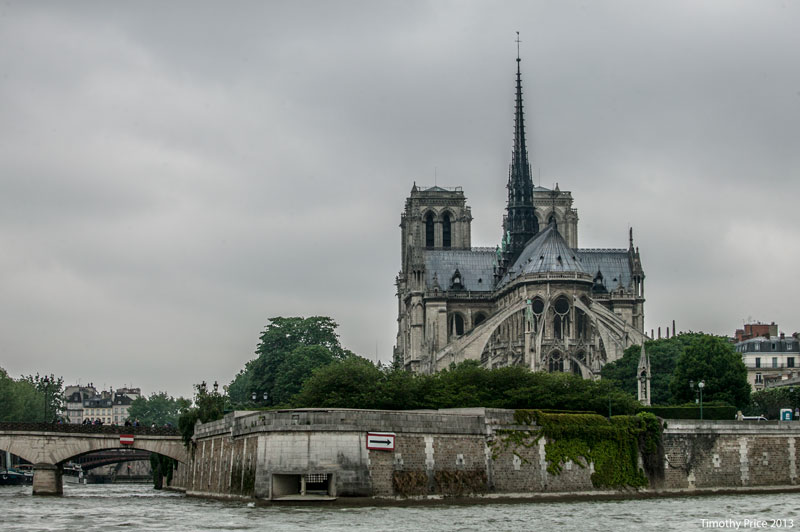
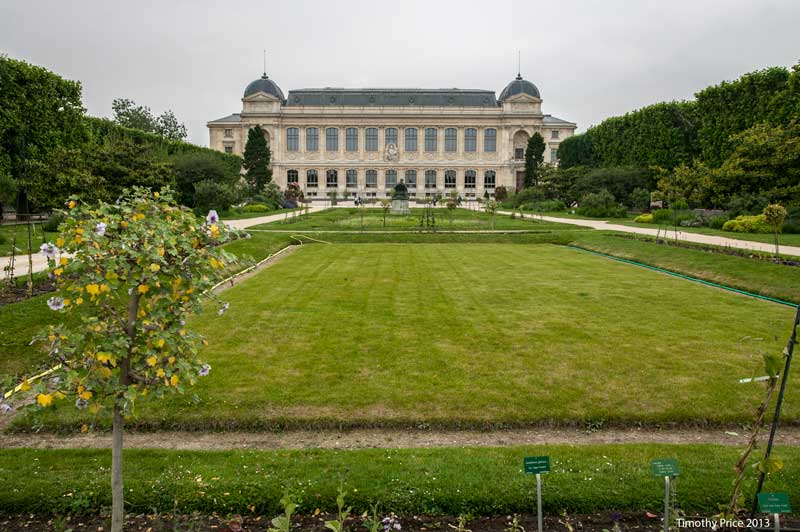
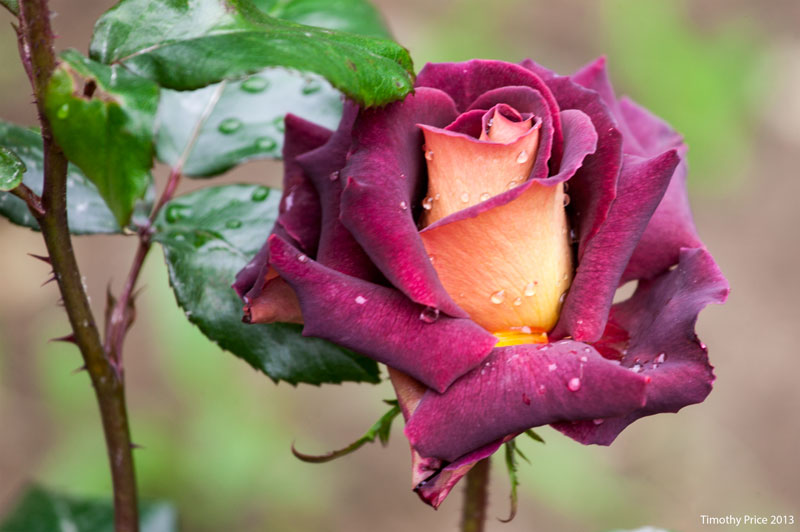
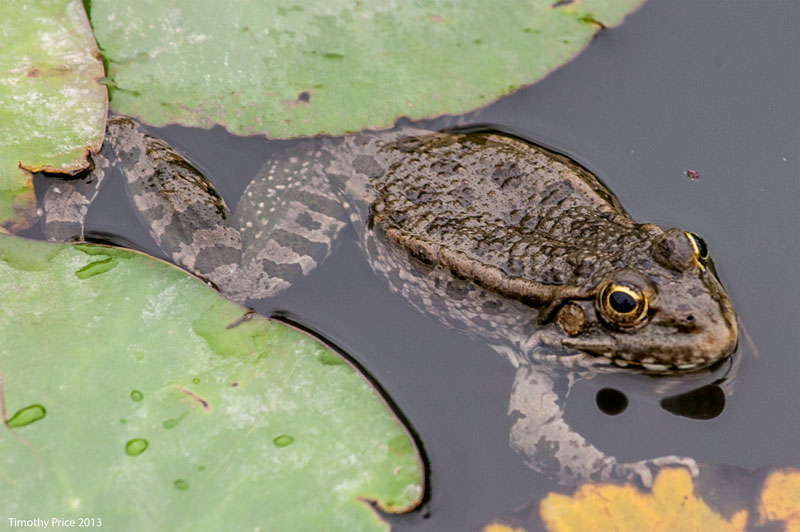
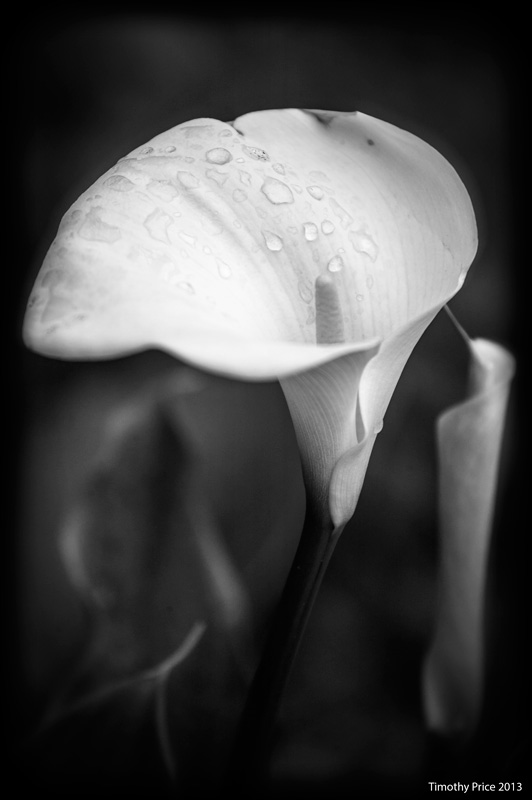
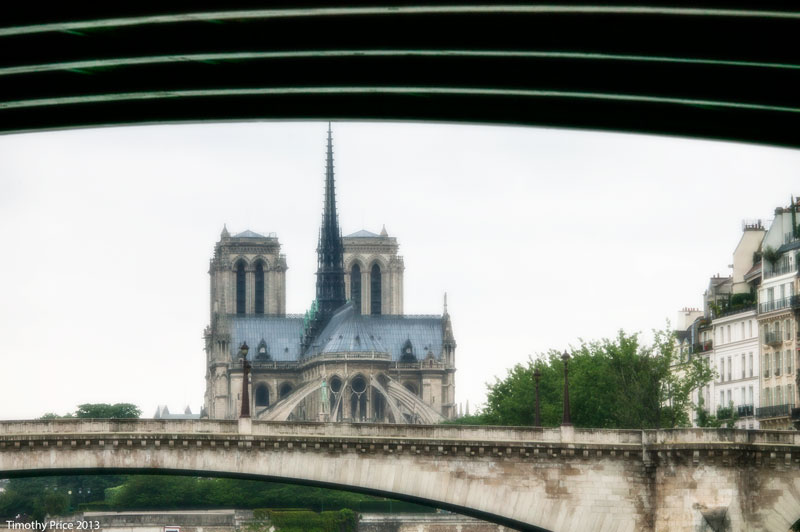
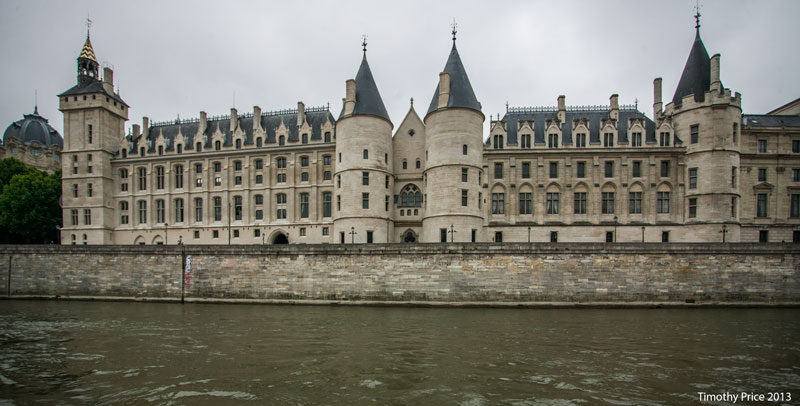
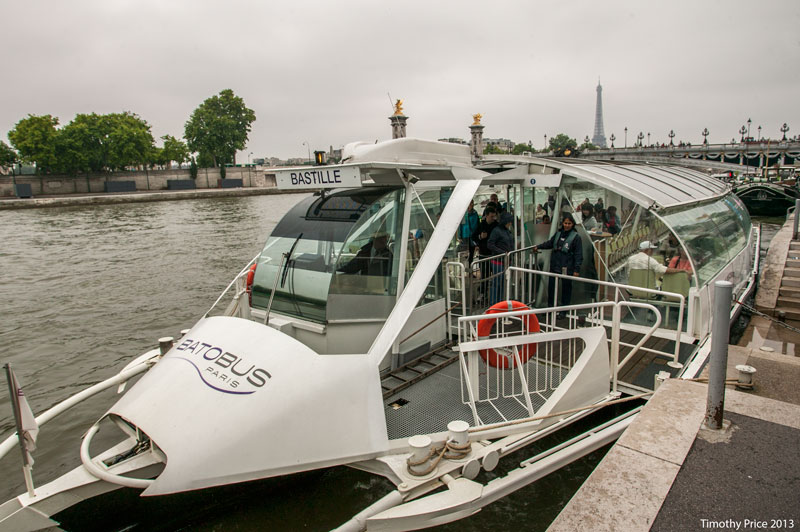
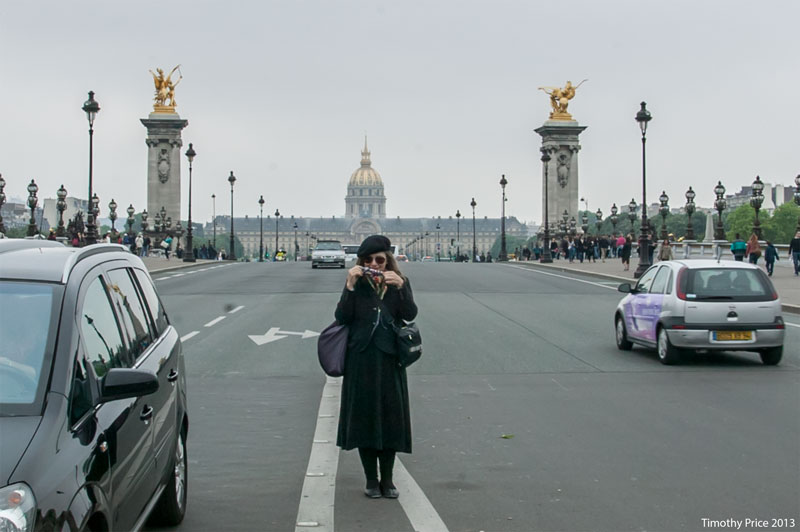
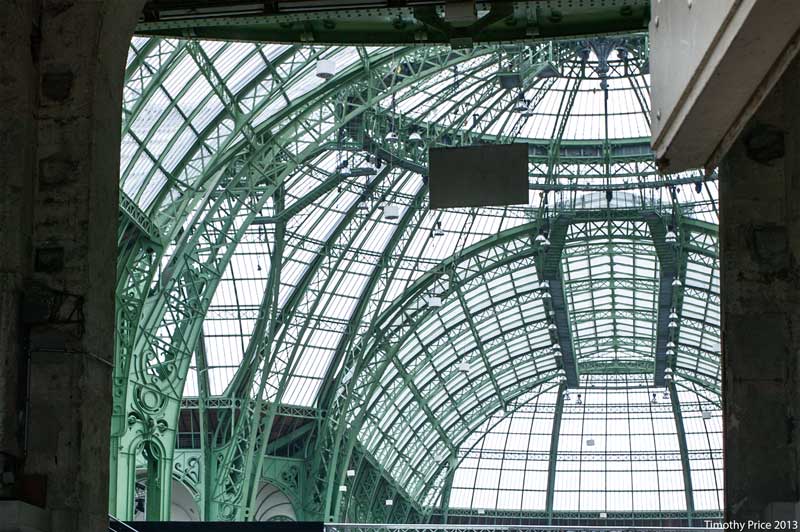
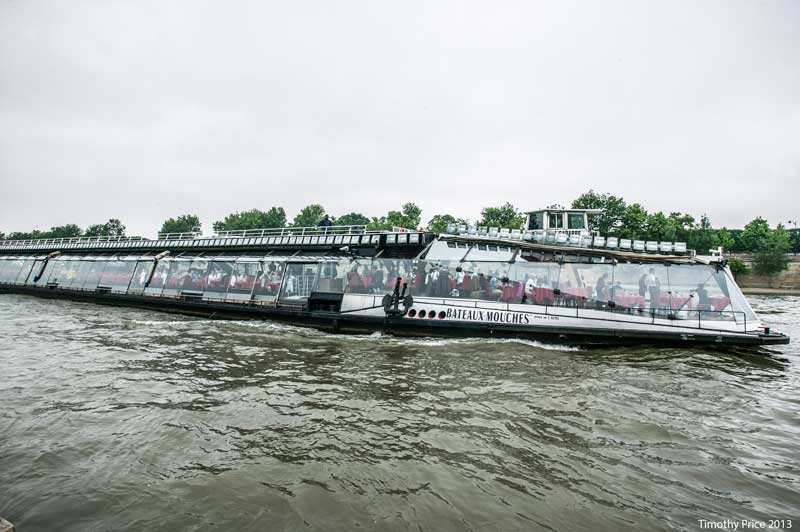
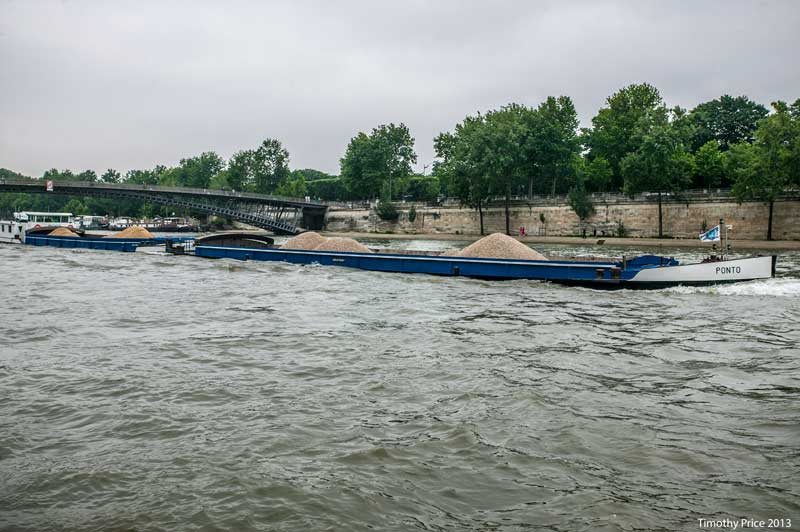
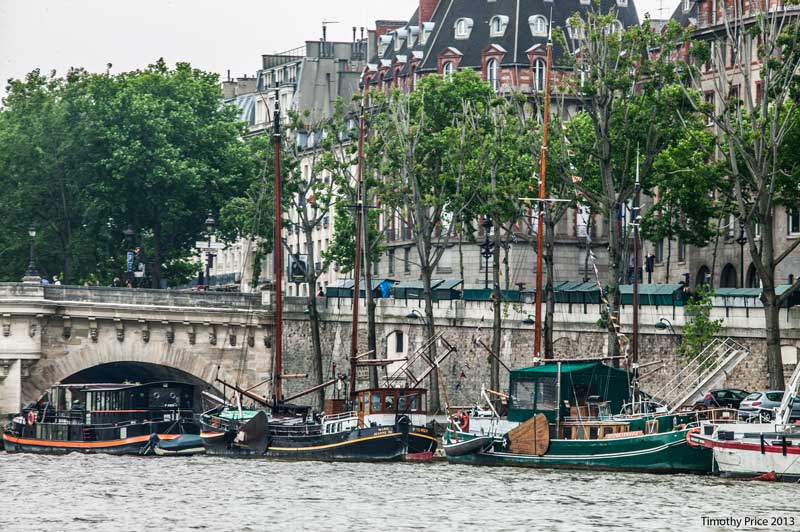
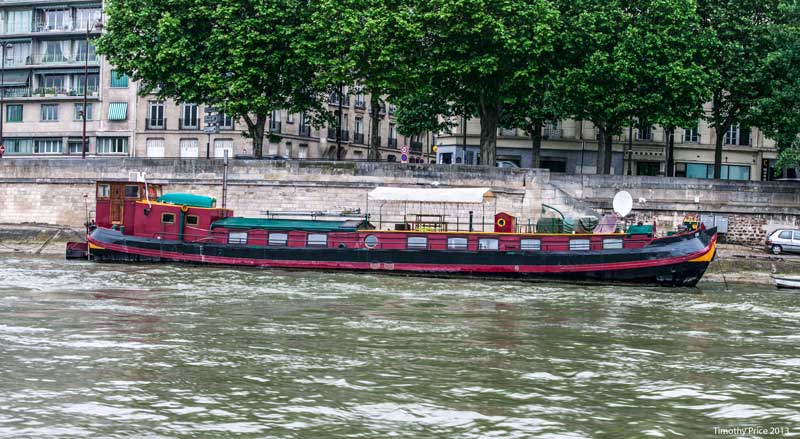
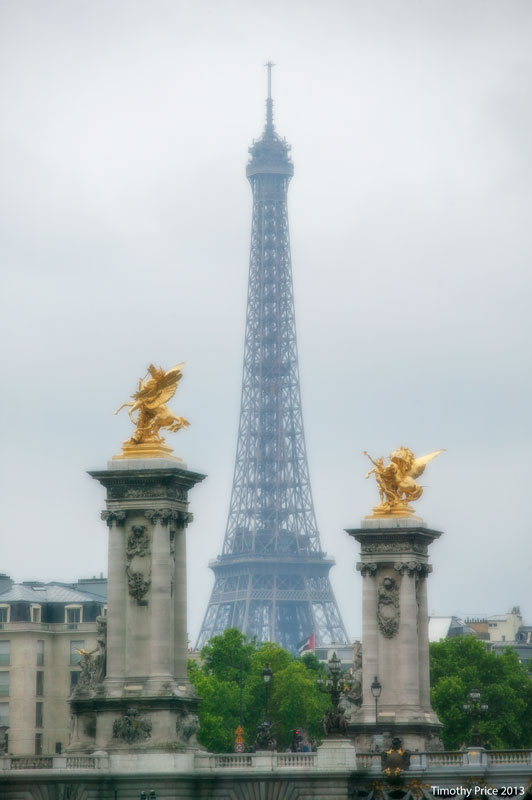
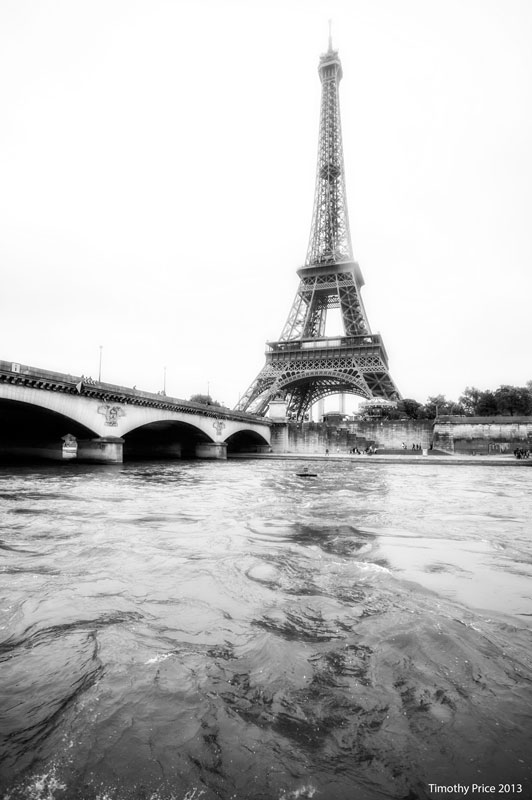
The rain started falling during the night and continued all day yesterday. Our museum pass had run out, so we planned to go to some of the sites that were not on the pass, but we didn’t want to walk to them in the rain. There’s the metro, but then Laurie got the idea to take the Batobus which is run by one of many companies that run tourist boats on the Seine. The batobus’ route runs from the Eiffel tower to the National History Museum and Gardens with six stops in-between. Once you buy a pass you can get on and off the boat as much as you want throughout the day. We got on the boat at noon, got off at the National History Museum (flowers and frog photos are from the garden) and Grand Palias (the last Crystal Palace built in 1900 before wide-use of electricity made the architectural style obsolete), and then we rode the boat for a couple of laps, because the views of the monuments from the middle of the Seine are unique and were magical in the misty air and rain. We got off the boat and headed home about 8:00 pm. One person told us the Seine was 2 meters above normal — the current ran fast and the water was rough, so the ride was exciting at times. There are a lot of interesting boats on and along the Seine — many different types of tour boats, including large restaurant boats. Many barges make their way up the Seine, often sitting very low in the water as they move their loads up river; and many boats of various sizes and styles that people live in are moored along the river . The many bridges that cross the Seine looked like a labyrinth through my telephoto lens; the Eiffel tower was lacy in the misty rain, and the Palace of Justice and Notre Dam looked particularly medieval under the gray sky.

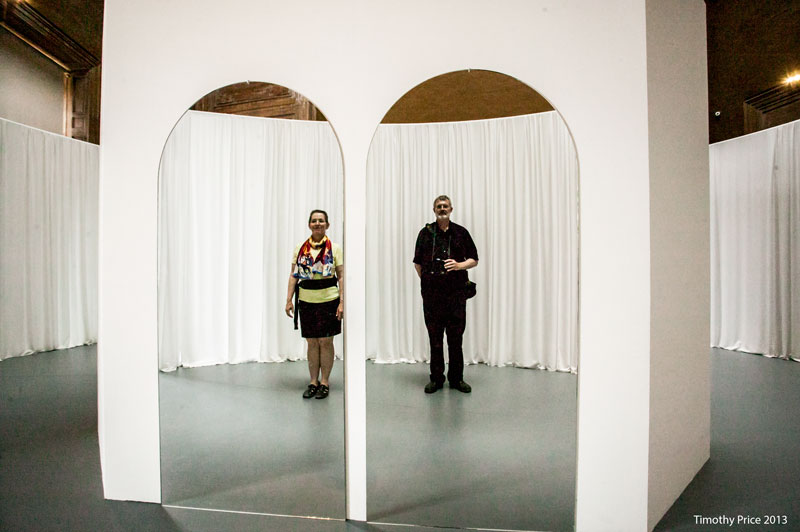
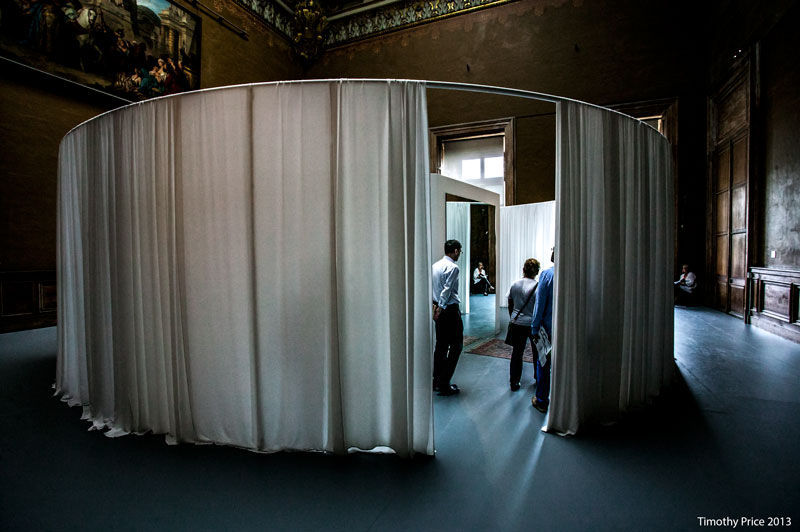
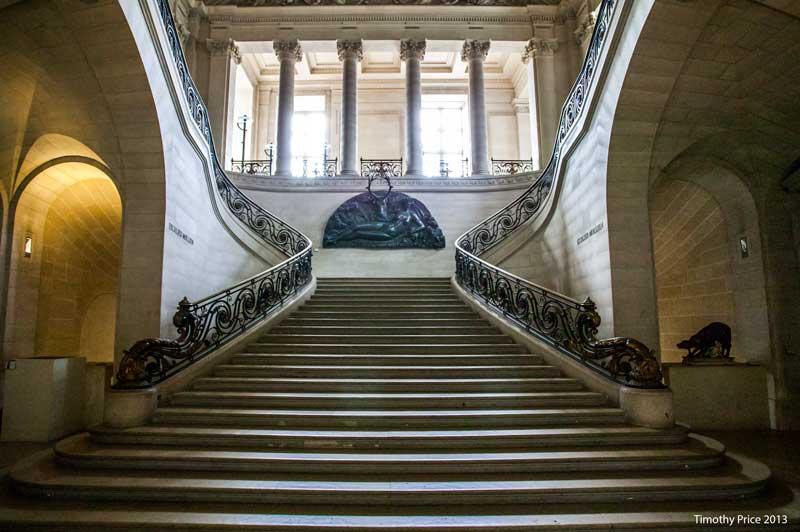
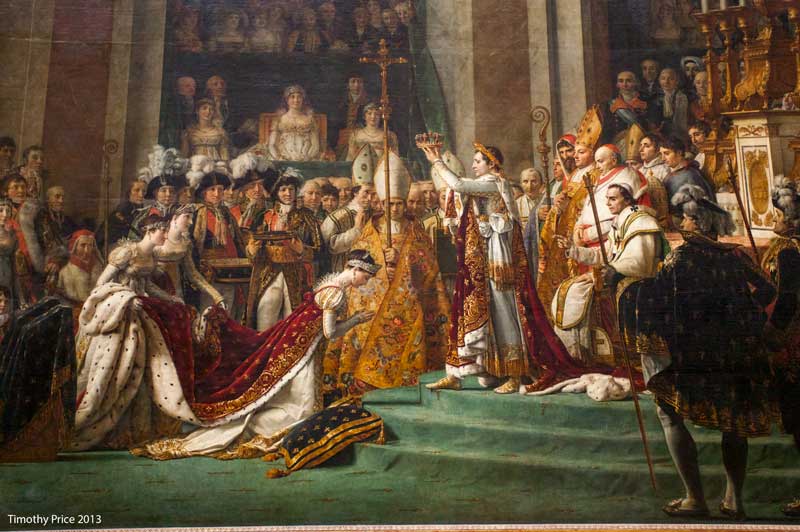
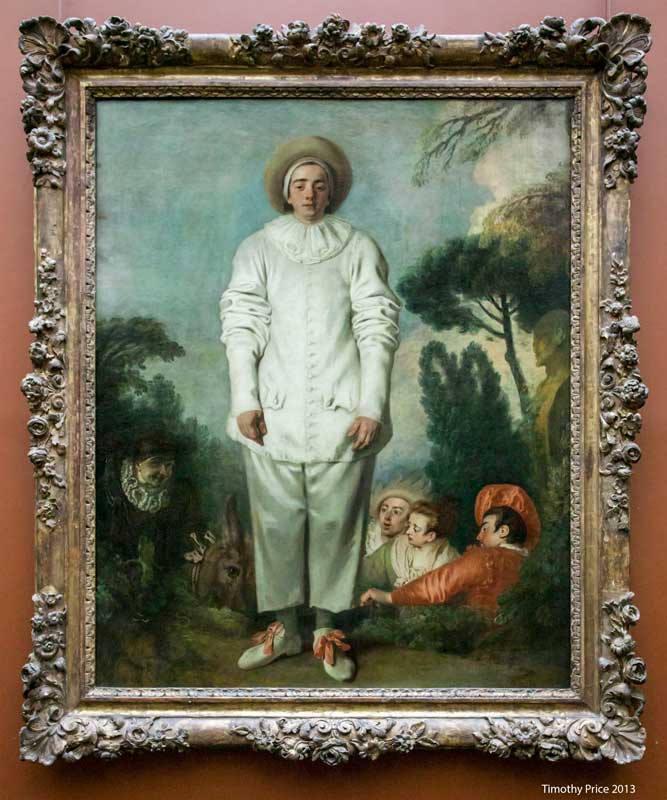
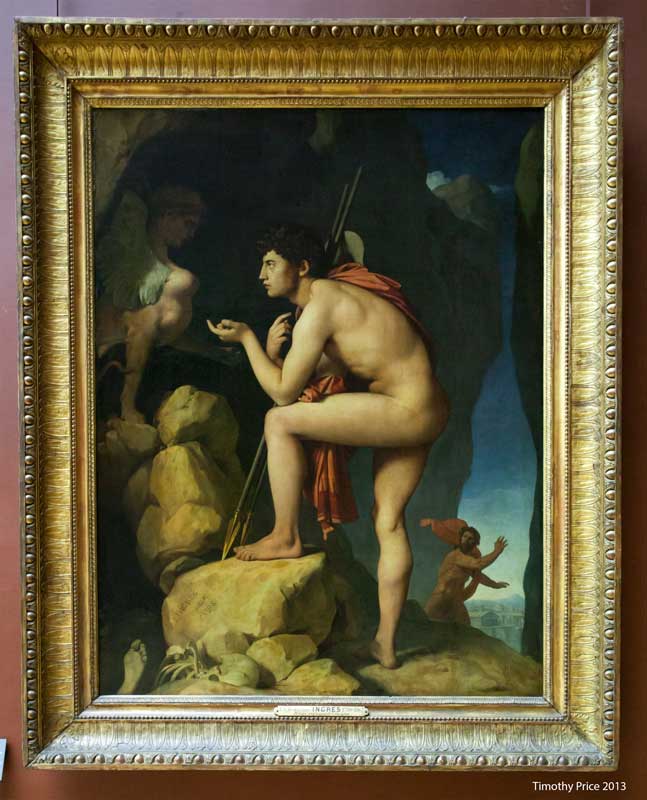
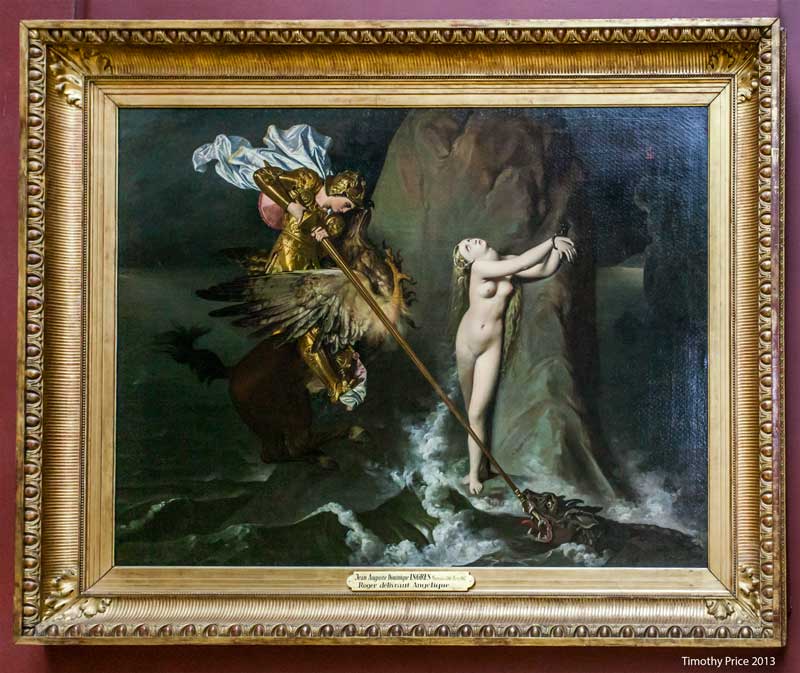
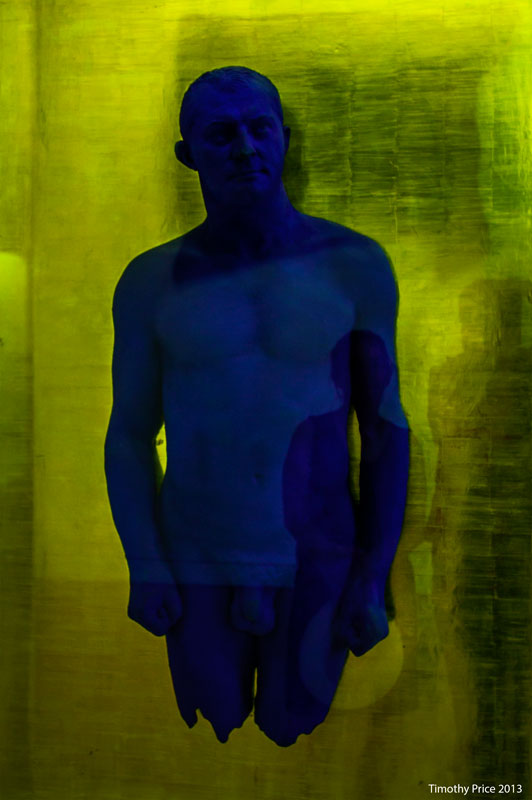
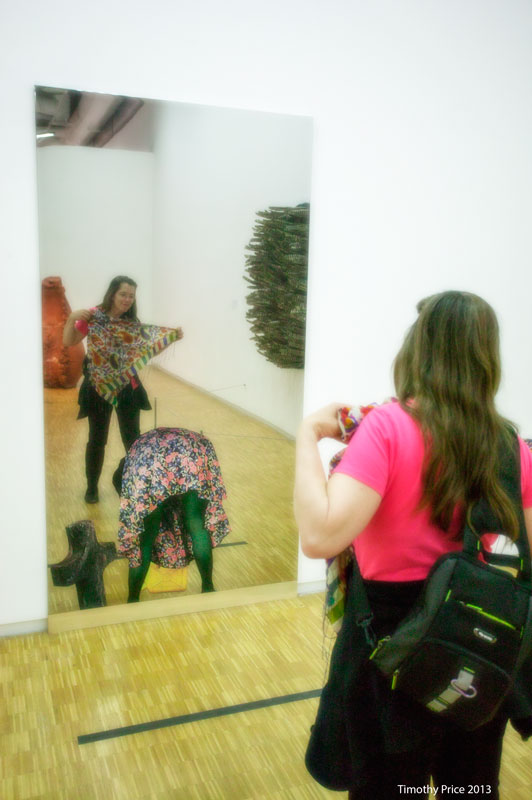
One project of Henry IV was to extend the Louvre along the right bank of the Seine and join the Louvre to the Palais des Tuileries (the Palais des Tuileries was destroyed in the upheaval of the Paris Commune in 1871). The resulting addition was more than a quarter mile long and 100 feet wide making it the longest edifice in the world at the time. After the addition was completed Henry invited artists to live and work in the spaces on the lower floor, a tradition that continued for 200 years until Napoleon III put a stop to it. Today King Henry’s addition is part of the Denon Wing that houses a lot of the permanent collection, including the Mona Lisa. We made another trip to the Louvre yesterday afternoon, and the photos today include interiors, staircases, ceilings and selections of artwork from the French master’s in the Sully Wing (oldest remaining section of the Louvre) and the “Grand Format” paintings in the Denon Wing. I also included photos of two more installations by Michelangelo Pistoletto near the “Grand Format” paintings. The first one (2nd photo) shows Laurie and I in the mirrors that represent the Law (Judaism) in an installation that represents the four major world religions. The second one (4th photo) shows the world religion installation from its outside, and the third Pistoletto is the last photo in the series.







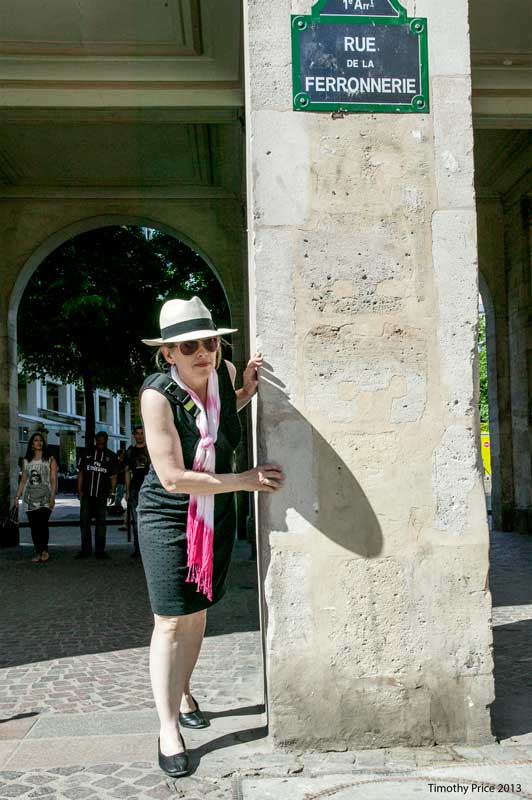
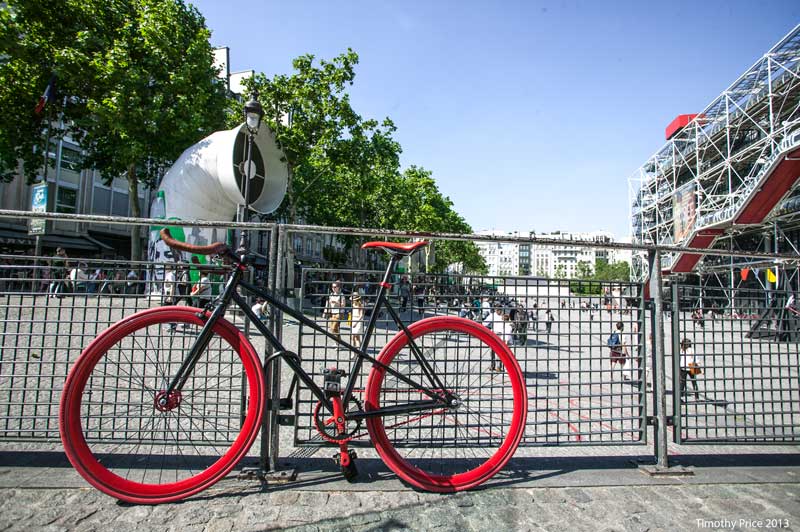
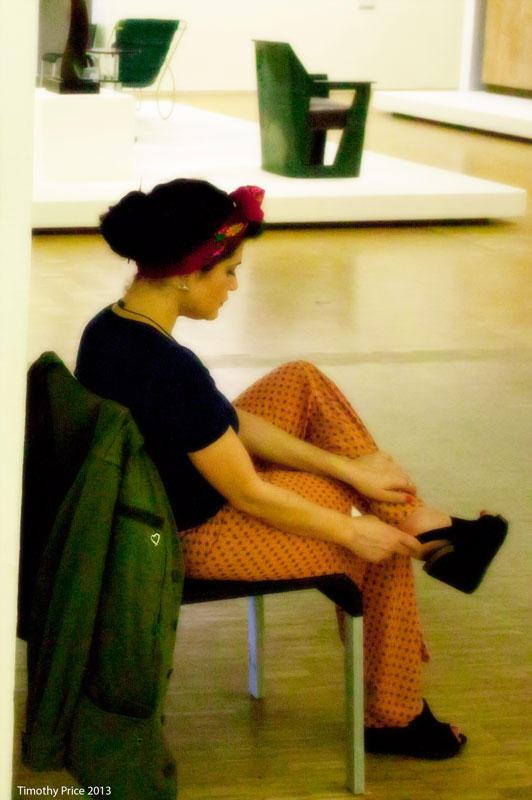
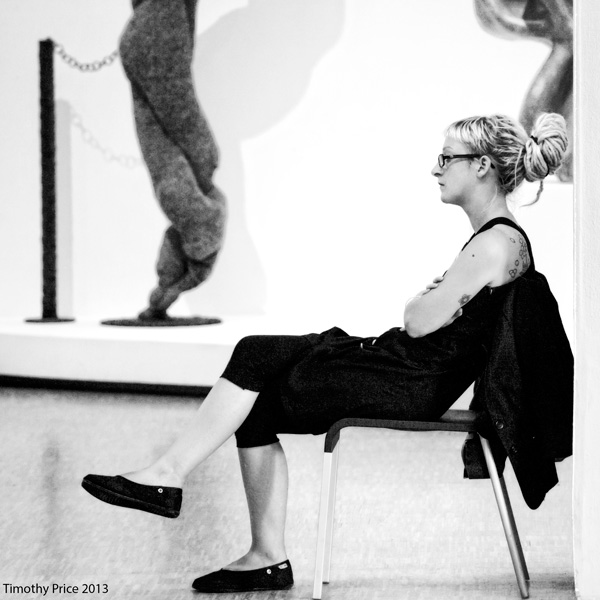
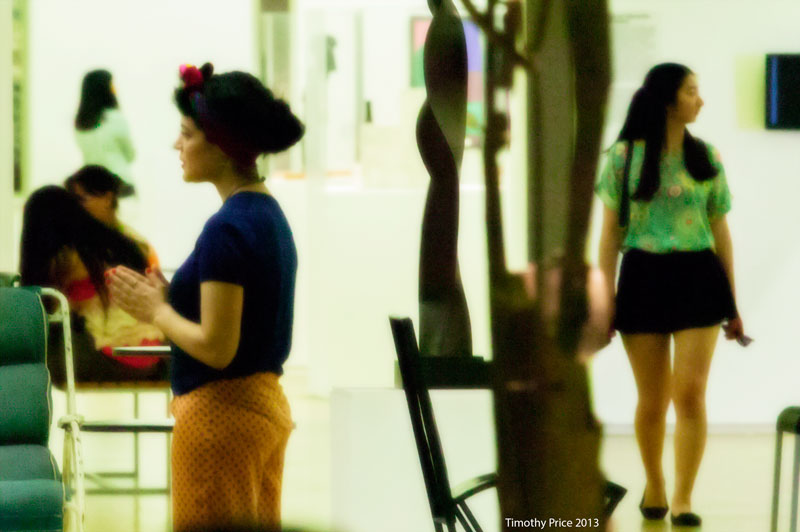
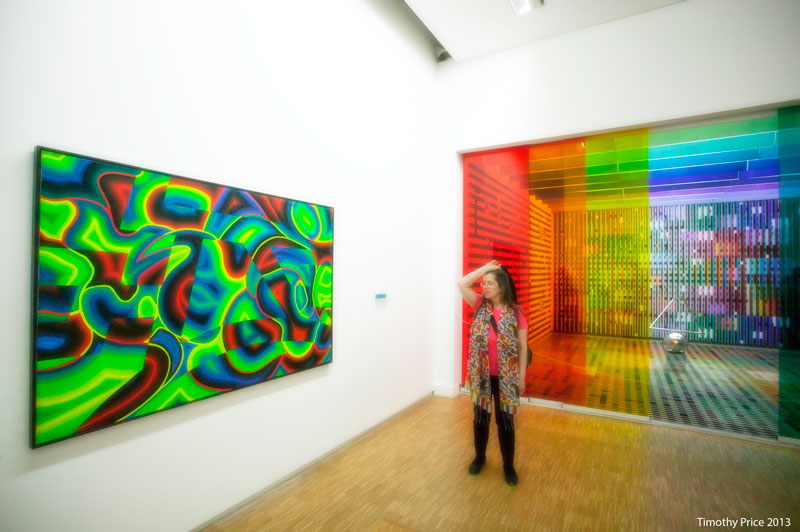
On our way to the Center Pompidou, we found Rue de la Ferronnerie, the street Henry IV was assassinated on. The Louvre has its contemporary elements, but they are very formal compared to the Pompidou, whose skinless superstructure is as much of a bike locked to a fence as it is a building. I also notice that once you are in the gallery spaces inside the Pompidou, you and everything else in those spaces become part of the art and exhibits: the guards who watch the exhibit spaces in their informal dress and hairstyles, the visitors, the views, the elements of the building, the sculptures and the paintings all interact to make the Pompidou a dynamic, contemporary art space.
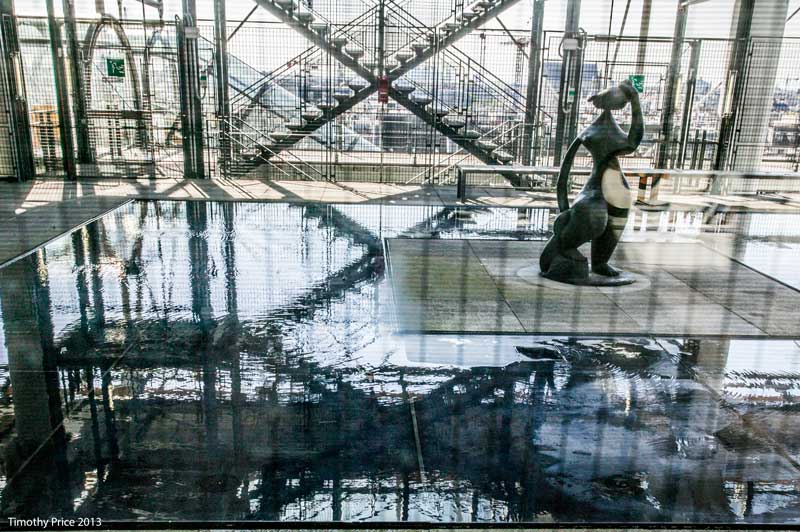
While the Pompidou works well as a contemporary art space, it’s not the best when it comes to circulation and comfort — especially the tubes on the west side of the structure that contain the escalators that give people access to the different levels of the building. They look cool from the outside, but the are very hot, and not much fun to be in on a sunny afternoon.
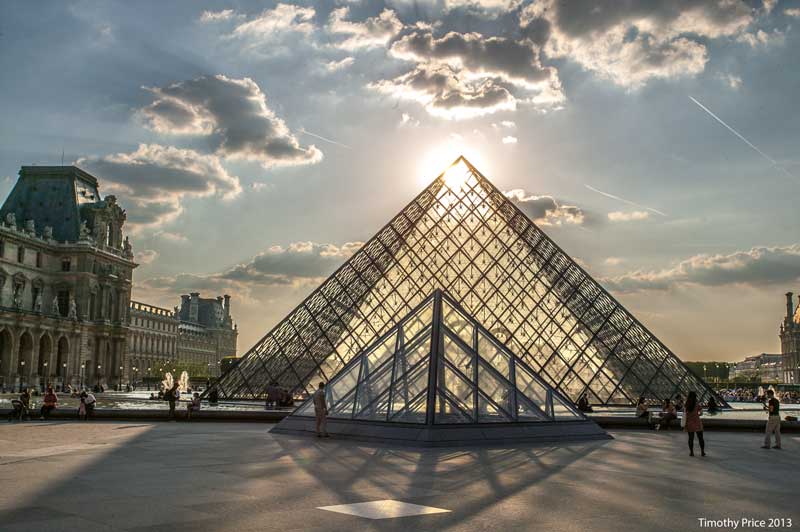
The second and last photos are contemporary elements of the Louvre — the light structure of the pyramids and the heavy X of the escalators are so well ordered and formal compared to the pipes, cables and tubes that make the Pompidou look rather a mess.



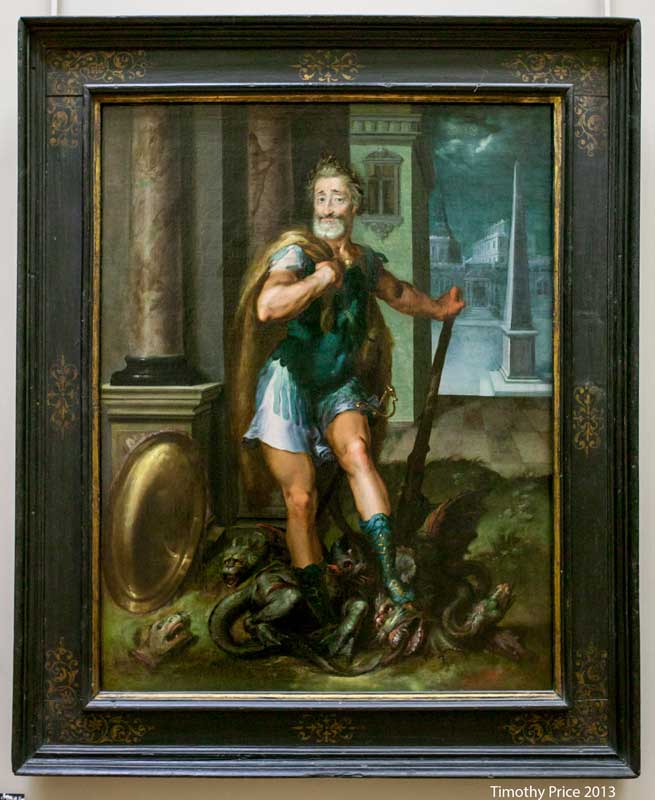
In chapter 33 of their book “1066 and All That” W.C. Sellar and R.J. Yeatman conclude their section on the St. Bartholomew Day Massacre with “After the massacre the French King, Henry of Navarre, turned Roman Catholic and made his memorable confession – ‘Paris is rather a Mess’…” Their humorous interpretation of “Paris vaut bien une messe” describes the time as well as the original saying. After Henry of Navarre took the throne to become King Henry IV he paid off his enemies instead of waging endless, costly wars against them; he also ended the “religious wars” that he had fought in when he issued the Edict of Nantes in 1598. With the help of the minister Maximilien de Béthune, Duke of Sully, they regularized the state finances, and then they set about cleaning up Paris and restoring it as a great city. They also undertook public works and promoted education throughout France to improve the life of all people so there would be “a chicken in every pot”, which made Henry IV one of the most popular French kings ever. Although he was popular with the people, he had political and religious enemies. On the third attempt on his life, Henry IV was assassinated in 1610 by a Catholic fanatic, François Ravaillac, when Henry IV’s coach was stopped by traffic congestion in the Rue de la Ferronnerie. You can see that Henry IV was a man of good humor from the painting of him as Hercules vanquishing the Lernaean Hydra painted around 1600 by Toussaint Dubreuil. And I think he would have enjoyed “1066 and All That” as well.
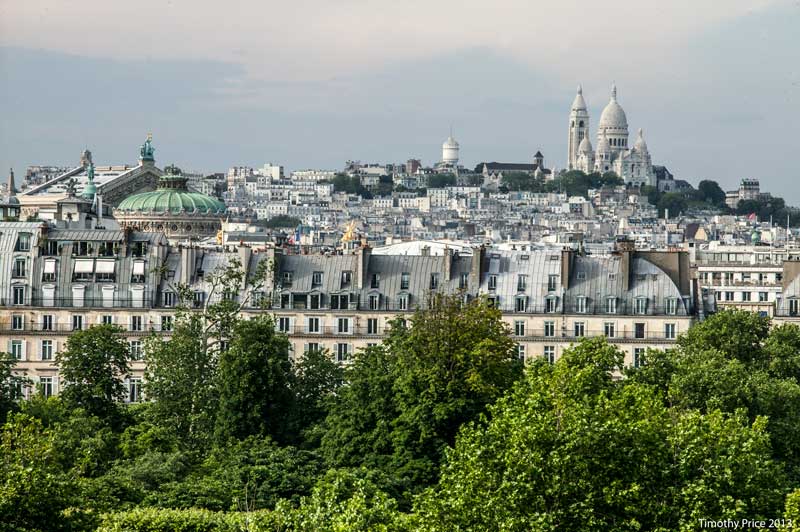
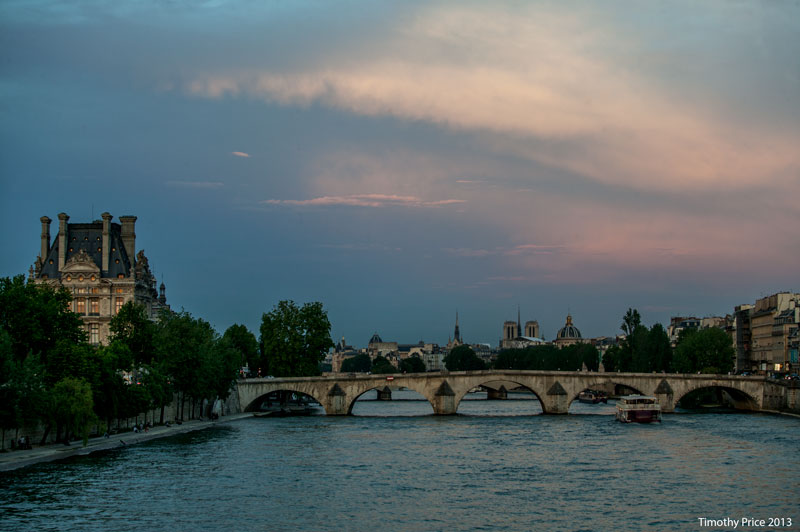
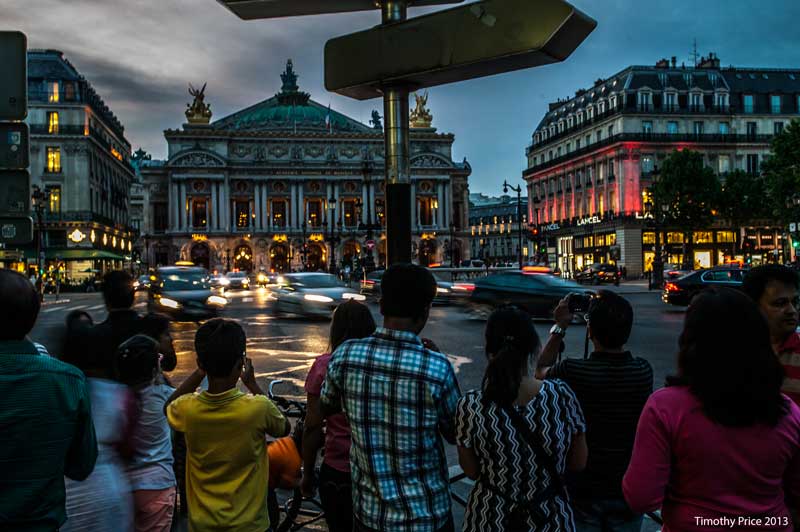
We were in the Louvre and Orsay multiple times yesterday and the photos show the changing light as we walked back and forth between the apartment, the Louvre and the Orsay from mid-morning until 10:30 pm when we got home for the night.





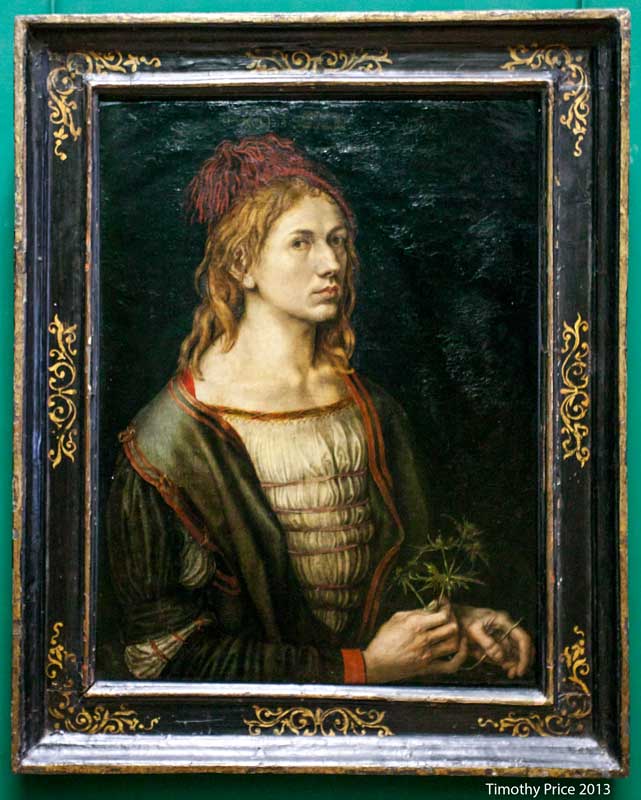
While going through the 15th and 16th century paintings from the Netherlands and Germany in the Richelieu wing of the Louvre, I started looking at the many portraits of men and wondered if I could find a painting of a man similar to the Mona Lisa. The problem with most portraits of the period is that the subjects tend to be in a detached, documentary pose and are rarely looking at the viewer. I was about to give up on the idea, but then I came across a self portrait of Albrecht Dürer which struct me as Mona Lisa-like. It was Dürer’s first painted self portrait, done when he was 22 years old and most likely to be sent to his fiancée, Agnes Frey. A marriage had been arranged for Dürer while he was living with his brother in Basel in 1493, and Dürer and Ms. Frey were married upon his return to Nuremberg in 1494. While Dürer’s self portrait predates Mona Lisa by about 10 years, he paints himself in a similar pose and light, and he engages the viewer with his direct eye contact and pleasant countenance. I may find other male Mona Lisa’s, but so far Dürer’s self portrait is the front runner.
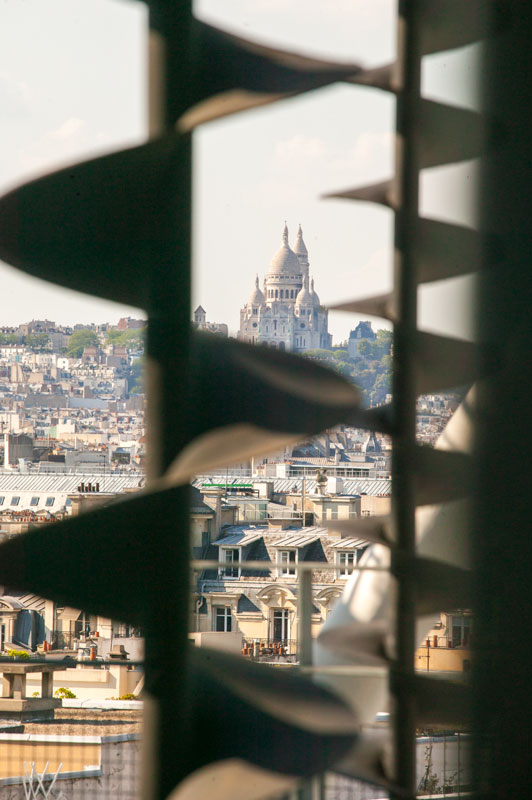
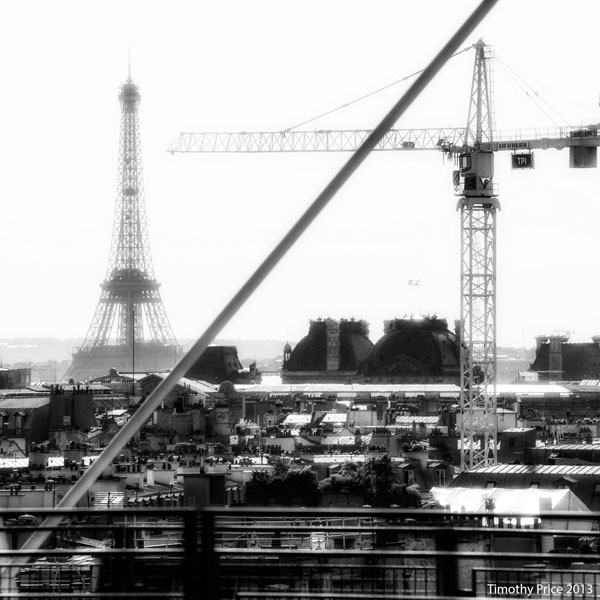
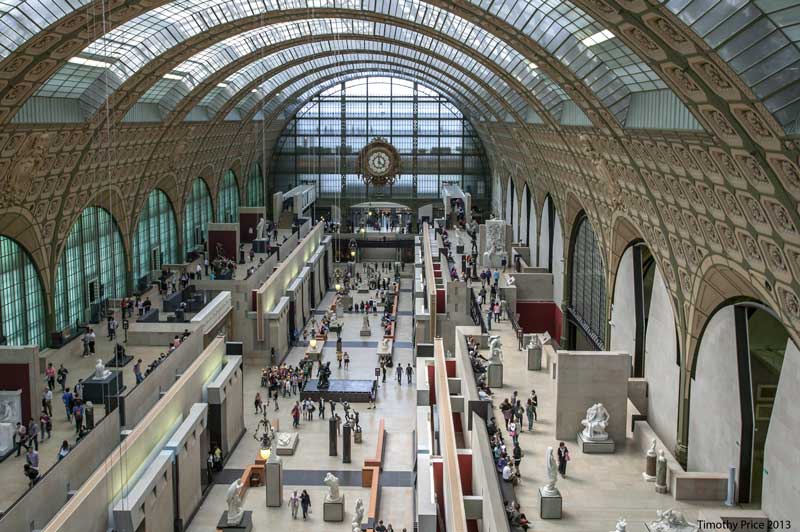
After the Louvre we went to the Musée l’Orsay, which is an old train station converted into a museum. Photographs are prohibited in the Orsay, but I managed to get a shot of the inside and the shot through the clock looking at the northern skyline of Paris. One commentator described train stations as being secular cathedrals to modernism with the clocks being their alters. In the evening we went to the Center Pompidou, and looked at the modern art. It’s interesting to go from the Louvre and Orsay’s formal, hands-off settings to the Pompidou’s modern, more interactive environment. You get a nice view of the Paris skyline from the Pompidou and the last photo with the Eiffel Tower in the distance is from the 4th level inside the Pompidou.






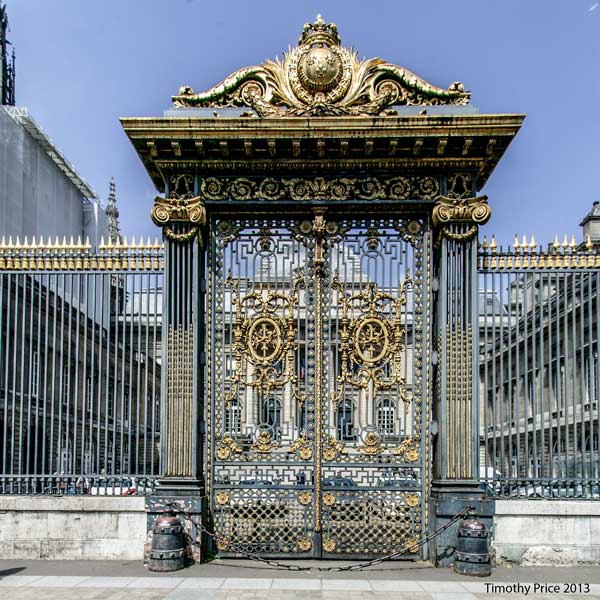
The Louvre and many other museums are closed on Tuesday, so we went to the Crypt under the plaza in front of Notre Dame. where they have Roman and medieval ruins and really nice interactive presentations on the history of Paris. Than we went to the Palace of Justice where the Sainte Chapelle and Ile de la Cité Conciergerie are. There are an impressive set of gates at the Palace of Justice.
Sainte Chapelle is a chapel that is stained glass on all sides. They really pushed the limits of gothic cathedral style construction with Sainte chapelle. From the outside it is buttressed with the stained glass set deep in between the buttresses so you don’t realize how much it is all stained glass until you get inside. You enter at the lower floor to a brightly painted vaulted room that supports the floor of the chapel. Then you climb a narrow spiral staircase and enter into the tall, narrow naive and a kaleidoscope of stained glass.
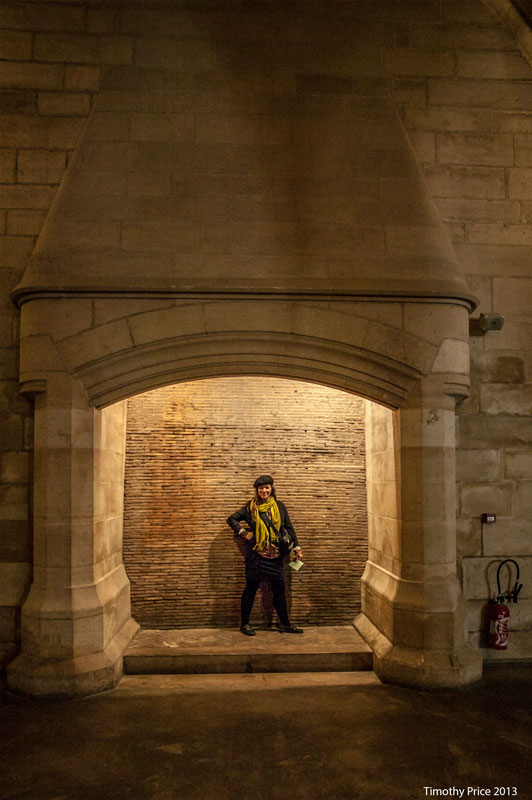
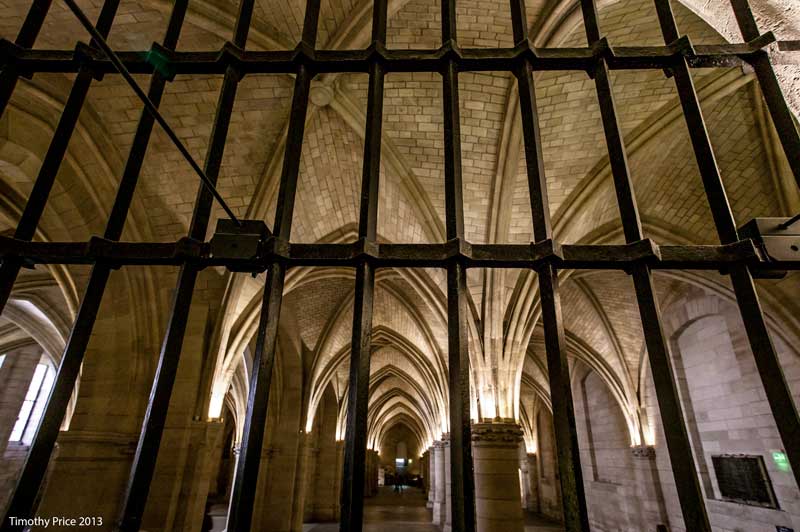
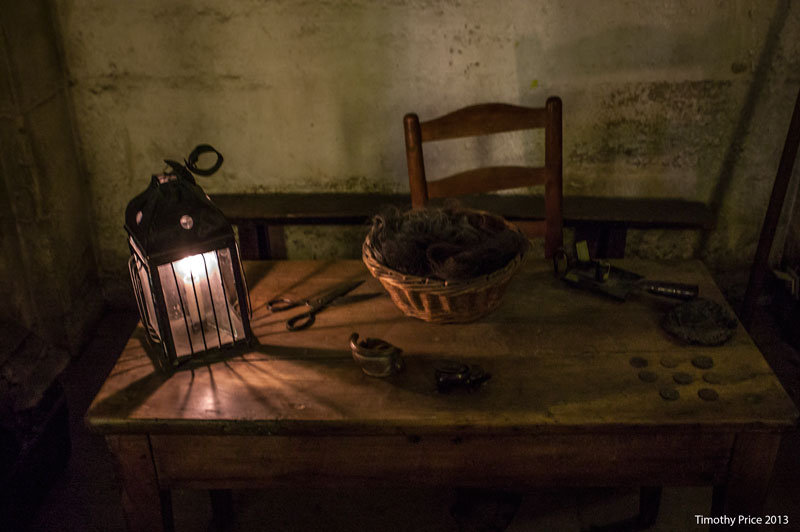
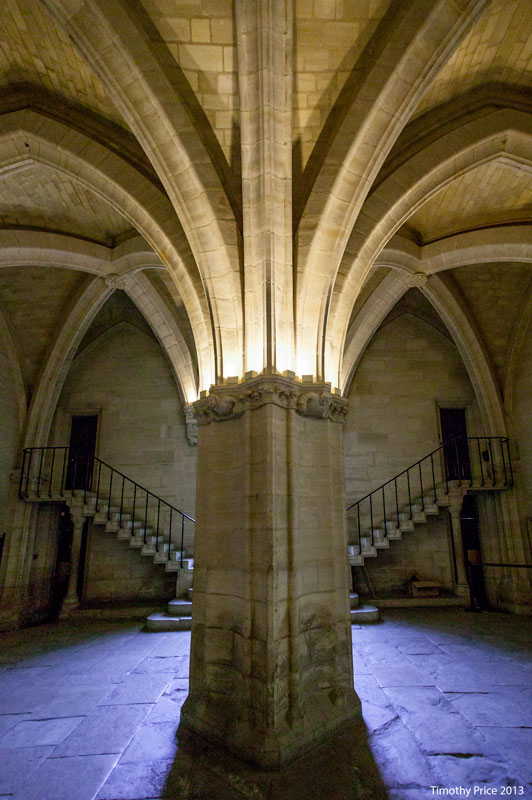
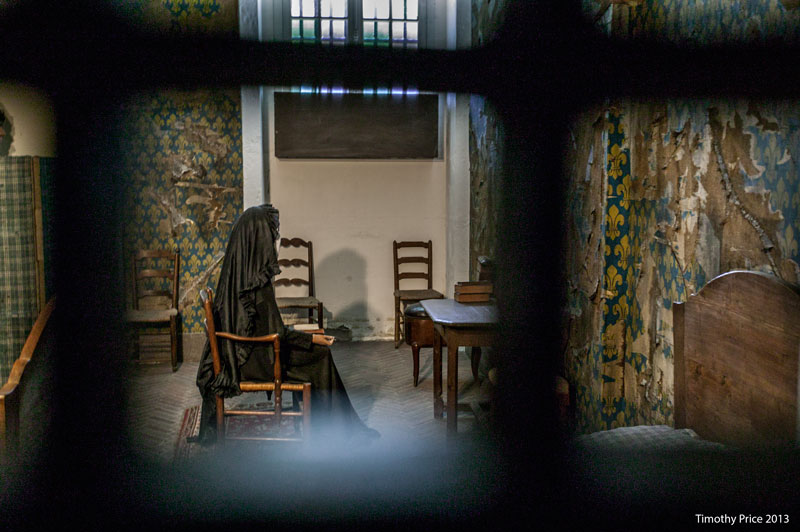
The Conciergerie was used as the main prison during the French Revolution and housed famous prisoners including Marie Antoinette. The literature said they would seat 2000 people in the large, vaulted hall, which has several large fireplaces in the middle ages. There were several little rooms set up to recreate the sense of the time, and room with the names of the 2600 guillotined, and a the room where Marie Antoinette was held until her trial and execution.
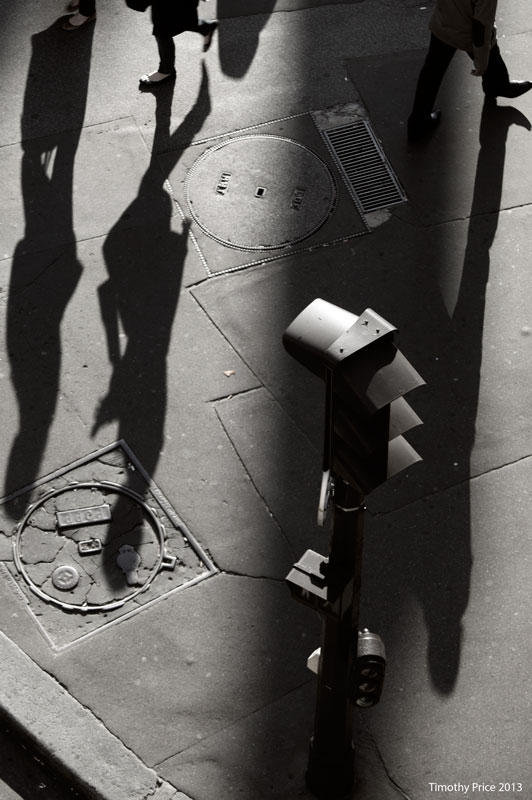
In the afternoon we sat out on the roof and watched people on the street.



 Off Center & Not Even