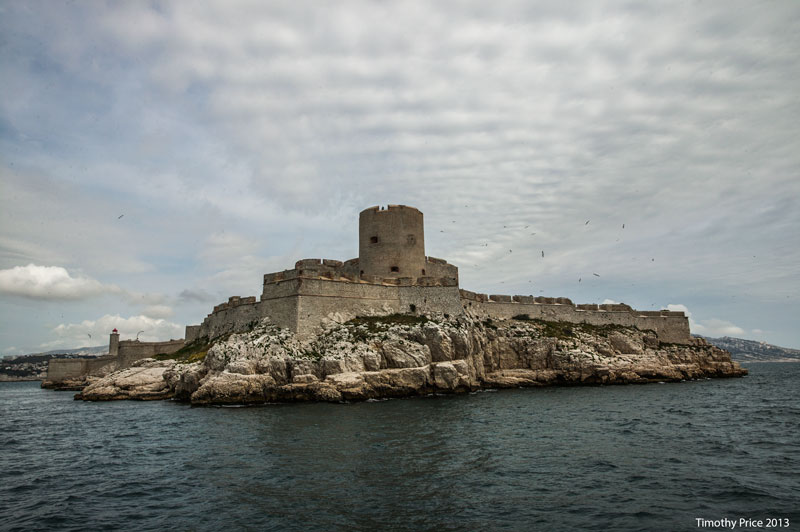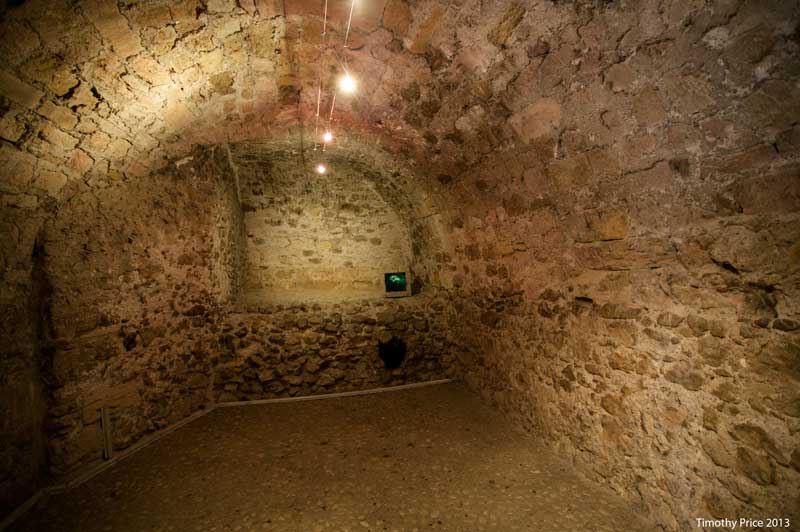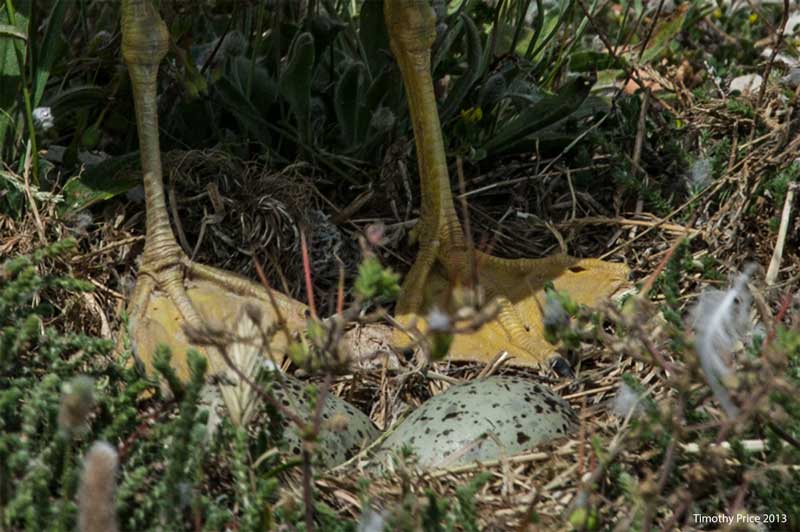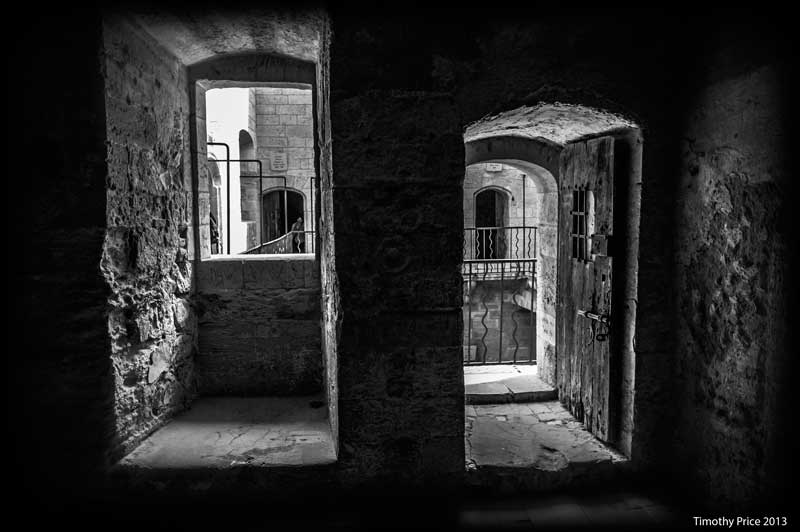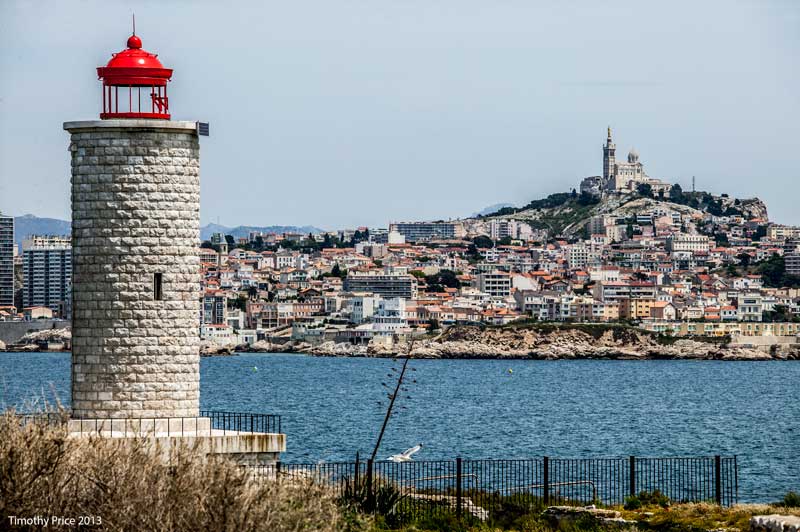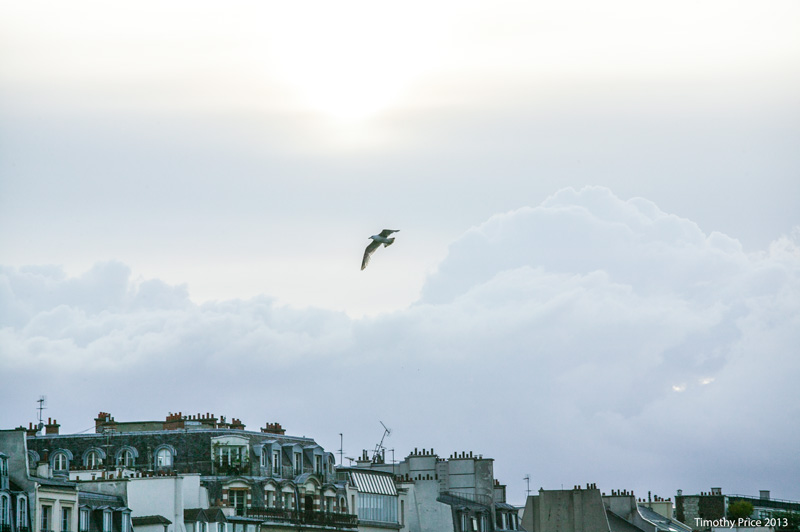
Our last day in Provence, and the sea was calm enough for us to get a boat out to Chateau d’If, the island castle turned prison that was made famous by Alexandre Dumas in his novel The Count of Monte Cristo. The most famous prisoner on Chateau d’If was Edmond Dantes, Dumas’ fictional character who was wrongly imprisoned on d’If for 14 years, and who meets the Abbe Faria after Faria digs a tunnel into Dantes’ chamber. Faria educates Dantes, Dantes escapes posing as the dead Faria, and becomes the Count of Monte Cristo. Even though Dantes and the Abbe never existed, there is a tunnel adjoining two chambers that are labeled Abbe Faria and Edmond Dantes. The castle is in great condition with access to almost every room. In some of the rooms they have sound effects to give added ambience. There are lots of seagulls nesting on the island, and ignoring the signs saying that seagulls are dangerous, I got very close to one that sitting on her eggs. She was very vocal about my close proximity, but simply held her ground.
Category: Clouds
France Day 13 The road to Avignon

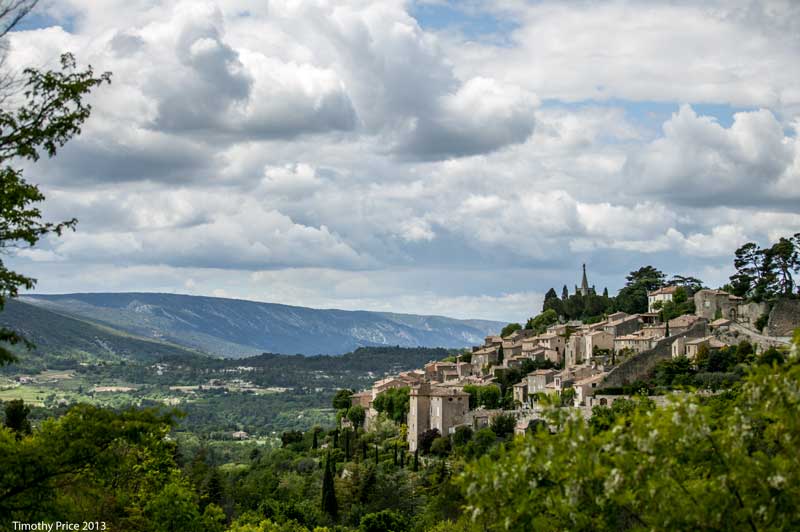
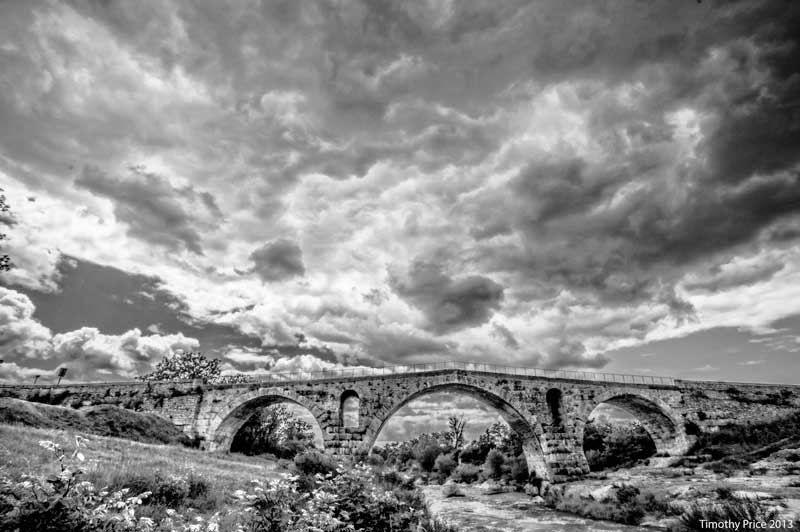
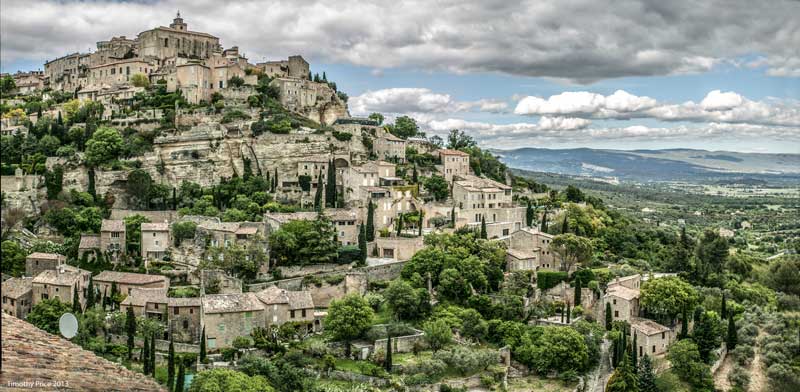
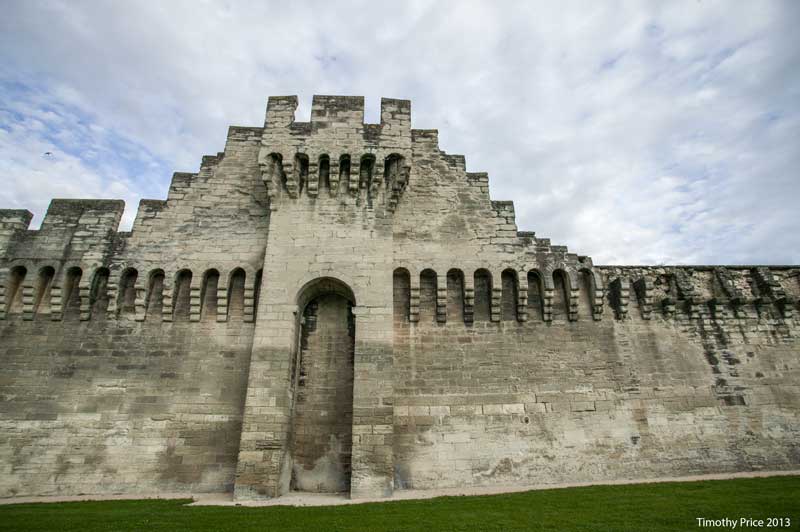
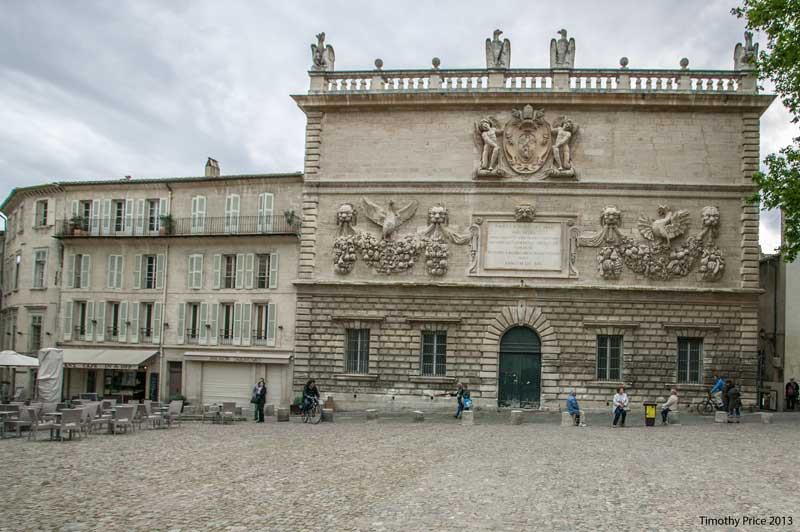
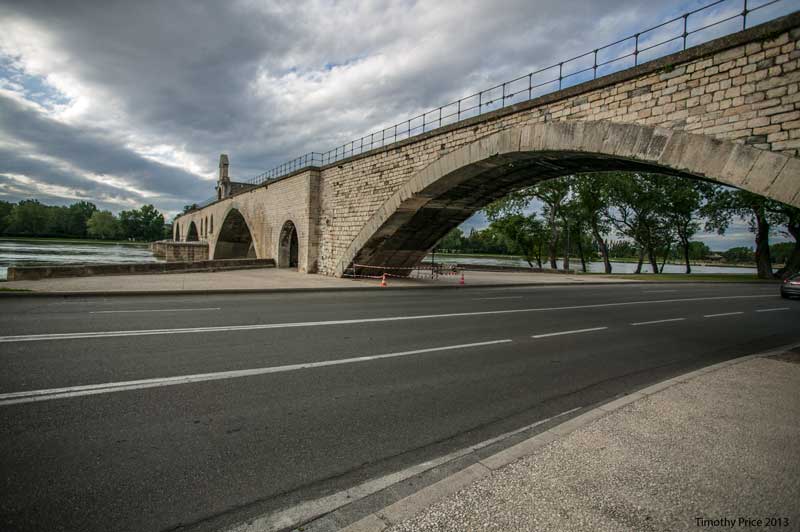
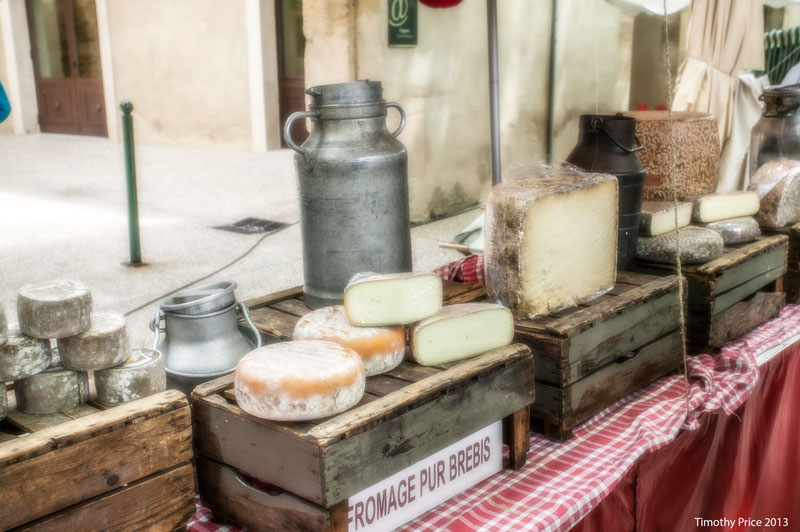
We took the long road to Avignon and visited the market at Lourmarin where we got cheese, meat and bread to eat along the way. The large, half round of cheese in the first photo is Cantal. We have a recipe that calls for cantal, but I couldn’t find it in Albuquerque. There is a castle in Lourmarin as well. Then we drove to Bonnieux, a picturesque 12th century village built on a hill. The photo with the church in the foreground shows Mont Ventoux in the background. We passed by an old bridge that was probably either Visigoth or Roman on our way to Roussillon. There is a similar bridge in northern Spain that is Visigoth. Roussillon is painted with the red and yellow pigments they make from the soil in the area. We ate lunch on a bench in an area protected from the wind and watched the light change on Mont Ventoux in the distance. You can tour the valley and the operation for making the pigments, but it was cold and windy so we didn’t do the tour. Gordes is an amazingly beautiful village built on and in the rocks on the side of a hill. After Gordes we visited Fontaine du Vaucluse, which is a headwater, but instead of a trickle of water from a melting snow pack that eventually turns into a river, Fontaine du Vaucluse produces volumes of water gushing from a spring. Parking was expensive, so we didn’t stop and get photos. After almost seven hours visiting , we made it to Avignon. Avignon is a large city, so it takes a bit of driving to get to the old city still surrounded by a wall. The Papal Palace is quite an imposing structure, a very well fortified building.


France Day 12 Cassis
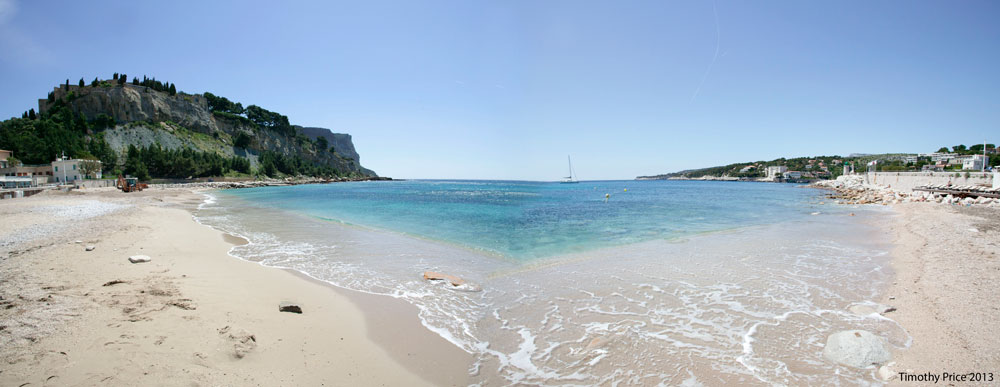
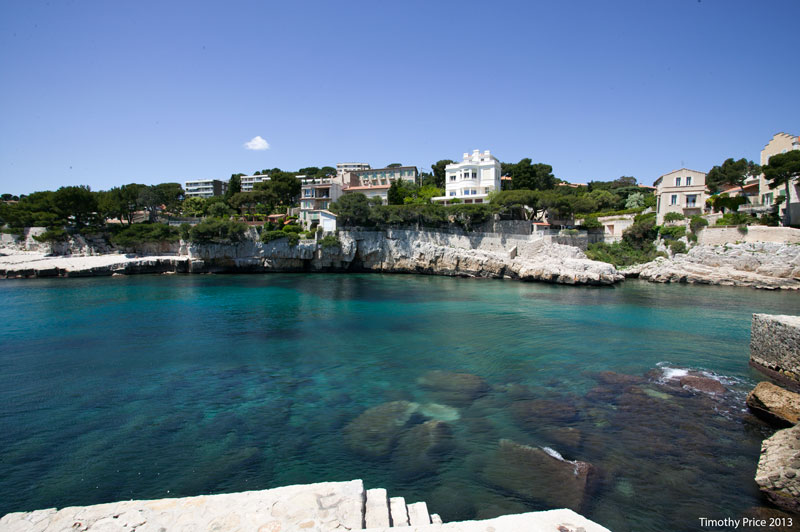
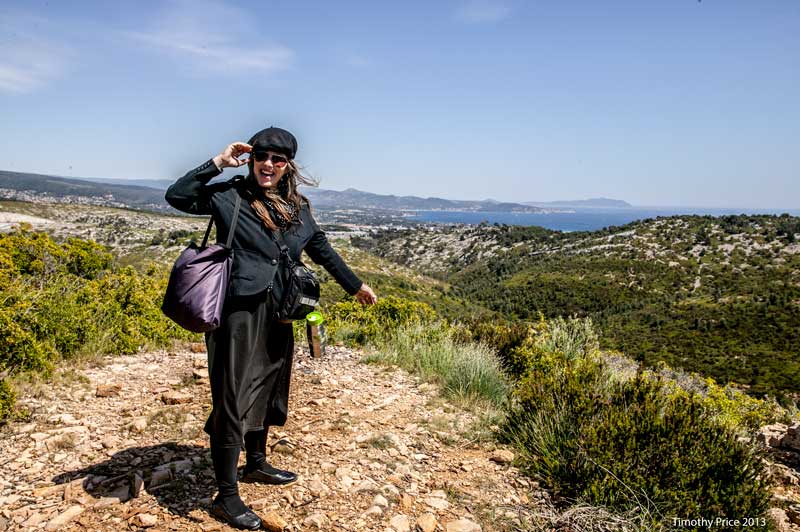
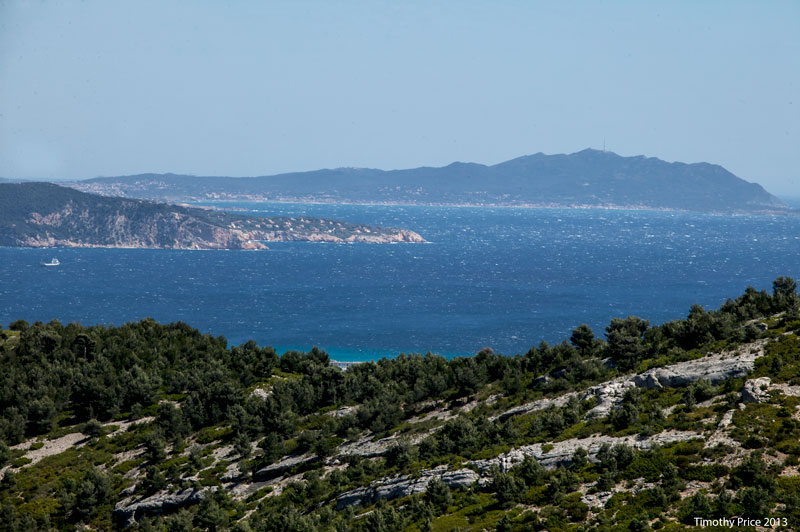
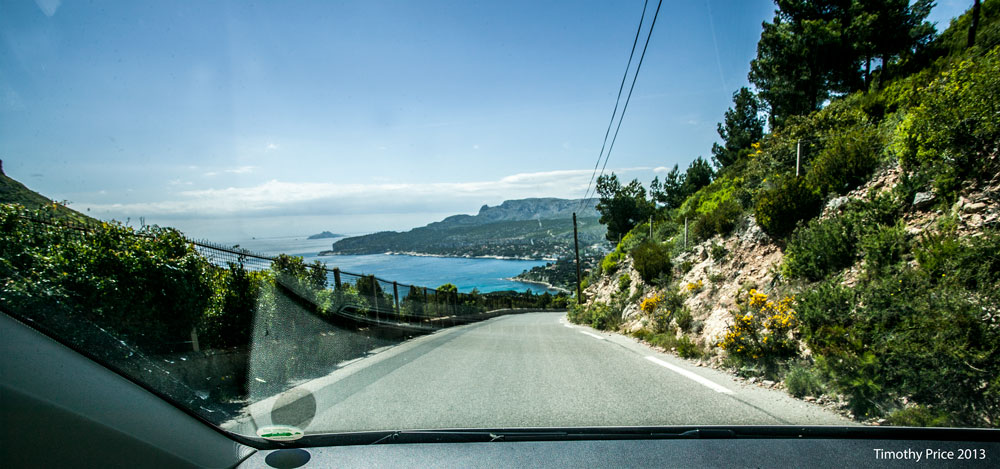
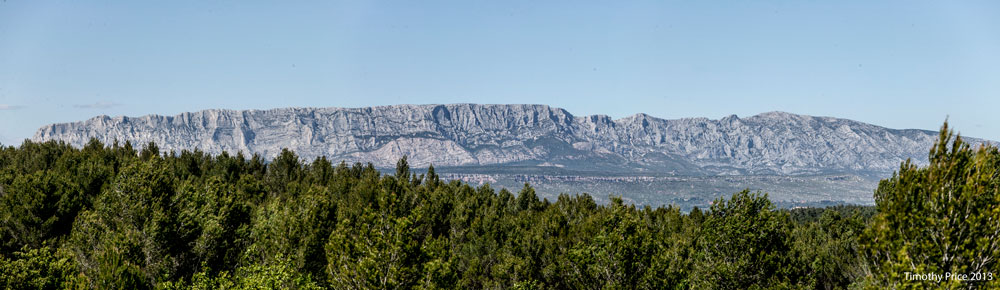
Cassis is a beautiful village tucked into a cove with a couple of small, but nice beaches. It’s like a dream village for those who would like to get up, have coffee looking out on the water, lay in the sun and wade in the clear, blue water. There is a scenic road the winds along the cliffs above the sea between Cassis and La Ciotat we were going to drive, but it was closed. The road up the mountain on the way was so steep that the VW Up! we are driving could barely get Up the road — truly “hors catégorie” on the grade of that road. The last photo is face of Mont Sainte Victoire. Cézanne painted the profile of the Sainte Victoire looking east.
France Day 10 Les Baux de Provence
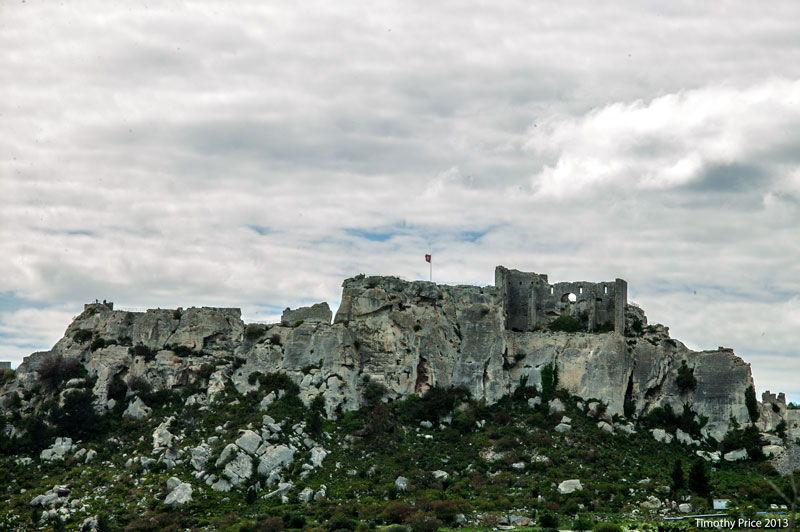
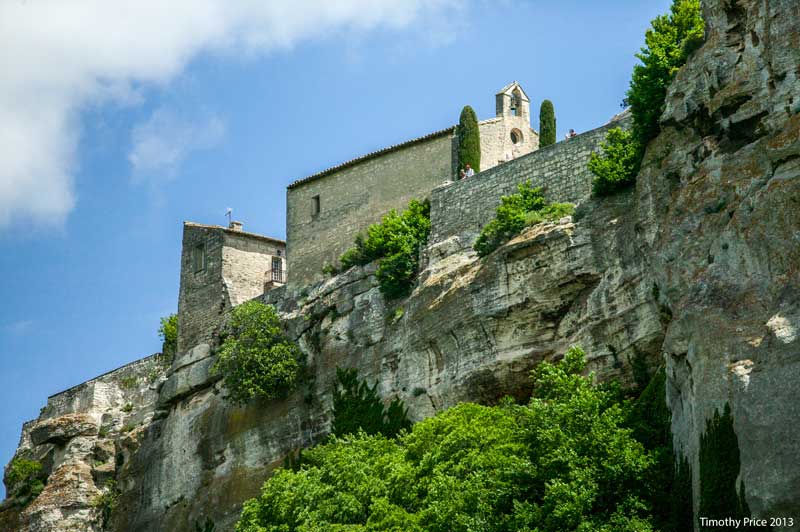
Yesterday was a free day, so we did laundry, then our hostess drove us to the TGV station where we got our tickets back to Paris on the 28th and where we picked up a rental car for the rest of the week. After talking to locals and getting recommendations of places to see, Laurie and I decided we needed to rent a car so we could get out in the countryside and really explore the area. So we are still going to the same places as the class, but we are going to do a lot more exploring. After we picked up the car, we drove out to Les Baux de Provence, an old fortified city built on top of a rock at a pass in the hills, which was highly recommended. You can only get there by car or hired tour bus.
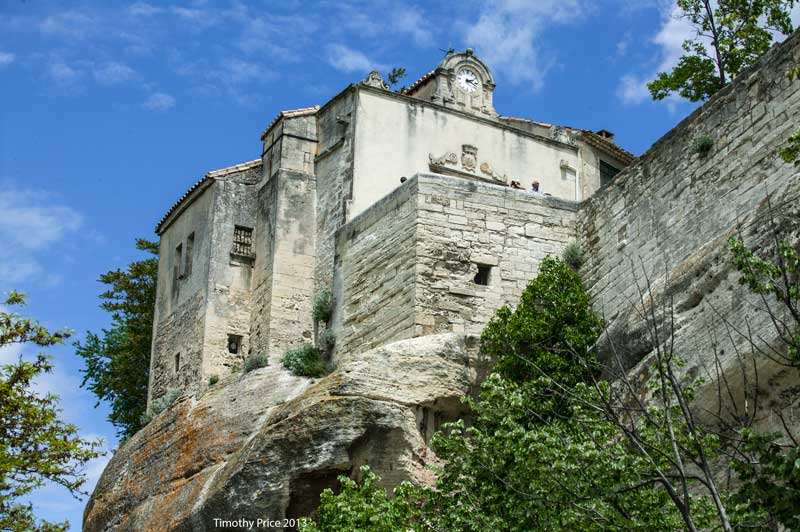
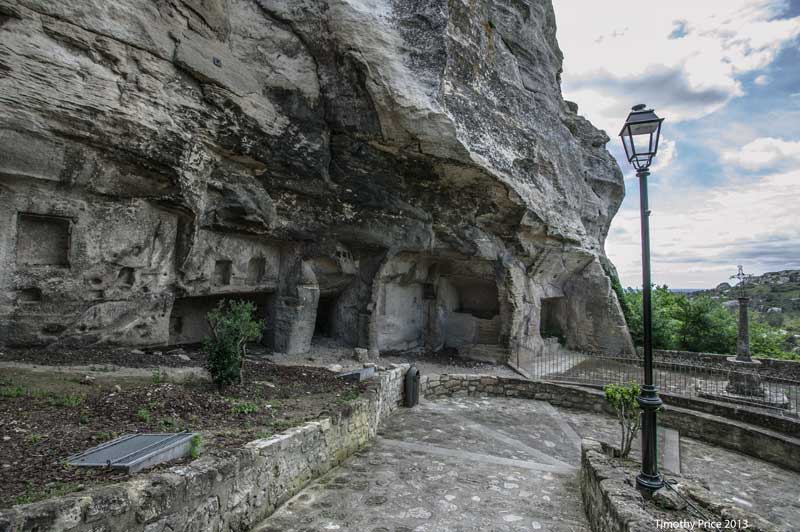
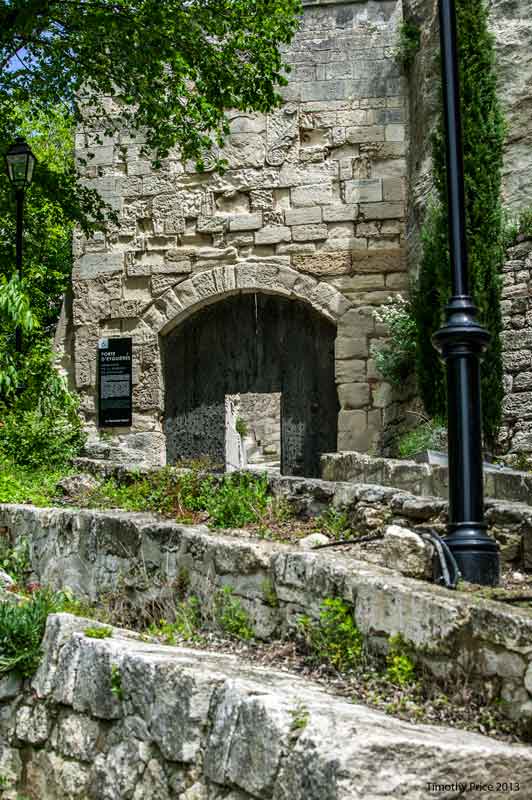
Baux is a popular village. There were a lot of people visiting the village, a lot of large groups of bicyclists slowly making their way up the hills into the city, and lots of tour buses. We parked in the village in the valley below Baux and walked up on the the stone stairways that brought us to gate 6. Just below the gate there were areas where buildings had been built into the rock that were now just cutouts in the rock that reminded us of the cliff dwellings at Bandelier National Monument. We were going to go into the old fort that would have given us access to the highest points on the ruins of the old fortification, but two or three groups of about 100 schools kids were going in, so that slowed down the process of getting in, and we had limited time as we had to get back by 6:00 at the latest for cooking class.
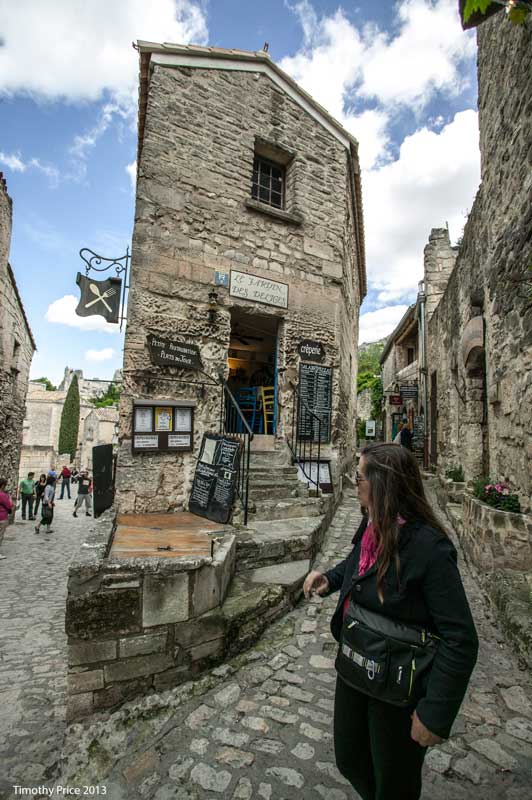
There are a lot of shops and restaurants tucked into odd shaped places and on terraces. We ate crepes in the narrow, almost triangular building (photos 7, 8, 9). It was pretty late so we and another person were the only people in the restaurant. The crepes were excellent and while were eating, the waitress and cook where busy bringing things in and taking things out the door. When we left, they had set up an ice-cream machine and slush machines and had a soft drinks available on the street. The weather was cool, but I’m sure when all those kids came back through after touring the fort, she would get a lot of business.
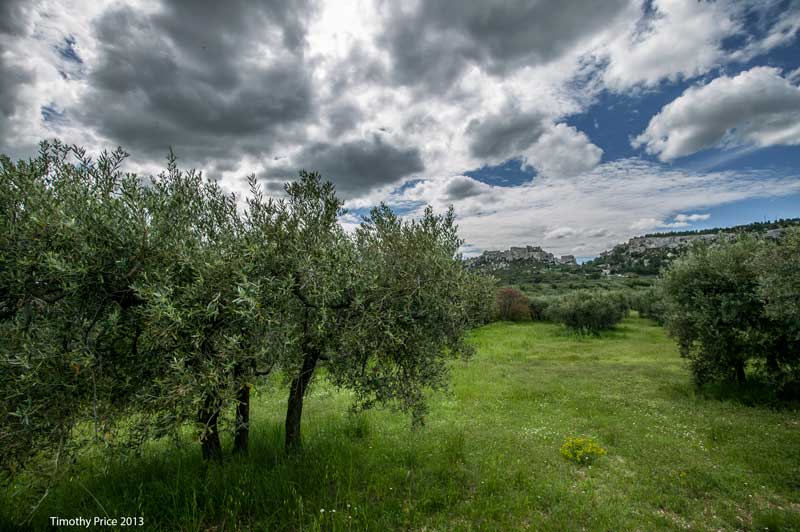
We also stopped and explored some of the vinyards and olive groves along the way, and I got my first French drive-by photo of the shark on the truck — the drives can be quite wild in France, but drivers seem quite wild everywhere. BTW we are driving the VW Up! to the left of the Mini Cooper in the second to the last photo.
France Day 8 Aix Water Bells
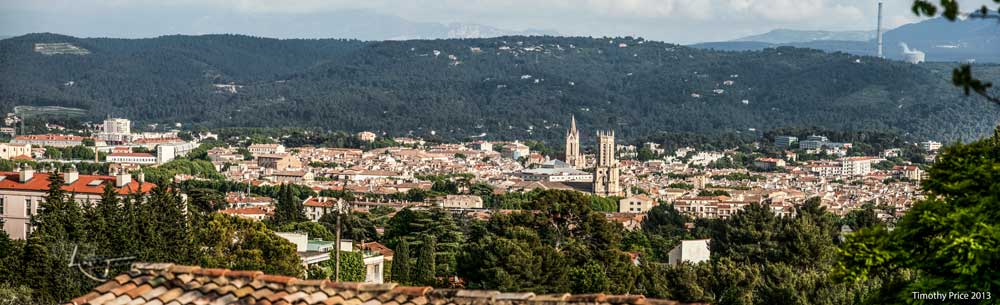
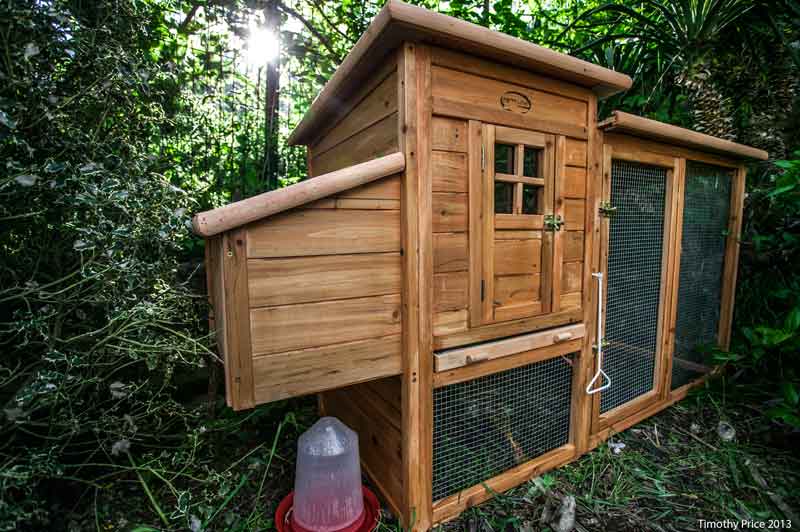
We went to the service as St. Jean de Malte this morning. It was a beautiful service with two infant baptisms and other people doing their first communion. The baptisms were different from the Methodist tradition in that the babies were presented naked and immersed in a big copper caldron of water three times and then dressed with little white shirt and either water or oil put on their heads. The choral music was great and the pipe organ was wonderful. We walked around Aix after church, talked to an Australian for a while and then went back to the house where we are staying, and I took a photo of the view from our walk to and from Aix. After we got home, I helped our hostess build a chicken coop, which looks more like a chalet than what we’ve used for chicken coops in the past. Then we went to cooking class in the evening, learned to make quiche, ate it and got home late again. We have to get up early to go to Marseille.
France Day 5 Travel to Provence
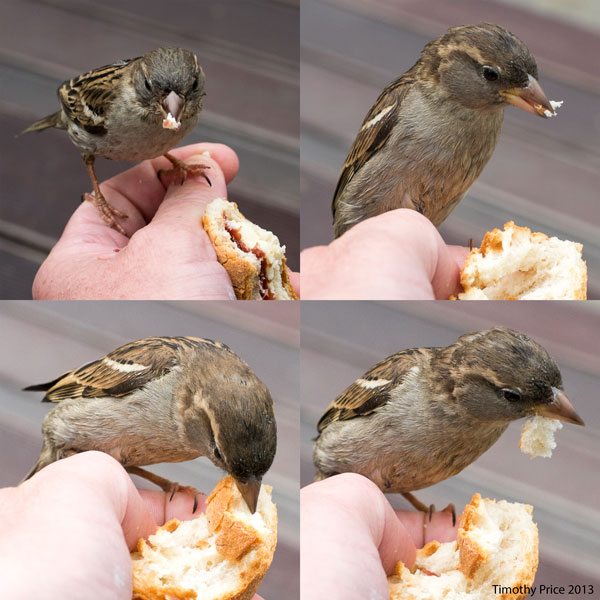
Laurie and I got to Notre Dame at 8:00 am, right after it opened, listened to mass, and then looked at the exhibits behind the altar area. The French government restored the pipe organ and the bells for the 850th anniversary, and the exhibit noted that renowned musicians play the pipe organ on Sundays. They also have concerts at Notre Dame, so we are planning on attending a concert and going on a Sunday to listen to the organ when we return to Paris at the end of the month. After mass and exploring a little more of the church, we sat out on the bleachers and ate bocadillos for breakfast before we had to go back to the hotel and collect our luggage to catch the train to Provence. Since there were few tourists sitting on the bleachers that early, the sparrows mobbed us to get our bread. They were quite aggressive little beasts, and I think they would have preferred to have eaten us if they were big enough.
Getting mob of 20 students plus a few parents and a kid to the TGV (high speed train) on time proved to be quite challenging, as we all barely got on the train before it left, and three people managed to get on the wrong train, but fortunately the two trains were attached and stayed together until we got to Aix en Provence.
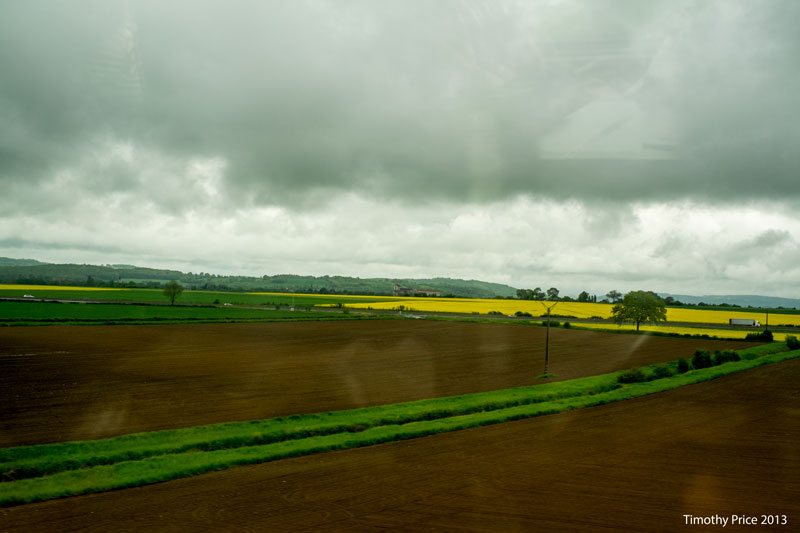
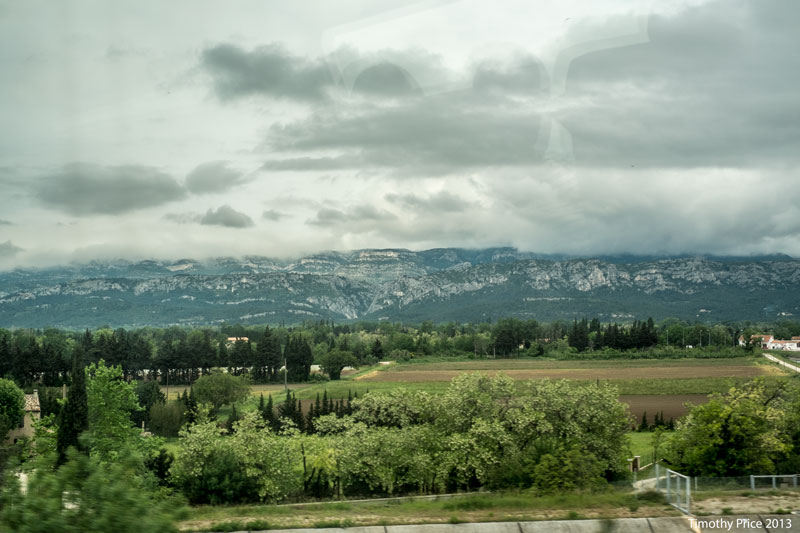
The countryside was covered with green fields punctuated by fields of yellow Colza flowers (used for canola oil) and a few brown fields waiting to be planted most of the way to Provence. Low clouds hung in the sky all the way to Aix with the atmosphere below the clouds alternating between clear and mist. The landscape became drier and rockier the further south we went, but it was still much greener and wetter than New Mexico.
We are staying with a family in a large house on the northern edge of Aix en Provence. Sophie, the hostess, is a native of Aix, but has lived in England with her Husband Paul. She has one daughter living at home, a couple of other students who go back to the States on Wednesday and a dog name Lilly, who insists that I throw a ball for her and give her lots of attention.
We are starting on classwork this morning and our first cooking class is this evening.
France Day 4 Paris Free Day
We had a free day today, which means we didn’t do anything as a class, so everyone was on their own to do whatever they desired. Laurie and I walked over to Norte Dame and sat in the garden behind the cathedral. There was free Paris WIFI available so I was able to finish placing a photo order that I got right before we left for France, and Laurie worked on an ad to try a get people to meet with us and exchange French conversation for English conversation. The interchange was called an intercambio when we were in Spain, and we would hang ads on public bulletin boards where we lived, at language academies and Irish pubs in Spain. So we figured we could do the same in Paris, except, once we got everything prepared and started walking the streets, we noticed that there were no public bulletin boards or kiosks around.
The University of Paris, Sorbonne is very near our Hotel, so we asked the guards at the front door if there were any public bulletin boards at the university to hang notices. They told us to go up the side of the building to 17. We asked the guard at entrance 17 and he said yes, up by the next entrance. The next three guards at the next three entrances looked confused at our request and said we had to have university IDs to get in. We walked the rest of the way around the building, which is huge, taking up several blocks, but there were no entrances on the west side of the building. We asked a student if he knew where any bulletin boards were, but he wasn’t from Paris, so he didn’t know. He said they had them in Lyons, but he hadn’t seen them in Paris. I looked on line and found a language interchange website that’s kind of like a Craig’s List for finding people to exchange languages with, which might be our best option.
In the late afternoon we dropped by a little grocery store and bought some food, then we walked back to Notre Dame and sat on the bleachers facing the façade, looked at the church and watched other tourists while we ate dinner. I had photographed a lot of the gargoyles with a telephoto lens when we were there in the morning, but then after we ate, we walked all the way around the cathedral, and I took more photos of gargoyles. The sunset was brilliant as we crossed the bridge on our way back to the hotel. When I turned back to look at Notre Dame from the other side of the bridge, the light was perfect, but I had a telephoto lens on the camera so I couldn’t get the whole church in a single frame. I didn’t have time to change lenses because I’d lose the light, so I took 9 quick shots in a grid and stitched them together. I got the color and feeling of the light, and the building is straight, except for the towers ended up leaning back in the finished photo.
France Day 2 — Paris
Today we went to Notre Dame, Paris City Hall, the Pompidou Center, and a tower commemorating a king as part of class, then Laurie and I went to the Medieval Museum in the afternoon. We were going to go to the Deportation Museum, but it was closed, but then we walked by the bridge over the Seine where lovers put locks on the bridge to seal their love (or something like that). One of the students said his parents had placed a lock on the bridge many years ago — we decided it would be impossible to find it.
I used a super wide-angle lens for the exterior and interior shots today, so the buildings are distorted. But then, you can Google the building and see photos of the buildings closer to the right perspective.
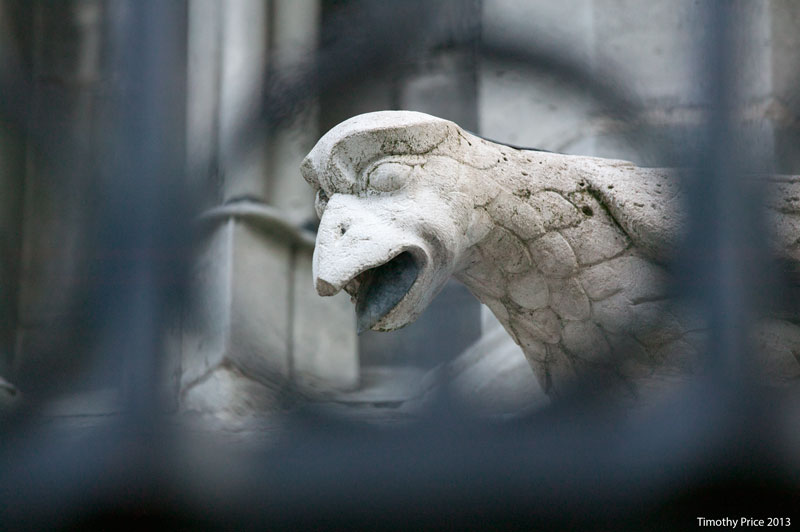
Notre Dame is 850 years old now, and the exterior has been cleaned and the cathedral is free of scaffolding on the exterior. The interior is dark so the stained glass is very luminous. There are a lot of nice gargoyles on Notre Dame, but most are very high and difficult to see well with the naked eye. I have some details of gargoyles on Notre Dame, but the gargoyles I posted today are on the commemorative tower — I had better light at the tower, so the definition is better in those photos.
City hall (not pictured) is a big, recently cleaned building, with a lot of statutes of famous statesmen, artists and people who were involved with the arts and sciences. There had bee some kind of celebration or fiesta over the weekend, as there were work crews taking down tents and amusement rides.
The Pompidou Center is a large, modern building that was very controversial because of it’s raw, skinless, functional structure. The multicolored pipes on the one side of the building are color coded by function — hot water, cold water, HVAC, etc. — and are exposed and color coded throughout the building.
The tower was built by a king for himself and serves no other purpose but as a monument to the king. It has great gargoyles, so I included a statue of St. George flanked by gargoyles and then a detail of St George and one of the gargoyles. The second detail shows how expressive the gargoyles are. Professor Janetta Rebold Benton, in her talk on gargoyles in April, said the gargles were made for God, because they are so high and hard to see. Fortunately we have telephoto lenses today that let’s us see want my have very well been for God’s eyes only.
The Medieval Museum was fantastic, but we didn’t have time to really look at everything. We will go back to it when we return to Paris in June. There a lot of groups of school children in the museum listening to lectures on the art, running around and finding pieces on their worksheet, and drawing some of the artifacts on display. The last photo shows a class in the room with swords, shields and other accouterments of chivalry.
Laurie has a little magnifying glass on the compass, so we were looking at some of the illuminated manuscripts with the magnifying glass. Tiny details about the size of a pin head have amazing detail of faces with expression and realistic looking flowers, and lines no thicker than fine hair are perfectly drawn. I can only imagine that the artists used some type of magnifying glass to do the work, or they had amazingly good vision.
Somewhere Over the Middle of Nowhere
Must Ask You To Leave
I had to meet a guy at a call center, and while I was waiting I noticed the Sandias reflecting on the building were nicely cubist, so I snapped a photo. I waited almost 10 minutes after I took the photo for the person I was meeting to show up. Soon after he came out, a security guard came walking up from the other direction and when he got up to where we were standing, he told me “Photographing the building is not allowed. I must ask you to leave!” The person I was meeting with said “Oh! Really? I didn’t know that!” I left right after that, but I find these supposed “no photographing buildings” policies to be very strange — when I looked up the address on Google maps, there was a nice, extremely clear satellite image of the building, and “street view” images of the building. When I got home, I looked up Google Images using the address and found a lot of photographs of the building that were taken on the property, as well. Despite what the guard told me, photographing the building is very much allowed, because there are images of it all over the Internet.