Synchronized Napping, Etc.

SynchronizedNapping
Leo and Nikita
DSCF1078
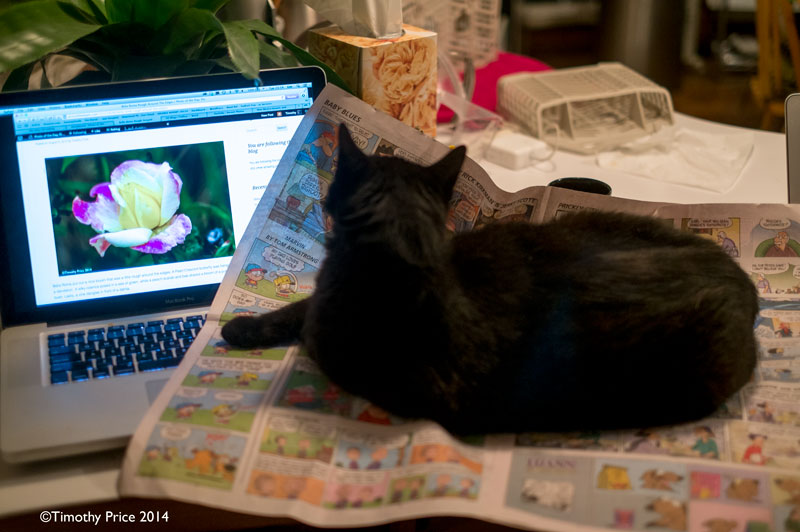
Guildenstern blocking my computer reading the funnies
45CU6507
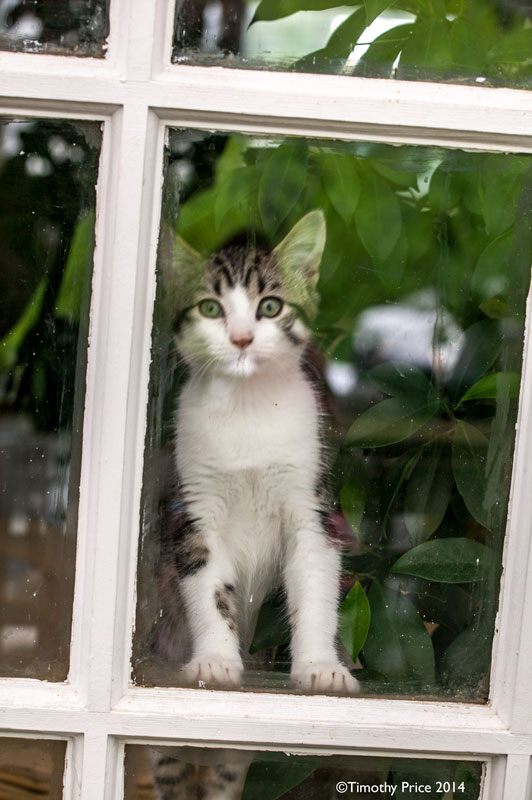
“Standing here lonely, like a broken cat! Serving my time, doin’ the best I can. Walls and glass they surround me. All I want is some sympathy…” I’m just “Inside looking Out.” Pleas let me out!
DSCF0992
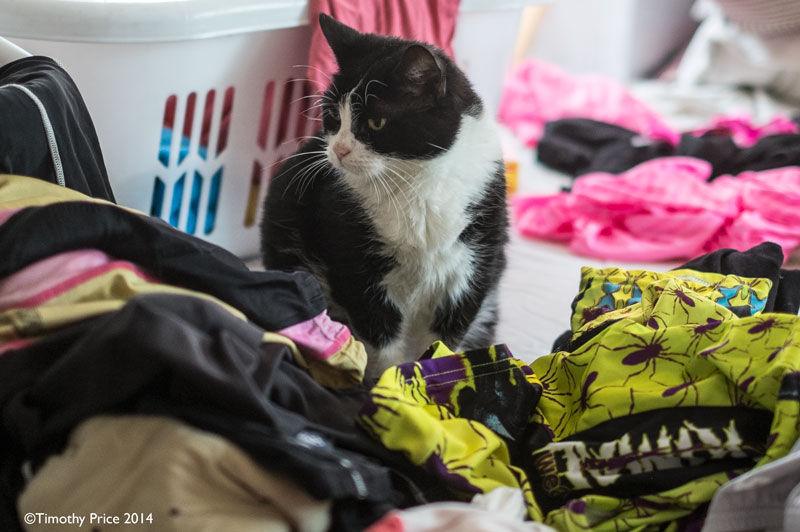
Mama Manx in a pile of bike clothes.
45CU6503
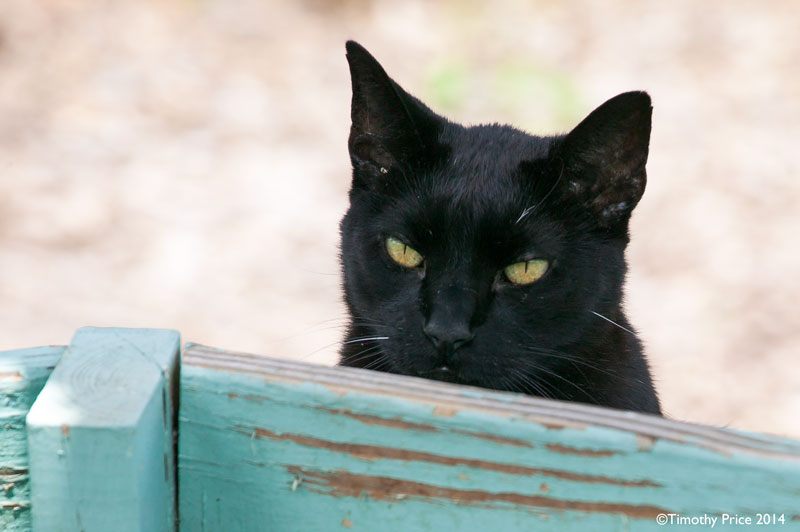
Rosencrantz on the fence


Dinosaur In Our Midst

IMG_2185

Up close and personal, this cucumber beetle larvae looks like a hyper-spiny ankylosaurus or other prehistoric creature. I don’t know what type of wasp is on the brown eyed Susan, but it’s quite colorful. The last photo is purple cosmos backlit in the early morning light.

45CU6446

45CU6443


The Birds & The Bees

45CU6410

Baby Blue Grosbeak took his first flight out of the black bamboo and fluttered over to a sunflower. Daddy Blue Grosbeak hopped around near where baby had flown concerned about the paparazzo sneaking up on Baby Blue. Mama Blue Grosbeak fluttered around in the bamboo, but would not come out into the open. I got up close to Baby Blue, got some photos before he flew off into our giant Dr. Huey rose bush that made  his papa and mama very happy.

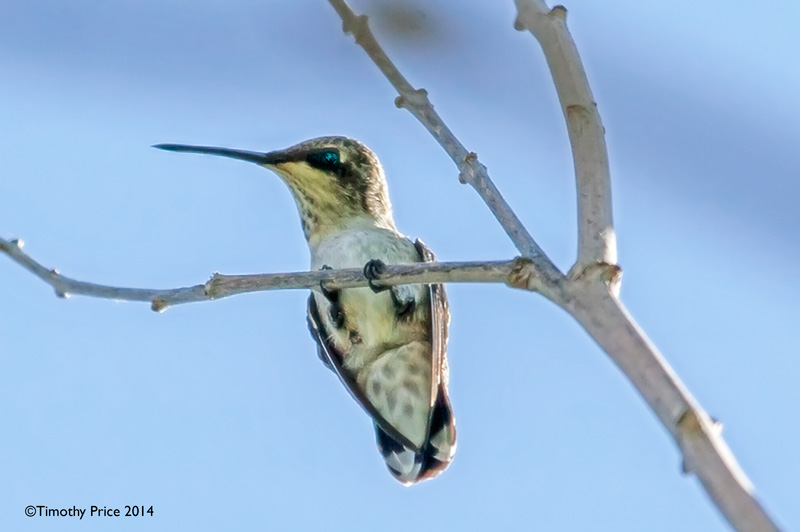
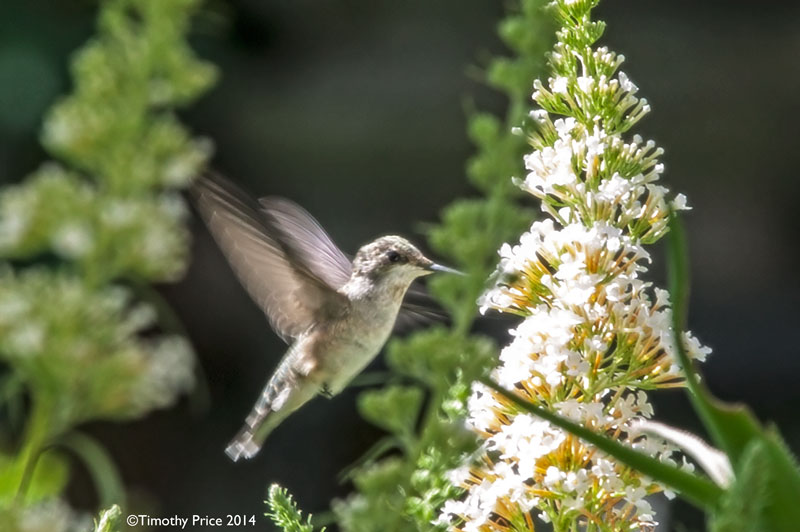
The temperatures on Saturday and Sunday were much cooler, only getting up to 80º F, so the birds and the bees were actively foraging on our abundance of plants that are either in bloom or going to seed.

45CU6353

45CU6352

45CU6427

45CU6414

45CU6415

45CU6475

45CU6461


New Cat on the Block

DSCF0996

A kitten adopted our friend Vanessa, but she couldn’t keep it. Since we are down a couple of cats we decided to take him. So far the other cats are nominally accepting him. Rosencrantz has been the most welcoming so far, but none of our kitties have out right attacked him. In the first few hours after arriving, he ambushed Rosencrantz, Guildenstern and Diné and they hardly reacted. He very slowly and timidly crept by Mama Manx while she growled at him, but she only growled. At the moment we are calling him Spunky, as he is working very hard to get into trouble, but he may end up with another name as we get to know him better.

DSCF1001

DSCF1007

DSCF1013

45CU6336
Vanessa and Spunky

Snake in the Trail

hognose_snake

Laurie saw this little western hognose snake laying on the trail where someone might have stepped on or ran over it with a mountain bike. Laurie sent me the photo with the following description:

“Looks venomous to me. Since he was right in the trail at the high-traffic area, I found a longish stick and moved him as gently as I could. He reacted by writhing around with his mouth open and then acted like I killed him and laid there fairly still with his tongue still flicking. He was still only a foot or so away from the trail, so I put some leaves around to camouflage him, left him alone, and then went back to recheck after I lifted weights. I took the snake stick and very carefully brushed the leaves aside with great trepidation. Thankfully, he was gone, so I guess it was one of those reptile play dead acts that I’ve seen lizards do many times (but not so often with snakes). I was so glad that he had moved, since I had never seen a snake quite like him and I truly was afraid I had injured him very badly or even killed him.”

I saw the photo before reading her description, and recognized it was a western hognose snake, which I see very rarely anymore since our toad population has decreased (they especially like to eat toads). I asked why she didn’t photograph the death act, and Laurie said the snake was such a good actor that she felt like she had really killed it and wasn’t going to document what looked like her torturing and killing a poor little snake. She said it could have been in Hamlet for the act it put on writhing around before playing dead.

If you look up photos of hognose snakes, you will see that they have a large variety of colors and patterning depending on which part of the country they are in. The western hognose have the coloring and patterns that are much closer to rattlesnakes you see in the western part of the US than  bull snakes, for example. Hognose snakes in the southern and eastern part of the country have very similar coloring and markings to water moccasins, copperheads and timber rattlesnakes.