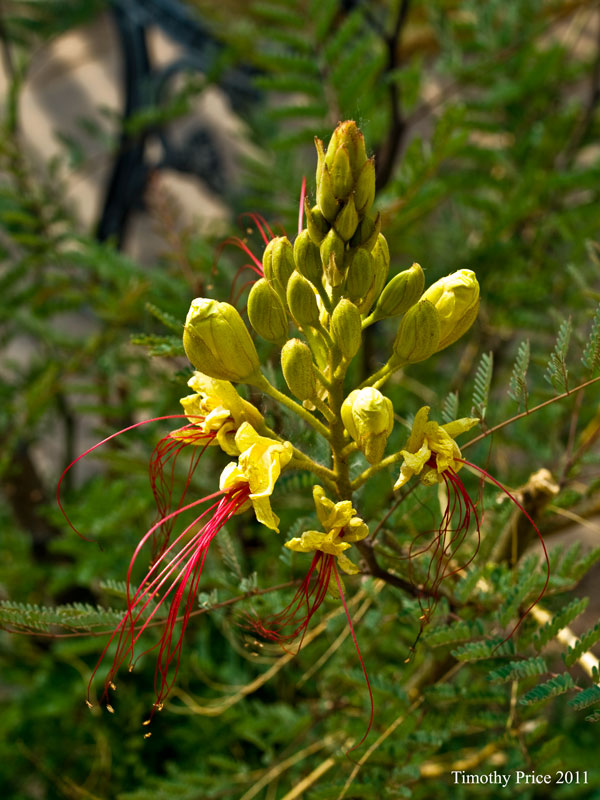
You can see my wordless Wednesday post for 06/10/2105 at http://photos.tandlphotos.com/blog/2015/6/continuing-construction. A lot has changed in 4 years. We’ve gone from super dry with forest fires on this date in 2011 to above average snowfall and rainfall for the first 6 months of 2015. I also no longer have any Olympus digital cameras or lenses (I’m down to only two digital DSLR cameras and lenses), and I have gone from zero film cameras in 2011 to three 4X5 inch view cameras, two 6X7 medium format cameras, one 35mm film camera and a complete darkroom in 2015.
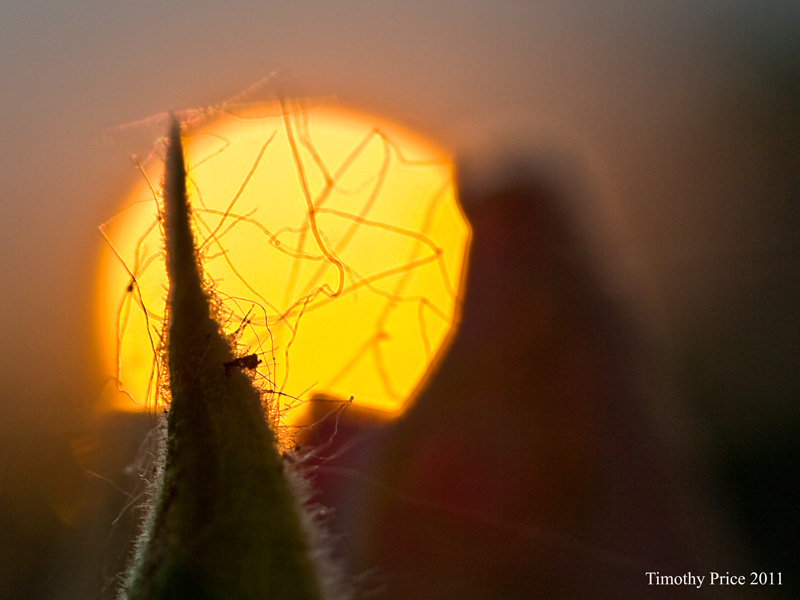
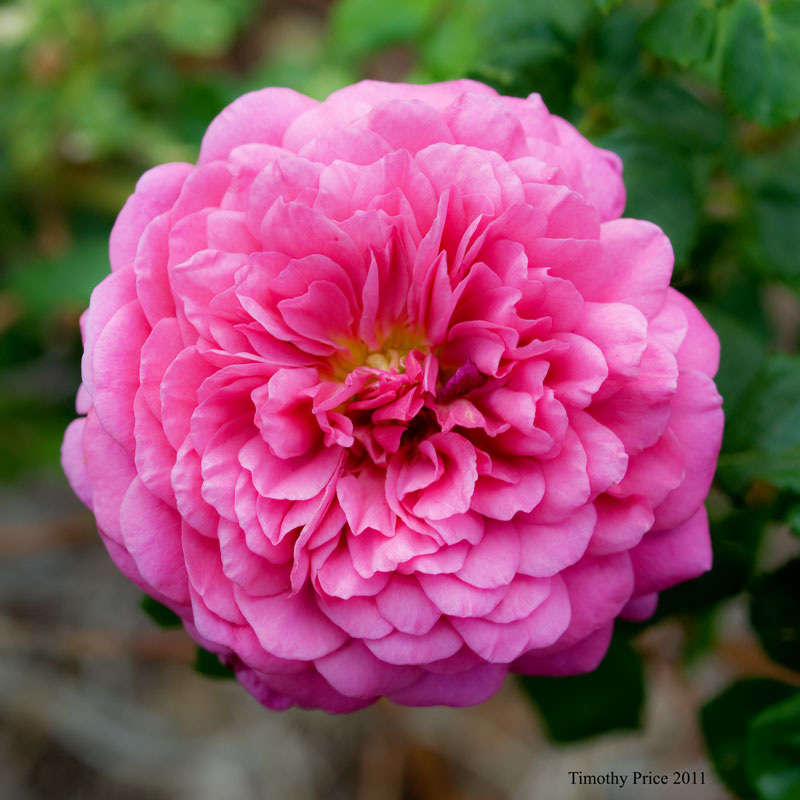
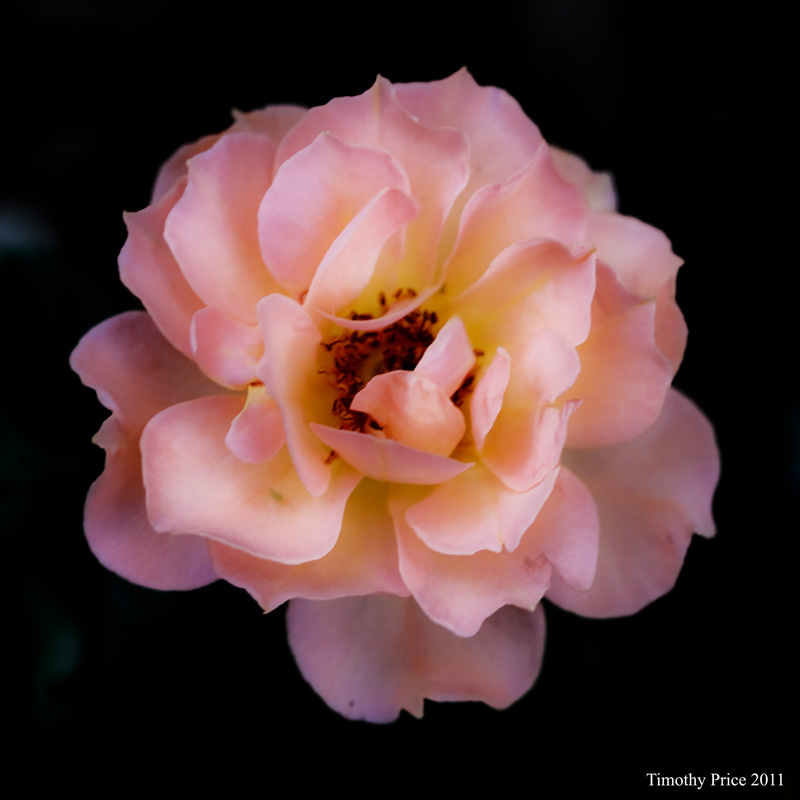
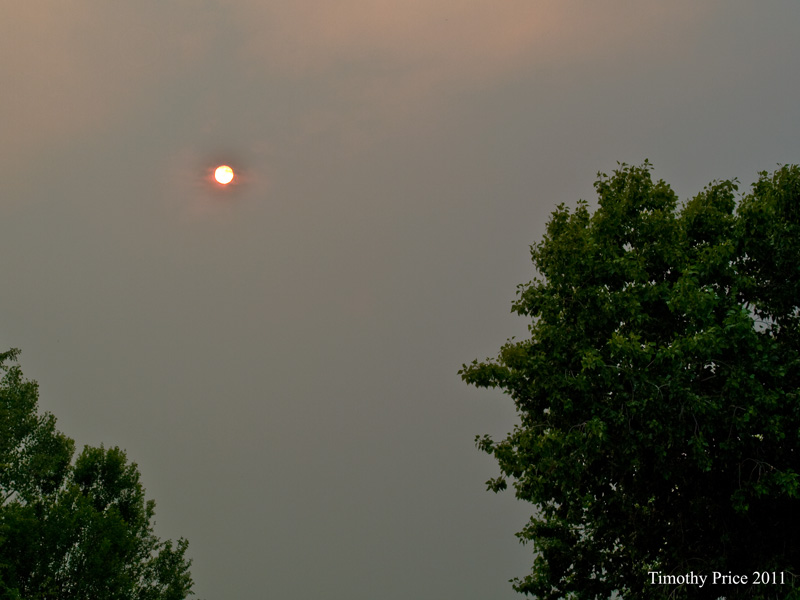
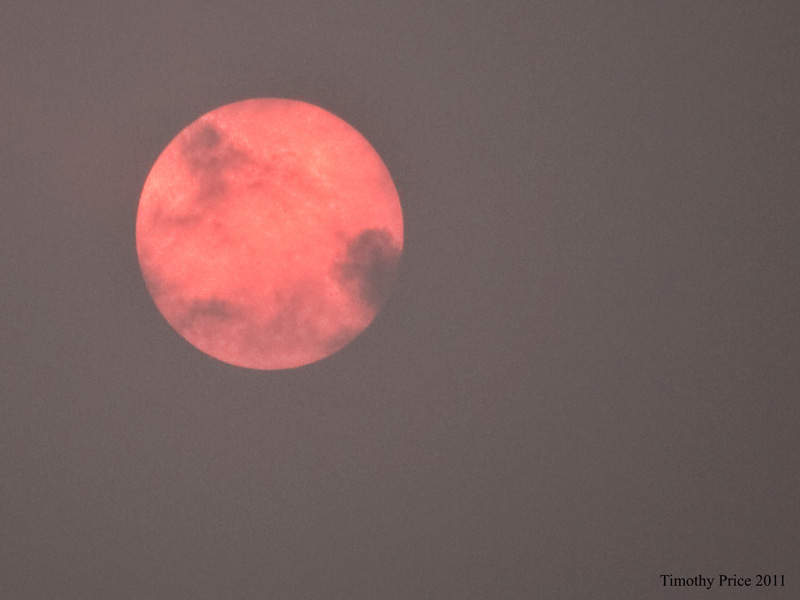
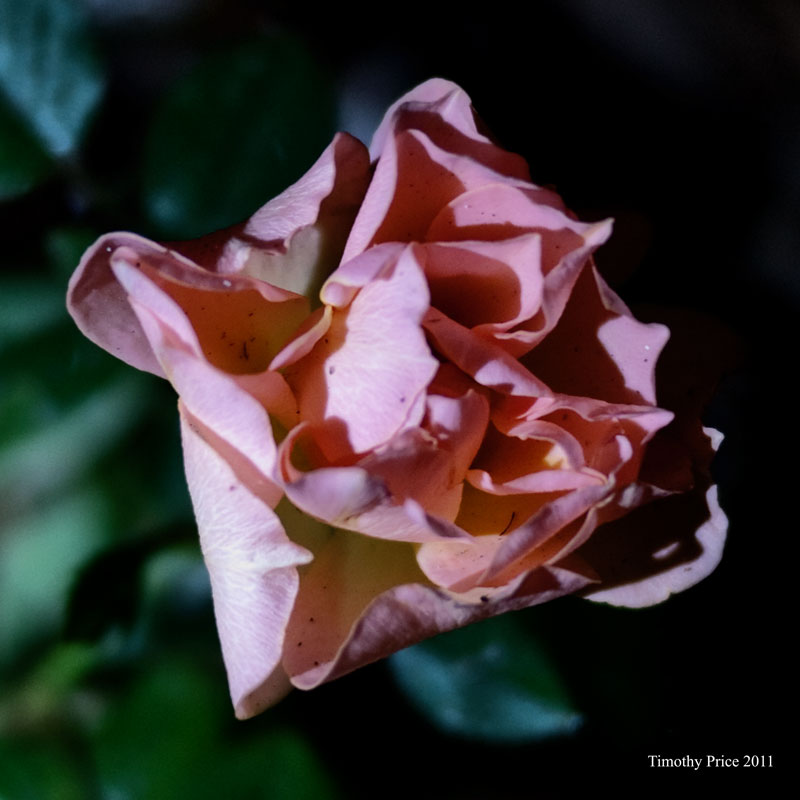
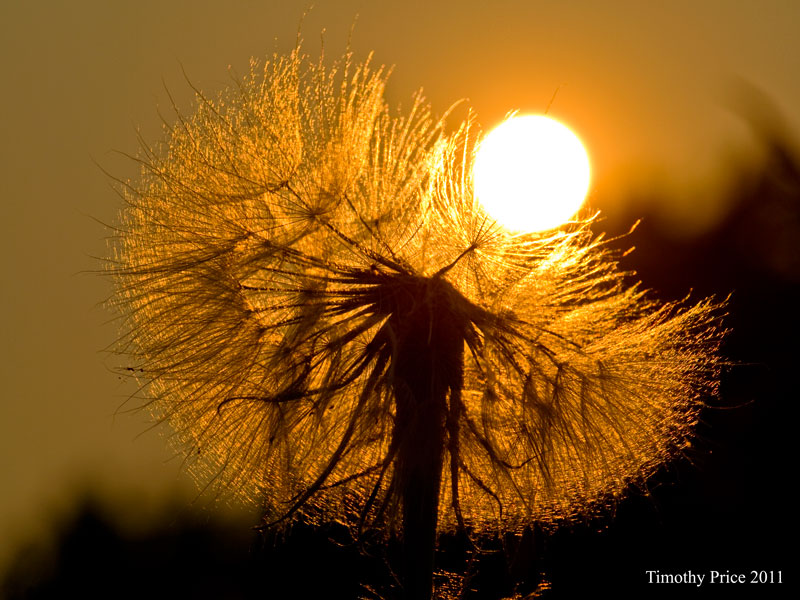
Originally posted on June 10, 2011: I got a new lens — an Olympus 80mm to 300mm zoom lens. It’s not fast 1:4-5.6, but it’s very light and compact. Since it was on special for under $100, I couldn’t pass it up. All the photos tonight, except for the bird, were done with the new lens. Since the smoke wasn’t as bad tonight, I got a photo of a yellow ball of sun behind a dandelion. There was enough smoke to get a clean edge on the sun, but the smoke wasn’t thick enough to turn the sun hot pink like that past few evenings. This morning I got an orange sun rising behind Iceberg. Queen Elizabeth looked great tonight despite the fact that many of her leaves were dirty and wilted from the smoke and ash. Rainbow Sorbet was in fine form for the new lens tonight. A lot more roses are blooming, and our garden is starting to actually look like a garden instead of a post -apocalyptic set for a Rose Warrior movie.