France Day 26 Paris vaut bien une messe

HenriIV

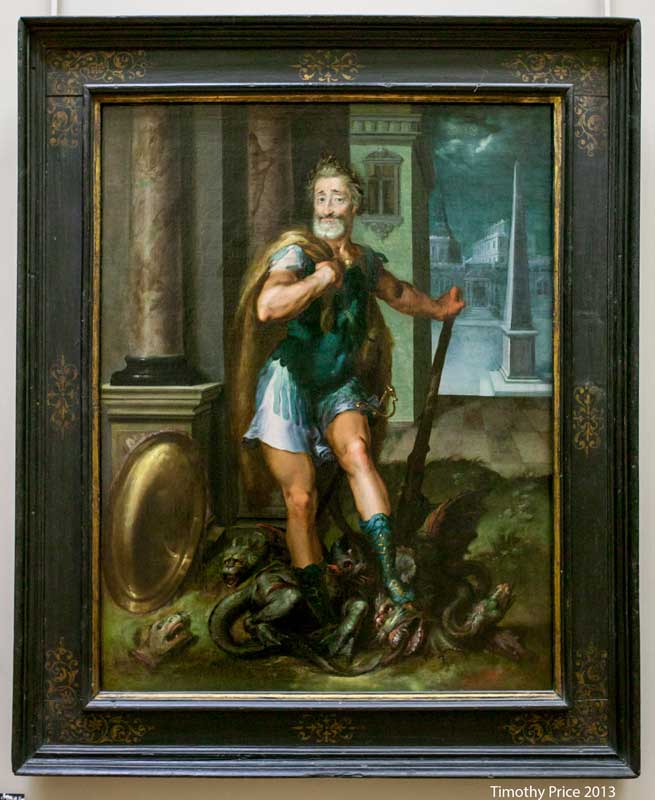
In chapter 33 of their book “1066 and All That” W.C. Sellar and R.J. Yeatman conclude their section on the St. Bartholomew Day Massacre with “After the massacre the French King, Henry of Navarre, turned Roman Catholic and made his memorable confession – ‘Paris is rather a Mess’…” Their humorous interpretation of “Paris vaut bien une messe” describes the time as well as the original saying. After Henry of Navarre took the throne to become King Henry IV he paid off his enemies instead of waging endless, costly wars against them; he also ended the “religious wars” that he had fought in when he issued the Edict of Nantes in 1598. With the help of the minister Maximilien de Béthune, Duke of Sully, they regularized the state finances, and then they set about cleaning up Paris and  restoring it as a great city. They also undertook public works and promoted education throughout France to improve the life of all people so there would be “a chicken in every pot”, which made Henry IV one of the most popular French kings ever. Although he was popular with the people, he had political and religious enemies. On the third attempt on his life, Henry IV was assassinated in 1610 by a Catholic fanatic, François Ravaillac, when Henry IV’s coach was stopped by traffic congestion in the Rue de la Ferronnerie. You can see that Henry IV was a man of good humor from the painting of him as Hercules vanquishing the Lernaean Hydra painted around 1600 by Toussaint Dubreuil. And I think he would have enjoyed “1066 and All That” as well.

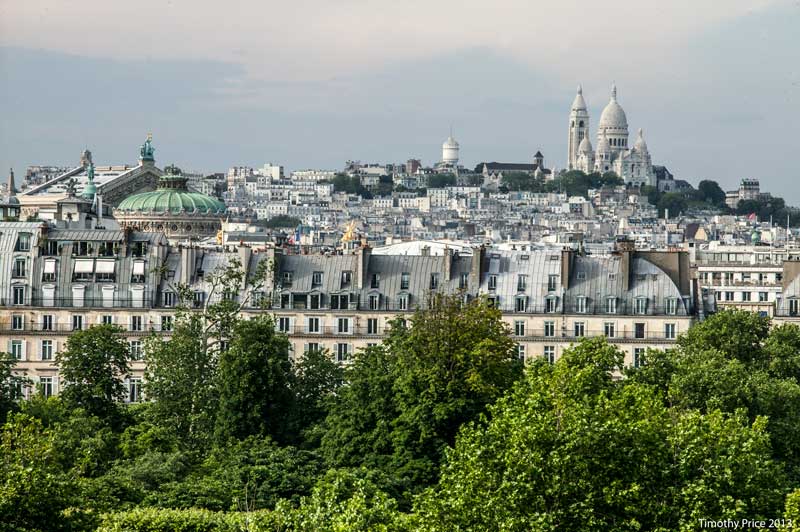
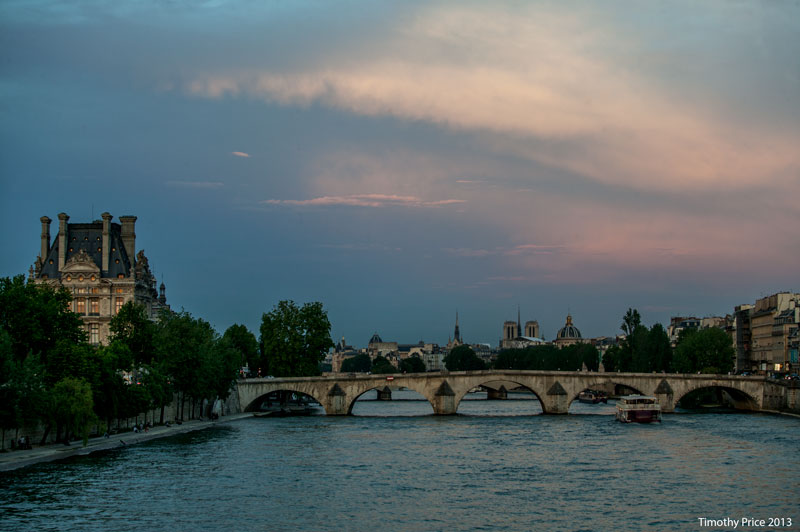
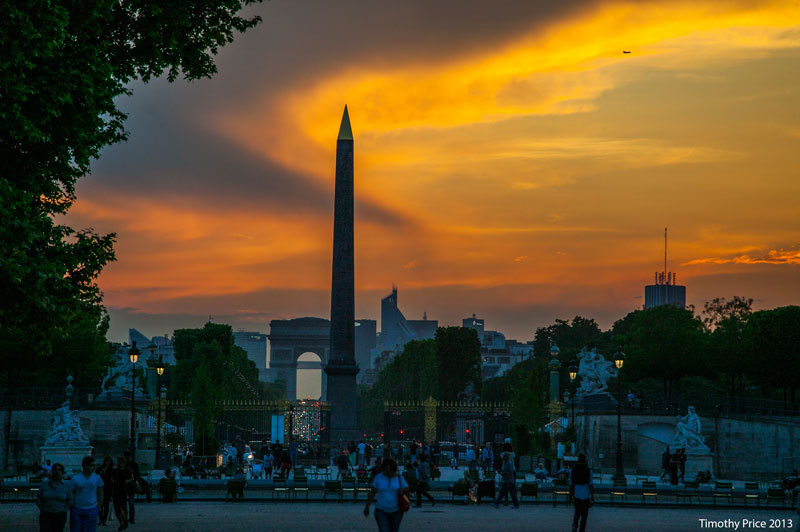
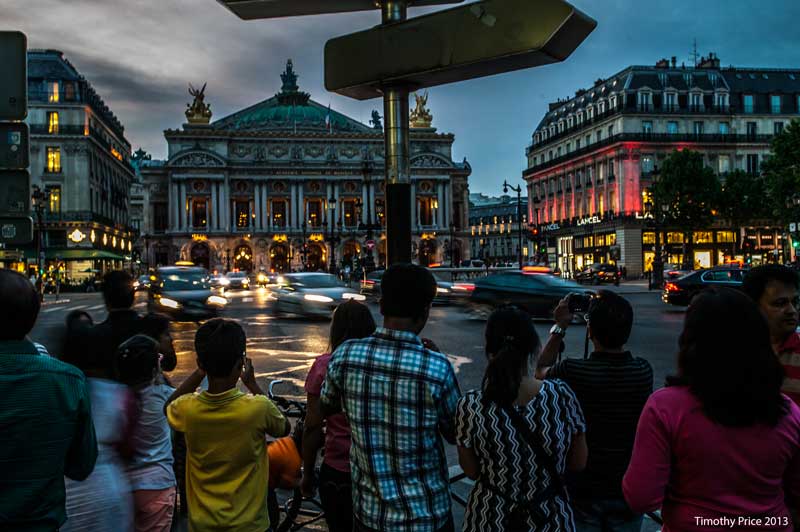
We were in the Louvre and Orsay multiple times yesterday and the photos show the changing light as we walked back and forth between the apartment, the Louvre and the Orsay from mid-morning until 10:30 pm when we got home for the night.

45CU6800

A18W9093

45CU6806

45CU6825

45CU6845

45CU6855

45CU6876

A18W9131

Brasilia

France Day 25 Of Men and Modernity

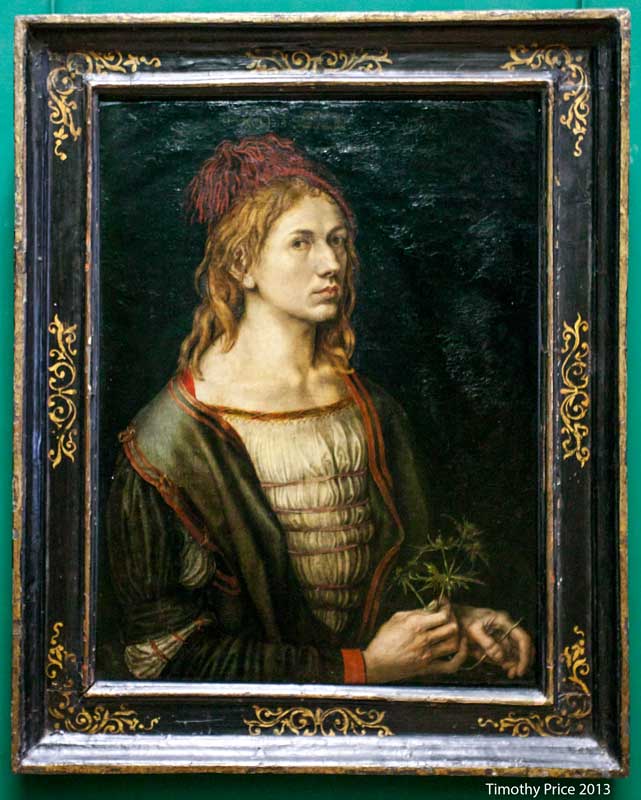
DurerSelfPortrait

While going through the 15th and 16th century paintings from the Netherlands and Germany in the Richelieu wing of the Louvre, I started looking at the many portraits of men and wondered if I could find a painting of a man similar to the Mona Lisa. The problem with most portraits of the period is that the subjects tend to be in a detached, documentary pose and are rarely looking at the viewer. I was about to give up on the idea, but then I came across a self portrait of Albrecht Dürer which struct me as Mona Lisa-like. It was Dürer’s first painted self portrait, done when he was 22 years old and most likely to be sent to his fiancée, Agnes Frey.  A marriage had been arranged for Dürer while he was living with his brother in Basel in 1493, and Dürer and Ms. Frey were married upon his return to Nuremberg in 1494. While Dürer’s self portrait predates Mona Lisa by about 10 years, he paints himself in a similar pose and light, and he engages the viewer with his direct eye contact and pleasant countenance. I may find other male Mona Lisa’s, but so far Dürer’s self portrait is the front runner.

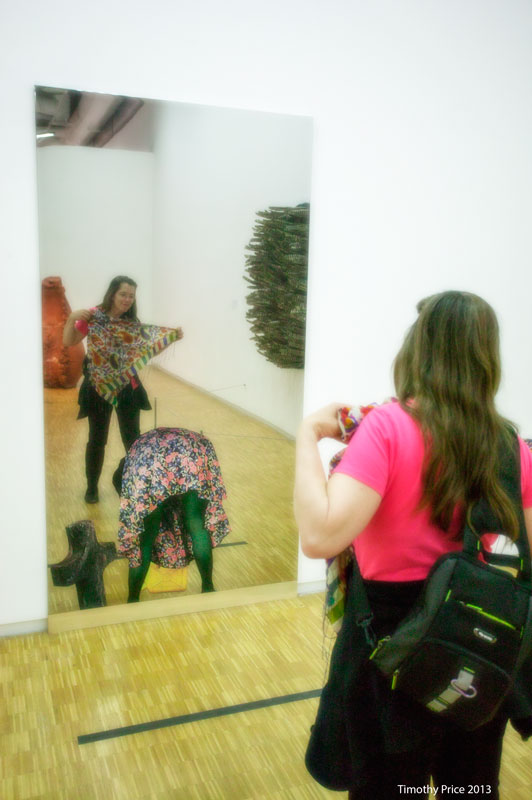
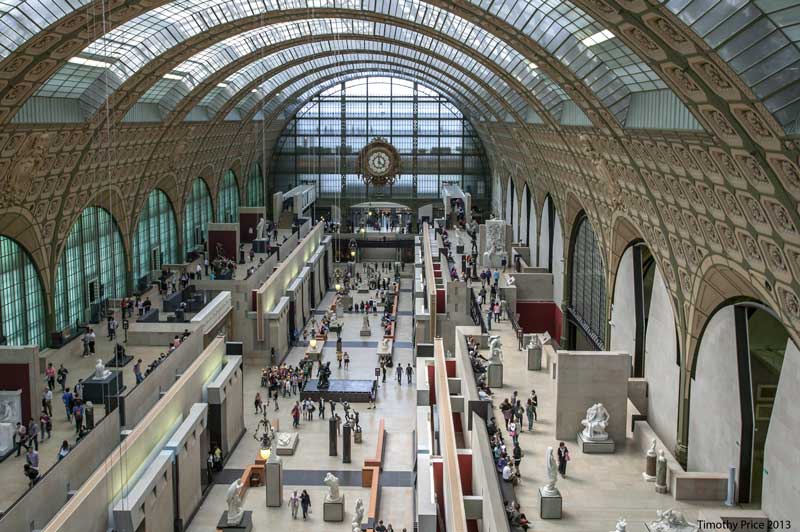
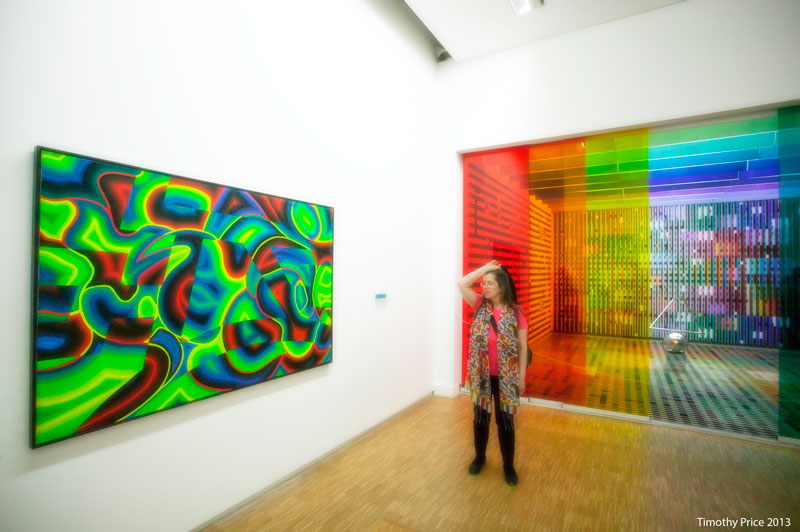
After the Louvre we went to the Musée l’Orsay, which is an old train station converted into a museum. Photographs are prohibited in the Orsay, but I managed to get a shot of the inside and the shot through the clock looking at the northern skyline of Paris. One commentator described train stations as being secular cathedrals to modernism with the clocks being their alters. In the evening we went to the Center Pompidou, and looked at the modern art. It’s interesting to go from the Louvre and Orsay’s formal, hands-off settings to the Pompidou’s modern, more interactive environment. You get a nice view of the Paris skyline from the Pompidou and the last photo with the Eiffel Tower in the distance is from the 4th level inside the Pompidou.

A18W9055

A18W9018

A18W9064

A18W9022

TheTalk

A18W9071

A18W9059

A18W9026

A18W9061

45CU6771