France Day 28 Of Art and Architecture

A18W9207

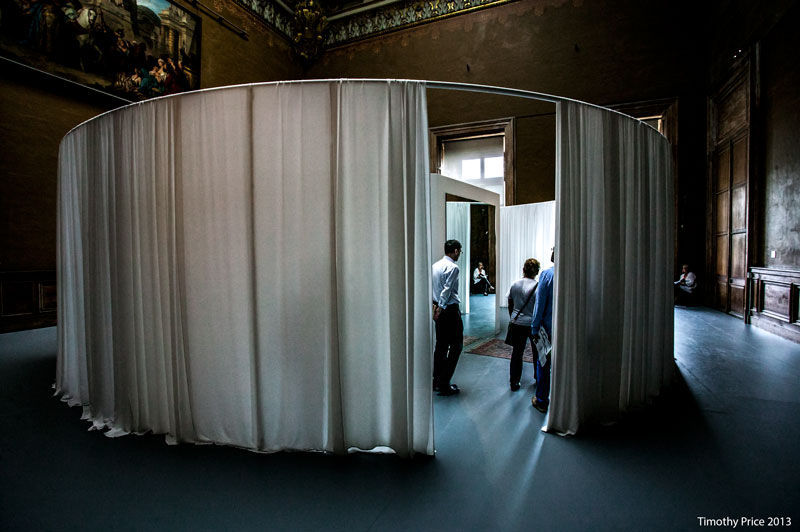
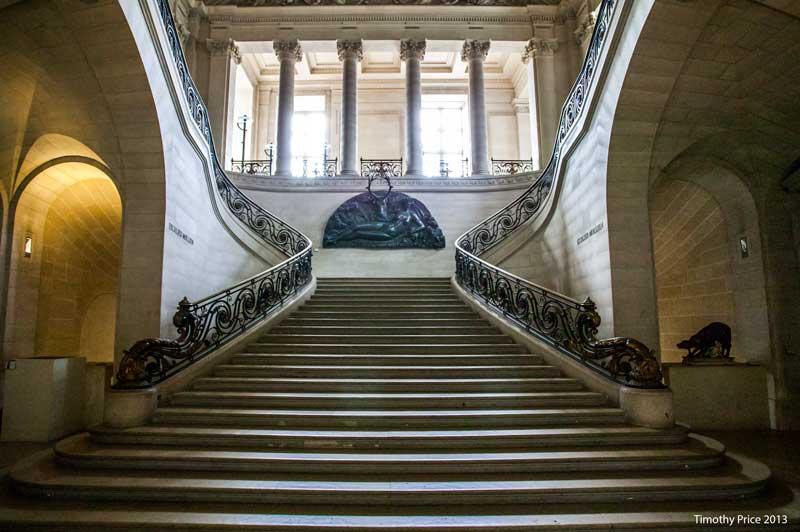
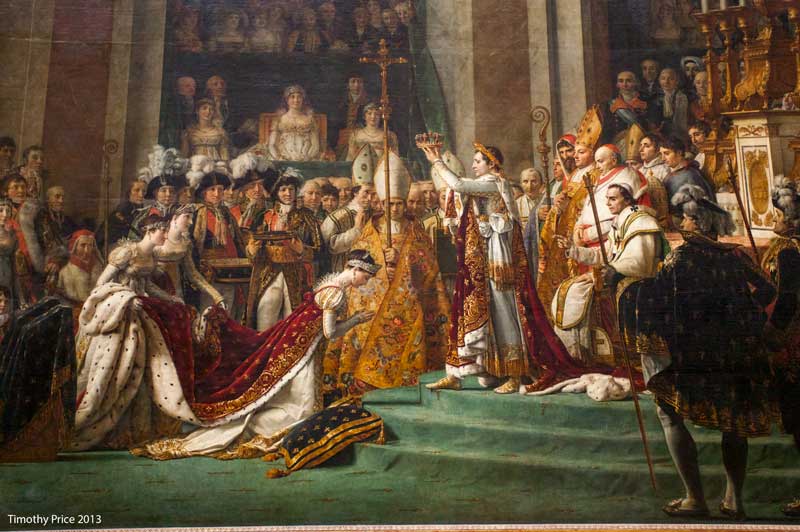
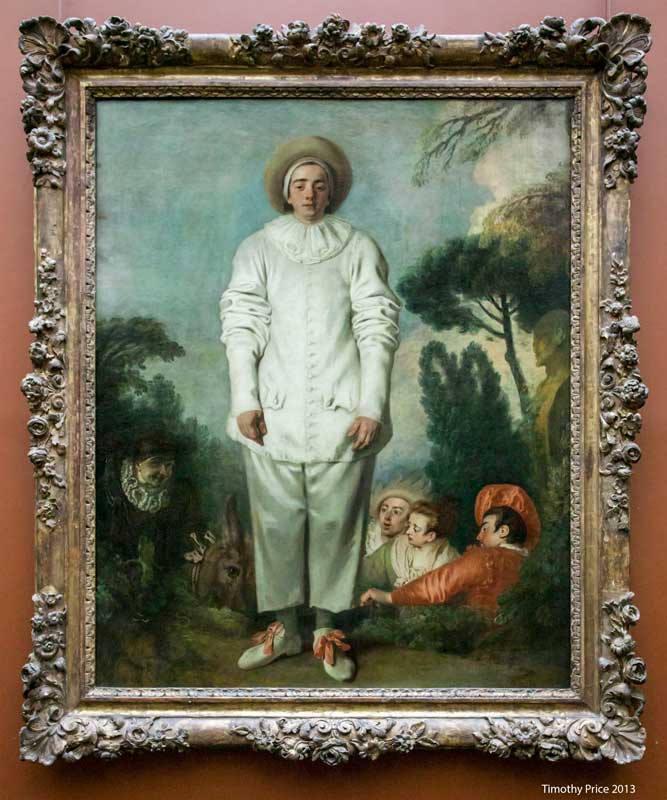
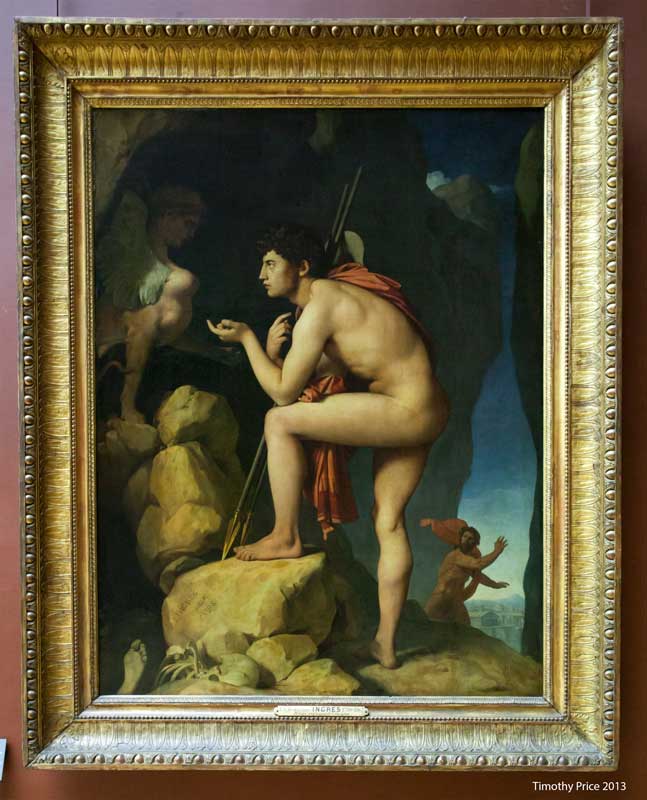
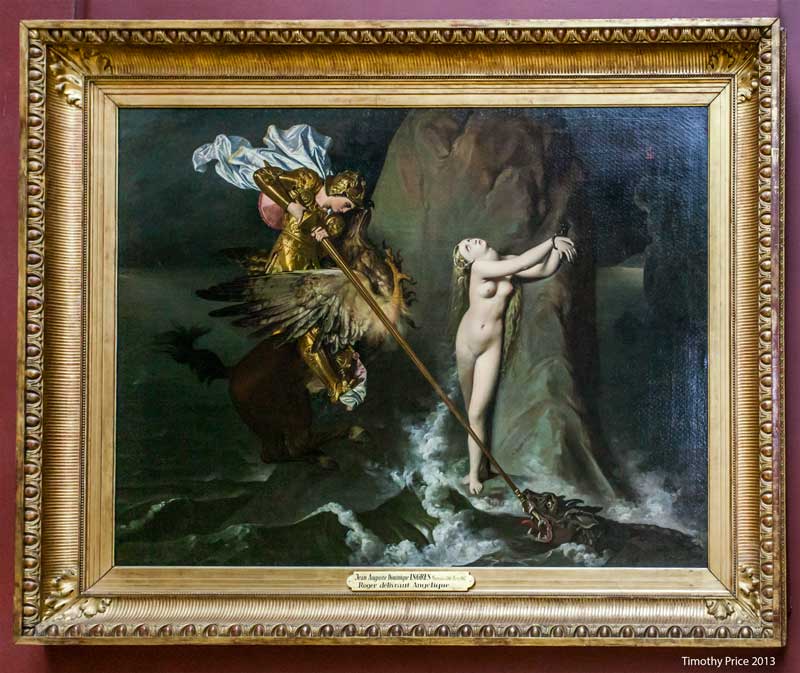
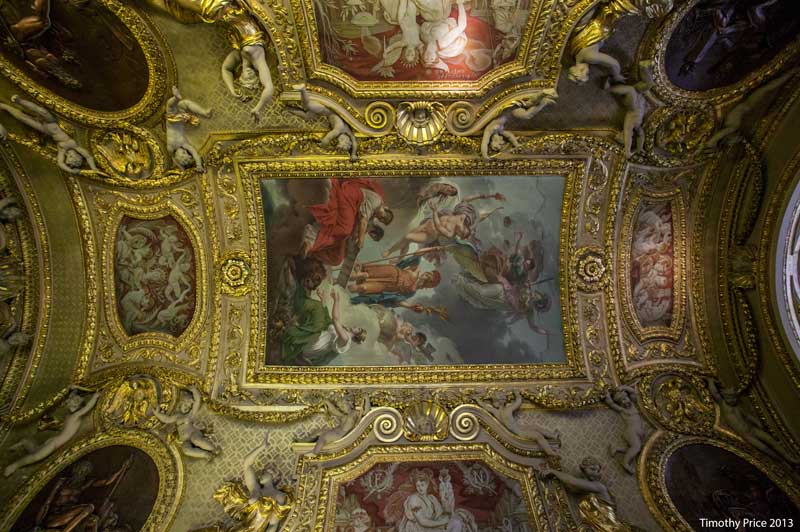
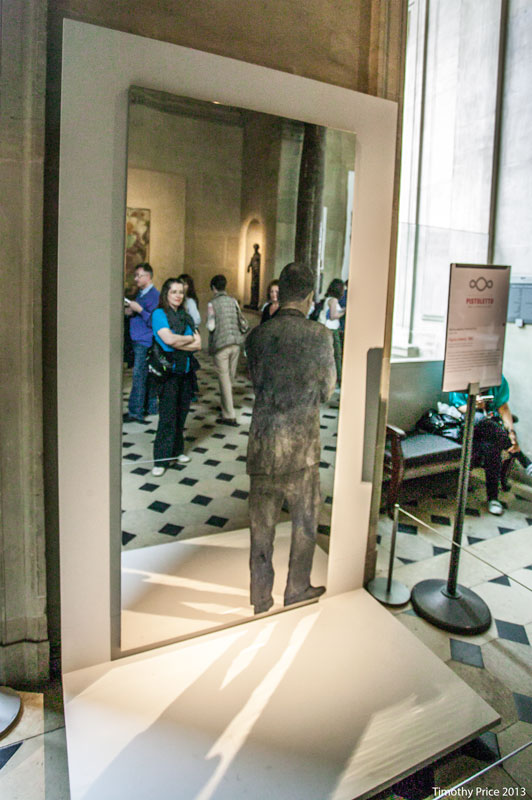
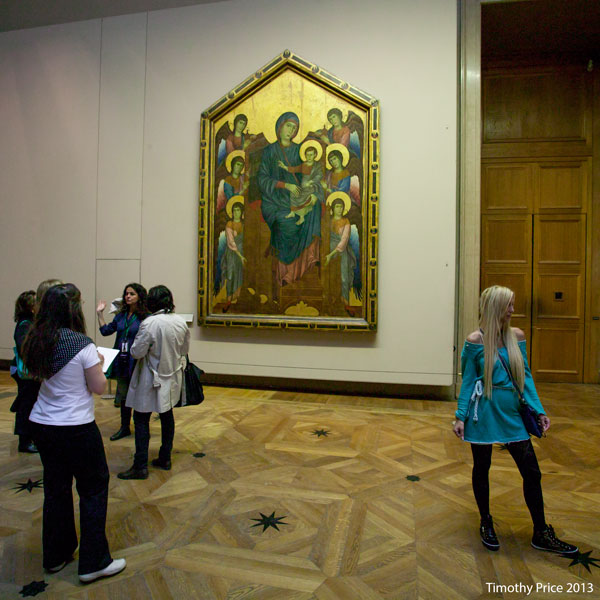
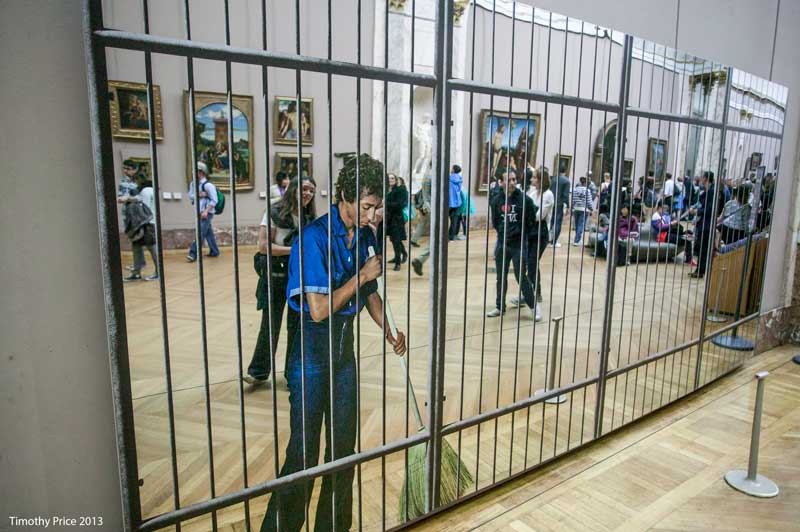
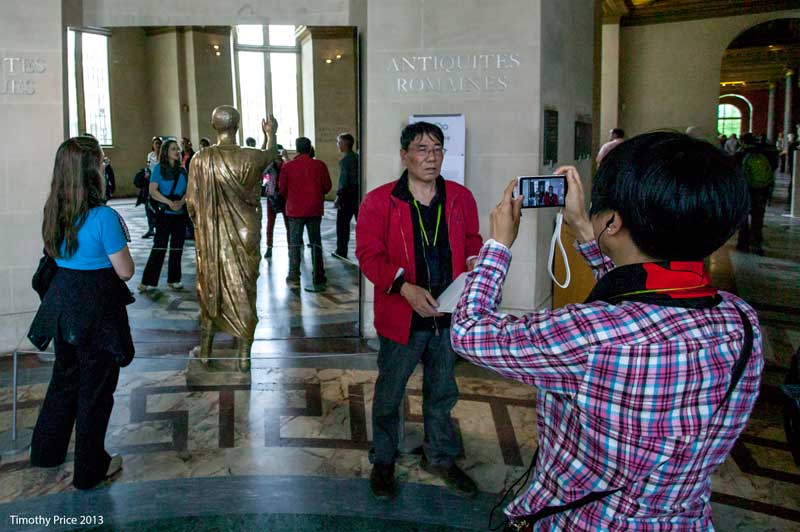
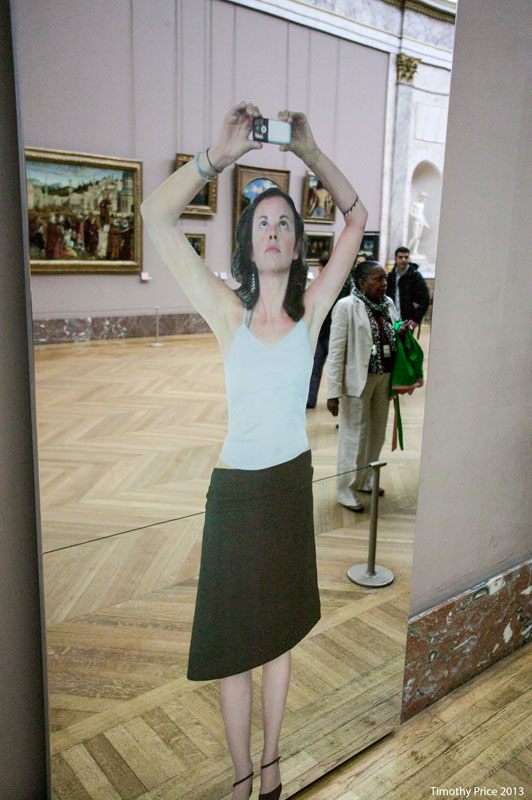
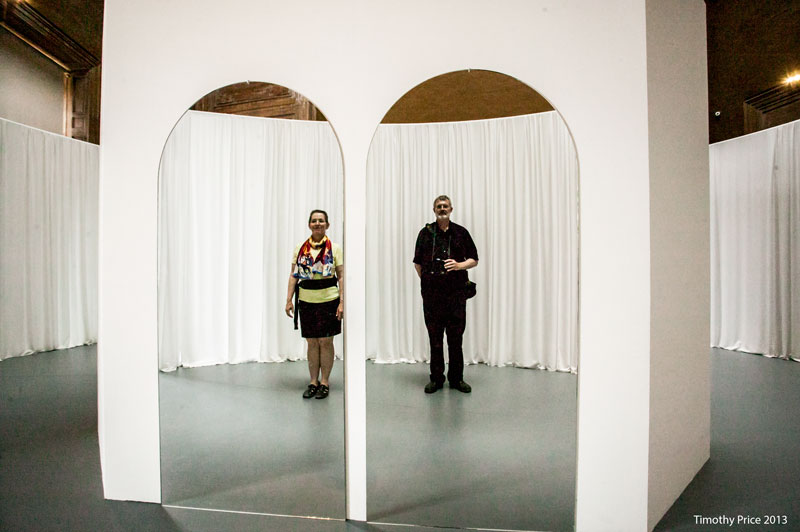
One project of Henry IV was to extend the Louvre along the right bank of the Seine and join the Louvre to the Palais des Tuileries (the Palais des Tuileries was destroyed in the upheaval of the Paris Commune in 1871). The resulting addition was more than a quarter mile long and 100 feet wide making it the longest edifice in the world at the time. After the addition was completed Henry invited artists to live and work in the spaces on the lower floor, a tradition that continued for 200 years until Napoleon III put a stop to it. Today King Henry’s addition is part of the Denon Wing that houses a lot of the permanent collection, including the Mona Lisa. We made another trip to the Louvre yesterday afternoon, and the photos today include interiors, staircases, ceilings and selections of artwork from the French master’s in the Sully Wing (oldest remaining section of the Louvre) and the  “Grand Format” paintings in the Denon Wing. I also included photos of two more installations by Michelangelo Pistoletto near the “Grand Format” paintings. The first one (2nd photo) shows Laurie and I in the mirrors that represent the Law (Judaism) in an installation that represents the four major world religions. The second  one (4th photo) shows the world religion installation from its outside, and the third Pistoletto is the last photo in the series.
A18W9273

Hands

A18W9282

A18W9263

DemolitionOfBridges

A18W9312

DavidNapCoronation

A18W9283

WateauManInWhite

A18W9296

Sphinx

A18W9309

RogerSaveAngela

A18W9297

France Day 20 The Louvre

A18W8608

If you want to see a nice, close-up view of the Mona Lisa, look her up on-line or in an art book, because you can’t get a good look at her at the Louvre.

The Louvre has a current exhibit of a large-scale series of installations, encounters, theater performances and public activities by Italian artist Michelangelo Pistoletto (1933, Biella). The exhibit is titled Year 1: Earthly Paradise, and it marks “the transition into the new era of human, social, and cultural metamorphosis that was celebrated all over the world… The exhibition embodies three different time frames: the past, in the context of a retrospective; the present seen in the mirror works reflecting the visitors; and the future in a great obelisk topped with a triple loop, a symbol of this ongoing revolution. Thus the sign of the “third paradise” adorns the pyramid… Spirituality, figuration, the breaking down of boundaries between the arts, social solidarity, and the merging of life and art: these are the themes permeating the thinking of Michelangelo Pistoletto…”

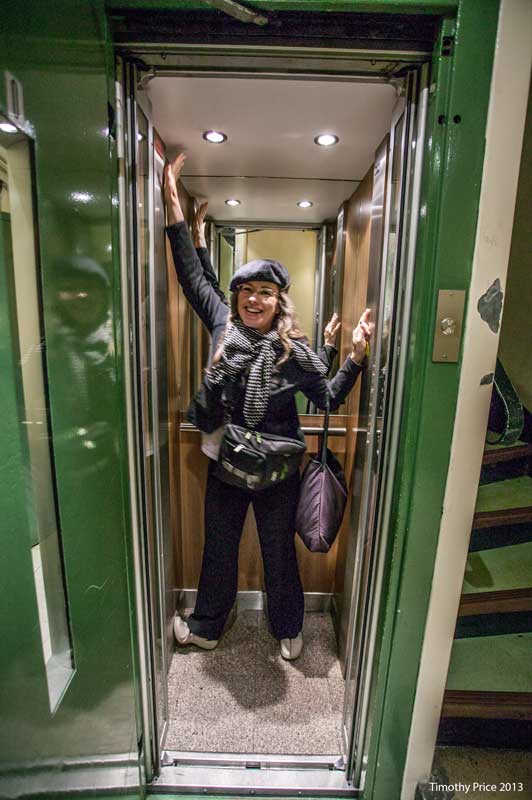
Every other photo in this set of photos is a photo of a Pistoletto installation. Most of these are from the mirror installations, but there were video installations where we were live in the video along with all the recorded video. One installation was neon in different languages in the medieval part of the Louvre and the last installation we saw was a room of mirrors. I also included a shot of Laurie in the tiny elevator in our building as it fit well with Pistoletto’s idea of past and present.

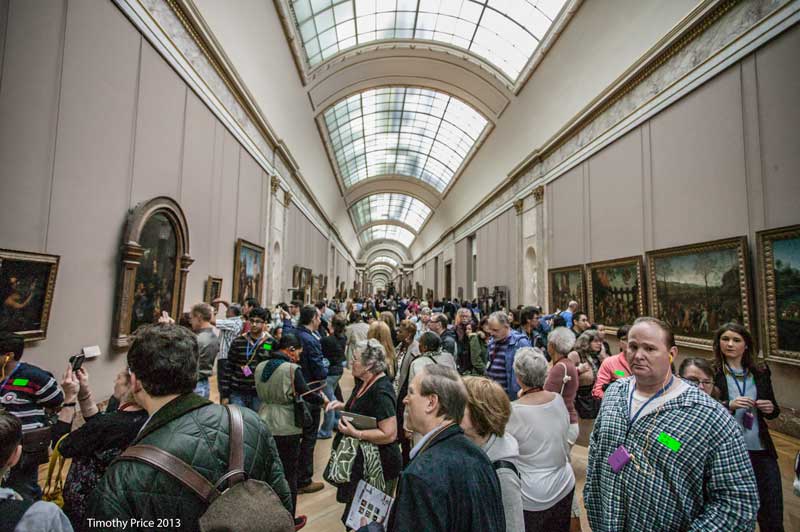
If you haven’t figured out that the Louvre is crowded, it is. It’s very difficult to get a photo of a painting without visitors in it, except for occasional breaks in the crowd and photographing ceilings. So I just view the crowd as part of the art experience.

We went to Handel’s opera Guilio Caesare last night. The orchestra used instruments from the period, which blended particularly well with the voices; the sets were monumental; the performers were fantastic. We were in a box seat slightly to the right of center stage on the first mezzanine level with 5 other people. The theater was packed. We arrived 40 minutes early, which allowed me to get some photos of the interior of the theater with my iPhone (last photo).

A18W8576

A18W8598

A18W8656

A18W8664

Pistoletto

Modanna

A18W8599

A18W8661

Pistoletto1

A18W8668

PhotoOfPhoto

Painting

A18W8623

A18W8638

A18W8625

A18W8631

A18W8601

Police

A18W8629

OperaHouse