France Day 30 Last Day In Paris

DSCF7360

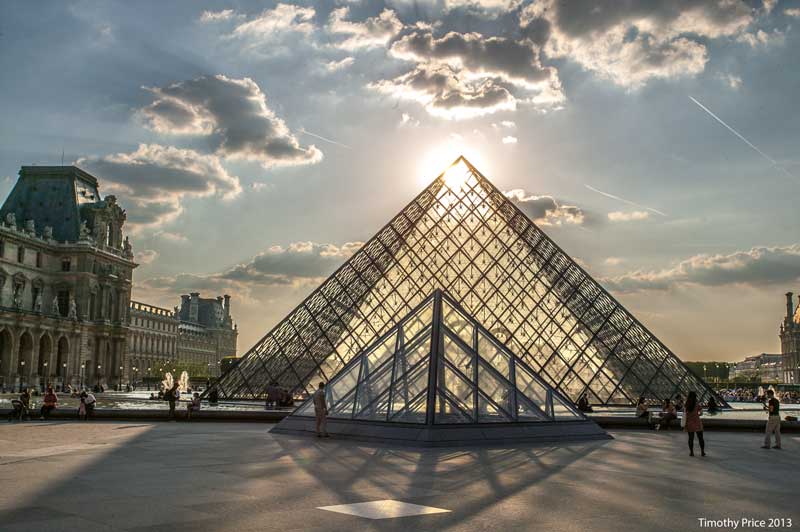
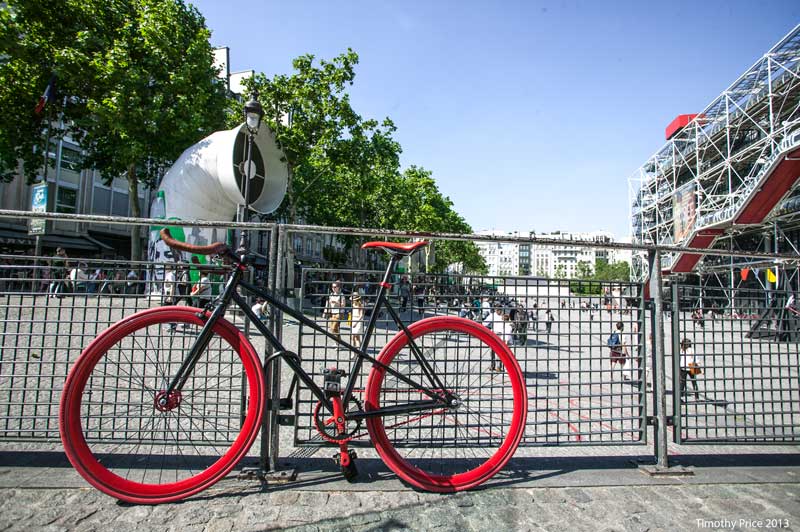
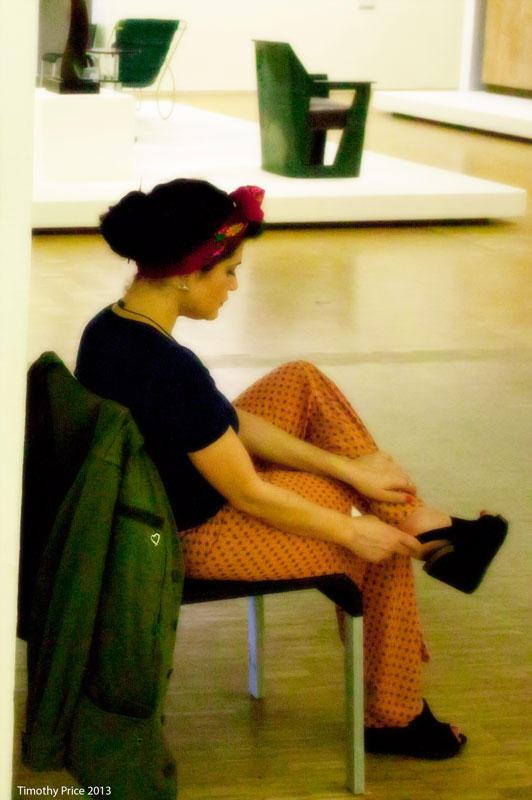
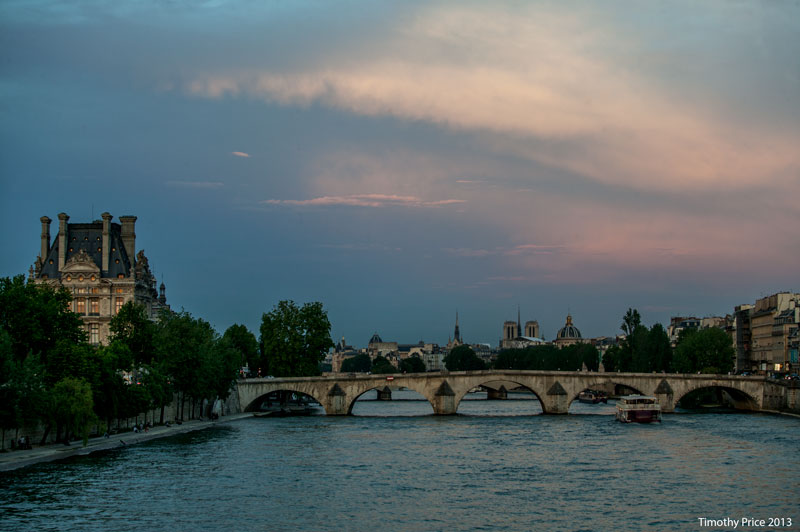
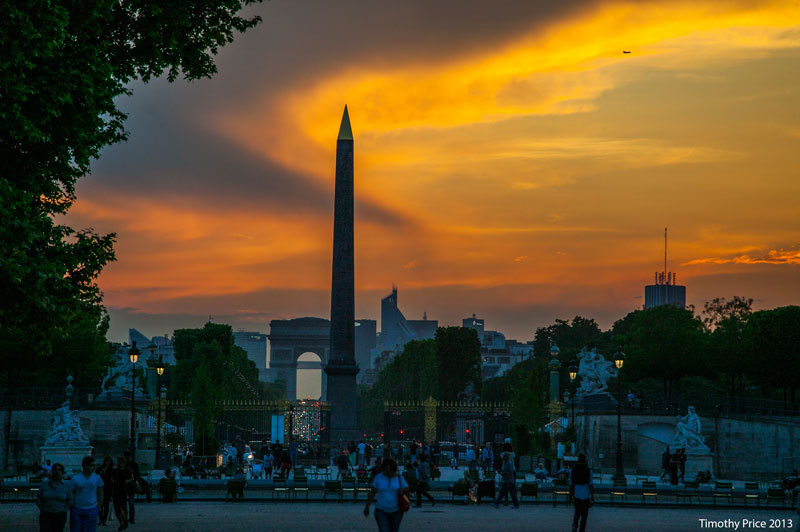
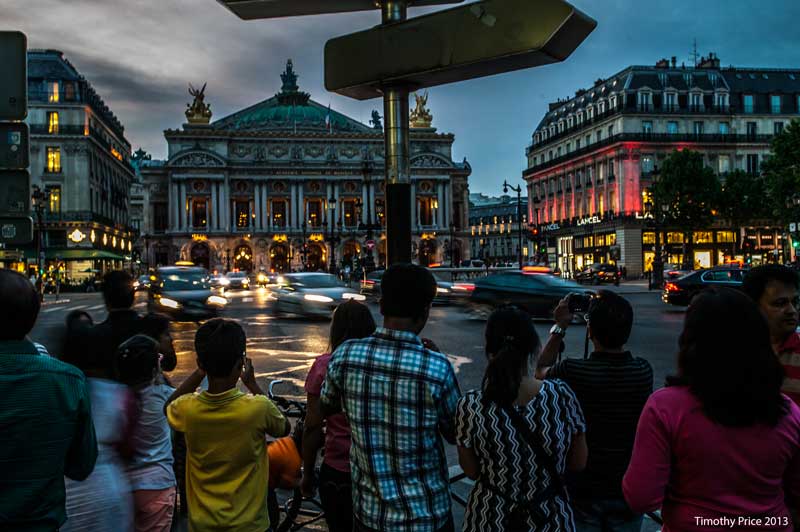
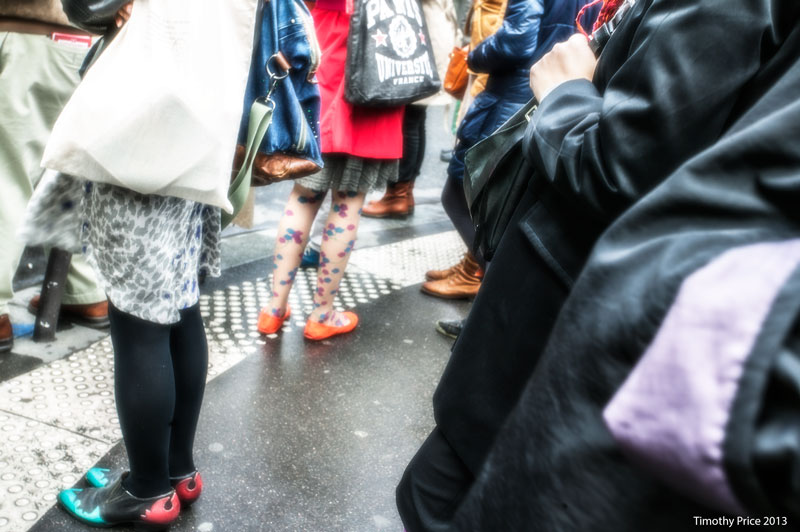
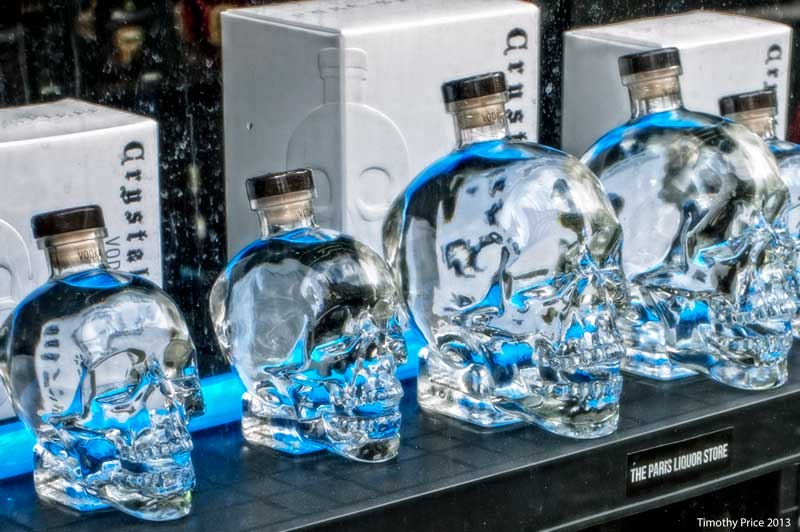
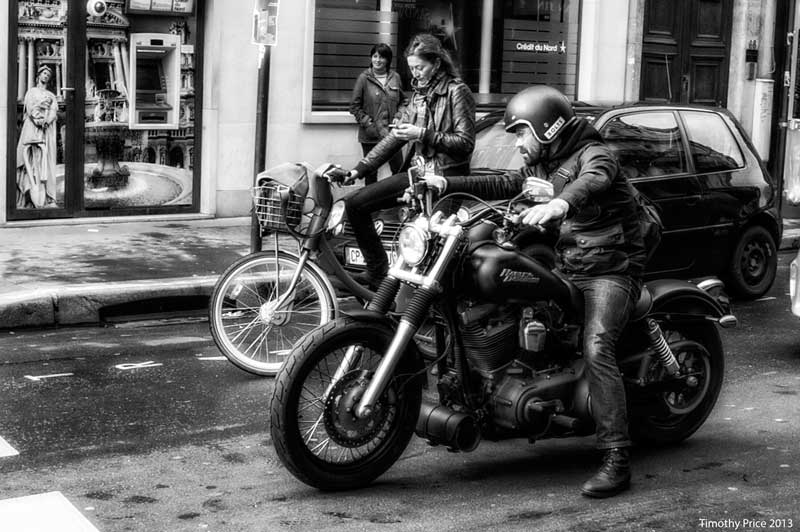
We spent our last day in Paris getting ready to leave — checking in for the flight, cleaning the apartment, preparing food and packing. We went out for a walk in the Tuileries got our last look at the Louvre in the late afternoon sunlight, and I took random photos in the Tuileries and on the street walking back to the apartment. We are leaving for the airport at 6:30 this morning.

Tuleries

StutueLaur

TheDuckDiff

TeamBlue

TheBikeGirl

ShoesBike

DSCF7399

TheGuyDalmation

SmartDalmation

France Day 28 Of Art and Architecture

A18W9207

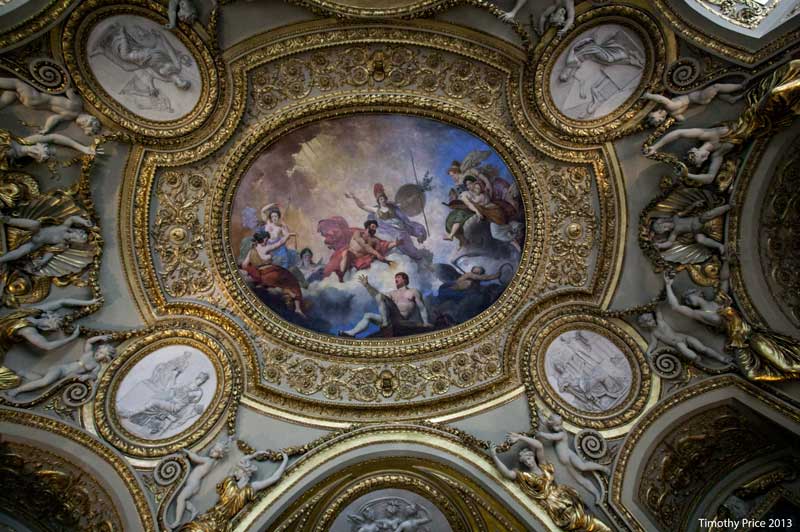
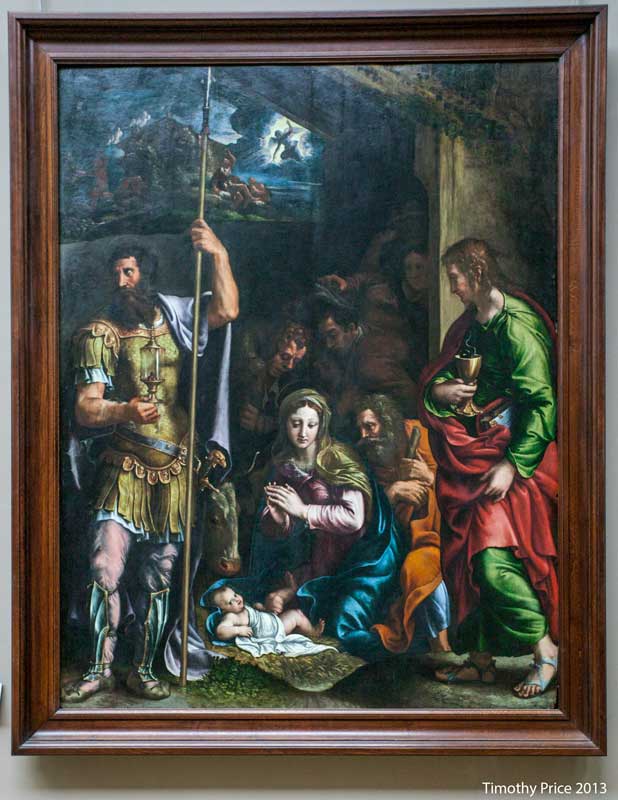
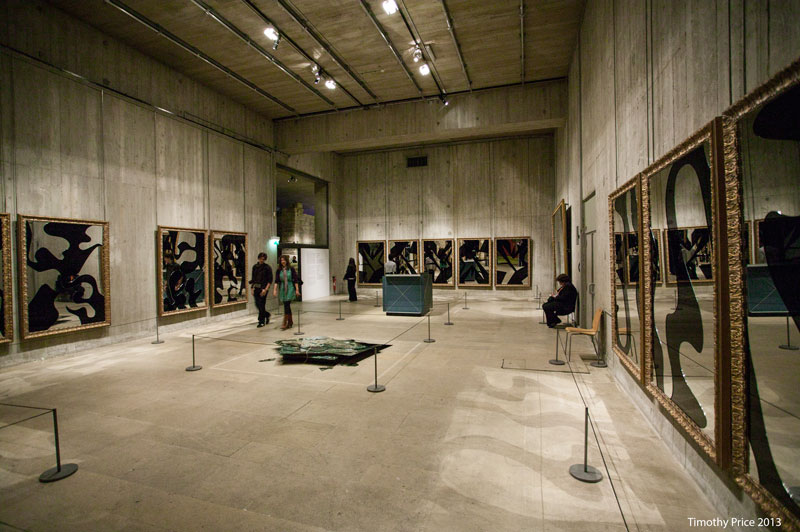
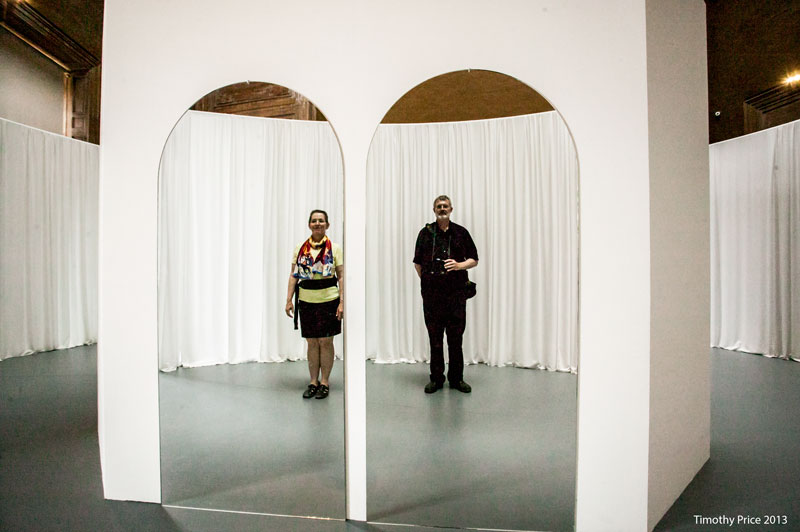
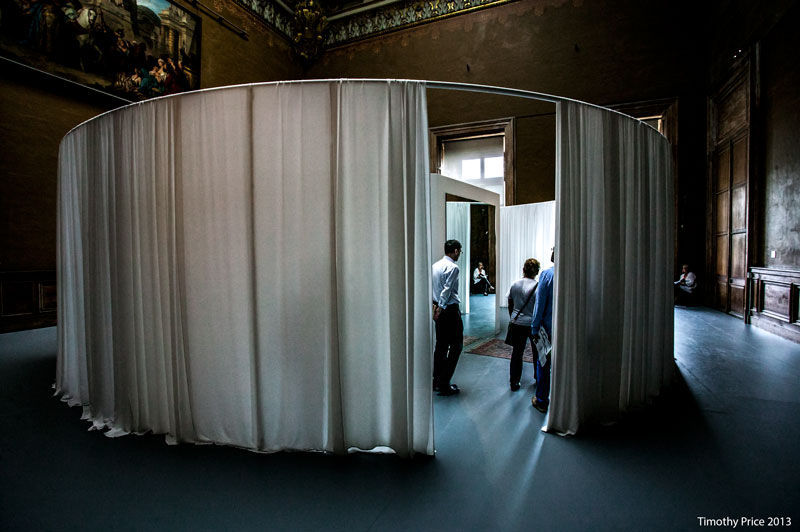
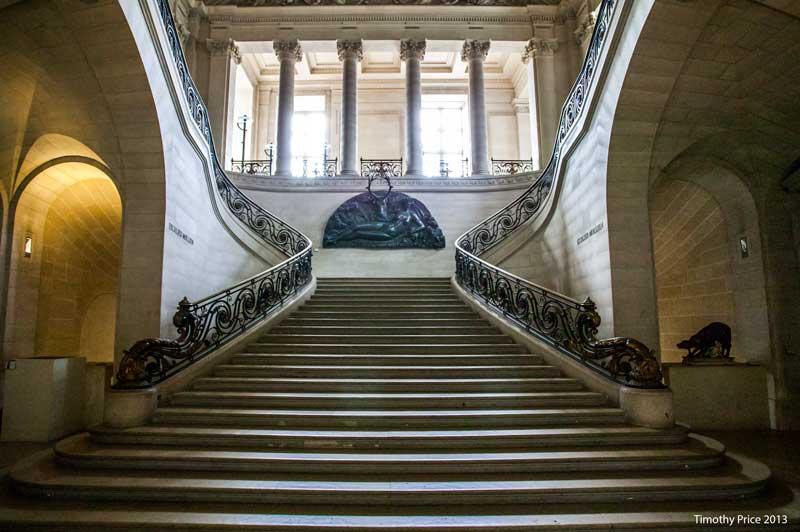
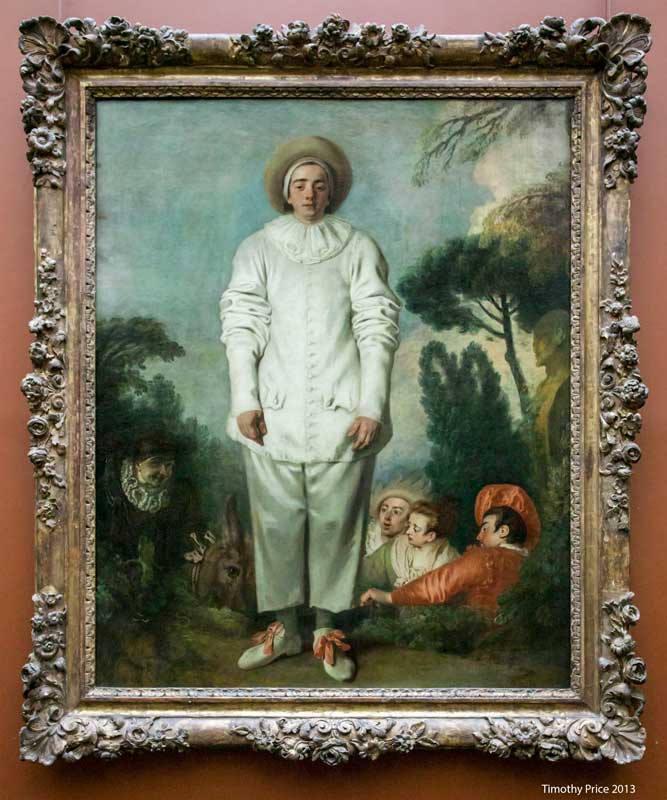
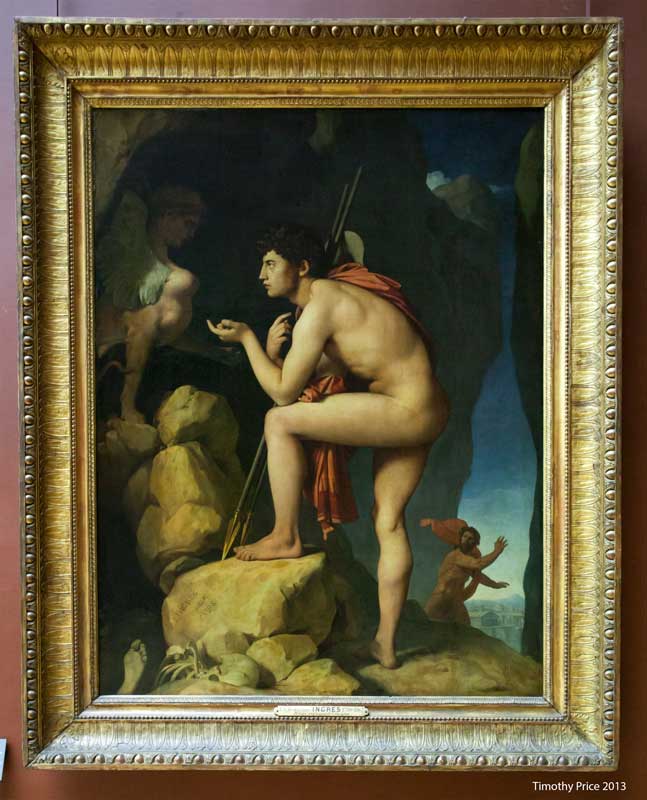
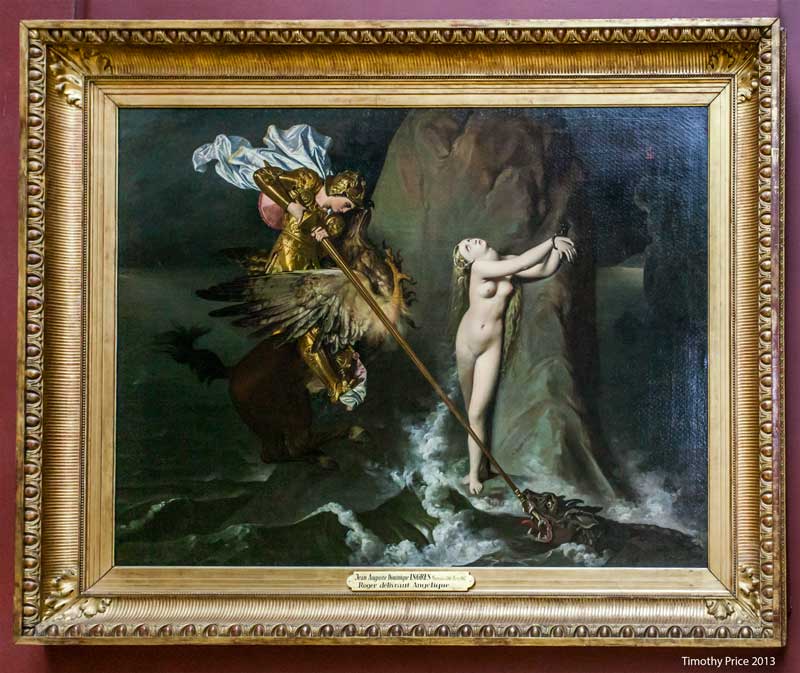
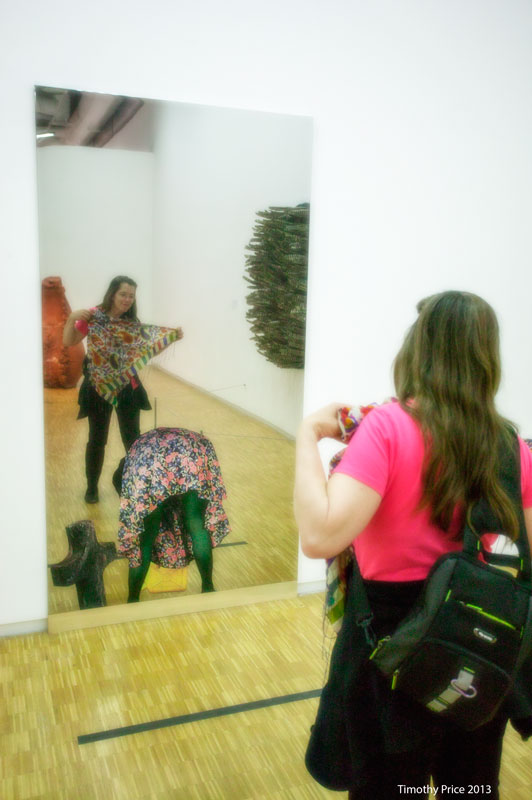
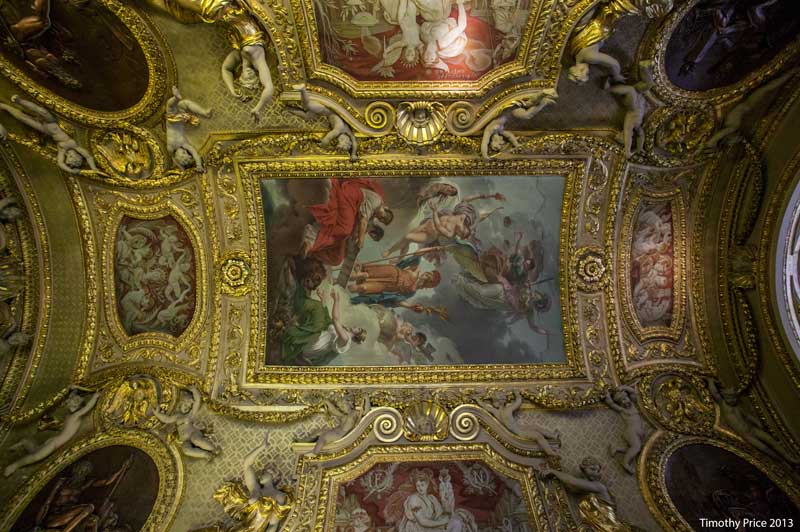
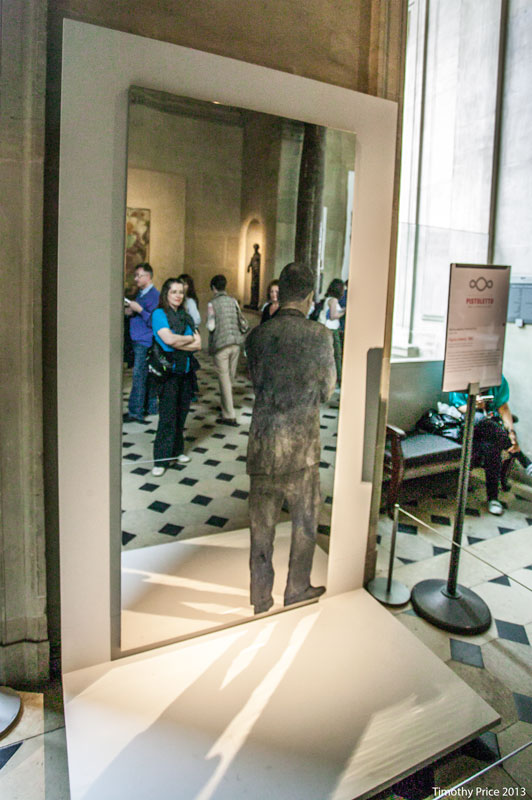
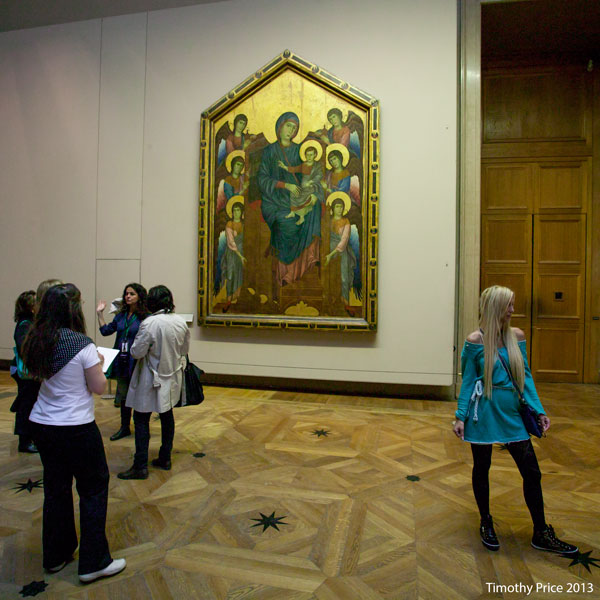
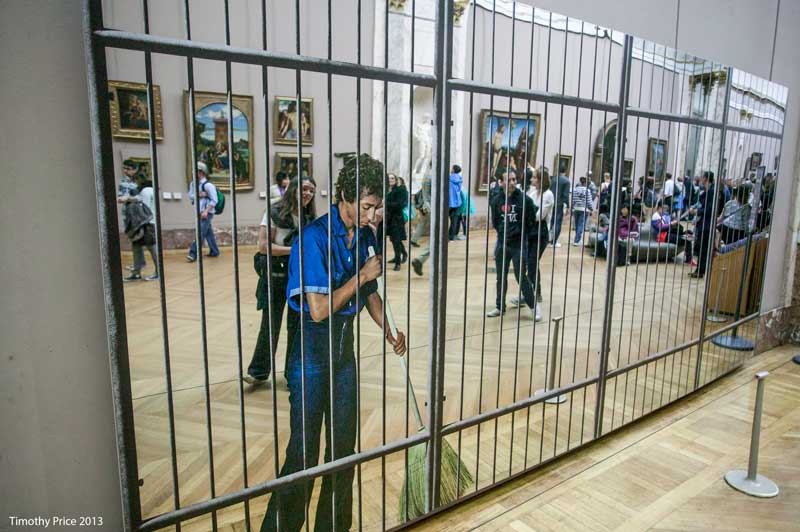
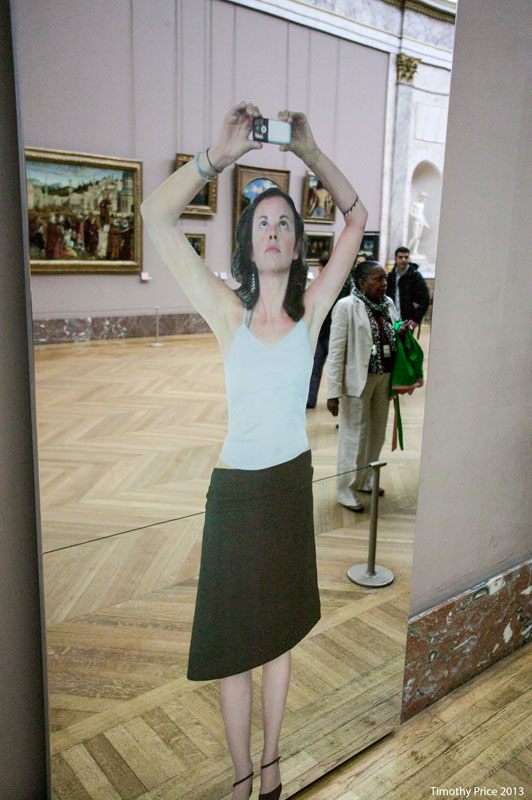
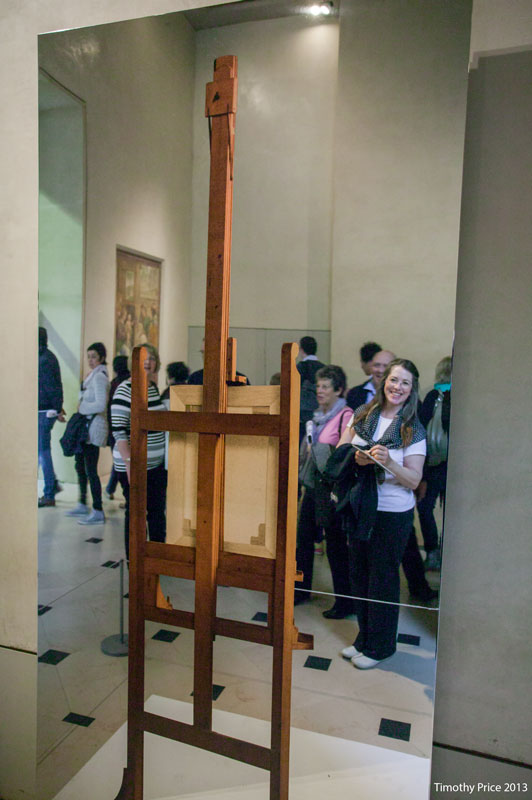
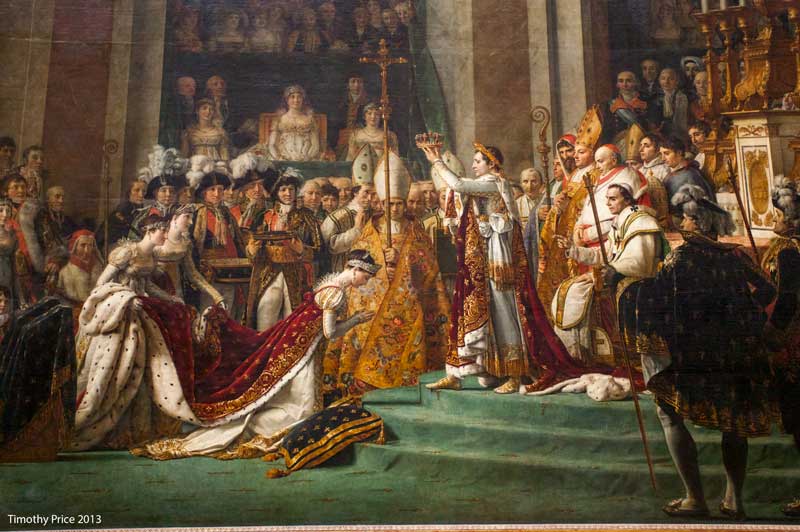
One project of Henry IV was to extend the Louvre along the right bank of the Seine and join the Louvre to the Palais des Tuileries (the Palais des Tuileries was destroyed in the upheaval of the Paris Commune in 1871). The resulting addition was more than a quarter mile long and 100 feet wide making it the longest edifice in the world at the time. After the addition was completed Henry invited artists to live and work in the spaces on the lower floor, a tradition that continued for 200 years until Napoleon III put a stop to it. Today King Henry’s addition is part of the Denon Wing that houses a lot of the permanent collection, including the Mona Lisa. We made another trip to the Louvre yesterday afternoon, and the photos today include interiors, staircases, ceilings and selections of artwork from the French master’s in the Sully Wing (oldest remaining section of the Louvre) and the  “Grand Format” paintings in the Denon Wing. I also included photos of two more installations by Michelangelo Pistoletto near the “Grand Format” paintings. The first one (2nd photo) shows Laurie and I in the mirrors that represent the Law (Judaism) in an installation that represents the four major world religions. The second  one (4th photo) shows the world religion installation from its outside, and the third Pistoletto is the last photo in the series.

A18W9273

Hands

A18W9282

A18W9263

DemolitionOfBridges

A18W9312

DavidNapCoronation

A18W9283

WateauManInWhite

A18W9296

Sphinx

A18W9309

RogerSaveAngela

A18W9297

France Day 27 The Assassin

TheAssassin


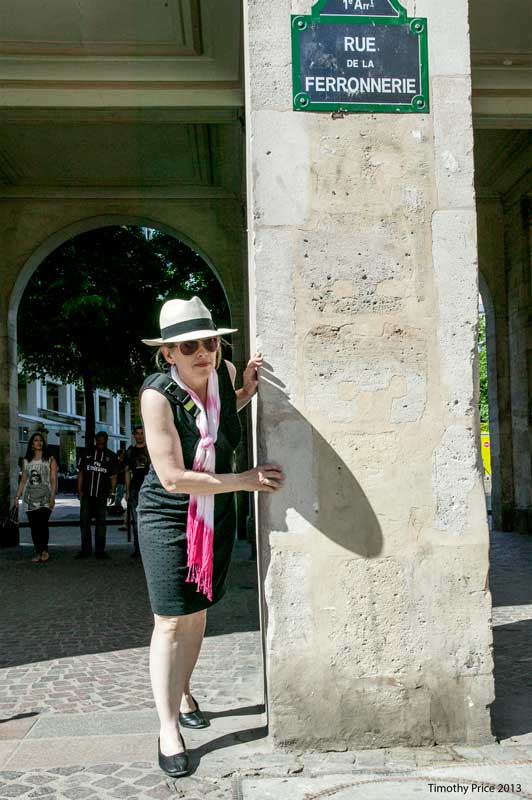
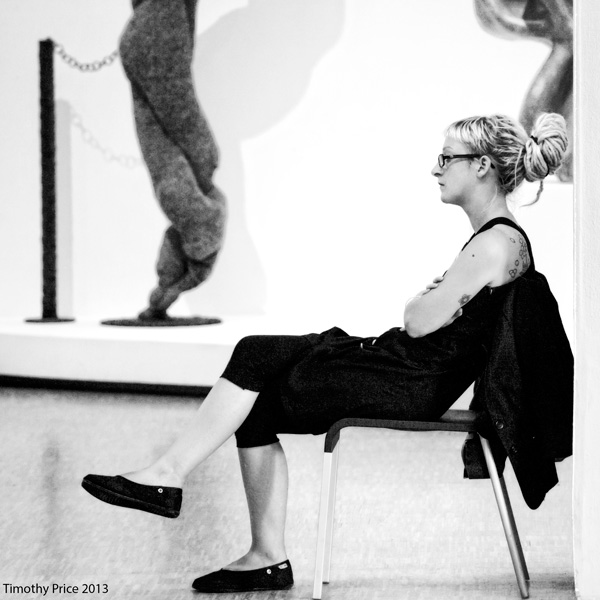
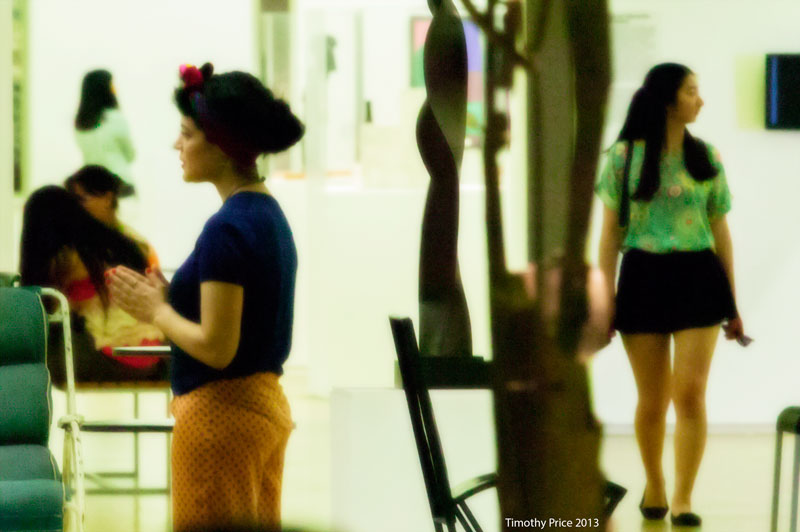
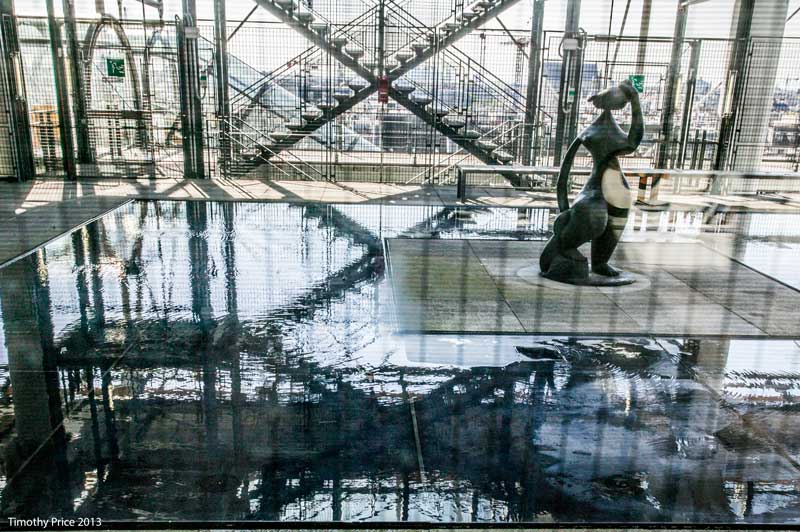
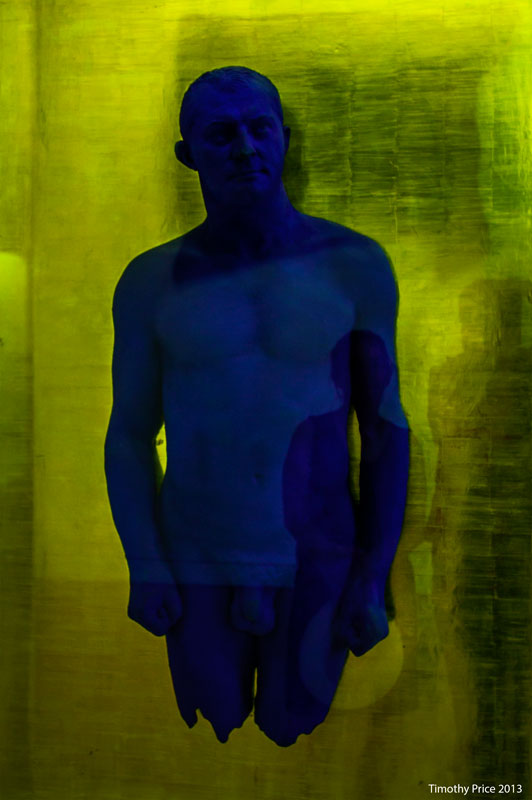
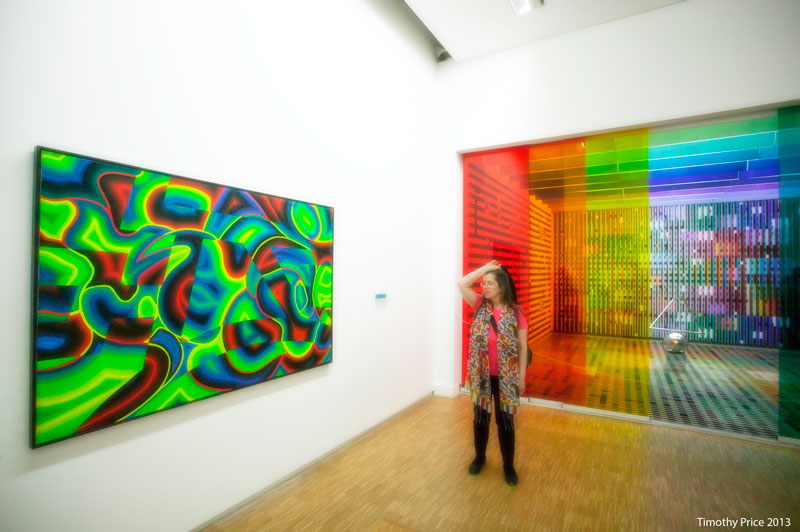
On our way to the Center Pompidou, we found Rue de la Ferronnerie, the street Henry IV was assassinated on.  The Louvre has its contemporary elements, but they are very formal compared to the Pompidou, whose skinless superstructure is as much of a bike locked to a fence as it is a building. I also notice that  once you are in the gallery spaces inside the Pompidou, you and everything else in those spaces become part of the art and exhibits: the guards who watch the exhibit spaces in their informal dress and hairstyles, the visitors, the views, the elements of the building, the sculptures and the paintings all interact to make the Pompidou a dynamic, contemporary art space.

While the Pompidou works well as a contemporary art space, it’s not the best when it comes to circulation and comfort — especially the tubes on the west side of the structure that contain the escalators that give people access to the different levels of the building. They look cool from the outside, but the are very hot, and not much fun to be in on a sunny afternoon.

The second and last photos are contemporary elements of the Louvre — the light structure of the pyramids and the heavy X of the escalators are so well ordered and formal compared to the pipes, cables and tubes that make the Pompidou look rather a mess.


A18W9206


A18W9163


Gaurd1inPompidou


A18W9186


GaurdInPompidou1


45CU6915


45CU6922


EiffelTowerCrane


Installation


A18W9190


BlueMan


A18W9248

France Day 26 Paris vaut bien une messe

HenriIV

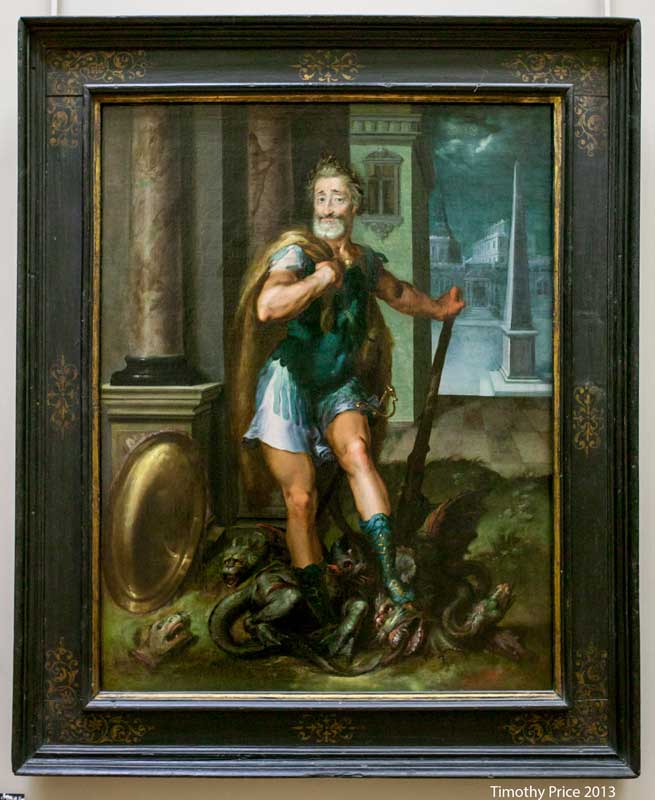
In chapter 33 of their book “1066 and All That” W.C. Sellar and R.J. Yeatman conclude their section on the St. Bartholomew Day Massacre with “After the massacre the French King, Henry of Navarre, turned Roman Catholic and made his memorable confession – ‘Paris is rather a Mess’…” Their humorous interpretation of “Paris vaut bien une messe” describes the time as well as the original saying. After Henry of Navarre took the throne to become King Henry IV he paid off his enemies instead of waging endless, costly wars against them; he also ended the “religious wars” that he had fought in when he issued the Edict of Nantes in 1598. With the help of the minister Maximilien de Béthune, Duke of Sully, they regularized the state finances, and then they set about cleaning up Paris and  restoring it as a great city. They also undertook public works and promoted education throughout France to improve the life of all people so there would be “a chicken in every pot”, which made Henry IV one of the most popular French kings ever. Although he was popular with the people, he had political and religious enemies. On the third attempt on his life, Henry IV was assassinated in 1610 by a Catholic fanatic, François Ravaillac, when Henry IV’s coach was stopped by traffic congestion in the Rue de la Ferronnerie. You can see that Henry IV was a man of good humor from the painting of him as Hercules vanquishing the Lernaean Hydra painted around 1600 by Toussaint Dubreuil. And I think he would have enjoyed “1066 and All That” as well.

We were in the Louvre and Orsay multiple times yesterday and the photos show the changing light as we walked back and forth between the apartment, the Louvre and the Orsay from mid-morning until 10:30 pm when we got home for the night.

45CU6800

A18W9093

45CU6806

45CU6825

45CU6845

45CU6855

45CU6876

A18W9131

Brasilia

France Day 25 Of Men and Modernity

DurerSelfPortrait

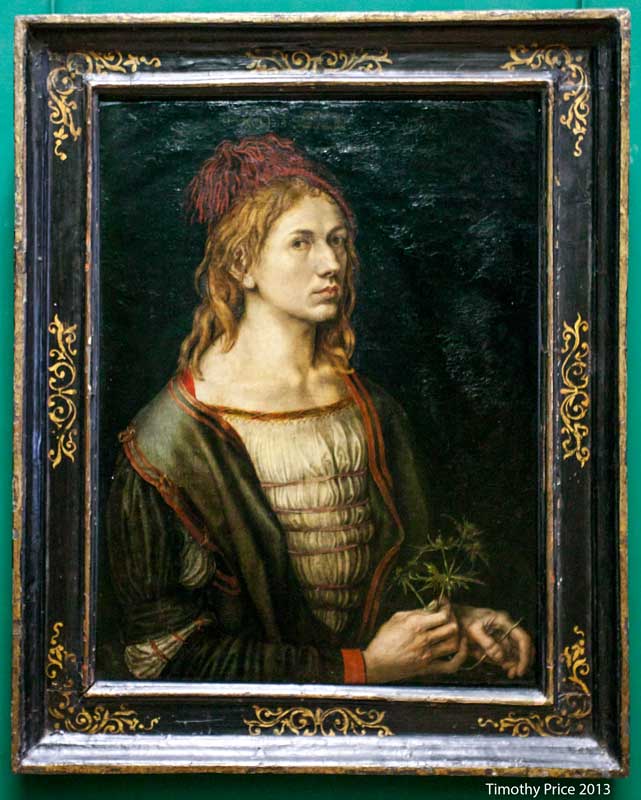
While going through the 15th and 16th century paintings from the Netherlands and Germany in the Richelieu wing of the Louvre, I started looking at the many portraits of men and wondered if I could find a painting of a man similar to the Mona Lisa. The problem with most portraits of the period is that the subjects tend to be in a detached, documentary pose and are rarely looking at the viewer. I was about to give up on the idea, but then I came across a self portrait of Albrecht Dürer which struct me as Mona Lisa-like. It was Dürer’s first painted self portrait, done when he was 22 years old and most likely to be sent to his fiancée, Agnes Frey.  A marriage had been arranged for Dürer while he was living with his brother in Basel in 1493, and Dürer and Ms. Frey were married upon his return to Nuremberg in 1494. While Dürer’s self portrait predates Mona Lisa by about 10 years, he paints himself in a similar pose and light, and he engages the viewer with his direct eye contact and pleasant countenance. I may find other male Mona Lisa’s, but so far Dürer’s self portrait is the front runner.

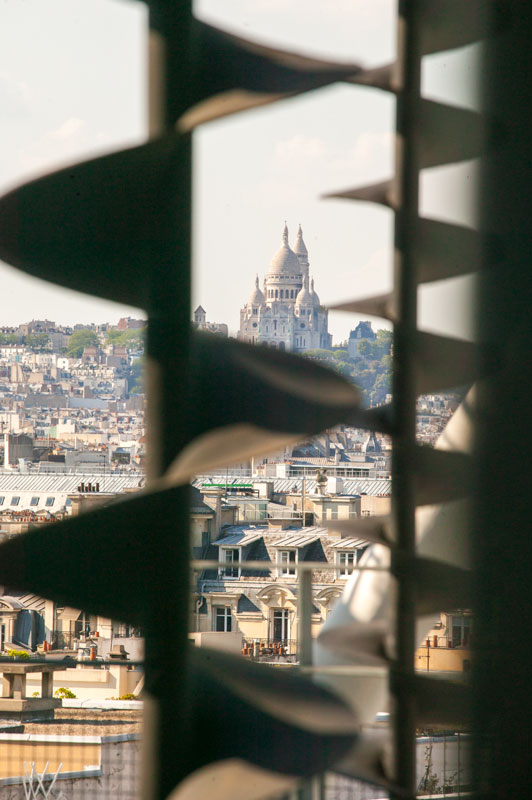
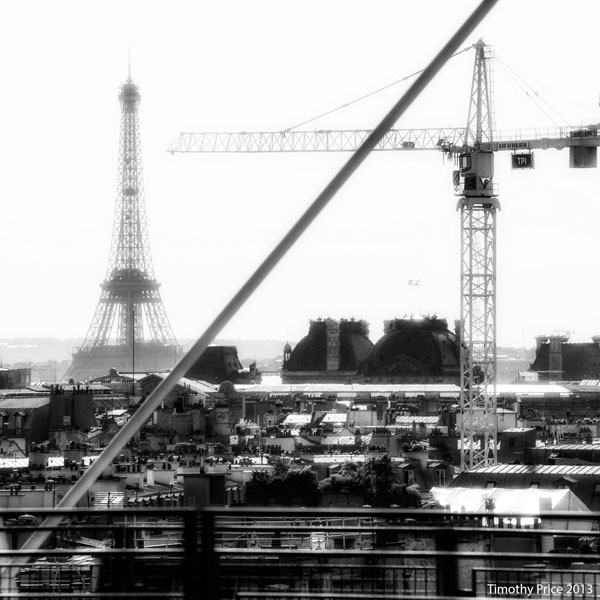
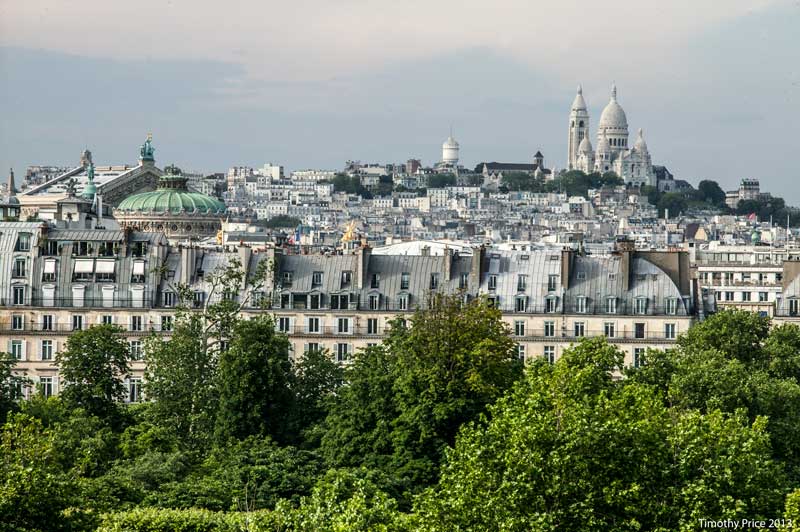
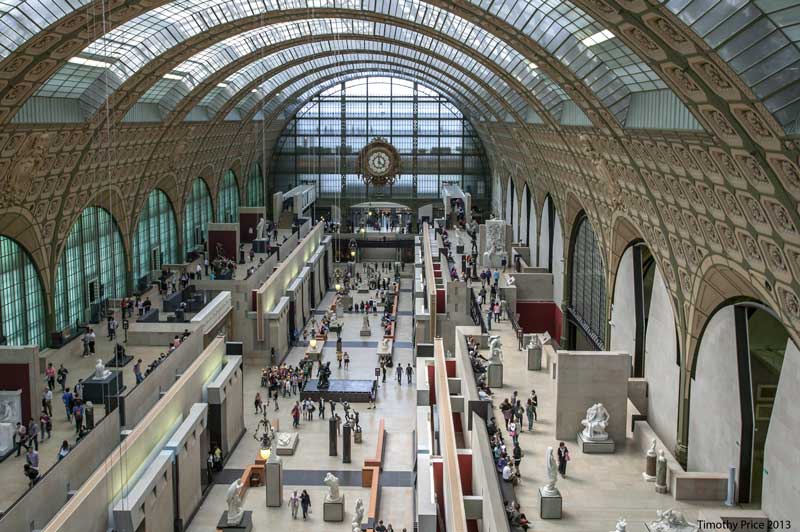
After the Louvre we went to the Musée l’Orsay, which is an old train station converted into a museum. Photographs are prohibited in the Orsay, but I managed to get a shot of the inside and the shot through the clock looking at the northern skyline of Paris. One commentator described train stations as being secular cathedrals to modernism with the clocks being their alters. In the evening we went to the Center Pompidou, and looked at the modern art. It’s interesting to go from the Louvre and Orsay’s formal, hands-off settings to the Pompidou’s modern, more interactive environment. You get a nice view of the Paris skyline from the Pompidou and the last photo with the Eiffel Tower in the distance is from the 4th level inside the Pompidou.

A18W9055

A18W9018

A18W9064

A18W9022

TheTalk

A18W9071

A18W9059

A18W9026

A18W9061

45CU6771

France Day 23 Hittin’ you with my best shot!

MonaLisa

We got into the Louvre when it opened, rushed to the Mona Lisa and there were only about 50 or so people crowded in front of her, making it easy to get up to the rope to get the closest view possible. The Mona Lisa is the perfect portrait of the perfect model in the perfect pose. She is like a self portrait of how everyone would like to see themselves, and the reflections in the multiple layers of glass protecting the Mona Lisa adds to the sense of the portrait as a reflection of our own portraits.

After three hours in the Louvre we had browsed the entire Italian and Spanish painters wing and then went through the exhibit on Egyptian art and culture. In the Spanish sections, there was a small exhibit of plates by Goya, where I got the photo of the woman looking out the window that almost matched Goya’s woman on a horse.

One thing really nice about our apartment being so close to the Louvre is that we go back to the apartment and fix lunch before we go out again. Laurie made crepes for lunch that were wonderful, and then we strolled through the Tuileries on our way to the Musée l’Orangerie where they have expressionist paintings by Cézanne, Renior, Monet, Picaso, Rousseau, etc. Along the way we saw goats mowing a moat, a teenage bird bigger than its mother still asking her to feed it, duckings napping, flowers starting to bloom, iris and a few roses.

WomanReflection

45CU6675

MamaTeenBird

Goats

Ducklings

CezanneRenoir

France Day 20 The Louvre

A18W8608

If you want to see a nice, close-up view of the Mona Lisa, look her up on-line or in an art book, because you can’t get a good look at her at the Louvre.

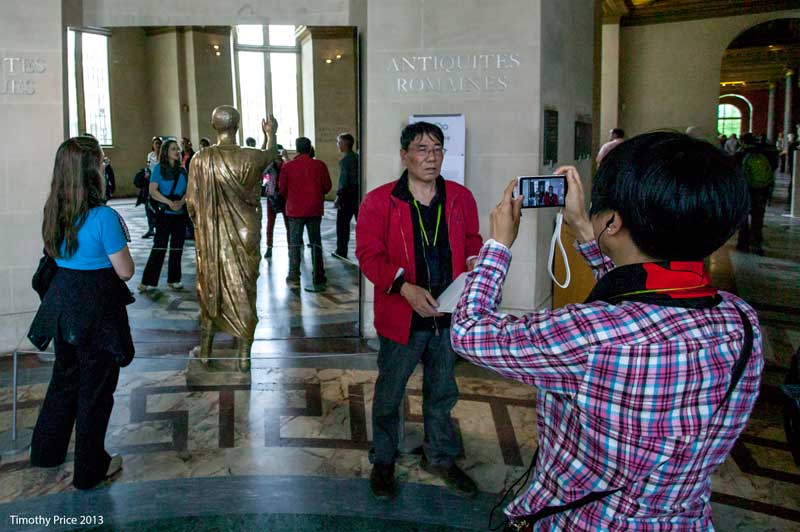
The Louvre has a current exhibit of a large-scale series of installations, encounters, theater performances and public activities by Italian artist Michelangelo Pistoletto (1933, Biella). The exhibit is titled Year 1: Earthly Paradise, and it marks “the transition into the new era of human, social, and cultural metamorphosis that was celebrated all over the world… The exhibition embodies three different time frames: the past, in the context of a retrospective; the present seen in the mirror works reflecting the visitors; and the future in a great obelisk topped with a triple loop, a symbol of this ongoing revolution. Thus the sign of the “third paradise” adorns the pyramid… Spirituality, figuration, the breaking down of boundaries between the arts, social solidarity, and the merging of life and art: these are the themes permeating the thinking of Michelangelo Pistoletto…”

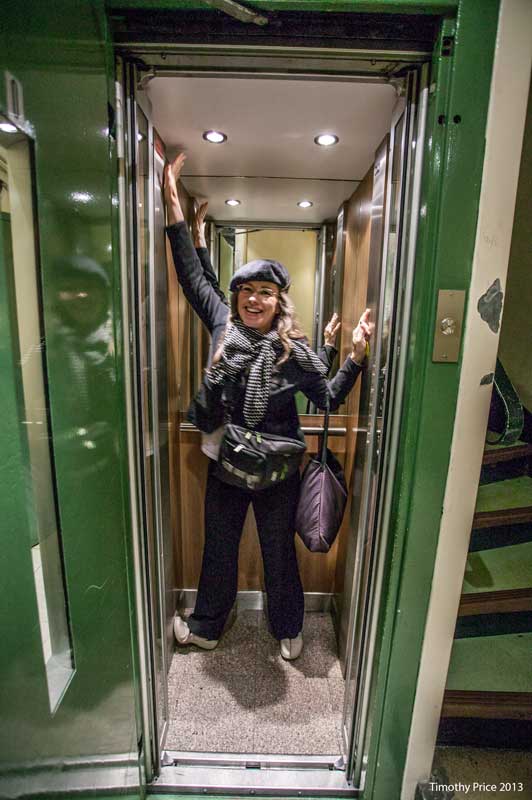
Every other photo in this set of photos is a photo of a Pistoletto installation. Most of these are from the mirror installations, but there were video installations where we were live in the video along with all the recorded video. One installation was neon in different languages in the medieval part of the Louvre and the last installation we saw was a room of mirrors. I also included a shot of Laurie in the tiny elevator in our building as it fit well with Pistoletto’s idea of past and present.

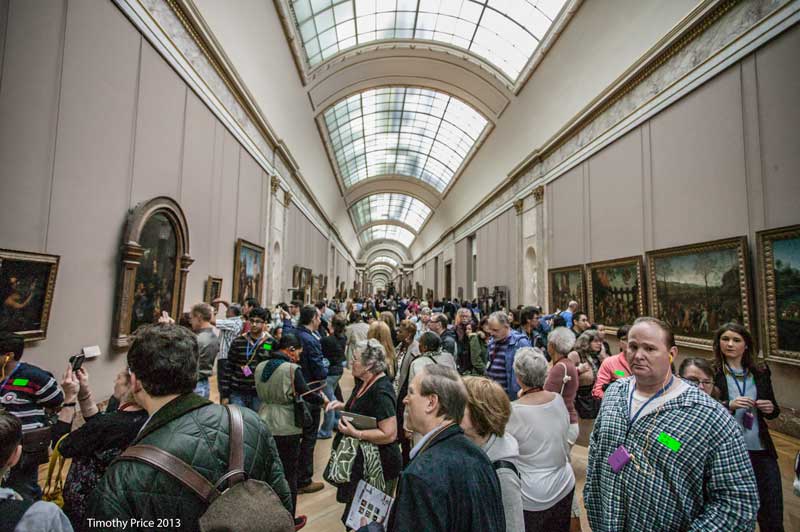
If you haven’t figured out that the Louvre is crowded, it is. It’s very difficult to get a photo of a painting without visitors in it, except for occasional breaks in the crowd and photographing ceilings. So I just view the crowd as part of the art experience.

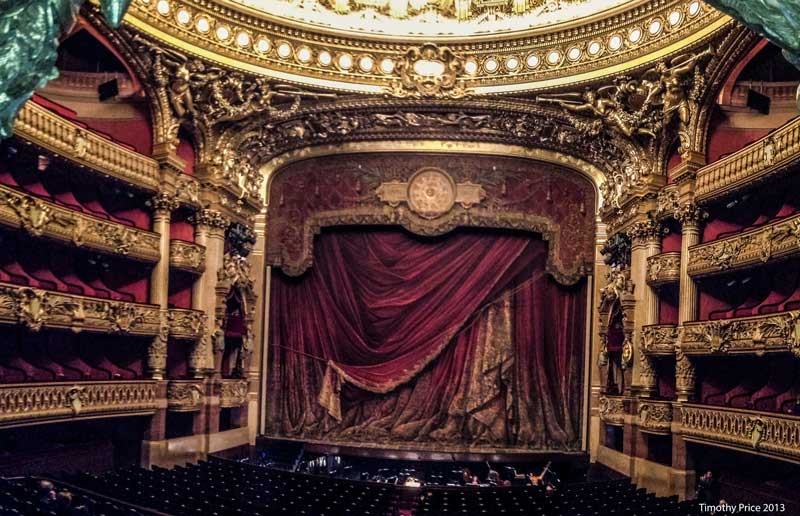
We went to Handel’s opera Guilio Caesare last night. The orchestra used instruments from the period, which blended particularly well with the voices; the sets were monumental; the performers were fantastic. We were in a box seat slightly to the right of center stage on the first mezzanine level with 5 other people. The theater was packed. We arrived 40 minutes early, which allowed me to get some photos of the interior of the theater with my iPhone (last photo).
A18W8576

A18W8598

A18W8656

A18W8664

Pistoletto

Modanna

A18W8599

A18W8661

Pistoletto1

A18W8668

PhotoOfPhoto

Painting

A18W8623

A18W8638

A18W8625

A18W8631

A18W8601

Police

A18W8629

OperaHouse

France Day 19 Rain in Paris

A18W8250


While Laurie was planning our “assault” on the Louvre, she read that it began as a fort in 1190 to watch for Vikings coming up the Seine. They somehow heard we were coming, because police were everywhere dressed in full riot gear, blocking all entrances to the Louvre when we got there. Lots and lots of people were walking around trying to find a way in, to no avail. We wondered if there had be a threat or other incident, then Laurie asked one of the policemen who told us it was closed because the president of Holland was visiting. So we went back up to our neighborhood, a ten minute walk on crowded streets in the rain, and explored the neighborhood. Today’s photos are shots of fashion on the streets and store windows in the area around the Opera. The area is pretty upscale, with fine clothing and jewelry shops and a variety of ethnic restaurants. There are a lot of tourists from all over, but there seems to be a large concentration of Japanese and Chinese in the area, and there are several Japanese restaurants and an oriental food store on the three streets that border the building we are in.
 

A18W8480


MonkDior


A18W8489


Red


Vodka


A18W8493


HarleyBike