
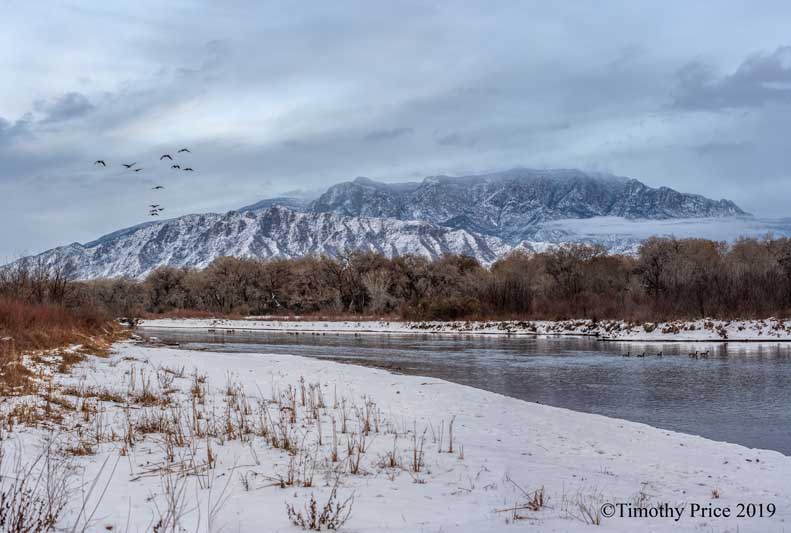

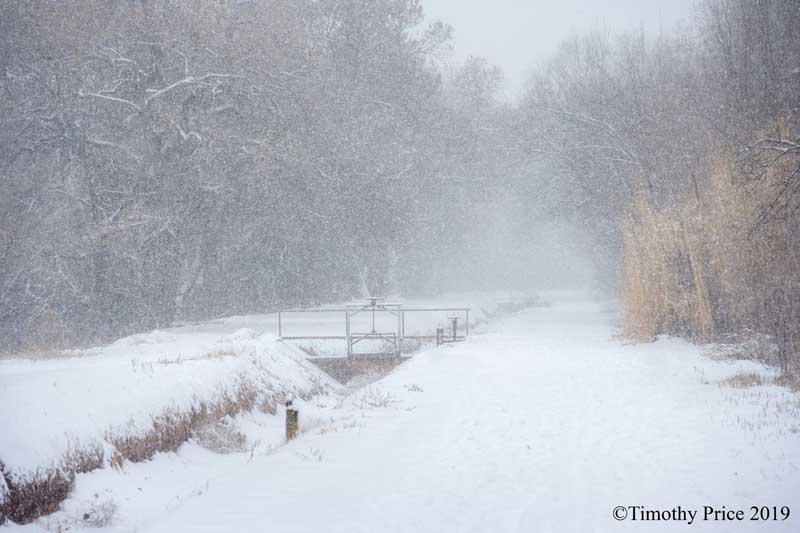
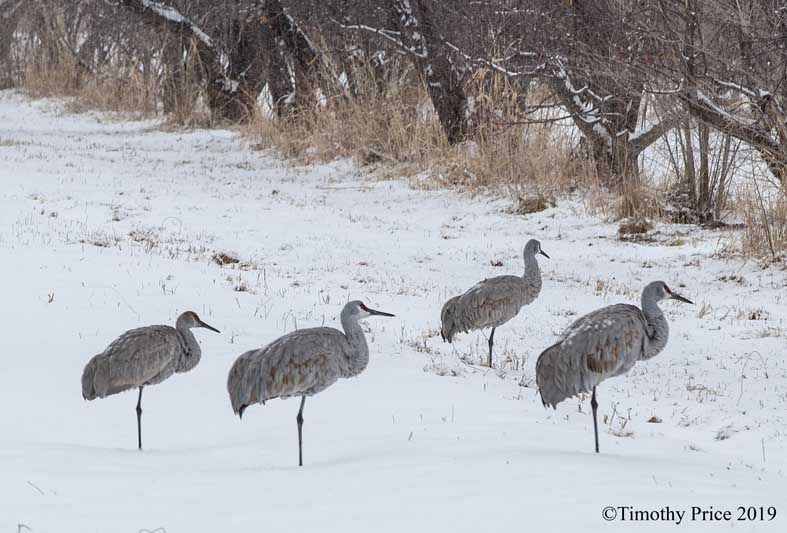
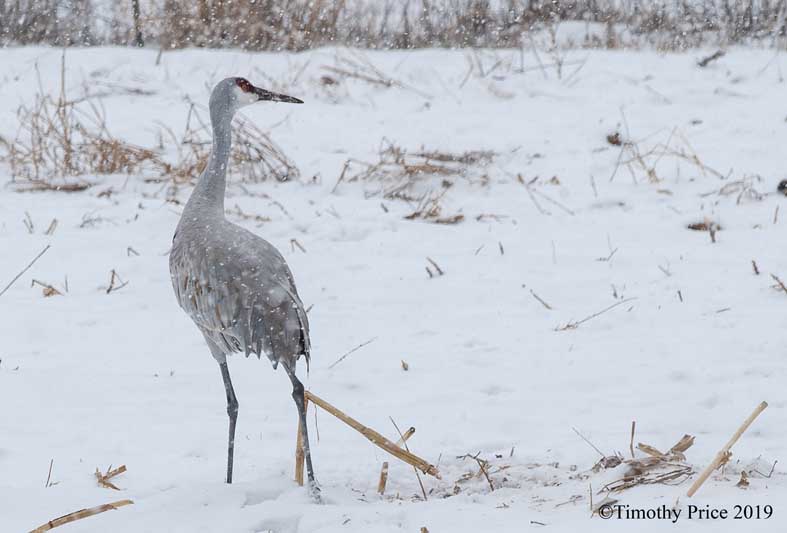
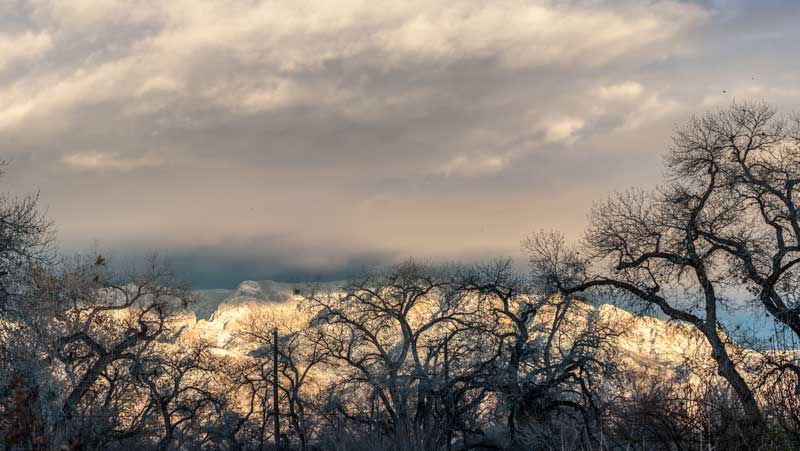
Rain fell all night, turning from wet to icy to light hail that left a thin covering of white on the ground in the early morning hours, only to disappear as soon as the sun broke through the clouds… Continue reading at http://photos.tandlphotos.com/blog/2017/1/color-b-w-sunset
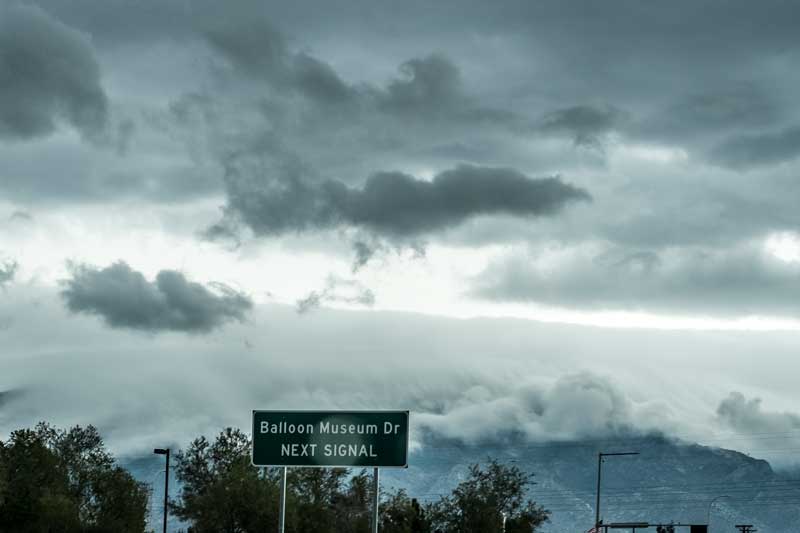
No poem today. Only a storm behind the traffic lights. However, I do want to point out that I added two dropdown menus to the menu bar across the top of the page: “Cat Blogs” and “Tales From My Youth”… Read more and checkout the Cat Blogs and Tales From My Youth if you hadn’t seen those blogs: http://photos.tandlphotos.com/blog/2016/11/go-storm
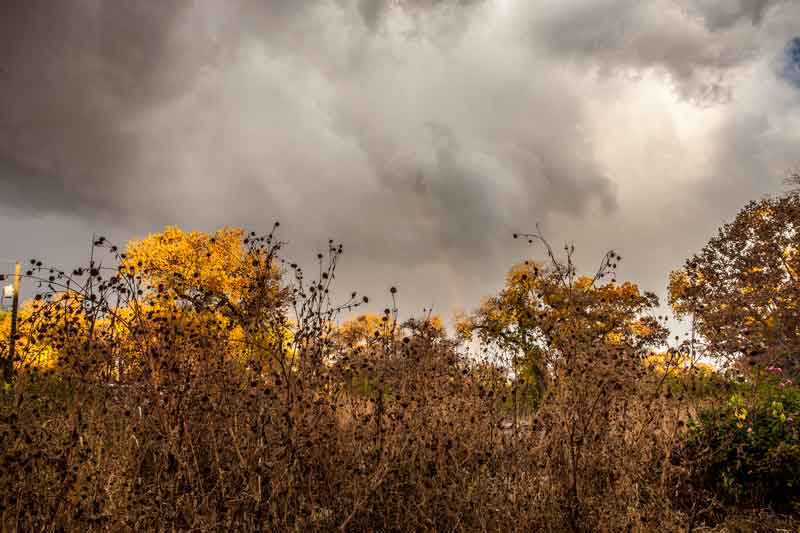
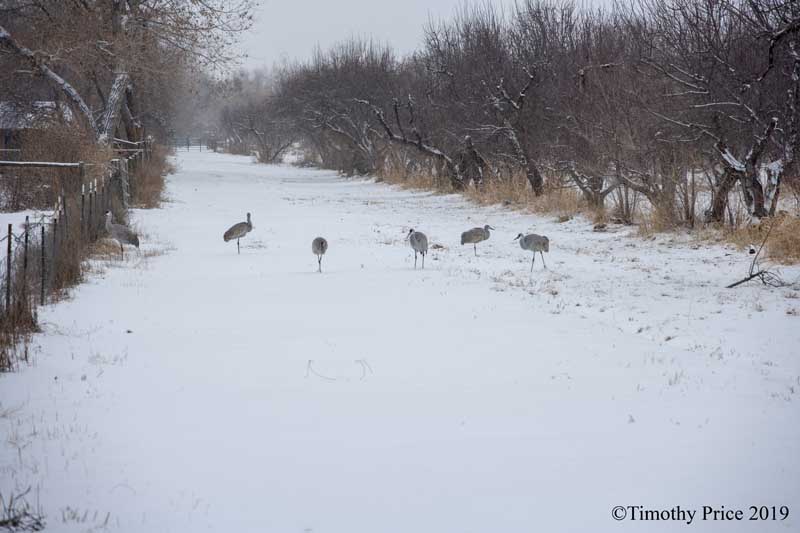
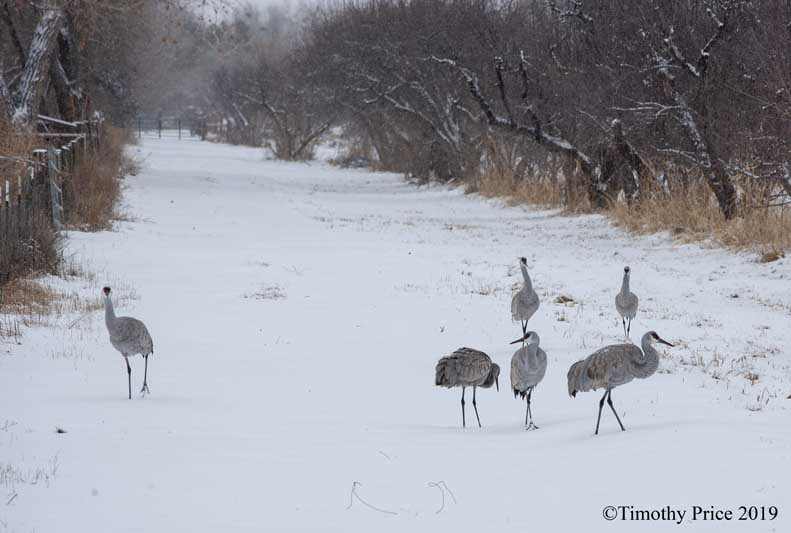
They scavenge the foliage
Laid waste by old Jack Frost…

More photos at http://photos.tandlphotos.com/blog/2016/8/burned-out
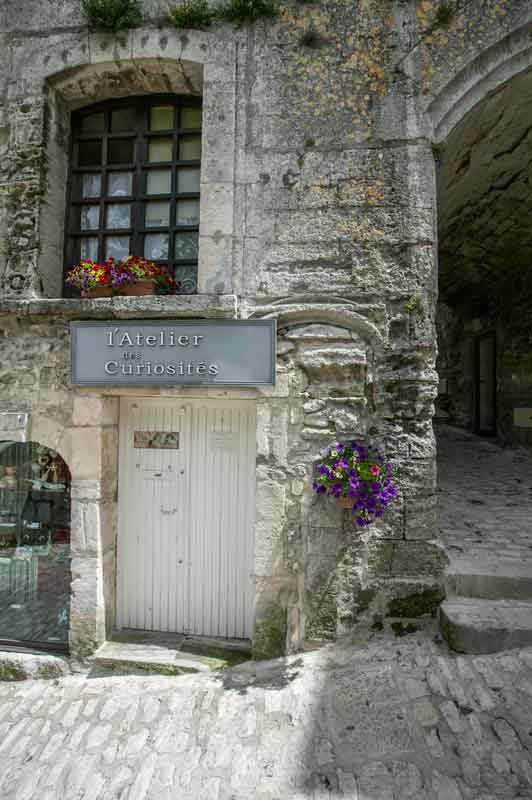
More photos of Baux de Provence at http://photos.tandlphotos.com/blog/2016/8/cite-des-baux-de-provence-france
Lava fields forever http://photos.tandlphotos.com/blog/2015/12/el-malpais-t-17-days
Colors persist http://photos.tandlphotos.com/blog/2015/12/fall-colors
 Off Center & Not Even