France Day 27 The Assassin

TheAssassin


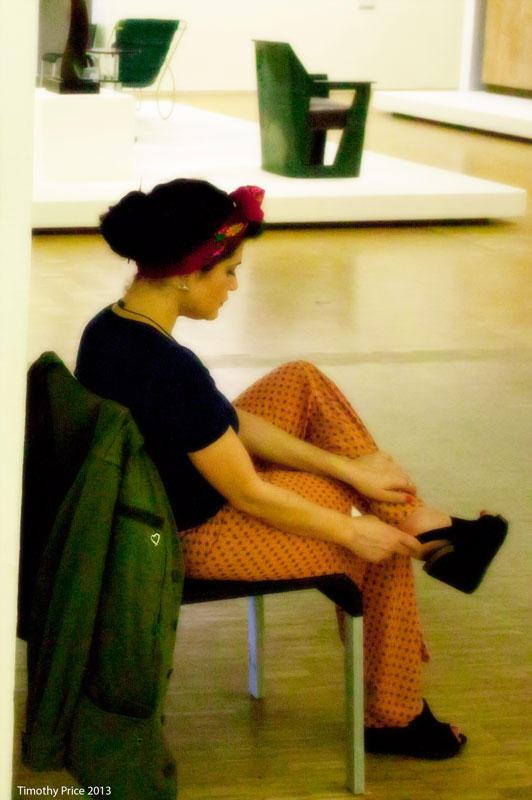
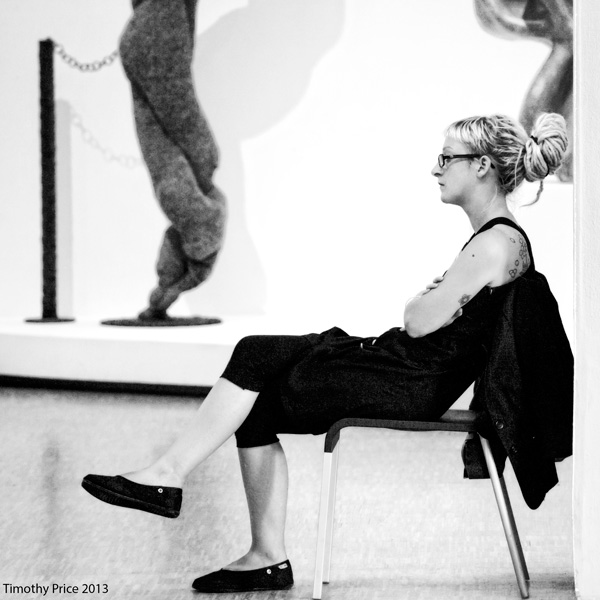
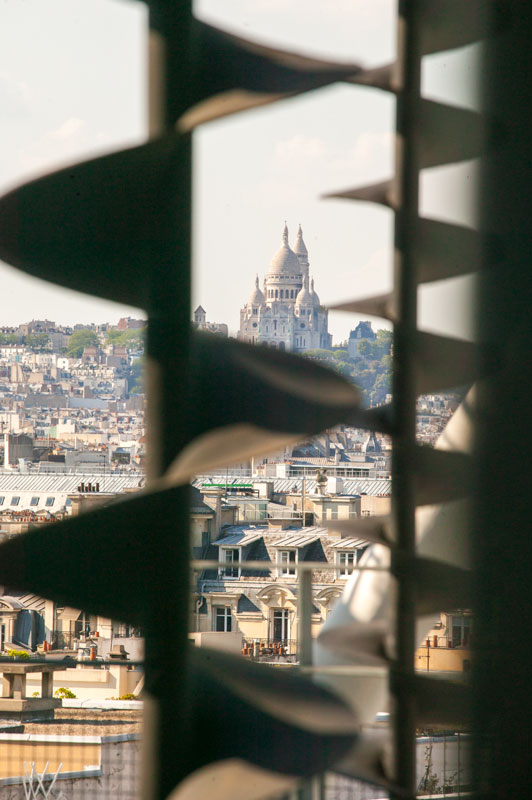
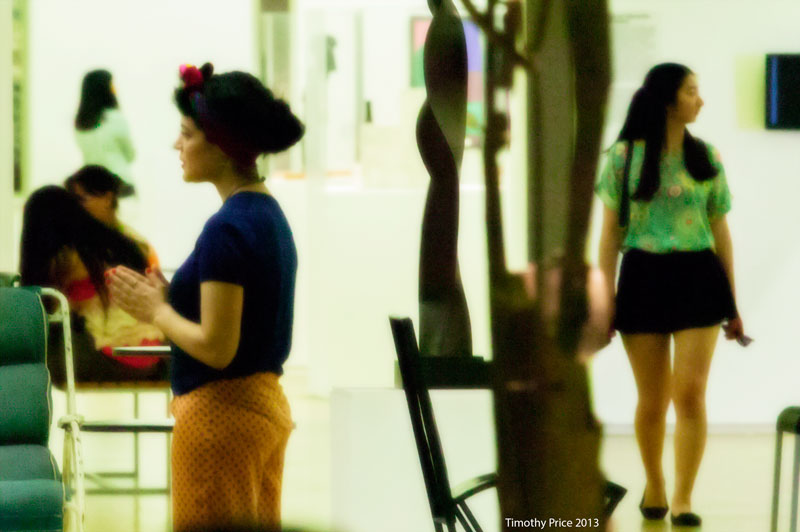
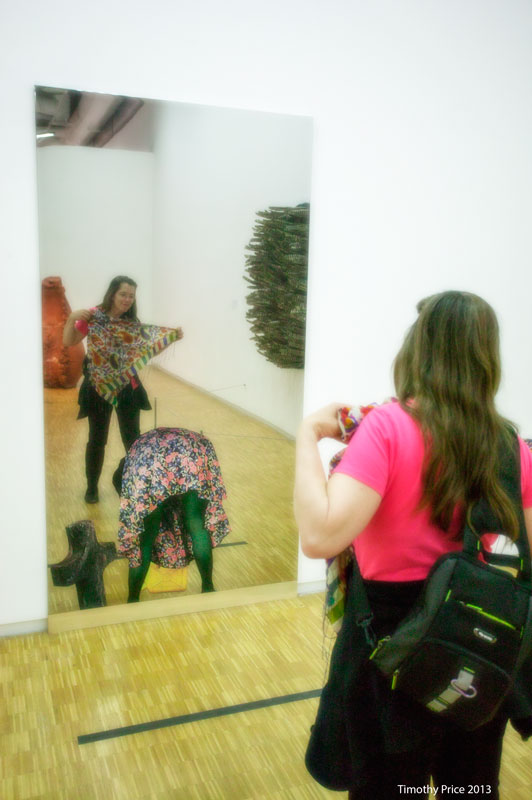
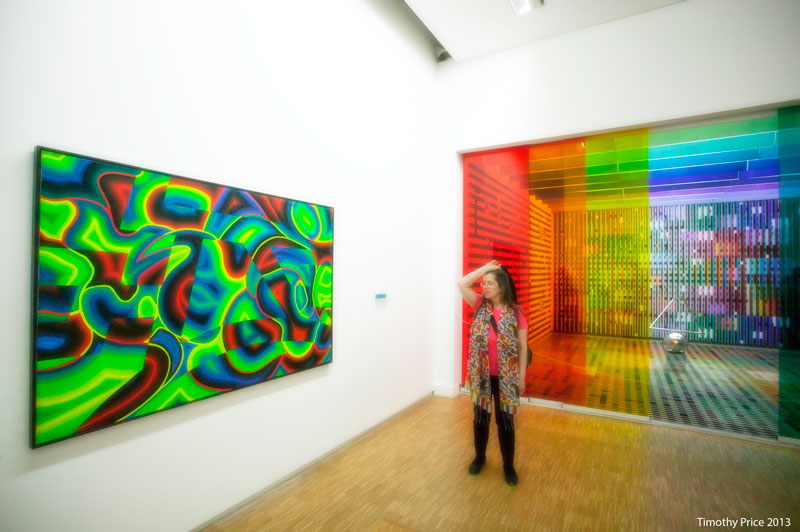
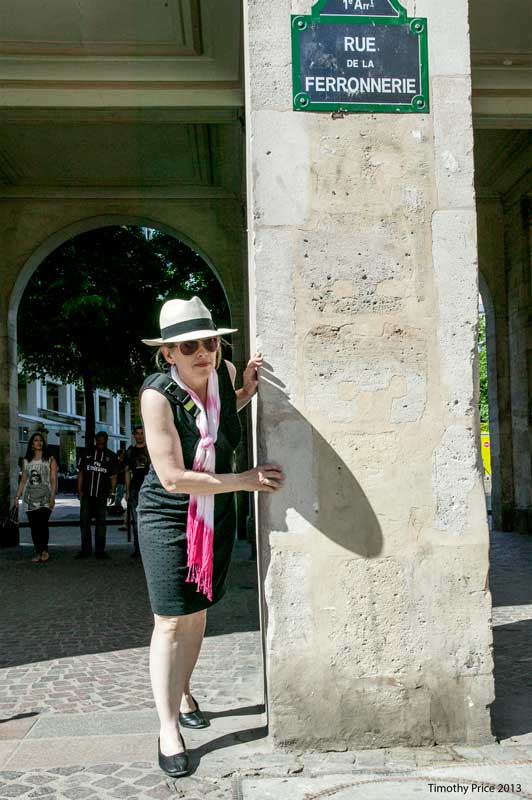
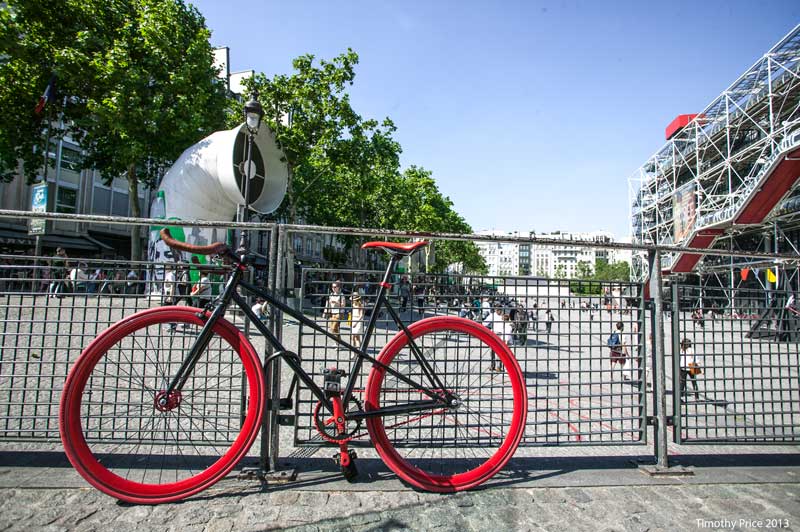
On our way to the Center Pompidou, we found Rue de la Ferronnerie, the street Henry IV was assassinated on.  The Louvre has its contemporary elements, but they are very formal compared to the Pompidou, whose skinless superstructure is as much of a bike locked to a fence as it is a building. I also notice that  once you are in the gallery spaces inside the Pompidou, you and everything else in those spaces become part of the art and exhibits: the guards who watch the exhibit spaces in their informal dress and hairstyles, the visitors, the views, the elements of the building, the sculptures and the paintings all interact to make the Pompidou a dynamic, contemporary art space.

While the Pompidou works well as a contemporary art space, it’s not the best when it comes to circulation and comfort — especially the tubes on the west side of the structure that contain the escalators that give people access to the different levels of the building. They look cool from the outside, but the are very hot, and not much fun to be in on a sunny afternoon.

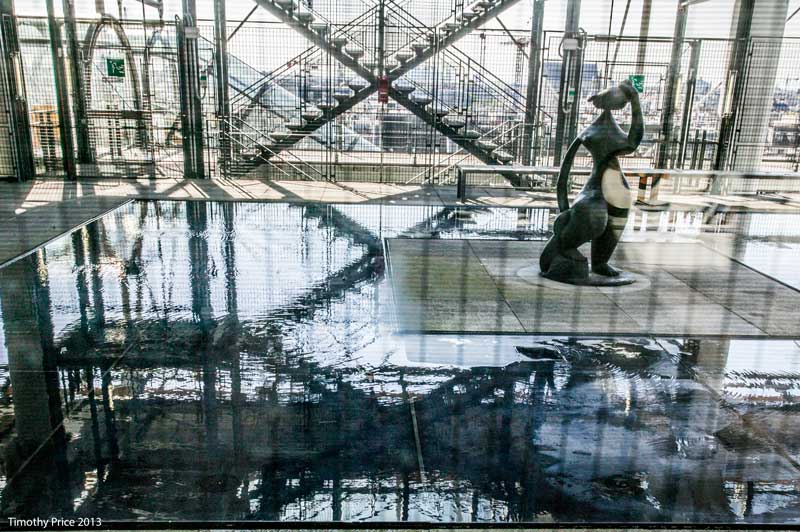
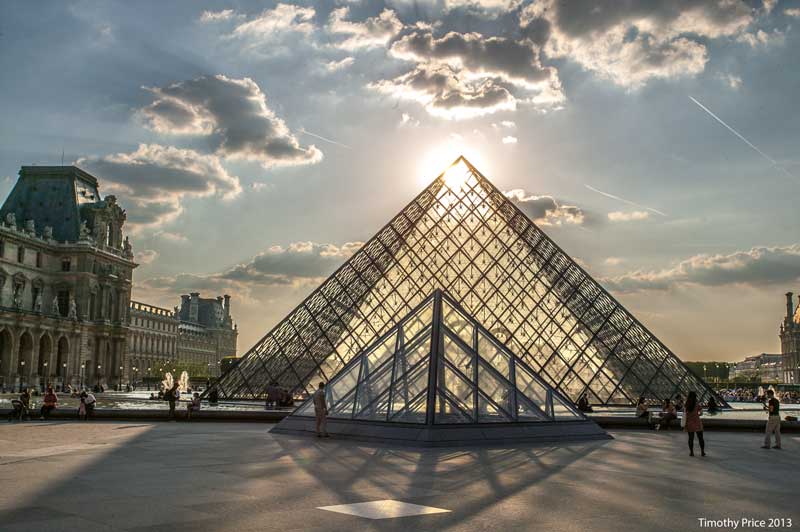
The second and last photos are contemporary elements of the Louvre — the light structure of the pyramids and the heavy X of the escalators are so well ordered and formal compared to the pipes, cables and tubes that make the Pompidou look rather a mess.
 

A18W9206


A18W9163


Gaurd1inPompidou


A18W9186


GaurdInPompidou1


45CU6915


45CU6922


EiffelTowerCrane


Installation


A18W9190


BlueMan


A18W9248

France Day 25 Of Men and Modernity

DurerSelfPortrait

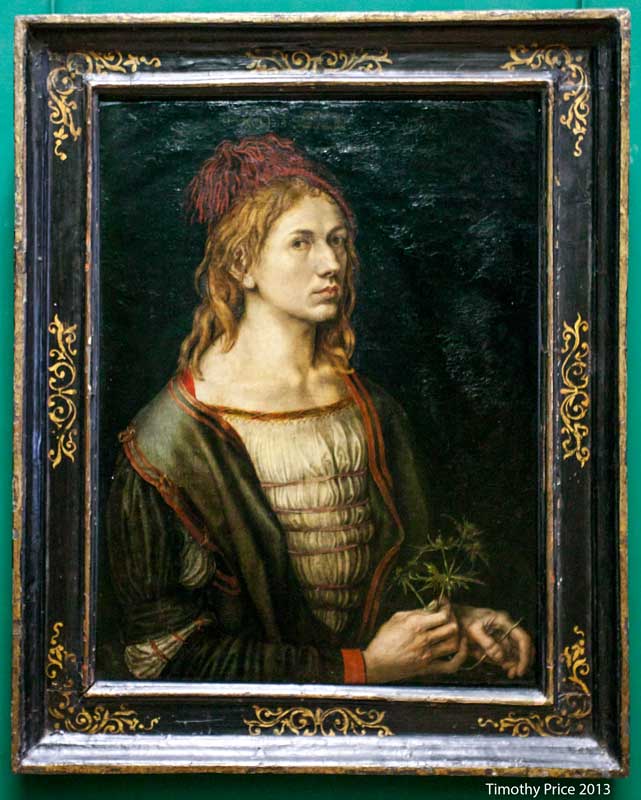
While going through the 15th and 16th century paintings from the Netherlands and Germany in the Richelieu wing of the Louvre, I started looking at the many portraits of men and wondered if I could find a painting of a man similar to the Mona Lisa. The problem with most portraits of the period is that the subjects tend to be in a detached, documentary pose and are rarely looking at the viewer. I was about to give up on the idea, but then I came across a self portrait of Albrecht Dürer which struct me as Mona Lisa-like. It was Dürer’s first painted self portrait, done when he was 22 years old and most likely to be sent to his fiancée, Agnes Frey.  A marriage had been arranged for Dürer while he was living with his brother in Basel in 1493, and Dürer and Ms. Frey were married upon his return to Nuremberg in 1494. While Dürer’s self portrait predates Mona Lisa by about 10 years, he paints himself in a similar pose and light, and he engages the viewer with his direct eye contact and pleasant countenance. I may find other male Mona Lisa’s, but so far Dürer’s self portrait is the front runner.

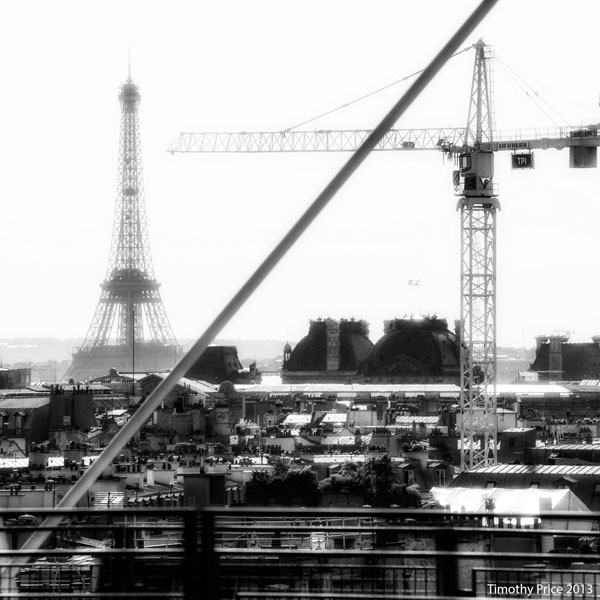
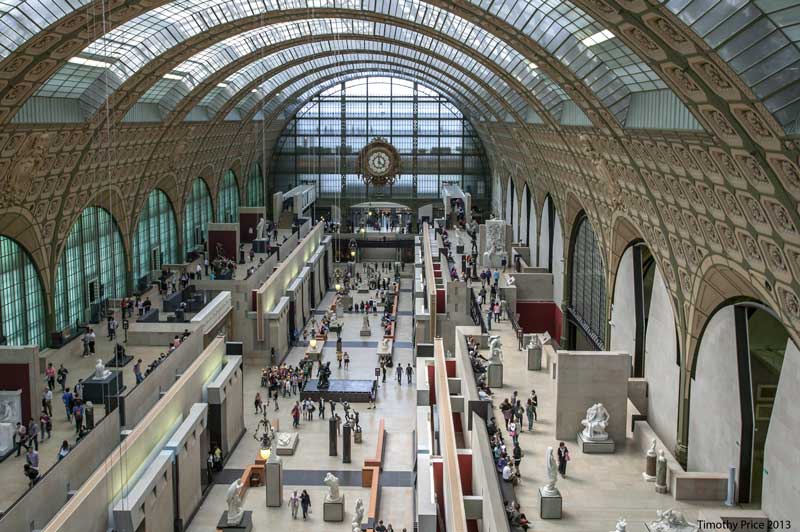
After the Louvre we went to the Musée l’Orsay, which is an old train station converted into a museum. Photographs are prohibited in the Orsay, but I managed to get a shot of the inside and the shot through the clock looking at the northern skyline of Paris. One commentator described train stations as being secular cathedrals to modernism with the clocks being their alters. In the evening we went to the Center Pompidou, and looked at the modern art. It’s interesting to go from the Louvre and Orsay’s formal, hands-off settings to the Pompidou’s modern, more interactive environment. You get a nice view of the Paris skyline from the Pompidou and the last photo with the Eiffel Tower in the distance is from the 4th level inside the Pompidou.

A18W9055

A18W9018

A18W9064

A18W9022

TheTalk

A18W9071

A18W9059

A18W9026

A18W9061

45CU6771