Yellow, orange, red and blue http://photos.tandlphotos.com/blog/2015/12/san-lorenzo-canyon-t-16-days
Tag: Canyon
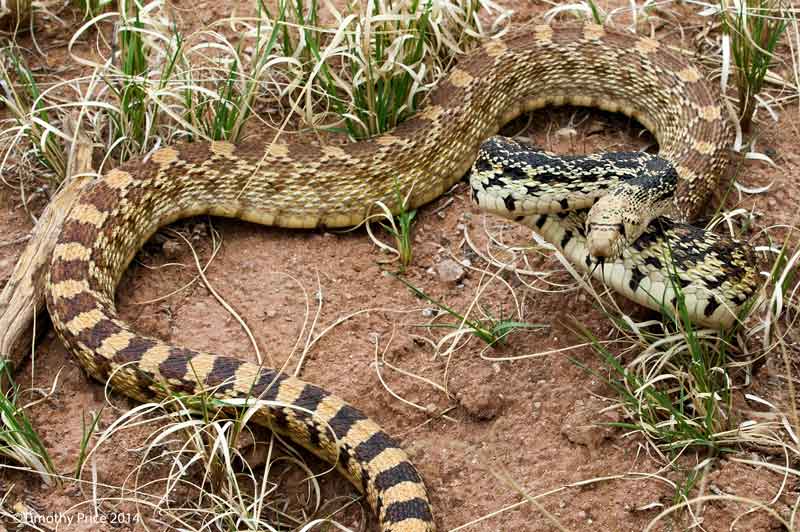
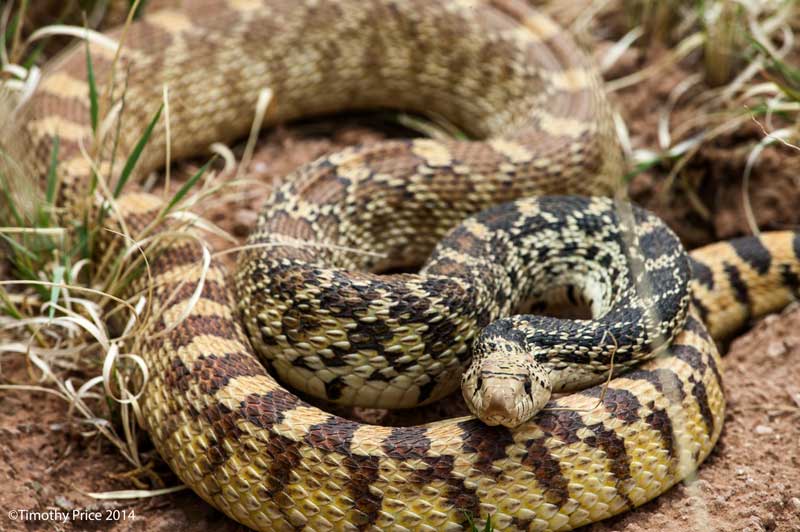
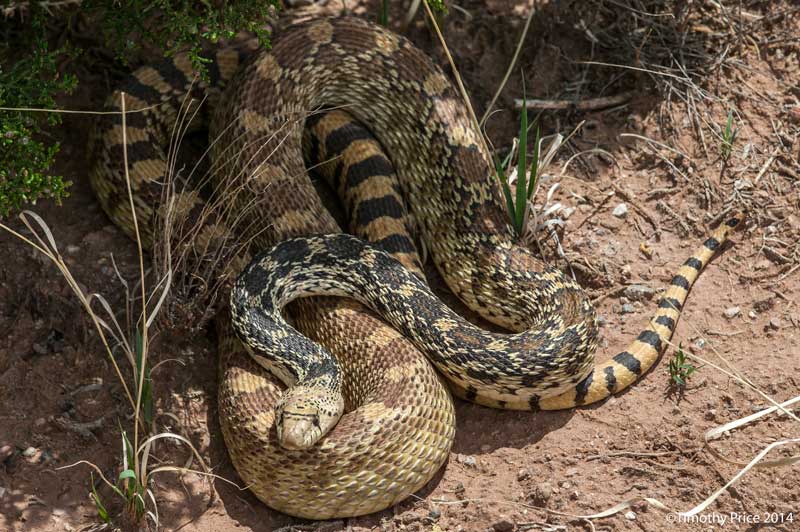
Bullsnake at Desert Harbor

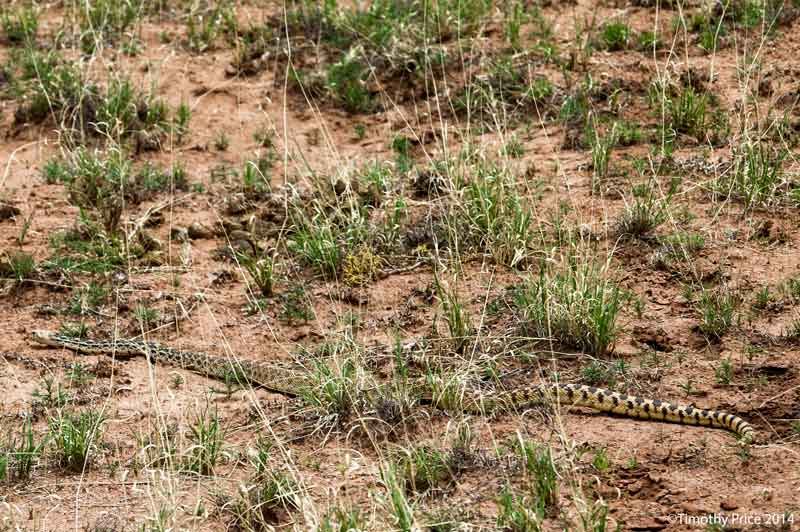
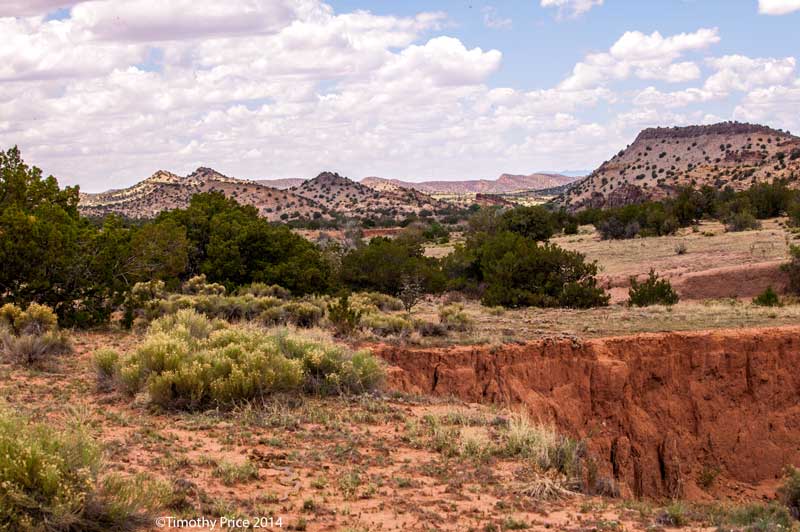
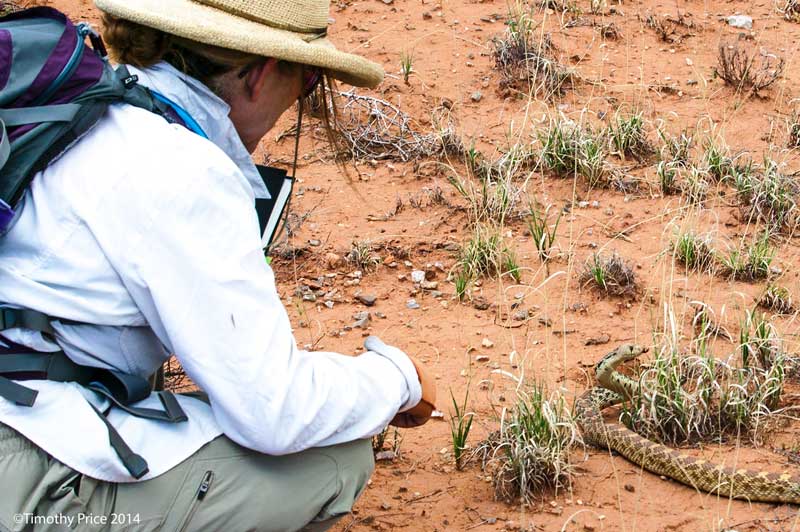
While I was sitting on a rock in the canyon at Desert Harbor Retreat looking at the landscape, watching the birds in the distance, and observing the various insects crawling around my feet, this large bull snake (about six feet long) crawled by just a few feet away. He got defensive when I got close with the camera, but then he settled down and let me get to within less than an inch of him with the camera’s lens.
If you don’t know your snakes, you might confuse this bullsnake with a rattlesnake. The markings are similar to a rattlesnake’s, and with his defensive postures, he mimics a rattlesnake by raising his body into a striking position; he flattens his head to make it more triangular, hisses, and vibrates his tail like a rattlesnake (if there are dried leaves to vibrate his tail against, he will sound somewhat like a rattlesnake). But that’s where the similarities end. A bullsnake is slender, and has a thin, round head compared to a rattlesnake. Bullsnakes are non-venomous constrictors, with round pupils. A Western Diamondback rattlesnake the same length as this bullsnake would have a girth at least four times larger, and its head would be three or four times larger than the bullsnake’s head. Rattlesnakes have raised plates over their cat-like eyes, triangular heads, and pits on the sides of their faces (you can see a Western Diamondback rattlesnake in my blog from July 2, 2013).
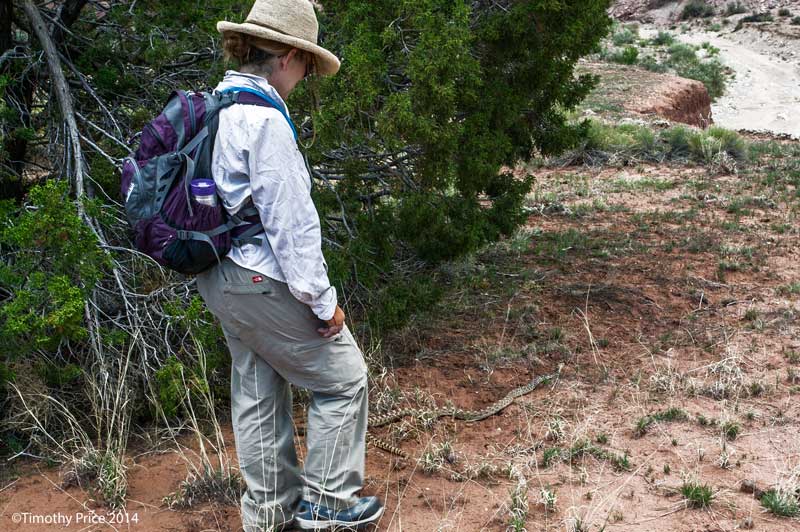
After a while, the bullsnake decided we were no longer a threat and continued his hunting. We followed him around, observing him for about 45 minutes as he seemed to be following a scent trail. We walked beside him, behind him, observed him closely, and he simply went about his business as if we were not even there. I was thinking that he might flush out a field mouse, grab it, constrict it, then eat it, and I could document the hunt, the kill and the meal, but he was still hunting when we parted ways.





Rio Guadalupe Canyon
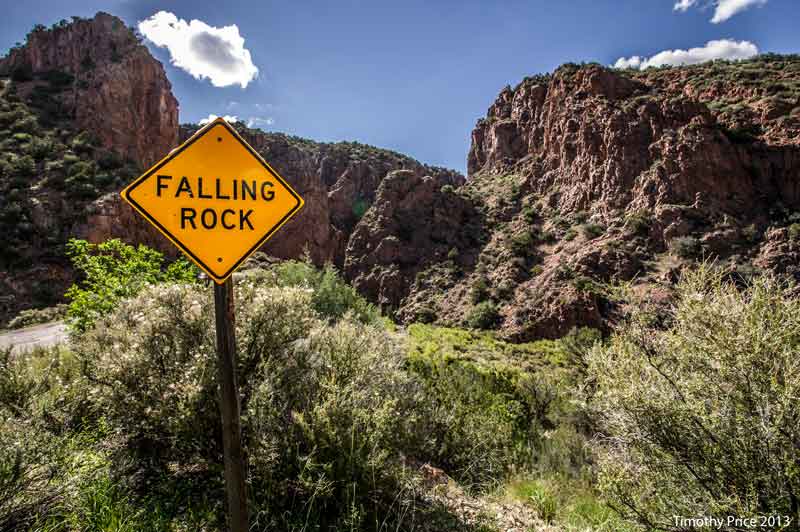
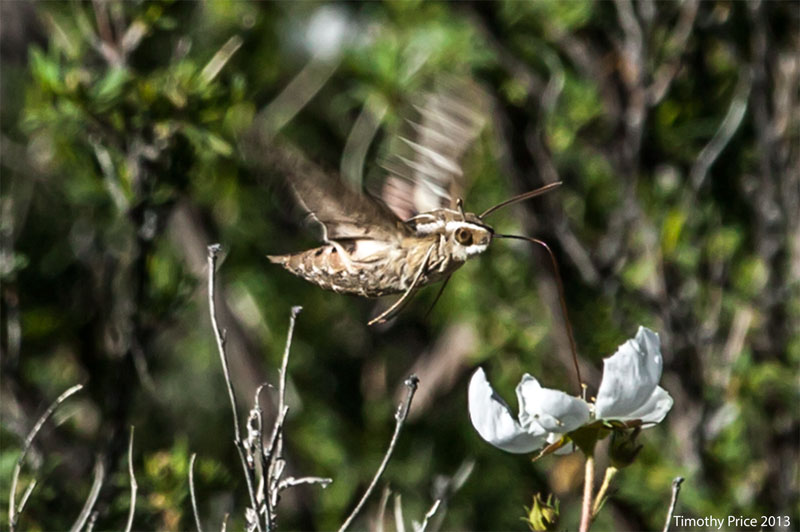
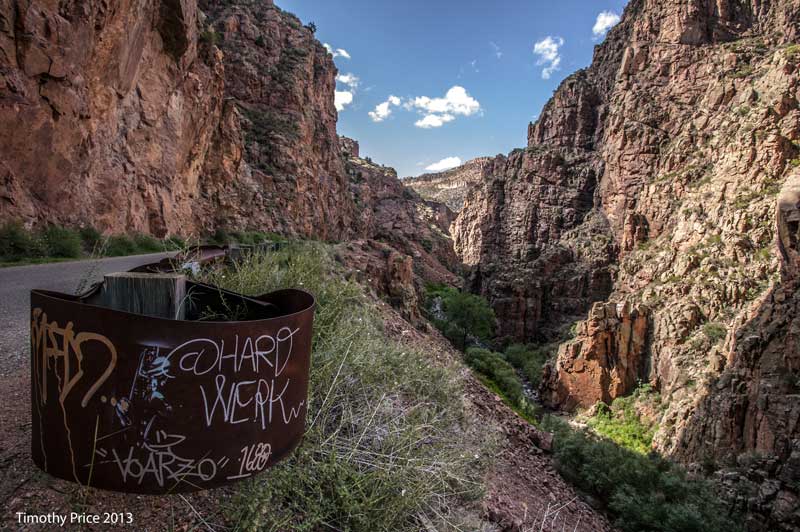
NM 485 becomes a one lane road as it enters Rio Guadalupe Canyon, so we parked on a wide pullout about 1/4 mile from the mouth of the canyon, and walked along the edge of the road into the canyon. After photographing the “Falling Rock” sign, I turned around to find a humming bird moth working the flowers in the brush behind me. The first guardrail along the road was covered with graffiti.
France Day 15 Grand Canyon Du Verdon
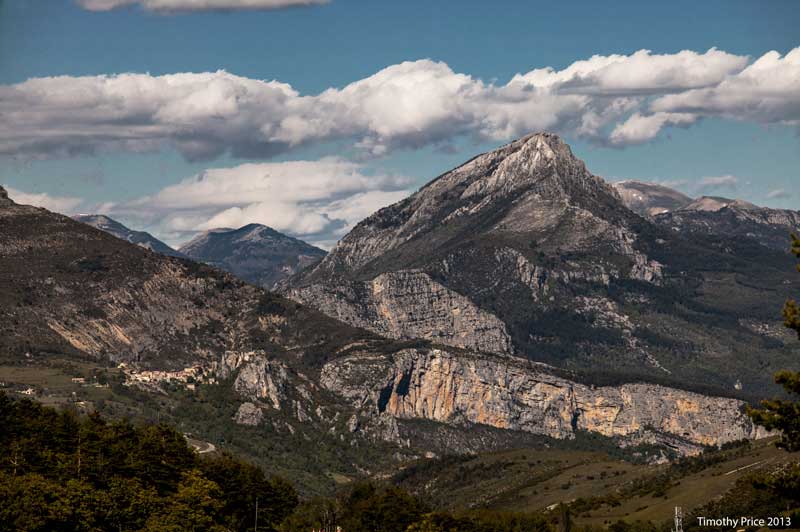
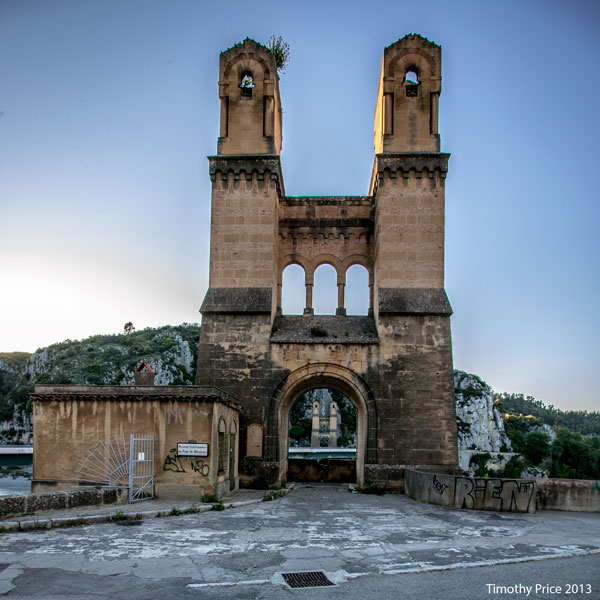
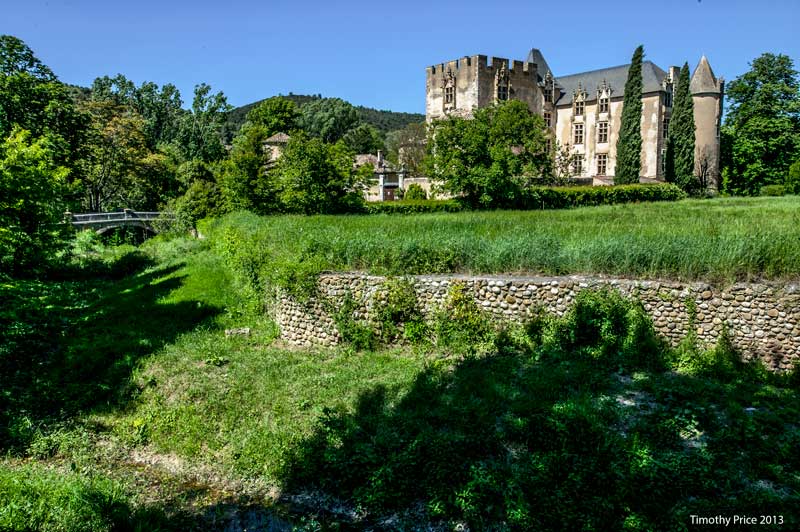
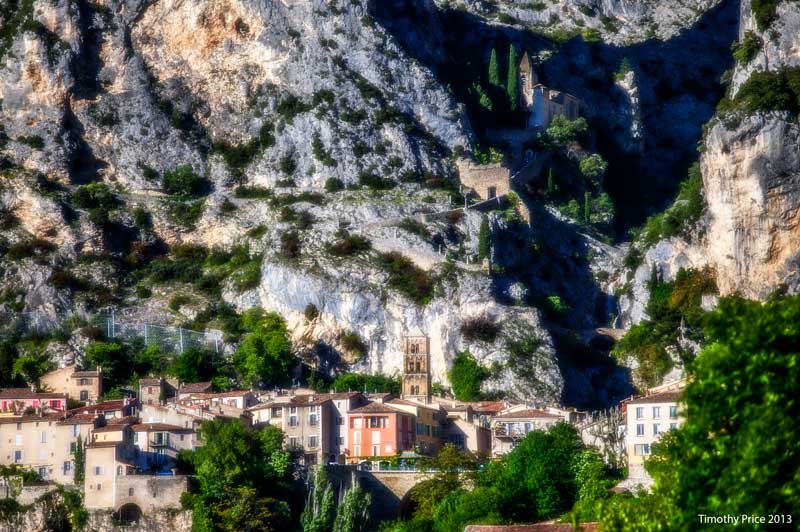
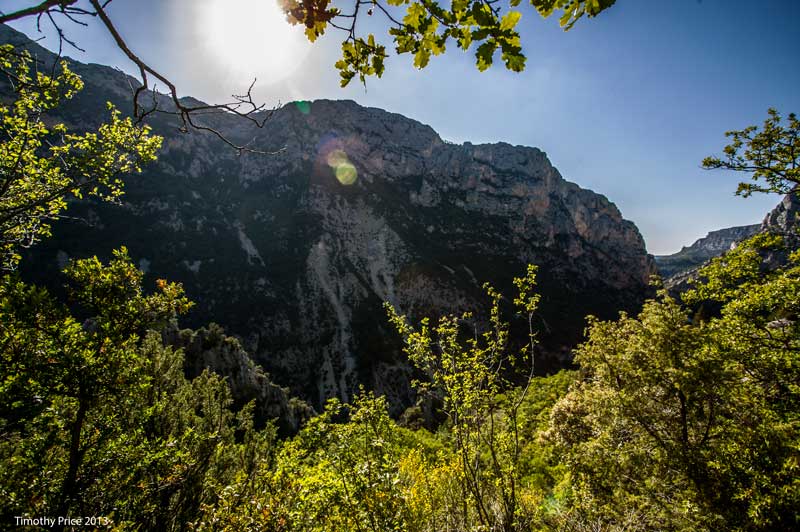
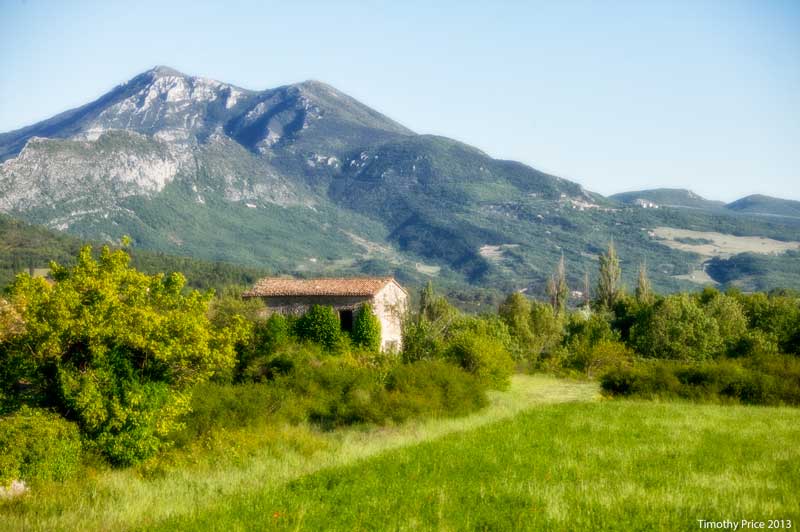
We drove northeast of Aix to the Grand Canyon du Verdon. We turned around at the first photo, which was the Clue de Chasteuille Réglès at 1447 meters above sea level. This is the lower end of the Alps, and at that point we were about 200 kilometers from the Italian border. At one point we had a really good view of the snowcapped Alps, but the road was too narrow to stop and get a photo, and by the time I could pull over, the snowcaps were out of view. Along the way we passed the remaining supports of an old suspension bridge at the confluence of the Durance and Verdon rivers, a castle at Allemagne en Provence where a group of men were playing pétanque. At the mouth of the canyon is Moustiliers St. Marie with churches built up in the steep walls of a small canyon above the village. Moustiliers St. Marie is well known for the fine pottery produced there. We drove through the canyon on very narrow roads hugging the cliff, which made Laurie very nervous, up to the top where we encountered the view of Clue de Chasteuille Réglès. On the way back down, we stopped and hiked about a third of the way down into the canyon. To hike all the way down to the river and back would have taken three or four hours, which we didn’t have time to do.


 Off Center & Not Even