I saw a headline that NASA was paying people $18,000 to lay in bed for 70 days. I didn’t take time to read the article, but I started thinking about how it would be impossible for me to lie in bed for 70 days when I can hardly lie down for 20 minutes to ice the incision from surgery this morning.
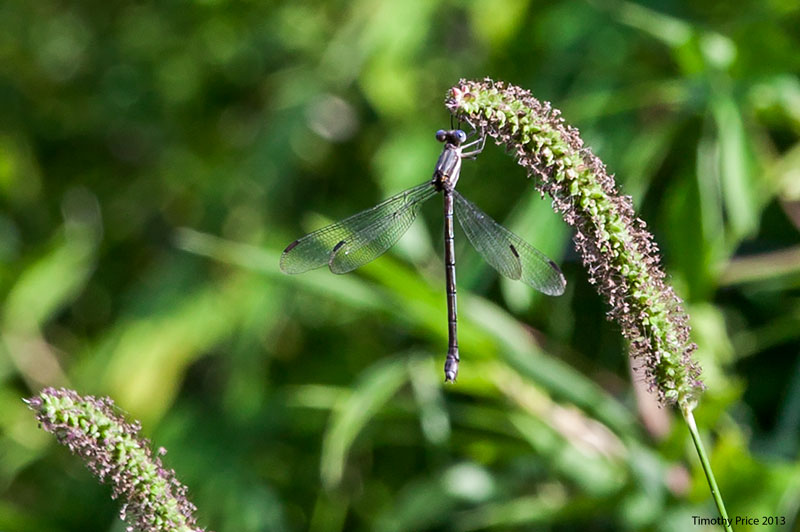
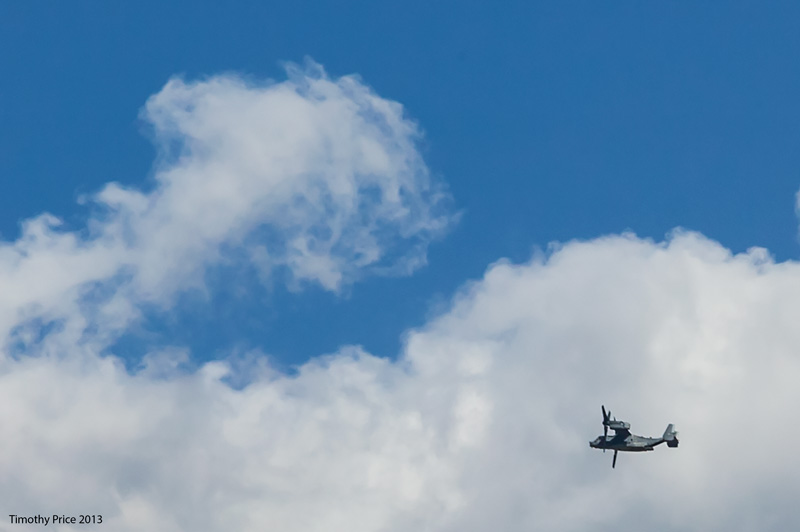
We checked in at the hospital at 6:00 am, and got back home about 11:00 am from getting a couple of hernias fixed. I have a pain pump hanging off my shirt, have had a bird on my shoulder most of the afternoon, a bag of ice in my pants off and on, and a gathering of big, fat, bad kitties temping me to pick them up. The pain pump is filled with a local anesthetic that will keep the surgical area numb for a couple days to enhance healing, and reduce the need for narcotic pain killers. I haven’t had any pain so far, and so I have been feeling rather perky. When I do lie around on the deck, I watch and photograph critters, clouds and the the occasional Osprey that flies by.
Spaceport Entrance looking east. White Sands Missile Range is on the other side of the mountains in the background
Laurie, Tristan and I went on a tour of Spaceport America today. Spaceport America is currently the only spaceport in the world built for the purpose of accommodating commercial spaceflights. The Spaceport is built in south central New Mexico, literally in the middle of nowhere, on 18,000 acres of public trust land surrounded by 350,000 acres of an old Spanish land grant now owned by Ted Turner, and the White Sands Missile Range on the other side of the mountains to the east. This location is ideal for a spaceport because of 1) low population — the only inhabitants in pretty much 50 miles any direction are a few ranchers, cattle, buffalo, coyotes, roadrunners, jackrabbits, birds and rattlesnakes. 2) White Sands Missile Range, which has a large restricted air space that commercial aircraft cannot fly through, and has a large “shadow” to the east and west since commercial flights have to make trajectories around the White Sand’s air space. 3) high altitude — Spaceport America is over 4600 feet above sea level; therefore larger payloads can be launched using the same amount of fuel that it takes to launch from sea level.
The Spaceport is not officially open, but they do currently have vertical launches. We did go into the Control Center building which is a concrete dome with ceramic tiles on the outside. To construct the Control Center, they poured concrete over a large balloon and then cut out the openings. The second floor is hung from the dome and has no vertical supports from the floor on the inside of the dome. The viewing area of the Control Center is in the “Eye” that pops up from the dome facing the runway.
The tour van drove us to one end of the runway, and I included a photo Laurie took of me photographing the number, 16, and the orange “X” that is held down by rocks on the end of the runway. The runway is currently 10,000 feet long, 200 feet wide and 43″ thick. The Spaceport Authority is extending the runway by another 2,000 feet so a spacecraft with a full rocket can land safely (if the rocket can’t fire it’s rockets and has to land, it has to land with the extra weight of full rockets).
The Terminal Building with the hangers is not open to tourists, so we only got to see and photograph the outside of the building. One of the design criteria of the buildings at Spaceport America is that they have to blend into the environment. The building is very organic without a straight line on the outside. When you are standing on the end of the taxiway, where it intersects the runway, the Terminal Building roof lines up with the mountains in the background, and continues an undulating roofline from one side to the other. The Spaceport buildings where designed by a team of US and British designers and architects URS/Foster + Partners to the world.
East side of Control Center front view of “The Eye”
Office space inside Control Center
The Control Room
Spaceport Terminal Building from “The Eye” of the Control Center
The Control Center with a profile of “The Eye”
Me photographing the 10,000 foot runway
View of how the spaceport Terminal Building was designed to match the mountains in the background
The Virgin Galactic Taxiway
Spaceport Terminal Building glass front viewing area
Spaceport Terminal Building glass front and south hanger doors
Spaceport Terminal Building south facing hanger doors



 Off Center & Not Even