France Day 29 On a Boat

A18W9354

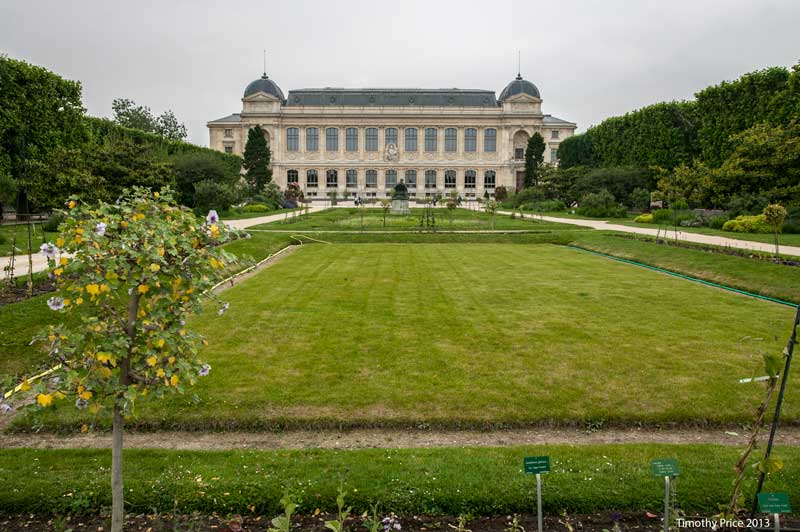
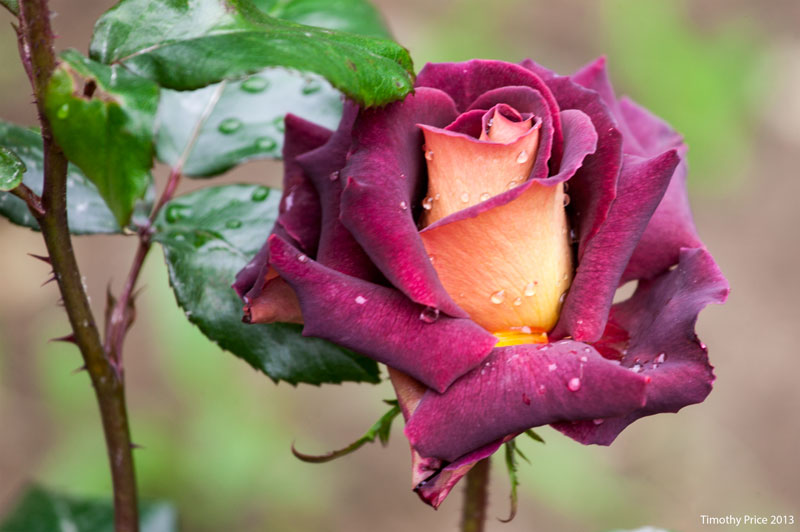
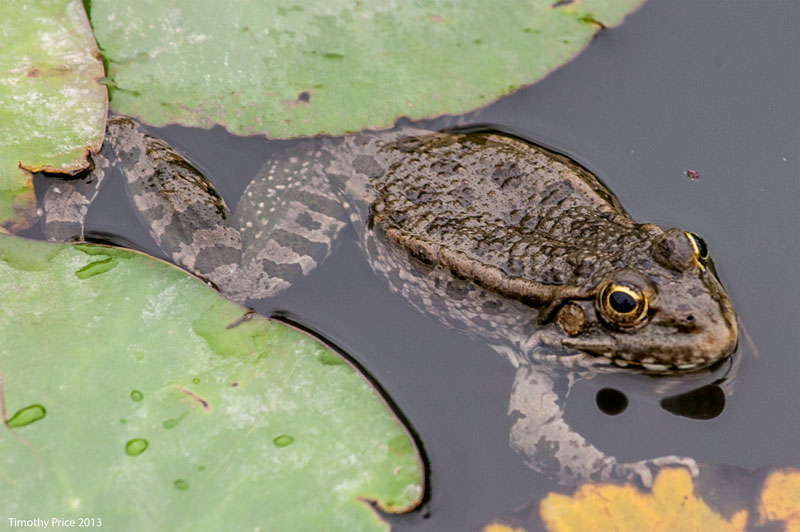
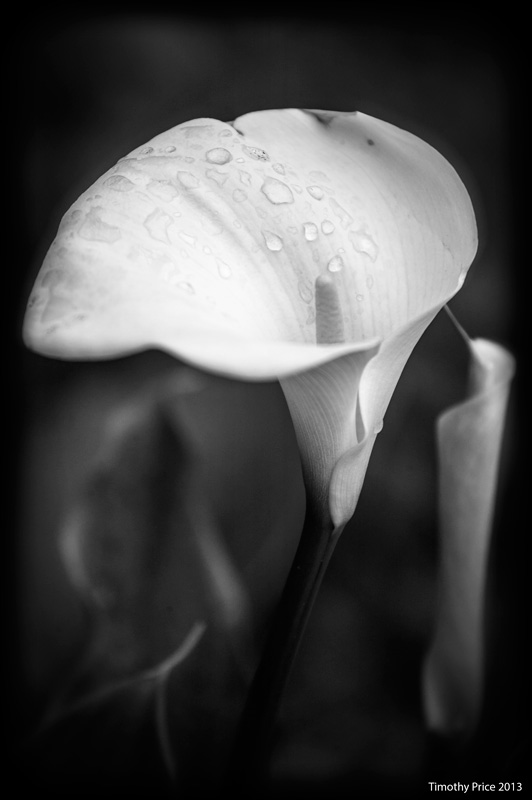
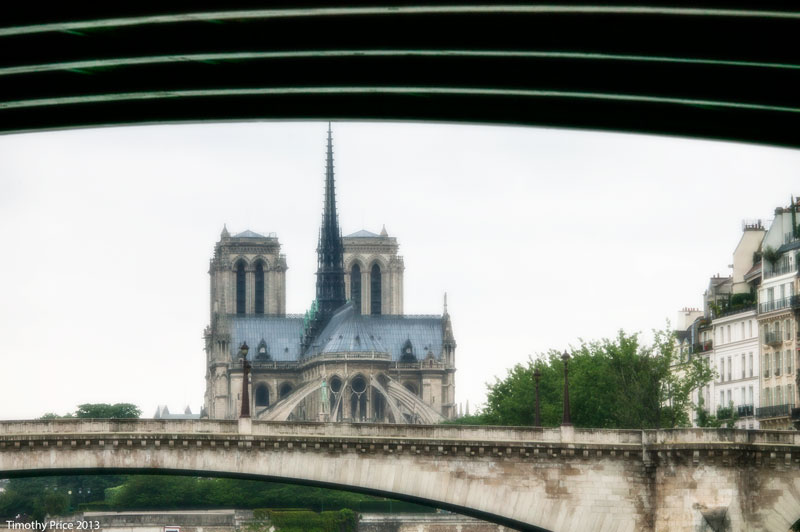
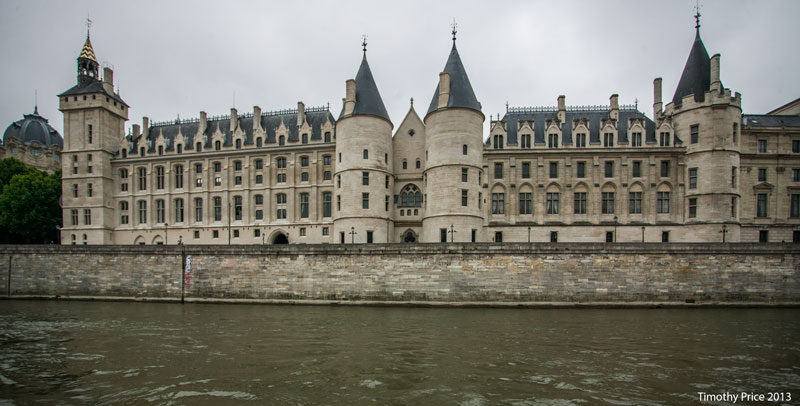
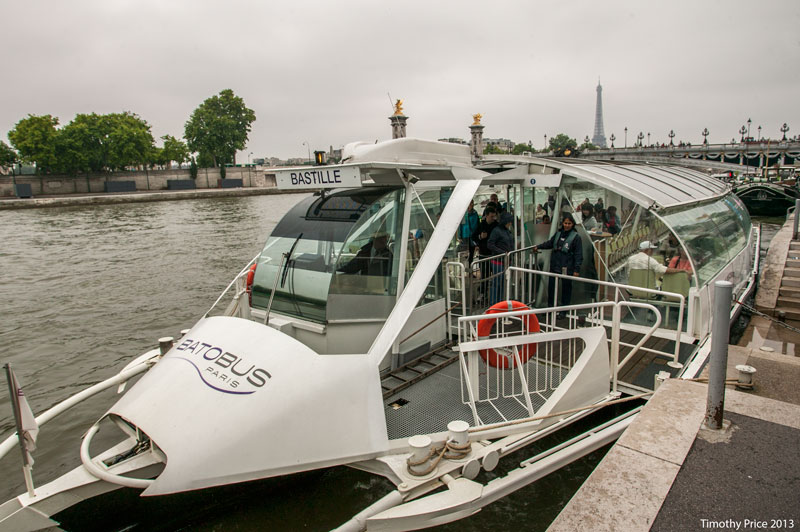
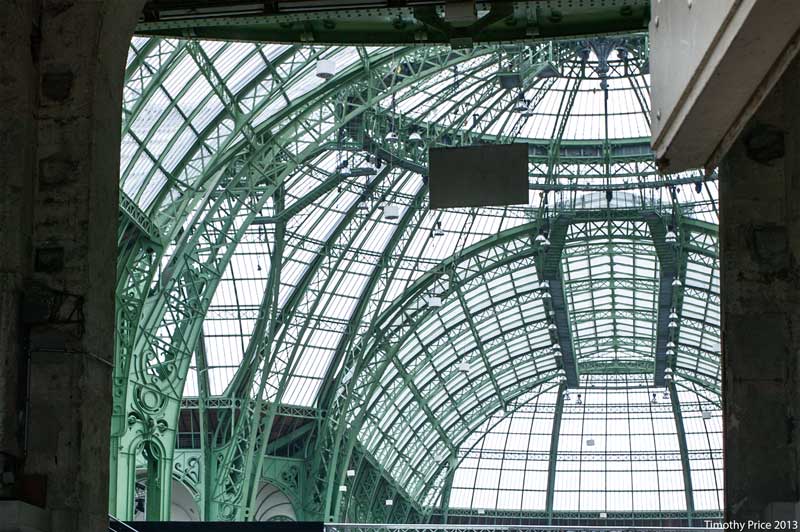
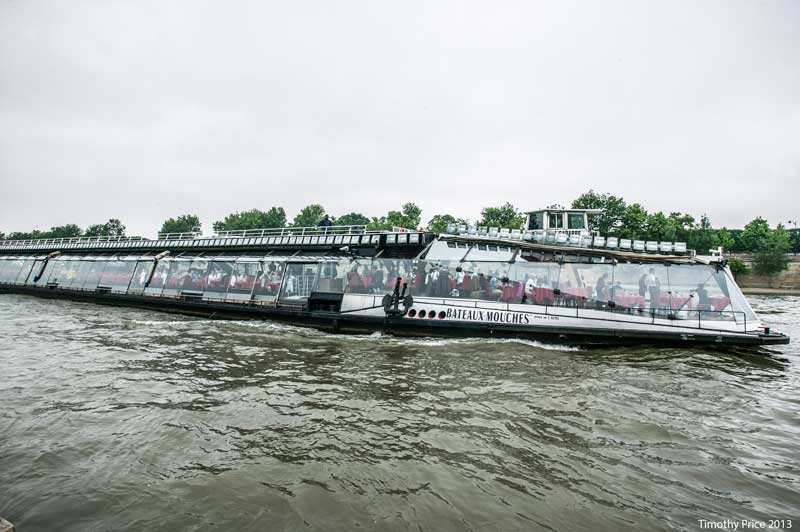
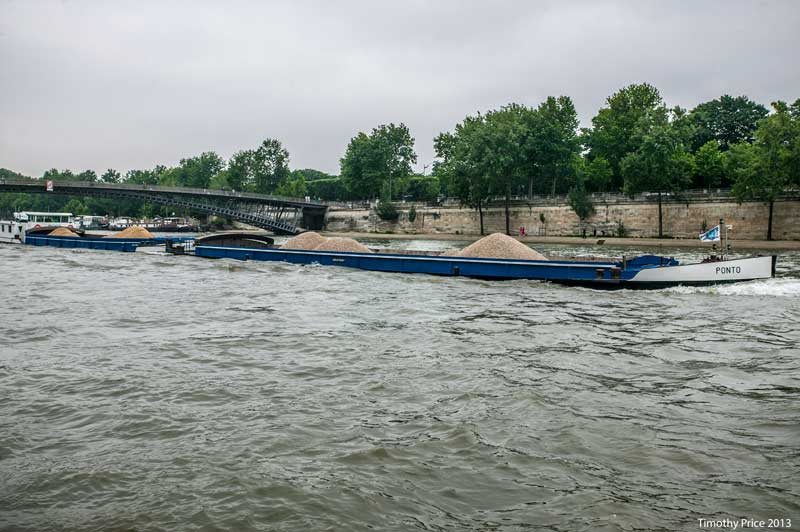
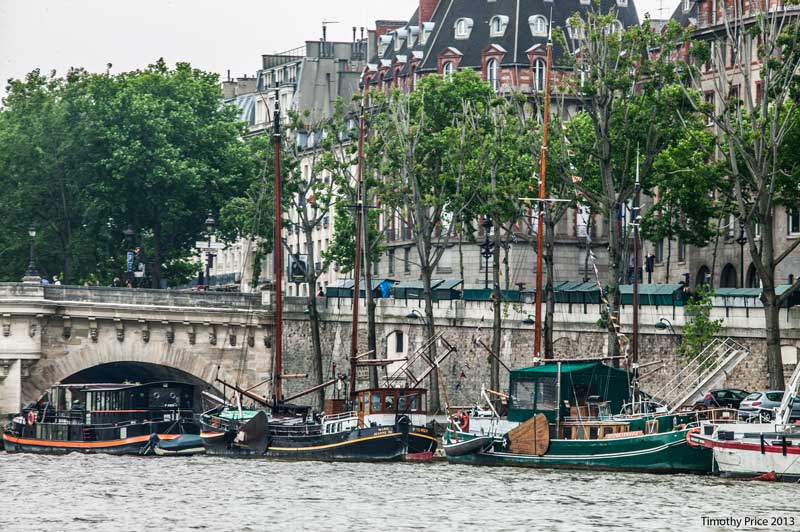
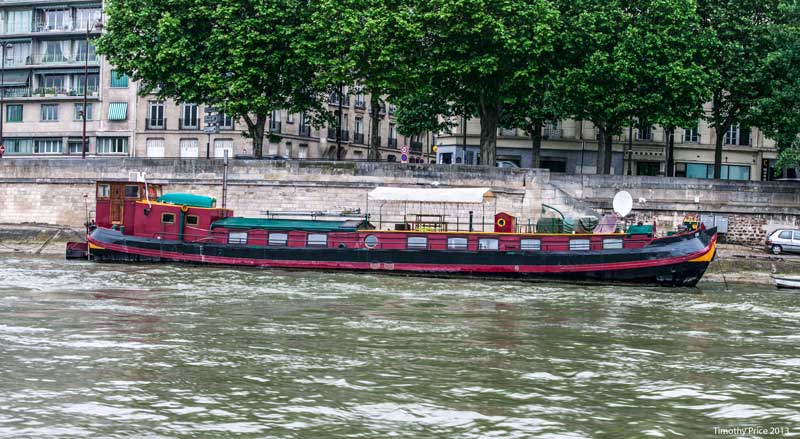
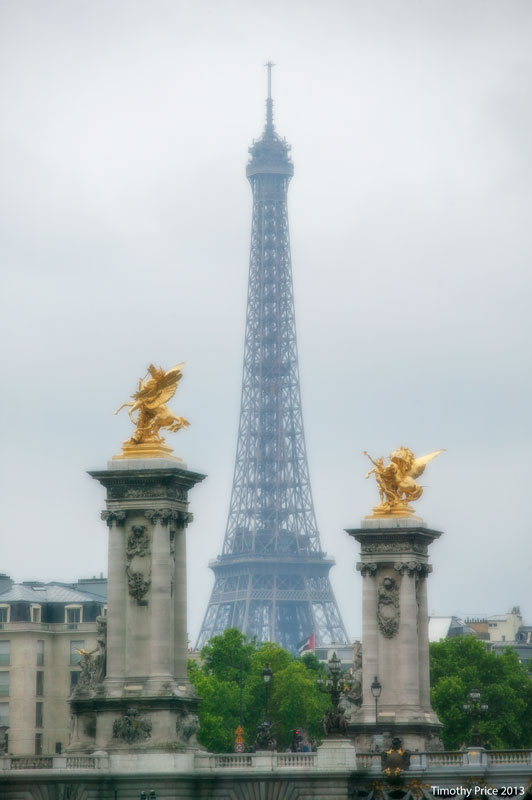
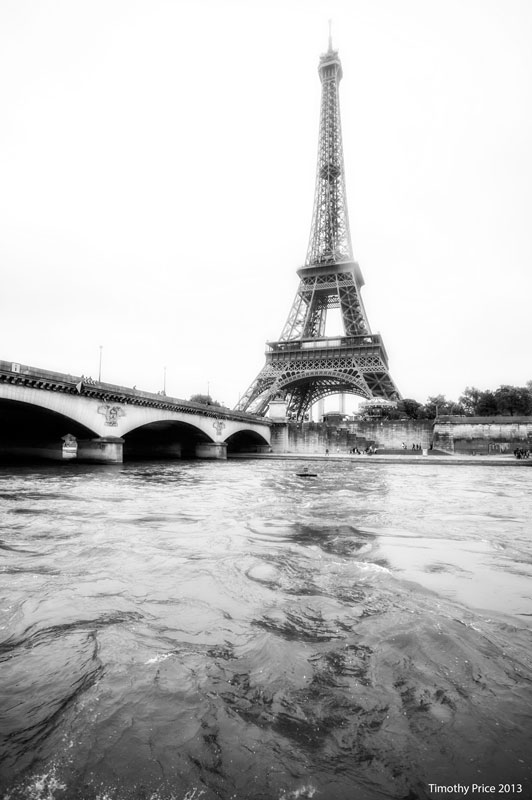
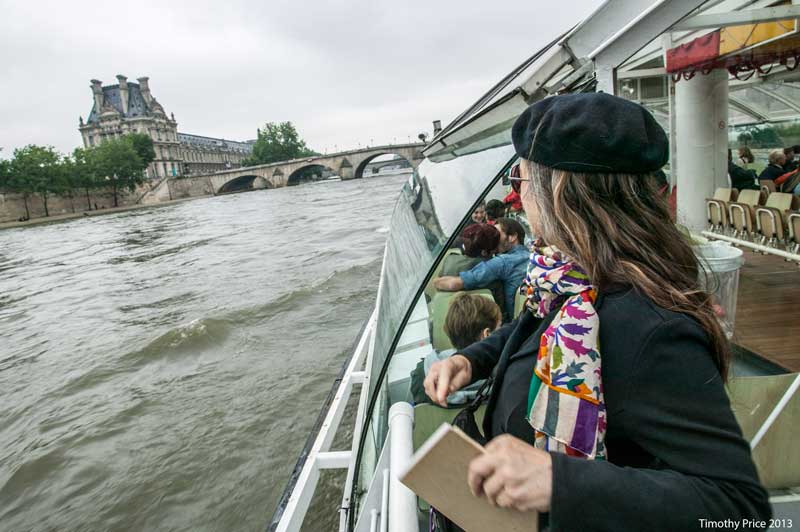
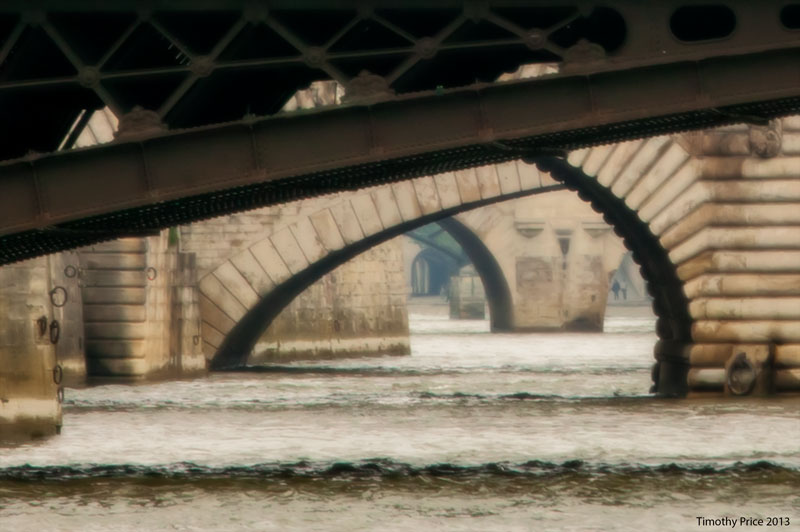
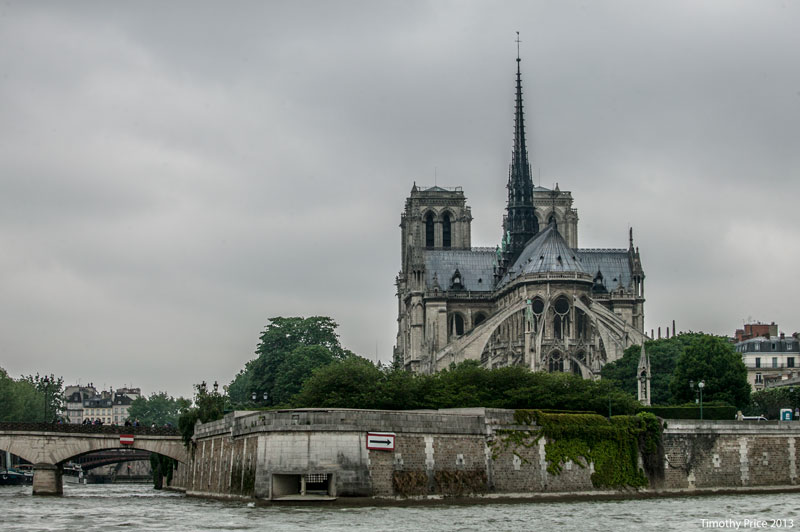
The rain started falling during the night and continued all day yesterday. Our museum pass had run out, so we planned to go to some of the sites that were not on the pass, but we didn’t want to walk to them in the rain. There’s the metro, but then Laurie got the idea to take the Batobus which is run by one of many companies that run tourist boats on the Seine. The batobus’ route runs from the Eiffel tower to the National History Museum and Gardens with six stops in-between. Once you buy a pass you can get on and off the boat as much as you want throughout the day. We got on the boat at noon, got off at the National History Museum (flowers and frog photos are from the garden) and Grand Palias (the last Crystal Palace built in 1900 before wide-use of electricity made the architectural style obsolete), and then we rode the boat for a couple of laps, because the views of the monuments from the middle of the Seine are unique and were magical in the misty air and rain. We got off the boat and headed home about 8:00 pm. One person told us the Seine was 2 meters above normal — the current ran fast and the water was rough, so the ride was exciting at times. There are a lot of interesting boats on and along the Seine — many different types of tour boats, including large restaurant boats. Many barges make their way up the Seine, often sitting very low in the water as they move their loads up river; and many boats of various sizes and styles that people live in are moored along the river . The many bridges that cross the Seine looked like a labyrinth through my telephoto lens; the Eiffel tower was lacy in the misty rain, and the Palace of Justice and Notre Dam looked particularly medieval under the gray sky.
UnderBridges

45CU7256

A18W9394

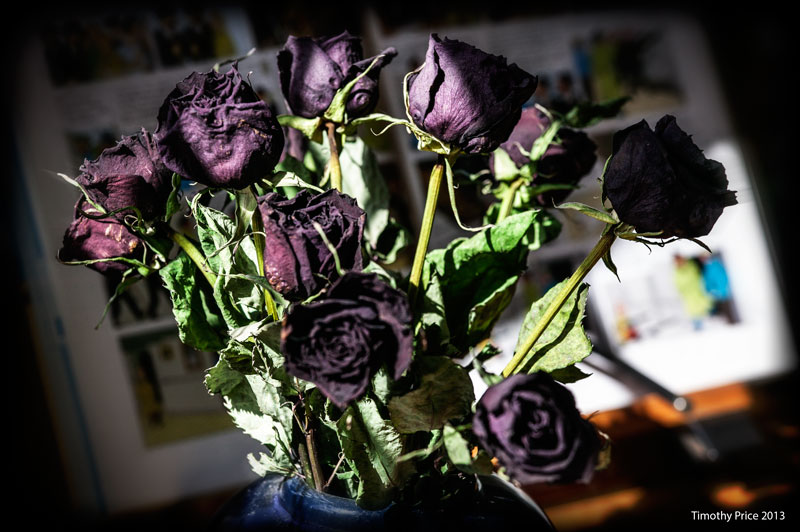
RoseViolondIngres
Rose Violon d’Ingres

Frog

WhiteLily

45CU7322

PalaisJustice

A18W9437

LaurInStreet

GrandPalais

A18W9340

A18W9333


45CU7162


RedBlackBoat

45CU7285

A18W9442

France Day 28 Of Art and Architecture

A18W9207

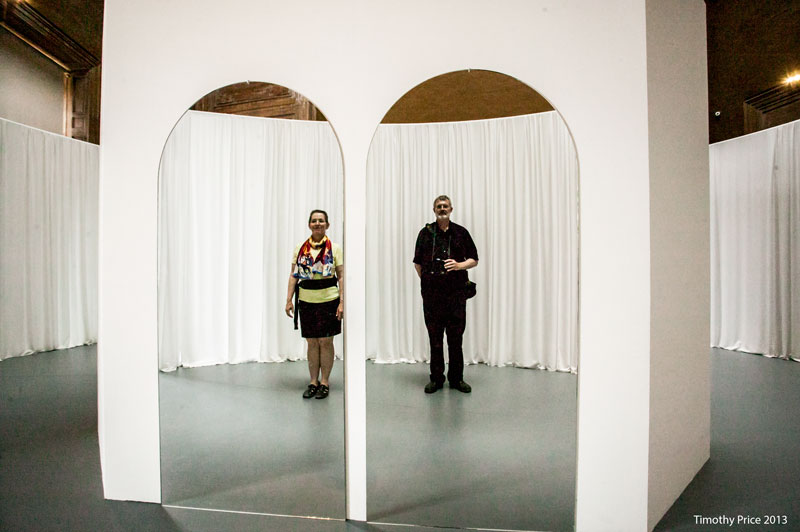
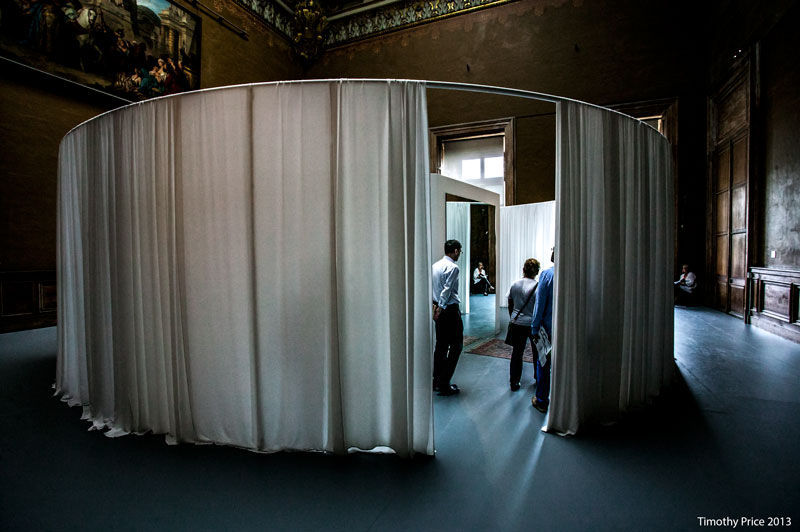
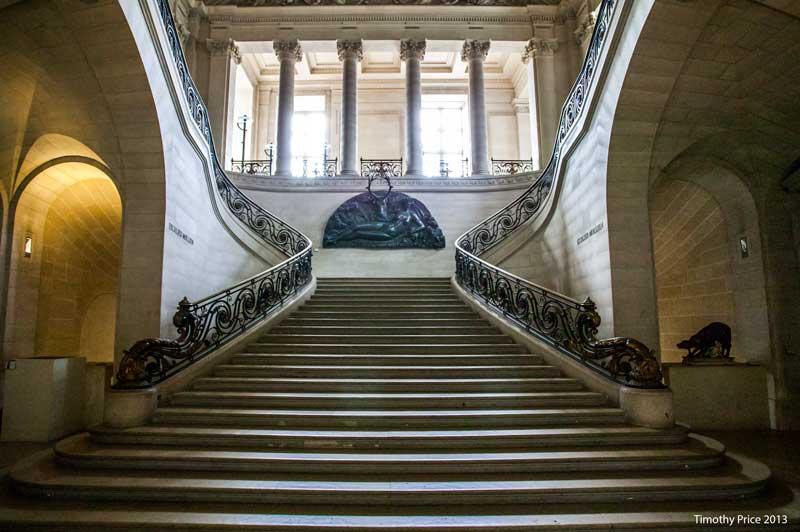
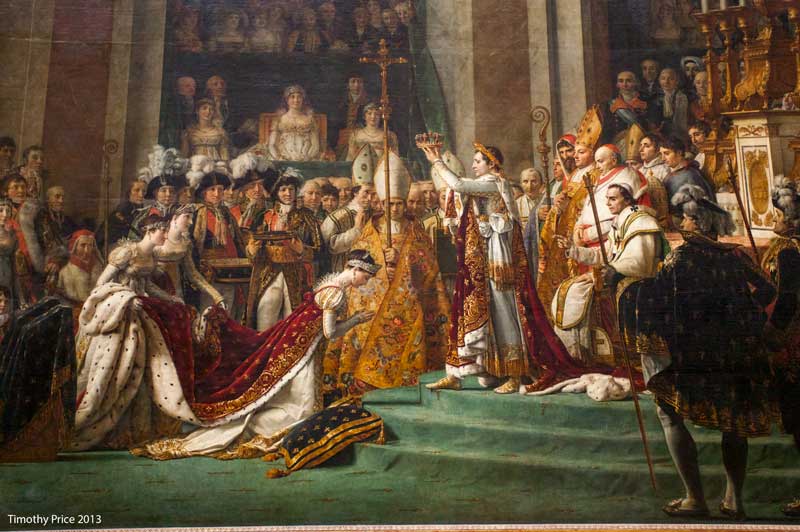
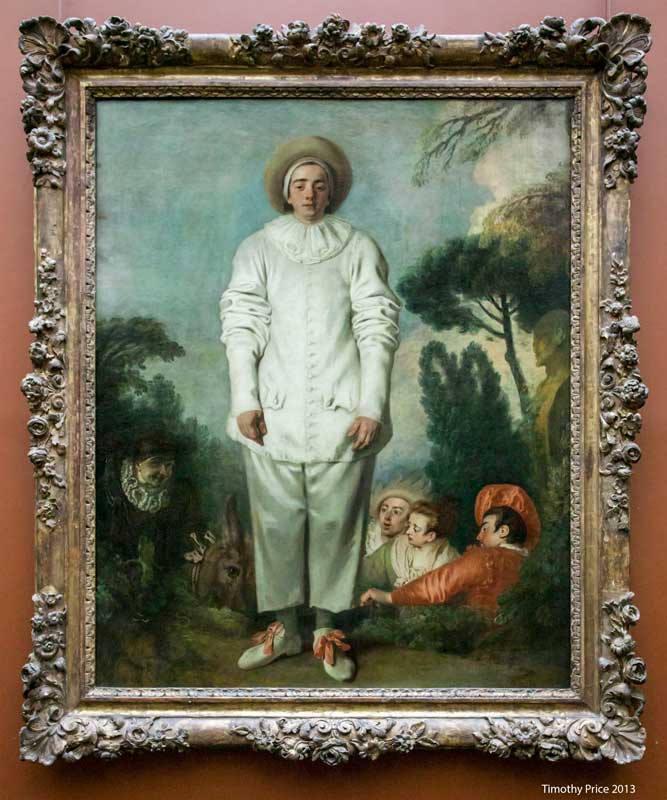
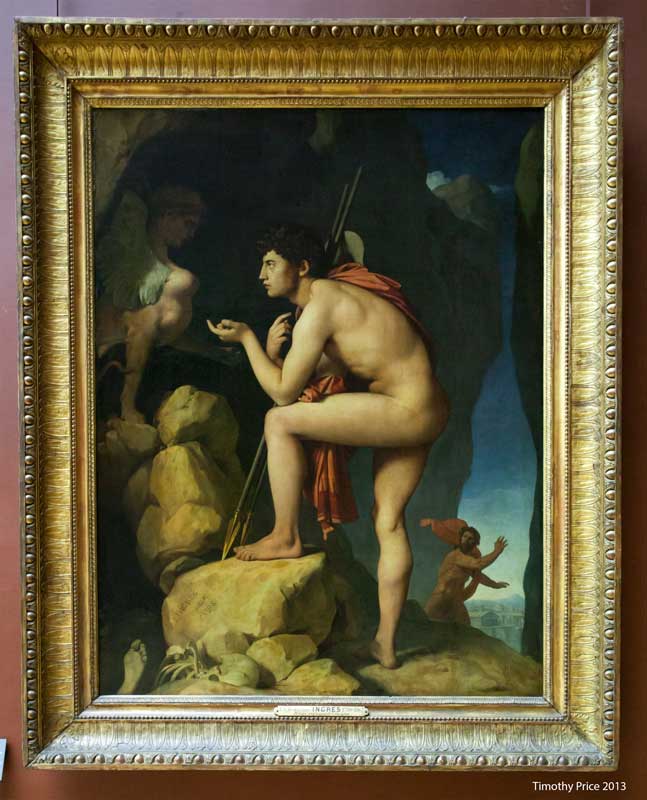
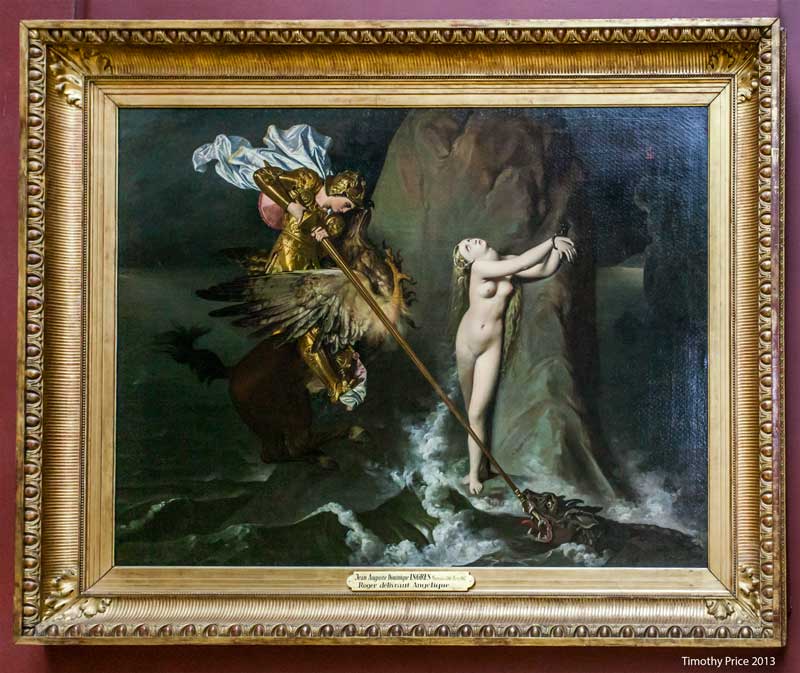
One project of Henry IV was to extend the Louvre along the right bank of the Seine and join the Louvre to the Palais des Tuileries (the Palais des Tuileries was destroyed in the upheaval of the Paris Commune in 1871). The resulting addition was more than a quarter mile long and 100 feet wide making it the longest edifice in the world at the time. After the addition was completed Henry invited artists to live and work in the spaces on the lower floor, a tradition that continued for 200 years until Napoleon III put a stop to it. Today King Henry’s addition is part of the Denon Wing that houses a lot of the permanent collection, including the Mona Lisa. We made another trip to the Louvre yesterday afternoon, and the photos today include interiors, staircases, ceilings and selections of artwork from the French master’s in the Sully Wing (oldest remaining section of the Louvre) and the  “Grand Format” paintings in the Denon Wing. I also included photos of two more installations by Michelangelo Pistoletto near the “Grand Format” paintings. The first one (2nd photo) shows Laurie and I in the mirrors that represent the Law (Judaism) in an installation that represents the four major world religions. The second  one (4th photo) shows the world religion installation from its outside, and the third Pistoletto is the last photo in the series.

A18W9273

Hands

A18W9282

A18W9263

DemolitionOfBridges

A18W9312

DavidNapCoronation

A18W9283

WateauManInWhite

A18W9296

Sphinx

A18W9309

RogerSaveAngela

A18W9297

France Day 27 The Assassin

TheAssassin


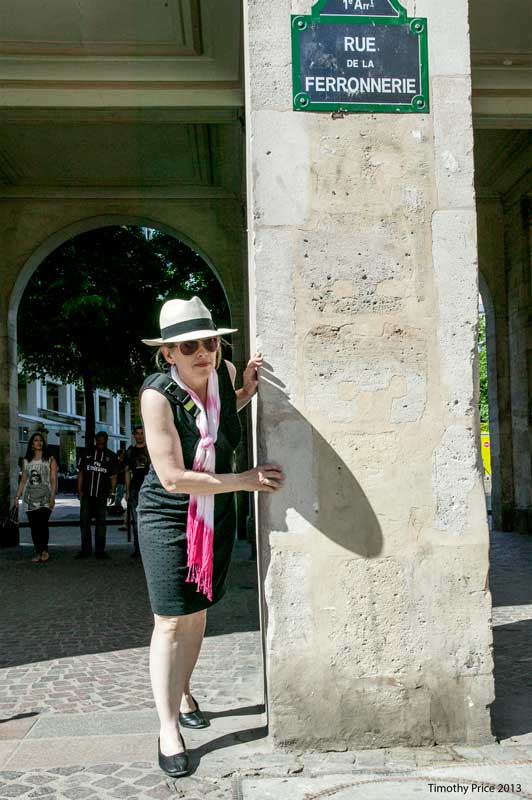
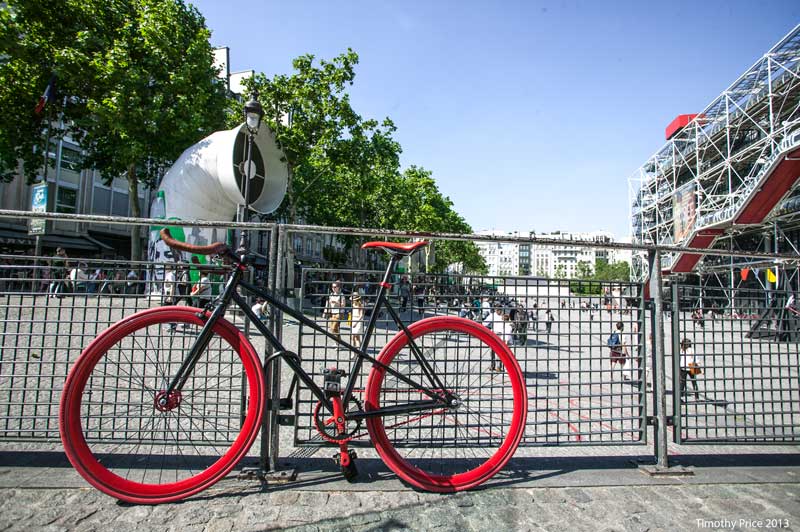
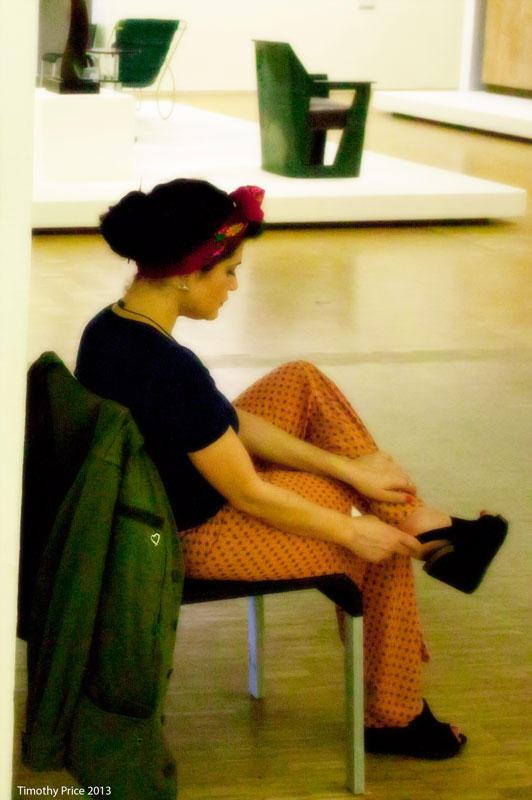
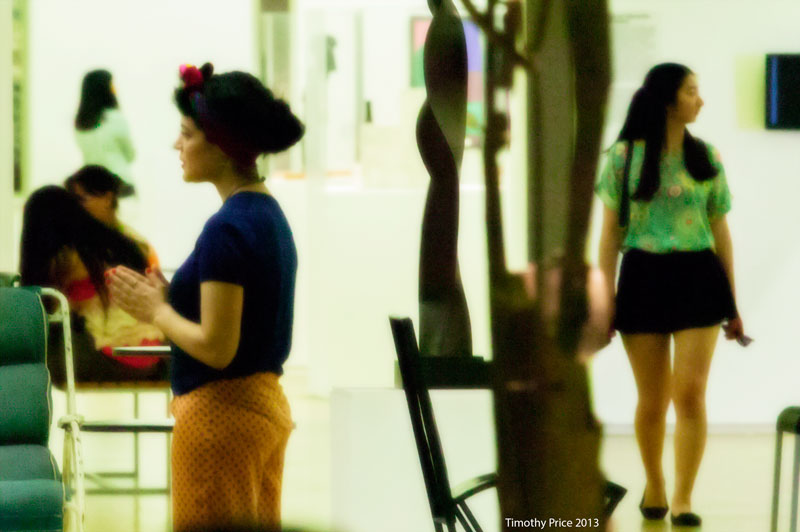
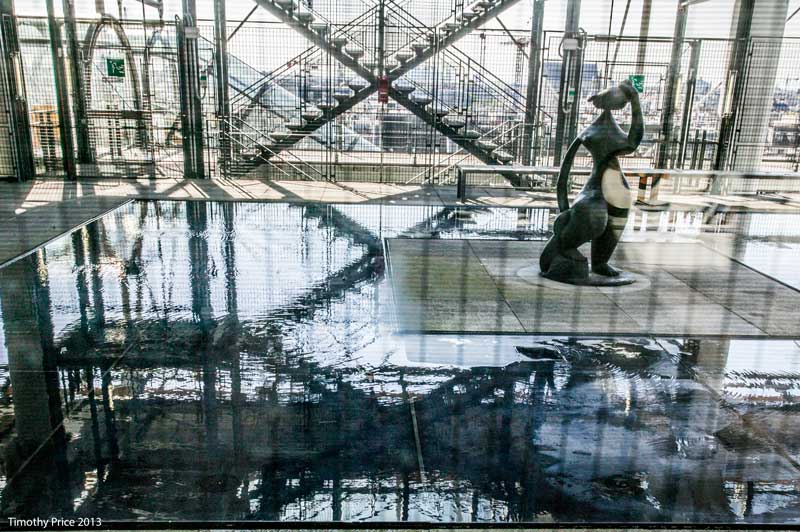
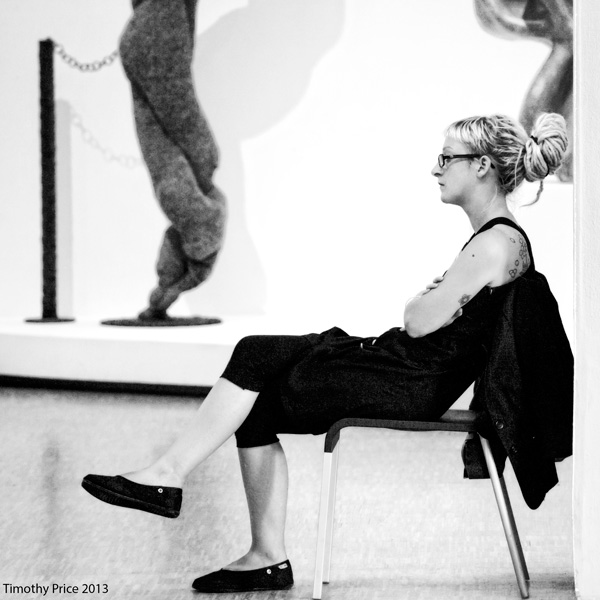
On our way to the Center Pompidou, we found Rue de la Ferronnerie, the street Henry IV was assassinated on.  The Louvre has its contemporary elements, but they are very formal compared to the Pompidou, whose skinless superstructure is as much of a bike locked to a fence as it is a building. I also notice that  once you are in the gallery spaces inside the Pompidou, you and everything else in those spaces become part of the art and exhibits: the guards who watch the exhibit spaces in their informal dress and hairstyles, the visitors, the views, the elements of the building, the sculptures and the paintings all interact to make the Pompidou a dynamic, contemporary art space.

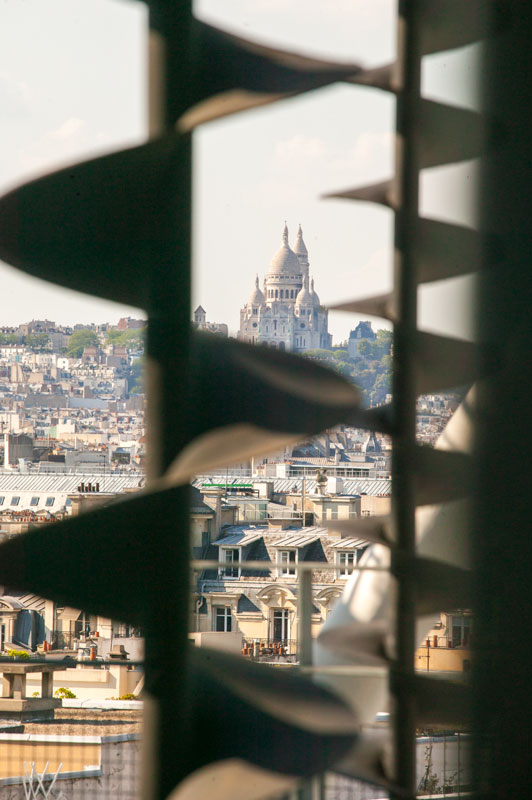
While the Pompidou works well as a contemporary art space, it’s not the best when it comes to circulation and comfort — especially the tubes on the west side of the structure that contain the escalators that give people access to the different levels of the building. They look cool from the outside, but the are very hot, and not much fun to be in on a sunny afternoon.

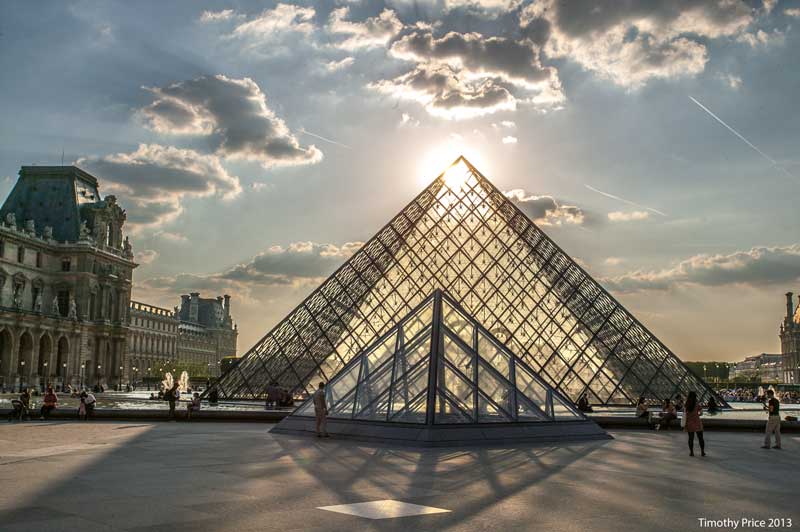
The second and last photos are contemporary elements of the Louvre — the light structure of the pyramids and the heavy X of the escalators are so well ordered and formal compared to the pipes, cables and tubes that make the Pompidou look rather a mess.


A18W9206


A18W9163


Gaurd1inPompidou


A18W9186


GaurdInPompidou1


45CU6915


45CU6922


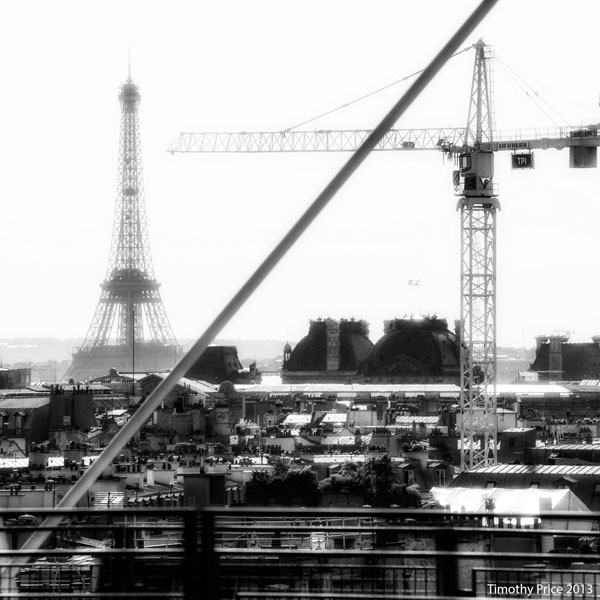
EiffelTowerCrane


Installation


A18W9190


BlueMan


A18W9248

France Day 23 Hittin’ you with my best shot!

MonaLisa

We got into the Louvre when it opened, rushed to the Mona Lisa and there were only about 50 or so people crowded in front of her, making it easy to get up to the rope to get the closest view possible. The Mona Lisa is the perfect portrait of the perfect model in the perfect pose. She is like a self portrait of how everyone would like to see themselves, and the reflections in the multiple layers of glass protecting the Mona Lisa adds to the sense of the portrait as a reflection of our own portraits.

After three hours in the Louvre we had browsed the entire Italian and Spanish painters wing and then went through the exhibit on Egyptian art and culture. In the Spanish sections, there was a small exhibit of plates by Goya, where I got the photo of the woman looking out the window that almost matched Goya’s woman on a horse.

One thing really nice about our apartment being so close to the Louvre is that we go back to the apartment and fix lunch before we go out again. Laurie made crepes for lunch that were wonderful, and then we strolled through the Tuileries on our way to the Musée l’Orangerie where they have expressionist paintings by Cézanne, Renior, Monet, Picaso, Rousseau, etc. Along the way we saw goats mowing a moat, a teenage bird bigger than its mother still asking her to feed it, duckings napping, flowers starting to bloom, iris and a few roses.

WomanReflection

45CU6675

MamaTeenBird

Goats

Ducklings

CezanneRenoir

Must Ask You To Leave

TheCubist

I had to meet a guy at a call center, and while I was waiting I noticed the Sandias reflecting on the building were nicely cubist, so I snapped a photo. I waited almost 10 minutes after I took the photo for the person I was meeting to show up. Soon after he came out, a security guard came walking up from the other direction and when he got up to where we were standing, he told me “Photographing the building is not allowed. I must ask you to leave!”  The person I was meeting with said “Oh! Really? I didn’t know that!” I left right after that, but I find these supposed “no photographing buildings” policies to be very strange — when I looked up the address on Google maps, there was a nice, extremely clear satellite image of the building, and “street view” images of the building. When I got home, I looked up Google Images using the address and found a lot of photographs of the building that were taken on the property, as well. Despite what the guard told me, photographing the building is very much allowed, because there are images of it all over the Internet.

TheCafeMiche

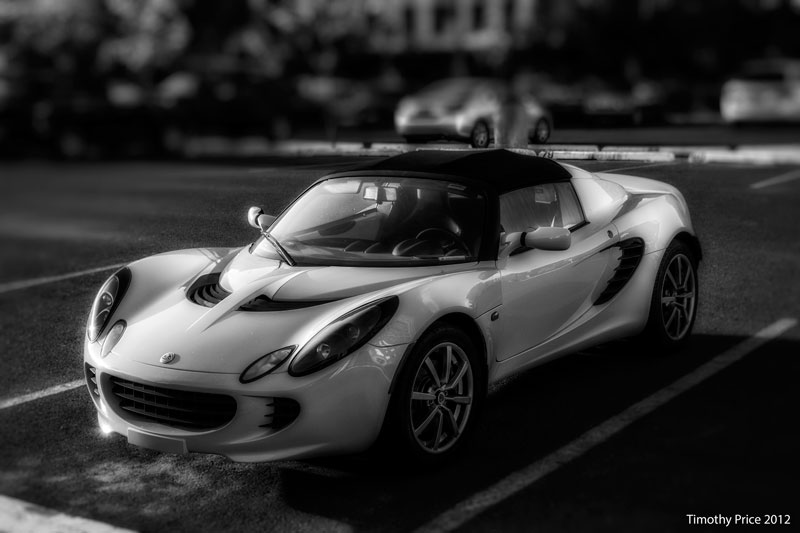
Lotus Elise

DSCF6836

Sadly, the 2013 Institute For Medieval Studies’ Spring Lecture Series is over. The final lecture was “Holy Terrors: Gargoyles on Medieval Buildings” by Janetta Rebold Benton of Pace University. Ms. Rebold Benton’s lecture was wonderful, with a lot of great photos of gargoyles and grotesques (non-water spouting gargoyles). I had never though about it before, but true gargoyles are water spouts that drain roofs, and the name is derived the same root word that gives us the term “gargle”.
We got home very late from a wonderful reception celebrating the conclusion of this years lecture series, so I only took time to process a photo of a Lotus Elise that was in the parking lot when I left the office, heading to the Lecture series last night.