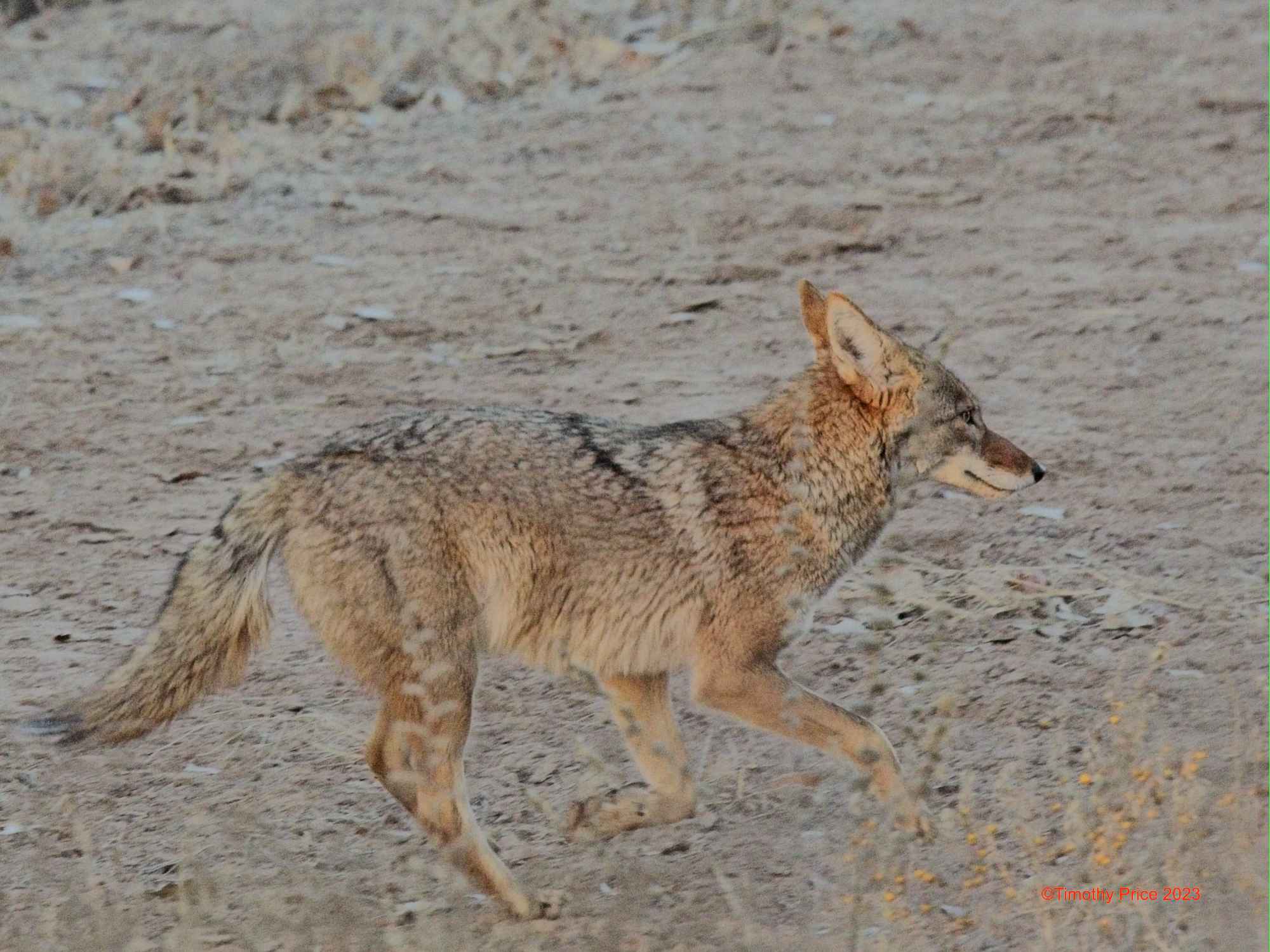
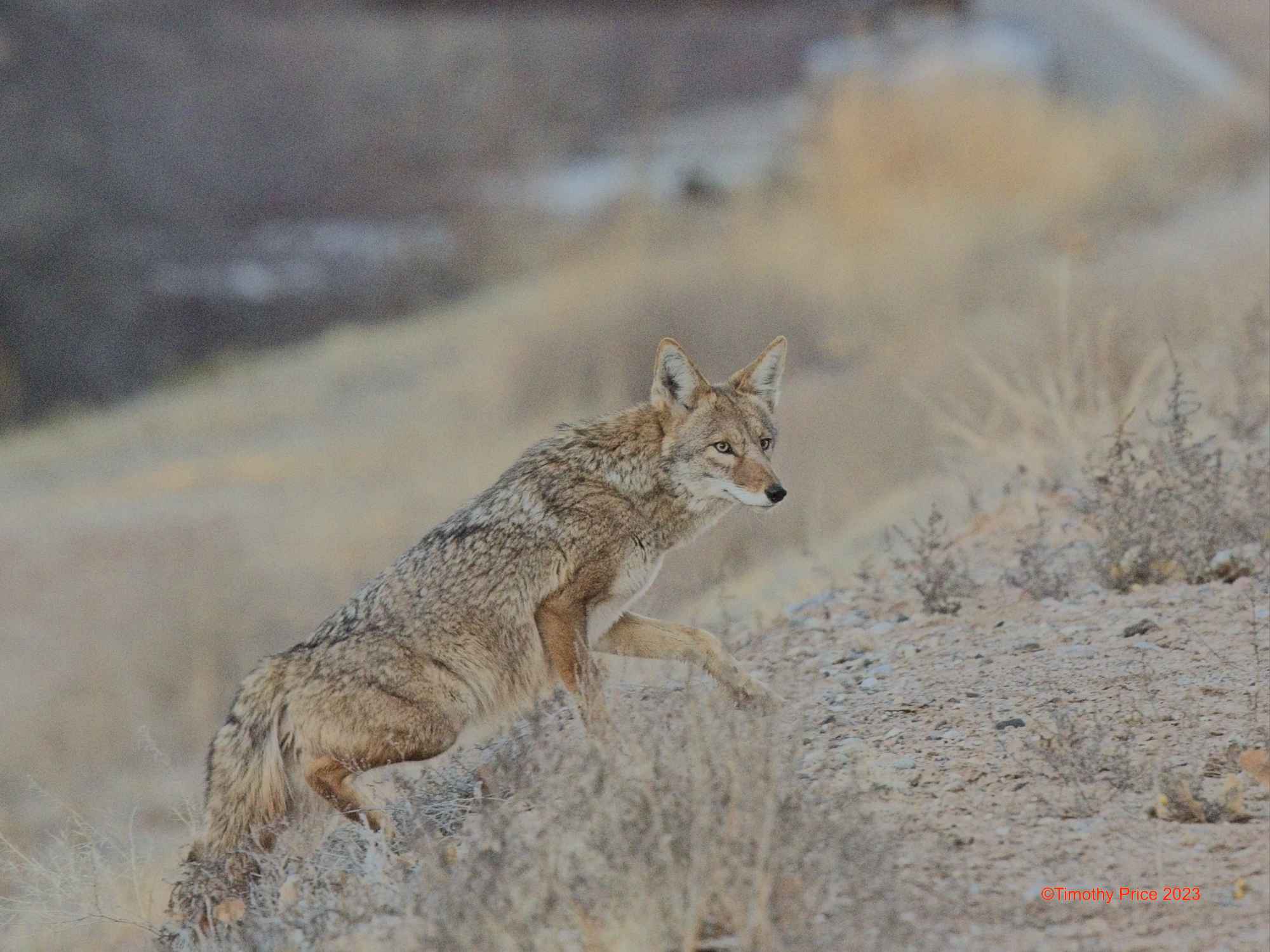
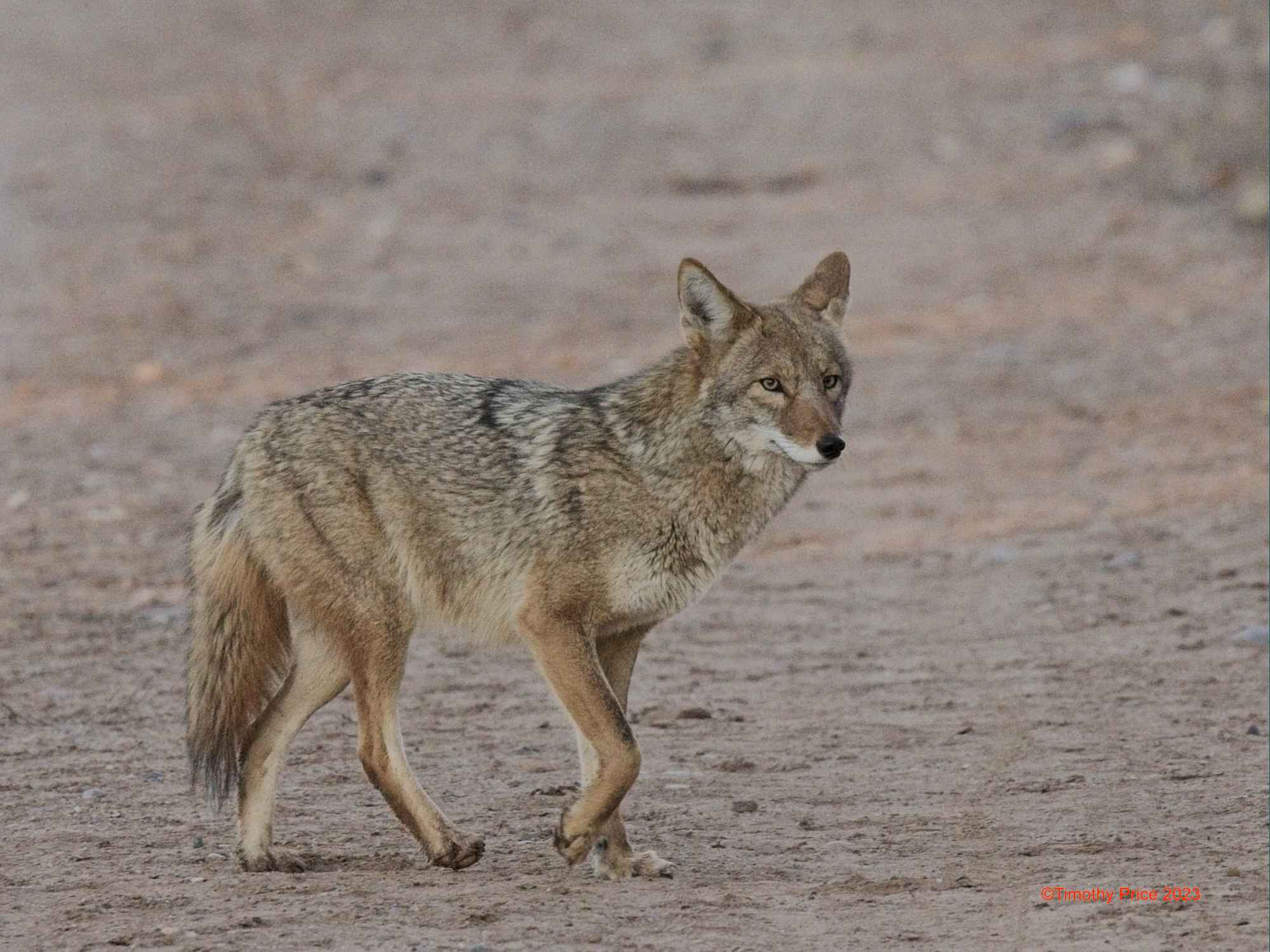
Wile E. Coyote has a hangdog look in the first photo when he was on the ditch by our gate. He crossed the Clearwater ditch, ran up onto the top of the levee near where I was, and looked a little less hangdog.
We got a half an inch of rain today. I noticed the rain had washed out part of the bridge as I drove over it on the way home this afternoon. After I got home, I changed my clothes, put on boots, gathered up a shovel and a wheelbarrow, walked the quarter mile back up to the bridge, and filled the hole before it grew larger. After I filled the hole in the bridge, I filled many of the larger holes in the road where it runs parallel to the ditch before it got dark.
The photo on the left shows a long puddle in the road reflecting the sunset. The photo on the right shows a long puddle filled with dirt, and the water splashed to the side, reflecting the dusk.
Spunk grooving on a beanbag.
Spunk meditating on magic dirt clods while grooving on a beanbag.
As you might have guessed from the title and the above sculpture, I took apart hard drives to recycle them. We are having the carpets at the office cleaned on Friday, and in the process of picking things up off the floor under desks, I pulled out a box of old hard drives that I had taken out of computers before I sent them off to recycling. I had intended to recycle those drives for years. Some of the hard drives were over 20 years old.
I could have taken them to an electronics recycler, but they charge a fee to destroy hard drives. But I wouldn’t know that the drives were truly destroyed unless I witnessed the recycler destroying the drives. So I took the drives apart and threw the drive cases in one box, the tops off the drives in a second box, the circuit boards, the swingarm, and other plastic parts in a third box, and the platters in a fourth box. I put all the rings and turnstiles in a bag. It seems they could be used to make jewelry or other crafty things. Things like the “my little pillow” filters went into the trash, and all the screws were tossed into a plastic thingamajig parts drawer.
A Stack-O-Drives. Half of the drives I took apart for recycling. The start of the first rare earth magnet sculpture I put together as I took the magnets out of the drives sits atop the Stack-O-Drives.
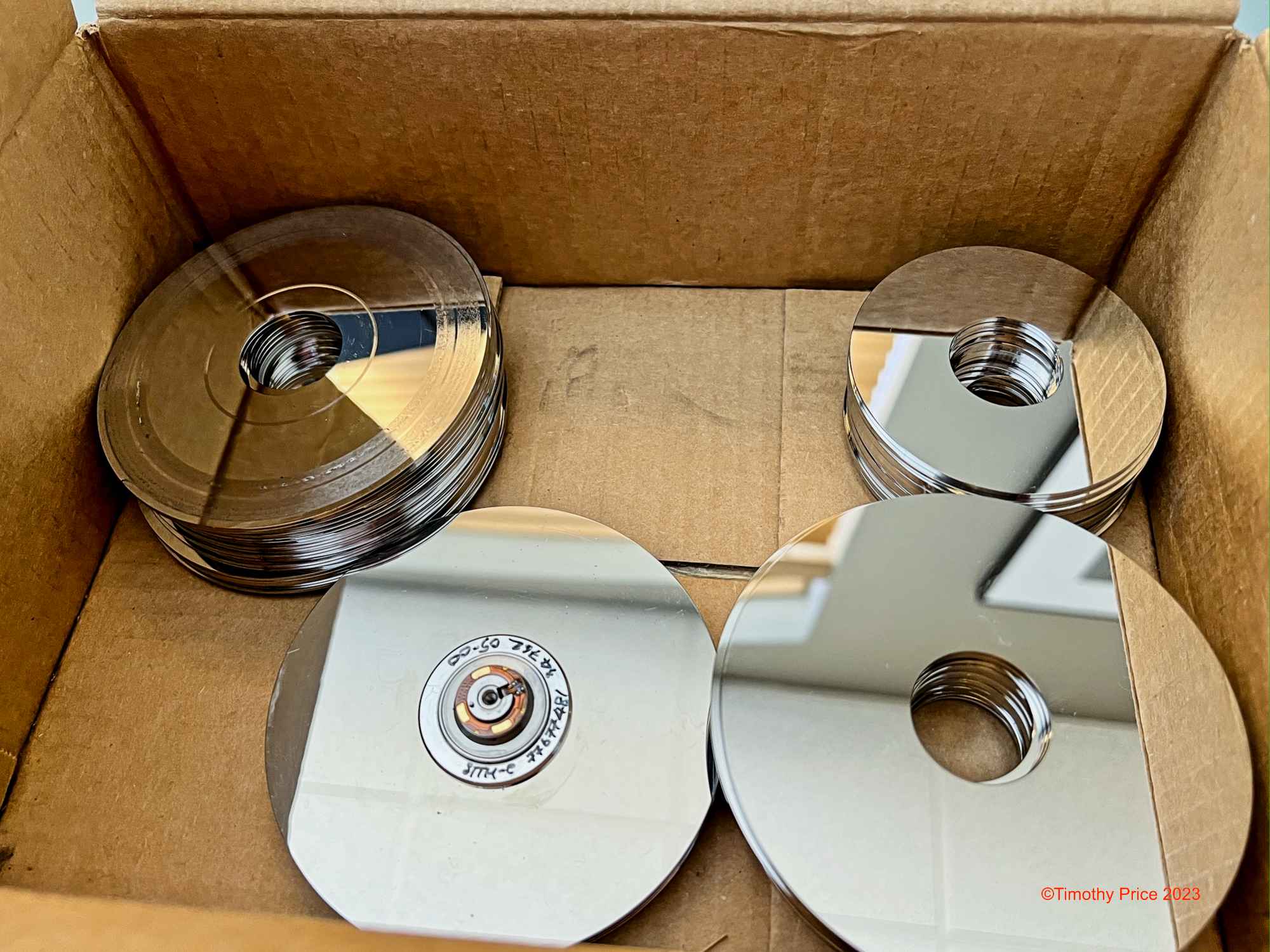
Reflecting on a silver platter
Four platter drive. Depending on the size of the hard drives, they had one to four platters.
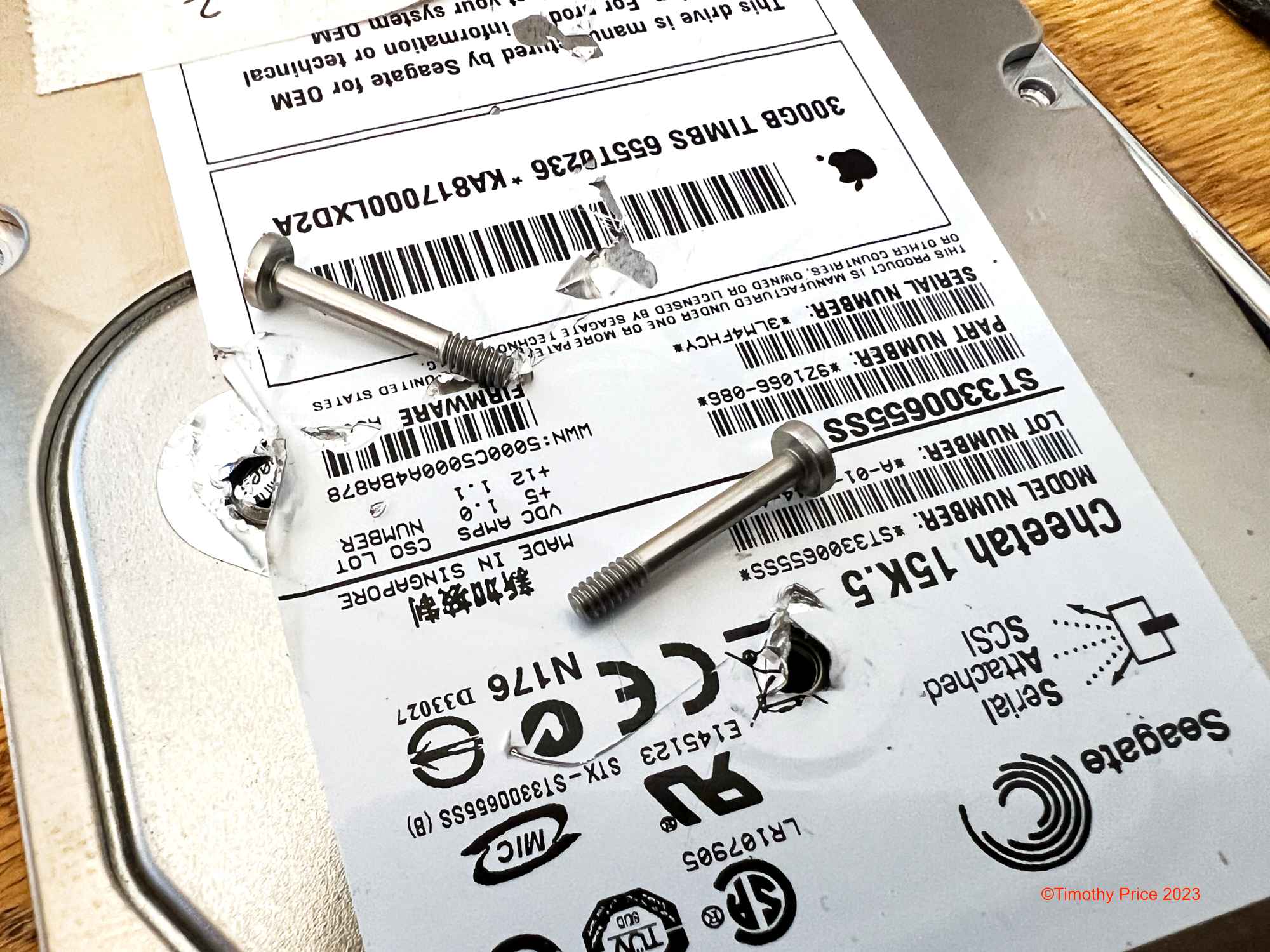
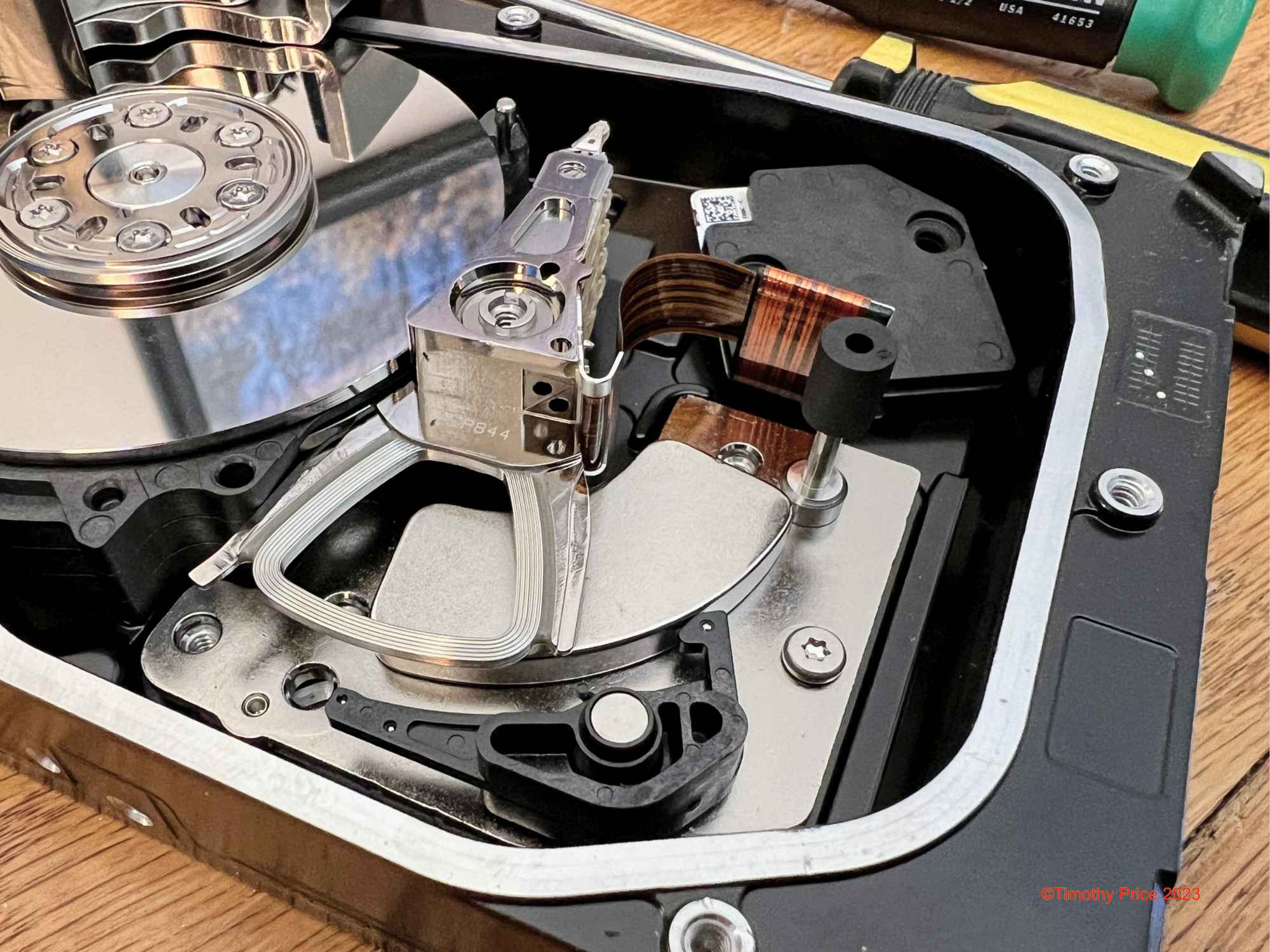
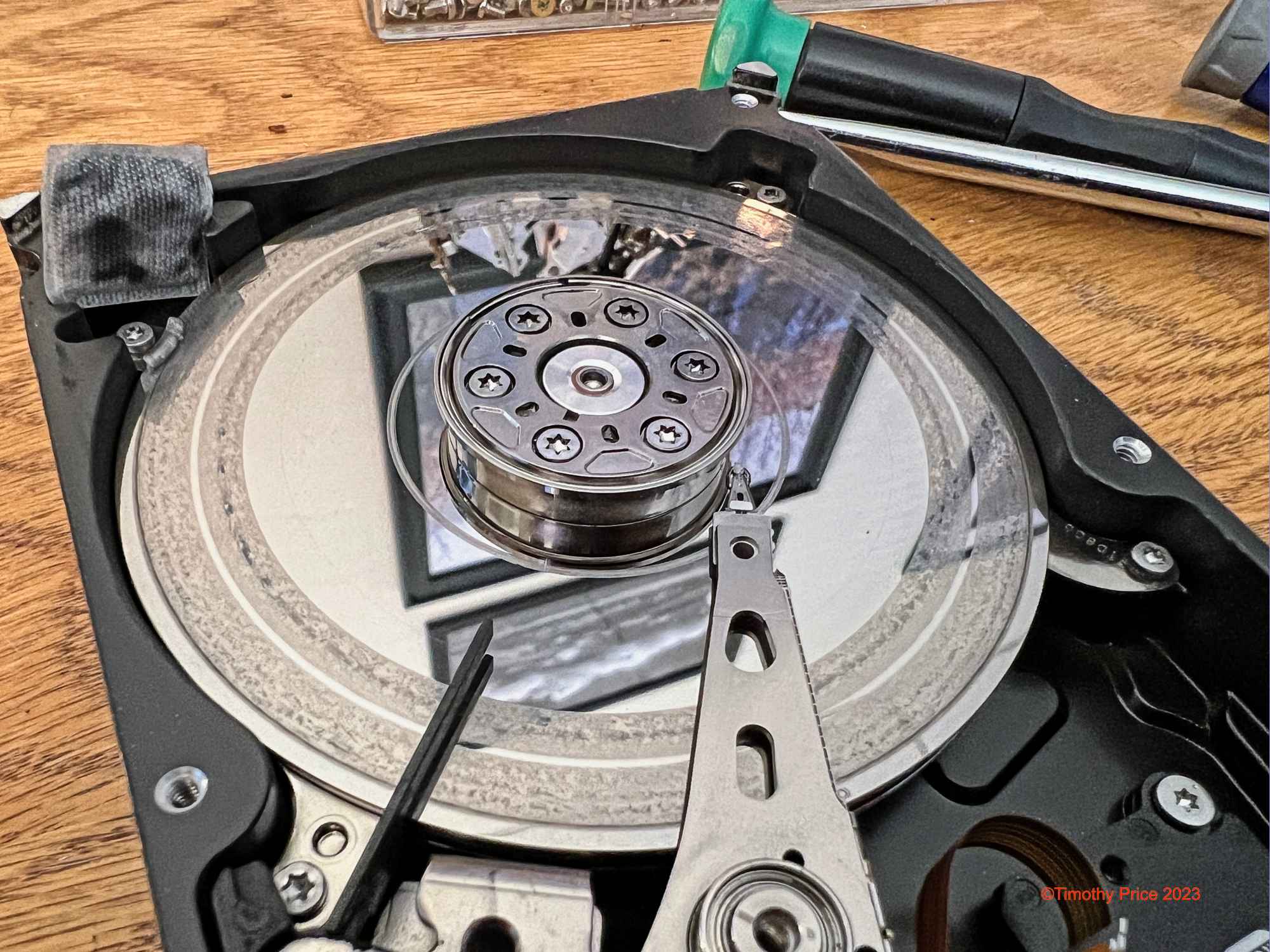
I was curious to see what a fast kitty 15K rpm drive looked like inside compared to the slow cat 7.2K rpm drives I’d been taking apart.
The first difference was the long screws securing the platters’ spindle and the swingarm. The second difference was smaller platters in a beefier case. The third difference was large rare earth magnets three to four times as thick as the other drive’s magnets, much wider and a whole lot stronger.
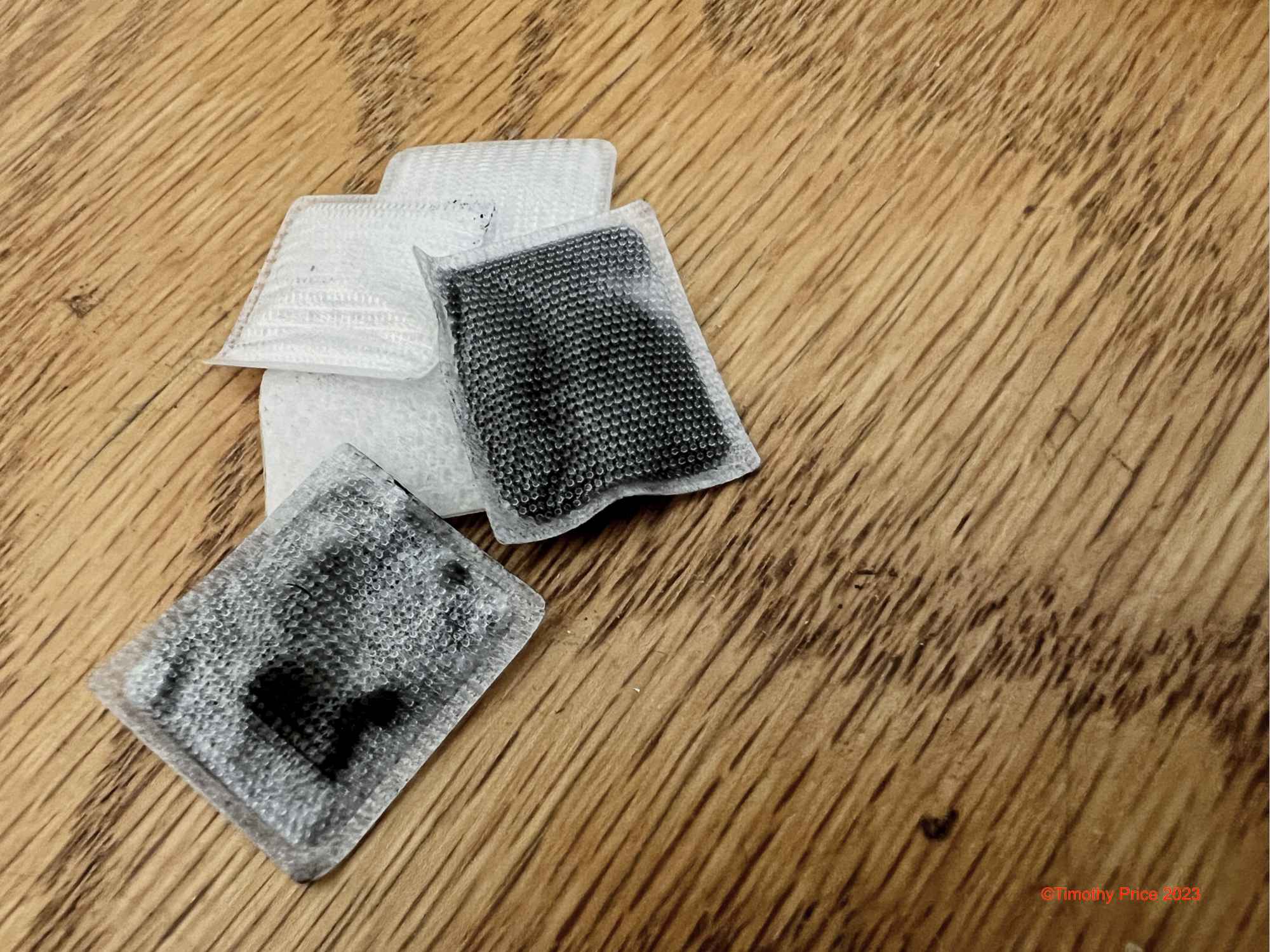
This hard drive’s platters were trashed on a couple of drives. The “my little pillow” filter was black from the dust that came off the ground surfaces of the platters.
“My little pillow” filters. Most filters were clean, but the drives with trashed platters had black filters. The drives also had little clear plastic cases filled with metallic-looking pellets that seemed like hard drive catalytic converters. They were most likely dehumidifiers.
That Platters ready to sing “I’ll Never Smile Again!”
Segregated parts of the hard drives ready for recycling.
The first two photos are of the rare earth magnet sculpture I put together as I took the magnets out of the drive. I knocked the first sculpture over, trying to put lights on it, and much of it came apart. The third photo is the second sculpture I put together with lights. I didn’t like that one, so I gave up on the lights and put together the sculpture in the lead photo.
When I first started riding in July, the flood control channel was dry, and I could ride across the arroyo where the water ends, 300 yards from where I took this photo. At first, the flood control channel filled with water from rain collected on the west mesa up to 20 miles west of Corrales. That was the beginning of the second week of September. Since the beginning of October, the flood control channel has been filled with water. However, we have had zero rain in Corrales in October and little rain in Rio Rancho west of Corrales. I finally came to the realization that the water in the flood control channel is the treated wastewater from Rio Rancho backing up into the channel. I have not investigated why the water is backing up into the flood control channel now when the channel was dry in July, August, and the first week of September.
The treated wastewater from Rio Rancho is released into the mouth of the flood control channel near the levy and flows into the Rio Grande, as does the runoff collected by the flood control channel. Rio Rancho is the third largest city in New Mexico, with 109,060 people in 2023.
Cyclists, runners, and hikers who want to cross the flood control channel to continue north or south on the levee or the Bosque trail either have to ford the water or walk, run, or ride 200 yards into the flood control channel to get around the water.
The outlet for Rio Rancho’s treated wastewater.
Treated wastewater flowing toward the mouth of the flood control channel. The water smells like chlorine and detergents. I was surprised to see people fishing there the other day.
Different views of the treated wastewater outlet.
Erosion east of the current outlet. The erosion may be from before they reworked the area. The photo on the right is looking west from the eroded area.
The photo on the left was taken on 9/9/2023. The photo on the right was taken on 10/28/2023. You can see how much farther the water extends into the channel in the photo on the right.
Sasha and Glenda hovering over the heater.
It’s cold this week. The cats are clamoring for the space heaters we use to warm the spaces close to us. The cats were all piled up on me at 3:50 AM this morning. I had a cold ride this afternoon with the temps in the low 40s.
Cats from head to toe: Sasha on my chest in the foreground. Gwendolyn’s ears are on the right in the foreground. She was under the covers, resting her head on my shoulder. After Sasha is Marble, Spunk, Silver, and then Glenda is at the end of the bed, curled up on my feet. Loki was on Laurie out of the picture.
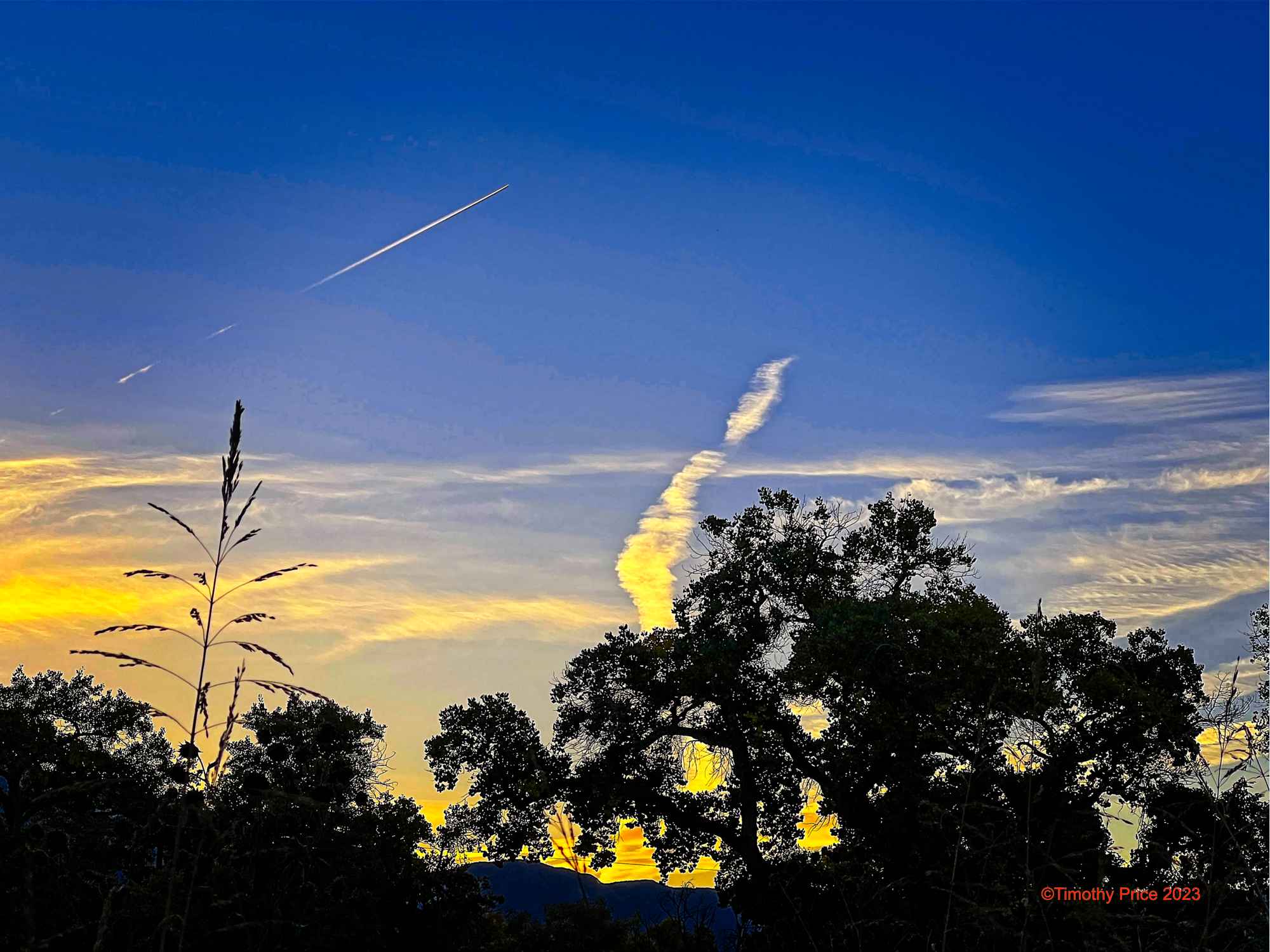
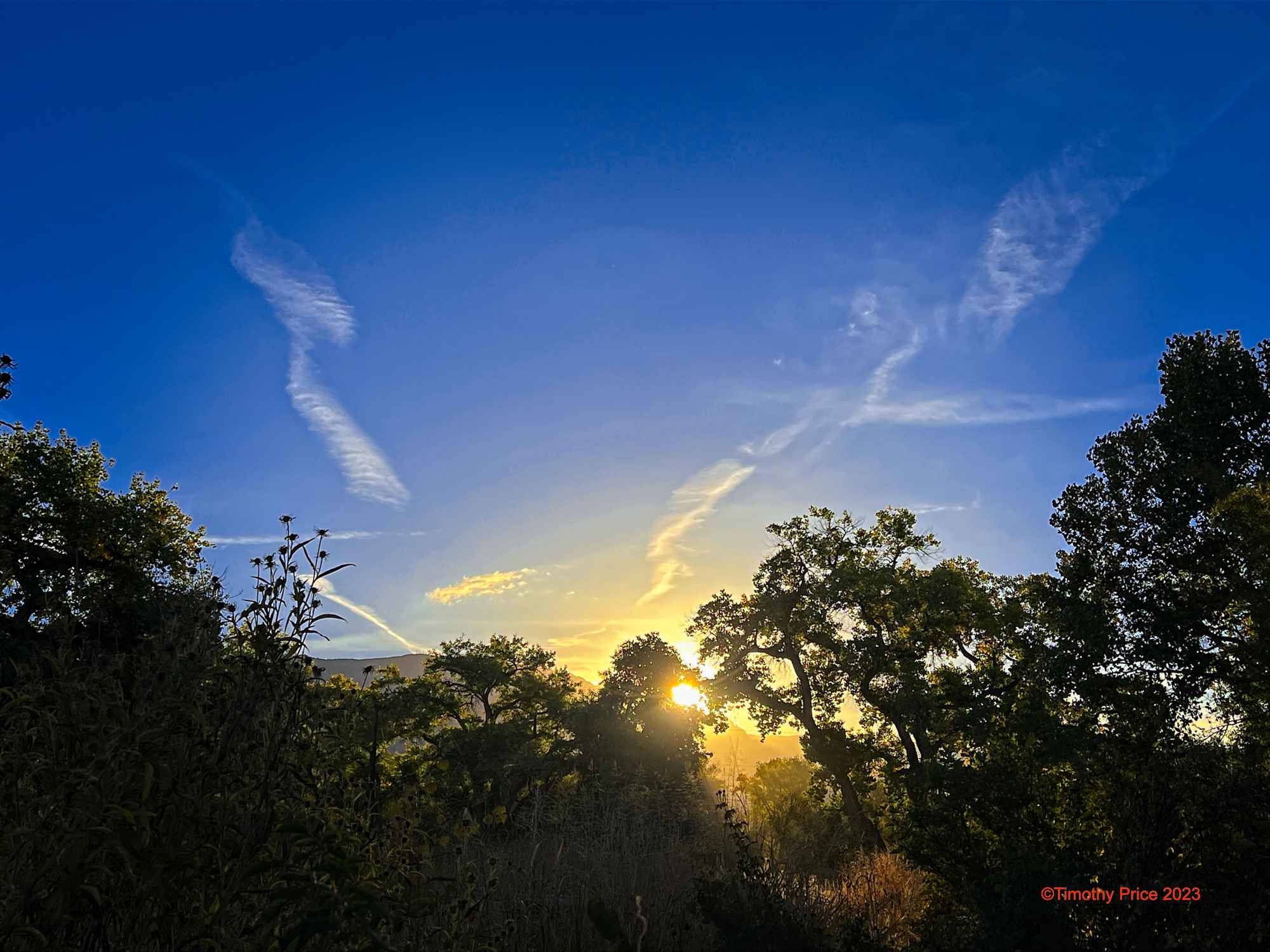
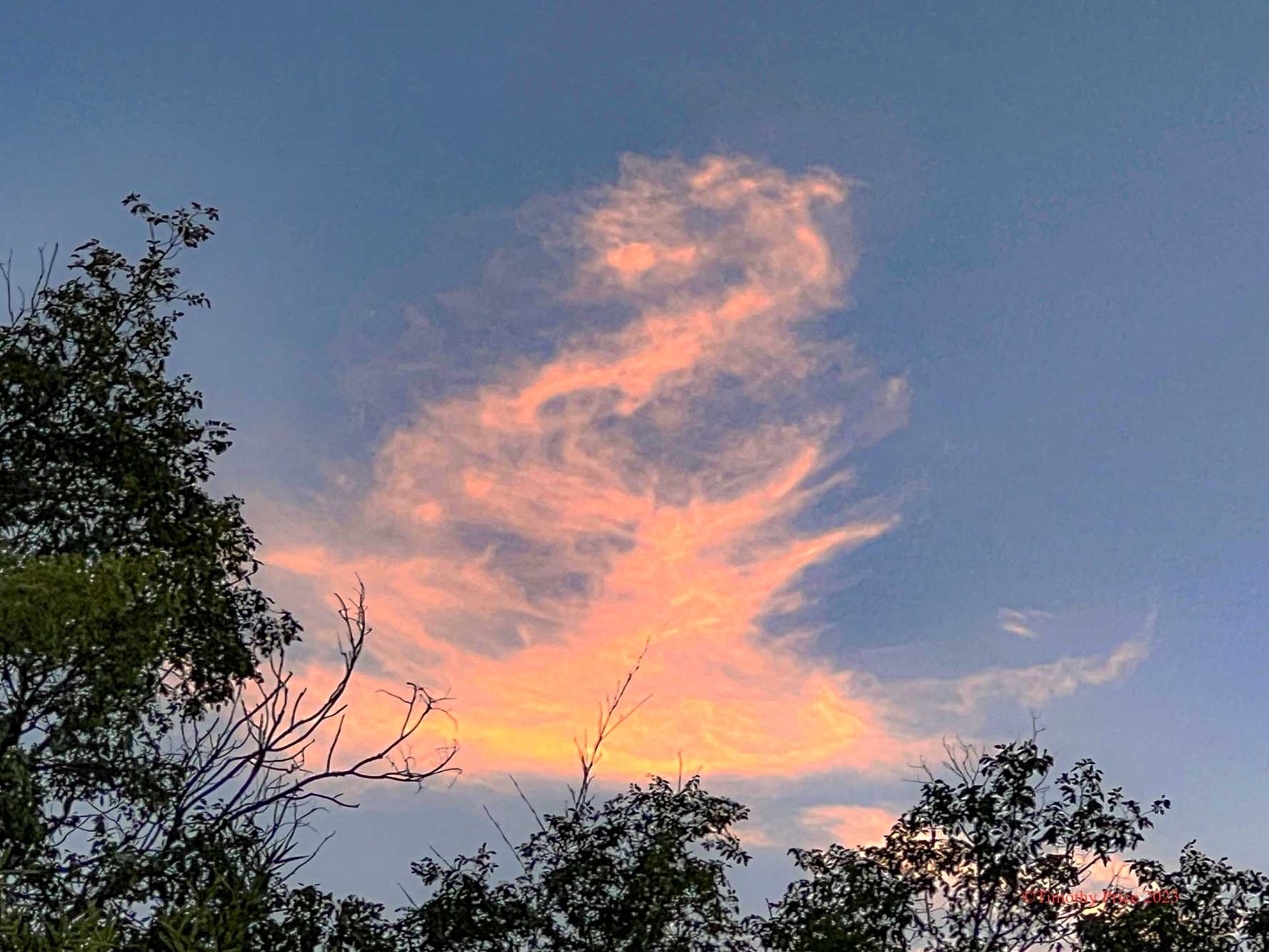
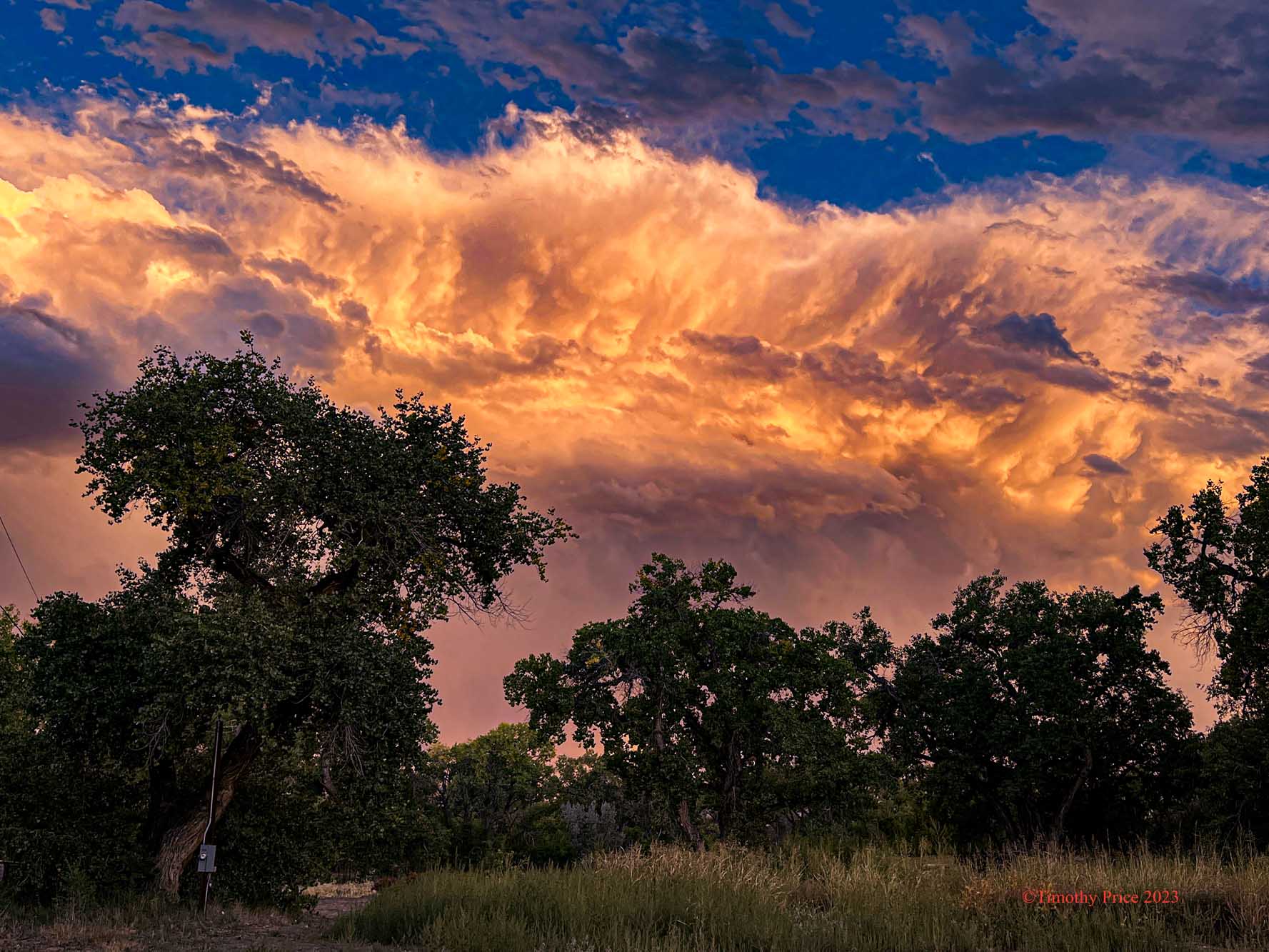
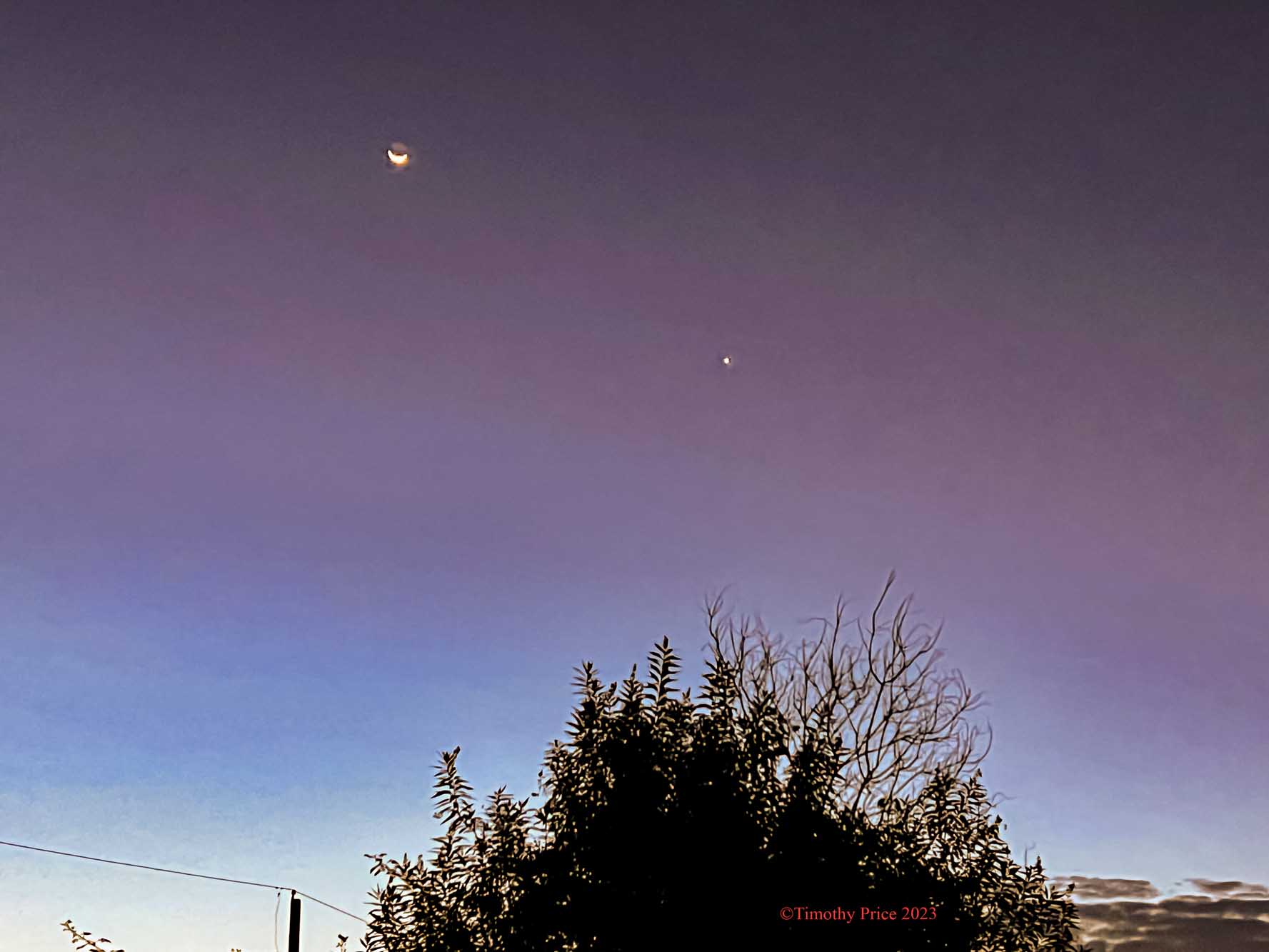
If you were thinking CFCDG is a chord progression to a new quirky country song called Cloud Fluff the Cocky Dragon Gargoyle, not quite. But if you have your head in the clouds, you might be right.
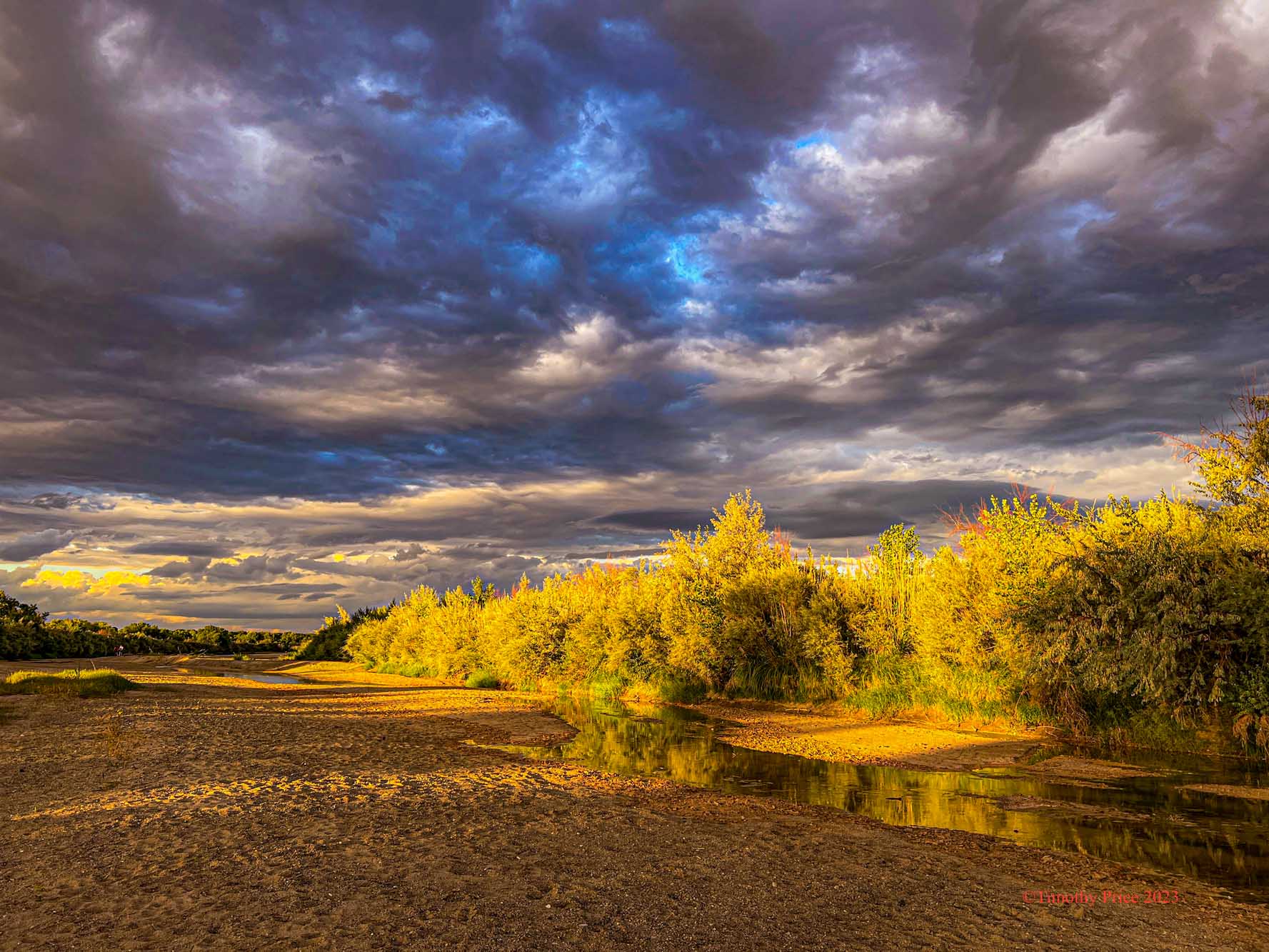
When I was young, the Rio Grande would flood into the Bosque in the springtime and then dry up completely by the end of June and stay dry until the middle of July or the beginning of August after the monsoon rains started. After Cochiti Dam opened in 1973 and the Conservancy started holding water in Cochiti Lake, the spring floodwaters were controlled along with the flow of the Rio Grande. The river has not flooded into the bosque in Corrales in 50 years. The Rio Grande is currently running at its “natural flow,” according to the Conservancy, and it is down to a trickle on the west side of the sand bar at the Alameda Bridge, 3.5 miles south of where we live.
Standing on the bed of the Rio Grande looking north at Alameda Bridge.
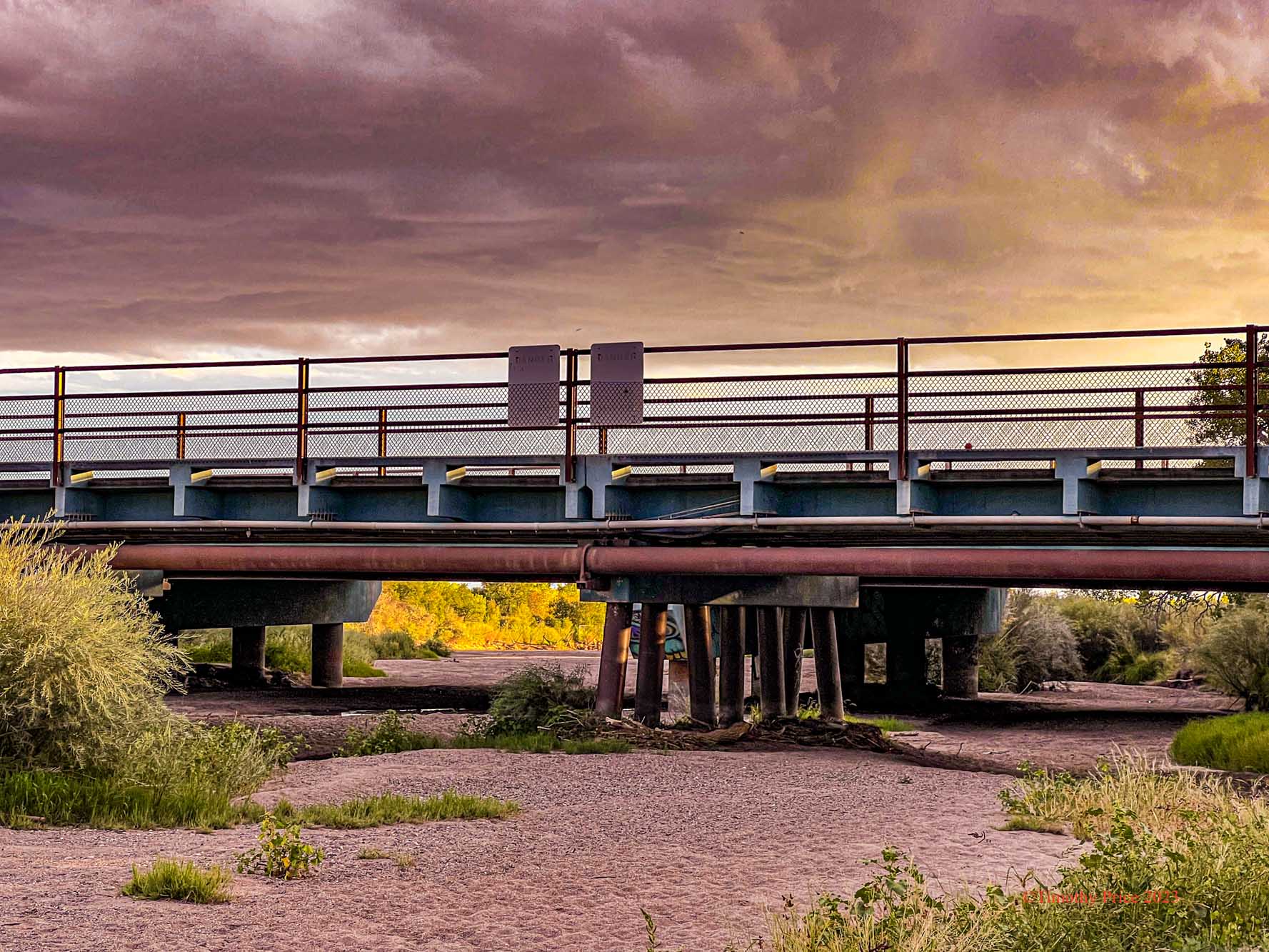
Alameda Bridge, looking at the old bridge, now pedestrian. You can see the pillars of the new bridge on the other side. Note the large, rusty pipe running under the bridge. When I was in middle school, I used to get kicked off the school bus often, so I had to walk 6 miles to school, including crossing the old Alameda Bridge. One morning, a friend, who also got kicked off the bus, was walking to school with me. I decided to add some excitement to the walk and tried crawling across the river on the big pipe (painted back then). The river was running low, and while trying to crawl around one of the brackets that held the pipe to the bridge, I slipped off the pipe and fell into the river. I got to school half-wet, my clothes were drying out by the time I got to school, and I was covered with crusty mud. People used to tell my mom I would grow up to be a no-good-for-nothing delinquent. Now that I think about it, I’m grown up and old enough to go on Medicare; those people were right. If I hadn’t dropped out of high school, I could consider going to the 50th high school reunion in 2026. Then those folks who are still alive could say, “I told you so!”
Intermission: Tradescant Rose.
Rio Grande archipelago
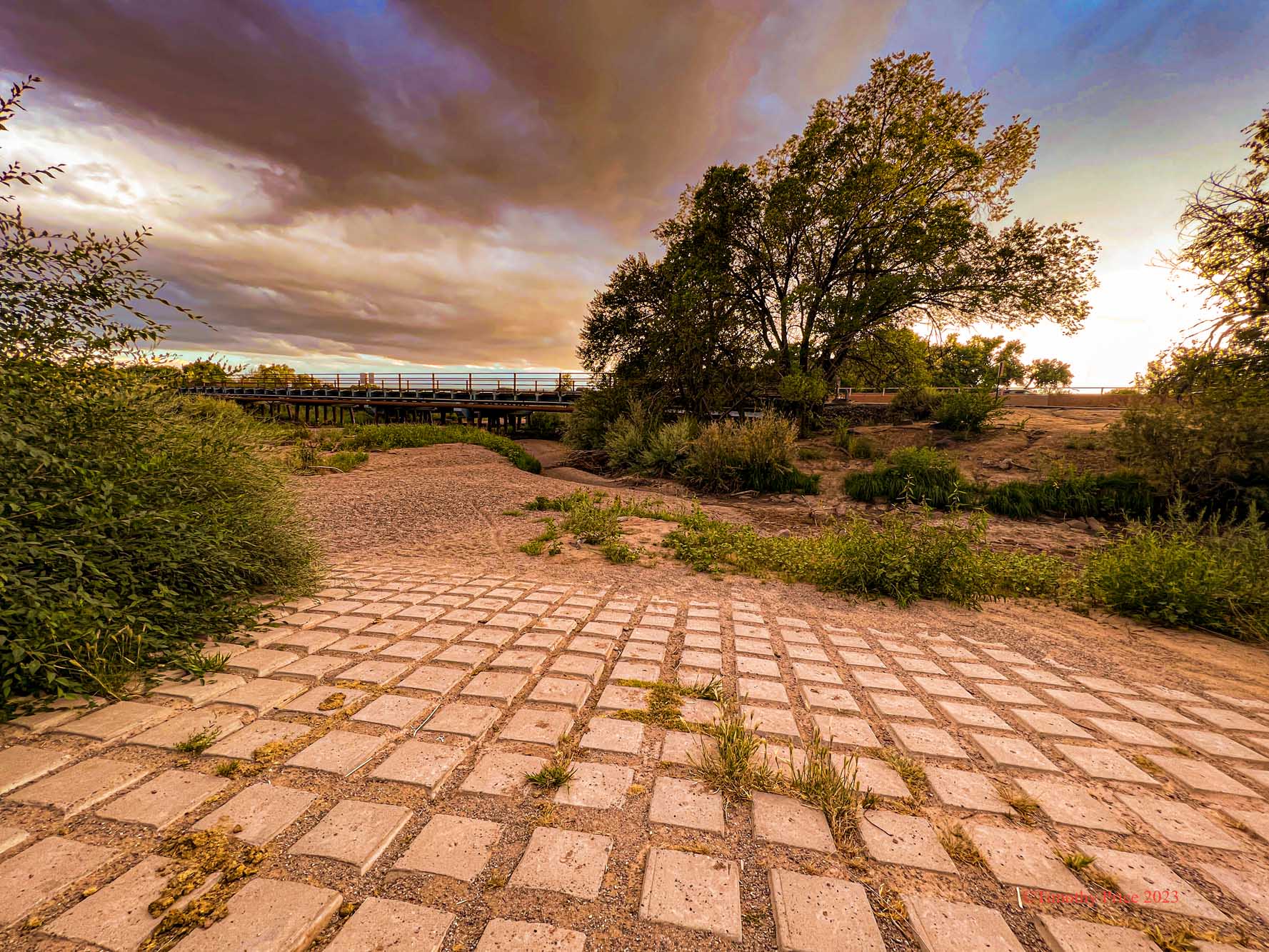
I believe this is a boat launch/landing area for rafts, canoes, kayaks, paddleboards, and the annoying airboat the Fire Department uses to patrol the river when the water is high.




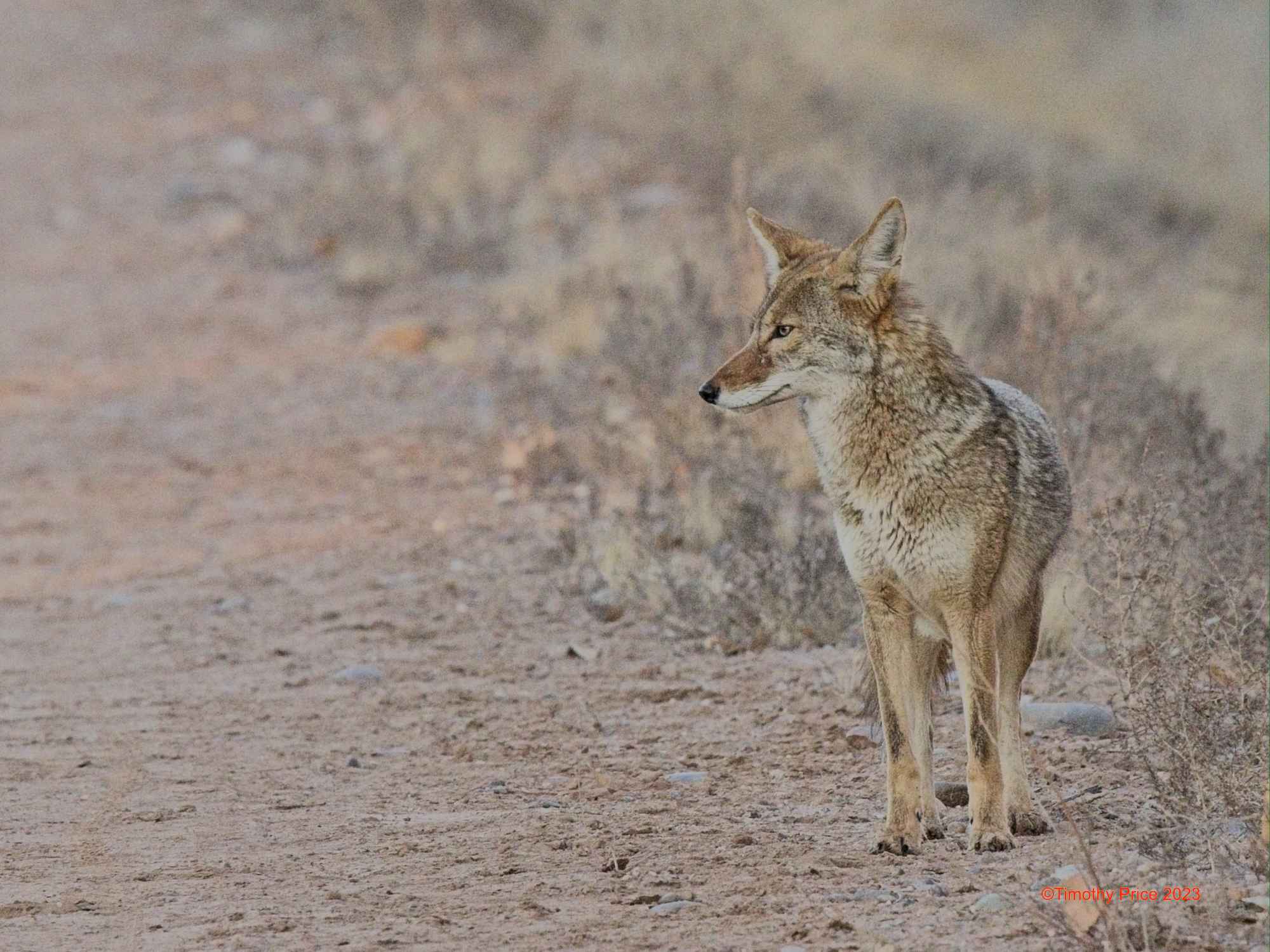


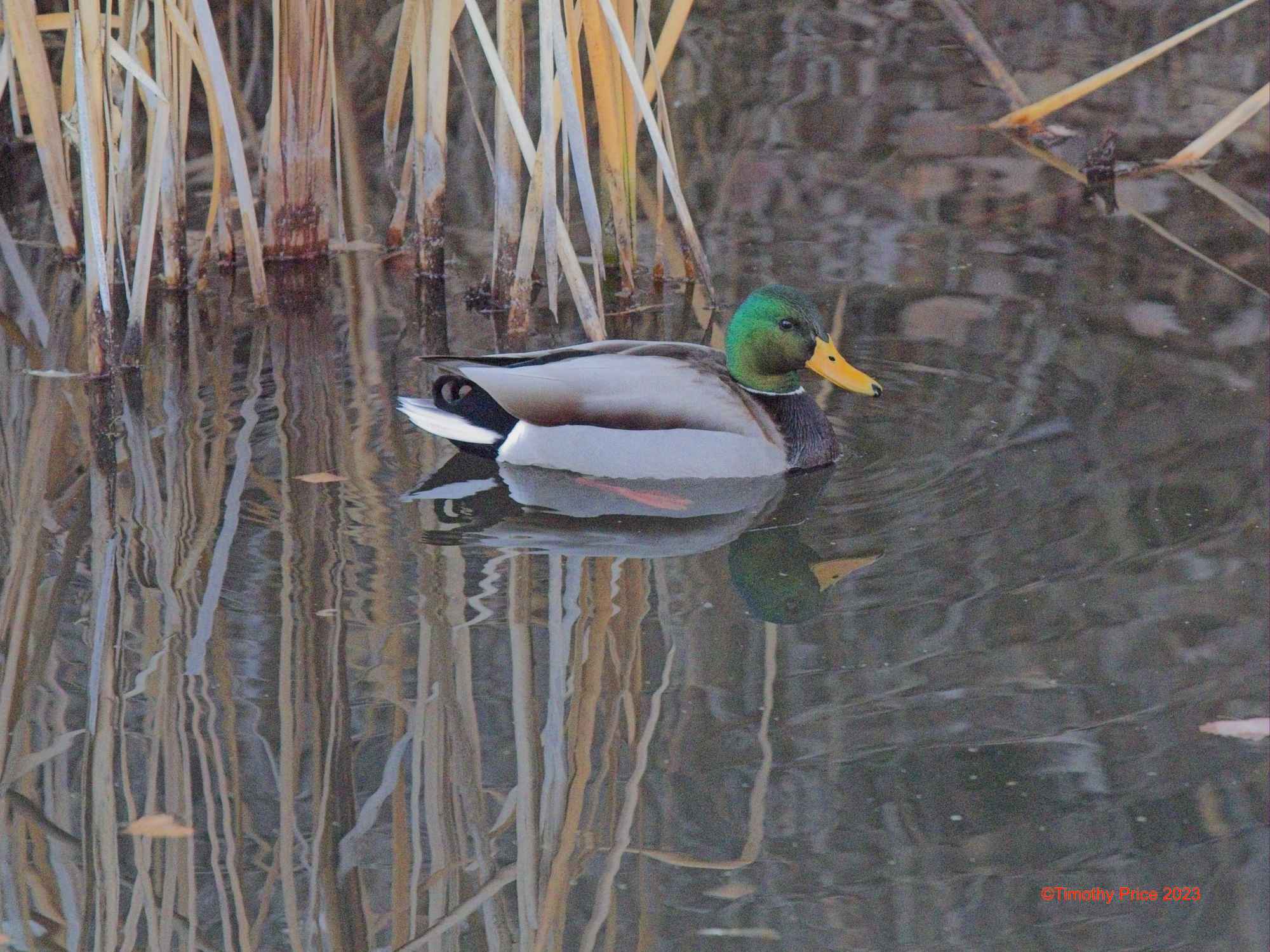


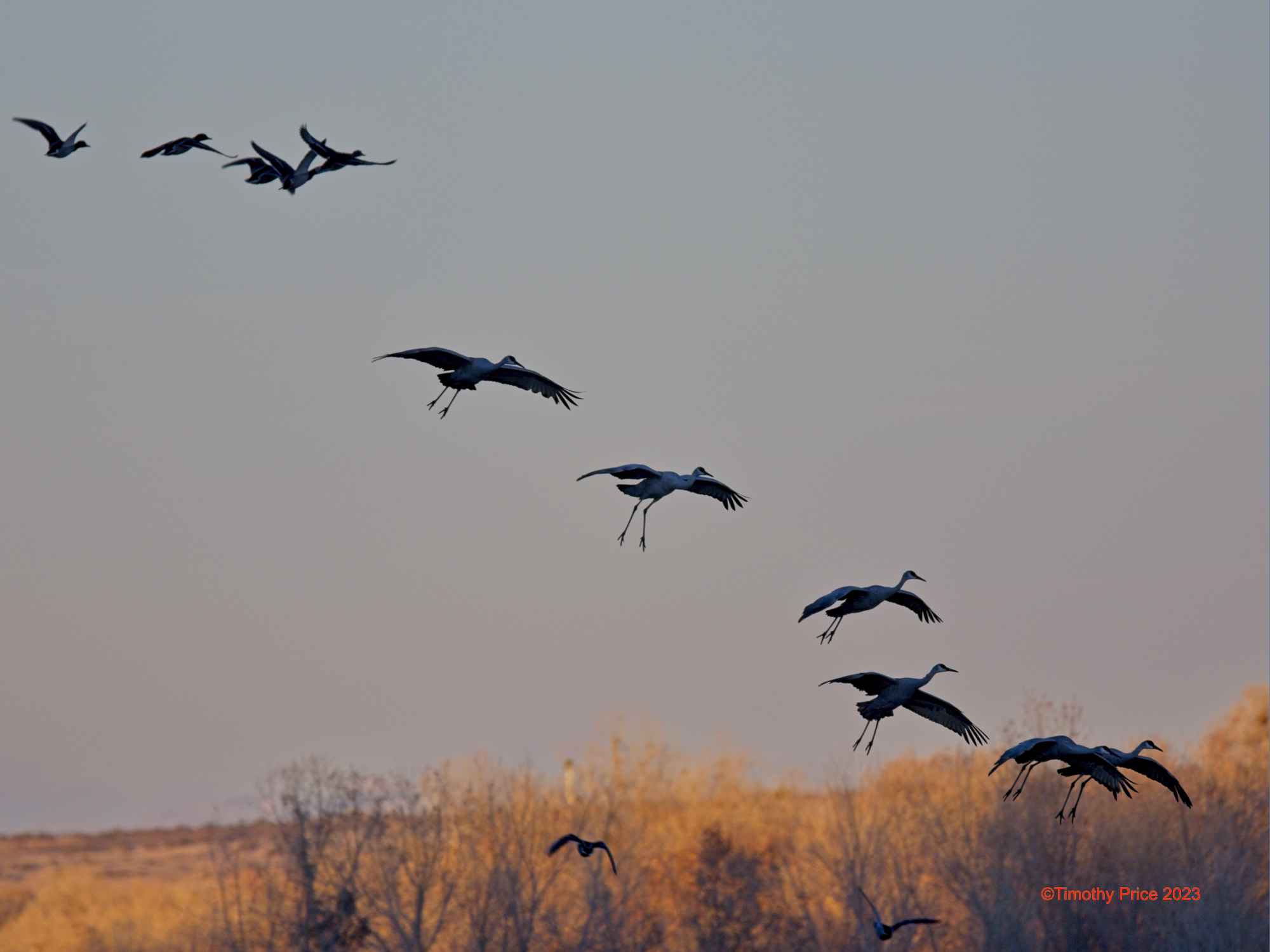

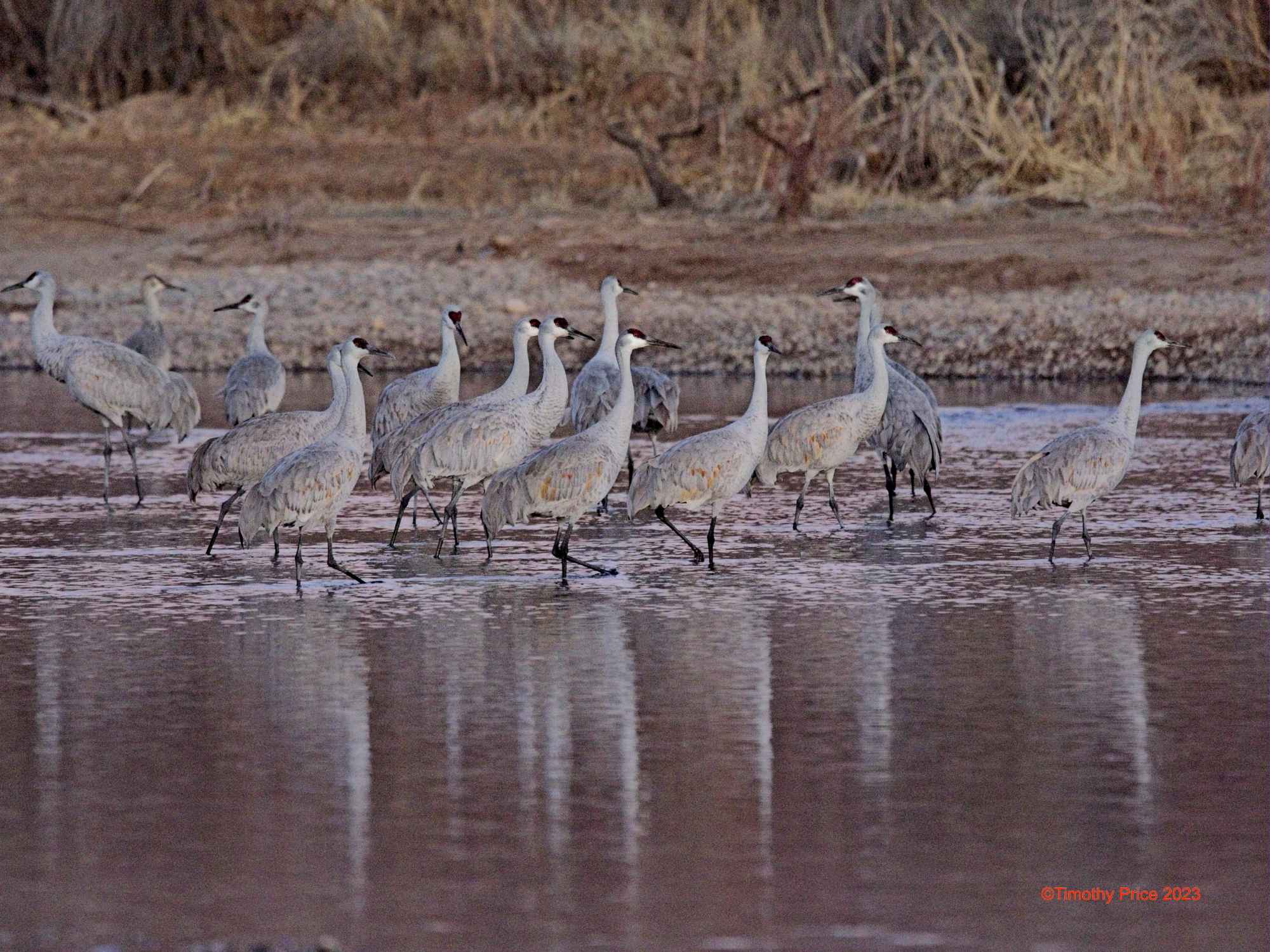









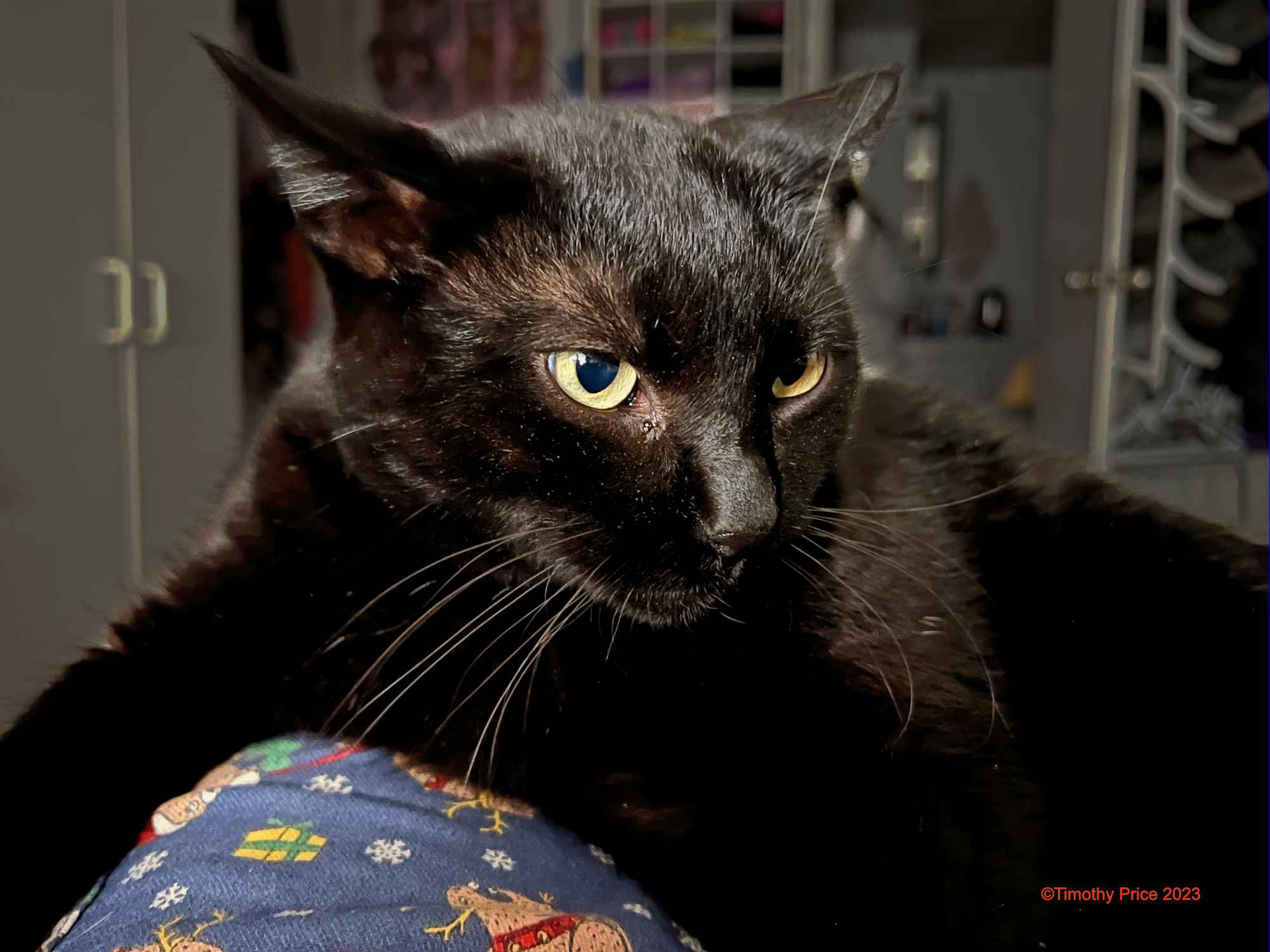












 Off Center & Not Even