

All the photos tonight a drive-bys. Since my carry camera is broken, I’m carrying a full-sized camera which makes drive-bys a little more challenging.


All the photos tonight a drive-bys. Since my carry camera is broken, I’m carrying a full-sized camera which makes drive-bys a little more challenging.
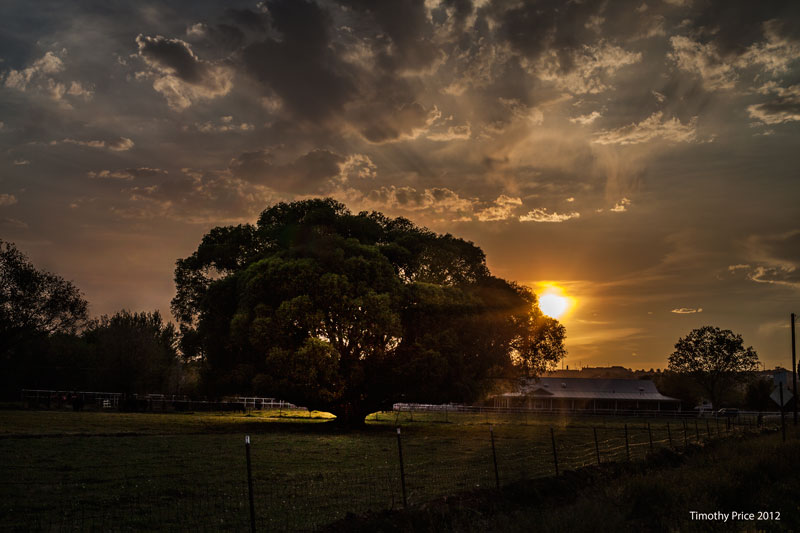
One upshot to the Village closing the south end of Corrales Road for the sewer extension is that I drive down different roads and find new photo ops. I never paid much attention to this big tree on Coronado Road until this evening with the low sun behind it. Lady banks is in full bloom now, and I added another shot of water droplets on an iris bud.


We followed this funny painted tractor/trailer rig on I-40 and then Coors Road until in turned off onto Ouray. I ran soaker hoses on the iris this afternoon and couldn’t resist photographing water droplets. The run-of-the-mill, purple and yellow irises have been blooming for a couple of days, but now our fancy irises are getting ready to bloom.


Austrian Copper bloomed all at once. It’s an old world rose that dates back to the 16th century. It only blooms once, but it’s beautiful while it blooms.


Our first bloom this year is Betty Boop, which is quite a surprise. Usually Austrian Copper blooms well before any of the other roses. This is not one of Betty’s finest, but I feel like I always need to post the first bloom.
We got a new lamb for the kitties, and it became enamored with Serge Gainsbourg, a popular and controversial French entertainer who died in 1991 at the age of 62. Last night we watched the new movie about his life entitled “Gainsbourg: A Heroic Life”. I really enjoyed the movie and recommend it to anyone who enjoys French movies. The music was especially good.
Dr. Scott Altenbach, professor emeritus in biology at UNM, gave a wonderful talk on bats and abandoned mines at the Men’s Breakfast this morning. He goes into abandoned mines to see if there are bats before the owners close access to the mines. He also has done wonderful photographs of bats over the years. I had Dr. Altenbach for a biology class when I was an undergraduate. During one class he brought in a trash can and dumped a couple of large rattlesnakes on the front desk of the lecture hall. I think everyone in the front row but me jumped a few rows back when those snakes slid out onto the table in front of us.
Dr. Altenbach talking about exploring abandoned mines reminded me of when I 12 years old — a friend lived in Placitas, NM, a small community at the north end of the Sandias, whom I used to visit quite often. There was a man who called himself Ulysses S. Grant who spent a lot of time with us kids, and took us into some of the old mines in Placitas to explore them. The old mines were a lot of fun and fascinating for 12 year-olds. In 1970, Ulysses had a run in with a couple of men in one of the hippie communes in Placitas. He borrowed a 30-30 rifle from my friend’s dad, and when the men were coming to get him (as I heard the story) he shot and killed them. He left the rifle on my friend’s doorstep and disappeared. We were all surprised, of course, because having spent a lot of time with Ulysses, none of us kids would have thought him capable of murder. Officials believe they found his body in a burned out cabin in Utah in 1988. The following link to a story on KRQE has a pretty good account of the life of Ulysses: http://www.krqe.com/dpp/news/on_assignment/hippie-leader-turned-killer-fugitive.


These tiny moths or they may be gnats are probably not Japanese, but they seem very adept at making Japanese-like characters. A few apple blossoms are still hanging on, and lots of bugs were out in the 80 degree temps this afternoon. One bug was sunning itself on a dandelion this evening, its wings glistening in the strong light.


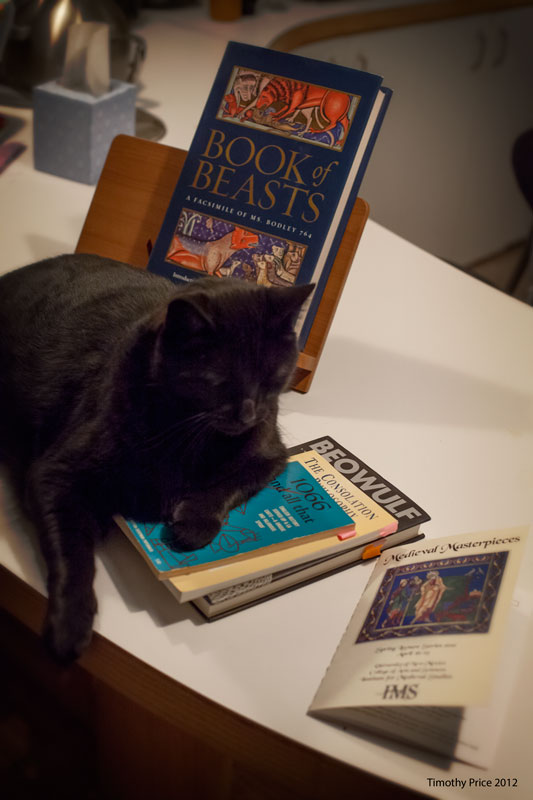
Guildenstern was contemplating some of the books that were discussed in this year’s Medieval Spring Lecture series. Actually “1066 and all that” was not discussed, but it’s the closest thing we have to the Bayeux Tapestry; plus Laurie is going to suggest “1066…” for the next book to her book group on Sunday. All the lectures were fantastic, and I thank Timothy Graham, Director of the Institute of Medieval Studies at UNM, for all his hard work organizing the lecture series and bringing in such great speakers. If you didn’t make it to any of the lectures this year, pencil “Medieval Lecture Series” for the middle April onto your 2013 calendar.
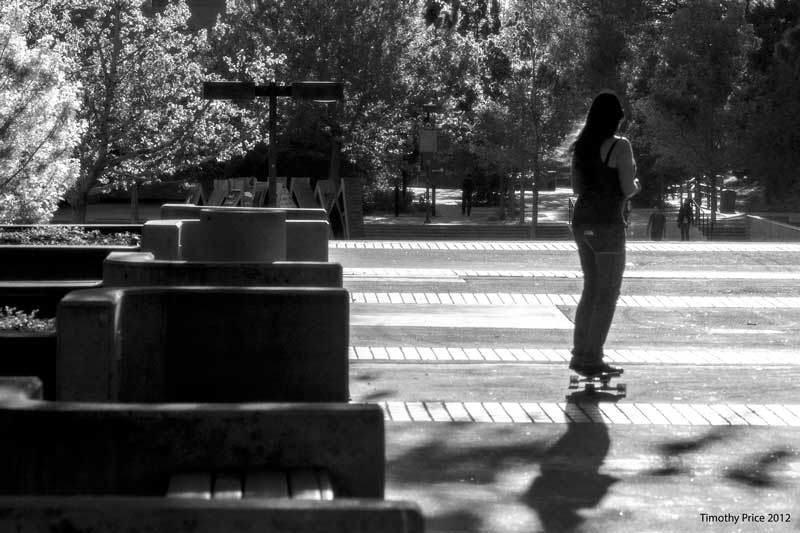
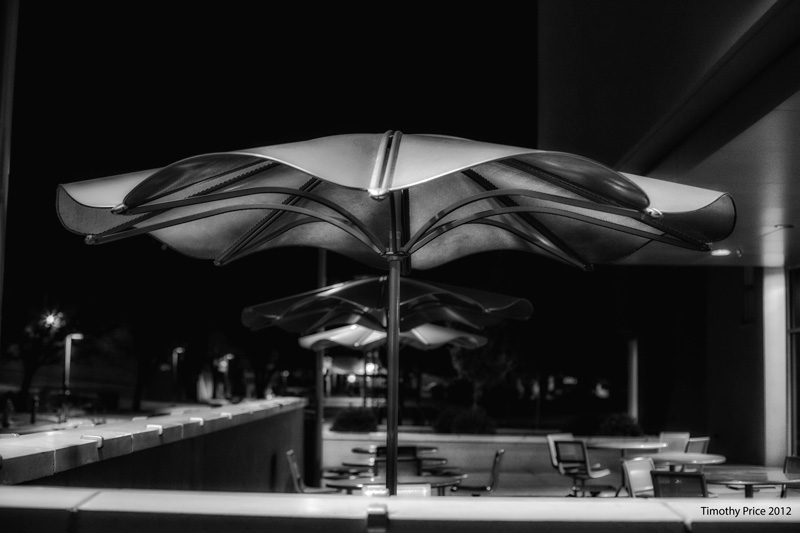
The lectures on Beowulf and bestiaries were fantastic tonight. There is a medieval music concert at 5:15 pm tomorrow in Keller Hall, and the final lecture by Linda Seidel on “The Mysterious Maker of a Medieval Masterpiece: Gislebertus of Autun — Doer or Donor?” is at 7:30 pm in Woodward Hall.
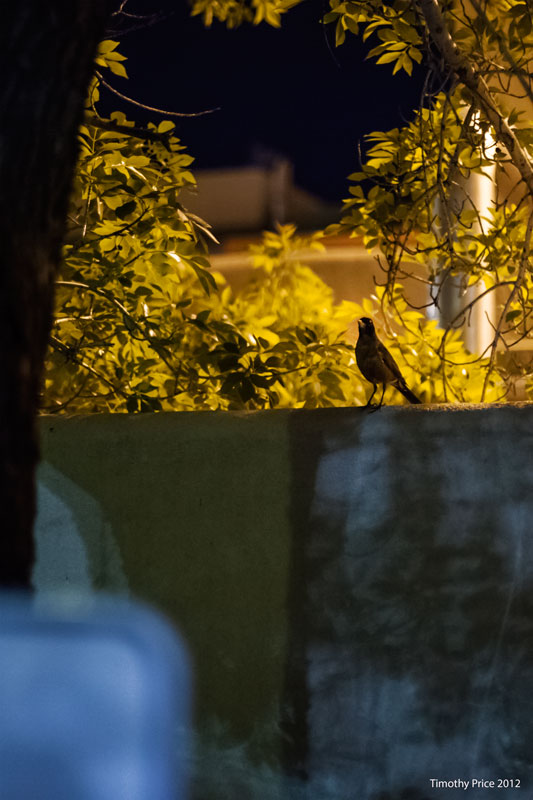
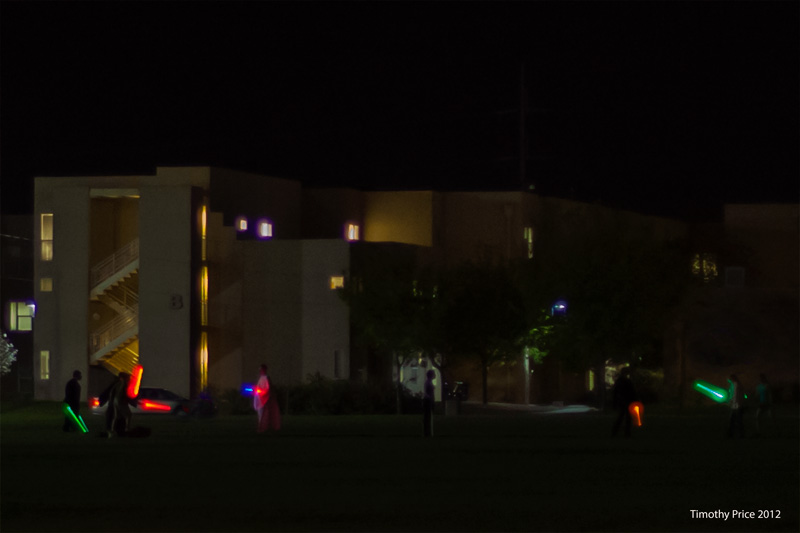
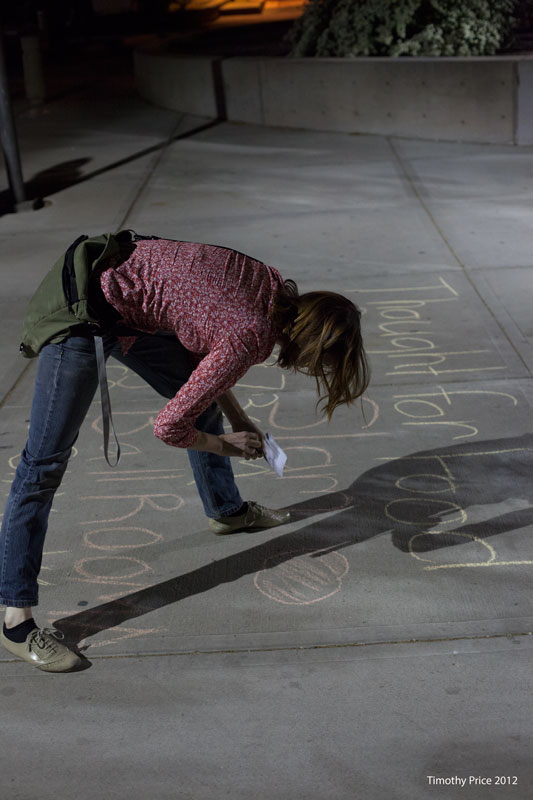
Real and figurative night birds were out tonight as we made our way off campus. A young woman was writing messages on the sidewalk outside Woodward Hall. Another group of young people were fighting with light sabers on Johnson Field, and I got the photo of the little bird hopping around on the wall under the light of the physical plant building while I was waiting for Laurie to retrieve stuff from her office.

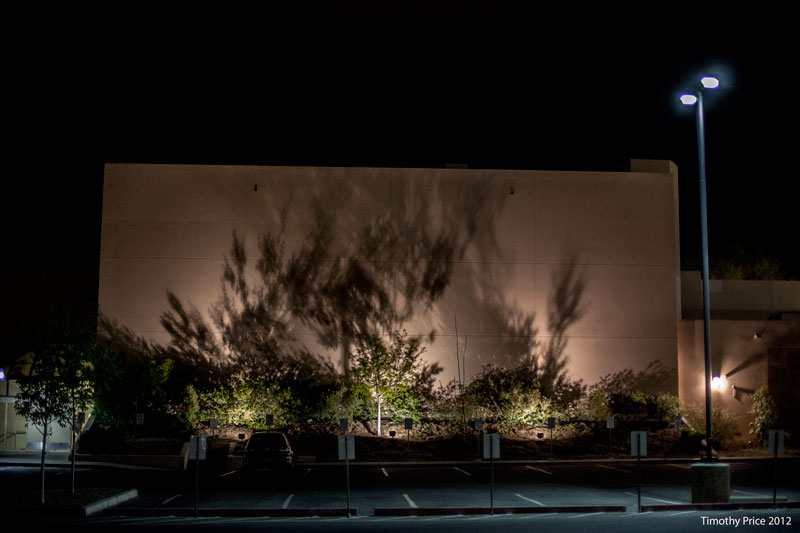
Both lectures at the Medieval Conference tonight were excellent. The problem is there was a bigger event being held at UNM this afternoon, so I had to park out by Central and Girard. It was a long walk both ways, but at least it offered nice photo ops on the walk back to the car tonight.
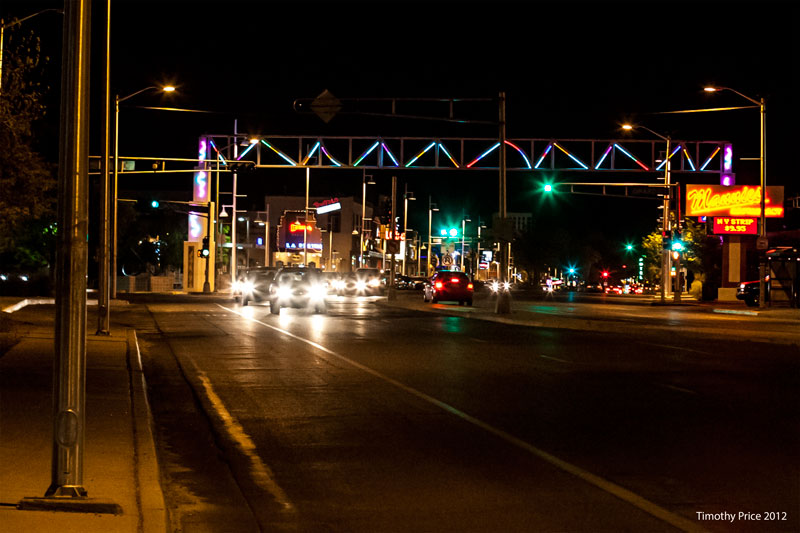
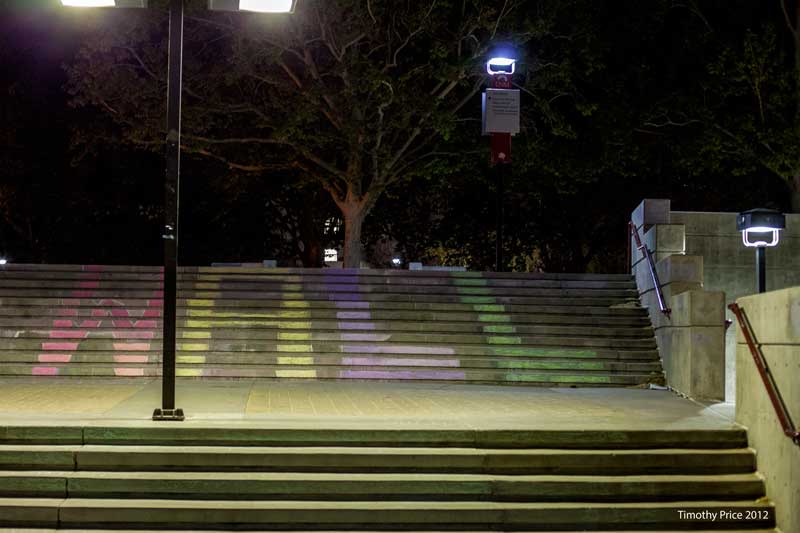
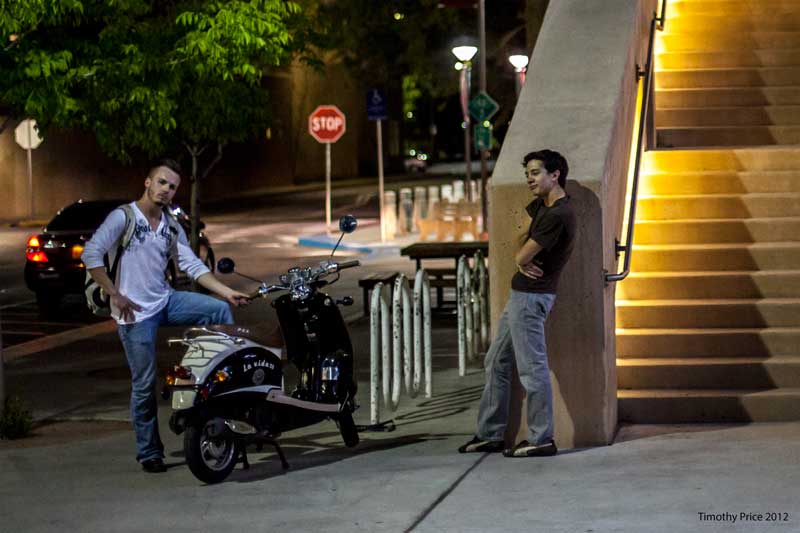
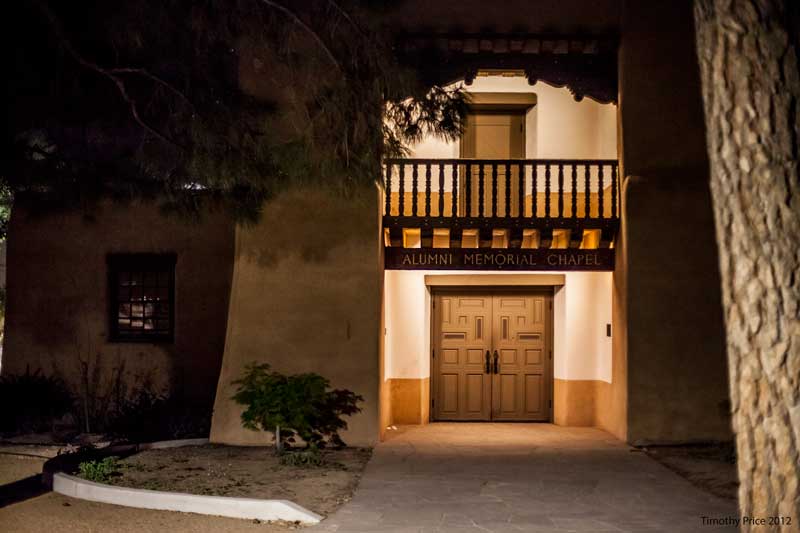
Call me old fashioned, but I still call them steps. I was photographing another set of steps by the parking garage when a couple of young men stepped into the picture and posed. They were great models. The Alumni Chapel is always beautiful, but it’s especially lovely at night.
We were at UNM because the Institute for Medieval Studies lecture series started tonight. This year’s series is entitled “Medieval Masterpieces”. Tonight’s lecture was by Christopher de Hamel from Corpus Christi, Cambridge on 12th century giant illuminated bibles. His lecture was outstanding. I encourage anyone in the Albuquerque area to attend the the rest of the lectures. Tomorrow evening the two lectures are Boethius’s “Consolation of Philosophy” by Philip Edwards, Middle Tennessee State University at 5:15, and The Bayeux Tapestry, by Martin F Foys, Drew University at 7:15. On Wednesday the lectures are on Beowulf and “Illuminated Animals and God in Medieval England.” On Thursday, there is a medieval music concert followed by a lecture on Gislebertus of Autun. The lectures are in Woodward Hall 101 and the concert is in Keller Hall, both at UNM.
 Off Center & Not Even