France Day 26 Paris vaut bien une messe

HenriIV

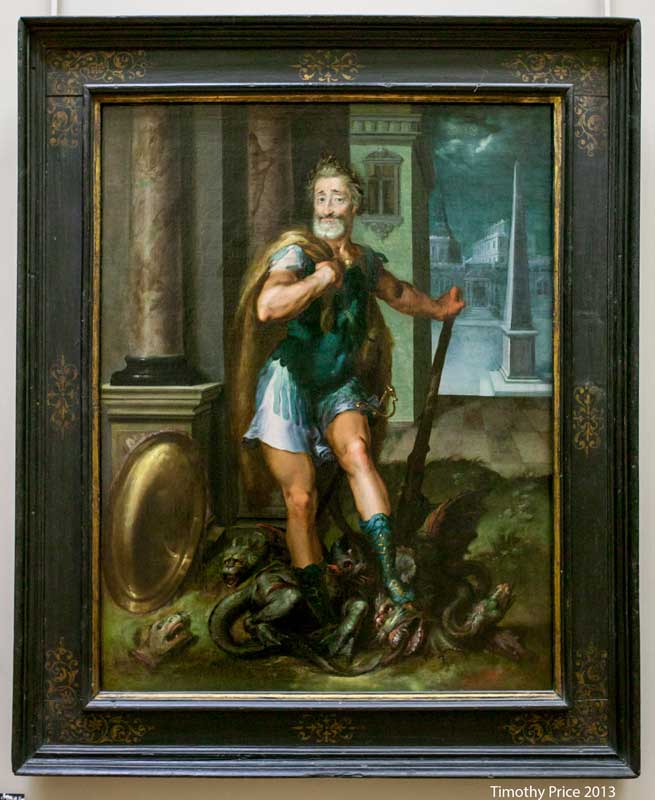
In chapter 33 of their book “1066 and All That” W.C. Sellar and R.J. Yeatman conclude their section on the St. Bartholomew Day Massacre with “After the massacre the French King, Henry of Navarre, turned Roman Catholic and made his memorable confession – ‘Paris is rather a Mess’…” Their humorous interpretation of “Paris vaut bien une messe” describes the time as well as the original saying. After Henry of Navarre took the throne to become King Henry IV he paid off his enemies instead of waging endless, costly wars against them; he also ended the “religious wars” that he had fought in when he issued the Edict of Nantes in 1598. With the help of the minister Maximilien de Béthune, Duke of Sully, they regularized the state finances, and then they set about cleaning up Paris and  restoring it as a great city. They also undertook public works and promoted education throughout France to improve the life of all people so there would be “a chicken in every pot”, which made Henry IV one of the most popular French kings ever. Although he was popular with the people, he had political and religious enemies. On the third attempt on his life, Henry IV was assassinated in 1610 by a Catholic fanatic, François Ravaillac, when Henry IV’s coach was stopped by traffic congestion in the Rue de la Ferronnerie. You can see that Henry IV was a man of good humor from the painting of him as Hercules vanquishing the Lernaean Hydra painted around 1600 by Toussaint Dubreuil. And I think he would have enjoyed “1066 and All That” as well.

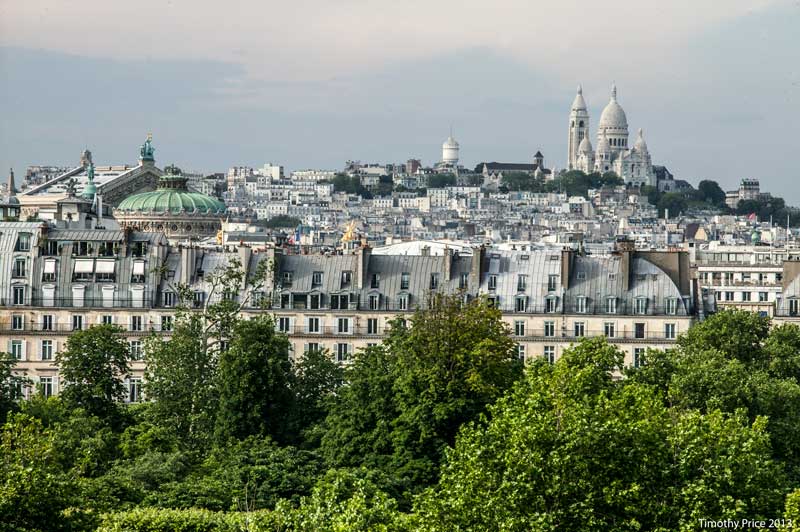
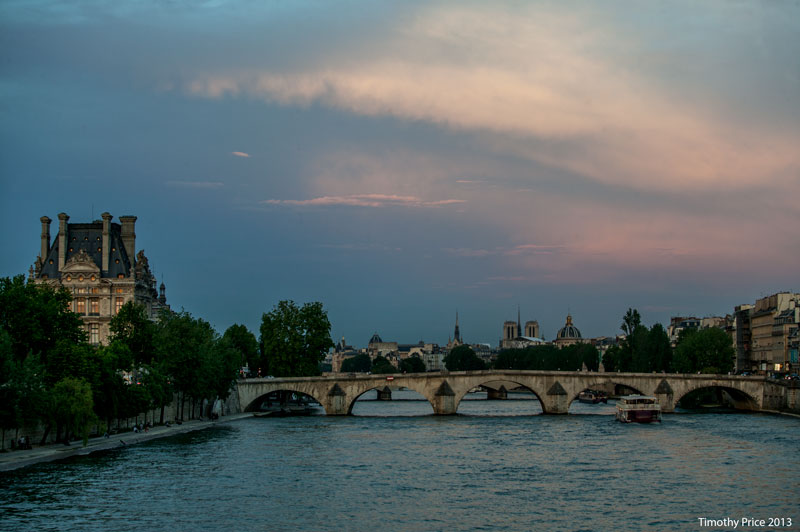
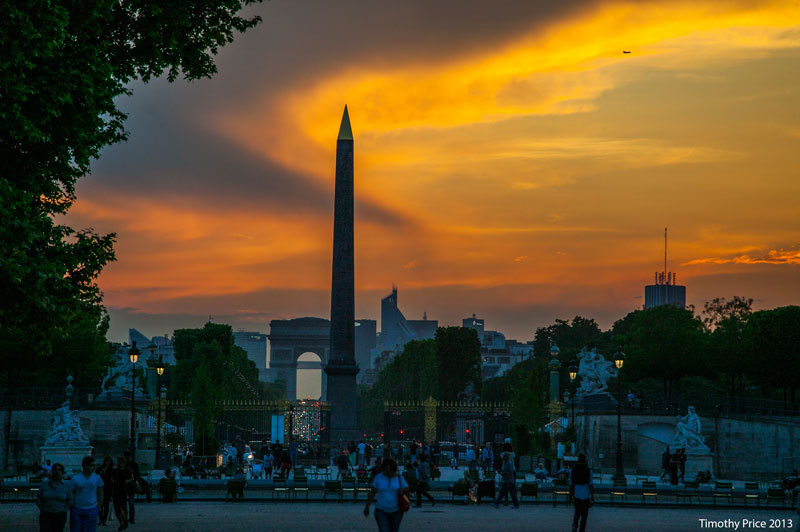
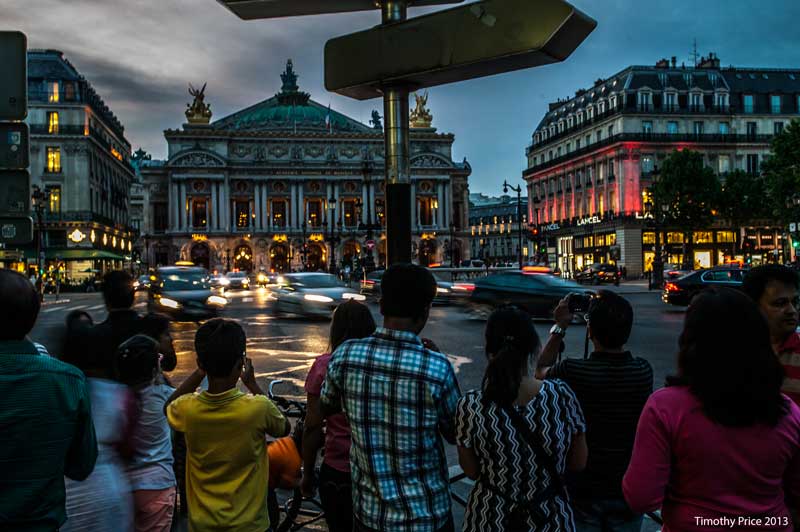
We were in the Louvre and Orsay multiple times yesterday and the photos show the changing light as we walked back and forth between the apartment, the Louvre and the Orsay from mid-morning until 10:30 pm when we got home for the night.

45CU6800

A18W9093

45CU6806

45CU6825

45CU6845

45CU6855

45CU6876

A18W9131

Brasilia

France Day 25 Of Men and Modernity

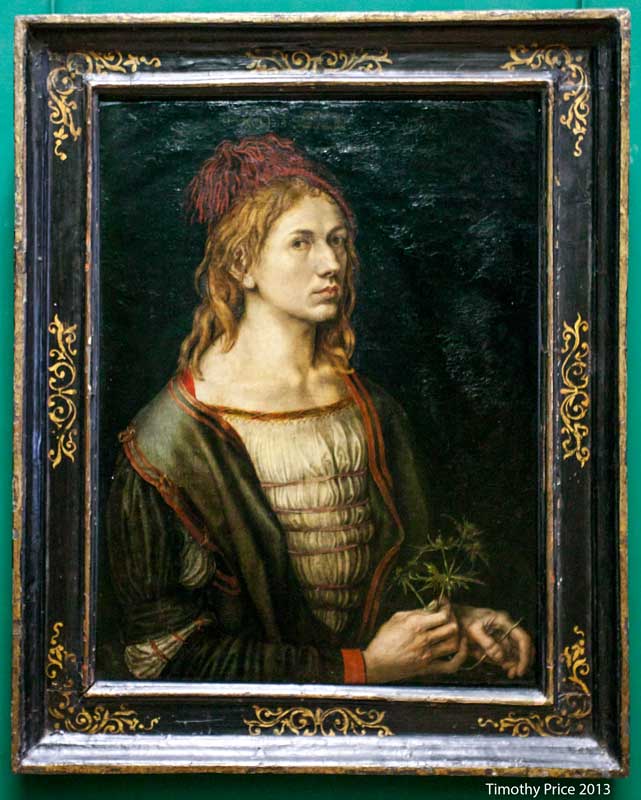
DurerSelfPortrait

While going through the 15th and 16th century paintings from the Netherlands and Germany in the Richelieu wing of the Louvre, I started looking at the many portraits of men and wondered if I could find a painting of a man similar to the Mona Lisa. The problem with most portraits of the period is that the subjects tend to be in a detached, documentary pose and are rarely looking at the viewer. I was about to give up on the idea, but then I came across a self portrait of Albrecht Dürer which struct me as Mona Lisa-like. It was Dürer’s first painted self portrait, done when he was 22 years old and most likely to be sent to his fiancée, Agnes Frey.  A marriage had been arranged for Dürer while he was living with his brother in Basel in 1493, and Dürer and Ms. Frey were married upon his return to Nuremberg in 1494. While Dürer’s self portrait predates Mona Lisa by about 10 years, he paints himself in a similar pose and light, and he engages the viewer with his direct eye contact and pleasant countenance. I may find other male Mona Lisa’s, but so far Dürer’s self portrait is the front runner.

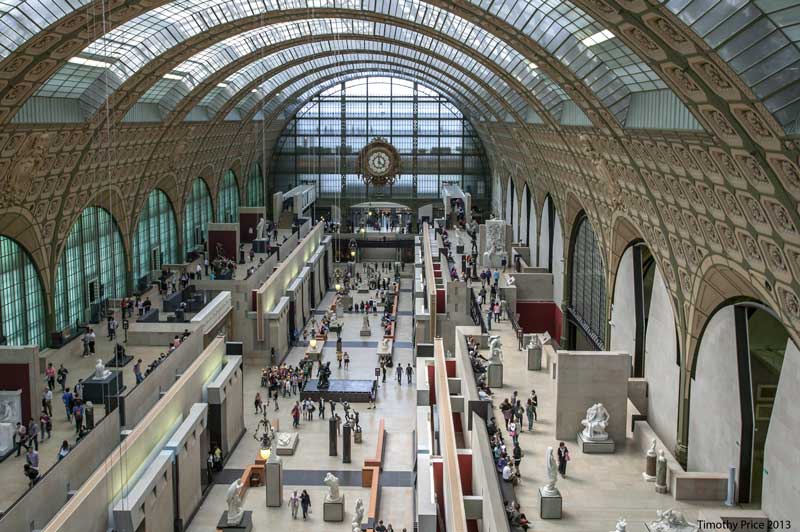
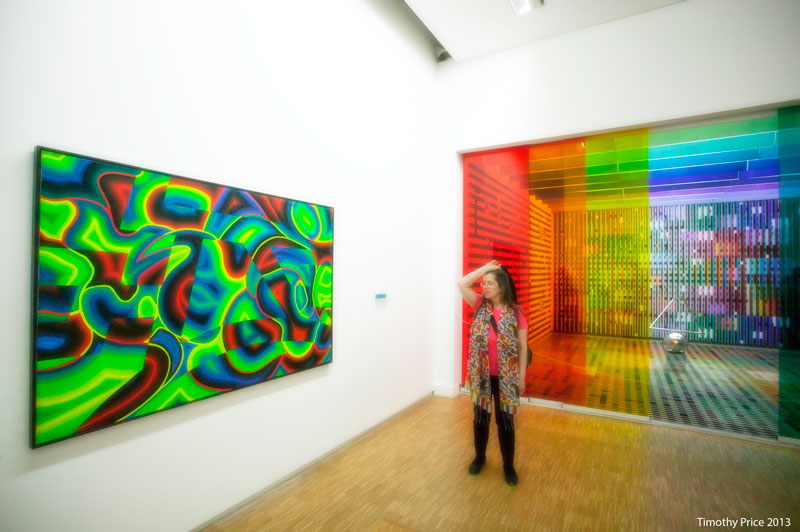
After the Louvre we went to the Musée l’Orsay, which is an old train station converted into a museum. Photographs are prohibited in the Orsay, but I managed to get a shot of the inside and the shot through the clock looking at the northern skyline of Paris. One commentator described train stations as being secular cathedrals to modernism with the clocks being their alters. In the evening we went to the Center Pompidou, and looked at the modern art. It’s interesting to go from the Louvre and Orsay’s formal, hands-off settings to the Pompidou’s modern, more interactive environment. You get a nice view of the Paris skyline from the Pompidou and the last photo with the Eiffel Tower in the distance is from the 4th level inside the Pompidou.

A18W9055

A18W9018

A18W9064

A18W9022

TheTalk

A18W9071

A18W9059

A18W9026

A18W9061

45CU6771

France Day 20 The Louvre

A18W8608

If you want to see a nice, close-up view of the Mona Lisa, look her up on-line or in an art book, because you can’t get a good look at her at the Louvre.

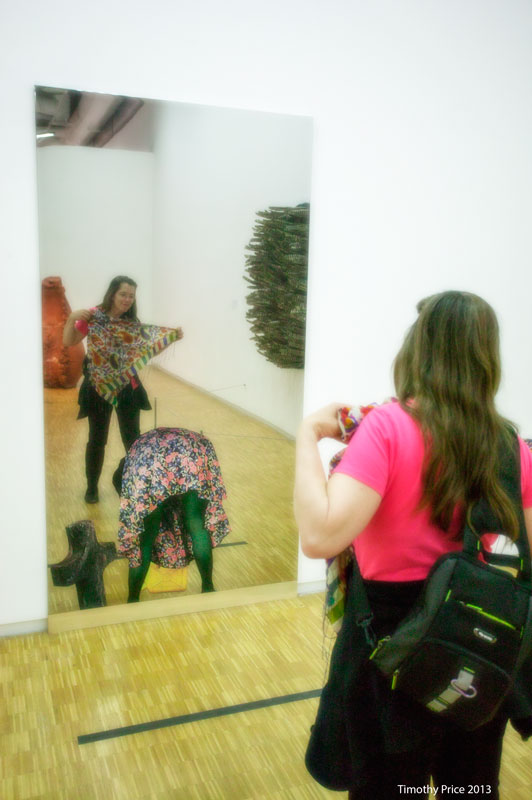
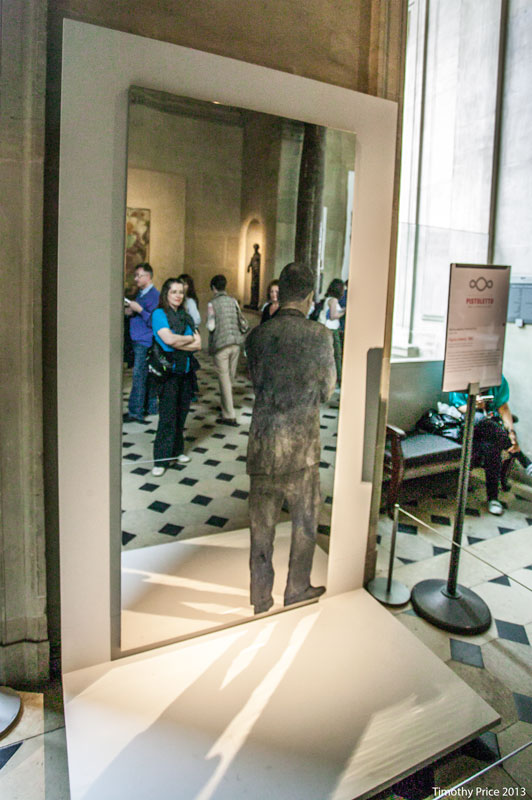
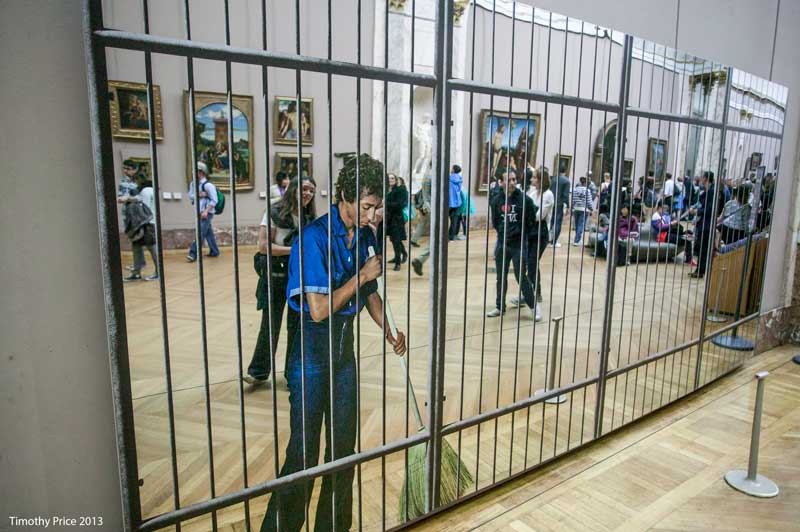
The Louvre has a current exhibit of a large-scale series of installations, encounters, theater performances and public activities by Italian artist Michelangelo Pistoletto (1933, Biella). The exhibit is titled Year 1: Earthly Paradise, and it marks “the transition into the new era of human, social, and cultural metamorphosis that was celebrated all over the world… The exhibition embodies three different time frames: the past, in the context of a retrospective; the present seen in the mirror works reflecting the visitors; and the future in a great obelisk topped with a triple loop, a symbol of this ongoing revolution. Thus the sign of the “third paradise” adorns the pyramid… Spirituality, figuration, the breaking down of boundaries between the arts, social solidarity, and the merging of life and art: these are the themes permeating the thinking of Michelangelo Pistoletto…”

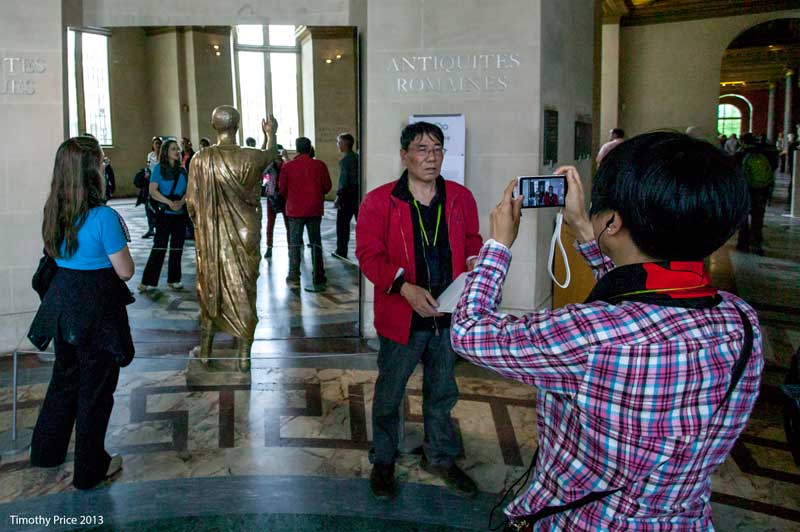
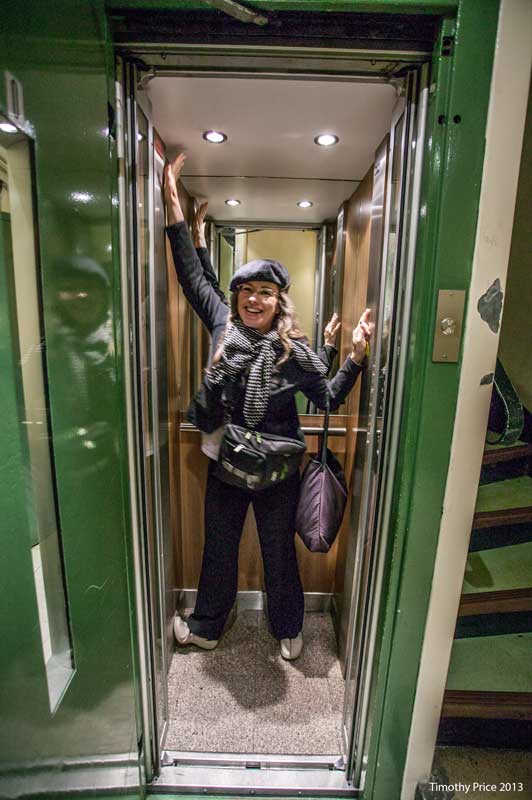
Every other photo in this set of photos is a photo of a Pistoletto installation. Most of these are from the mirror installations, but there were video installations where we were live in the video along with all the recorded video. One installation was neon in different languages in the medieval part of the Louvre and the last installation we saw was a room of mirrors. I also included a shot of Laurie in the tiny elevator in our building as it fit well with Pistoletto’s idea of past and present.

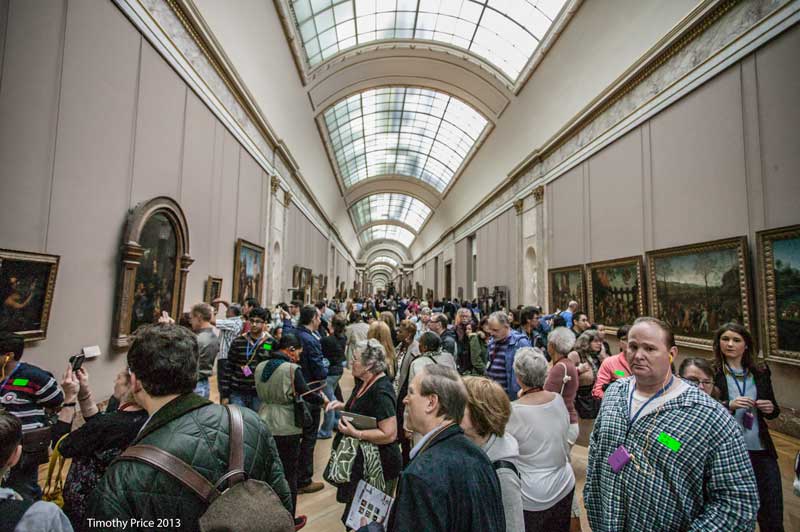
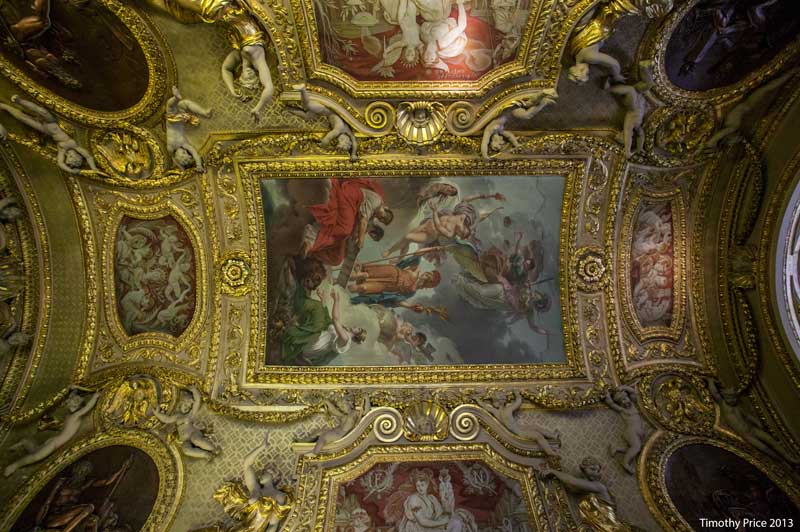
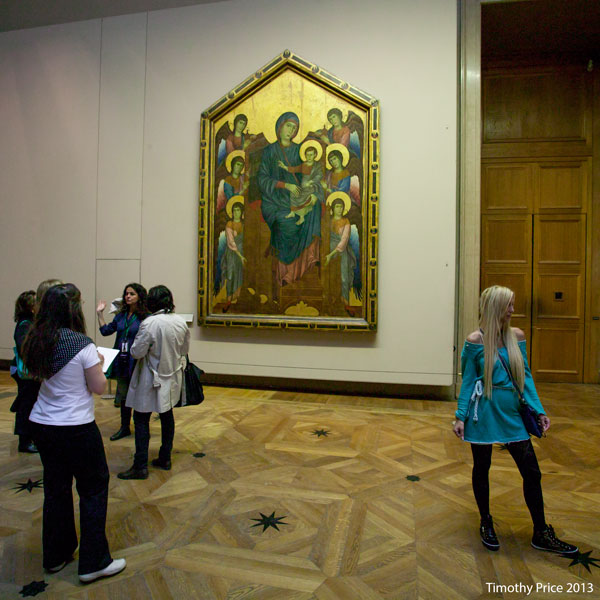
If you haven’t figured out that the Louvre is crowded, it is. It’s very difficult to get a photo of a painting without visitors in it, except for occasional breaks in the crowd and photographing ceilings. So I just view the crowd as part of the art experience.

We went to Handel’s opera Guilio Caesare last night. The orchestra used instruments from the period, which blended particularly well with the voices; the sets were monumental; the performers were fantastic. We were in a box seat slightly to the right of center stage on the first mezzanine level with 5 other people. The theater was packed. We arrived 40 minutes early, which allowed me to get some photos of the interior of the theater with my iPhone (last photo).

A18W8576

A18W8598

A18W8656

A18W8664

Pistoletto

Modanna

A18W8599

A18W8661

Pistoletto1

A18W8668

PhotoOfPhoto

Painting

A18W8623

A18W8638

A18W8625

A18W8631

A18W8601

Police

A18W8629

OperaHouse

France Day 17 Aix to Paris

AixEnProvence

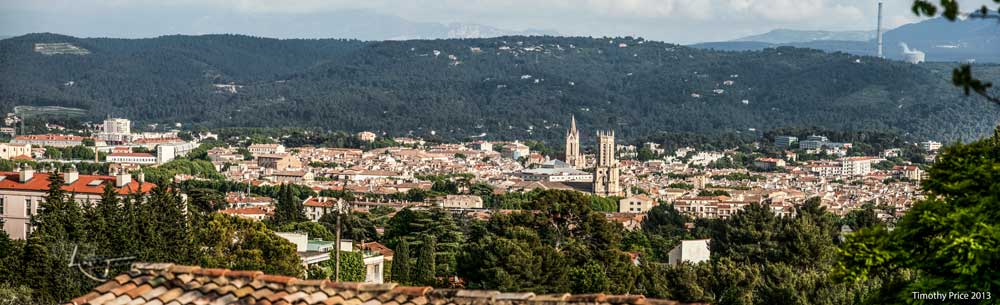
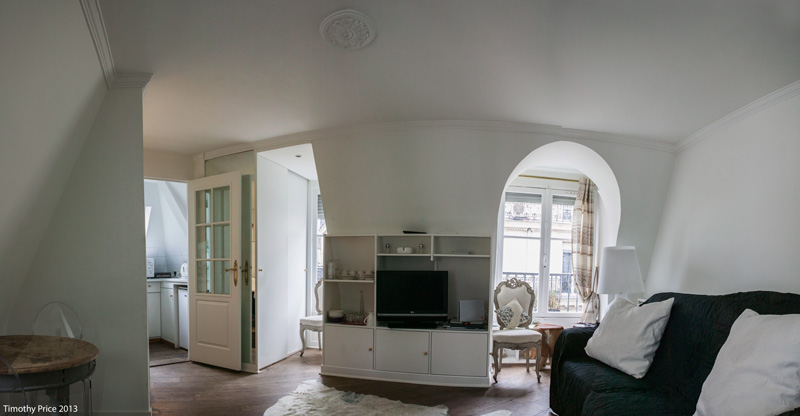
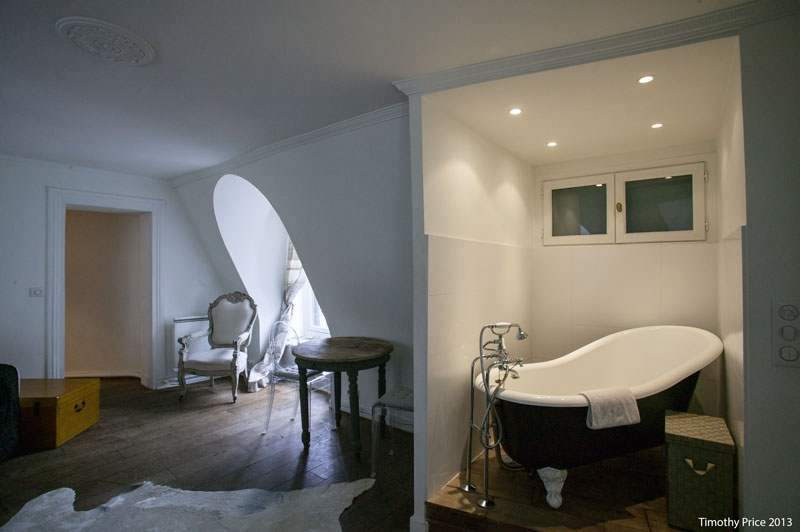
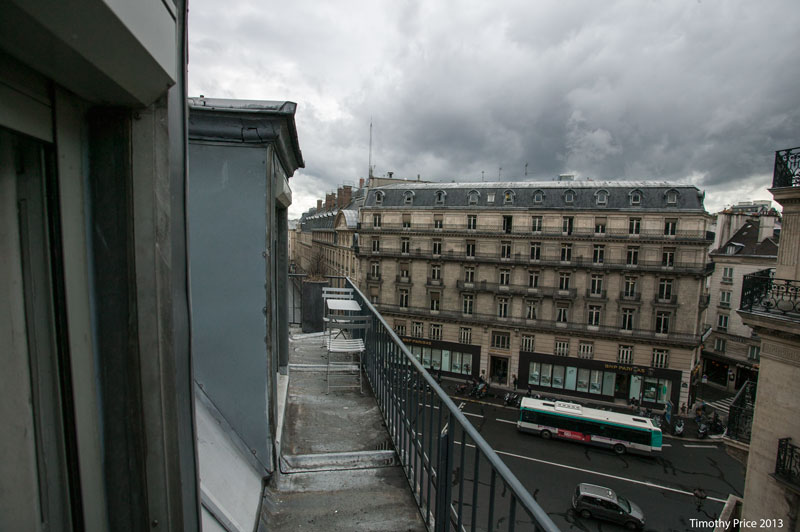
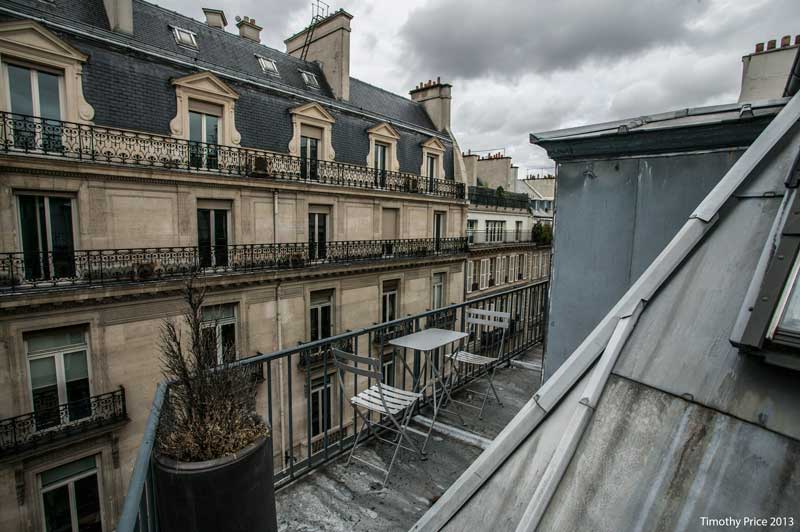
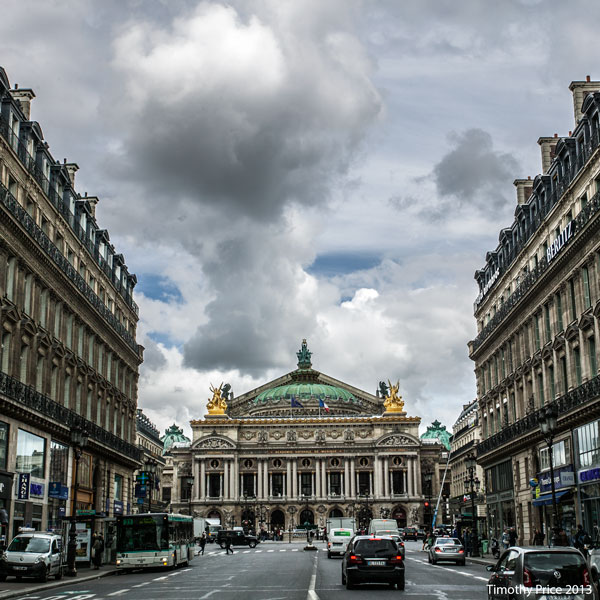
When we left Aix en Provence it was raining; it rained all the way to Paris, and when we came up out of the metro at Opera to go to the apartment we are renting, in was pouring rain. The first photo is a panorama of Aix viewed from up the hill from where we stayed. The second photo is a farm from the TGV traveling at 200 mph.  The rest of the photos are of the apartment we are renting for the rest of our stay in Paris. It’s on the fifth floor (sixth, American) of a building at the corner of Ave de l’Opera and Rue d’Antin in Bourse, in the 2nd arrondissement, a block from the Palais Garnier – Opéra national de Paris (last photo).

DSCF7305

Apartment2

A18W8213

A18W8219


A18W8220

A18W8214

A18W8217

Opera

France Day 13 The road to Avignon

A18W7463
Lourmarin

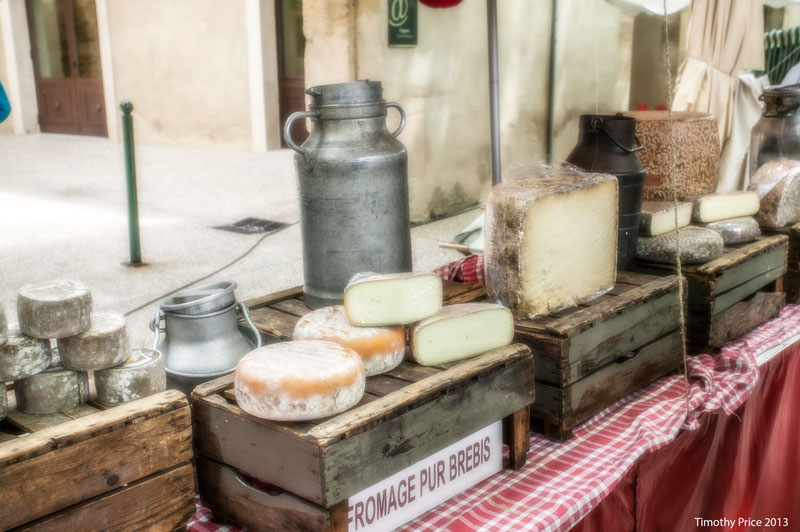
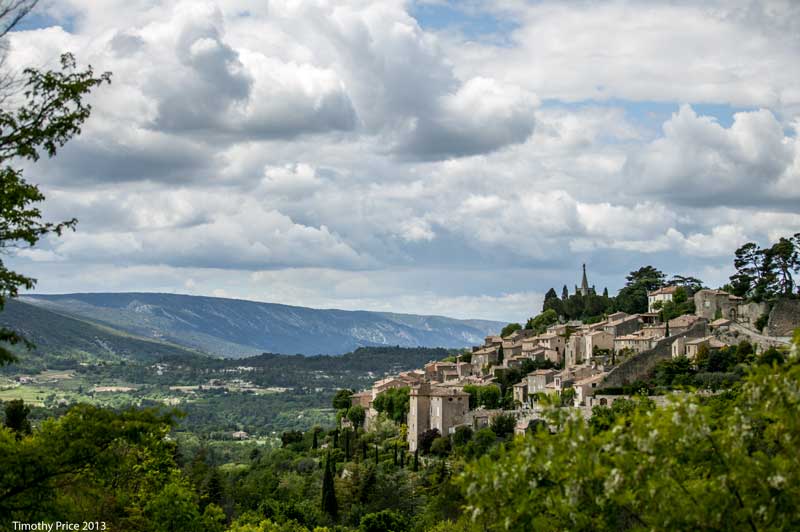
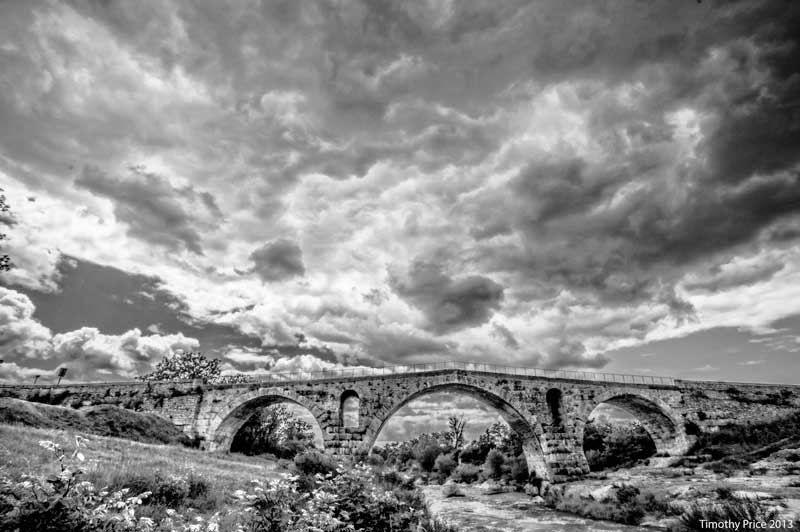
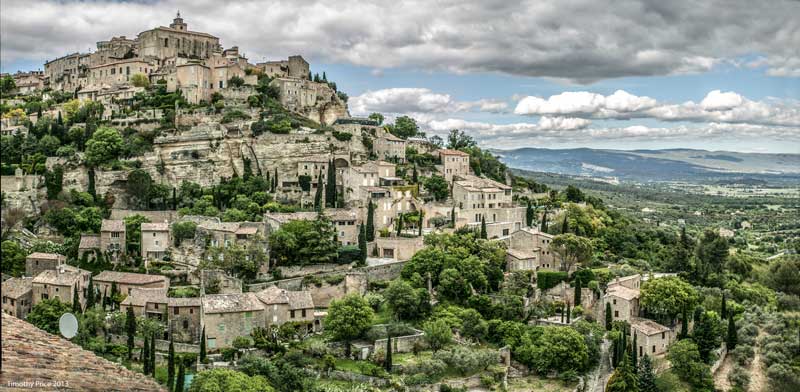
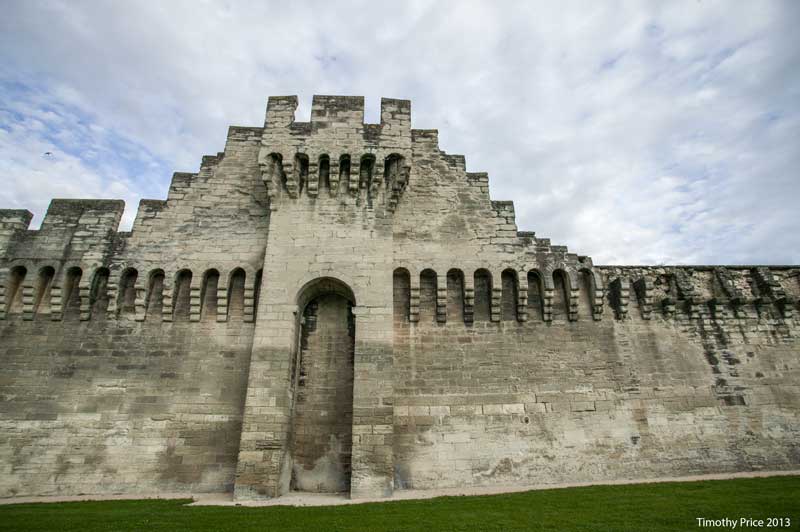
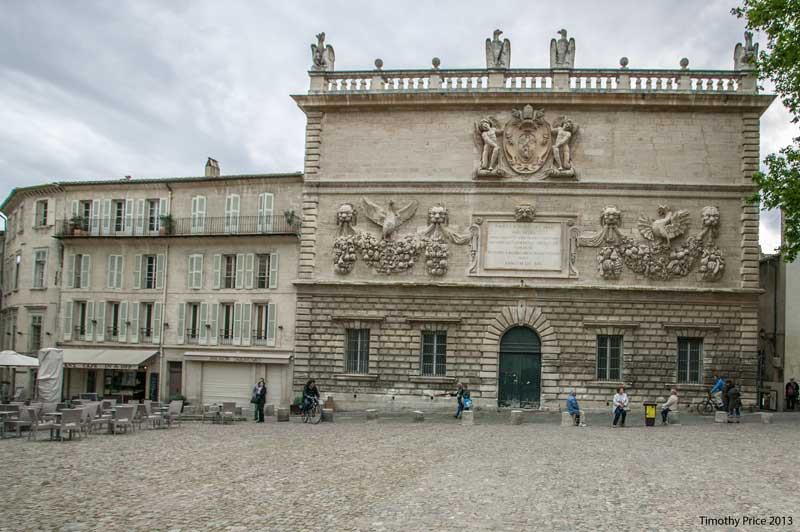
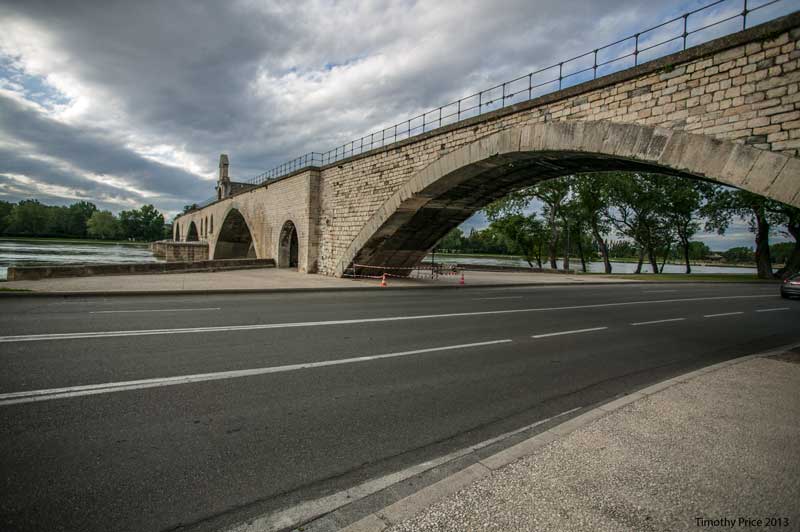
We took the long road to Avignon and visited the market at Lourmarin where we got cheese, meat and bread to eat along the way. The large, half round of cheese in the first photo is Cantal. We have a recipe that calls for cantal, but I couldn’t find it in Albuquerque. There is a castle in Lourmarin as well. Then we drove to Bonnieux, a picturesque 12th century village built on a hill. The photo with the church in the foreground shows Mont Ventoux in the background.  We passed by an old bridge that was probably either Visigoth or Roman on our way to Roussillon. There is a similar bridge in northern Spain that is Visigoth. Roussillon is painted with the red and yellow pigments they make from the soil in the area. We ate lunch on a bench in an area protected from the wind and watched the light change on Mont Ventoux in the distance. You can tour the valley and the operation for making the pigments, but it was cold and windy so we didn’t do the tour. Gordes is an amazingly beautiful village built on and in the rocks on the side of a hill. After Gordes we visited Fontaine du Vaucluse, which is a headwater, but instead of a trickle of water from a melting snow pack that eventually turns into a river, Fontaine du Vaucluse produces volumes of water gushing from a spring. Parking was expensive, so we didn’t stop and get photos. After almost seven hours visiting , we made it to Avignon. Avignon is a large city, so it takes a bit of driving to get to the old city still surrounded by a wall. The Papal Palace is quite an imposing structure, a very well fortified building.

45CU5912
Lourmarin
45CU5937
Bonnieux
45CU5959
Bonnieux
45CU5963
Bonnieux
A18W7625
Between Bonnieux and Roussillon
A18W7685
Roussillon
A18W7667
Roussillon
Gordes
Gordes
A18W7792
Avignon
PapalPalaceFront
Avignon
OrnateBuilding
Avignon
PapalPalacesv
Avignon
A18W7784
Avignon

France Day 6 Aix en Provence

RotondFoutain

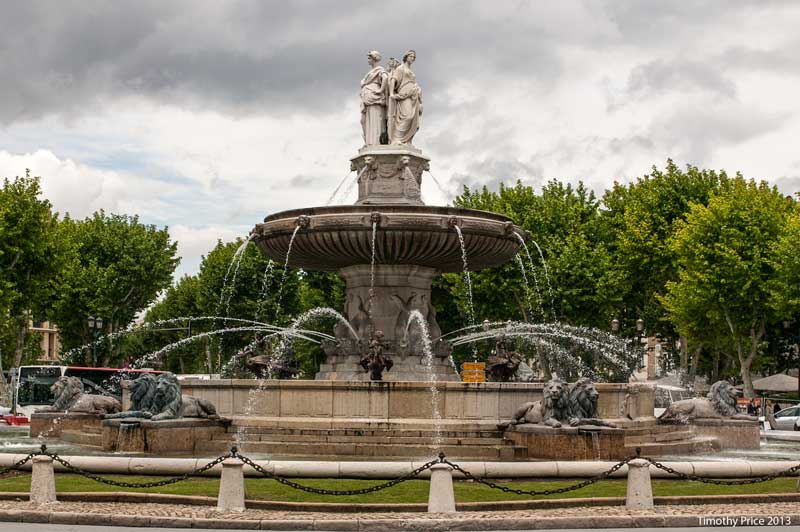
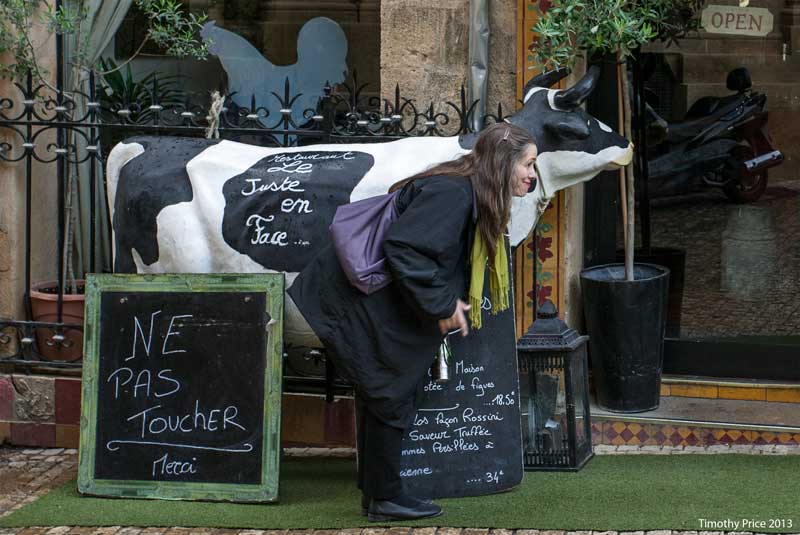
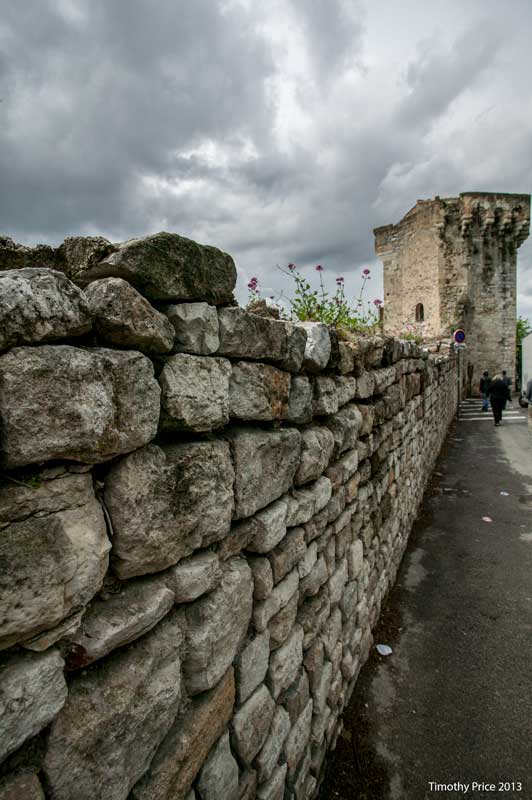
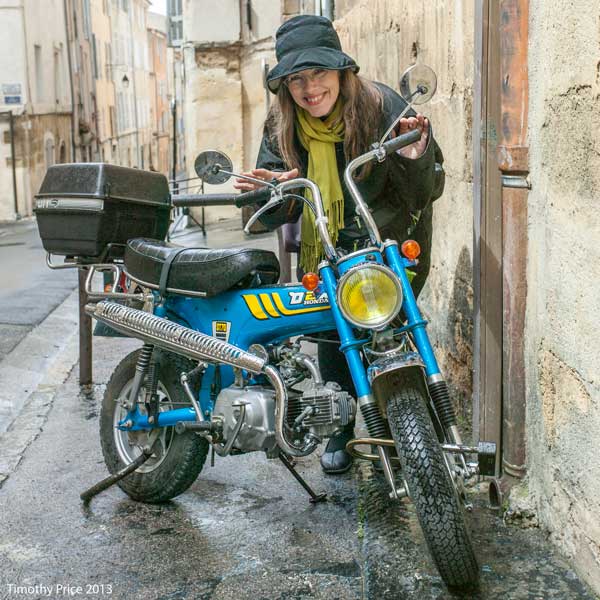
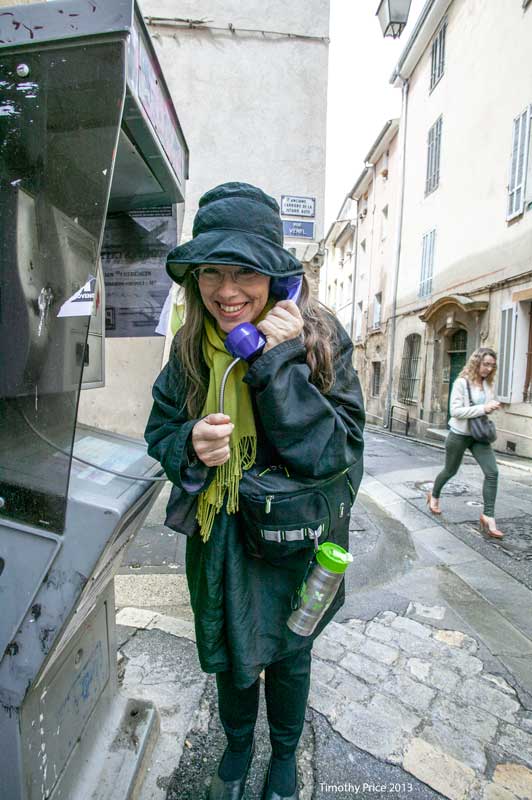
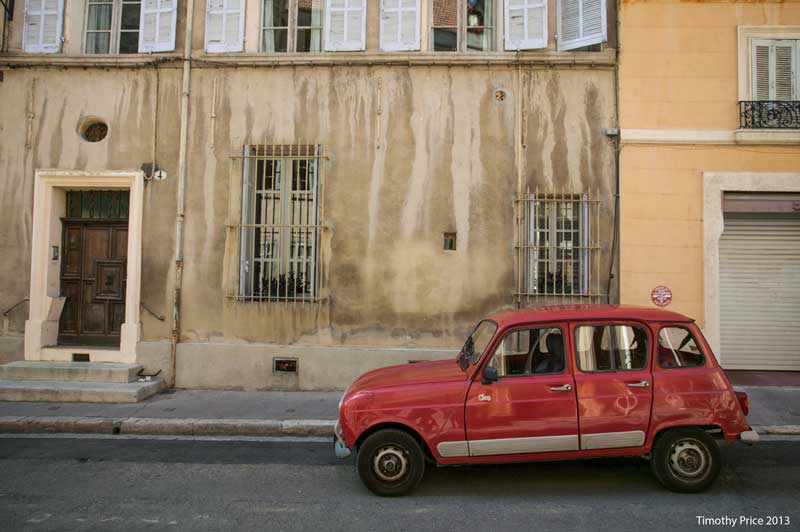
I think this may be the most photos I’ve ever posted at one time. The photos are a random set of Aix en Provence which has a lot of old stuff — remnants of Roman baths, a part of the medieval wall, 13th Century churches, churches built on churches that have baptistries that go back to 800 — and modern old stuff alike — Honda 70 trail bikes, phone booths and Renault 4 GTLs.  You probably would have figured it out from the photos that Aix has lots and lots of fountains, and the old city that was originally inside the walls has a lot of narrow winding streets.

The activities yesterday were a walking tour of Aix, visiting an art gallery and the cooking classes. After visiting the art gallery, and while we were waiting for to go to the cooing class, Laurie and I visited the St Jean de Malte church, which was built between 1270-80 by the Nights Hospitaliers. We visited with a woman from Brazil who sings in the coral group and she gave us the schedule for the Pentecost services for the main Cathedral in Aix and at St Jean de Malte — she said both will have special music.

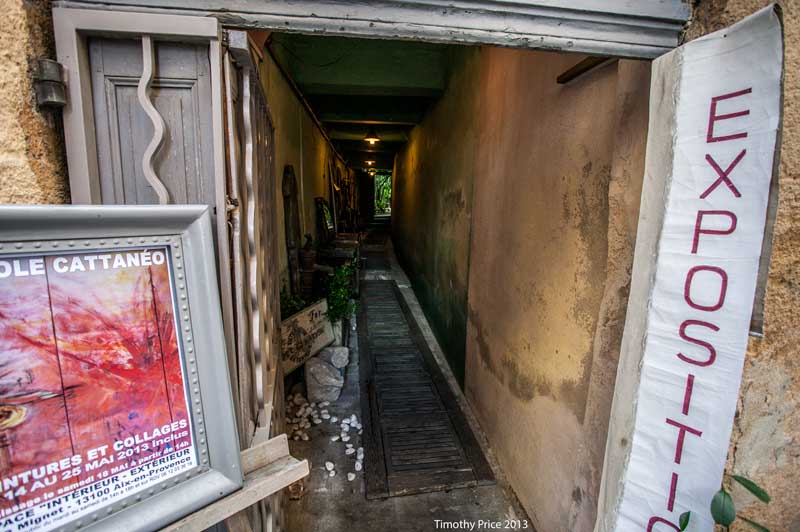
On our way to the cooking class I noticed a doorway open with an exhibition sign at the opening. We walked through the tunnel into a yard with bamboo and other stuff in the yard stuff. We felt a little strange at first, because we were in a private yard,  but there was a little shack with paintings. The owner came out and told us about the painter, whose 70 years old, and he and Laurie discussed the artwork. We talked a little bit about life in general, and then he invited us to go back this afternoon to meet the artist and have a drink with her.  We’ve only been in Aix a little over a day and we already have social activities outside of class activities.

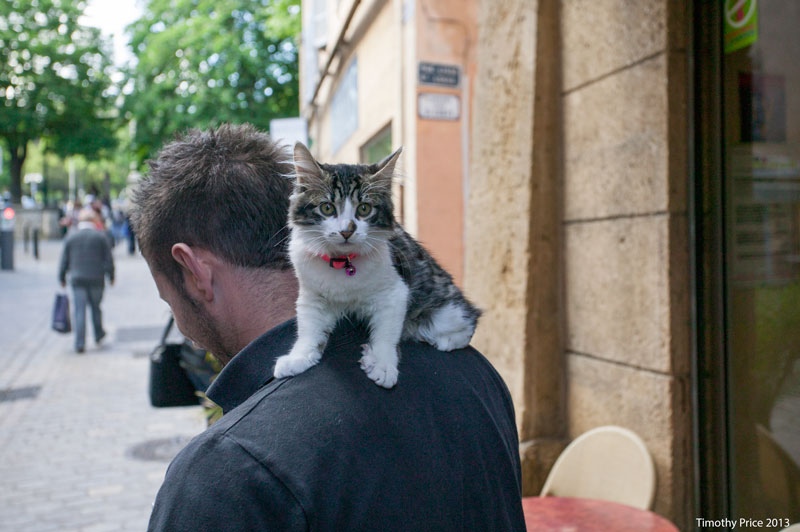
As we continued on our way to cooking class, we came across a guy outside a bar with a kitten on his shoulder. The little kitty was really soft and cute.

A18W6060

DontTouch

A18W6318

A18W6067

Honda70

A18W6173

A18W6116

A18W6174

A18W6227

A18W6314

DolphinsFountain

A18W6337

A18W6360

A18W6369

France Day 5 Travel to Provence

DSCF7178

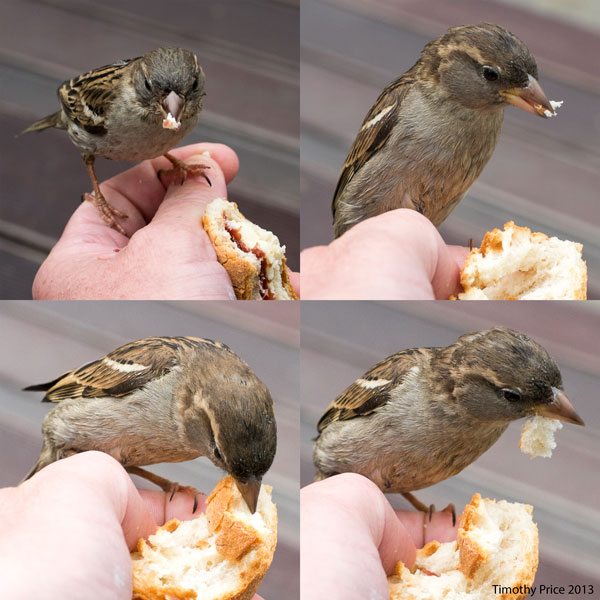
Laurie and I got to Notre Dame at 8:00 am, right after it opened, listened to mass, and then looked at the exhibits behind the altar area. The French government restored the pipe organ and the bells for the 850th anniversary, and the exhibit noted that renowned musicians play the pipe organ on Sundays. They also have concerts at Notre Dame, so we are planning on attending a concert and going on a Sunday to listen to the organ when we return to Paris at the end of the month. After mass and exploring a little more of the church, we sat out on the bleachers and ate bocadillos for breakfast before we had to go back to the hotel and collect our luggage to catch the train to Provence. Since there were few tourists sitting on the bleachers that early, the sparrows mobbed us to get our bread. They were quite aggressive little beasts, and I think they would have preferred to have eaten us if they were big enough.

Getting mob of 20 students plus a few parents and a kid to the TGV (high speed train) on time proved to be quite challenging, as we all barely got on the train before it left, and three people managed to get on the wrong train, but fortunately the two trains were attached and stayed together until we got to Aix en Provence.

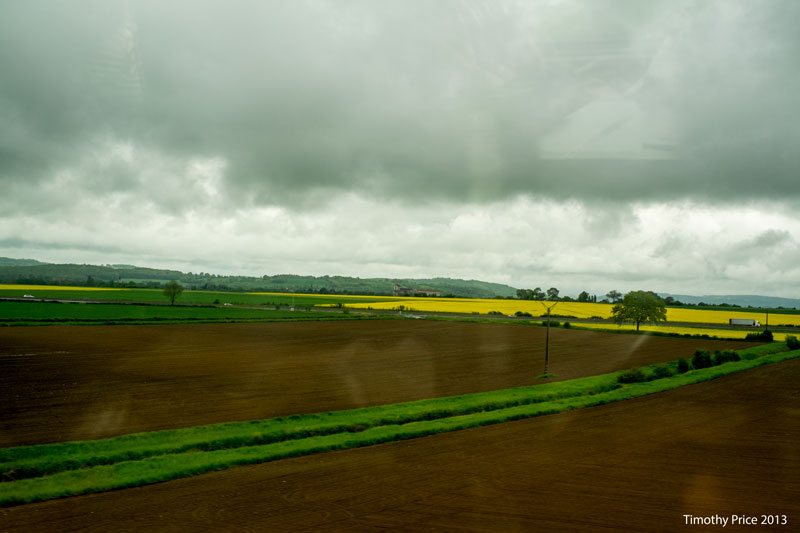
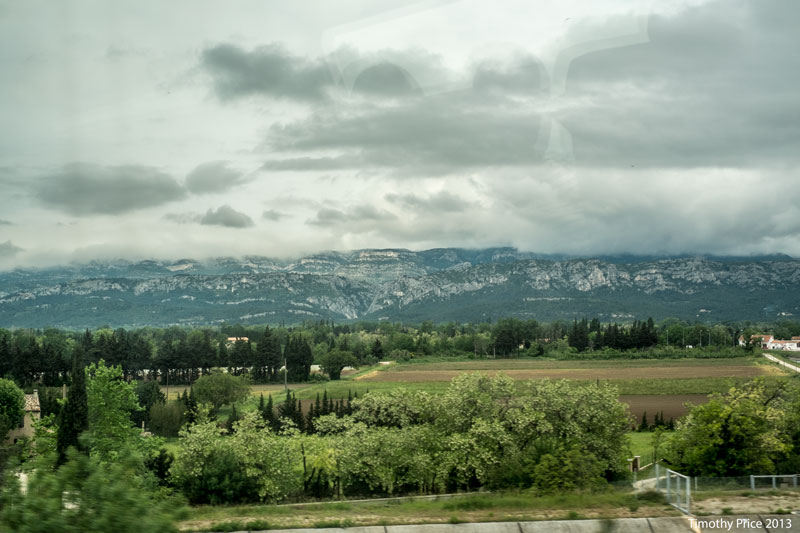
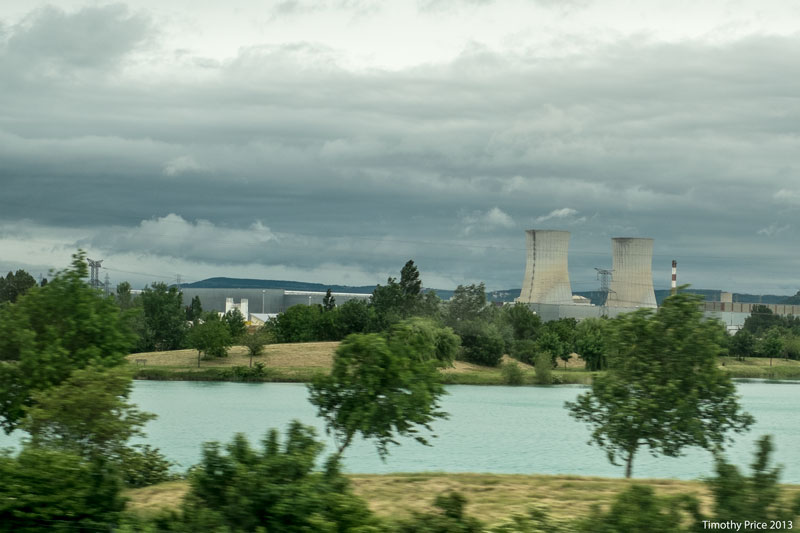
The countryside was covered with green fields punctuated by fields of yellow Colza flowers (used for canola oil) and a few brown fields waiting to be planted most of the way to Provence. Low clouds hung in the sky all the way to Aix with the atmosphere below the clouds alternating between clear and mist. The landscape became drier and rockier the further south we went, but it was still much greener and wetter than New Mexico.
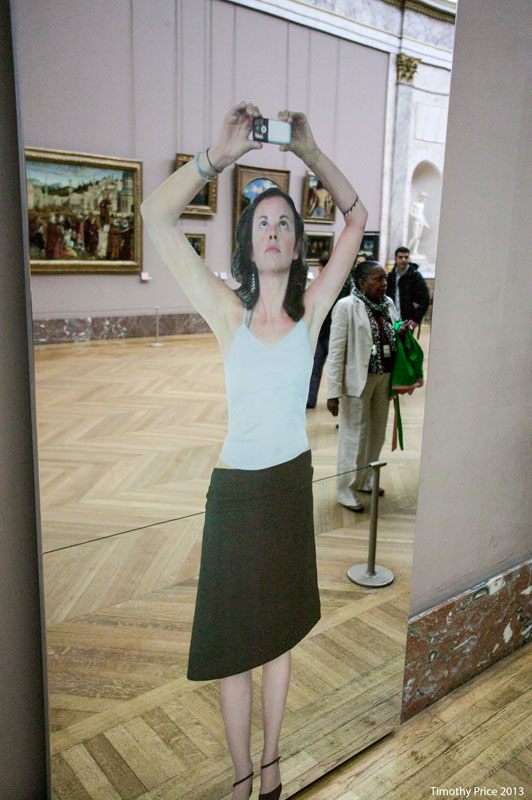
We are staying with a family in a large house on the northern edge of Aix en Provence.  Sophie, the hostess, is a native of Aix, but has lived in England with her Husband Paul. She has one daughter living at home, a couple of other students who go back to the States on Wednesday and a dog name Lilly, who insists that I throw a ball for her and give her lots of attention.

We are starting on classwork this morning and our first cooking class is this evening.

ABirdInHand

ColzaFields

DSCF7220

HouseInFields

MedievalCity

DSCF7264

NuclearPlant

DSCF7263

France Day 1 — Paris

DSCF7059

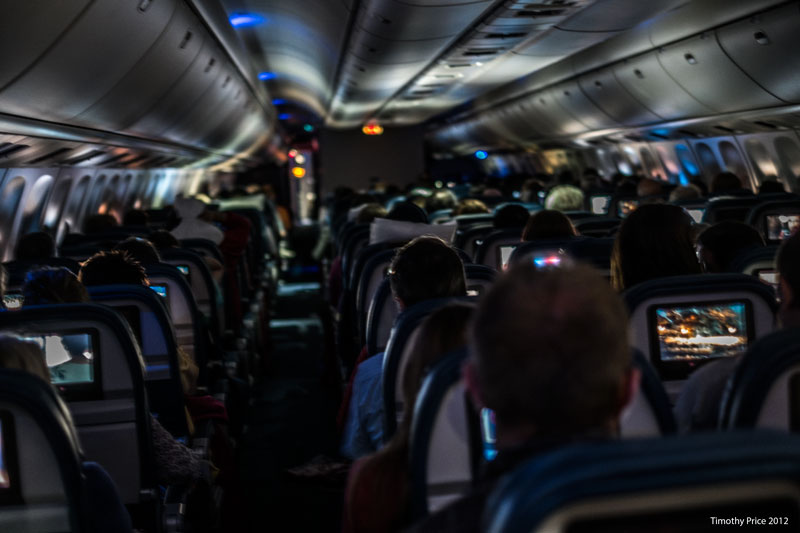
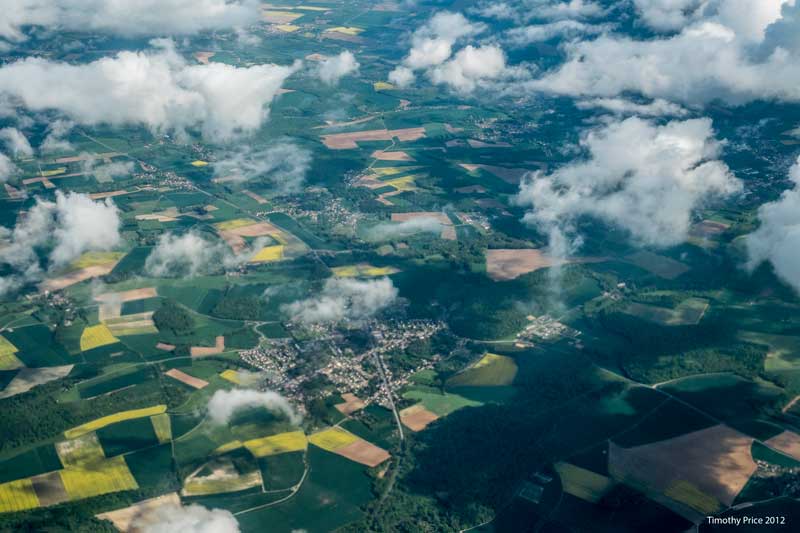
We didn’t sleep a wink on the flight from Salt Lake City to Paris, so if parts of today’s blog doesn’t make sense, it’s because I haven’t slept in in past 40 hours. I don’t think many did by the number of monitors of at around 5:00 am. There was darkness then cloud cover over the Atlantic and England, but the clouds started to breakup along France’s shoreline, and the there was green and yellow farmland up to and surrounding the airport.
Our plane landed about 20 minutes early, but we ended up getting off the plane about 45 minutes later because there was a problem at our gate, so the tower sent our plane to back to the remote unloading area, but then either solved the problem at the original gate or got us another gate close the the original, because the pilot taxied the lane across the the airport again before docking the plane and allowing us to get off. So we were among the late arrivals.
The class met outside the Hotel at 2:30 and we all followed our professor as he lead us on our way to lunch. When we got to the spot where the restaurant used to be, it wasn’t there, a gift/luggage shop was in its place, so we headed for a Greek, Gyros place for lunch/dinner.

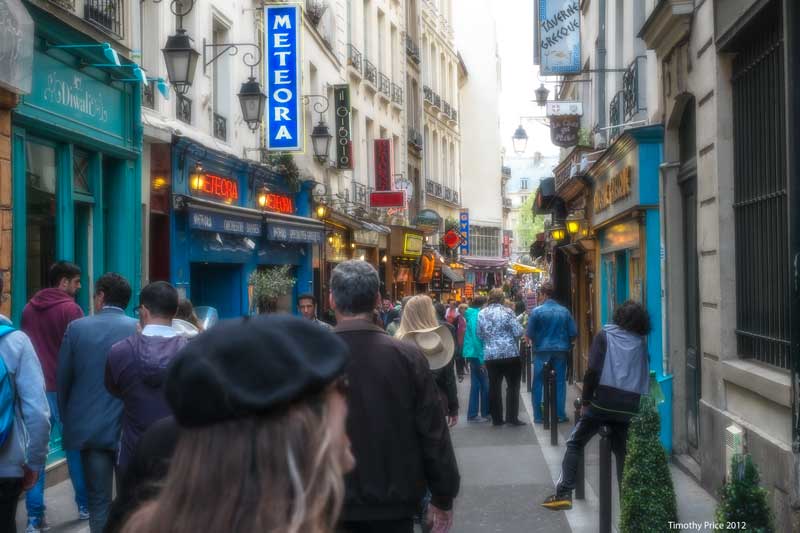
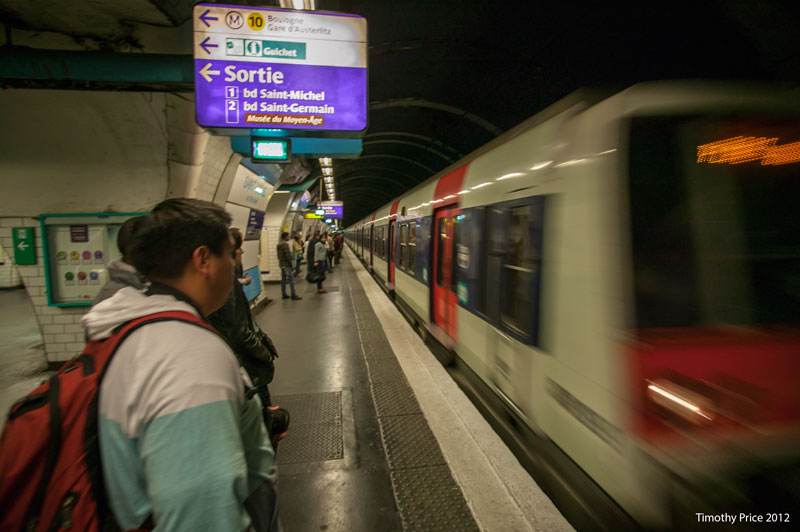
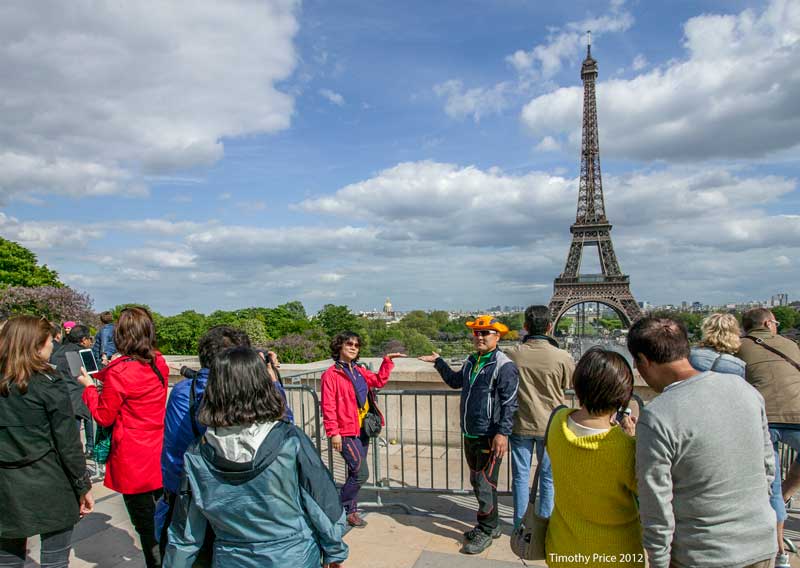
After we ate we headed to the Eiffel Tower, via the long RER and Metro route. Part of the long route was metro seasoning for the students, but it also put us out at the top of the park, with a full view of the tower. It’s impressive, but the really fun part of photographing the Eiffel Tower is photographing other tourists photographing each other doing silly things in front of the Eiffel Tower. Most of us climbed the stairs up to the 2nd level of the tower, but the had the top closed because of wind when we got the tickets to climb the stairs, so no one in the class got the the top.

Before we climbed the steps, the professor gave each student a metro ticket and left us — our assignment was to make it back to the hotel  without his help either by ourselves or in groups.

DSCF7067

DSCF7083

A18W4941

A18W4962

TouirstsAtEiffel

A18W5027

Chocolate Birthday Cake


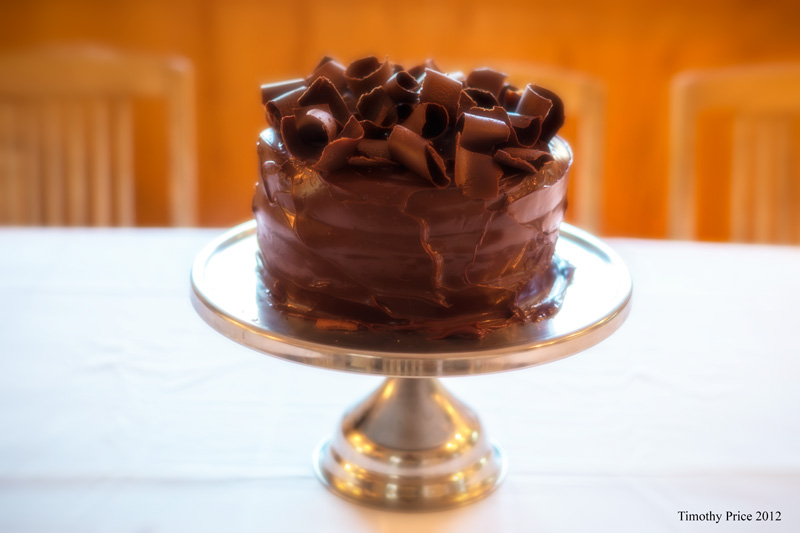
October is the birthday month for our family. Laurie made a chocolate honey ganache layer cake to celebrate Tristan’s and my birthday. It has mild honey, coffee and rum. She made the cake a couple of days ahead so the flavors can “develop,” as the recipe puts it. On Thursday evening when I got home the house smelled wonderful. After we eat bistro beef for dinner, we will get to try the cake.