Espresso Fino

A18W0630

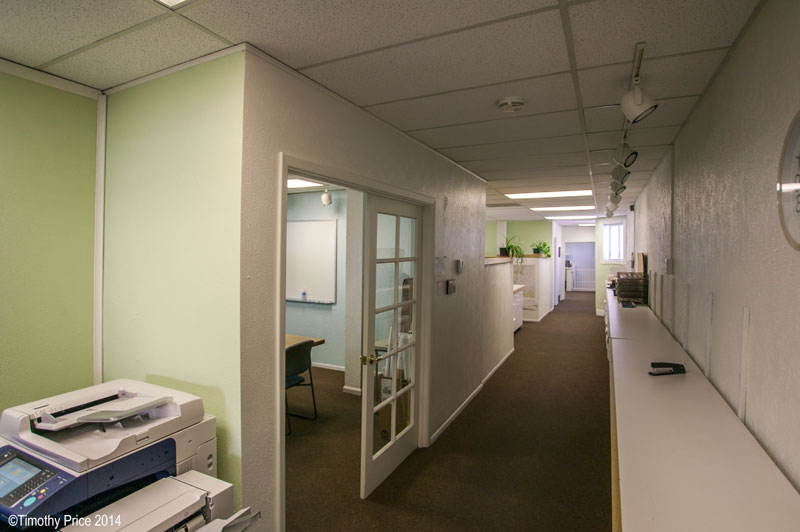
Espresso Fino opened at 222 Gold Ave, SW in Downtown Albuquerque right next door to our office. Owned and operated by Greg with his lovely daughter Nina, and handsome son Pablo (not pictured), Espresso Fino offers fine espresso coffee using organic beans. The shop has a brand new Nouva Simonelli 4 group Aurelia II espresso maker that is as bright and shiny as a fine mirror. They also offer pastries from Le Café Miche (two doors down on the corner of 3rd and Gold), breakfast burritos, and they will soon offer goodies from the New Mexico Pie Company.

Greg is former furniture craftsman from Taos, New Mexico, who has operated two other coffee shops in Taos over the past six years. Now that Greg and his family are offering their espresso making skills on Gold Street, be sure to stop in and try out their coffee.

A18W0621


A18W0624


A18W0635


A18W0625


A18W0633


A18W0626


A18W0637


Infidel Lumberjack


IMG_1618

Since we are having branches that have been piling up around the property for the past couple of years chipped, I finally got around to cutting down an old, diseased peach tree that we are not going to irrigate this season because of water restrictions. I was going to cut down the tree with a chainsaw, but the chain come off sawing on the first branch. Since it’s a real pain to put the chain back on the chainsaw, I got a bow saw and discovered I could saw through the branches very quickly, and had the tree cut down by hand in 30 minutes — not much longer than it would have taken me to put the chain back on the chainsaw once I gathered up all the tools and got the chain back on and adjusted properly. Whenever I cut down trees, I can’t help thinking about Monty Python’s “Lumberjack Song.”

Laurie put the finishing touches on the catio, including trying to clean the calcium carbonate from water seeping out of the swamp cooler over the years. She was really cute scraping on the glass. The last photo shows the finished catio. The large box leaning against the bonsai shelves has my darkroom sink in it.

IMG_1613


IMG_1612


IMG_1606


DSCF9642


DSCF9643


DSCF9644


DSCF9648


A18W0620

Thérèse of Lisieux

45CU2515

We went to A Lenten Penitential Prayer Concert. A Dedication to Our Lady of Sorrows presented by the Albuquerque All City Women’s Catholic Liturgical Choir at St. Thérèse and the Infant Jesus Catholic Church last night. The concert included a service with the Stations of the Cross — the first time I’ve attended a service with the stations of the the cross. After the concert I was talking to Father Vincent who gave me the history of the church. Built in 1954, St. Thérèse and the Infant Jesus Catholic Church just happens to be one of four shrines in the world for Thérèse of Lisieux. The full name of the of the church is the Shrine of the Little Flower, St. Thérèse and the Infant Jesus Catholic Church. 

I learned that they have some of the bones of St. Thérèse in the marble under the statue in the first photo, in marble at the main alter, and a bone fragment in a small gold reliquary the priest takes out of its nook to venerate St. Thérèse. They also have rare statues of her, and various other relics such as her choir robe. One of the first priests at the church was French and he designed the stained glass and statuary  — he had the stained glass made in France and the statues carved by craftsmen in the Italian Alps. Father Vincent said the Church cost over $3 million dollars to build in 1954, and he was estimating it would cost about $18 million to build today. I looked around at the quality of the construction, the marble, stained glass and statuary, and told him that from my experience with construction costs, I thought it would cost around $30 million to build church like it today.

St. Thérèse was a French Carmelite nun who died of tuberculosis at the age of 24 in 1897. known as “The Little Flower”, Roman Catholics love her for what’s considered the simplicity and practicality of her approach to a spiritual life. St. Thérèse was beatified in 1923, and canonized in 1925. She was named co-patron of France with Joan of Arc in 1944, and Pope John Paul II made her the 33rd Doctor of the Church in 1997. A collection of her autobiographical manuscripts called “The Story of a Soul” became very popular in the early 1900’s, which ended up making her one of the most popular saints in the 20th century.

45CU2518

45CU2510

Breakfast on the Run

DSCF9313

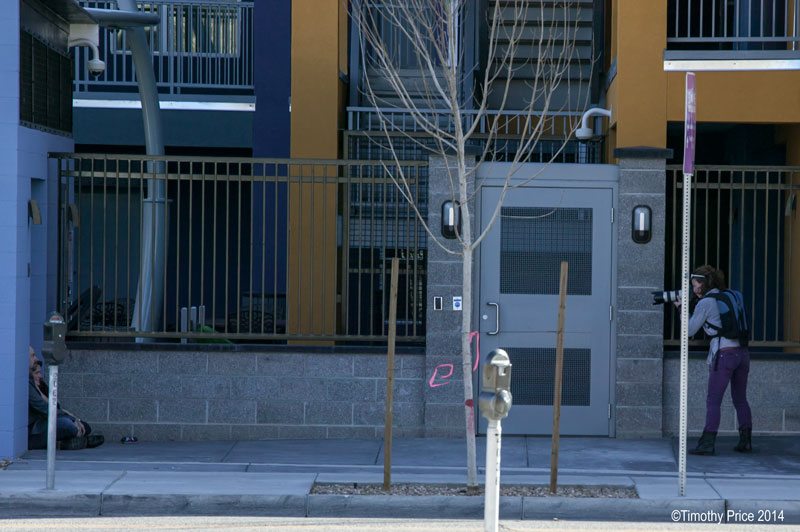
As there is a lot of chance on the outcome of drive-by photos — my camera focused on the buildings instead of the cyclist eating a breakfast burrito while peddling into oncoming traffic on 2nd Street. He was a good rider — he held a straight line as he peddled along with no hands. He seemed to be an interesting character and fashion statement, as well, with his dreadlocks coiled up on top of his head, full beard, bandana around is neck tucked into a dark hoodie, messenger bag, dirty kakis, and cool shades.

Catio Concrete

45CU2424

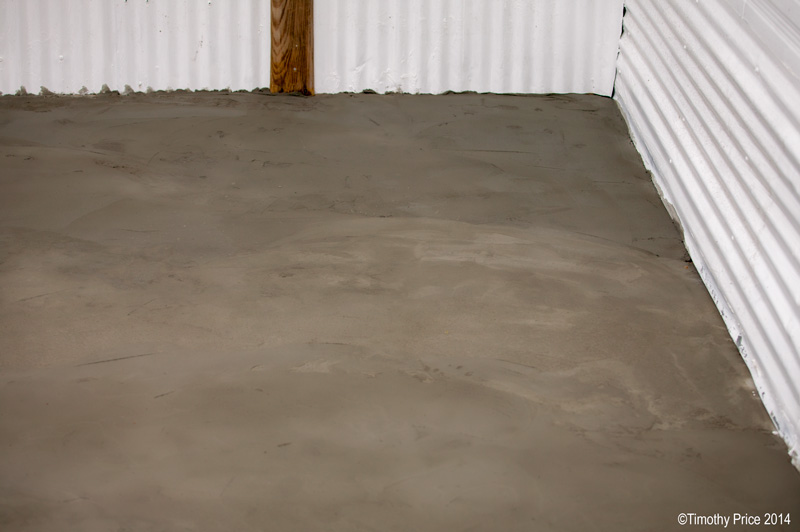
It’s not really concrete, but a cement top coat used for refinishing concrete surfaces. The refinishing cement is really intended for fairly smooth slabs, but the slab in the catio is very rough concrete, so getting a really smooth top coat didn’t happen.

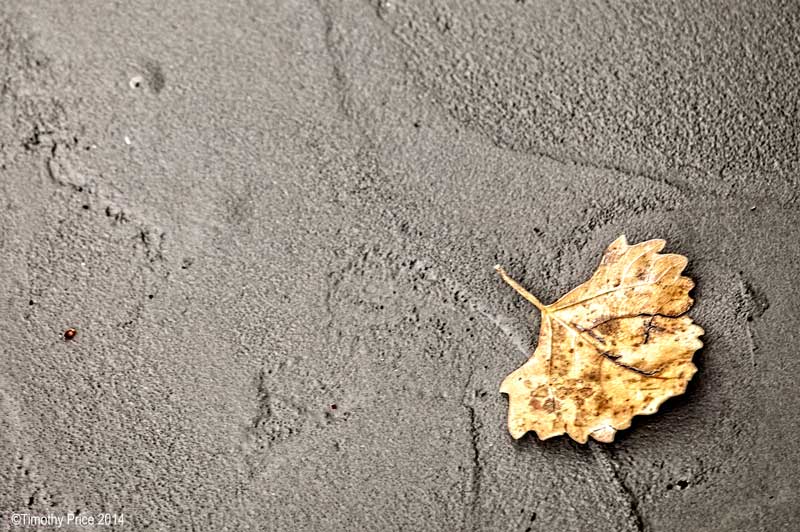
A lone leaf decided it needed to break in the new cement floor, since I have the cats locked out of the catio while the cement cures. In the second photo, there are three dominant shades of gray. I mixed the first batch of cement following the instructions exactly, and the mixture ended up being too thick, so while it poured out of the bucket, it started setting up almost immediately, making it difficult to spread, and almost impossible to smooth as per the instructions (it’s the darkest shade of gray along the back wall).

I made the second batch soupier than the first, but I got it a little too soupy, so it spread thinner than I wanted it to (lighter shade of gray in the middle). On the third batch I got the mixture figured out so it spread well at the thickness I needed, and I was able to get it a little smoother (middle shade of gray in the foreground). I used the same mixture for the the next 8 batches needed to cover the entire slab. I also ended up spreading and smoothing the cement on my hands and knees with a hand trowel. Our air is so dry here, that even the wetter mixtures started setting up as soon as I poured them out of the bucket, making it difficult to spread with the 18 inch-wide cement spreader the instructions suggested I use.

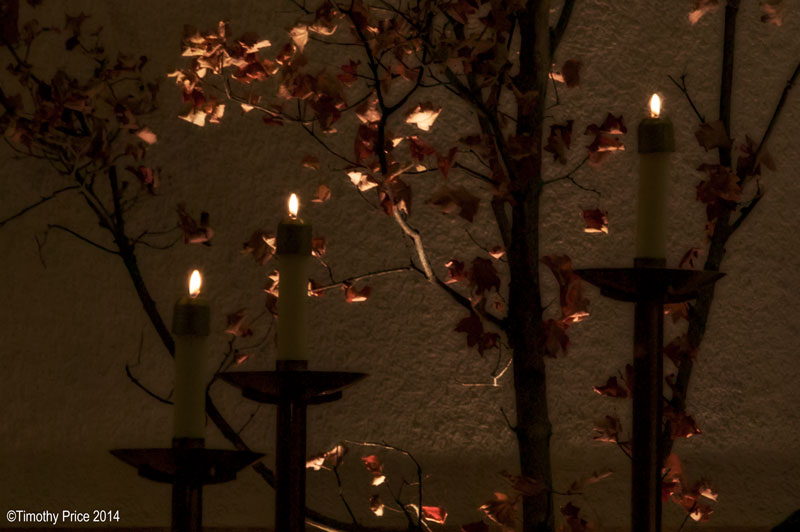
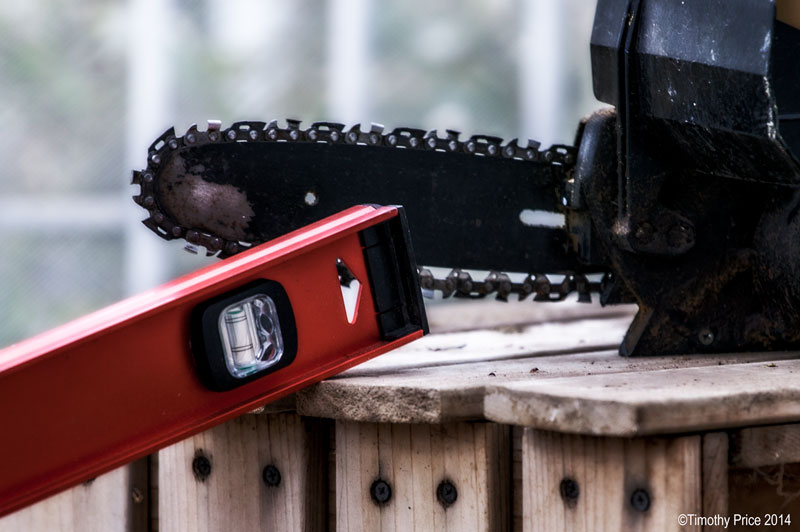
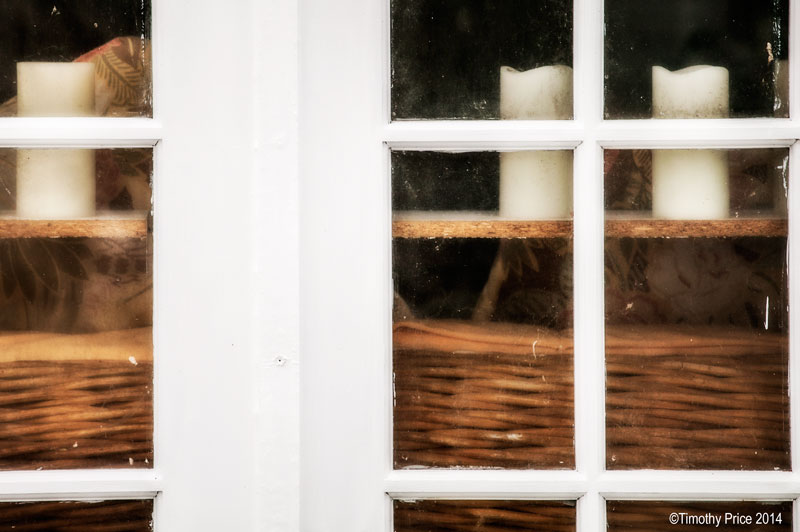
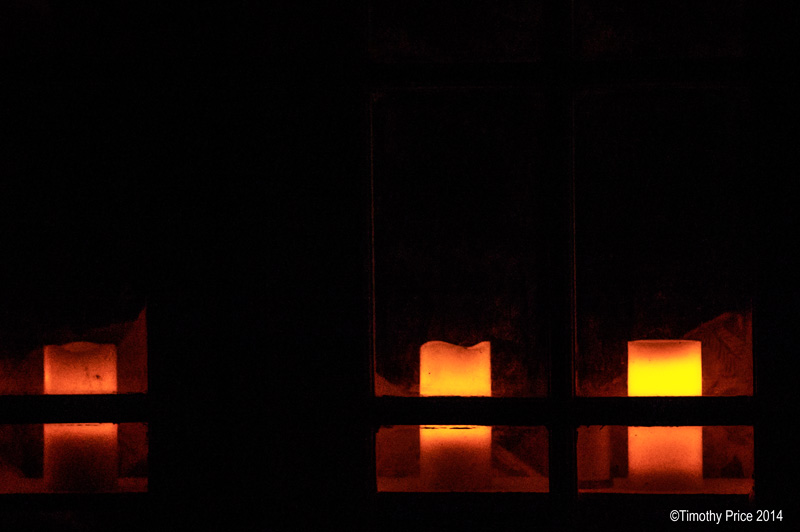
While I was photographing the new floor, I noticed my little chainsaw and level on a bonsai shelf made a nice composition. The last two photos are the candles we have behind the couch in the sunroom unlit and lit.
45CU2427


45CU2429


45CU2428


45CU2432


Wet Spot

DSCF9077

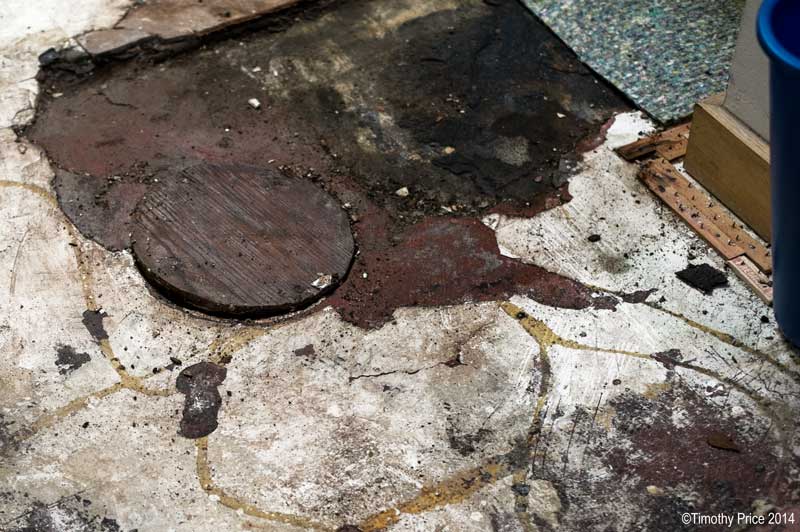
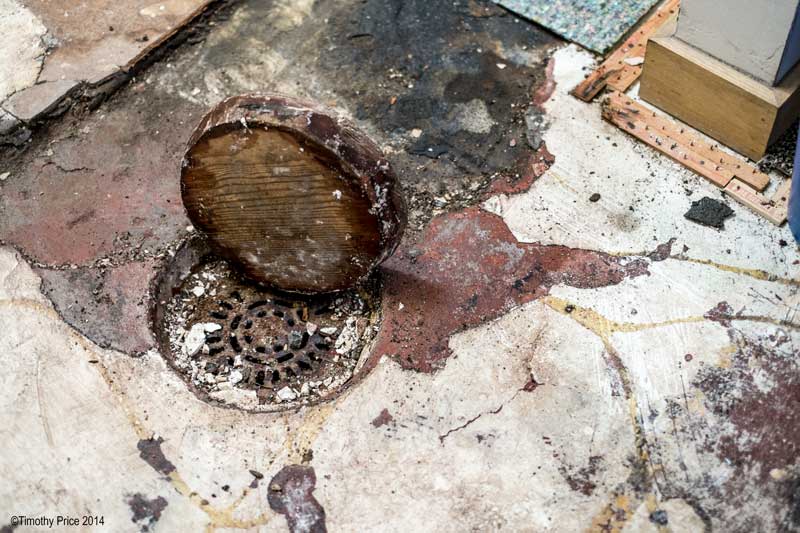
There was a wet spot on the carpet in the office this morning, but no signs of a leak in the ceiling. As the wet spot spread, we finally pulled up the carpet to find a combination of plaster, spackling, and 1/4 in masonite on the slab. I started pulling up the wet masonite and chipping up the moist spackling and discovered a 2 inch piece of pine that had been cut into a circle to cover a drain in the floor. We were speculating a sewer line froze and water backed up through the old drain, but then we noticed that while the top of the pine was soaking wet, the underside of the pine was dry, which suggested that the water did not come up through the old drain. I continued to chip back the plaster and spackling until I found dry edges all around the wet spot. The source of the water remains a mystery among puzzling evidence, but we’ll see if we have standing water on the chipped up floor in the morning.
DSCF9080


DSCF9082