
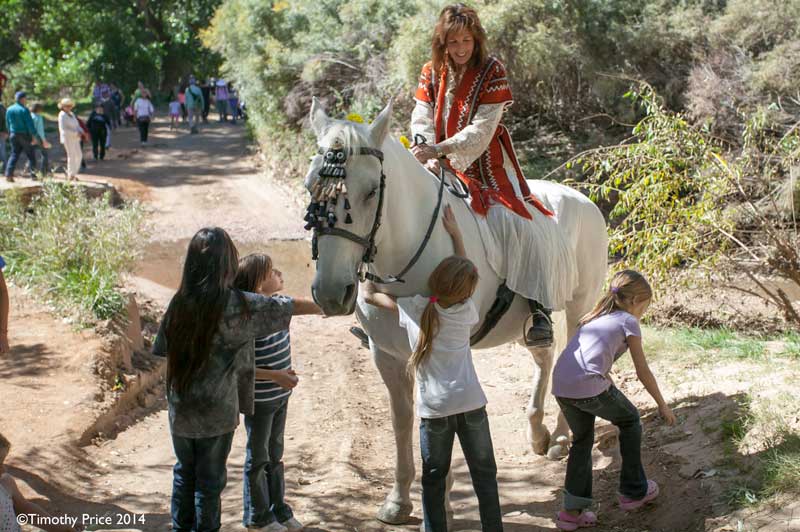
Visitors and Volunteers at Ranchos de las Golodrinas.


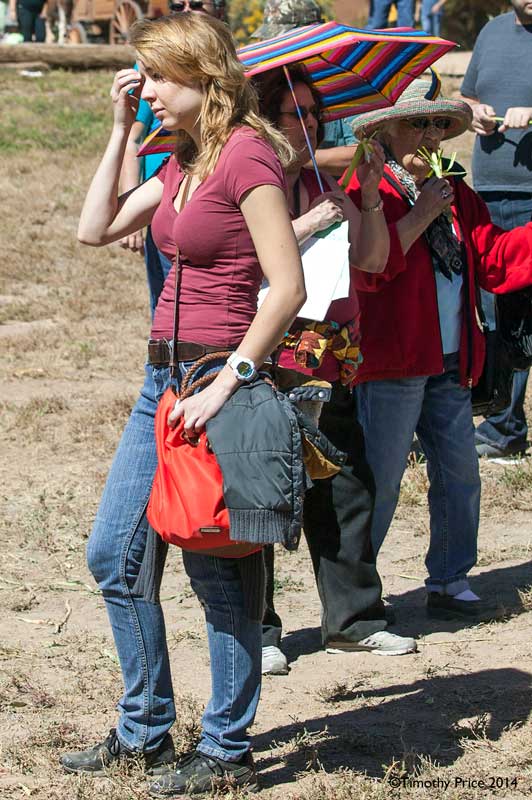

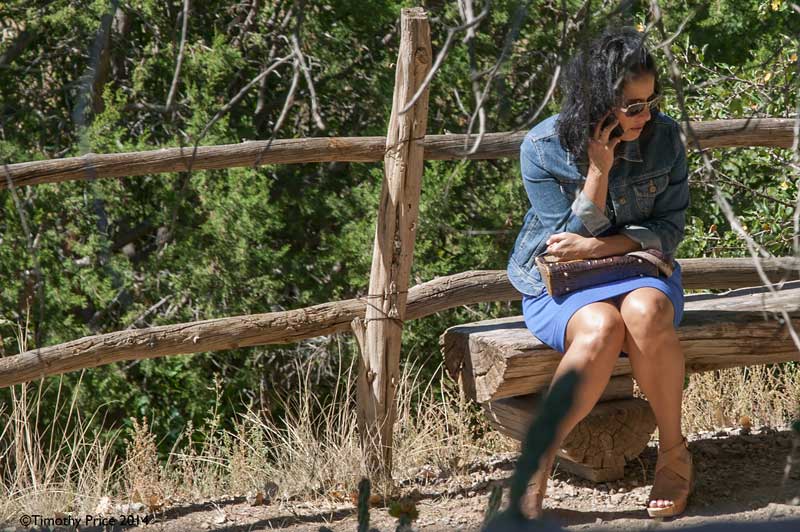

Visitors and Volunteers at Ranchos de las Golodrinas.

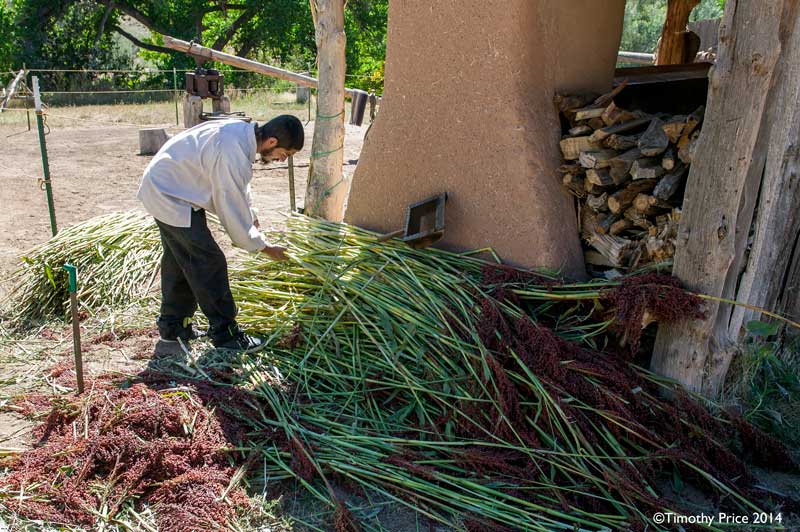
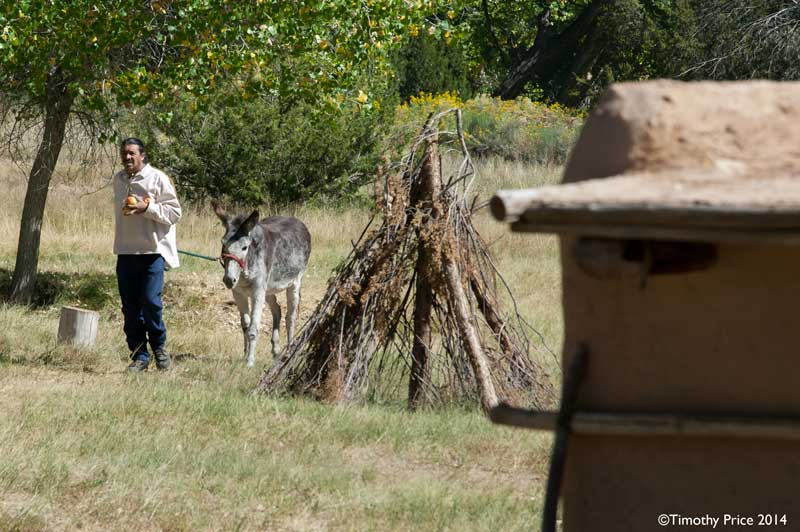
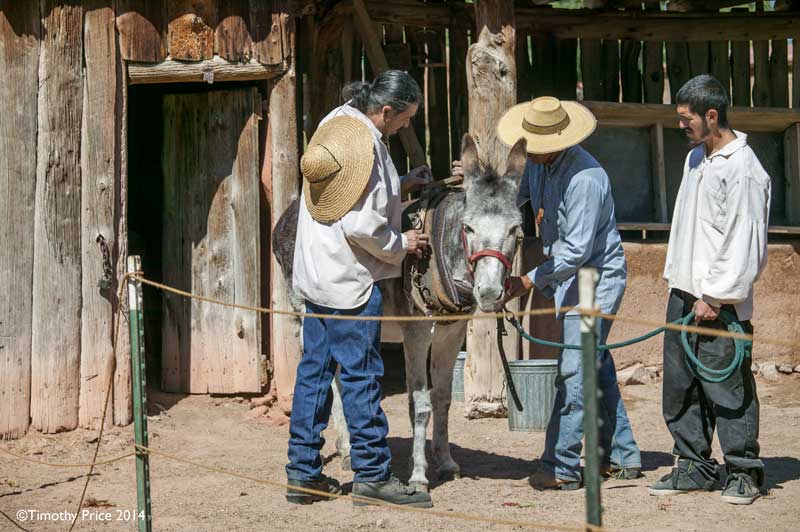
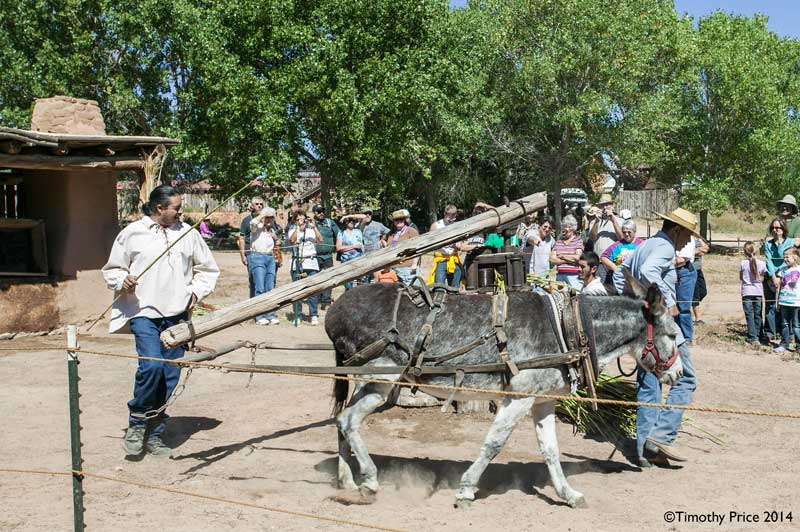
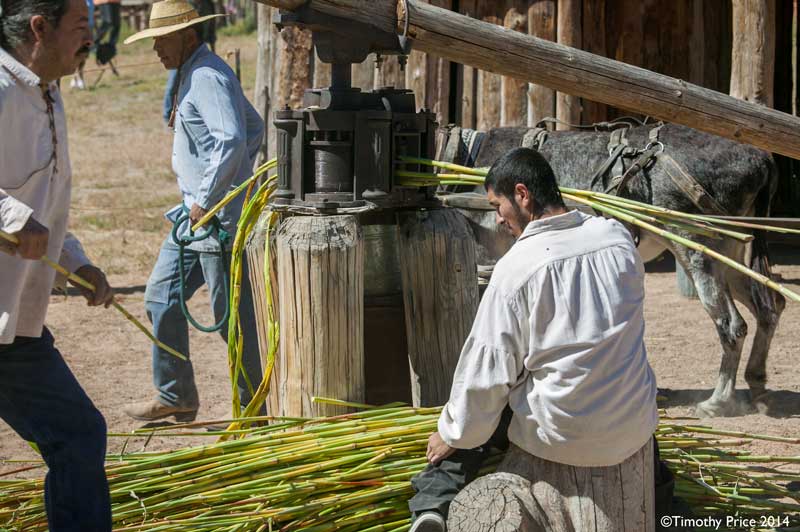
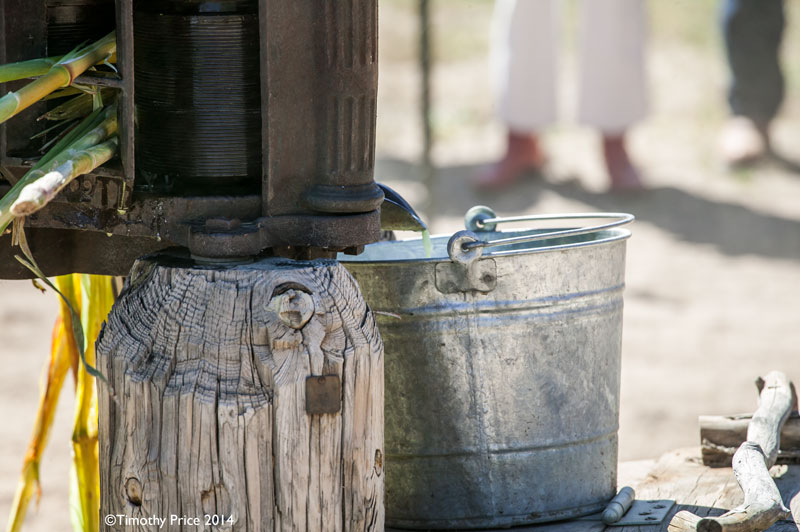
This is a demonstration of how farmers made molasses from sorghum cane in the 18th Century at las Golondrinas: 1) They prepared the sorghum cain by cutting the seed heads off the ends of the canes. 2) They harnessed their ass to a long pole connected to a big iron crusher. 3) They walked their ass in circles turning the crusher, while a person fed sorghum cane into the crusher to extract the sugary juice from the cane. 4) They cooked the sorghum extract and reduced it to molasses.



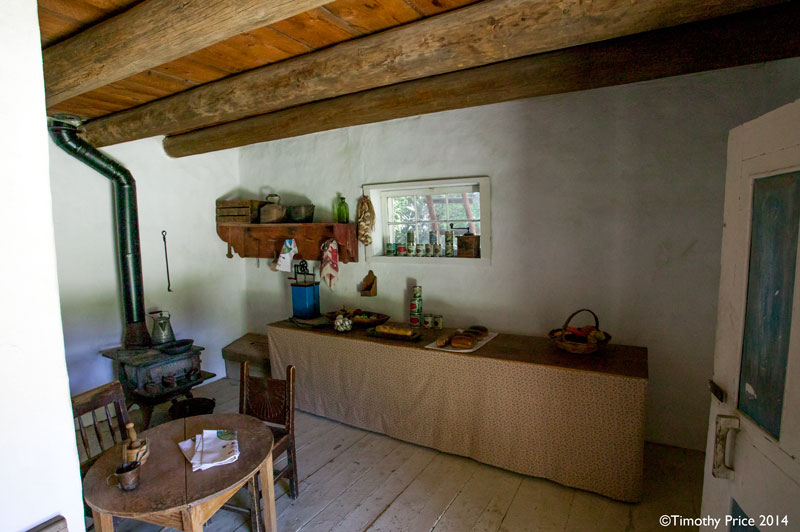
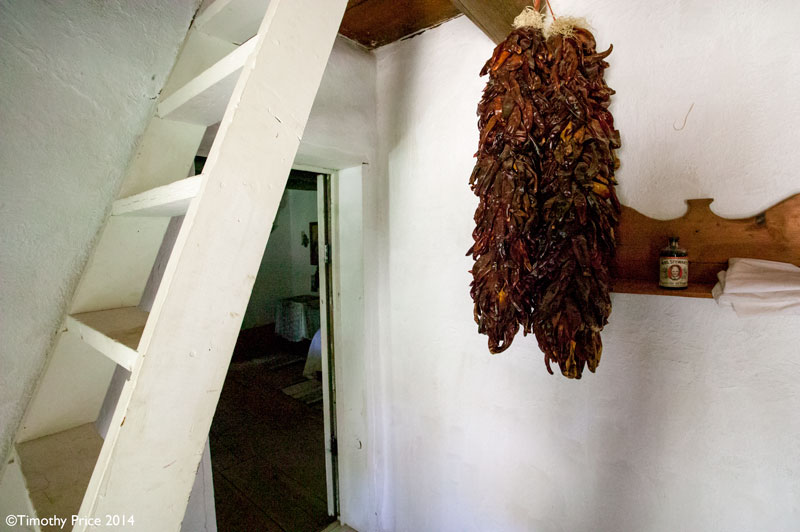
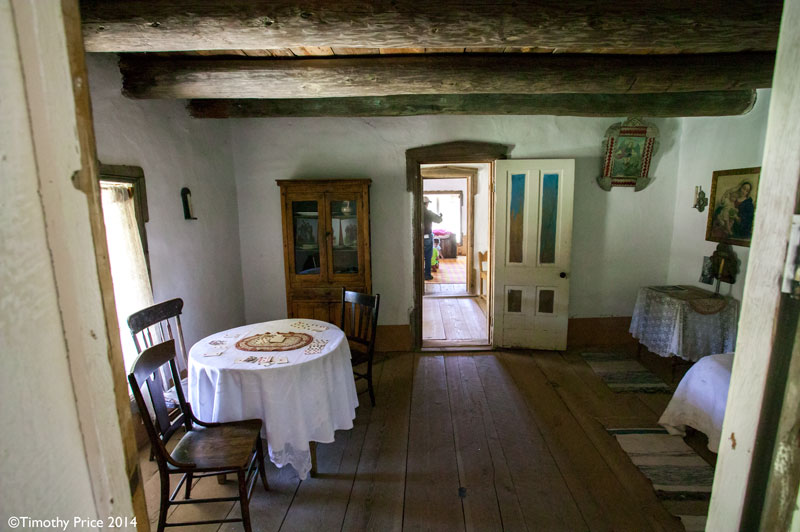
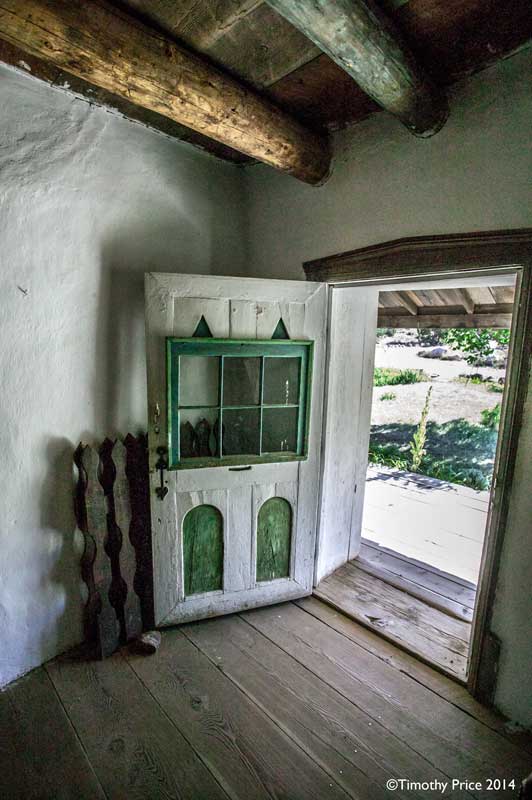
Photos of the interior of the lodge at las Golondrinas.



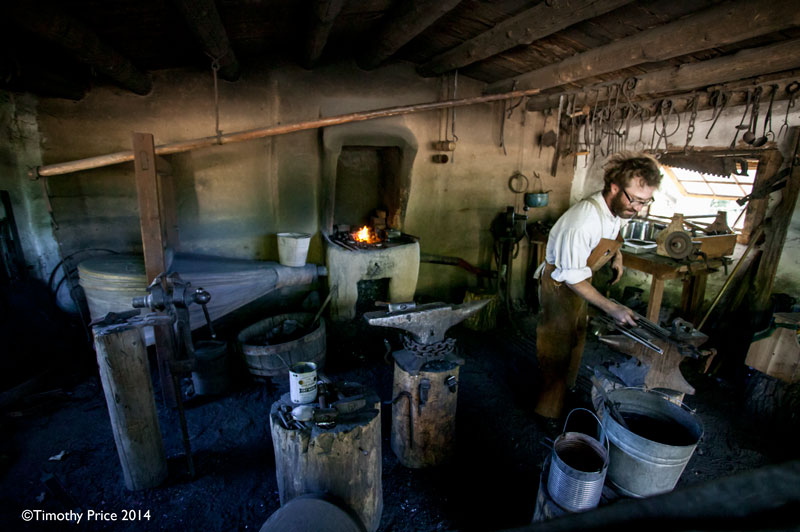
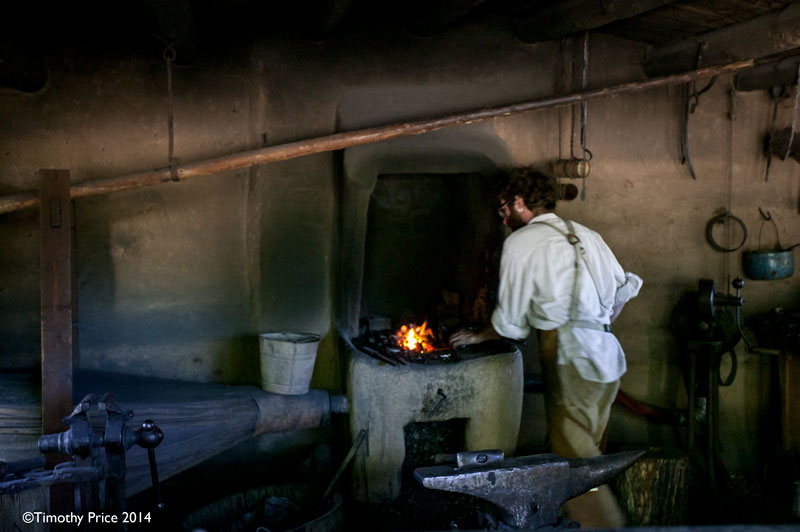
The Blacksmith at las Golondrinas pumps a giant bellows to stoke the fire. The blacksmithing process involves a lot of back and forth between the tools, the bellows and working the hot iron for it cools and goes back into the fire.



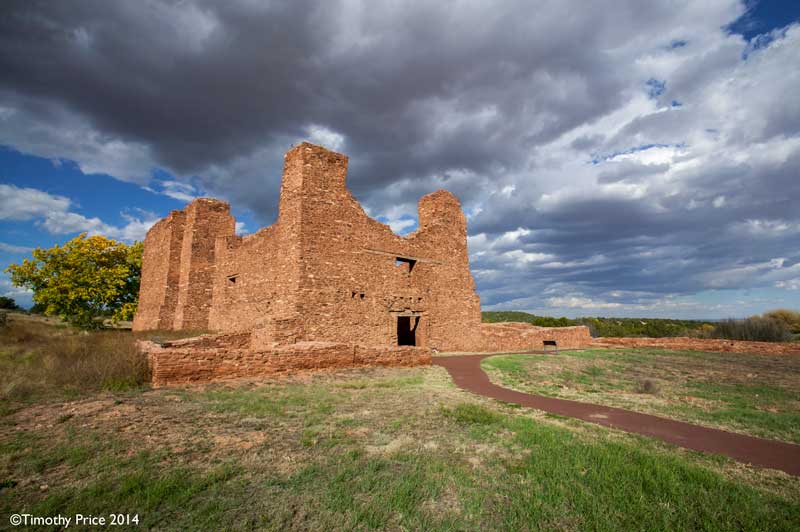
Quarai is about 10 miles straight north of Abó, and about 20 miles from Abó by taking Hwy 60 east to Mountainair, and then Hwy 55 north to Quarai. Quarai was a thriving village when the Spanish arrived at the end of the 16th Century, and was the seat of the New Mexico Inquisition during the 1600’s. Records show that the Inquisitioners in New Mexico at that time were fair and compassionate, and used the sophisticated Spanish legal system to protect the Indian’s civil and property rights.
Like Abó, the church at Quarai was oriented on a north/south axis and there is a Kiva on the east side of the church. Unlike Abó, the Kiva is square. The design of the church at Quarai has a traditional layout, but still had a flat roof. Its ruins look very much like a castle standing on the east side of the church, looking toward the west. The last photo is of a sketch on the site that depicts what the Pueblo would have looked like in the 17th Century.
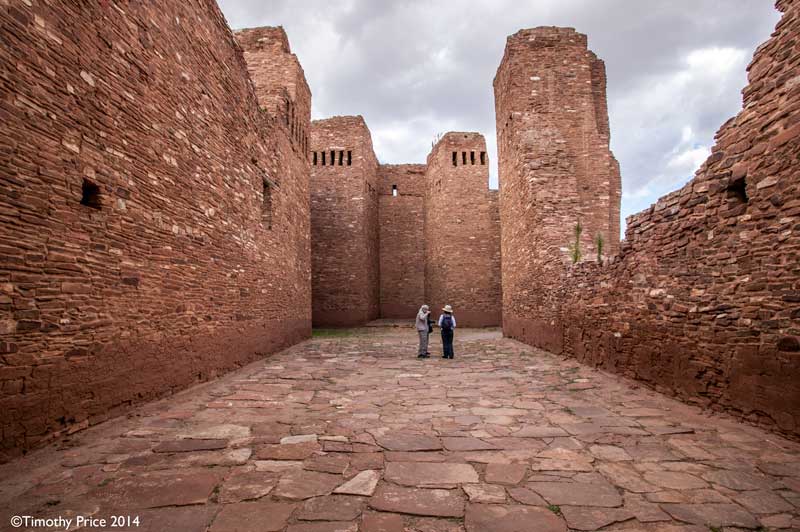
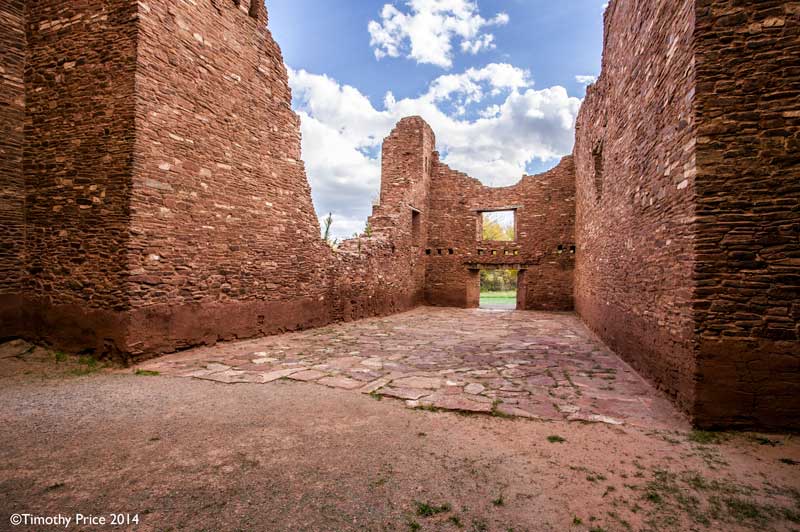
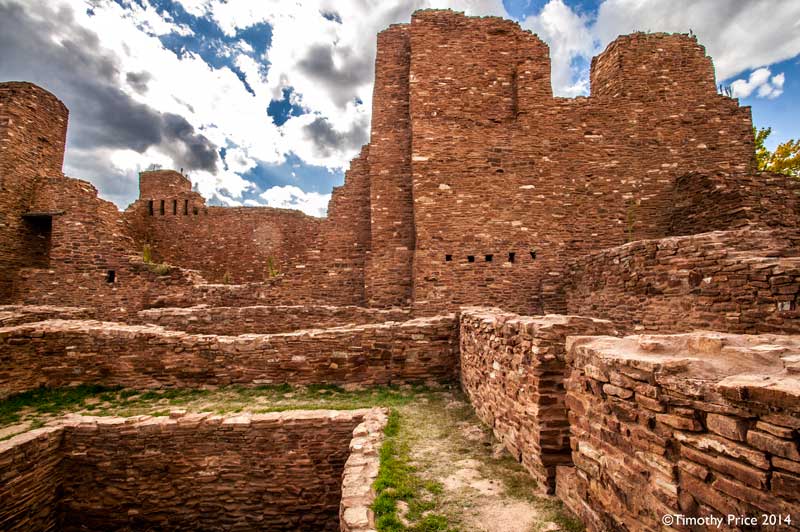
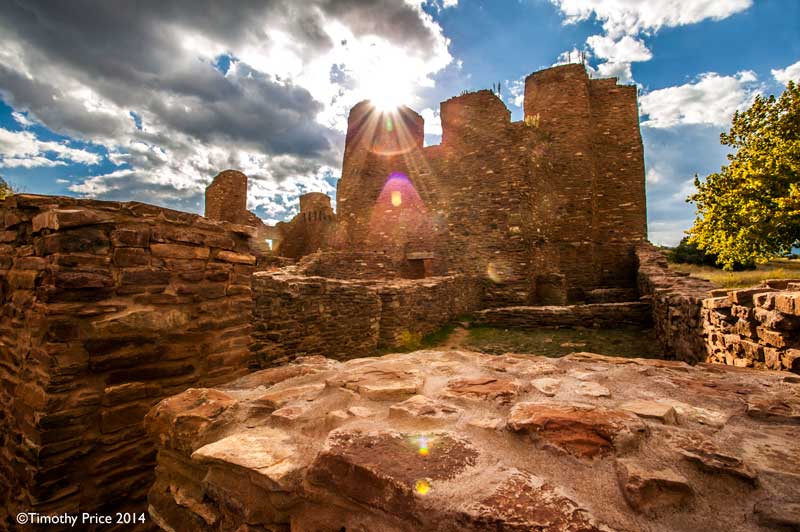
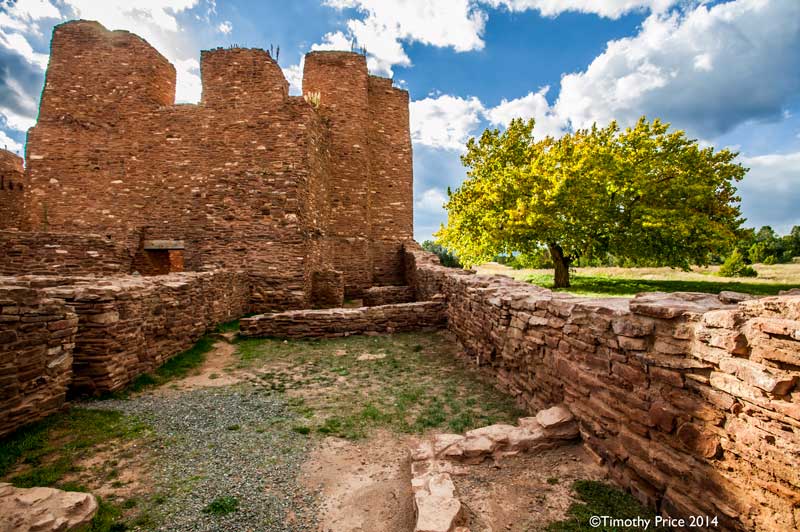
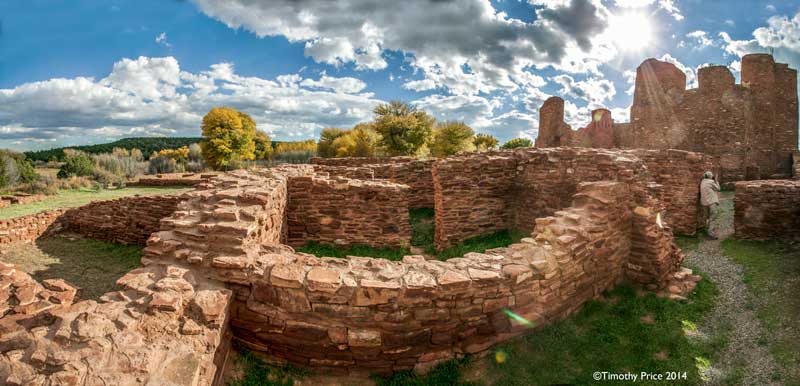
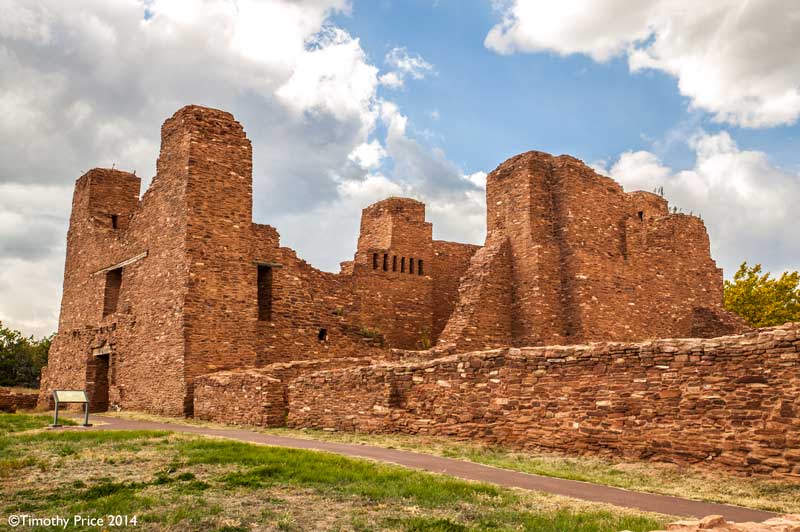


The Spanish came into the Salinas Valley to the east of the Rio Grande Valley in what is now central New Mexico in 1581. The Franciscans began Christianizing the residents of Abó in 1622 and built their first church in the last half of the 1620’s. The remains of the second church built at Abó (pictured) have a sophisticated buttressing to stabilize the high walls that was very unusual for architecture in this area in the 1600’s. Abó was abandoned between 1672 and 1678 after a series of disasters struck the Salinas Valley.
A couple notable features about these ruins are 1) the church is oriented north and south instead of the east/west orientation commonly found in old and new Catholic churches in New Mexico. 2) There is a kiva on the east side of the church. Kivas are used by the Pueblo Indians for rituals and spiritual ceremonies generally associated with the Kachina belief. While the Spanish christianized the residents, they also let them practice their own rituals and spiritual ceremonies.


Yesterday Laurie and I with Susan and Lois took an excursion down south of Albuquerque to look for Sandhill Cranes for our birthdays. After photographing cranes we headed east behind the Manzanos where we visited two of the Salinas Pueblo Missions, Abó and Quarai, and then continued north, around the mountains, and back to Albuquerque. Along the way we photographed landscapes, saw several trains, and had an interesting, uniquely New Mexico, encounter with a local couple along the way.


Lavinia reminded me a few weeks ago that I was going to go back in the Fall and get photos of the grasses at the rammed earth house that was on the Corrales Garden Tour in June. I went out in the late afternoon a a couple of weeks ago and photographed the grasses from the periphery of the property. While I was on the ditch bank I heard sandhill cranes on the river, so I walked out to the river to look for the cranes after photographing the grasses at the house. I didn’t see cranes, but I noticed that the native grasses in the bosque looked like they were on fire backlit in the late afternoon sun. I’ve alternated photos of grasses at the rammed earth house and photos of the native grasses in the bosque, ending the series with a photo of backlit cottonwoods.


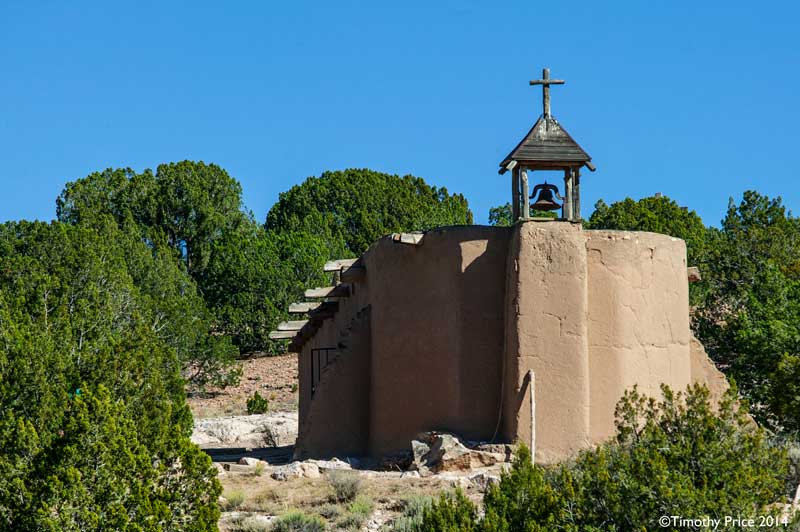
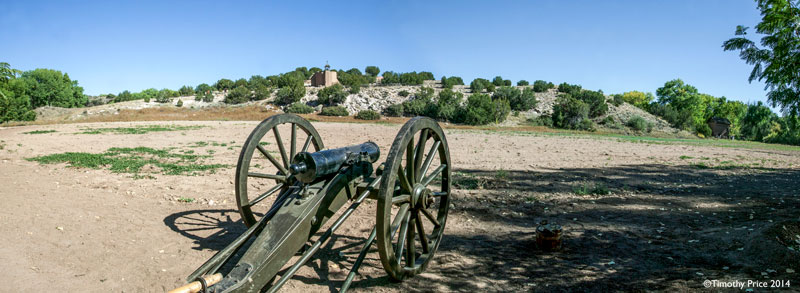
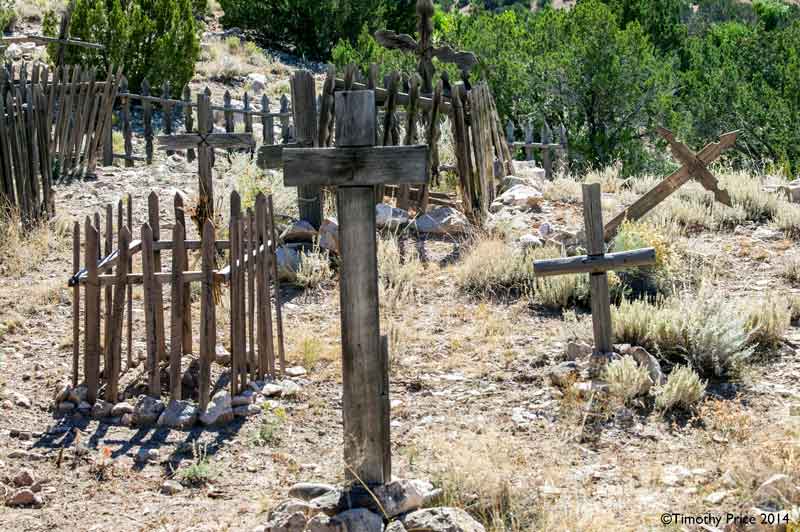
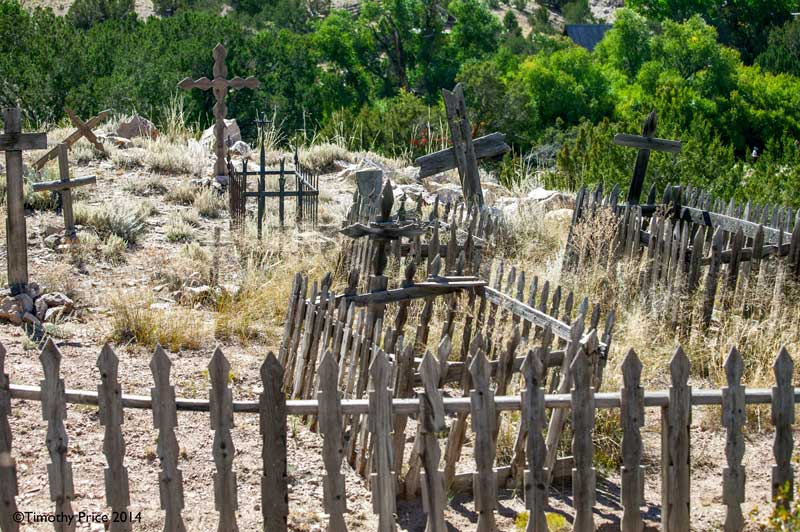
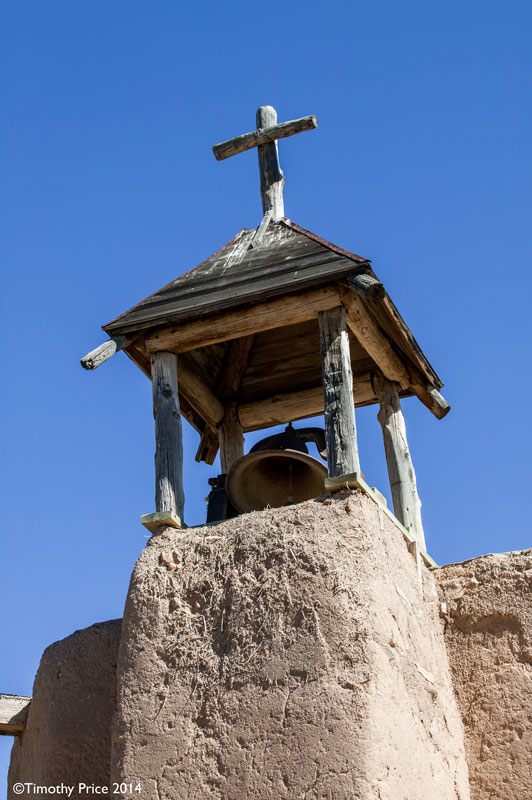
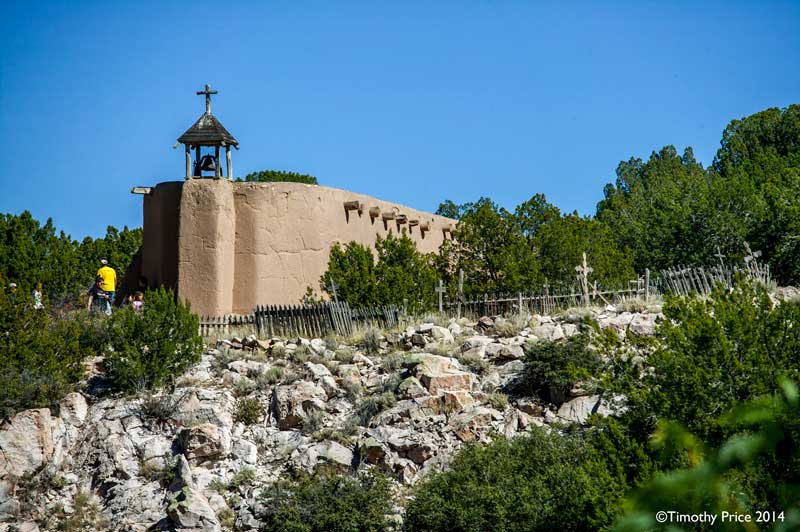
The Penitente Meeting House in Las Golondrinas sits alone on a hill. It’s a long, thin building with a door on either side, one window, a flat roof, and a thin bell tower that juts out of the front of the building. There is an old cemetery that sits off to the side with weathered wood crosses and picket fences marking the graves. Photos were not allowed in the interior. If you are not familiar with the Penitentes, the following wiki has a brief summary of the Penitentes in New Mexico: https://en.wikipedia.org/wiki/Penitentes_(New_Mexico).

 Off Center & Not Even