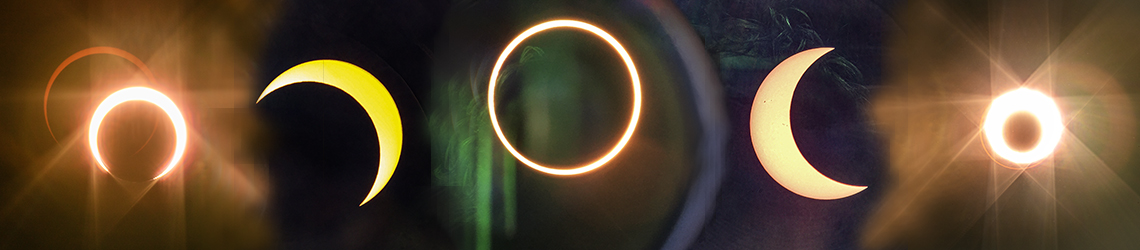

Interesting find in downtown Albuquerque.
Interesting find in downtown Albuquerque.
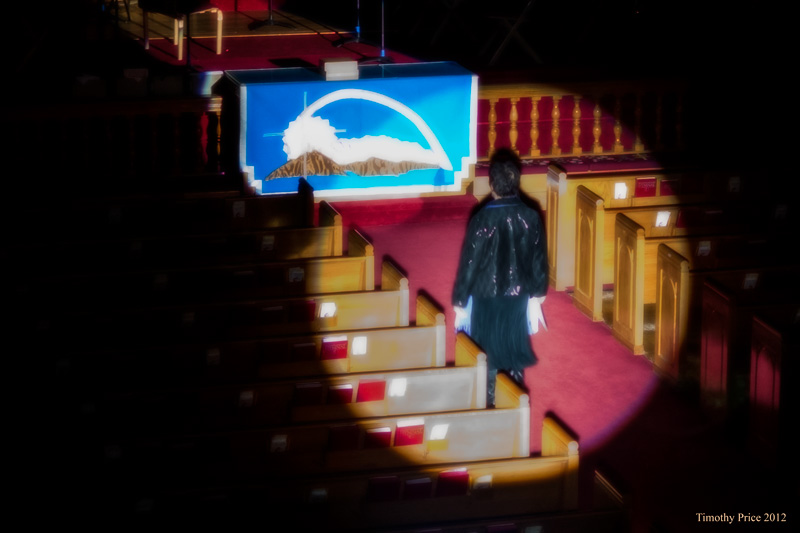
We were working out the lighting for the Christmas Eve services, and while I was practicing following people walking down the aisle, I photographed Jerri with camera in one hand while tracking her and manipulating the spotlight with the other hand. I guess all those “drive-by-photos” have honed my skills at taking photos while doing other things.
On Christmas Eve there will be three services at Central United Methodist Church with music and drama in the 8:00pm and 11:00 pm services — I’ll be manning one of the spotlights at those two service. I’m playing guitar for the first service at 1:00 pm, and the fact that I only have two arms that are each a little less than a yard in length, playing guitar at one end of the sanctuary and operating a spotlight from the balcony at the opposite end of the sanctuary stretches way beyond my ability to multitask, so whoever shows up for the 1:00 pm service with only get the added drama of listening to me improvise while the congregation lights their candles, then I’ll play accompaniment for “Silent Night,” which, by the way, was written for guitar.
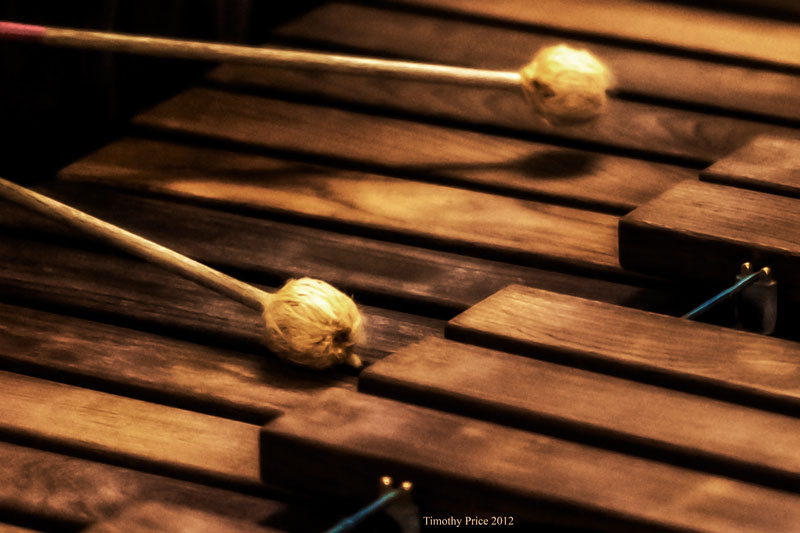
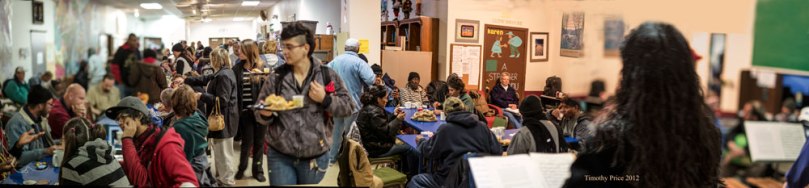
A clarinet and xylophone duet played for St. Martin’s Hospitality Center’s Holiday Breakfast as part of the NM Philharmonic Orchestra’s gift of music for the homeless and disadvantaged members of the community. I was invited to drop by photograph them playing for the breakfast. The music was excellent, and the place was packed and swarming with activity. I managed to put together a panorama of the activity, but it was one of the most difficult panoramas I photographed and successfully stitched together because of the constant activity, the room configurations, and the extreme differences in lighting from on side of the building to the other. But I think the resulting photo show the activity and how many people St Martin’s was feeding this morning. St. Martin’s is just one of a handful of shelters and churches that feed and clothe the homeless and other people who need help in the Albuquerque area.

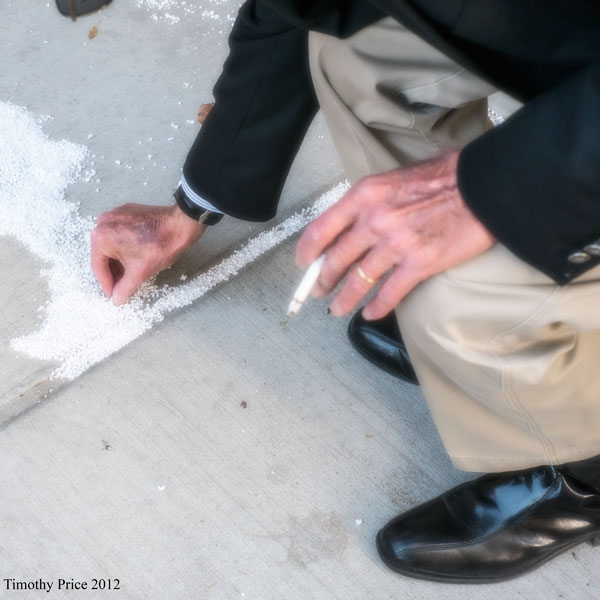
The PNM building is undergoing renovations, which is producing quite a snow job of styrofoam falling on the sidewalks and into the fountain.
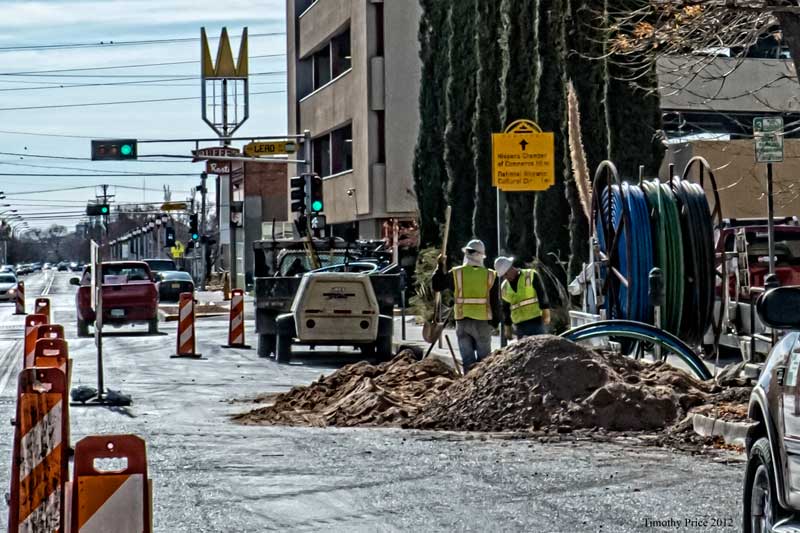

So much for a wireless!
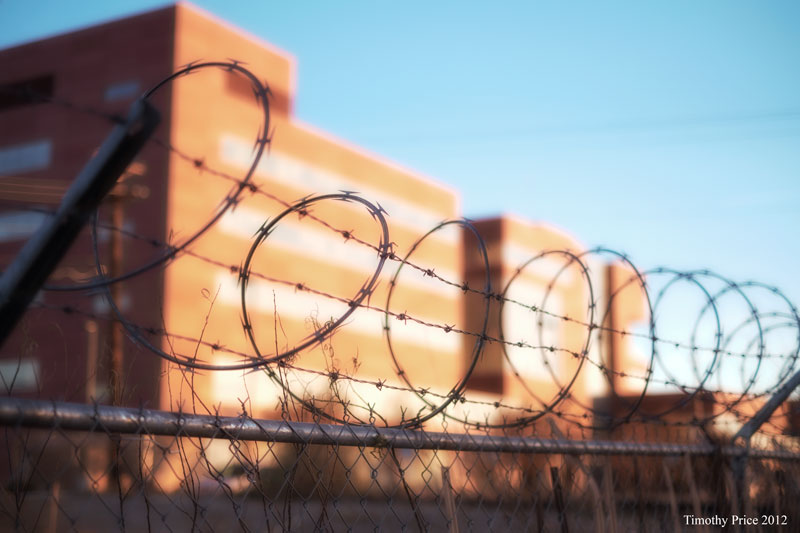
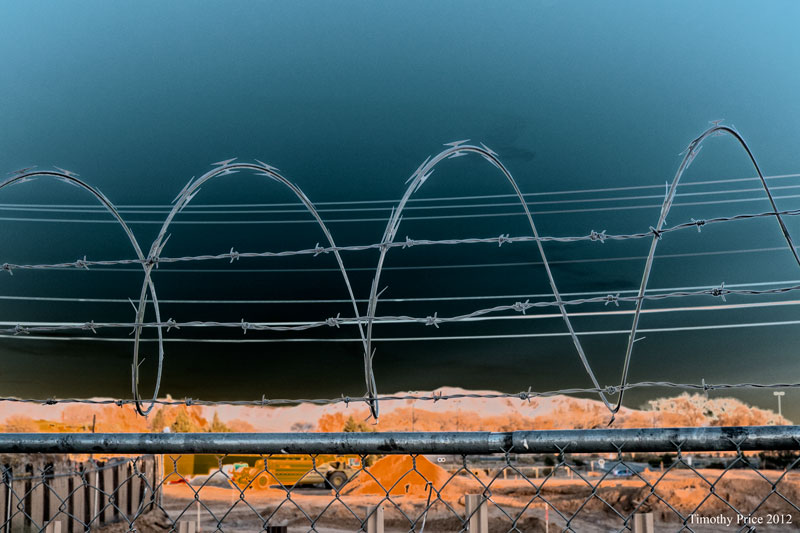
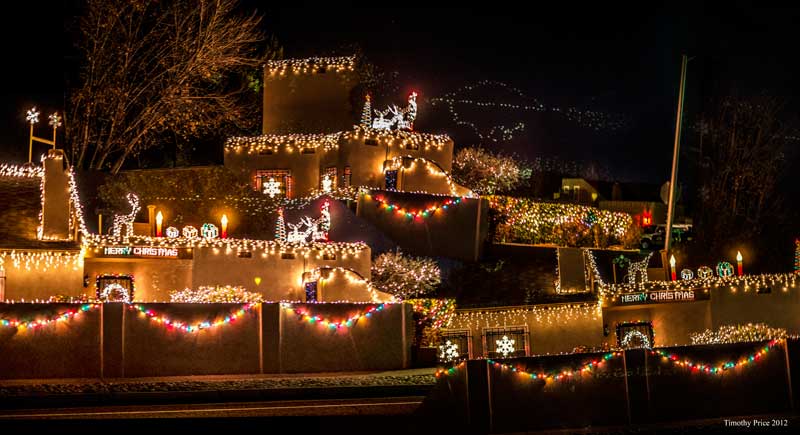
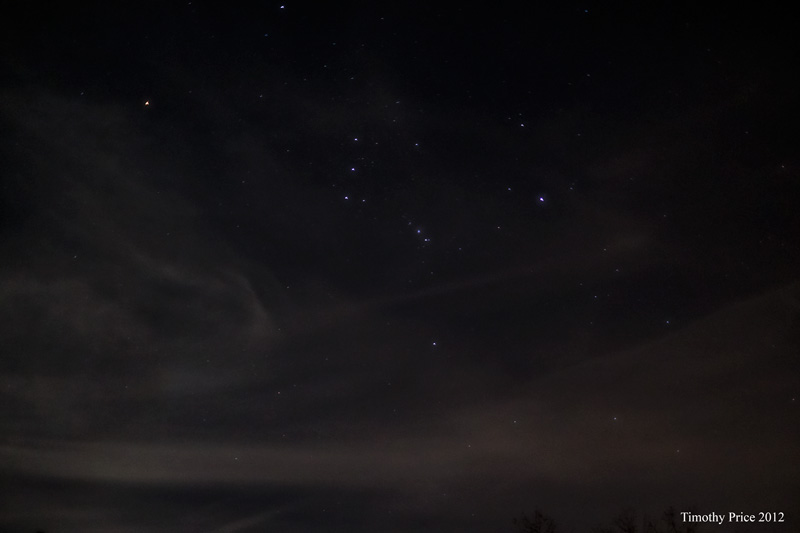
The lights are starting to go up on houses and buildings, and the sky had its own decorations late last night.

If you are fortunate enough to live in the Albuquerque area, or if you are visiting during the month of December here are a few things you can do:
On December 1st at 5:00 pm, Quintessence Choral Artists of the Southwest will be performing “A Winter’s Journey” at St. Paul Lutheran Church, 1100 Indian School Rd., NE, and at 3:00 pm on December 2nd at St. John’s United Methodist Church, 2626 Arizona NE.
Also starting Sunday, December 2nd and running through December 28th from 10-5 daily is the Annual New Mexico Photographic Art Show in the Fine Arts Building at New Mexico Expo (enter the San Pedro and Copper Gate). Our good friend and fellow photographer Susan Graham got a couple of photos of the demolition of the houses on our property in August in the show.
On December 4th at 7:30 pm, the UNM Symphony Orchestra is performing Mozart’s Grand Mass in C, K. 427 at Popjoy Hall at the University of New Mexico. Suzette, one of the lovely women in Wild Women Wednesday, is singing with the University Chorus.
On December 8th at 7:30 pm, the Central United Methodist Church’s Chancel Choir will be performing Handel’s Messiah with the New Mexico Philharmonic Orchestra, and on Sunday December 9th at 3:00 pm at Central United Methodist Church, 201 University Blvd, NE. My blog The Messiah is Coming has all the details. Laurie, Suzette, and Nicole Larson (all of whom have appeared in Photo of the Day, Etc. this month) are singing the Messiah with the Chancel Choir.


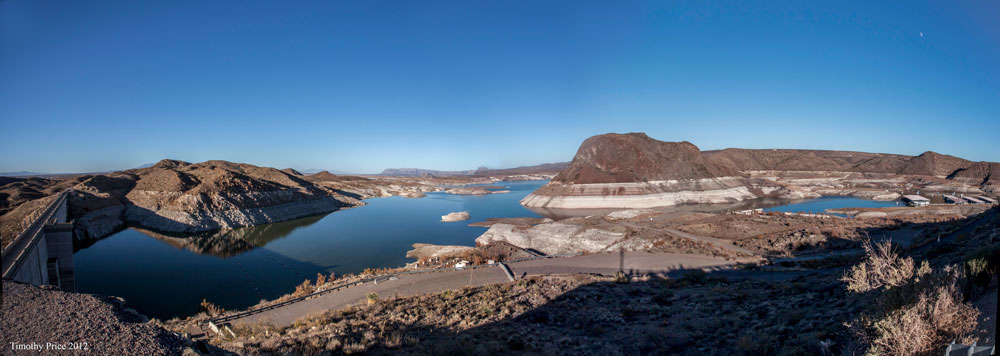
We met the tour van in Truth or Consequences, NM to take us to the Space Port yesterday. Truth or consequences, or T or C for short, is 150 miles south of Albuquerque, NM just off of I-25. Today it is probably best known for Elephant Butte Lake and State Park, but it also is known for its odorless hot springs, and before 1950 it was named Hot Springs, NM. In 1950, Ralph Edwards, the host of the popular radio show that eventually became the popular television show Truth or Consequences, announced that he would air the show from any town that would change its name to Truth or Consequences. Hot Springs won the honor, officially changed its name, and Edwards visited the town for a fiesta every May for many years after that. T or C voted to keep the name in 1967, but there is new talk of changing the name back to Hot Springs since many people today do not associate it with the game show that went off the air in the late 1980’s.
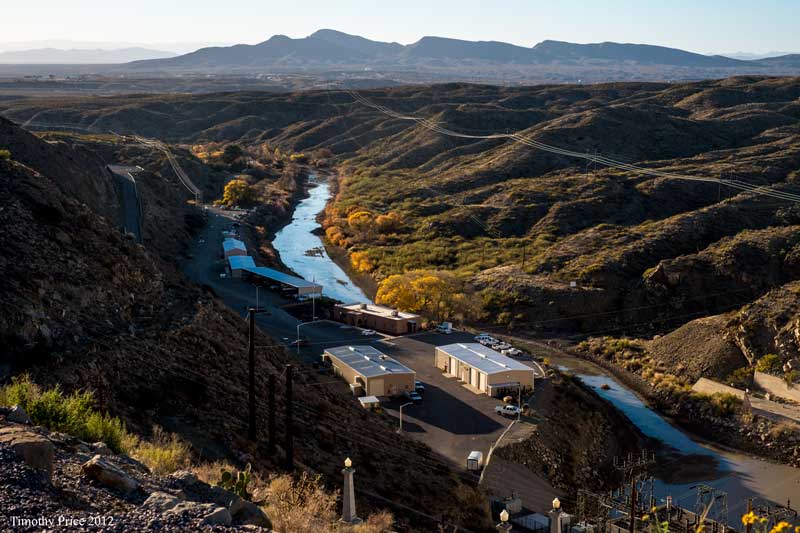
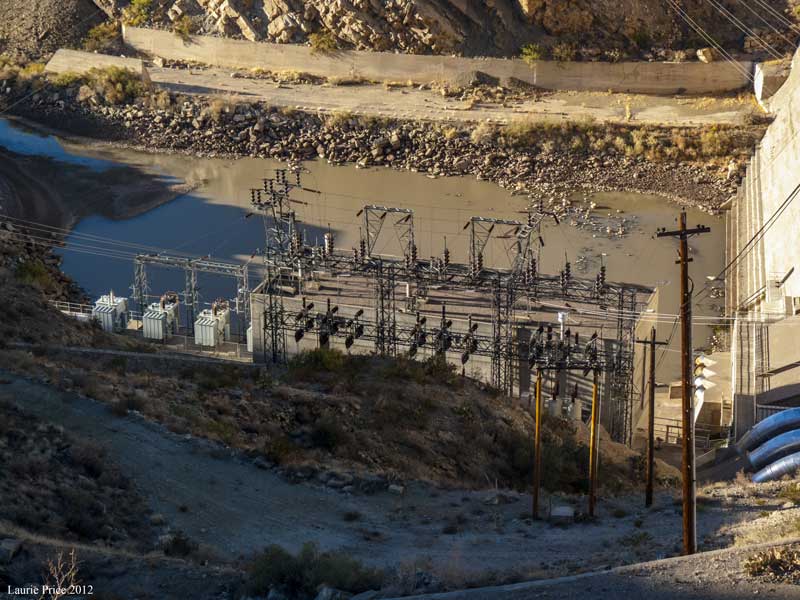
Another attraction in T or C is Elephant Butte Dam. Construction started in 1911 and the dam was completed in 1916 (20 years before Hoover Dam). The dam was a high tech engineering marvel of its day at 300 feet high, almost 1700 feet long and 228 feet wide at the base. The project made irrigation available to about 180,000 acres of farmland. There is also a 28,000 kilowatt generating station at the base of the dam that was installed in the 1940’s; it currently generates enough power for about 20 homes.
Water has gone over the spillway twice in its 100 year history, and I got to pull a “you saw water going over the spillway when you were just 9 months old,” on my daughter yesterday. The 1980’s were a wet decade for NM, with 1986 was the high water mark for Elephant Butte. I raced the first Tour of the Gila bicycle race in Silver City, NM at the end of May 1987, and we stopped to see the water running over the spillway on the way home from the race. Of course Tristan didn’t remember, but I got a certain satisfaction out of telling her she saw it, because my parents did that to me all the time — “Oh yeah you were there with us when you were 2 years old!” they would tell me. Thanks! Like I remember places we visited when I was two. Fortunately for Tristan, we didn’t take her to very many places worth remembering until she was old enough to remember them, however, the historic water going over the spillway at Elephant Butte Dam happened to be an exception.
As you can see from the photos, the lake is very low right now. New Mexico is a high, arid desert and wet decades like the 1980’s are not normal. So what people have been calling a drought for the past 20 years or so, is really more normal for New Mexico; although the past few years have been very dry, so the cycle has probably swung to the opposite extreme from the wet period we had in the 1980s. The peaks between very wet periods and really dry periods for New Mexico seem to run in 50 to 60 year cycles based on the NOAA weather data we got when we had a NOAA weather station on the property.


Laurie, Tristan and I went on a tour of Spaceport America today. Spaceport America is currently the only spaceport in the world built for the purpose of accommodating commercial spaceflights. The Spaceport is built in south central New Mexico, literally in the middle of nowhere, on 18,000 acres of public trust land surrounded by 350,000 acres of an old Spanish land grant now owned by Ted Turner, and the White Sands Missile Range on the other side of the mountains to the east. This location is ideal for a spaceport because of 1) low population — the only inhabitants in pretty much 50 miles any direction are a few ranchers, cattle, buffalo, coyotes, roadrunners, jackrabbits, birds and rattlesnakes. 2) White Sands Missile Range, which has a large restricted air space that commercial aircraft cannot fly through, and has a large “shadow” to the east and west since commercial flights have to make trajectories around the White Sand’s air space. 3) high altitude — Spaceport America is over 4600 feet above sea level; therefore larger payloads can be launched using the same amount of fuel that it takes to launch from sea level.
The Spaceport is not officially open, but they do currently have vertical launches. We did go into the Control Center building which is a concrete dome with ceramic tiles on the outside. To construct the Control Center, they poured concrete over a large balloon and then cut out the openings. The second floor is hung from the dome and has no vertical supports from the floor on the inside of the dome. The viewing area of the Control Center is in the “Eye” that pops up from the dome facing the runway.
The tour van drove us to one end of the runway, and I included a photo Laurie took of me photographing the number, 16, and the orange “X” that is held down by rocks on the end of the runway. The runway is currently 10,000 feet long, 200 feet wide and 43″ thick. The Spaceport Authority is extending the runway by another 2,000 feet so a spacecraft with a full rocket can land safely (if the rocket can’t fire it’s rockets and has to land, it has to land with the extra weight of full rockets).
The Terminal Building with the hangers is not open to tourists, so we only got to see and photograph the outside of the building. One of the design criteria of the buildings at Spaceport America is that they have to blend into the environment. The building is very organic without a straight line on the outside. When you are standing on the end of the taxiway, where it intersects the runway, the Terminal Building roof lines up with the mountains in the background, and continues an undulating roofline from one side to the other. The Spaceport buildings where designed by a team of US and British designers and architects URS/Foster + Partners to the world.


We had a slow roasted prime rib with pea and parmigiano soup, roasted root vegetables with meyer lemon, yorkshire pudding and Irish whiskey cake for Thanksgiving dinner. David and I went out to the river at sunset to get photos — I used my new ultra-wide angle lens, while he used one of my cameras with a super telephoto lens. While I was wandering around downtown last night I took a couple of ultra-wide angle shots of the Kimo Theater, and then stitched the photos together. The result is how I believe the Kimo might have looked if I.M. Pei had designed it.


Only seventeen days left until the Central United Methodist Chancel Choir with the New Mexico Philharmonic Orchestra present Handel’s Messiah. I am listening to the choir rehearse as I write, and they sound wonderful. Besides singing, the choir director has the choir do choral calisthenics and stretches so they will be in ship shape to deliver outstanding performances. The performances will be on Saturday, December 8th at 7:00 pm and Sunday, December 9th at 3:00 pm. If you live in the greater Albuquerque area, I highly recommend getting tickets to this concert. Tickets can be purchased on-line at http://holdmyticket.com/event/119812.
Handel composed the Messiah in 1741, a 100 years before the term photography was attributed to the process of recording images on a medium using a camera. Since the daguerreotype was one of the earliest photographic processes that resulted in a direct positive, I used a hand-colored daguerreotype effect on the photos of the choir doing their calisthenics, stretches and singing to represent an early time. It doesn’t take us back to the time when Handel lived, but it does give a sense of rehearsing the Messiah in the earliest days of photography.


 Off Center & Not Even