
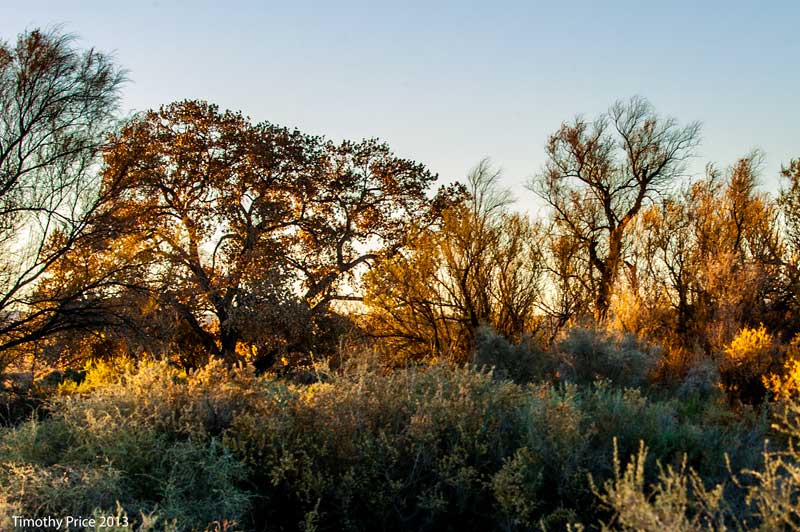
Cottonwood, sagebrush, tamarisk and other plants in the low sun on Saturday. I managed to get a different view of the Sandias from above Bernalillo as the last bit of sunlight kissed them goodnight.

Cottonwood, sagebrush, tamarisk and other plants in the low sun on Saturday. I managed to get a different view of the Sandias from above Bernalillo as the last bit of sunlight kissed them goodnight.
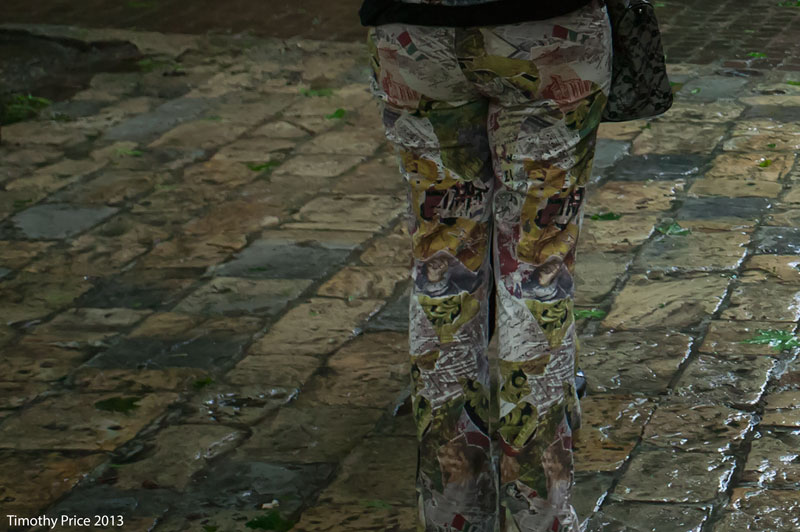
Blending in on a rainy day. Aix-en-Provence, May 2013
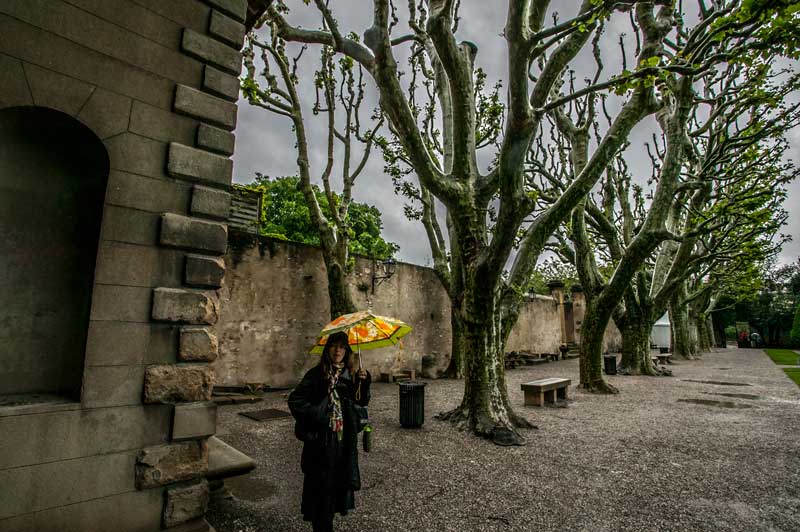
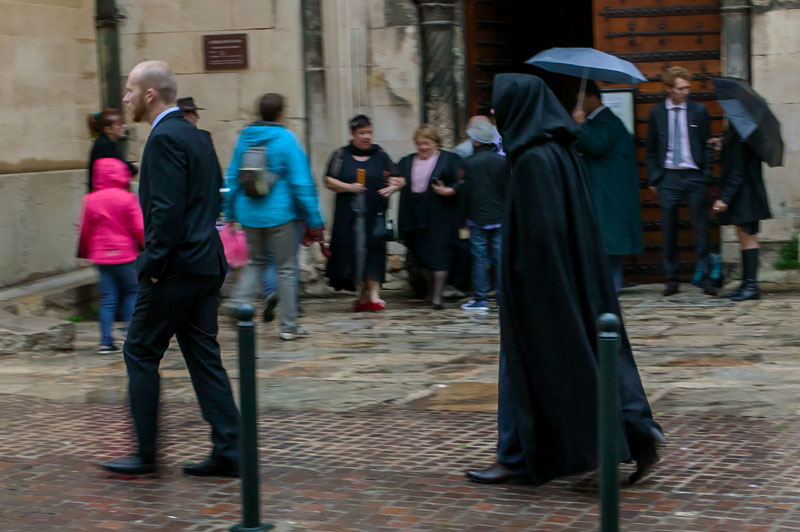
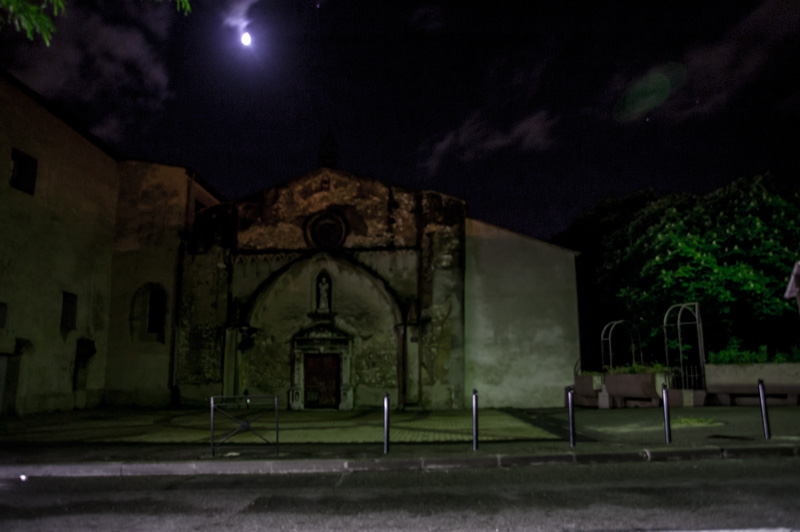
We walked around Aix in the rain all day on May 18th. The wet, gray weather added to the erie starkness of the old Castaño trees lining the edge of a park. Death followed a poor soul through the streets, and the moonlight in the clearing night sky lit an ancient church on our walk home late in the night. Aix-en-Provence, May 18, 2013.

Often, when the kitties and birds are being cute, I pull out a camera and they cease being cute. But when I pulled out the iPhone (not the usual camera) Rosencrantz and René just stuck their faces in it.


Aix-en-Provence, May 2013.


Rosencrantz commemorated his kitty version of Dia de los Muertos by being half ghost / half black cat. The photo is the result of an experiment using my 4X5 view camera, and “ghetto scanning” the negative.

I made sure I went out to the river and got the sunset on Sunday. Now that we are back on standard time, it will be dark before I leave the office during the week.





I got a 4X5 view camera and lens on ebay, and I had ordered an adapter that was supposed to allow me to use my Canon bodies on the 4X5, moving the adapter around to six different positions to cover most of the view area on the 4X5. Then I would have stitched the six images together to make the final photo. The adapter didn’t fit right so it couldn’t move through any of the positions, which was useless, so I returned the adapter. I was going to return the 4X5, but then I thought, “what the heck” and decided to keep it and do some film again (I used a 4X5 view camera exclusively when I was a photo student in the early 1980’s).
I mixed up chemicals this morning, and using a daylight changing bag, I loaded negatives I had taken a couple of weeks ago into a daylight processing tank. I processed my first test negatives in the kitchen sink this afternoon, and hung them over the sink to dry. It was fun and nostalgic being a photo-chemist again — measuring and mixing the developer, fixer and hypo-clearing agent, getting the developer to the right temperature, agitating the tank at minute intervals while the developer did its magic, followed by the stop bath, fixer, hypo-clearing agent and final rinse. All the time there was much anticipation with some anxiety about the results, as it was the first time I had processed 4X5 sheet film in almost 30 years.
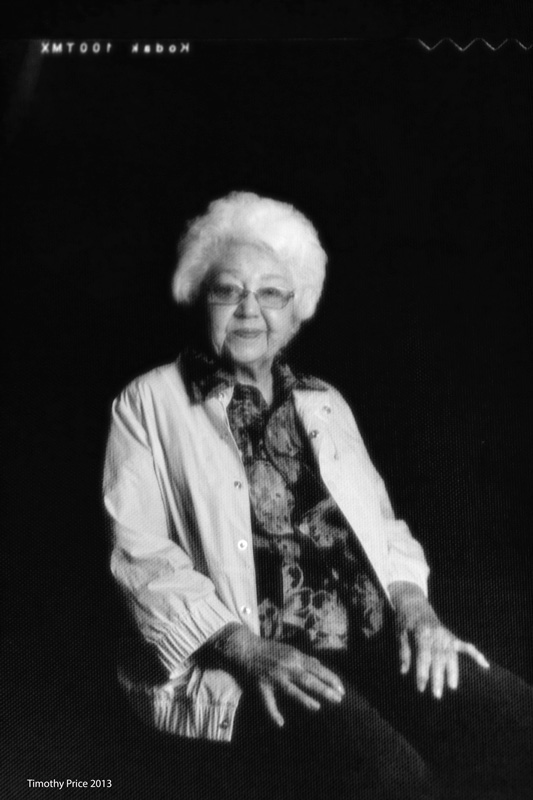
The negatives are not too bad, but negatives look like negatives, and since I currently do not have a scanner that can scan 4X5 negatives, I photographed them on a soft box, then reversed two of the images into positives that are displayed below. The first photo of each pair is a shot of the emulsion side of the negative, which is not as reflective, but the images are reversed. The second photo of each pair is a shot of the negatives turned over so I’m shooting the shiny side of the negative. In all the photos below, my macro lens picked up the texture of the fabric cover on the soft box, so you can see texture in parts of the photos. The emulsion side of the negatives was easier to photograph because there was less glare, allowing the black background to be black. I had to hold the camera at a different angle to reduce the glare on the shiny side of the negatives as much as possible, which also created a much shorter depth of field on the second photo in each pair.

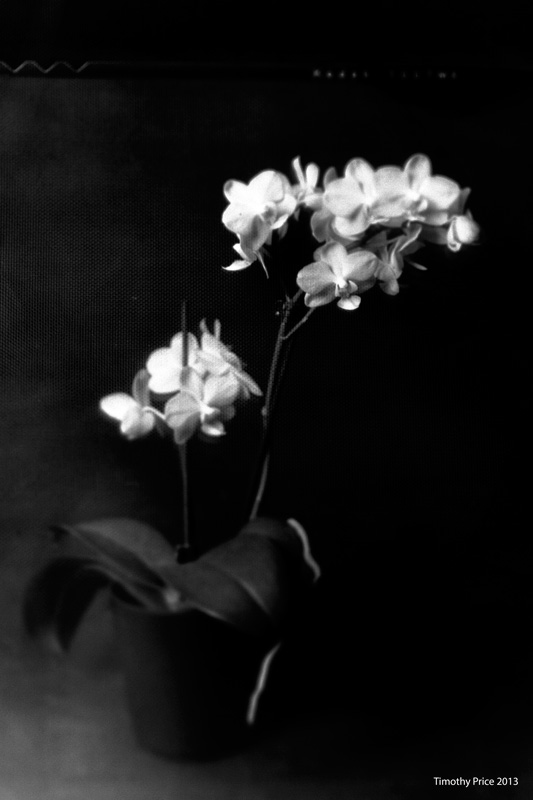


Despite hard frosts, and high winds, Rio Samba managed to put out one last beautifully shaped rose. Rio Samba is complementing the Phalaenopsis Orchid that hangs its blossoms over my commuter screen.


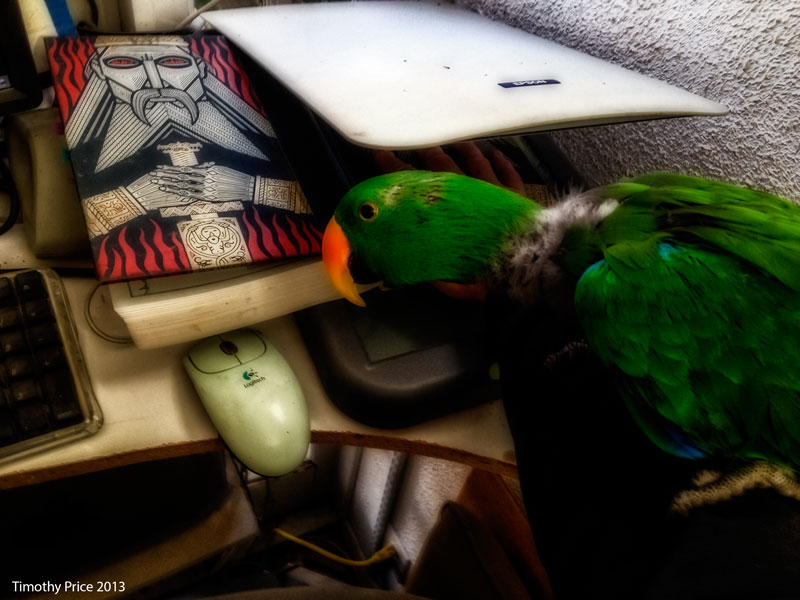
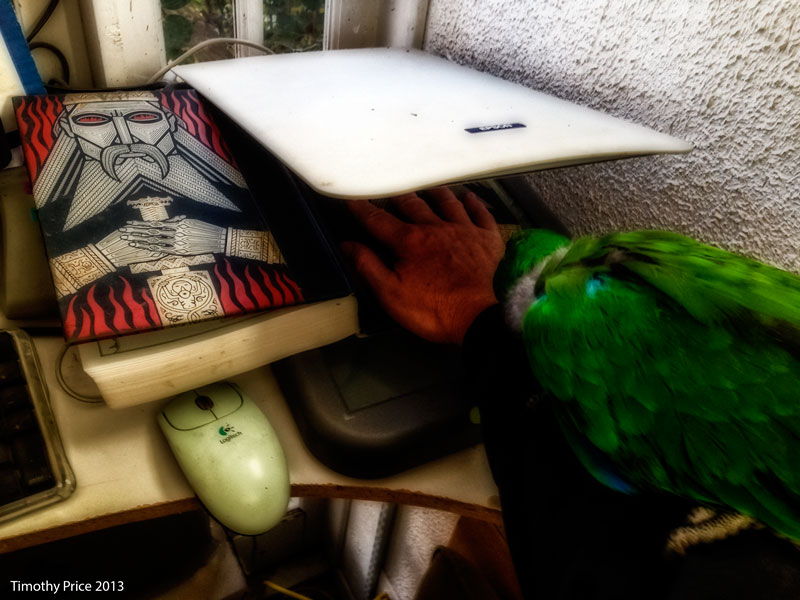
René will unexpectedly get spooked by everyday things that I wouldn’t expect would freak him out, so when I started scanning sections of the Icelandic Sagas for the Old Norse class Laurie is taking, I expected René would freak out and fly over to the couch. To my surprise, he was fascinated by the scanner. He would look at me expectantly for my approval to check it out, then he looked to see where the noise was coming from, and finally he would stick his head under the lid while I was holding the page flat during the scans to get a closer look. He was very entertained by the whole process of scanning sections of Viking age sagas, and made a game out of it.
 Off Center & Not Even